Palazzo del Cinema: Inside Venice's Legendary Film Festival Venue
Built in 1937 on the Lido's seafront, the Palazzo del Cinema di Venezia is the beating heart of the Venice International Film Festival, the oldest competitive film festival in the world. Whether you're chasing red carpet glamour in late August or simply exploring the Lido outside festival season, this rationalist landmark is worth understanding before you visit.
Quick Facts
- Location
- Lungomare Guglielmo Marconi, Lido di Venezia, 30126 Venice, Italy
- Getting There
- Vaporetto lines 1 or 5 to Lido S.M.E., then ~20 min walk along Lungomare Marconi
- Time Needed
- 1–3 hours during festival; 30 min for exterior visit outside festival dates
- Cost
- Varies by screening and pass type; check La Biennale's official site for current prices
- Best for
- Film lovers, architecture enthusiasts, cultural travelers, photography
- Official website
- www.labiennale.org/en/venues/palazzo-del-cinema
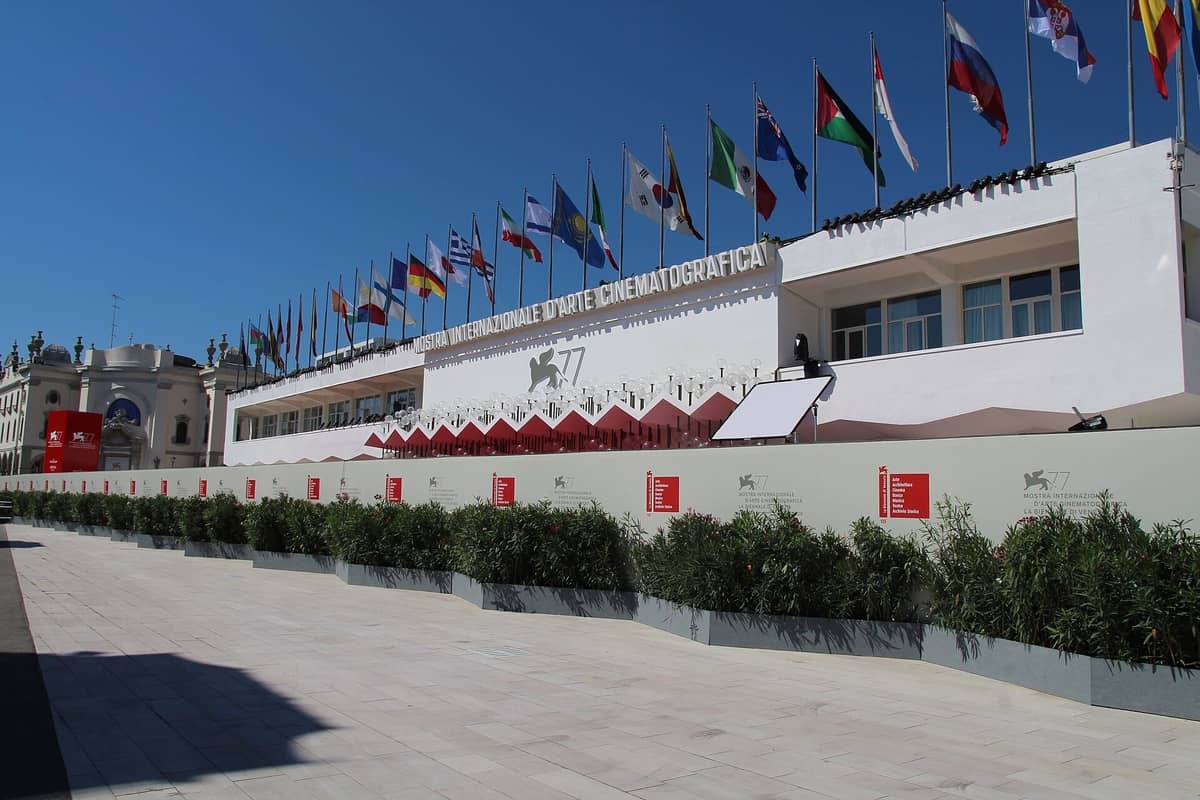
What the Palazzo del Cinema Actually Is
The Palazzo del Cinema di Venezia is not a year-round cinema or a museum you can wander into on a Tuesday afternoon. It is first and foremost an event venue, purpose-built to host the Venice International Film Festival, known in Italian as the Mostra Internazionale d'Arte Cinematografica della Biennale di Venezia. That name alone tells you a great deal: this is a showcase, a display, a deliberate act of cultural curation that has been taking place since 1932, making Venice the oldest competitive film festival in the world.
The current building was constructed between 1936 and 1937, designed by engineer Luigi Quagliata in a modernist rationalist style, and inaugurated on 10 August 1937 for the 5th edition of the festival. It sits on the Lido's seafront boulevard, Lungomare Guglielmo Marconi, with its monumental facade of vertical pilasters and rounded corners facing the Adriatic. Inside, three screening halls serve different functions: the Sala Grande holds just over 1,000 seats and is where competition films premiere and awards are announced; the Sala Pasinetti and the intimate Sala Zorzi are smaller halls used for press, industry screenings, special events and retrospectives.
ℹ️ Good to know
The Palazzo del Cinema is not publicly accessible outside of official events. If you're visiting Venice outside of late August to early September, you can walk the exterior and the seafront promenade, but the building itself will be closed to the public.
The Festival: What Happens Here Each Year
The Venice International Film Festival runs annually in late August through early September, organized by La Biennale di Venezia, the same body that manages the Venice Art Biennale, Architecture Biennale, and other cultural events across the city. The film festival typically runs for about ten days, and during that period the Palazzo del Cinema transforms from a shuttered seafront building into one of the most photographed and scrutinized venues in world cinema.
The red carpet unfolds along the building's entrance, flanked by photographers and onlookers from early morning on major premiere days. Competition films screening in the Sala Grande compete for the Golden Lion, the festival's top prize. Past winners include films by directors such as Akira Kurosawa, Agnès Varda, and Alfonso Cuarón, giving you a sense of the caliber of work that has passed through this building. For a broader picture of what the festival involves beyond the main venue, the Venice Film Festival guide covers the programme structure, satellite venues, and how to plan a visit around it.
Tickets for public screenings are sold through La Biennale's official cinema ticketing portal. Prices vary significantly depending on the type of screening, whether it is a public sale or accredited press and industry access, and how close to the premiere date you are buying. Demand for competition film screenings in the Sala Grande is high. If you want to attend a premiere, plan well in advance and monitor the official Biennale website once the programme is announced, typically in late July.
Tickets & tours
Hand-picked options from our booking partner. Prices are indicative; availability and final rates are confirmed when you complete your booking.
Venice Legends, Anecdotes and Ghost Stories Tour
From 35 €Instant confirmationFree cancellationGhosts and legends tour of Venice
From 29 €Instant confirmationFree cancellationMorning walking tour of Venice with St. Mark's Basilica and gondola ride
From 105 €Instant confirmationFree cancellationVenice Carnival Mask Workshop in St. Mark's Area
From 67 €Instant confirmationFree cancellation
Arriving at the Palazzo del Cinema: The Lido Route
Getting to the Palazzo del Cinema requires a vaporetto crossing from the main island. From San Marco, take ACTV line 1 from the San Zaccaria stop to Lido S.M.E., a crossing that takes roughly 15 minutes and offers views across the southern lagoon. The Lido itself feels noticeably different from the historic centre: wider streets, actual cars, Art Nouveau villas set back behind garden hedges, and the quiet specific to a barrier island that functions both as a residential neighborhood and a summer resort.
From the Lido vaporetto stop, the walk to the Palazzo del Cinema along Lungomare Guglielmo Marconi takes about 20 minutes on foot, passing the former Grand Hotel des Bains (currently closed and undergoing conversion), the Casino building, and several early 20th-century hotels that form the backdrop of the festival's social life. During the festival, this promenade is continuously active: film industry professionals in lanyards, tourists in summer clothes, and photographers stationed near every significant entrance. Outside the festival, it is a calm seaside walk. The Lido di Venezia has its own identity worth exploring beyond the film festival, including beaches facing the Adriatic that are a different Venice experience entirely.
💡 Local tip
During the festival, vaporettos to the Lido fill up fast in the early evening before major premieres. Allow extra time, or consider taking an earlier crossing and spending time on the Lido before the screening.
What the Building Looks and Feels Like
The Palazzo del Cinema's rationalist architecture is worth pausing over, even if you are not attending a film. The facade is clean and imposing: pale stone, strong horizontal and vertical lines, an entrance portico wide enough to channel large crowds, and a deliberate lack of ornament that was characteristic of Italian architectural output in the late 1930s. It is a building designed for spectacle and public gathering rather than intimacy, and that intention is still legible in the proportions.
On a quiet morning outside festival season, the Lungomare in front of the Palazzo is peaceful to the point of being almost melancholy. The sea light on the pale facade, the shuttered box offices, and the empty red carpet zone feel like a stage cleared between performances. Early morning is the best time for photography of the building itself, before the light flattens out toward midday. During the festival, the same location in the early evening hours before a premiere becomes theatrical: arc lights, barriers, and a density of cameras that transforms the architecture into a backdrop.
Attending a Screening: Practical Walkthrough
If you plan to attend screenings during the festival, the process begins online. La Biennale di Venezia releases the official programme and opens ticket sales through its website in the weeks before the festival starts. Public tickets for the Sala Grande are available but limited; many seats are reserved for accredited press, industry professionals, and international buyers. The Sala Pasinetti and Sala Zorzi have smaller allocations and are primarily for press and accreditation holders.
Arrive at the Palazzo del Cinema well before your scheduled screening. Security checks during the festival are thorough, and the queuing system differs by screening type. For major competition films, expect lines to form 45 minutes to an hour before doors open. Dress code is generally smart casual for most public screenings; evening premieres and award ceremonies call for formal attire, though this applies mainly to invited guests rather than general ticket holders.
Accessibility arrangements for screenings at the Palazzo del Cinema are coordinated through La Biennale's Cinema department. The building was designed for large public attendance, and the main entrance areas are at street level. For specific step-free access requirements or assistance during the festival, contact La Biennale directly via the contact details on their official site before purchasing tickets.
When to Visit and Who Should Probably Skip It
The only reason to make the Palazzo del Cinema your primary destination is if you are attending the Venice Film Festival. Outside of late August and early September, the building is closed, the seafront is quiet, and the experience is limited to the exterior and a pleasant walk along the Lido's promenade. That walk has real value, especially if you pair it with a visit to the Lido beach or explore the island's Art Nouveau architecture at a gentle pace. But anyone expecting to step inside, see exhibition material, or access any film-related permanent display will be disappointed.
Travelers with very limited time in Venice who are not attending the festival should weigh the 30-plus minutes of vaporetto and walking time against what they will actually see. If your priority is art, history, or architecture concentrated in the historic centre, the time is better spent at the Gallerie dell'Accademia or the Peggy Guggenheim Collection in Dorsoduro. The Lido trip makes most sense as part of a broader day on the island, not as a standalone excursion to a closed building.
That said, if you are in Venice during the festival period, even a general atmosphere visit is worthwhile. The energy along Lungomare Marconi during the festival's peak days is unlike anywhere else in Venice: a city famous for removing cars from its streets suddenly has a strip of seafront boulevard filled with production vehicles, film crews, and a cosmopolitan crowd that is entirely distinct from the usual tourist flow through Piazza San Marco.
Weather and Timing Considerations
The festival falls in late summer, when Venice is warm and humid, with temperatures typically above 25°C during the day. Evenings are more comfortable for outdoor waiting and the promenade atmosphere, but afternoon queues in direct sun can be draining. Bring water, sunscreen, and light layers for the air-conditioned screening halls, which can feel cold after a hot exterior queue. Rain is less common in late August but not unusual in early September; a compact rain jacket is worth carrying. For broader seasonal context, the best time to visit Venice guide covers the trade-offs across the full calendar year.
The Lido itself is at sea level and exposed to Adriatic weather. Wind off the sea can be significant in the evenings, which makes the evening red carpet moments feel more dramatic but also means that lighter clothing can become insufficient after sunset. Plan for the temperature drop if you are staying for an evening premiere or late-night screening.
Insider Tips
- The red carpet entrance on the Lungomare side is where photographers and fans gather for celebrity arrivals, but the best unobstructed views of the building's full facade are from the beach side, especially in the morning before crowds form.
- If you want to attend the festival without an accreditation badge, focus on public ticket releases for non-competition screenings and retrospective programmes. These are less over-subscribed than competition premieres and often feature equally compelling films.
- The festival's smaller satellite venue, the Sala Darsena, and outdoor screenings in various locations around the Lido, are sometimes easier to access than the Palazzo del Cinema itself. Check the full programme for all venue options when planning.
- Book your vaporetto and accommodation on the Lido or in central Venice well before the festival opens. Hotel prices across Venice increase significantly during the ten festival days, and the Lido's own hotels can sell out months in advance.
- The Lungomare promenade outside the festival is one of Venice's quieter walking routes, lined with early 20th-century architecture. Combining a Palazzo del Cinema exterior visit with a walk south toward the beach gives a fuller picture of what the Lido is on a normal day.
Who Is Venice Film Festival (Palazzo del Cinema) For?
- Film enthusiasts who want to attend screenings or experience the festival atmosphere in person
- Architecture and design travelers interested in Italian rationalist modernism from the 1930s
- Cultural travelers visiting Venice during the Biennale season who want to connect the film festival to the city's broader arts identity
- Photographers looking for a striking modernist facade in good seafront light, especially in the early morning
- Travelers using a Lido day trip as an opportunity to combine beach time with a significant cultural landmark
Nearby Attractions
Combine your visit with:
- Burano Island
Eight to nine kilometers north of Venice, Burano Island is a compact, flat island of roughly 21 hectares where fishermen's houses are painted in saturated reds, yellows, and blues. It has a legitimate history in lace-making stretching back to the 16th century, and the 40-minute vaporetto ride across the lagoon is part of the experience.
- Chiesa del Redentore
Built in 1577 as a vow to God after a devastating plague, the Chiesa del Santissimo Redentore is Andrea Palladio's finest church in Venice. Standing on the island of Giudecca across the canal from Dorsoduro, it rewards visitors with serene interiors, important Renaissance paintings, and one of the most dramatic facades in Italian architecture.
- Chioggia
Chioggia is an ancient fishing town at the southern entrance of the Venetian Lagoon, built on a cluster of small islands linked by bridges and crossed by canals. Unlike Venice, it functions as a living, working community, and that distinction shapes everything about a visit.
- Giudecca Island
Giudecca Island sits just minutes from the heart of Venice yet feels like a different city entirely. Flat, walkable, and free to explore, it rewards visitors with Palladian architecture, waterfront promenades, and a glimpse of how Venetians actually live.