The Best Churches in Venice: Art, Architecture, and Byzantine Gold
Venice has well over 130 church buildings, and its greatest ones hold masterpieces by Titian, Tintoretto, Bellini, and Palladio that rival any museum. This guide covers the 13 best churches in Venice, from the unmissable to the quietly extraordinary.
Plan and book this trip
Tools from our partner Travelpayouts help you compare flights and hotels. If you book through them, we may earn a commission at no extra cost to you.
Flights
Hotels map
Venice is, in many ways, a city of churches. There are around 90 active congregations in the historic center and islands, and the best of them function as treasure houses: visit the right ones and you'll stand in front of Titian's greatest painting, Tintoretto's most ambitious cycle, and Byzantine mosaics that have survived intact for over a thousand years. Whether you're working through the best art destinations in Venice or building a broader itinerary with the help of a 3-day Venice plan, churches should form the backbone of your visit. Fifteen of Venice's churches belong to the Chorus Association, which charges a small admission fee per church or sells a combined Chorus Pass (around €12) covering all fifteen. Many others are free. Check hours before you go: most churches close midday and some close entirely during Mass.
✨ Pro tip
The Chorus Pass (around €12) covers 15 churches including the Frari, Madonna dell'Orto, and Santa Maria dei Miracoli. If you plan to visit four or more Chorus churches, it pays for itself quickly. Verify current pricing before your visit.
The Unmissable: Venice's Greatest Churches
These are the churches that define Venice's reputation as a city of art and faith. Each one is a major destination in its own right, and together they trace the arc of Venetian ambition from Byzantine Constantinople to the Counter-Reformation. Plan at least half a day across the San Marco and San Polo sestieri to take them in properly.
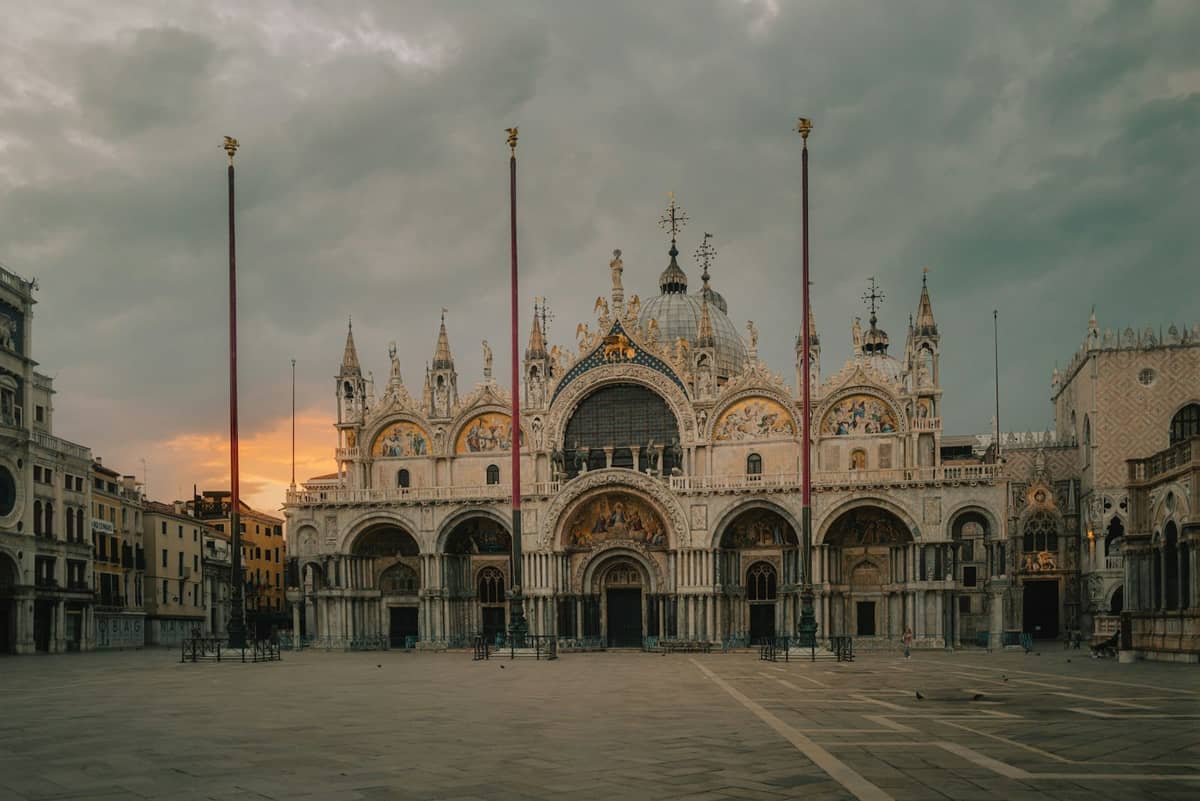
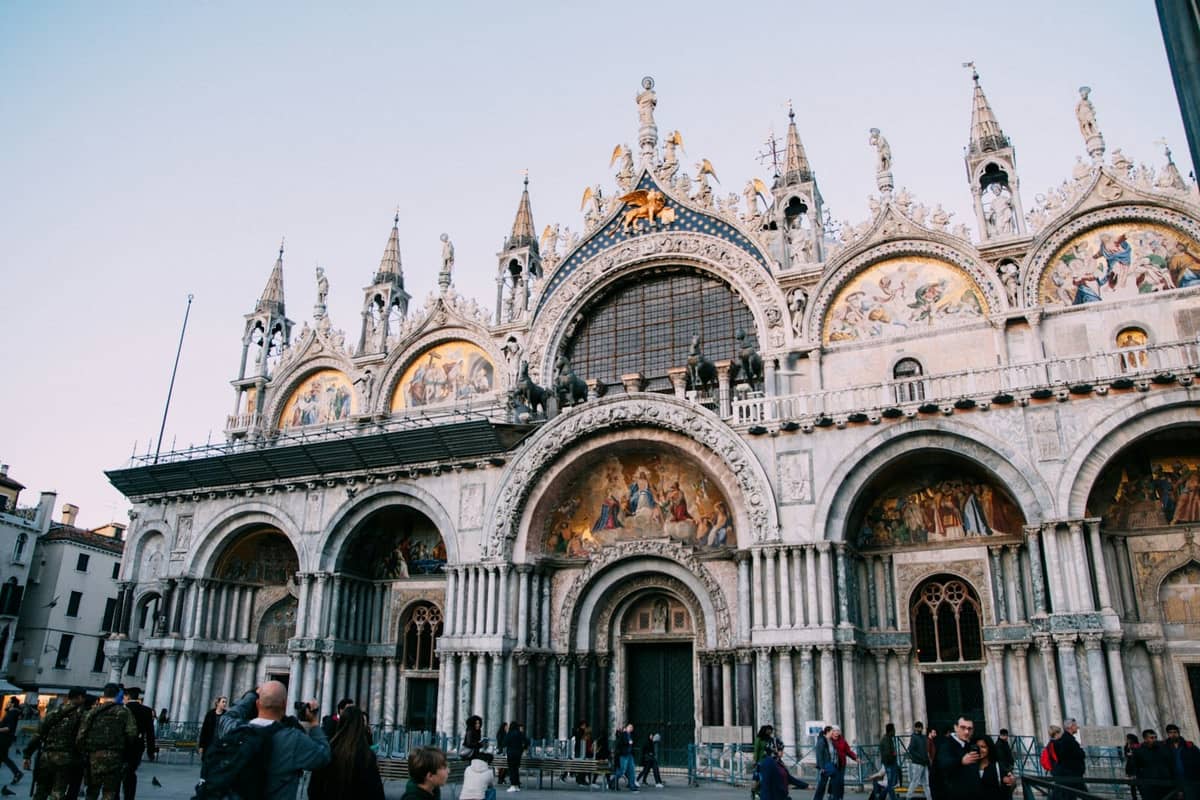
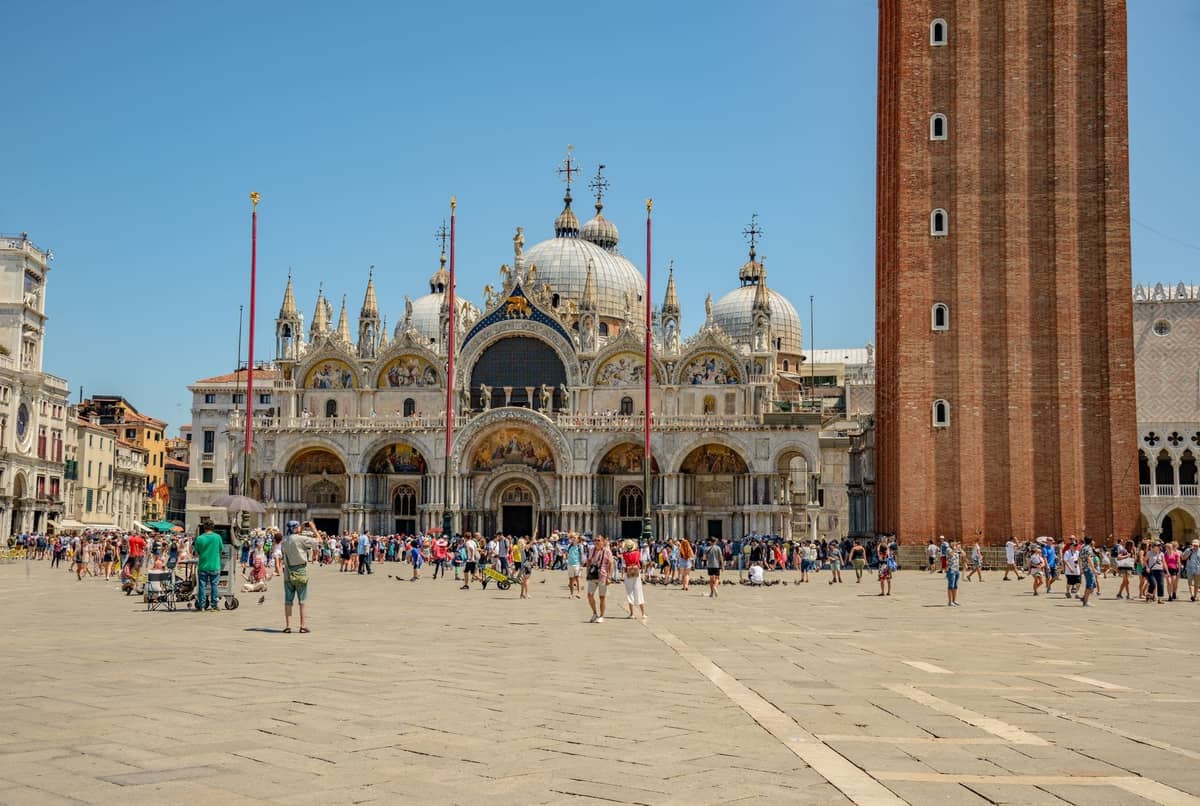
1. Marvel at the Gold Mosaics of St. Mark's Basilica
The supreme expression of Venice's Byzantine heritage, St. Mark's covers over 8,000 sq meters in gold mosaic. Timed admission is required and paid (about €10 for standard online tickets; check basilicasanmarco.it). The Pala d'Oro altarpiece and Treasury cost extra but are worth every cent.
Explore1. Marvel at the Gold Mosaics of St. Mark's Basilica
The supreme expression of Venice's Byzantine heritage, St. Mark's covers over 8,000 sq meters in gold mosaic. Timed admission is required and paid (about €10 for standard online tickets; check basilicasanmarco.it). The Pala d'Oro altarpiece and Treasury cost extra but are worth every cent.
Explore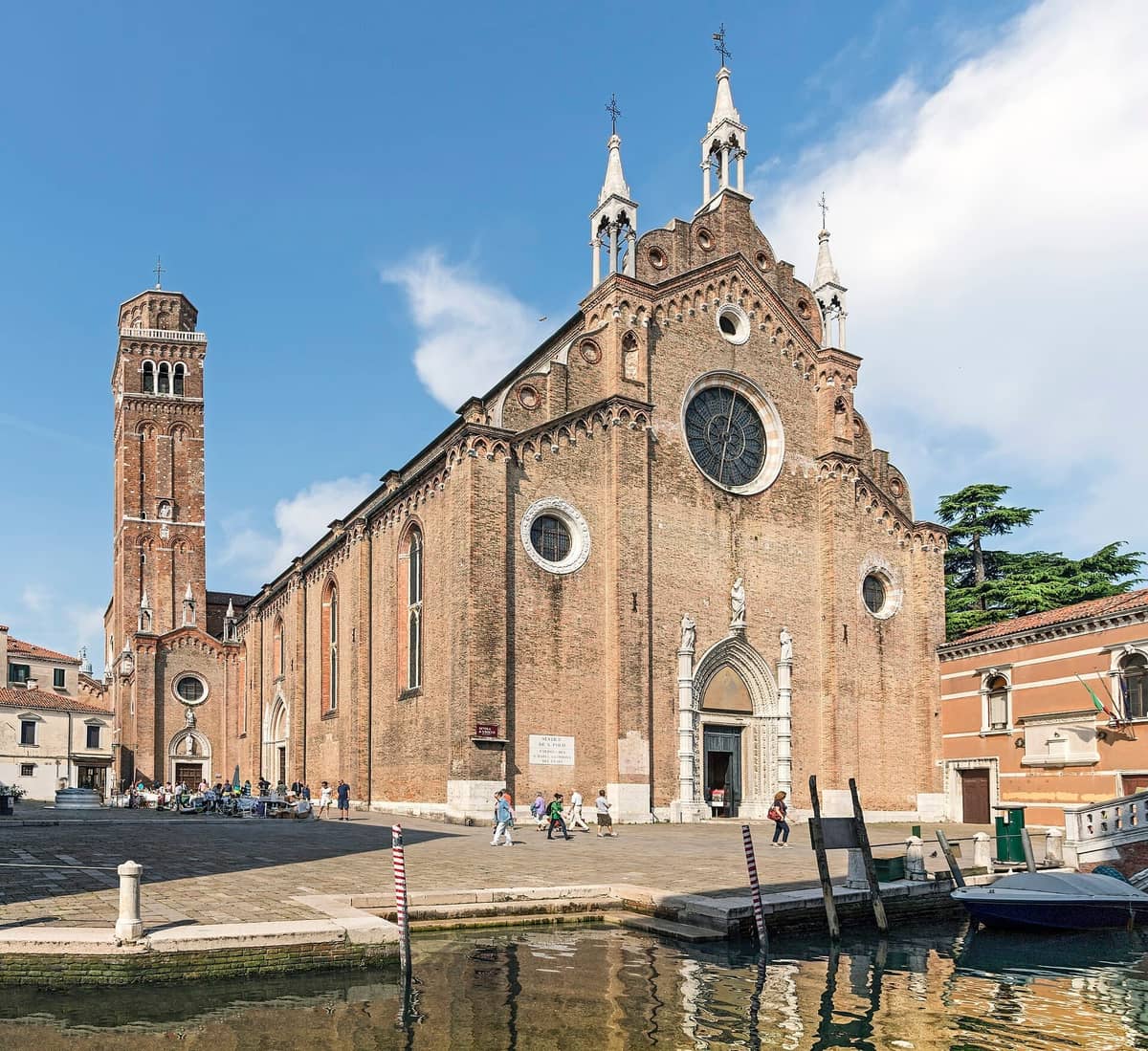
2. See Titian's Assumption at the Basilica dei Frari
The Gothic Frari houses Titian's Assumption of the Virgin, considered one of Italy's greatest paintings. Bellini's triptych in the sacristy and Donatello's wooden St. John the Baptist make this a complete art destination. Allow 45-60 minutes.
Explore2. See Titian's Assumption at the Basilica dei Frari
The Gothic Frari houses Titian's Assumption of the Virgin, considered one of Italy's greatest paintings. Bellini's triptych in the sacristy and Donatello's wooden St. John the Baptist make this a complete art destination. Allow 45-60 minutes.
Explore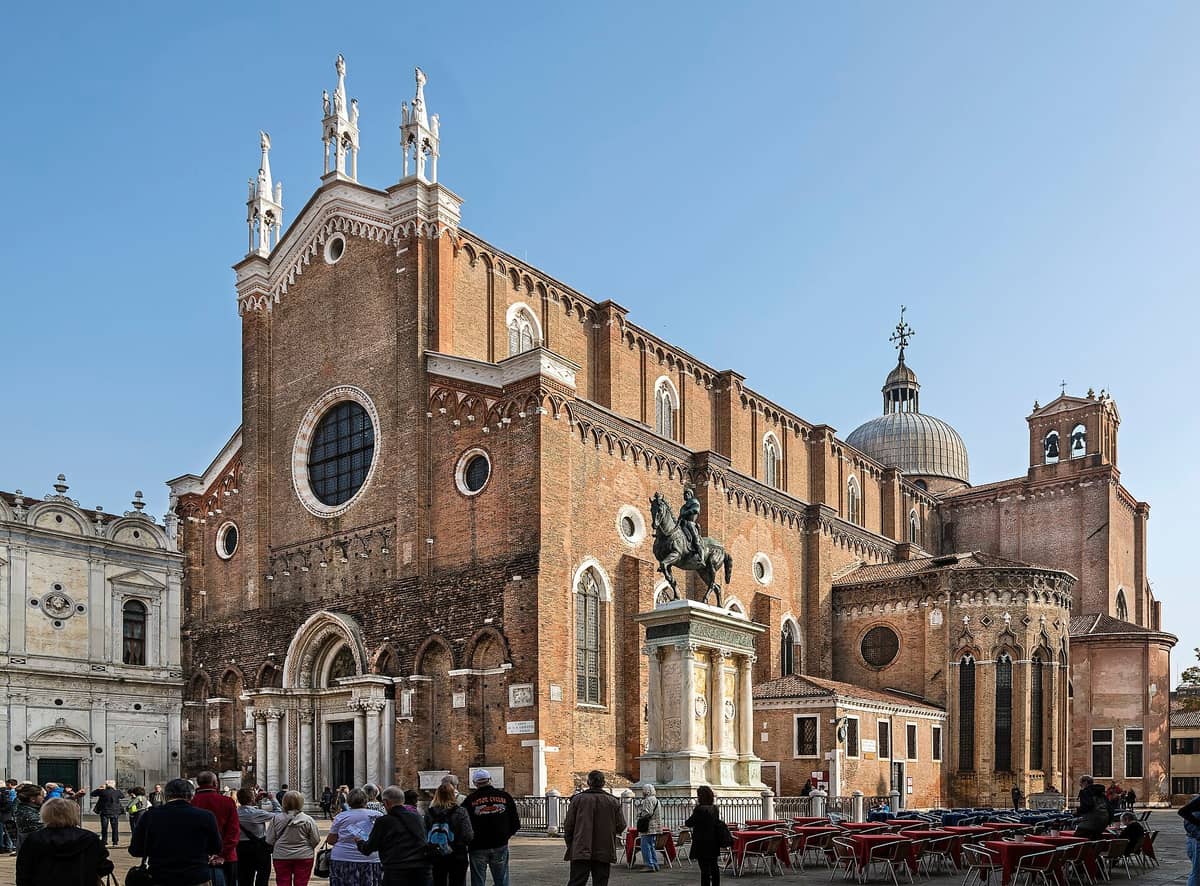
3. Explore the Doge's Pantheon at San Zanipolo
San Zanipolo, Venice's largest Gothic church, served as the burial place of 25 Doges and is lined with towering funerary monuments. Paintings by Bellini and Veronese, plus the famous equestrian statue outside, make the campo a destination in itself.
Explore3. Explore the Doge's Pantheon at San Zanipolo
San Zanipolo, Venice's largest Gothic church, served as the burial place of 25 Doges and is lined with towering funerary monuments. Paintings by Bellini and Veronese, plus the famous equestrian statue outside, make the campo a destination in itself.
Explore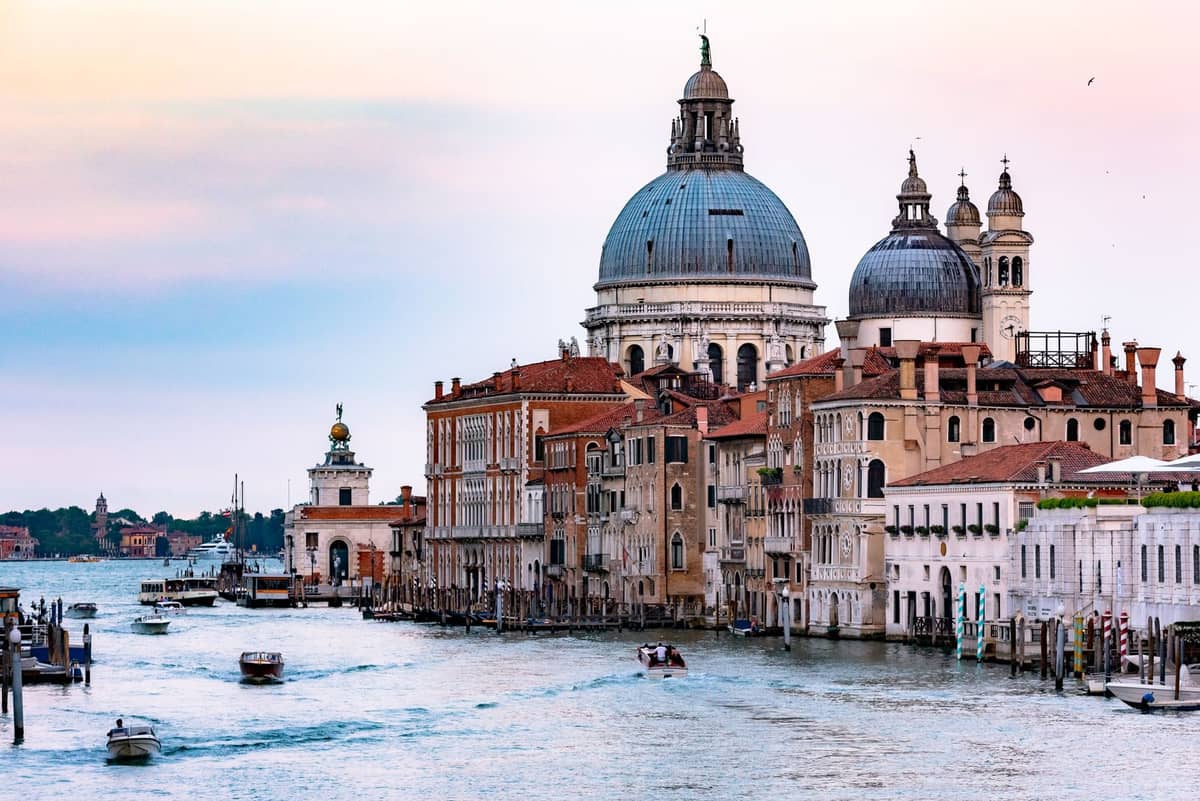
4. Visit the Baroque Salute at the Tip of Dorsoduro
Built as a vow to end the 1630 plague, the Salute's domed silhouette anchors Venice's most famous view. Inside, Titian's dramatic ceiling paintings and a Tintoretto Cain and Abel repay close attention. Entry to the main church is free.
Explore4. Visit the Baroque Salute at the Tip of Dorsoduro
Built as a vow to end the 1630 plague, the Salute's domed silhouette anchors Venice's most famous view. Inside, Titian's dramatic ceiling paintings and a Tintoretto Cain and Abel repay close attention. Entry to the main church is free.
ExplorePalladio and the Renaissance: Architecture as Devotion
Two of Venice's most architecturally significant churches stand apart from the main island clusters, requiring a short vaporetto ride. Both were designed by Andrea Palladio and both rewarded the journey with extraordinary interiors and exceptional views. They appear in the best viewpoints in Venice for good reason.
5. Climb the Campanile at San Giorgio Maggiore for Venice's Best View
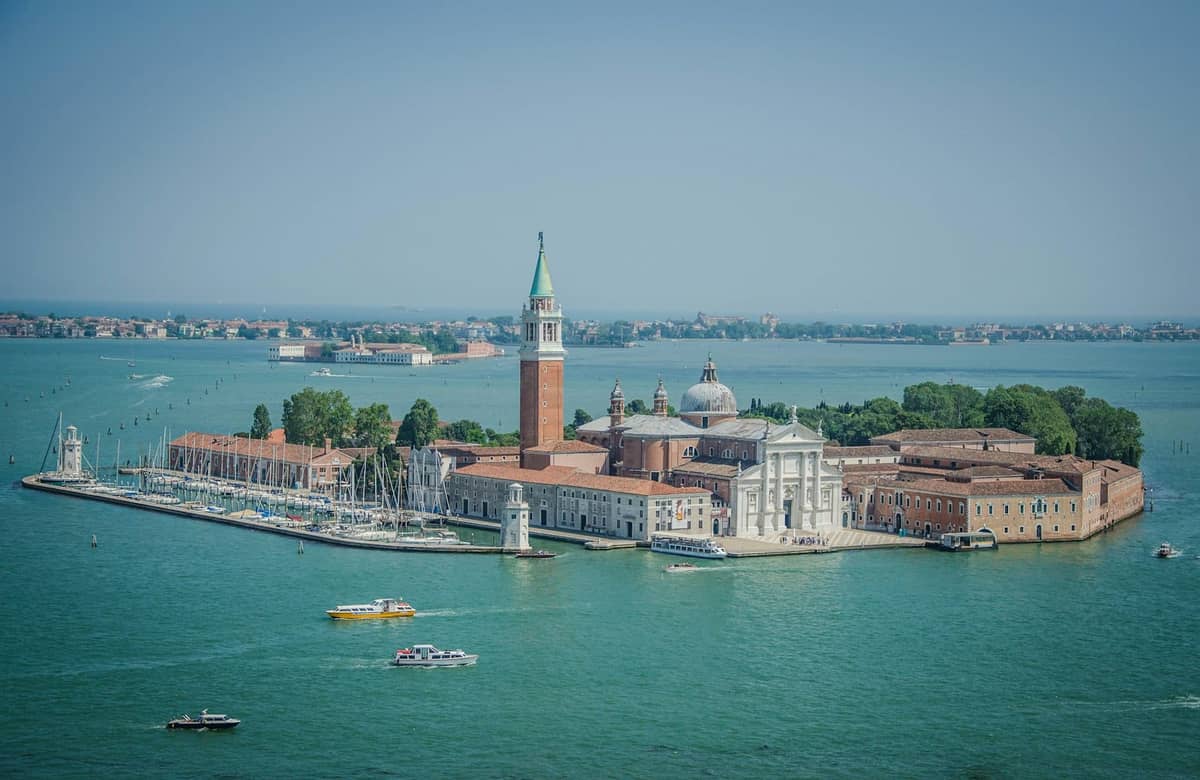
Palladio's white Renaissance church across the Bacino from San Marco contains two late Tintorettos and an elevator-served campanile with arguably the finest panoramic view in Venice. The vaporetto from San Zaccaria takes three minutes.
Explore5. Climb the Campanile at San Giorgio Maggiore for Venice's Best View
Palladio's white Renaissance church across the Bacino from San Marco contains two late Tintorettos and an elevator-served campanile with arguably the finest panoramic view in Venice. The vaporetto from San Zaccaria takes three minutes.
Explore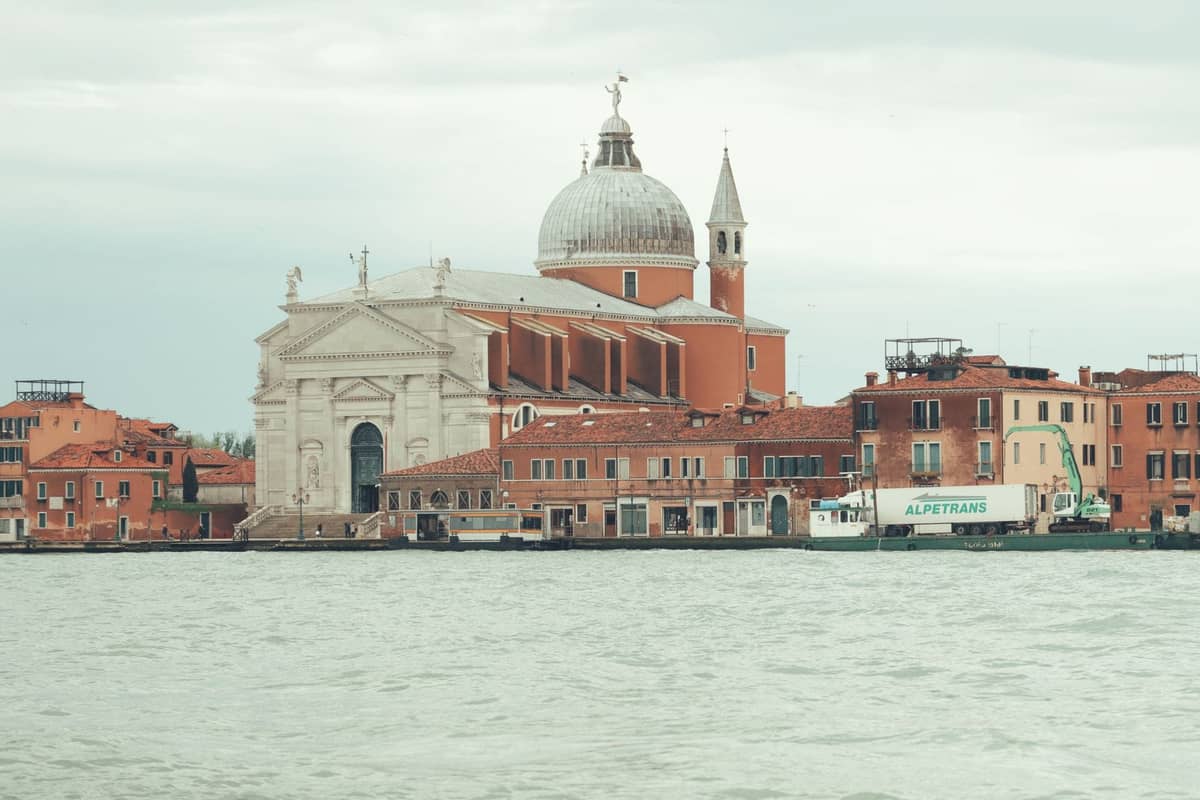
6. Cross to Giudecca for Palladio's Masterpiece, the Redentore
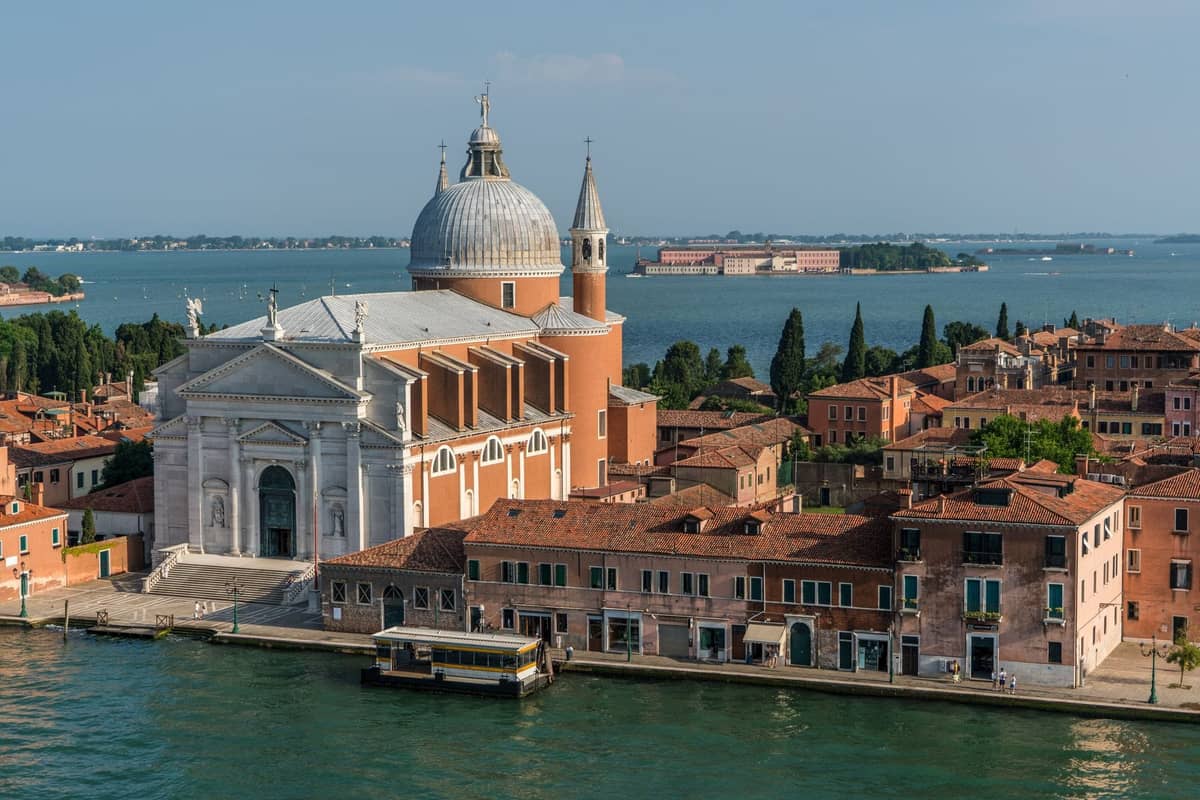
Built in thanks for the end of the 1576 plague, the Redentore is Palladio at his purest: a serene white facade, a luminous interior, and a procession route still walked each July during the Festa del Redentore. One of Italy's finest Renaissance buildings.
Explore6. Cross to Giudecca for Palladio's Masterpiece, the Redentore
Built in thanks for the end of the 1576 plague, the Redentore is Palladio at his purest: a serene white facade, a luminous interior, and a procession route still walked each July during the Festa del Redentore. One of Italy's finest Renaissance buildings.
ExploreThe Ancient and the Byzantine: Churches Beyond Time
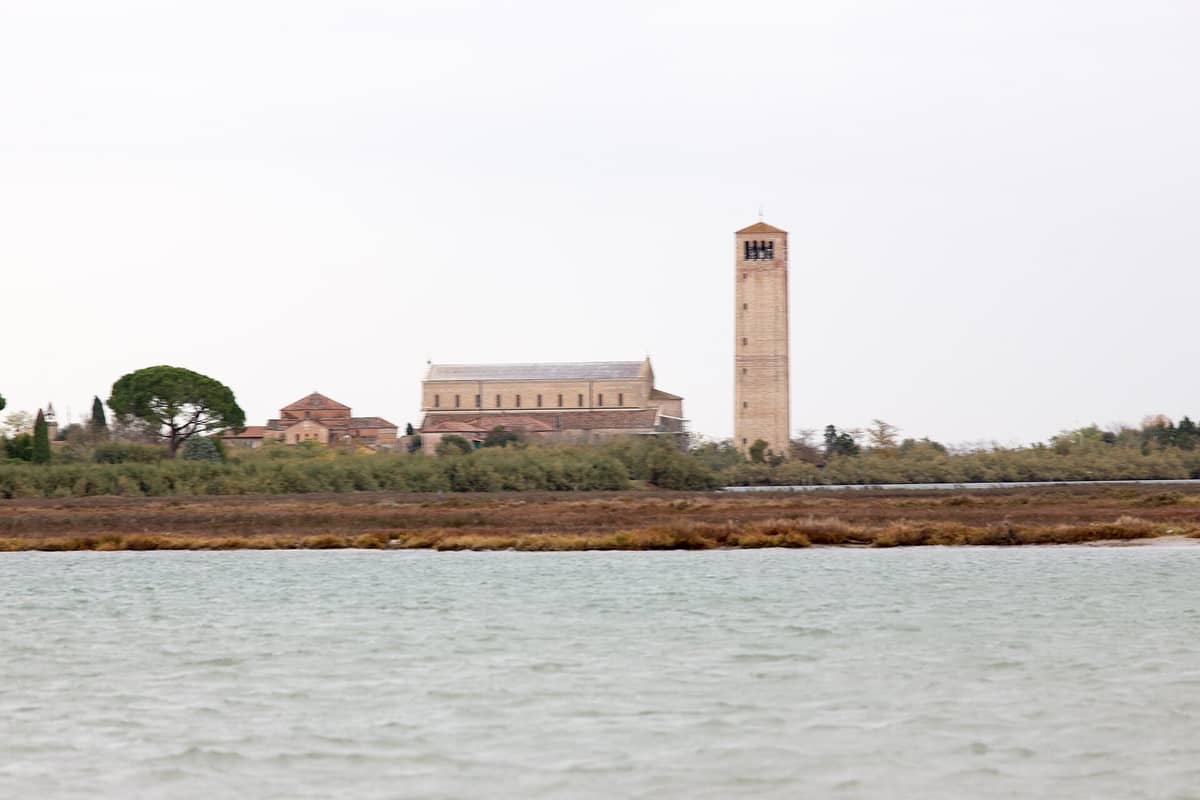
Venice's oldest sacred sites reach back to the lagoon's earliest settlements, centuries before the city we know today. Torcello's cathedral in particular demands a dedicated half-day trip: combine it with the island's quiet lanes and a long lunch. See the Venice lagoon islands guide for how to plan the journey efficiently.
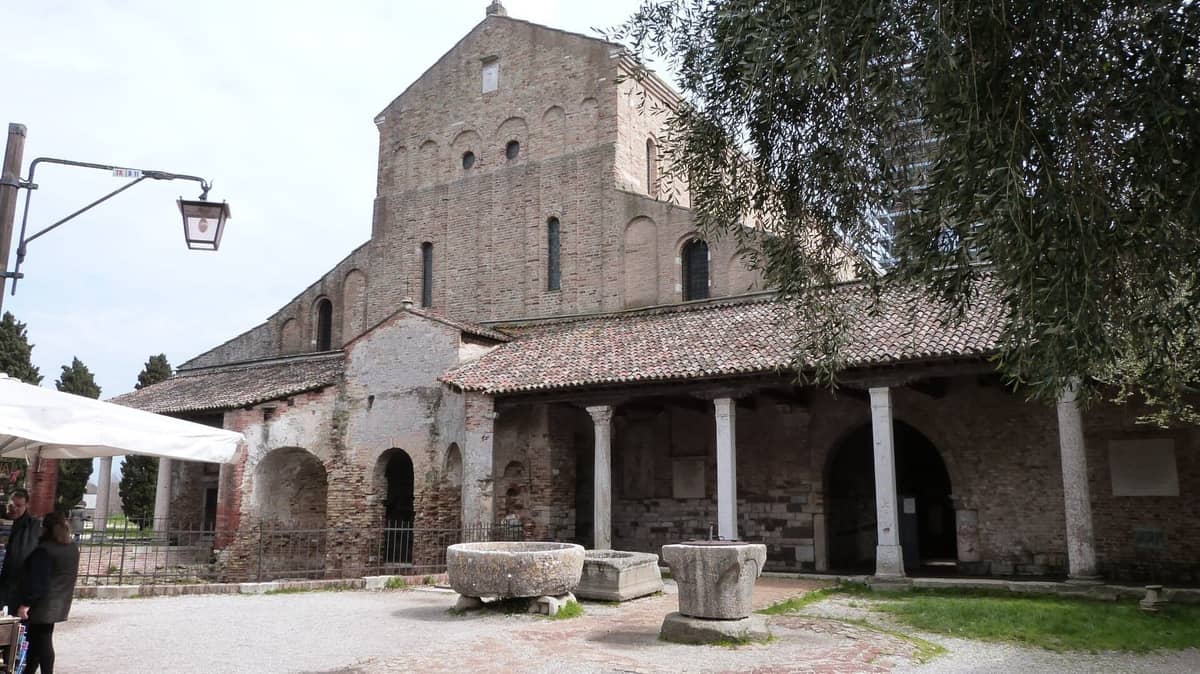
7. Stand Before Byzantine Mosaics at Torcello's Cathedral
Founded in 639 AD, this is the oldest building in the lagoon. The west wall's Last Judgment mosaic and the golden Madonna apse rival Ravenna for sheer Byzantine power. No other site in Venice delivers this combination of extreme antiquity and artistic brilliance.
Explore7. Stand Before Byzantine Mosaics at Torcello's Cathedral
Founded in 639 AD, this is the oldest building in the lagoon. The west wall's Last Judgment mosaic and the golden Madonna apse rival Ravenna for sheer Byzantine power. No other site in Venice delivers this combination of extreme antiquity and artistic brilliance.
ExploreHidden Masterpieces: Churches Worth Seeking Out
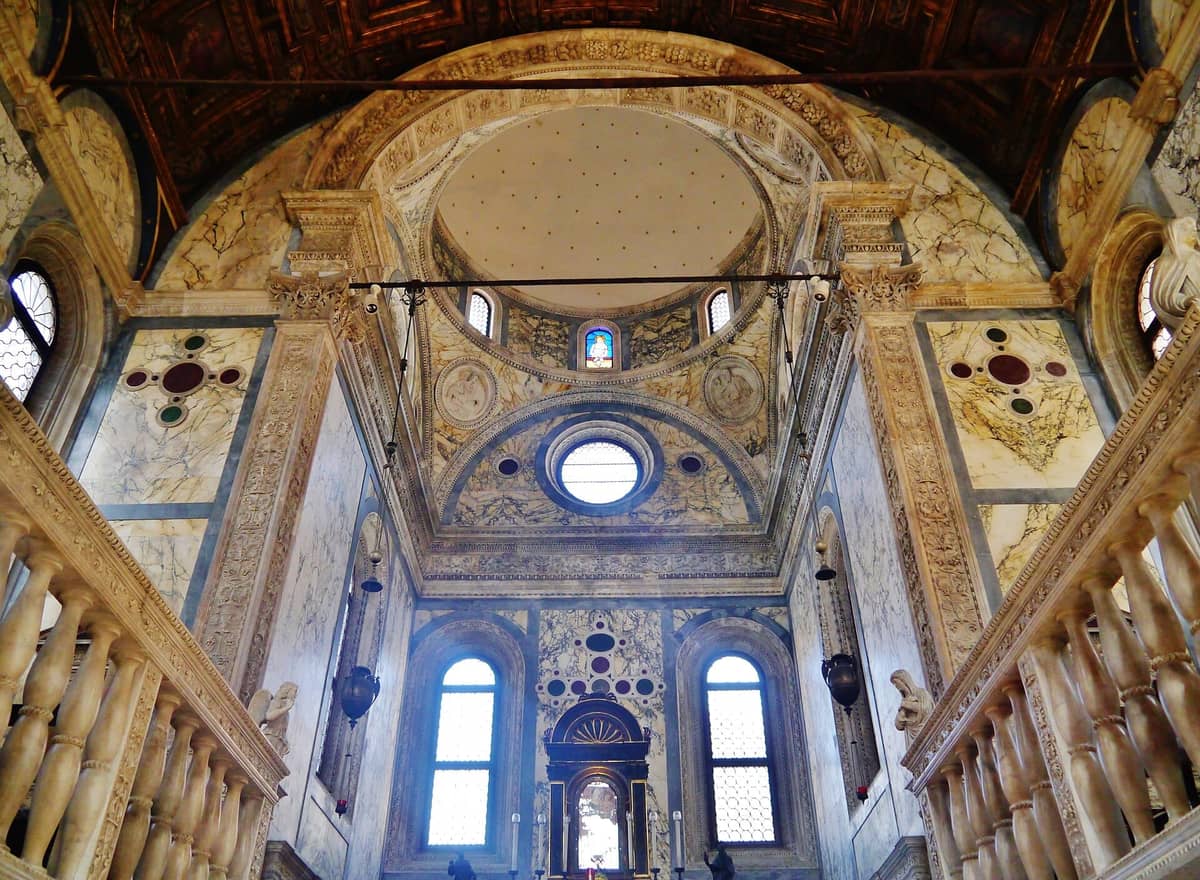
Some of Venice's greatest church interiors are tucked into quieter neighborhoods and receive a fraction of the foot traffic of the major sites. These are not obscure: they are simply overshadowed by the city's enormous competition. If you're visiting the Cannaregio sestiere or Castello, each of the following is worth a detour of 20-30 minutes.
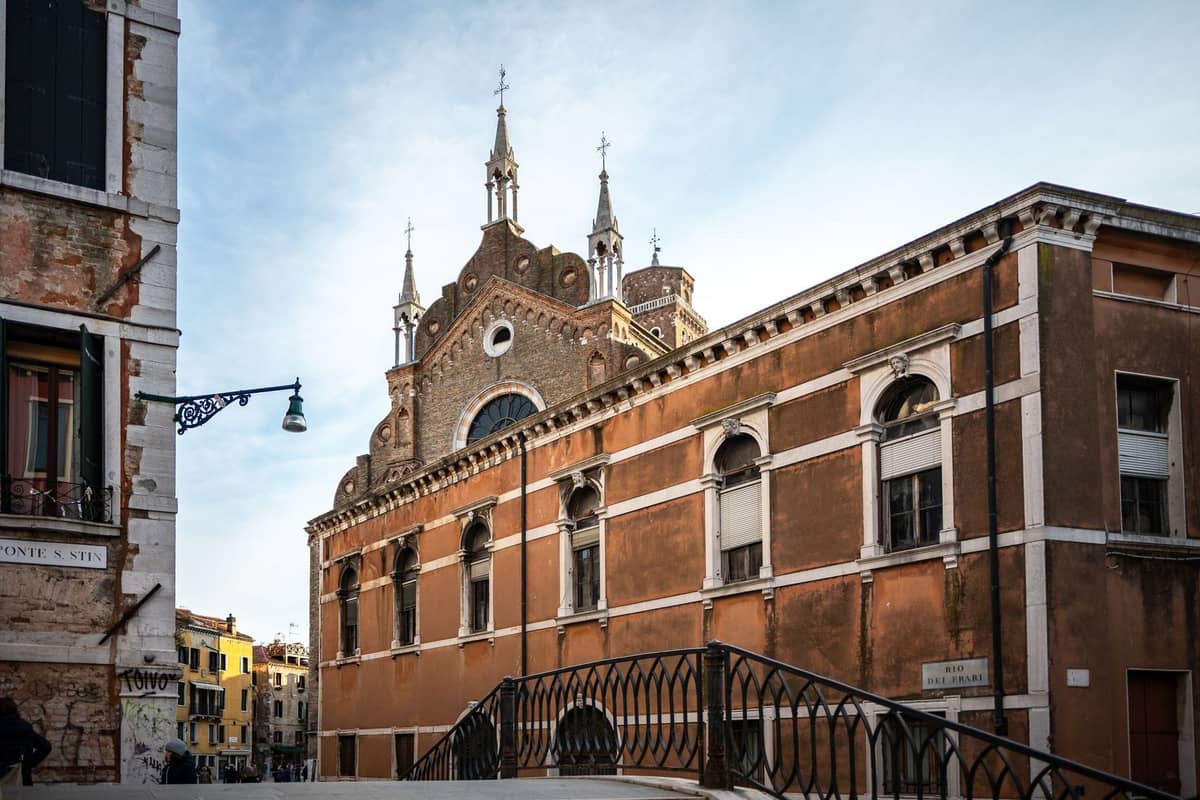
8. Discover Tintoretto's Own Parish Church in Cannaregio
Tintoretto is buried here, and so are two of his largest canvases: the Last Judgment and Presentation of the Virgin. The church is often uncrowded, the Gothic facade is one of Venice's finest, and the setting on a quiet canal in Cannaregio is lovely.
Explore8. Discover Tintoretto's Own Parish Church in Cannaregio
Tintoretto is buried here, and so are two of his largest canvases: the Last Judgment and Presentation of the Virgin. The church is often uncrowded, the Gothic facade is one of Venice's finest, and the setting on a quiet canal in Cannaregio is lovely.
Explore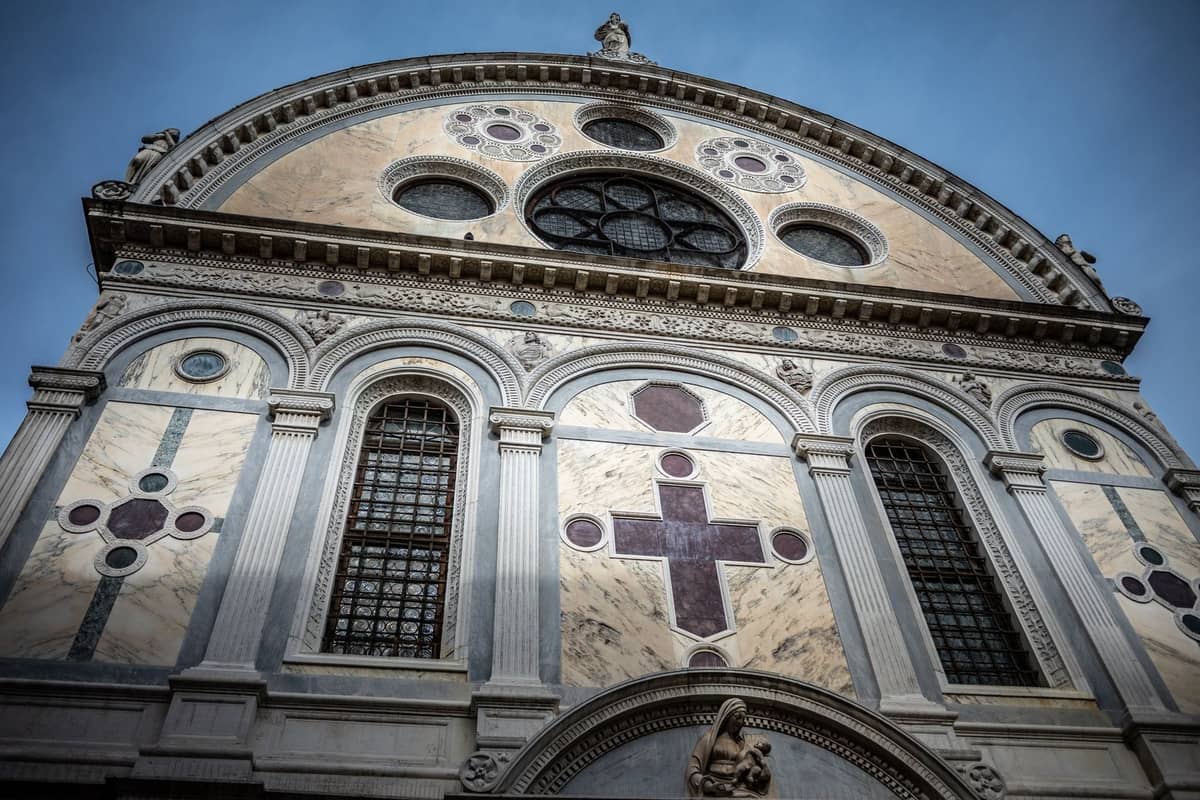
9. Admire the Marble Church of Santa Maria dei Miracoli
Venice's most jewel-like church is clad entirely in polychrome marble, inside and out. Pietro Lombardo's 1489 masterwork sits in a narrow Cannaregio canal and is small enough to see in 20 minutes, yet its decorative refinement is endlessly absorbing.
Explore9. Admire the Marble Church of Santa Maria dei Miracoli
Venice's most jewel-like church is clad entirely in polychrome marble, inside and out. Pietro Lombardo's 1489 masterwork sits in a narrow Cannaregio canal and is small enough to see in 20 minutes, yet its decorative refinement is endlessly absorbing.
Explore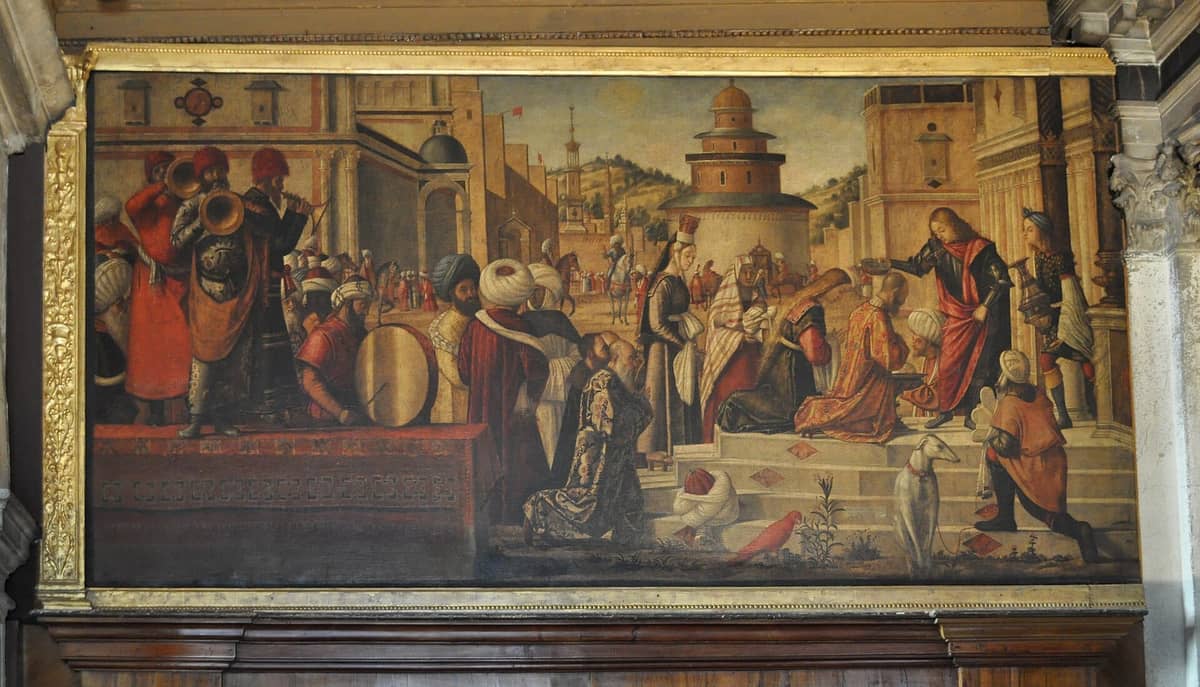
10. See Carpaccio's Greatest Cycle at the Scuola Dalmata
Technically a scuola rather than a church, but its ground-floor hall contains Carpaccio's complete cycle on the lives of Saints George, Tryphon, and Jerome, painted around 1504. One of the Venetian Renaissance's finest narrative sequences, and rarely crowded.
Explore10. See Carpaccio's Greatest Cycle at the Scuola Dalmata
Technically a scuola rather than a church, but its ground-floor hall contains Carpaccio's complete cycle on the lives of Saints George, Tryphon, and Jerome, painted around 1504. One of the Venetian Renaissance's finest narrative sequences, and rarely crowded.
ExploreTintoretto and the Scuole: Where Painting Becomes Architecture
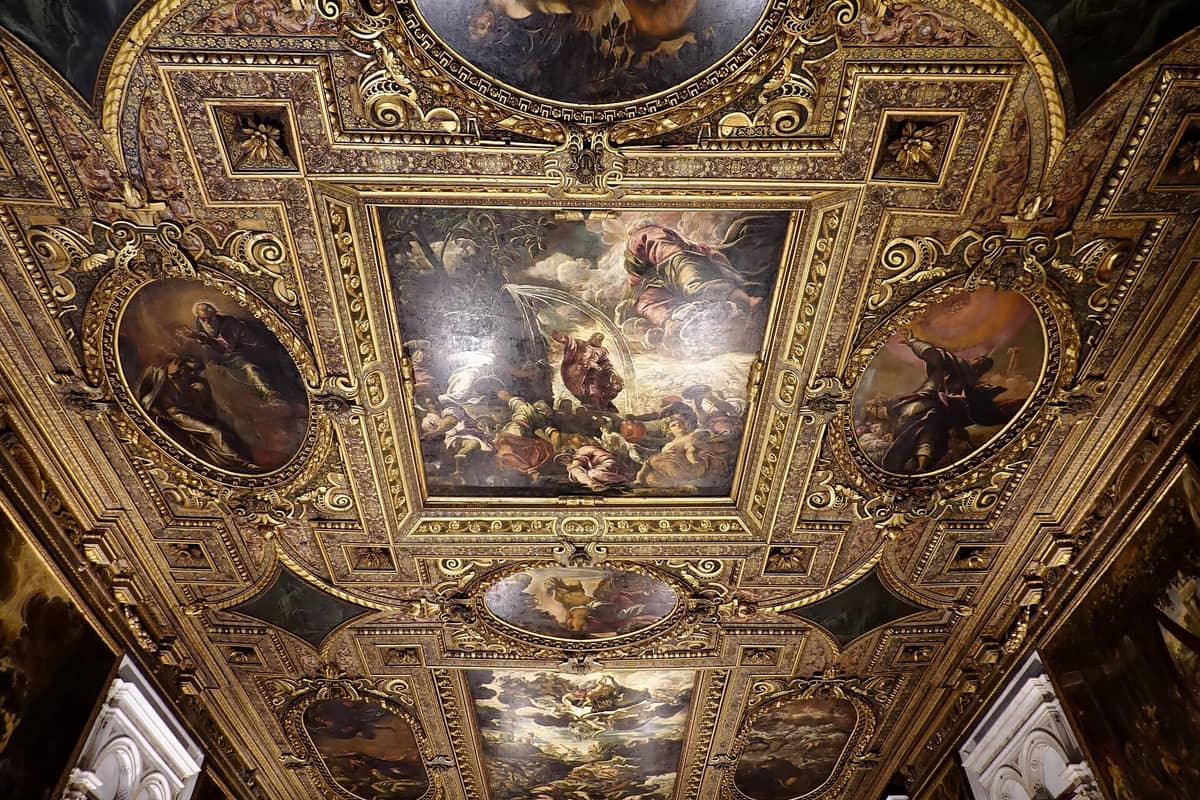
Venice's scuole grandi were lay confraternities that commissioned some of the greatest painting programs in Western art. The two below are essential for anyone serious about Venetian painting, and both sit within a few minutes' walk of the Frari in San Polo.
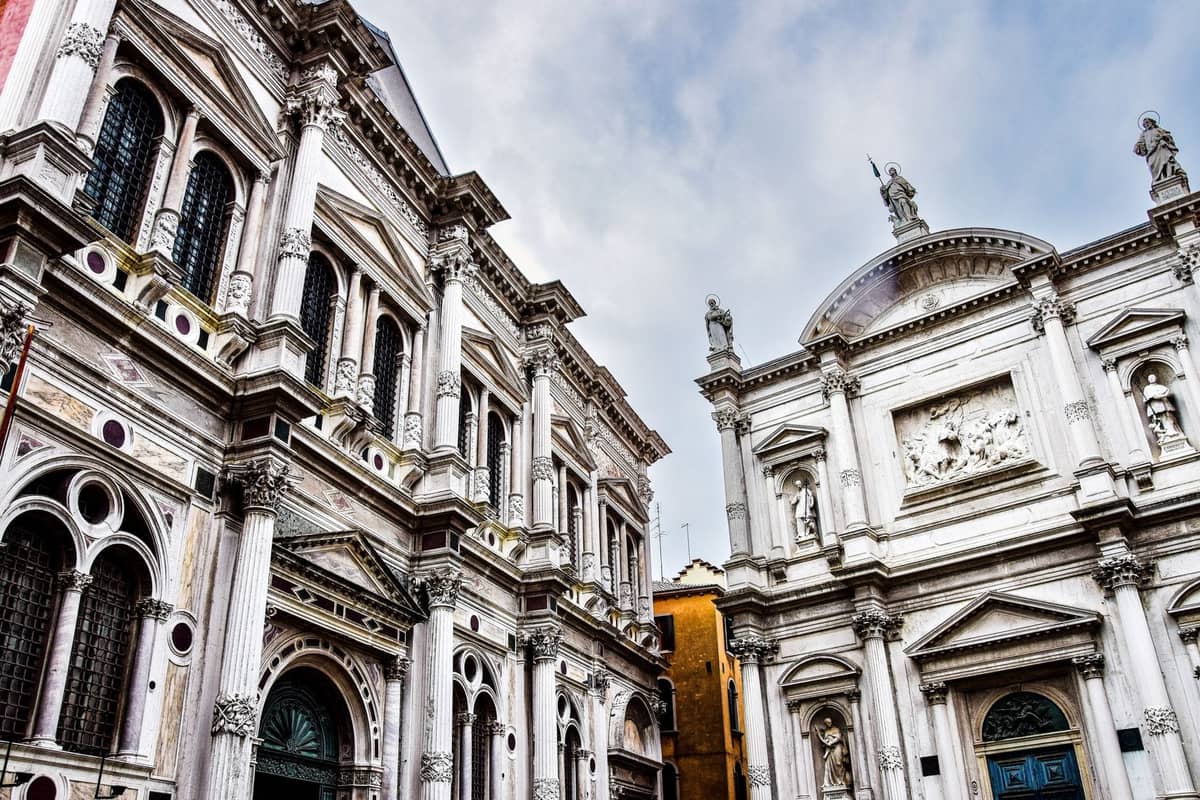
11. Spend an Hour Inside Tintoretto's Life's Work at San Rocco
Tintoretto spent over 23 years covering this confraternity building with more than 60 large canvases. The upper hall is overwhelming in scale and invention. John Ruskin called it the greatest painting cycle in the world. Budget at least an hour; the mirrors provided are essential.
Explore11. Spend an Hour Inside Tintoretto's Life's Work at San Rocco
Tintoretto spent over 23 years covering this confraternity building with more than 60 large canvases. The upper hall is overwhelming in scale and invention. John Ruskin called it the greatest painting cycle in the world. Budget at least an hour; the mirrors provided are essential.
Explore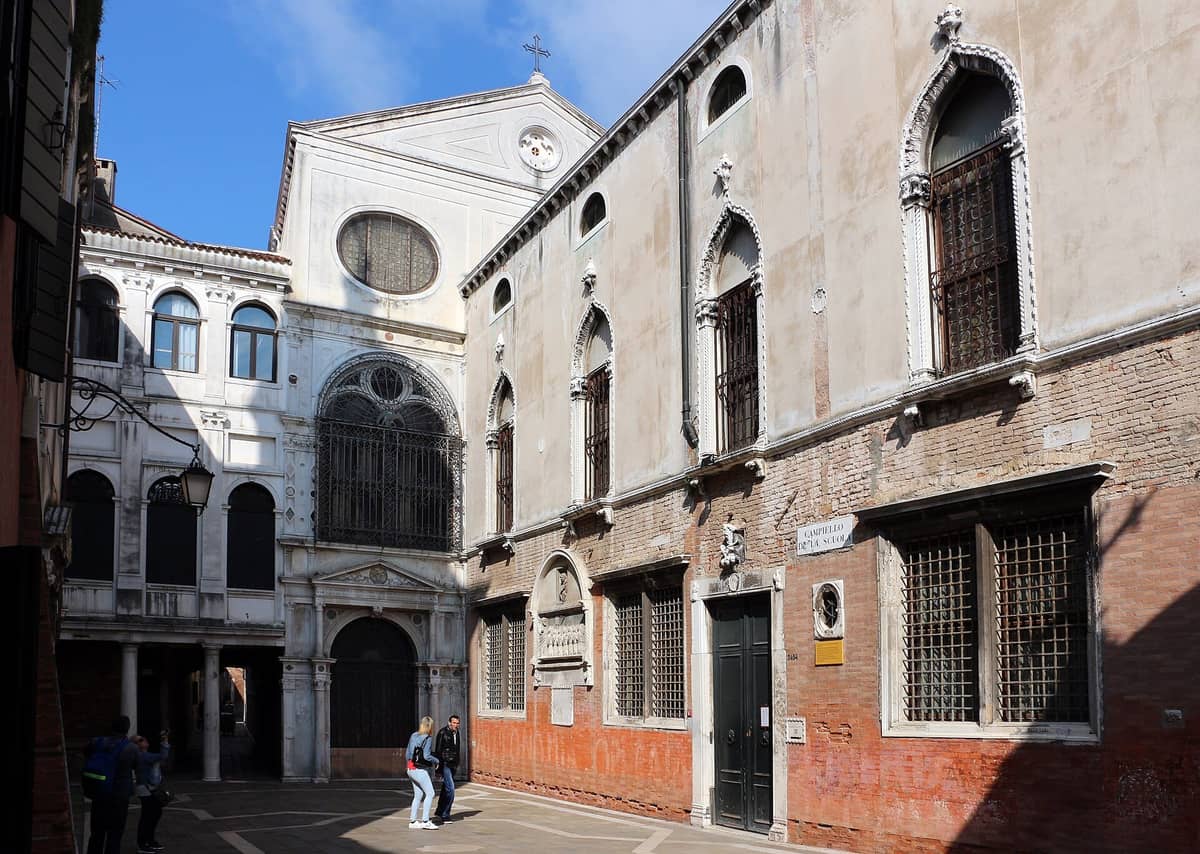
12. Climb Codussi's Grand Staircase at San Giovanni Evangelista
One of Venice's most rewarding and least-visited art destinations: a magnificent double staircase by Mauro Codussi leads to halls with Bellini and Carpaccio paintings. Far fewer visitors than San Rocco, with an atmosphere of genuine Renaissance grandeur.
Explore12. Climb Codussi's Grand Staircase at San Giovanni Evangelista
One of Venice's most rewarding and least-visited art destinations: a magnificent double staircase by Mauro Codussi leads to halls with Bellini and Carpaccio paintings. Far fewer visitors than San Rocco, with an atmosphere of genuine Renaissance grandeur.
ExploreIsland Churches Worth the Vaporetto Ride
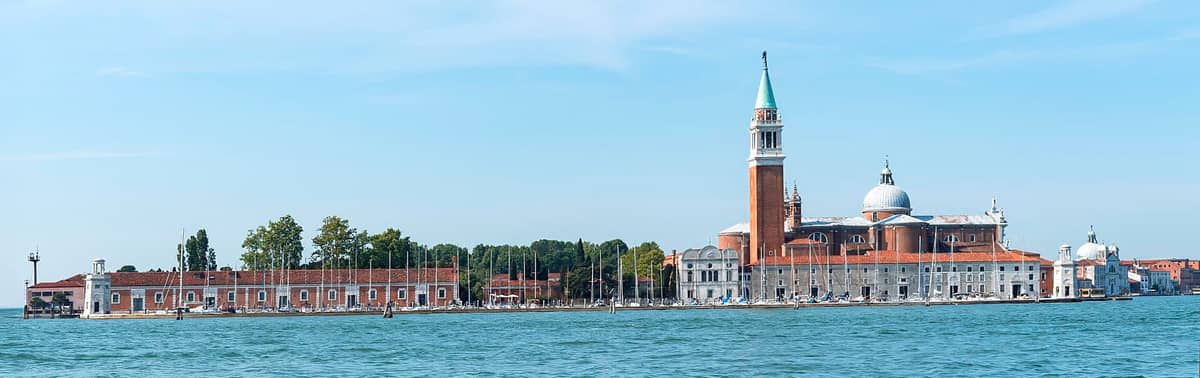
Several of Venice's most memorable church visits require leaving the main islands. Each is worth the journey and pairs naturally with other island attractions. Check the day trips from Venice guide for practical vaporetto routes and scheduling advice.
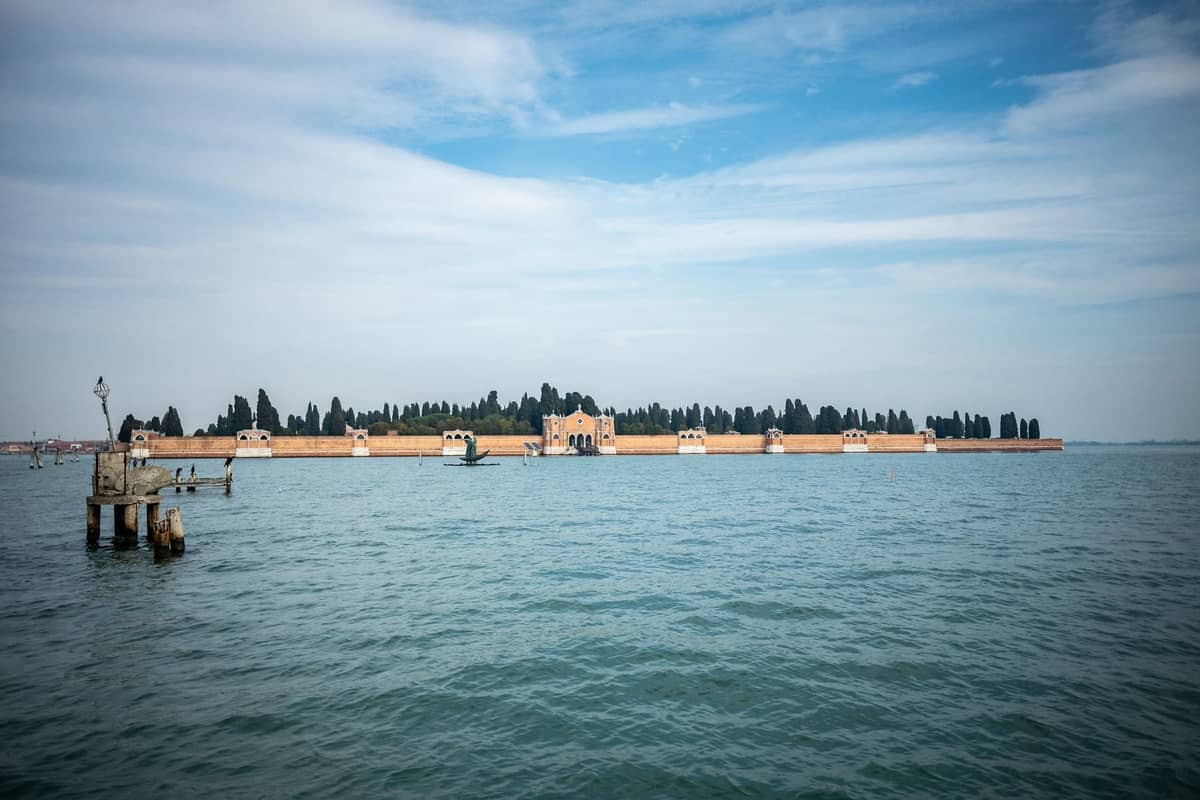
13. Walk the Island Cemetery of San Michele
Venice's cemetery island, designed by Mauro Codussi in the 15th century, holds the graves of Stravinsky, Diaghilev, and Ezra Pound. The church of San Michele in Isola was the first Renaissance church in Venice. The whole island takes around an hour and is profoundly peaceful.
Explore13. Walk the Island Cemetery of San Michele
Venice's cemetery island, designed by Mauro Codussi in the 15th century, holds the graves of Stravinsky, Diaghilev, and Ezra Pound. The church of San Michele in Isola was the first Renaissance church in Venice. The whole island takes around an hour and is profoundly peaceful.
Explore💡 Local tip
Dress modestly for all church visits: covered shoulders and knees are required at most Venetian churches, including St. Mark's. Keep a light scarf in your bag to avoid being turned away at the door.
FAQ
Do you need to pay to enter churches in Venice?
Many Venice churches are free. However, 15 churches in the Chorus Association circuit charge a small admission fee per church (typically around €3) or offer a combined Chorus Pass for approximately €12. St. Mark's Basilica requires a paid ticket with timed entry, and there are additional charges for the Treasury and Pala d'Oro. Always verify current prices before your visit as they can change.
What is the Chorus Pass and is it worth buying?
The Chorus Pass gives access to 15 Venice churches including the Frari, Madonna dell'Orto and Santa Maria dei Miracoli. It costs approximately €12. If you plan to visit four or more Chorus churches, the pass saves money. Verify the current price and included churches via the official Chorus Association website before buying.
What is the dress code for Venice's churches?
Most Venice churches expect modest dress with covered shoulders and knees for entry, and St. Mark's Basilica enforces this strictly and will turn visitors away. Carry a light scarf or layer to cover up when needed. Some churches also ask visitors to remove hats and to keep voices low.
Which Venice church has the best view?
San Giorgio Maggiore's campanile offers arguably the finest panoramic view in Venice, looking directly across the Bacino toward Piazza San Marco. St. Mark's Campanile is taller and gives a broader rooftop view but costs more to ascend. Both are worth doing if you're in Venice for more than one full day.
Can you visit Venice's churches during Sunday Mass?
Most Venice churches are closed to tourists during Mass, which typically takes place on Sunday mornings. Check individual church websites or the Chorus Association's schedule before planning a Sunday visit. Many churches reopen to visitors in the afternoon, usually from around 13:00.