Is Venice Worth Visiting? An Honest Assessment for 2026
Venice is one of the most debated destinations in travel. Built on 118 islands, UNESCO-listed, and unlike anywhere else on earth, it also attracts millions of visitors a year and charges a day-tripper access fee. This guide cuts through the hype to tell you exactly what Venice delivers, what it does not, and how to make a visit that is genuinely worth the effort.
Plan and book this trip
Tools from our partner Travelpayouts help you compare flights and hotels. If you book through them, we may earn a commission at no extra cost to you.
Flights
Hotels map
TL;DR
- Yes, Venice is worth visiting, but only if you stay at least two nights and plan around the crowds.
- The city operates a day-visitor access fee on around 60 days between April and July 2026 (€5 booked 3+ days ahead, €10 last-minute), so check the official portal before you book. Learn more in our guide to the best time to visit Venice.
- July and August are the hardest months to enjoy Venice: crowds peak, heat and humidity are uncomfortable, and hotel prices are at their highest.
- The quieter sestieri of Cannaregio, Castello, and Dorsoduro offer a very different experience from the San Marco tourist circuit.
- A gondola at the official rate is €90 for 30 minutes (€110 after 19:00). It is not a scam, but it is not the best way to see the city either. See our complete gondola guide before you decide.
What Makes Venice Genuinely Unlike Anywhere Else
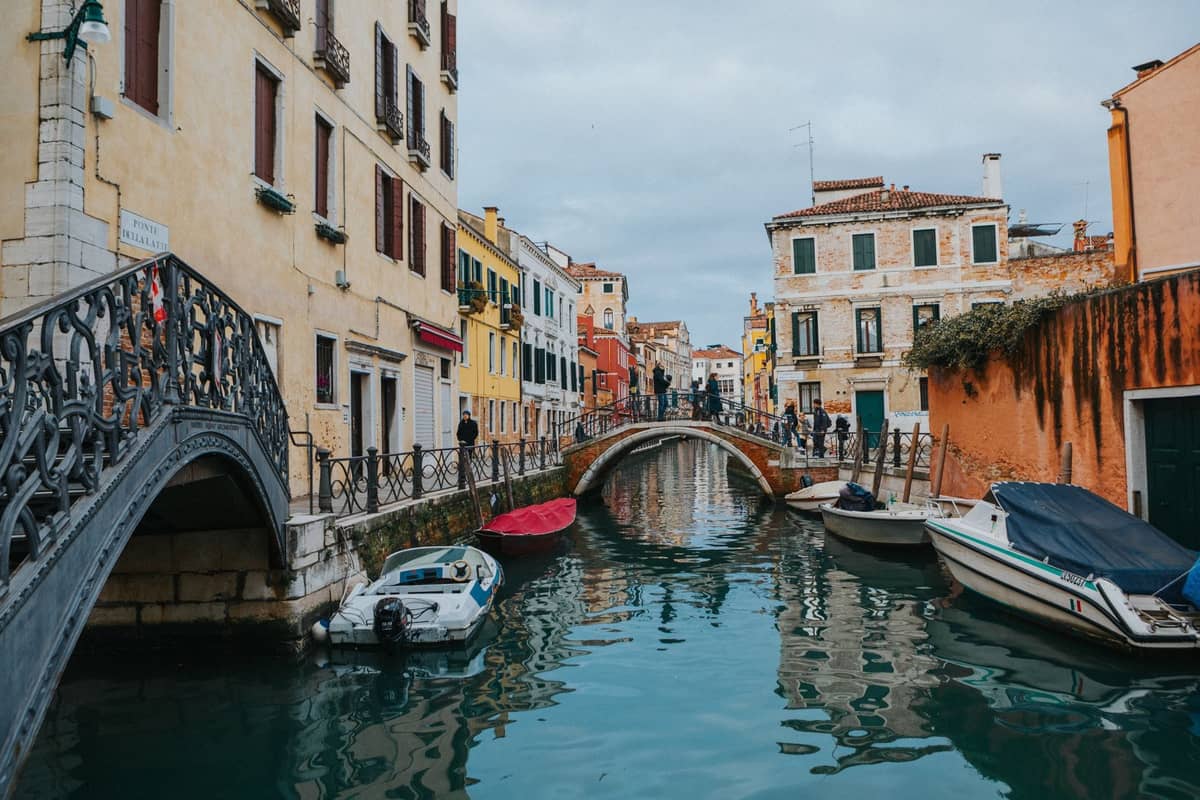
Venice is not a city that has a nice canal running through it. It is a city built on 118 small islands, connected by 435 bridges, where the only vehicles are boats. There are no cars, no scooters, no buses inside the historic centre. The silence that follows, especially in the early morning or late evening, is disorienting in the best possible way. That alone makes Venice worth experiencing at least once.
The architecture is the other argument for going. The Grand Canal is lined with Gothic, Byzantine, and Renaissance palaces that have been standing since the 12th to 17th centuries. The Basilica di San Marco is one of the finest examples of Italo-Byzantine architecture in Europe, its interior covered in gold mosaics across more than 8,000 square metres. The Doge's Palace next door is the former seat of the Venetian Republic, which controlled maritime trade across the Mediterranean for centuries. No other city puts this density of medieval and Renaissance power in such a compact, walkable (or rowable) space.
The lagoon itself, the Laguna Veneta, stretches about 51 kilometres and contains the city, surrounding marshes, and a collection of islands each with its own distinct identity. This is a UNESCO World Heritage landscape, not just a city, and the scale of what Venice represents, architecturally, historically, and ecologically, is genuinely difficult to overstate.
The Real Drawbacks: What Nobody Tells You Before You Book
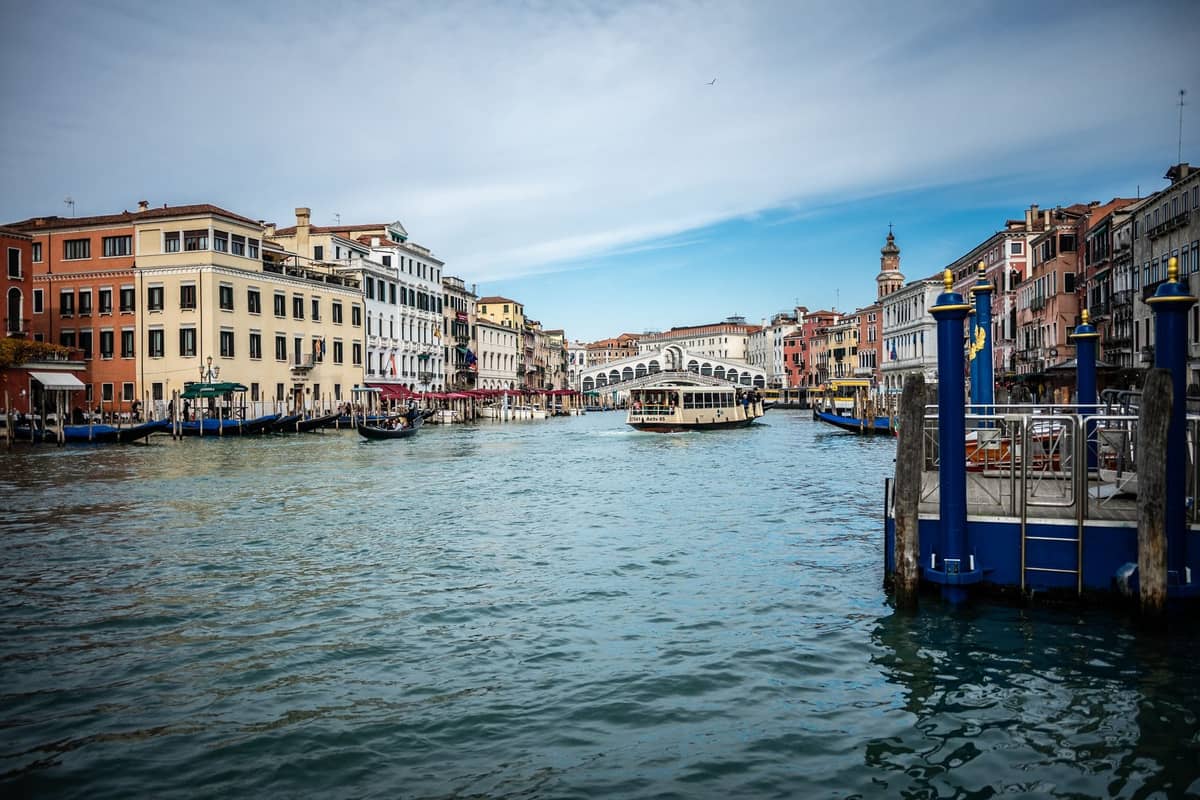
Overtourism in Venice is not exaggerated. On peak days in summer, the narrow calli (streets) around the Rialto Bridge and Piazza San Marco become so congested that the municipality has installed crowd-control barriers and directional signage. In July and August, temperatures regularly exceed 30°C and the combination of heat, humidity from the lagoon, and canal smells in the back streets creates an experience that is far from romantic.
Prices are high by Italian standards across the board. A coffee at a table in Piazza San Marco can cost €8-12 with the compulsory service charge; a basic restaurant meal near the main sights often runs €25-45 per person before wine. Budget accommodation is limited within the historic centre, and mid-range hotels frequently charge €180-300 per night in high season. The city does offer genuinely good-value cicchetti bars in Cannaregio and San Polo, where you can eat well for €10-15 standing at the counter, but finding them requires effort and at least a second day.
⚠️ What to skip
Acqua alta (high water flooding) is a real seasonal risk. Autumn and early winter, roughly October to January, are the most frequent periods for tidal flooding in parts of the city. The MOSE barrier system now activates during sustained high tides, which has significantly reduced street flooding, but disruption still occurs during extreme events. If your trip falls in this window, check the official acqua alta forecast app before going out each morning.
The day-tripper problem is structural. A large proportion of visitors arrive on cruise ships or day coaches, spend four to six hours around San Marco and the Rialto, buy a bottle of Aperol Spritz, and leave. This pattern concentrates thousands of people in a very small area between roughly 10:00 and 17:00. If you are one of those day-trippers, you will see Venice at its worst. Staying at least two nights changes the experience completely: the city empties after 19:00, mornings before 09:00 are calm, and you have time to wander into Cannaregio or Castello where the ratio of visitors to residents shifts dramatically.
When to Go: A Season-by-Season Breakdown
The honest answer on timing is that there is no perfect month. Every season involves a trade-off, and the right choice depends on what you value most.
- April to early June (recommended) Mild temperatures (15-22°C), long daylight hours, manageable crowds on weekdays. Note the access fee applies on selected days from April 2026. The city is at its most photogenic, with clear light and fewer cruise ships than summer. Easter weekend is extremely busy, so avoid it if possible.
- July and August (least recommended) Peak crowds, temperatures above 30°C, high humidity, maximum hotel prices. The city still functions, and the evening Venetian atmosphere along the zattere can be pleasant, but sightseeing during the day is exhausting and unpleasant in a way that other Italian cities are not.
- September and October (strong alternative) Crowds thin out after mid-September. Temperatures drop to a comfortable 18-24°C. October starts to bring acqua alta risk. The Venice Film Festival runs in late August to early September on the Lido, which adds buzz but also competition for accommodation.
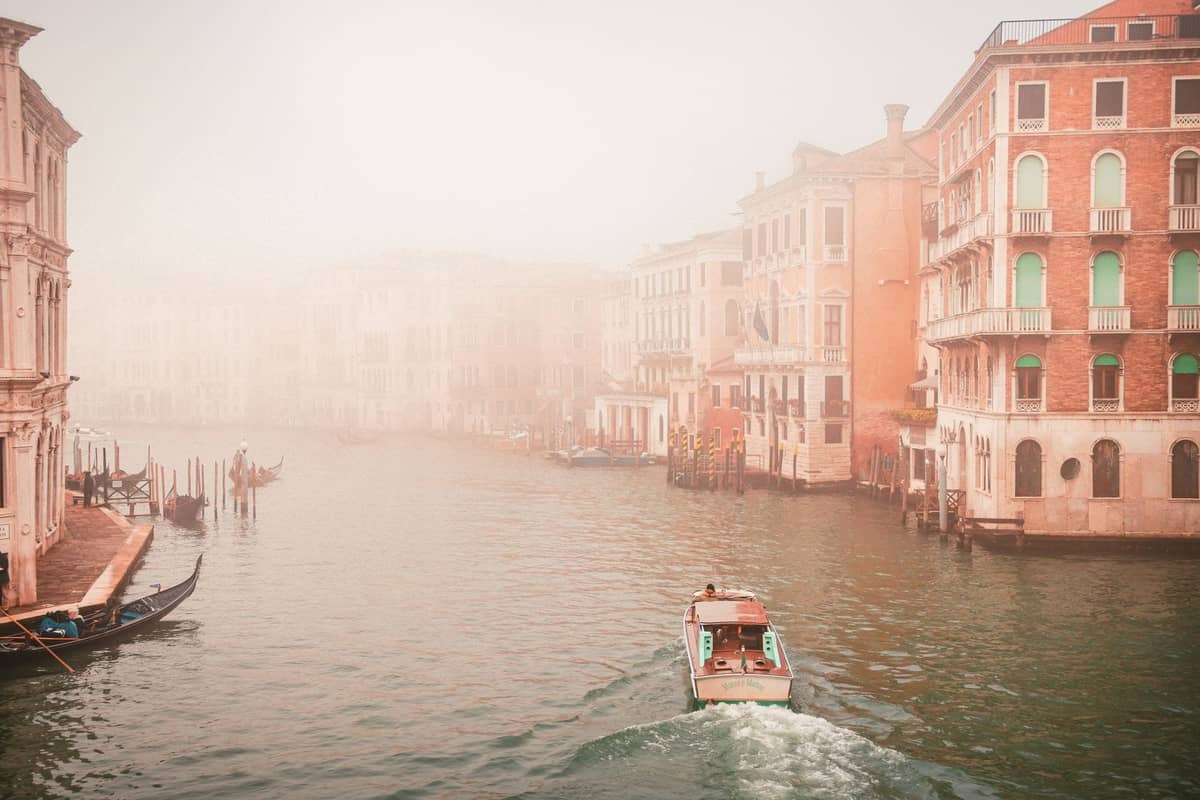
- November to February (for the experience, not the comfort) Winter Venice is atmospheric, quiet, and cheap. Fog rolls through the canals. Carnival runs in February and draws significant crowds for about two weeks. Acqua alta is most frequent in November and December, though MOSE has reduced the severity. Hotel rates can be 40-60% lower than peak season.
- Late February to March (underrated) Post-carnival, Venice returns to near-empty. Cool but usually dry. Some museums and restaurants close for maintenance in this window, so check ahead.
✨ Pro tip
If you visit between April and July 2026, check the official access fee calendar before booking non-refundable transport. The fee (€5 if pre-booked at least 3 days ahead, €10 for same-day or last-minute booking) applies only on specific high-attendance days, not every day. Overnight guests with a hotel reservation are exempt from the fee.
What Venice Does Well: Culture, Food, and Getting Lost
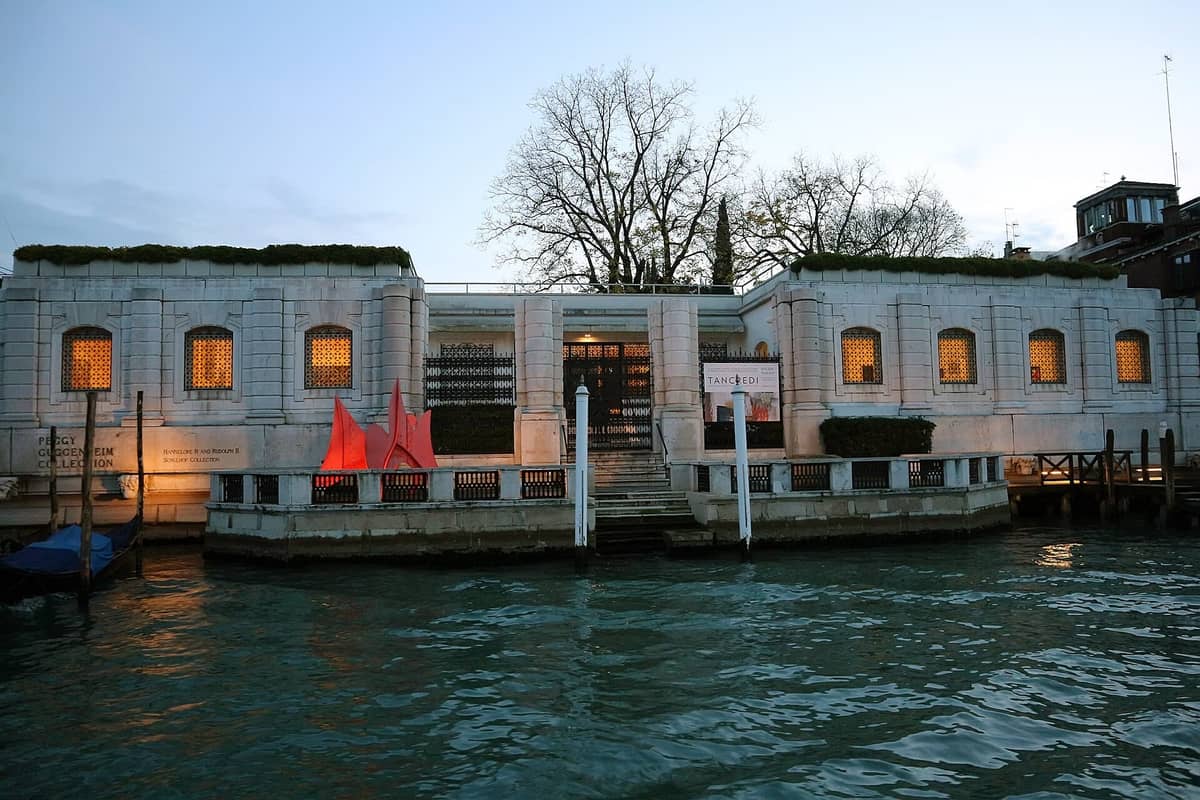
The museum offering in Venice is world-class and often overlooked by visitors who stick to the main circuit. The Peggy Guggenheim Collection in Dorsoduro holds one of Europe's finest modern art collections in a palazzo directly on the Grand Canal. The Gallerie dell'Accademia is the definitive collection of Venetian painting from the 14th to the 18th century. The Scuola Grande di San Rocco contains Tintoretto's cycle of 50+ paintings across two floors, which Ruskin considered among the greatest artistic achievements in Italy. None of these require more than 90 minutes to visit properly.
The food culture, when you find it properly, is exceptional. Venetian cuisine is rooted in the lagoon: sarde in saor (sweet-sour marinated sardines), baccalà mantecato (whipped salt cod), and risotto nero (black cuttlefish risotto) are dishes you will not find prepared with this level of technique elsewhere. The cicchetti tradition, small bar snacks eaten standing at a counter with a glass of prosecco or spritz, is Venice's answer to tapas and it works well as a lunch strategy. For a full breakdown, see our guide to cicchetti in Venice.
Getting structurally lost, which is inevitable given the non-grid layout of the city, turns out to be one of the better experiences Venice offers. Unlike getting lost in most cities, there is no safety concern, no traffic to contend with, and the consequence is that you walk into a quiet campo (square) you would never have found on a map, or stumble across a 15th-century well-head in a courtyard. This is the aspect of Venice that photographs cannot convey and that no day-tripper has time to find.
The Honest Case Against Going
Venice is not for everyone, and it is worth being honest about who will leave disappointed. If you prioritise local neighbourhood life, street-food culture, nightlife, or the sense of a living, functional modern city, Venice will frustrate you. The resident population of the historic centre has fallen dramatically over decades, from around 175,000 in the 1950s to fewer than 50,000 today, and the social infrastructure, local markets, everyday shops, schools, follows the same contraction. What remains is extraordinary but it is closer to an open-air museum than a working city.
- Mobility is a genuine challenge: Venice has no ramps on most bridges, and the city is effectively inaccessible for wheelchair users across large sections. The vaporetto water buses have accessible boarding points, but much of the walking network is not.
- Travelling with young children requires planning: pushchairs must be carried up and over bridges constantly, and the canal-side paths have no barriers in many sections.
- Budget travellers will struggle: a private room in the historic centre for under €100 per night is rare in any season outside January and February. Staying in Mestre on the mainland is cheaper but removes the evening atmosphere entirely.
- Those expecting Mediterranean beach weather should head elsewhere: Venice's lagoon beaches are on the Lido, a 20-minute vaporetto ride away, and the city itself is not a beach destination.
ℹ️ Good to know
The lagoon islands are frequently under-visited and offer some of the most distinctive experiences in the Venice area. Burano is known for its brightly painted fishing houses and lace-making tradition, Torcello has a cathedral older than Venice itself, and Murano remains the centre of Venetian glassblowing. A full day across the northern lagoon is one of the best ways to extend a Venice trip without repeating the same tourist circuit.
Practical Logistics: Getting In, Getting Around, Staying Right
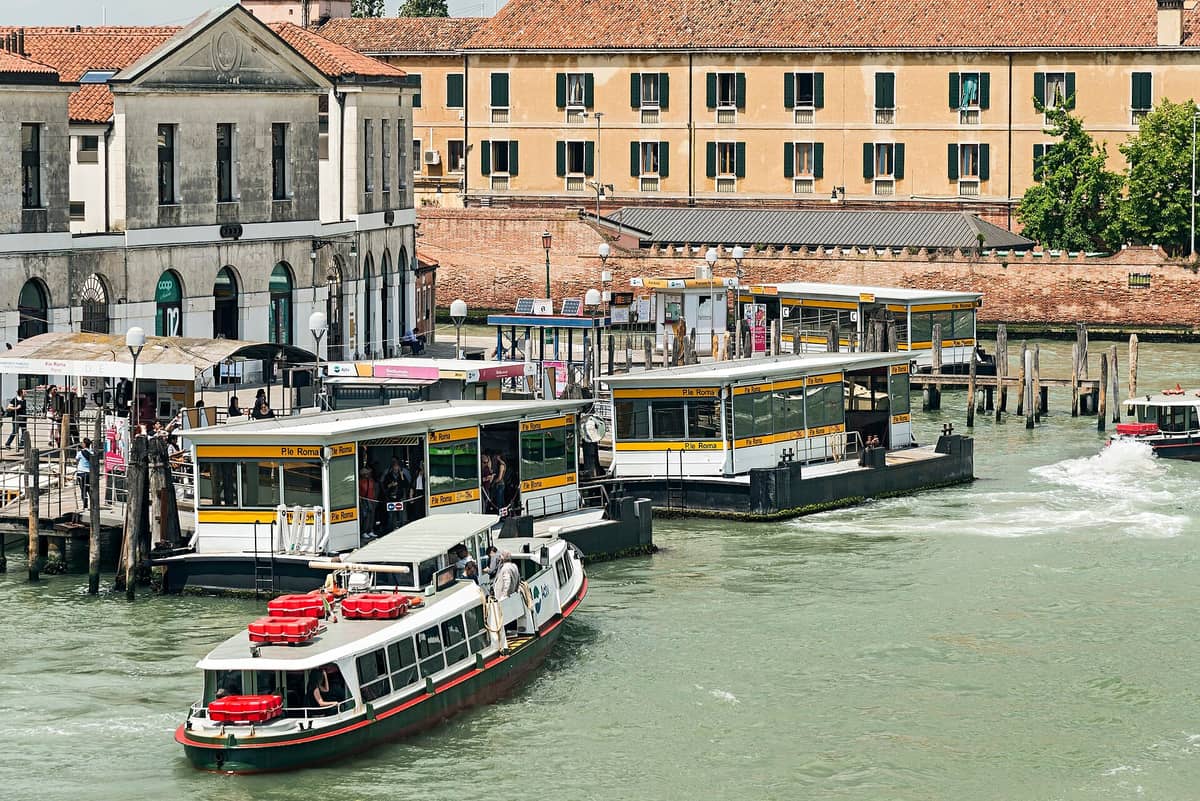
Venice Marco Polo Airport (IATA: VCE) in Tessera is the main gateway, approximately 8-10 km from the historic centre. From the airport you have three realistic options: the ACTV bus to Piazzale Roma (cheapest, around 30-40 minutes), the Alilaguna water bus to stops including San Marco and Rialto (scenic, around 70-80 minutes to San Marco, verify current timetables and fares before booking), or a private water taxi direct to your hotel's nearest water-entrance (fast, expensive, roughly €100-130 for the boat, not per person, verify current rates). For a full breakdown of moving around once you arrive, see our guide to getting around Venice.
Within the city, the ACTV vaporetto network is the main public transport. A single vaporetto ticket costs around €9.50 (verify current ACTV pricing before travel), making a 48-hour or 72-hour travel pass better value for anyone planning more than two journeys per day. The key routes for visitors are Line 1 (slow, all stops along the Grand Canal, ideal for sightseeing) and Line 2 (faster, fewer stops, useful for getting between San Marco and the Rialto area quickly). For accommodation, where you stay matters more in Venice than in most cities: the neighbourhood-by-neighbourhood accommodation guide covers the trade-offs between each sestiere.
FAQ
Is Venice worth visiting if you only have one day?
One day will cover the major landmarks around San Marco, but you will be seeing Venice at its most crowded and least characteristic. If a single day is genuinely all you have, arrive as early as possible (before 09:00), visit St. Mark's Basilica and the Doge's Palace in the morning, walk to the Rialto Market for lunch, then explore towards Dorsoduro in the afternoon. It is worth doing, but you will leave with an incomplete picture of what the city is.
How much does it cost to visit Venice in 2026?
Budget roughly €180-300 per night for mid-range accommodation in the historic centre in peak season, less in winter. Food ranges from €10-15 for a cicchetti lunch at a bacaro bar to €50-80+ per person at a sit-down restaurant near the main sights. The day-visitor access fee (April-July 2026) is €5 if pre-booked or €10 last-minute. Museum entry varies: the Doge's Palace is around €30, the Peggy Guggenheim Collection around €18, and the Gallerie dell'Accademia around €15, though prices change, so verify before you go.
What is the Venice Access Fee and do I need to pay it?
The Venice Access Fee (Contributo di Accesso) is a day-visitor charge applied on around 60 specific high-attendance days between April and July 2026, during hours of 08:30 to 16:00. The fee is €5 if you register online at least 3 days before your visit, or €10 for same-day or late booking. Overnight guests with a hotel reservation in the municipality are exempt. Children under 14 and several other categories are also exempt. Dates change each year, so check the official city portal before booking travel.
Is Venice safe to visit?
Venice is one of the safer cities in Italy for visitors. Violent crime is rare. The main issues are pickpocketing in crowded areas (particularly on the vaporetto Line 1 and around the Rialto), unlicensed gondoliers offering unofficial rides, and overpriced menus in tourist-trap restaurants near San Marco. Canal-side paths have no barriers in many sections, so supervise children carefully. In autumn and winter, acqua alta flooding can make some streets impassable temporarily; download the official acqua alta forecast app before travelling in that season.
Is Venice suitable for visitors with mobility difficulties?
Partially. The ACTV vaporetto boats have accessible boarding points on many routes, and some areas of the city, particularly wider promenades like the Riva degli Schiavoni, are navigable. However, the historic centre has hundreds of bridges, most with steps and no ramps, and many calli are narrow and uneven. The city has an accessibility map and a dedicated rolling bridge programme, but coverage is far from comprehensive. Anyone with significant mobility challenges should research specific routes in advance using the city's official accessibility resources.