Palazzo Mocenigo Museum: Venice's Palace of Silk, Costume, and Scent
Tucked into the Santa Croce sestiere near the Grand Canal, the Museo di Palazzo Mocenigo is one of Venice's most distinctive civic museums. A patrician palace of Gothic origin, rebuilt in the early 1600s, it holds centuries of Venetian textile history, sumptuous period costumes, and a one-of-a-kind study centre dedicated to the history of perfume.
Quick Facts
- Location
- Santa Croce 1992, 30135 Venezia — Santa Croce sestiere, near the Church of San Stae
- Getting There
- Vaporetto stop: San Stae (ACTV lines on the Grand Canal) — a short walk from the entrance
- Time Needed
- 1.5 to 2.5 hours for a thorough visit; allow extra time if you explore the perfume interactive exhibits
- Cost
- Admission fees vary by source; verify current prices at the official website before visiting. A Museum Pass covering multiple Venice civic museums is available.
- Best for
- Fashion history enthusiasts, perfume lovers, architecture admirers, and travelers seeking a quieter alternative to Venice's most crowded museums
- Official website
- mocenigo.visitmuve.it/en
What Is the Palazzo Mocenigo Museum?
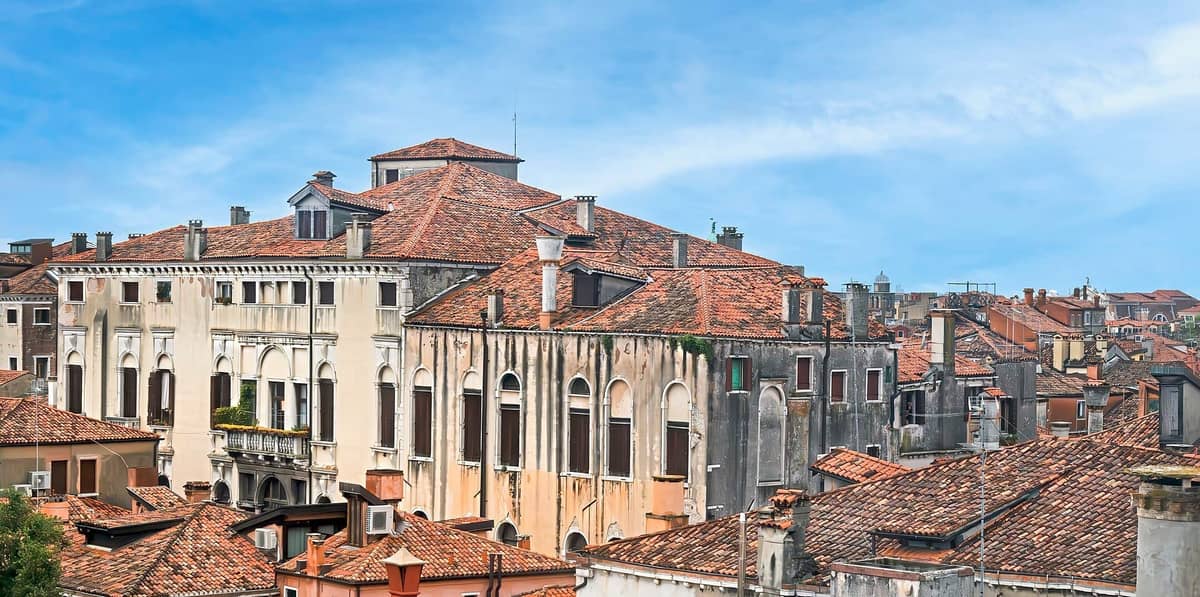
The Museo di Palazzo Mocenigo, officially the Museum of Palazzo Mocenigo – Study Centre for the History of Textiles, Costume and Perfume, is a civic museum operated by the Fondazione Musei Civici di Venezia. It occupies the piano nobile and upper floors of a Gothic-origin palazzo that was substantially rebuilt at the beginning of the 17th century, giving it the elegant, frescoed appearance visible today. The building sits in the Santa Croce sestiere, a short walk inland from the San Stae vaporetto stop on the Grand Canal.
Unlike the Doge's Palace or the Gallerie dell'Accademia, this museum attracts a noticeably smaller crowd. That is partly a matter of subject matter — textiles, historic dress, and the science and culture of fragrance do not draw the same general audience as painting or political history — and partly location: Santa Croce sits west of the main tourist corridors. For visitors who want to understand a different side of Venetian aristocratic life, the palazzo rewards attention in ways that more famous palaces do not.
💡 Local tip
Opening hours are seasonal. From 1 April to 31 October, the museum is open 10:00–18:00 (last admission 17:00). From 1 November to 31 March, hours are 10:00–17:00 (last admission 16:00). The museum is closed on Mondays. Always verify current schedules at the official website before your visit.
The Building and Its History
The Mocenigo family was one of Venice's most powerful patrician dynasties. The family produced seven Doges of Venice, and at the height of their influence they held multiple palaces along the Grand Canal. This particular branch of the family, known as the Mocenigo di San Stae after the nearby church, occupied the palazzo for generations before the last member bequeathed it to the city on condition that it be transformed into a museum. That act of civic generosity is what makes the building accessible to the public today.
The palazzo's Gothic bones date from the medieval period, but the 17th-century reconstruction gave it the proportions and decorative language you see now: wide, frescoed reception rooms, coffered ceilings in warmer tones, and the kind of domestic grandeur that Venetian nobles used to signal rank without ostentation. The rooms were not designed as exhibition spaces; they were lived-in apartments, and that domestic quality persists. Display cases and mannequins are set within rooms that retain their period character, which makes the experience feel more like visiting a house than walking through a gallery.
The Study Centre for the History of Textiles and Costumes has been housed here since the 1980s. In 2013, the museum expanded to incorporate rooms dedicated entirely to the history of perfume, making it one of the few museums in Italy to address fragrance as a subject of historical and cultural study rather than mere commerce.
Tickets & tours
Hand-picked options from our booking partner. Prices are indicative; availability and final rates are confirmed when you complete your booking.
Entrance tickets to the Mocenigo Museum in Venice
From 17 €Instant confirmationDoge's Palace skip-the-line tour
From 67 €Instant confirmationFree cancellationVenice Legends, Anecdotes and Ghost Stories Tour
From 35 €Instant confirmationFree cancellationGhosts and legends tour of Venice
From 29 €Instant confirmationFree cancellation
The Textile and Costume Collection
Venice was, for centuries, one of Europe's primary centers of luxury textile production. Silk damasks, brocades, and velvets woven in Venetian workshops were traded across the Mediterranean and north into the courts of France, Spain, and the Holy Roman Empire. The collection at Palazzo Mocenigo documents this history through actual garments and fabric samples, many of them rare survivals from the 16th to 18th centuries.
The historic costumes on display include patrician dress, ceremonial garments, and examples of the layered, heavily ornamented clothing that Venetian sumptuary laws paradoxically tried to restrict. Seeing these objects in a domestic palace rather than behind museum glass in an anonymous white room changes how you read them. The scale of a brocaded gown becomes comprehensible when you can imagine it in the same room where it might originally have been worn.
Visitors with a serious interest in Venetian material culture will want to cross-reference this collection with what is on display at Visitors with a serious interest in Venetian material culture will want to cross-reference this collection with what is on display at Ca' Rezzonico, the civic museum of 18th-century Venice across the Grand Canal in Dorsoduro, which holds furniture, paintings, and decorative arts from the same aristocratic milieu.Ca' Rezzonico, the civic museum of 18th-century Venice across the Grand Canal in Dorsoduro, which holds furniture, paintings, and decorative arts from the same aristocratic milieu.
The Perfume Rooms: An Unexpected Highlight
The rooms added in 2013 and dedicated to perfume history are, for many visitors, the most memorable part of the museum. The exhibit traces the cultural and commercial history of fragrance in Venice, a city with a long-standing connection to the spice and aromatic trade through its position as a Mediterranean trading hub. Venice was a conduit for ingredients from the Arab world, the Indian subcontinent, and the East African coast, and Venetian merchants and apothecaries were among the early European figures to systematize the creation and sale of scented products.
The display includes historic perfume vessels, raw aromatic materials, and interactive stations where visitors can engage with different scent profiles. This last element gives the exhibit a sensory dimension that most museum rooms lack. The smell of labdanum, rose absolute, or ambergris in the context of an early 17th-century frescoed room is a particular kind of experience, and it tends to anchor the historical information in a way that text panels alone cannot.
ℹ️ Good to know
The perfume exhibit is designed with interactive scent elements. If you or anyone in your group has strong sensitivities to fragrance, it is worth noting that some areas of this section of the museum involve direct olfactory engagement. The rest of the museum is unaffected.
When to Visit and How the Experience Changes
Palazzo Mocenigo sees its lightest visitor numbers on weekday mornings, particularly Tuesday through Thursday. Arriving at opening time — 10:00 — gives you the frescoed rooms largely to yourself. The morning light, entering through windows that face toward the San Stae campo, catches the textiles and gilded ceiling details in a way that afternoon lighting, more diffuse and indirect, does not replicate. If you are photographing the costume collection, morning is the better choice.
Summer Friday and Saturday evenings, when the museum stays open until 20:00, offer a different experience: fewer families, a slightly quieter atmosphere, and the opportunity to walk to the Grand Canal waterfront afterward as evening boat traffic thins out. The San Stae area in the early evening, with the church facade catching the last direct light, is worth the extended visit alone.
If you are building a day around Santa Croce, the museum pairs naturally with a walk along the Grand Canal toward the Rialto Market in the adjacent San Polo sestiere, or a detour north to the quieter calli around the Santa Croce sestiere itself, which remains largely off the main tourist circuits.
Getting There and Practical Logistics
The most direct route is by vaporetto to the San Stae stop on the Grand Canal. From San Stae, the palazzo is a short walk through a small campo and along a calle. The address is Santa Croce 1992. Navigation in Santa Croce can be confusing because the street numbering is sequential across the entire sestiere rather than by individual street, so use the Church of San Stae as your landmark rather than the number alone.
From Piazzale Roma, the city's main road and bus terminal at the western edge of the historic city, the museum is reachable on foot in around 15 minutes through the Santa Croce calli. This makes it a natural first stop for visitors arriving by bus or car who want to begin exploring before the crowds build toward midday.
For accessibility, the museum advises contacting them directly in advance. Specific details on wheelchair access or lift availability were not confirmed in publicly available sources at time of writing, so direct contact before your visit is recommended if mobility is a consideration.
⚠️ What to skip
Ticket prices differ across sources. Verify current admission fees directly on the official museum website or at the door before budgeting. Ticket prices differ across sources. Verify current admission fees directly on the official museum website or at the door before budgeting. A Museum Pass covering multiple Venice civic museums is available and may offer better value if you plan to visit several Fondazione Musei Civici properties during your stay.
Honest Appraisal: Is It Worth Your Time?
Palazzo Mocenigo is not the right stop for every visitor to Venice. If your primary interests are Renaissance or Baroque painting, Byzantine mosaics, or the political history of the Republic, this museum will feel tangential. The collection is specialized, and the interpretive materials, while informative, assume some baseline interest in fashion history, material culture, or fragrance.
For visitors who do have those interests, or who simply want to understand how wealthy Venetians actually lived rather than what they commissioned from painters, the palazzo is one of the more underused resources in the city. The building itself justifies part of the entry fee: a 17th-century patrician interior in this state of preservation, without the crowds that fill the major palaces, is a genuine rarity.
Venice has over a dozen museums worth serious attention. If you are trying to prioritize, the guide to the best museums in Venice gives a comparative overview that can help you decide where Palazzo Mocenigo fits relative to your other priorities.
Insider Tips
- The museum shop carries a small but well-curated selection of books on Venetian textile history and perfumery. If you have an interest in either subject, browse it before leaving — these titles are not easy to find in general Venice bookshops.
- The piano nobile frescoes are worth examining in detail independently of the costume displays. Several of the ceiling paintings document Mocenigo family history and allegorical scenes connected to Venice's maritime identity, and they are easy to overlook when attention is focused on the objects in the cases below.
- If you visit on a Friday or Saturday evening during the extended summer hours (May–September 2026), the Church of San Stae directly outside is worth a look before or after. Its 18th-century facade faces the Grand Canal and the interior holds works by Tiepolo and Piazzetta.
- The Museum Pass (valid across Fondazione Musei Civici di Venezia properties) represents better value than single tickets if you plan to visit two or more civic museums. Verify current prices and included venues on the official website before purchasing.
- Allow your nose to adjust in the perfume rooms before engaging with the interactive scent stations. The initial impression of a room that smells of many fragrances simultaneously can be overwhelming, but individual materials become more distinct once your olfactory system settles.
Who Is Palazzo Mocenigo Museum For?
- Fashion history and textile enthusiasts who want to see primary material rather than reproductions
- Travelers interested in the domestic life and material culture of Venetian patricians, not just their public monuments
- Perfume lovers and anyone curious about the history of fragrance as a cultural and commercial practice
- Visitors seeking a well-preserved 17th-century Venetian interior without the queues of the major palaces
- Repeat visitors to Venice who have already covered the headline museums and want to explore the city's civic collection in depth
Nearby Attractions
Other things to see while in Santa Croce:
- Museo di Storia Naturale di Venezia
Venice's Natural History Museum occupies the Fondaco dei Turchi, a 13th-century palazzo on the Grand Canal in Santa Croce. With nearly 2 million specimens spanning fossils, zoology, botany, and ethnography, it rewards visitors who want something beyond art and architecture. It is also one of the most family-friendly museums in the city.
- Scuola Grande di San Giovanni Evangelista
Founded in 1261, the Scuola Grande di San Giovanni Evangelista is one of Venice's six historic confraternity halls, housing centuries of Gothic, Renaissance, and Baroque art and architecture. Tucked into a quiet San Polo campiello, it draws a fraction of the crowds that swamp more famous landmarks, yet its ceremonial staircase, ornate assembly hall, and storied relic chapel rank among the city's genuine architectural high points.