Kraków's Old Town (Stare Miasto) is the medieval heart of Poland's former royal capital, encircled by Planty Park and anchored by Rynek Główny, one of Europe's largest market squares. A UNESCO World Heritage Site since 1978, it packs Gothic churches, Renaissance courtyards, royal fortifications, and one of Central Europe's most concentrated collections of historic architecture into a compact, walkable core.
Stare Miasto is Kraków at its oldest and most layered: a medieval grid of cobbled streets that served as Poland's political center for over five centuries, still largely intact and still very much alive. It remains a living neighborhood where university students, cathedral choirs, and crowds of international visitors share the same squares at different hours of the day.
Orientation: Where Old Town Sits in Kraków
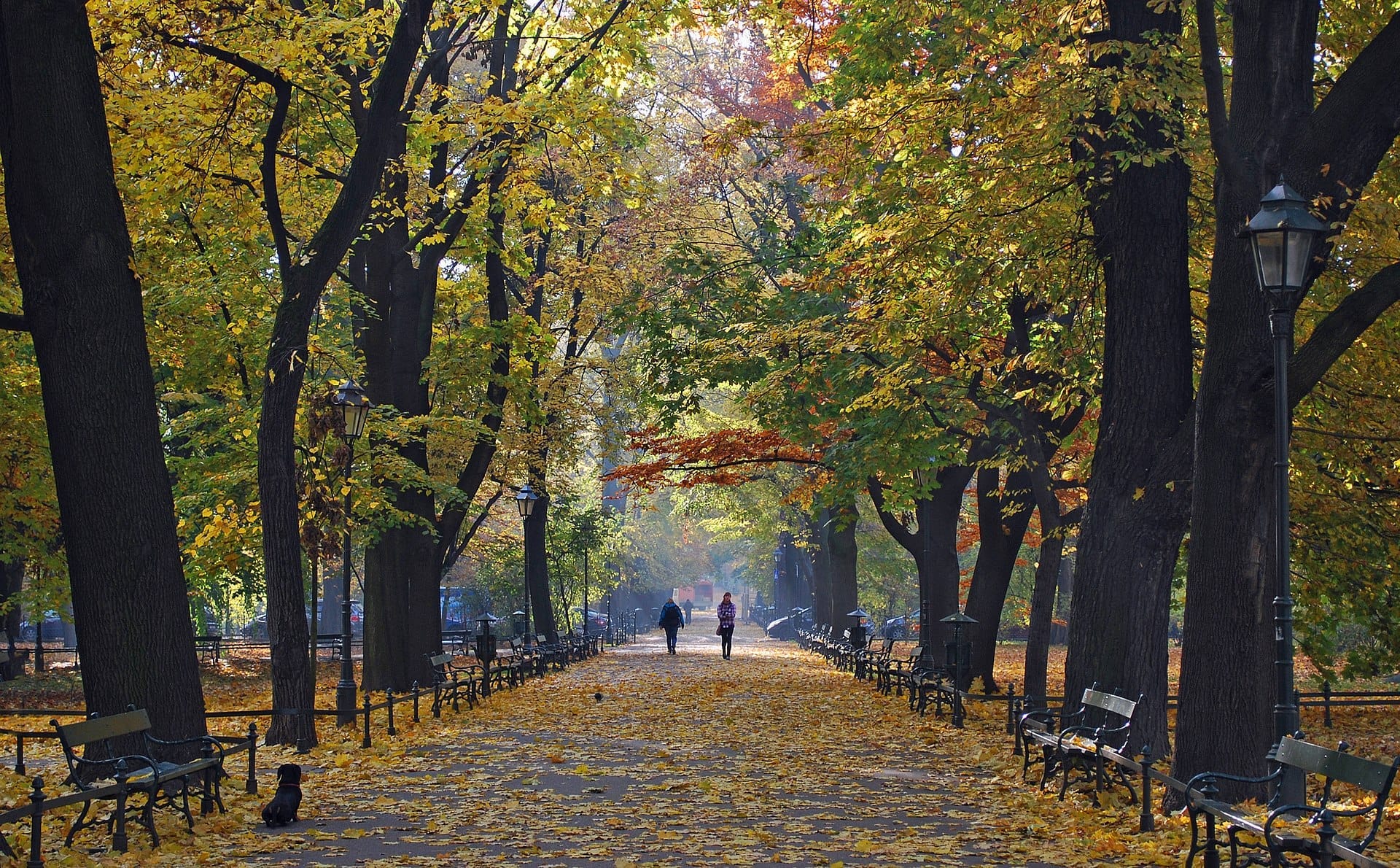
Stare Miasto occupies the geographic and symbolic center of Kraków, sitting on a low plateau above the Vistula River in southern Poland. It is one of the most clearly defined neighborhoods in any European city: its boundary is traced almost perfectly by Planty Park, a continuous ring of green space that replaced the medieval city walls after they were demolished in the early 19th century. Step inside the Planty and you are in the Old Town. Step outside and you are already in a different district.
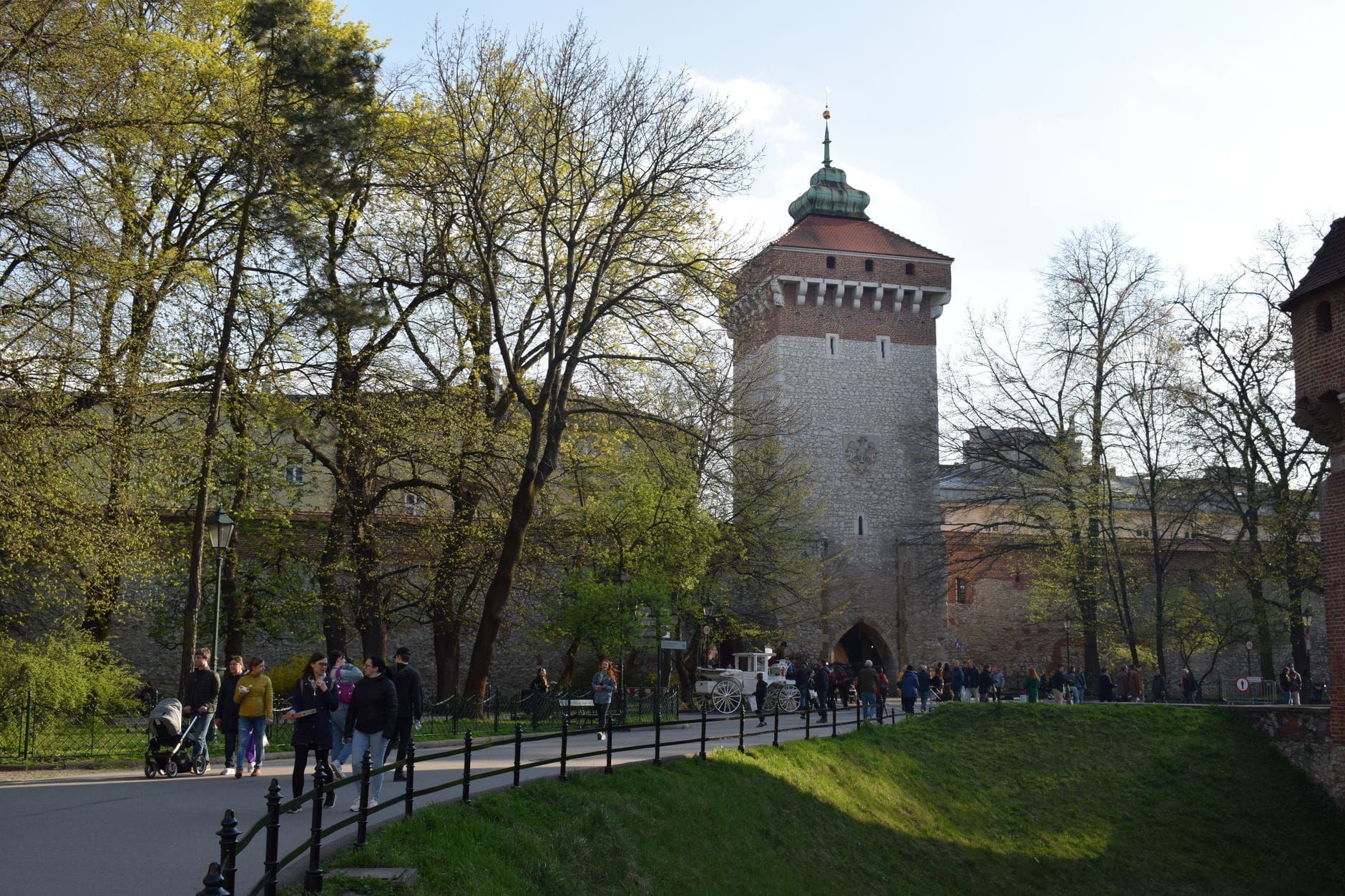
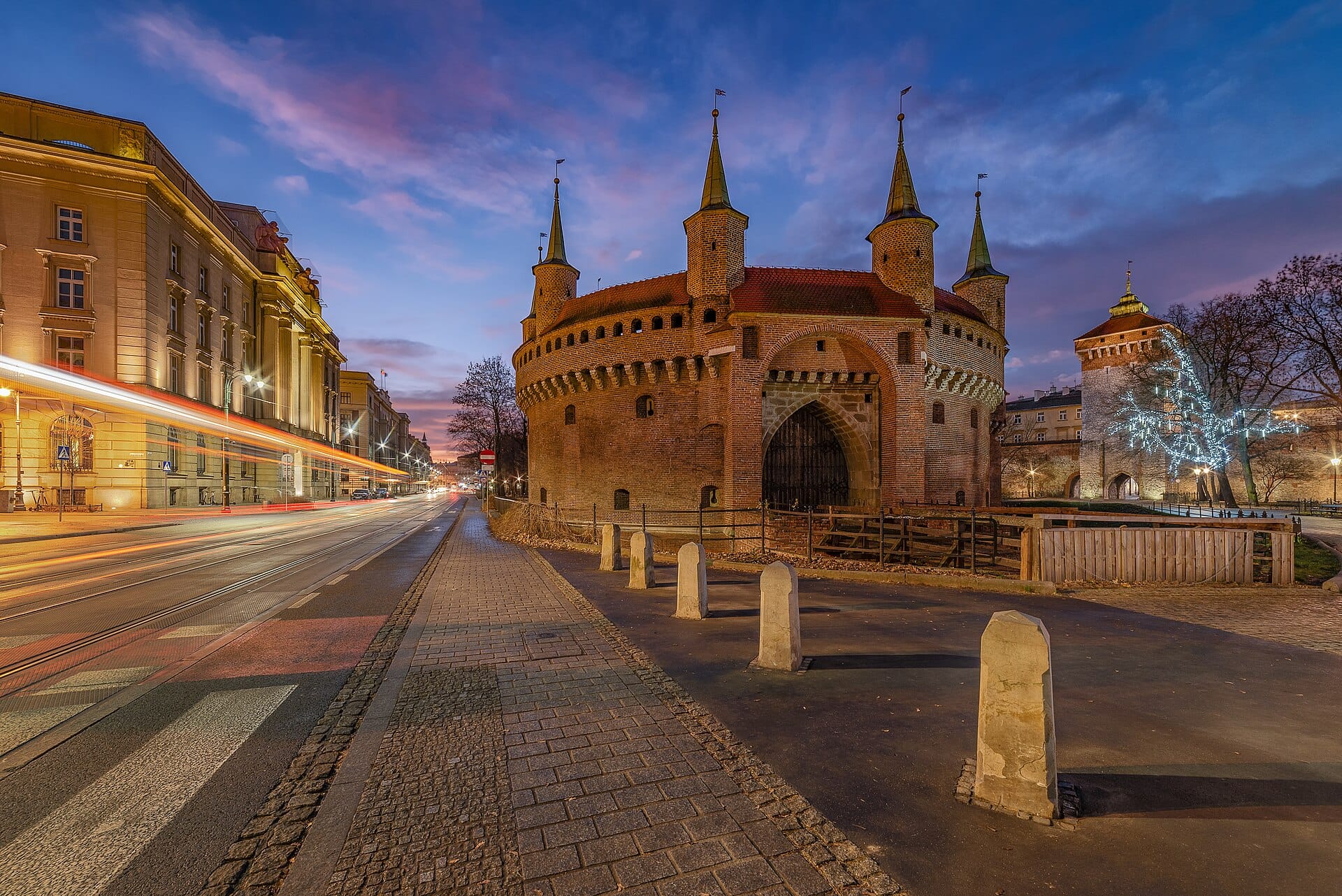
The neighborhood runs roughly north to south along what is known as the Royal Road: starting at the Kraków Barbican and Florian Gate in the north, continuing down Floriańska Street to Rynek Główny, then south along Grodzka Street to Wawel Castle and Wawel Hill at the southern edge. This axis is roughly 1.2 kilometers end to end, which means the entire historic core is walkable in under 20 minutes at a relaxed pace.
Kraków Główny, the city's main railway station, sits just north of the Old Town across Planty Park, making it one of the easiest city centers in Poland to arrive at directly. To the south of Wawel Hill, the Vistula River forms a natural boundary. The districts of Kazimierz (the former Jewish quarter) and Podgórze (the wartime ghetto district) lie immediately southeast and south across the river, each reachable on foot in 15 to 25 minutes from the Main Square.
ℹ️ Good to know
The Historic Centre of Kraków was inscribed as a UNESCO World Heritage Site in 1978, making it one of the earliest entries on the list. The designation covers the Old Town, Wawel Hill, and the former Jewish quarter of Kazimierz.
Character and Atmosphere: What It Actually Feels Like
The Old Town changes character more dramatically across the hours of a single day than most European city centers do across an entire week. In early morning, before 8am, Rynek Główny is almost quiet: pigeons, a few delivery vans, and the distant sound of the hejnał trumpet call drifting from the tower of St. Mary's Basilica. The cobblestones are damp and the light is low and golden. Street cleaners work methodically around the Cloth Hall. It is one of the rare moments when the scale of the square, roughly 200 meters on each side, actually registers.
By mid-morning the square fills steadily. Tour groups gather around the Cloth Hall (Sukiennice), café chairs are pulled out onto the pavement, and the horse-drawn carriages that circle the square begin their rounds. The streets radiating off the square, particularly Floriańska, Grodzka, and Szewska, become a steady flow of pedestrians. Kraków has a large student population centered around the Jagiellonian University, whose colleges are embedded throughout the Old Town, and you notice it in the mix: not purely a tourist crowd, but academics, locals on errands, and schoolchildren on field trips alongside visitors from across Europe and beyond.
Afternoons in summer bring the heaviest foot traffic. The streets around the Main Square can feel crowded between noon and 5pm in July and August, particularly along the Royal Road. The narrower side streets, Kanonicza, Poselska, or the lanes around the Czartoryski Museum, offer an immediate escape: sudden quiet, denser shade, and the Gothic or Baroque facades that reward anyone who steps 50 meters off the main axis.
After dark the Old Town shifts again. The restaurant terraces stay busy until well past midnight in summer. The cellar bars beneath the medieval townhouses along Floriańska and the streets south of the square generate noise that carries clearly on warm evenings. Weekends between about 10pm and 2am can feel quite loud around the Main Square and along the nightlife corridor stretching toward Szewska and the university area. If you are staying in the Old Town and are a light sleeper, street-facing rooms above the cellar bar strips are worth avoiding.
⚠️ What to skip
Weekend nights in summer bring significant noise to the streets immediately around Rynek Główny. Hotels and apartments on Floriańska, the south side of the Main Square, and the streets toward Szewska are most affected. Request an interior-facing or courtyard room if possible.
What to See and Do
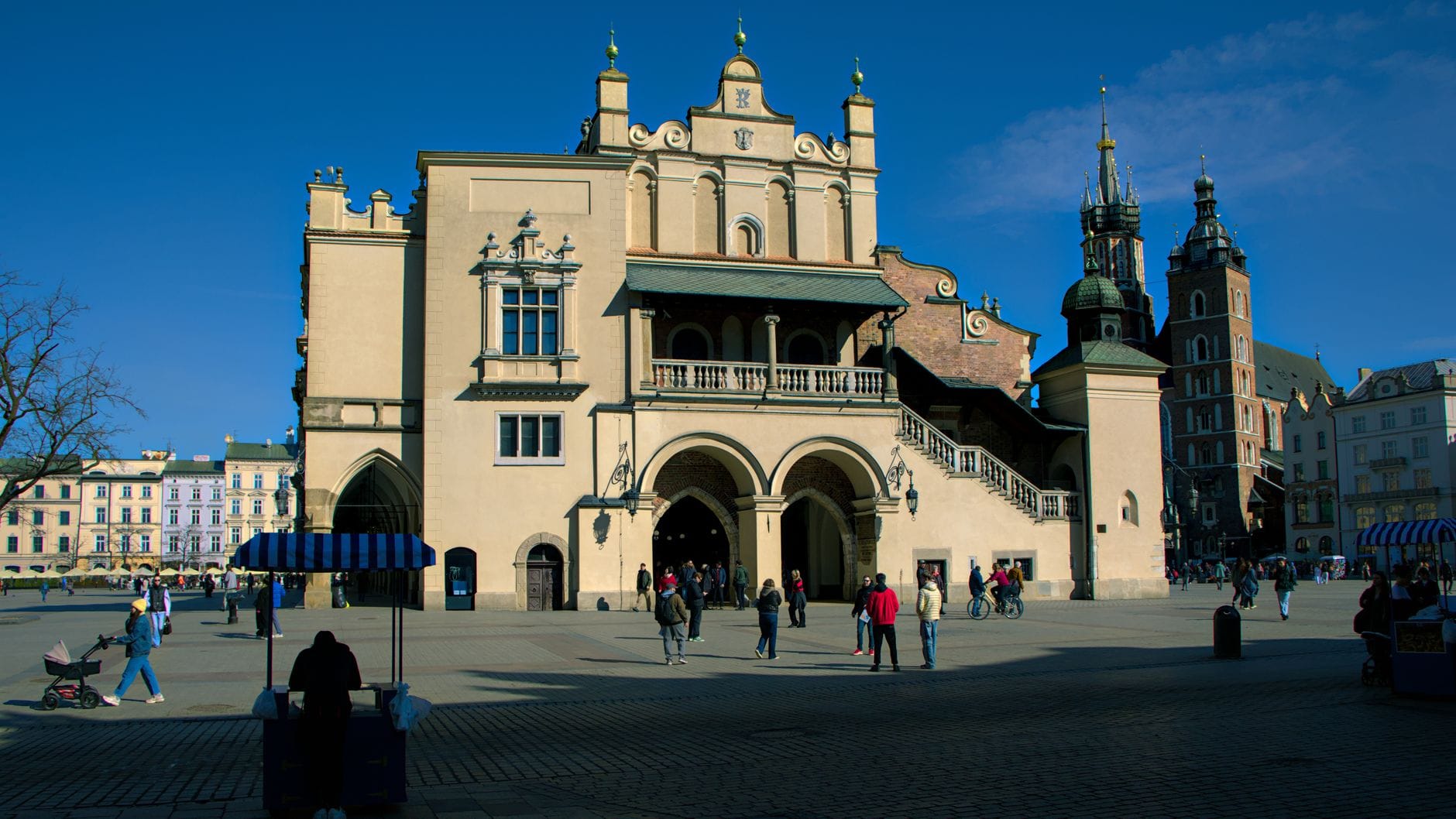
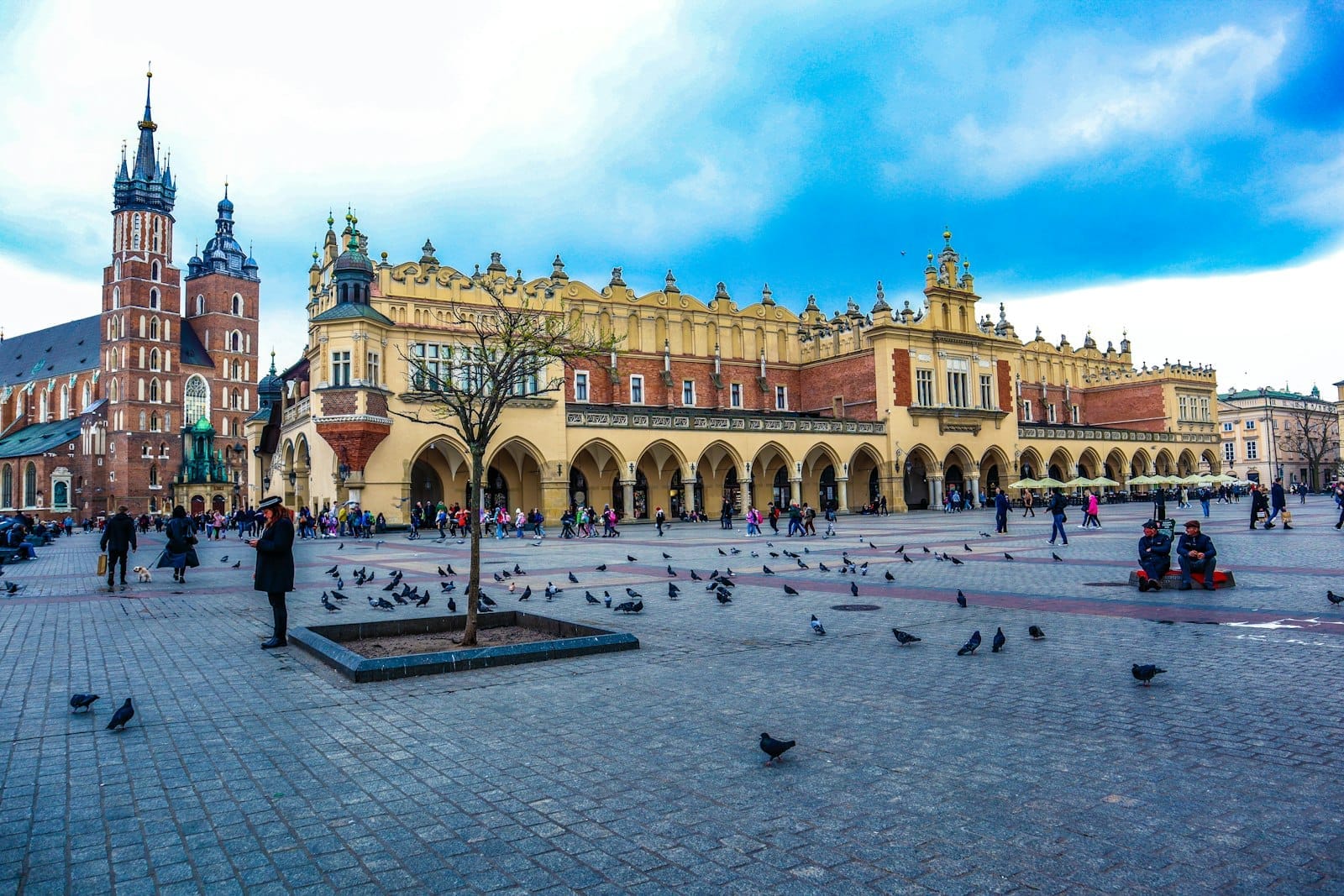
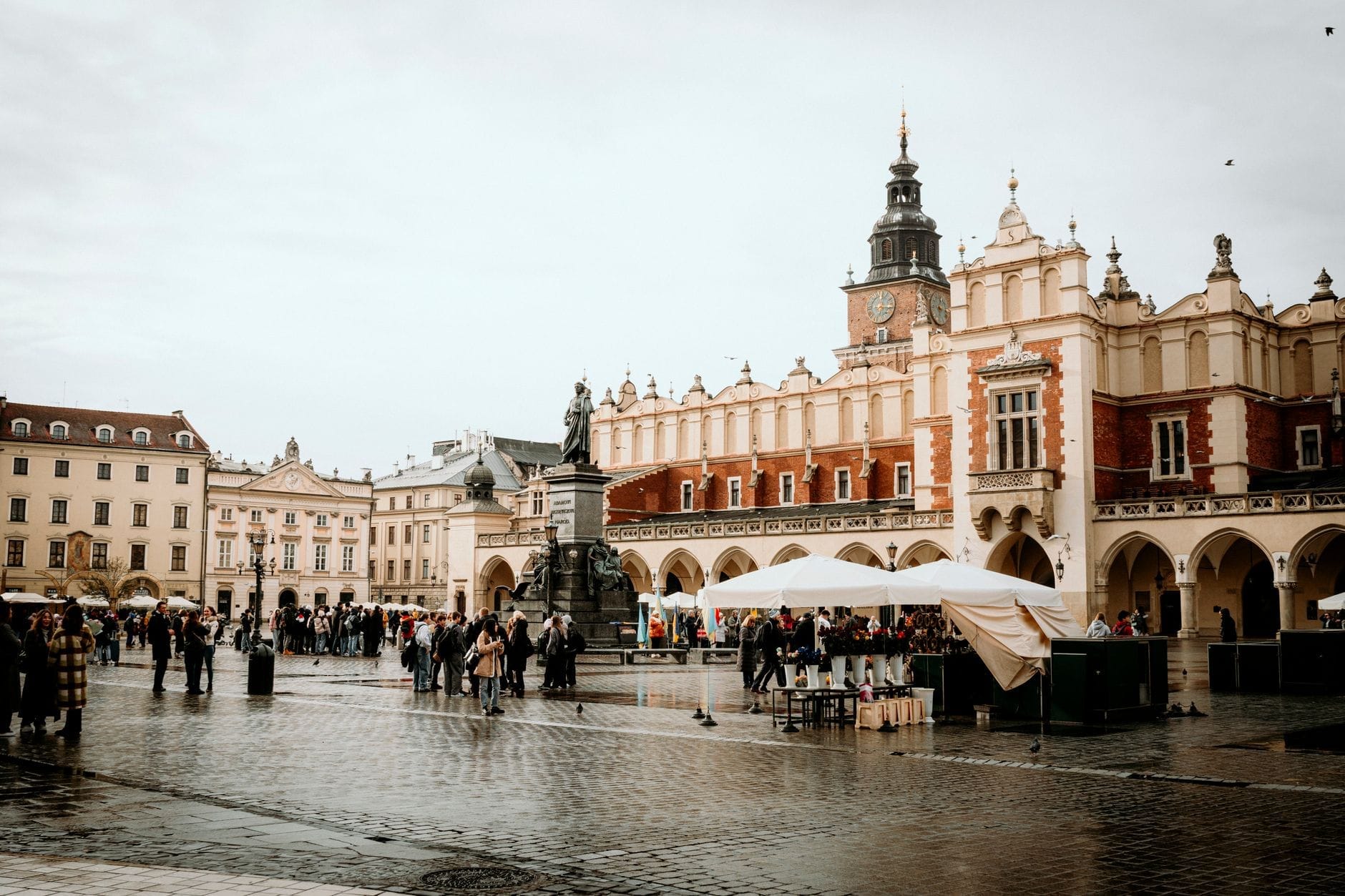
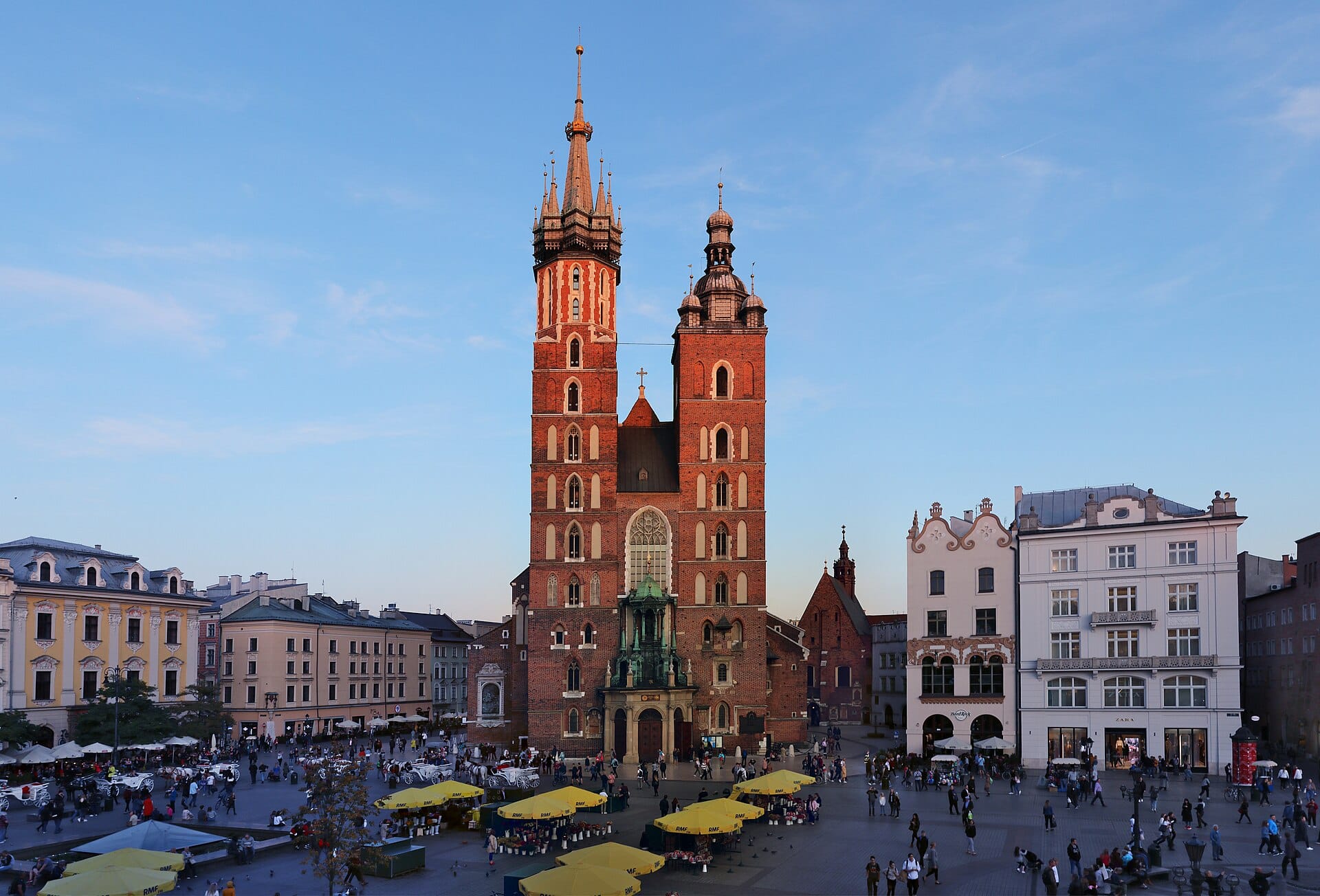
The Main Market Square, Rynek Główny, is the unavoidable starting point and, despite its fame, remains impressive. At roughly 38,000 to 40,000 square meters it is one of the largest medieval market squares in Europe. The Cloth Hall divides the space without closing it off, creating two zones that feel different in scale and atmosphere. At the northeast corner of the square, St. Mary's Basilica is worth entering: the interior nave is covered in a deep blue polychrome that visitors often describe as the most striking church interior in Poland, and the carved wooden altarpiece by Veit Stoss (completed in 1489) is a late-Gothic masterpiece that draws art historians as well as tourists.
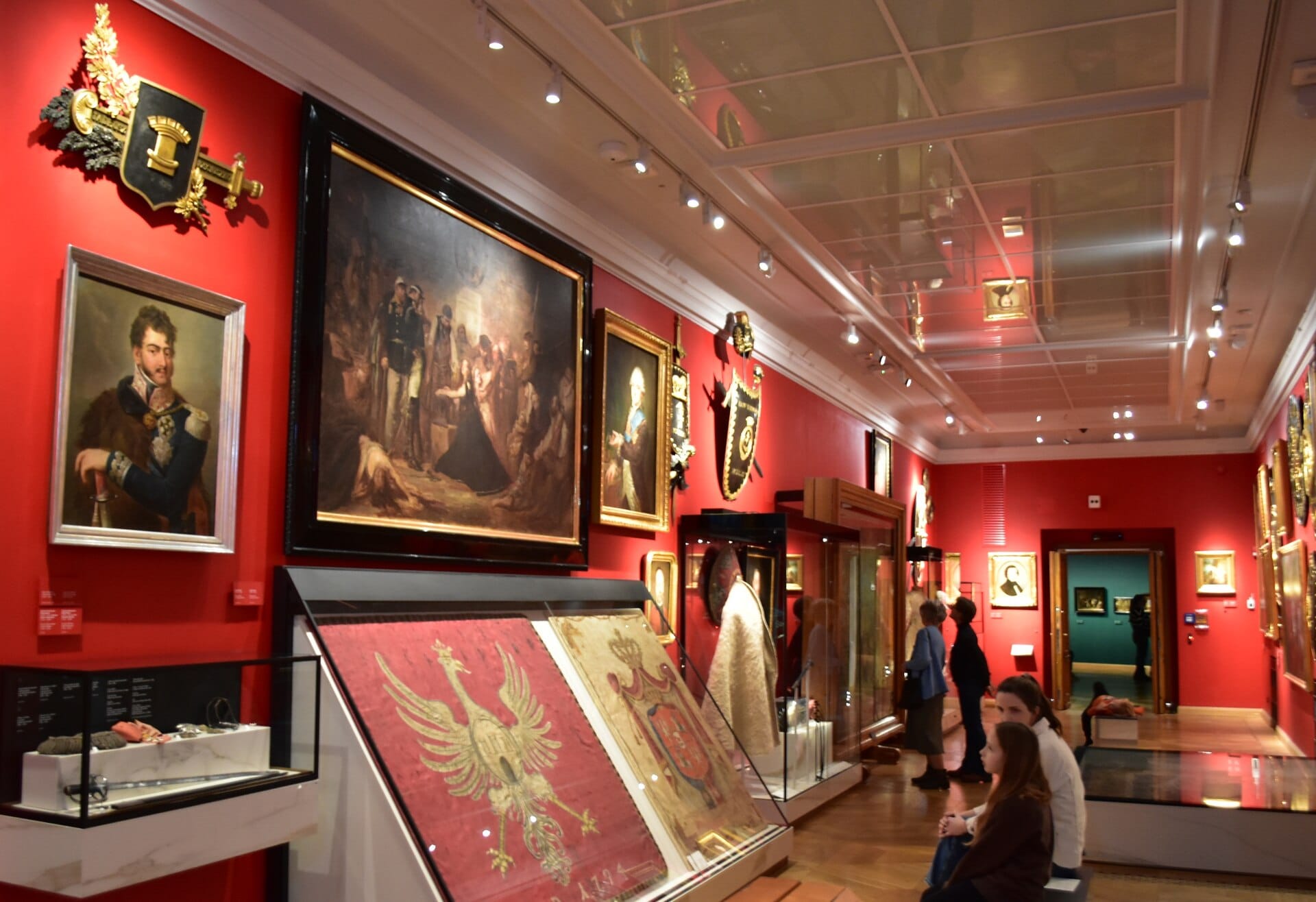
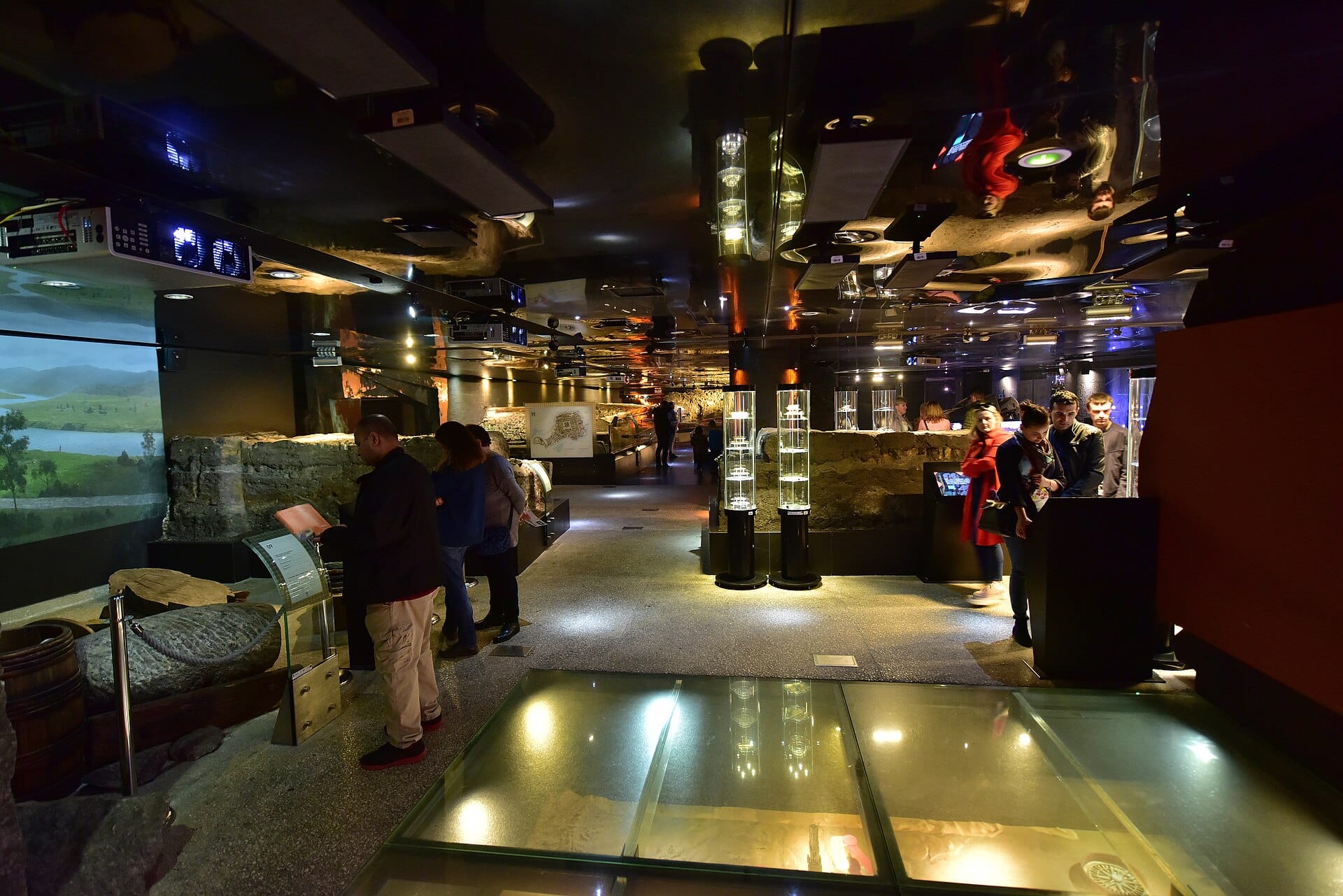
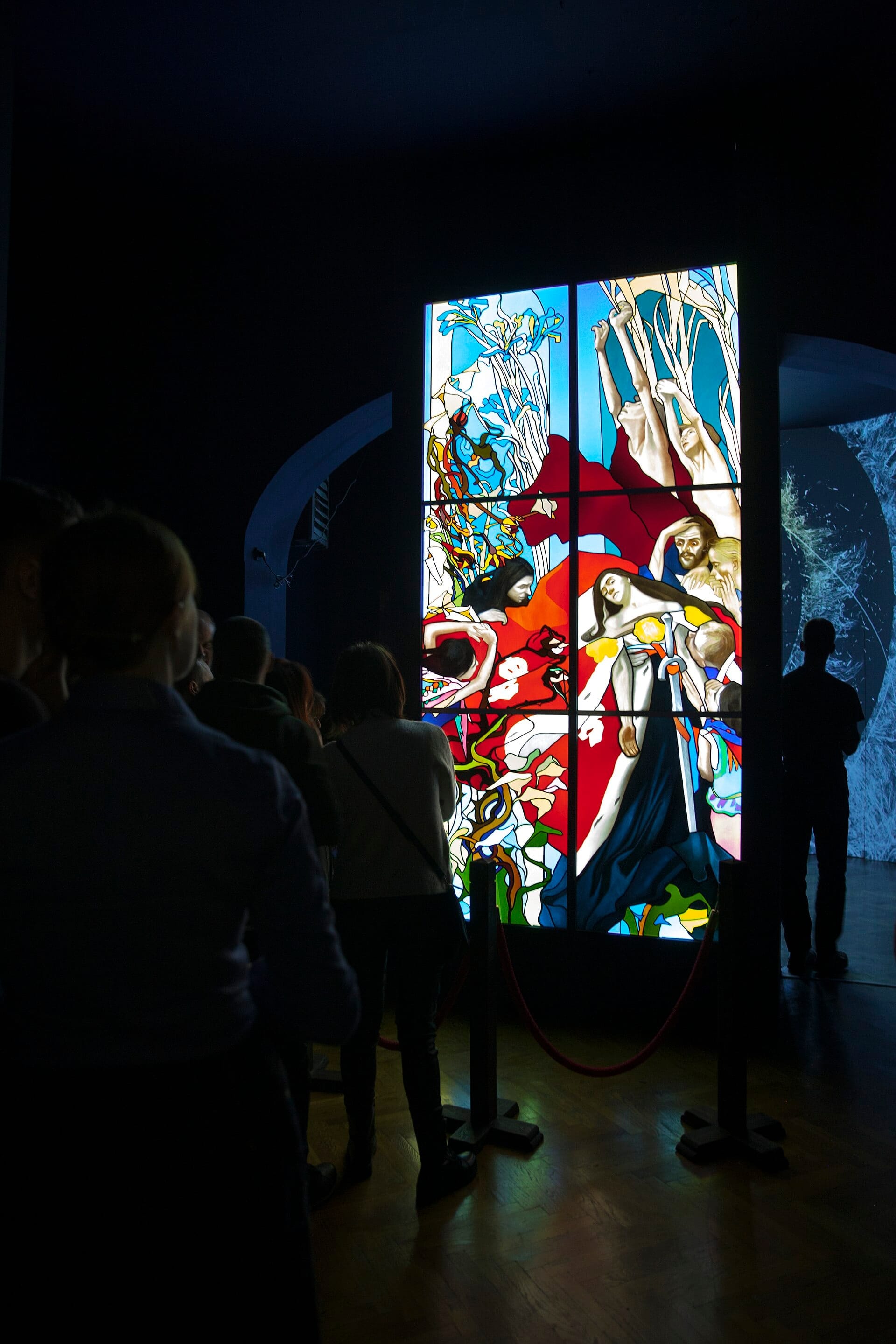
Below Rynek Główny, the Kraków Underground Museum occupies the excavated foundations beneath the square, displaying medieval market stalls, wells, and archaeological finds through a combination of physical remains and multimedia installations. It is one of the more unusual museum experiences in the city, well worth an hour. The Cloth Hall itself contains a gallery of 19th-century Polish painting on the upper floor, often overlooked by visitors who only see the souvenir stalls at street level.
Walking north from the square along Floriańska Street, you reach the Florian Gate and then the Barbican: a round, fully preserved medieval fortification dating from the late 15th century that once defended the northern approach to the city. Walking south down Grodzka Street leads to Wawel Castle and Wawel Cathedral on Wawel Hill. The cathedral is the burial site of Polish kings and national heroes and carries a weight of historical significance matched by few other buildings in the country. The castle complex requires timed tickets for several of its interior sections, and these sell out during peak season, so planning ahead is necessary.
Rynek Główny and the Cloth Hall: the commercial and social core of medieval Kraków
St. Mary's Basilica: Gothic nave with the Veit Stoss altarpiece
Kraków Underground Museum: excavated medieval layers beneath the Main Square
Florian Gate and Barbican: best-preserved section of the medieval fortifications
Wawel Castle and Cathedral: the royal complex at the southern end of the Old Town
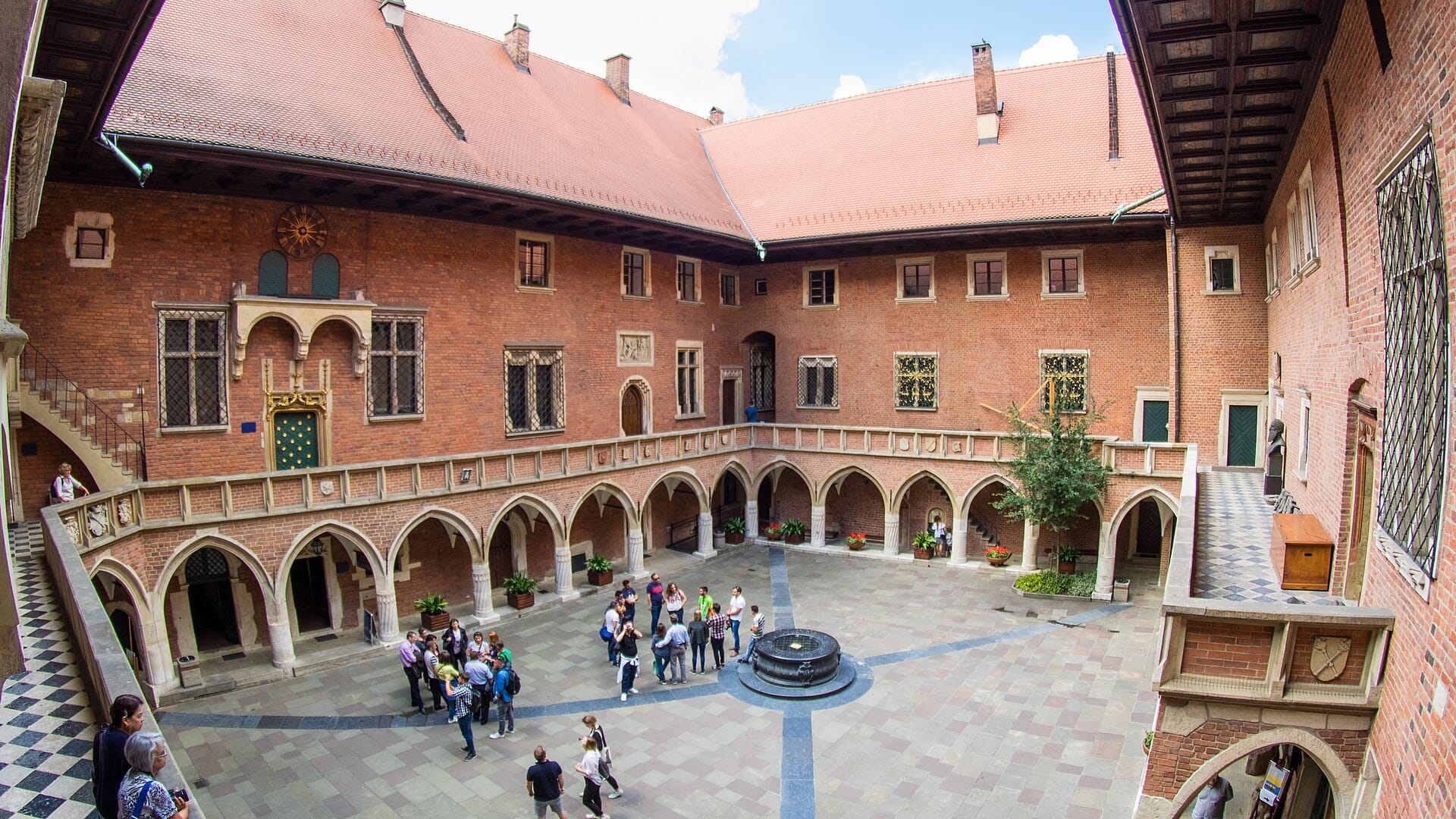
Collegium Maius: 15th-century university courtyard, one of the oldest university buildings in Central Europe
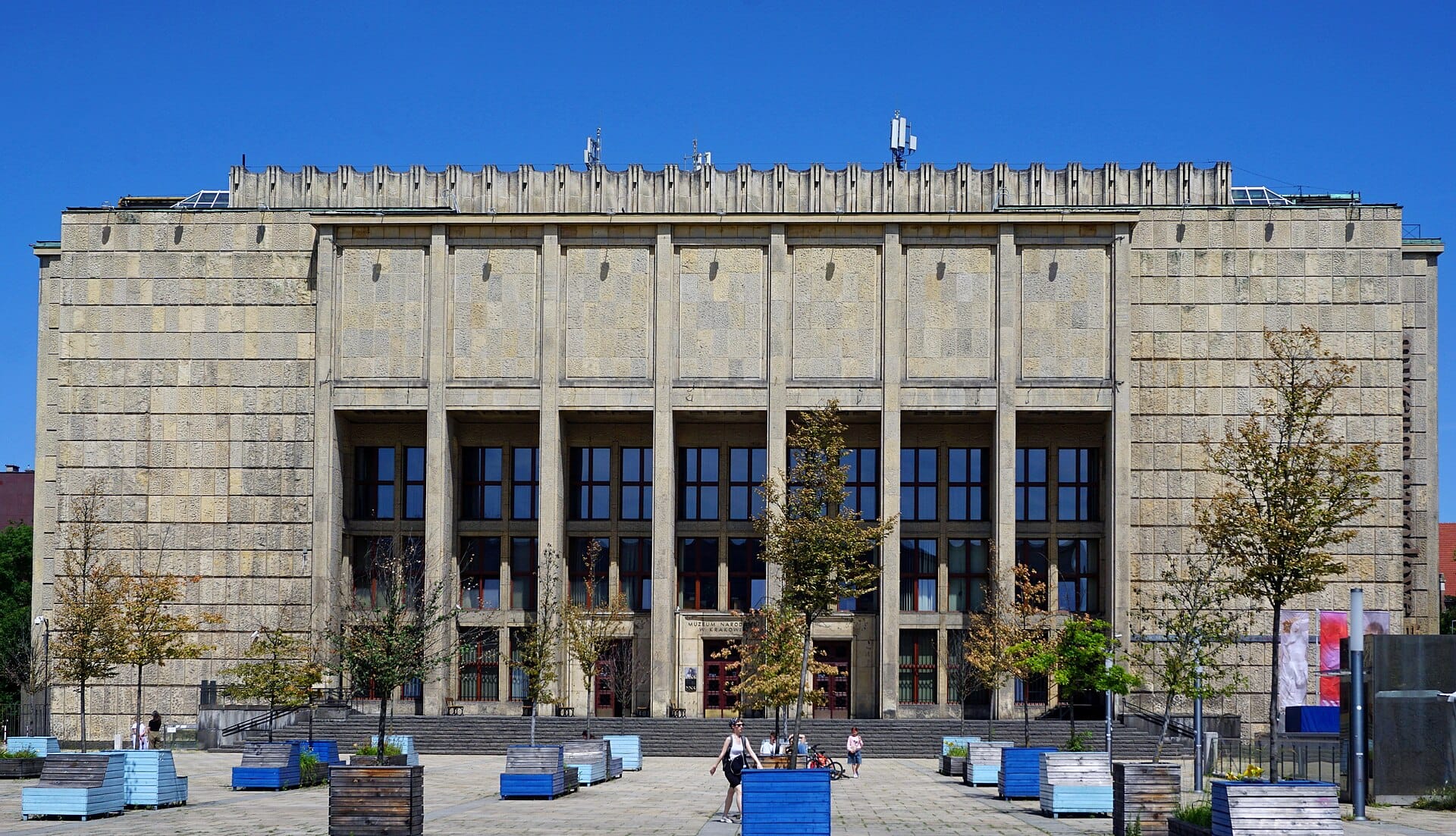
Czartoryski Museum: home to Leonardo da Vinci's Lady with an Ermine
Planty Park: the green ring encircling the Old Town, useful for orientation and a quiet walk
The Collegium Maius on Jagiellońska Street deserves particular mention. As the oldest surviving building of the Jagiellonian University, founded in 1364, it predates most of what visitors consider "old" in Western European universities. The arcaded courtyard is accessible during the day; the treasury and collections inside are viewed on guided tours. The Czartoryski Museum on Świętego Jana Street holds one of Poland's most important art collections, including Leonardo da Vinci's Lady with an Ermine, one of only four authenticated Leonardo portraits in the world.
Eating and Drinking
The Old Town has every price point and almost every cuisine, but it rewards those who navigate carefully. The tables directly on Rynek Główny are almost universally oriented toward tourists: the menus are multilingual, the prices are 30 to 50 percent higher than equivalent places two streets away, and the food quality is generally unremarkable. That does not mean the square is a dead zone for eating. A coffee or a beer at one of the square-side terraces on a clear afternoon, watching the activity across 40,000 square meters of medieval paving, is a legitimate pleasure. Just do not build a meal around it.
Step off the square in almost any direction and the picture changes. The streets around the Jagiellonian University, particularly Szewska, Św. Anny, and Wiślna, have a mix of milk bar-style Polish canteens (Bar Mleczny), student cafés, and casual restaurants where a full lunch costs considerably less than what you would spend on a mediocre tourist pizza on the Main Square. Grodzka Street has a higher concentration of mid-range Polish restaurants where you can eat traditional dishes: żurek (sour rye soup served in a bread bowl), pierogi in various fillings, bigos, and grilled meats.
For Polish food specifically, the Old Town is a reasonable place to try it, though Kazimierz to the south now hosts the city's most talked-about food and café scene and is worth crossing into for dinner. Kraków's bakeries and coffee culture are strong throughout the Old Town: freshly baked obwarzanki (ring-shaped bread covered in seeds), sold from distinctive wheeled carts, are as much a part of the street experience as any formal restaurant. The carts appear on the Main Square and on the major streets surrounding it from morning until early afternoon.
The nightlife picture is dominated by cellar bars, many of them occupying the brick-vaulted basements of buildings that date back centuries. The density of these along Floriańska, the streets west of the Main Square, and toward Szewska creates one of the more intense bar-crawl corridors in Central Europe on weekend nights. It is loud, young-skewing, and fueled partly by stag and hen party tourism that has become a visible feature of the Old Town's nightlife economy. If that is not what you are looking for, the quieter wine bar and jazz club scene exists but requires more deliberate searching.
💡 Local tip
Obwarzanki, the braided or ring-shaped bread rolls sold from wheeled carts across the Old Town, are a Kraków institution with protected geographical status. They cost a few złoty and make an ideal breakfast or mid-morning snack while walking. Look for carts near the Main Square and along Floriańska.
Getting There and Around
Kraków Główny, the main railway station, is the single most convenient arrival point for the Old Town. Trains connect Kraków to Warsaw in around two and a half hours on express services, and to other Polish cities including Wrocław, Gdańsk, and Poznań. International connections run to Vienna, Prague, Budapest, and Berlin. The station sits directly adjacent to Planty Park, placing it less than 10 minutes on foot from the northern edge of the Old Town at St. Florian's Gate.
John Paul II International Airport (IATA: KRK) in Balice, approximately 11 kilometers west of the city center, is connected to Kraków Główny by a direct train service that typically runs in around 20 minutes. From the station, the Old Town is then on foot. Bus connections also operate between the airport and central Kraków; schedules and fares change and should be confirmed through the official airport or municipal transport authority (MPK Kraków) sources before travel.
Within the Old Town itself, the answer to getting around is almost always walking. The entire area enclosed by Planty Park is compact and pedestrian-friendly, with Rynek Główny at the center. Trams do not enter the Old Town itself but serve the edges efficiently: stops including Teatr Słowackiego, Plac Wszystkich Świętych, Poczta Główna, and Starowiślna are all within a short walk of the Planty ring. These stops provide quick connections to Kazimierz, Nowa Huta, and other parts of the city. Ride-hailing apps including Uber and Bolt operate in Kraków and are a practical option for trips to outlying areas.
For getting around Kraków more broadly, including tram routes and ticketing, see the guide to getting around Kraków. For day trips to Wieliczka Salt Mine, Auschwitz-Birkenau, or the Tatra Mountains, the Old Town's proximity to Kraków Główny makes it an ideal base: most organized tours and independent rail journeys depart from or near the main station.
Where to Stay in the Old Town
The Old Town is the most popular accommodation area in Kraków, and it justifies that status for certain travelers: everything is walkable, there is no commute to the main attractions, and the setting, waking up in a medieval city center, is part of the experience. Rates are higher here than in Kazimierz or Podgórze, sometimes significantly so for the same quality of room. The trade-off is convenience and atmosphere.
For a quieter stay within the Old Town, the best positions are in the streets east of the Main Square toward Mikołajska and Sławkowska, or in the Kanonicza Street area near Wawel Hill. These locations are still central but avoid the worst of the weekend bar noise. The streets immediately adjacent to the nightlife corridor (western side of the Main Square, Szewska, Floriańska below mid-street) are convenient but noisy on Friday and Saturday nights.
The Old Town suits first-time visitors to Kraków who want immediate access to the major sights, travelers on shorter stays of one or two nights, and anyone making a series of day trips who wants a central base. For longer stays, or for travelers who prefer a more local atmosphere at better value, Kazimierz is worth considering as an alternative base. The full comparison of Kraków's neighborhoods for accommodation is covered in the where to stay in Kraków guide.
Honest Drawbacks: What to Know Before You Come
The Old Town is one of the most heavily visited city centers in Central Europe, and that has real consequences for the experience. In peak summer (July and August), particularly on weekends, the Main Square and the Royal Road can feel overcrowded in the early afternoon. The horse-drawn carriage rides, souvenir stalls around the Cloth Hall, and organized tour groups moving in formation create a tempo that some travelers find exhausting rather than enriching.
The concentration of stag and hen party tourism is a real feature of the Old Town's weekend evenings, particularly in the warmer months. Kraków became one of Europe's major destinations for this type of travel over the past two decades, and the evidence is visible: groups in matching outfits, pub crawl operators in high-visibility vests, and the noise level that follows. It does not define the neighborhood, but it is not absent either, and travelers who are not expecting it can find it jarring.
Pricing in the tourist-facing parts of the Old Town, especially on and immediately around the Main Square, is notably higher than in other Kraków neighborhoods. For food and drink in particular, eating one street back from the main tourist axis makes a meaningful difference to the bill without any meaningful difference in quality.
ℹ️ Good to know
Kraków Old Town is generally safe by the standards of a major European city center. Standard precautions apply in crowded areas: keep aware of your belongings around the Main Square, at busy tram stops near the Planty, and during crowded evening events. The area is well-lit and well-policed at night.
Planning Your Visit: Practical Guidance
The Old Town works as the logical starting point for almost any Kraków itinerary. A first-time visitor spending two or three days in the city will find the major sights concentrated here and in the immediately adjacent areas. For structured itinerary ideas, the two-day Kraków itinerary and three-day Kraków itinerary both use the Old Town as an anchor.
Wawel Castle requires advance ticket booking for its interior sections during peak season; tickets sell out, particularly for the State Rooms and the Crown Treasury. The Kraków Underground Museum beneath Rynek Główny also benefits from advance booking. Entry to Planty Park, the Barbican exterior, and most of the courtyard of Collegium Maius is free. For a full rundown of what costs nothing in the city, see the guide to free things to do in Kraków.
The best times to visit the Old Town are early morning for the atmosphere of an empty Main Square, and late afternoon into early evening when the light is warm and the tour groups have thinned. For timing the wider trip, May, June, and September offer the best balance of weather and manageable crowds. December brings the Kraków Christmas Market to the Main Square, one of the better ones in Central Europe and worth planning around if winter travel suits you.
TL;DR
Stare Miasto is Kraków's medieval core, bounded by Planty Park, running from the Barbican in the north to Wawel Hill in the south along the Royal Road.
It contains the city's highest concentration of major attractions: Rynek Główny, St. Mary's Basilica, the Cloth Hall, Wawel Castle and Cathedral, Collegium Maius, and the Czartoryski Museum.
Best suited to first-time visitors, short stays, and travelers who want to walk to everything. Rates are higher here than in other neighborhoods.
Weekend nights are loud, particularly around the Main Square and the nightlife streets to the west. Interior-facing or courtyard rooms significantly improve the experience for light sleepers.
Kraków Główny railway station sits just north of the Old Town, making it an excellent base for day trips to Wieliczka, Auschwitz-Birkenau, and the Tatra Mountains.
Two days in Kraków is enough time to cover the Royal Capital's greatest hits without rushing. This itinerary covers the Old Town, Wawel Hill, Kazimierz, and Podgórze in a logical, walkable order, with honest guidance on day trips, booking pitfalls, and what actually fits into a weekend.
Three days is the sweet spot for Kraków. Long enough to cover the Royal Castle, the Jewish Quarter, and a serious day trip without rushing, short enough that you won't run out of things to do. This itinerary breaks it down day by day, with honest advice on costs, timing, and what to skip.
Auschwitz-Birkenau is 65-70 km from Kraków and one of the most significant historical sites in the world. This guide covers every practical detail: how to book mandatory timed entry, how to get there by train, bus, or organized tour, what to expect at both sites, and how to plan your day without stress.
Kraków punches well above its weight as a museum city. This guide covers the finest collections in the Old Town, Kazimierz, Podgórze, Wawel Hill, and beyond, with practical advice on free days, booking ahead, and how to sequence your visits.
Kraków rewards visitors year-round, but timing makes a real difference to your experience. This guide breaks down every season, from spring's mild sightseeing windows to December's Christmas markets, so you can match your trip to your priorities.
Kraków sits at the centre of one of Central Europe's richest day-trip networks. Within two hours you can descend into a UNESCO salt mine, walk the grounds of the world's most significant Holocaust memorial, or stand in the shadow of the Tatra Mountains. This guide covers the best excursions, with honest advice on timing and logistics.
Kraków rewards budget travellers more than almost any other European city. From a medieval market square and riverside walks to free museum days and a communist-era district, here's how to fill your itinerary without opening your wallet.
Kraków's tram and bus network is affordable, frequent and covers every major district. This guide covers MPK Kraków tickets, airport transfers, ride-hailing fares, night services and the common mistakes that catch visitors out.
Kraków ranks among the safest major cities in Europe, with a crime index of around 24.9 and a U.S. State Department Level 1 travel advisory. This guide covers the real risks tourists face, from pickpockets on trams to nightlife scams, plus practical advice on safe neighborhoods, solo travel, and getting around after dark.
The Kraków Christmas Market on Rynek Główny is one of Central Europe's most atmospheric seasonal events, running from late November into the New Year across multiple locations. This guide covers exact dates, opening hours, what to buy and eat, how to get there, and how to avoid the most common mistakes first-time visitors make.
Kraków rewards curiosity beyond its famous squares and castles. This guide uncovers the city's lesser-known museums, quiet districts, ancient earthworks, and local markets that most visitors walk straight past.
Kraków holds one of Europe's most significant concentrations of Jewish heritage, from the medieval synagogues of Kazimierz to the haunting remains of the Podgórze Ghetto. This guide covers every major site, the best order to visit them, seasonal considerations, and the historical context that makes these places meaningful.
Kraków has one of Central Europe's most energetic nightlife scenes, spanning cellar clubs in the Old Town to craft-cocktail bars in Kazimierz. This guide covers where to go, when to arrive, what to pay, and what to skip.
Nowa Huta is unlike anywhere else in Poland. Built from scratch in 1949 as a model socialist workers' city, this eastern district of Kraków preserves Soviet-era architecture, monumental avenues, and a steelworks that once employed 40,000 people. This guide covers what to see, how to get there, and how to make the most of your visit.
Kraków remains one of Europe's best-value city breaks, but knowing where to spend and where to skip makes the difference. This guide breaks down real daily costs, the best free attractions, cheap eating options, and smart strategies to stretch every złoty.
Steven Spielberg's Schindler's List was filmed almost entirely in Kraków, Poland, using real streets, courtyards, and the actual factory where Oskar Schindler saved over 1,000 Jewish workers. This guide breaks down every major filming location, separates film myth from historical fact, and tells you exactly how to visit each site.
Kraków rewards shoppers who go beyond the obvious. This guide covers the city's best markets, streets, and specialty shops — from amber at the Cloth Hall to vintage finds in Kazimierz — with practical details on prices, hours, and what to avoid.
Three main transport options connect Kraków and Prague: direct and semi-direct trains, intercity buses, and low-cost flights on selected days. This guide breaks down journey times, realistic costs, booking logistics, and which option actually suits your trip.
Kraków's Old Town (Stare Miasto) is one of Europe's most walkable historic centres, compact enough to cover on foot in a half-day without a guide. This route takes you along the Royal Route from the Barbican through Rynek Główny to Wawel Castle, with practical timing, entry fee breakdowns, and clear advice on what to skip.
Kraków is one of Central Europe's most rewarding cities for families. From a fire-breathing dragon and underground salt mines to cheap milk bars and a largely car-free Old Town, this guide covers everything parents need to plan a memorable trip to Kraków, Poland with children in tow.
Zakopane sits about 105 km south of Kraków in the Tatra Mountains and makes one of the best day trips from the city. This guide covers every transport option, realistic costs, what to do once you arrive, and the seasonal factors that can make or break the trip.
Kraków is Poland's most historically rich city, home to a UNESCO-listed Old Town, royal castle, Jewish quarter, and some of Europe's most important WWII memorial sites. This guide covers the best things to do in Kraków across every interest and budget, with practical detail on tickets, timing, and logistics.
Wawel Hill is the historical heart of Kraków, Poland, home to the Royal Castle and the Wawel Cathedral — two separate sites with separate tickets, hours, and experiences. This guide covers everything you need to plan a smart, well-timed visit, from ticket prices and booking logistics to what's worth your time inside.
Kraków is one of Central Europe's great food cities, with a cuisine built on centuries of Polish tradition. This guide covers the essential dishes to try, where to find the real thing, and how to eat well without paying tourist-trap prices.
Choosing where to stay in Kraków shapes your entire trip. This guide breaks down every major neighborhood by price, vibe, and proximity to sights, so you can pick the right base without second-guessing yourself.
The Wieliczka Salt Mine is one of Poland's most visited attractions, sitting just 14 km from central Kraków. This guide covers everything you need to know before you go: which route to choose, how to book tickets, what the underground visit actually involves, and the practical details most guides skip.