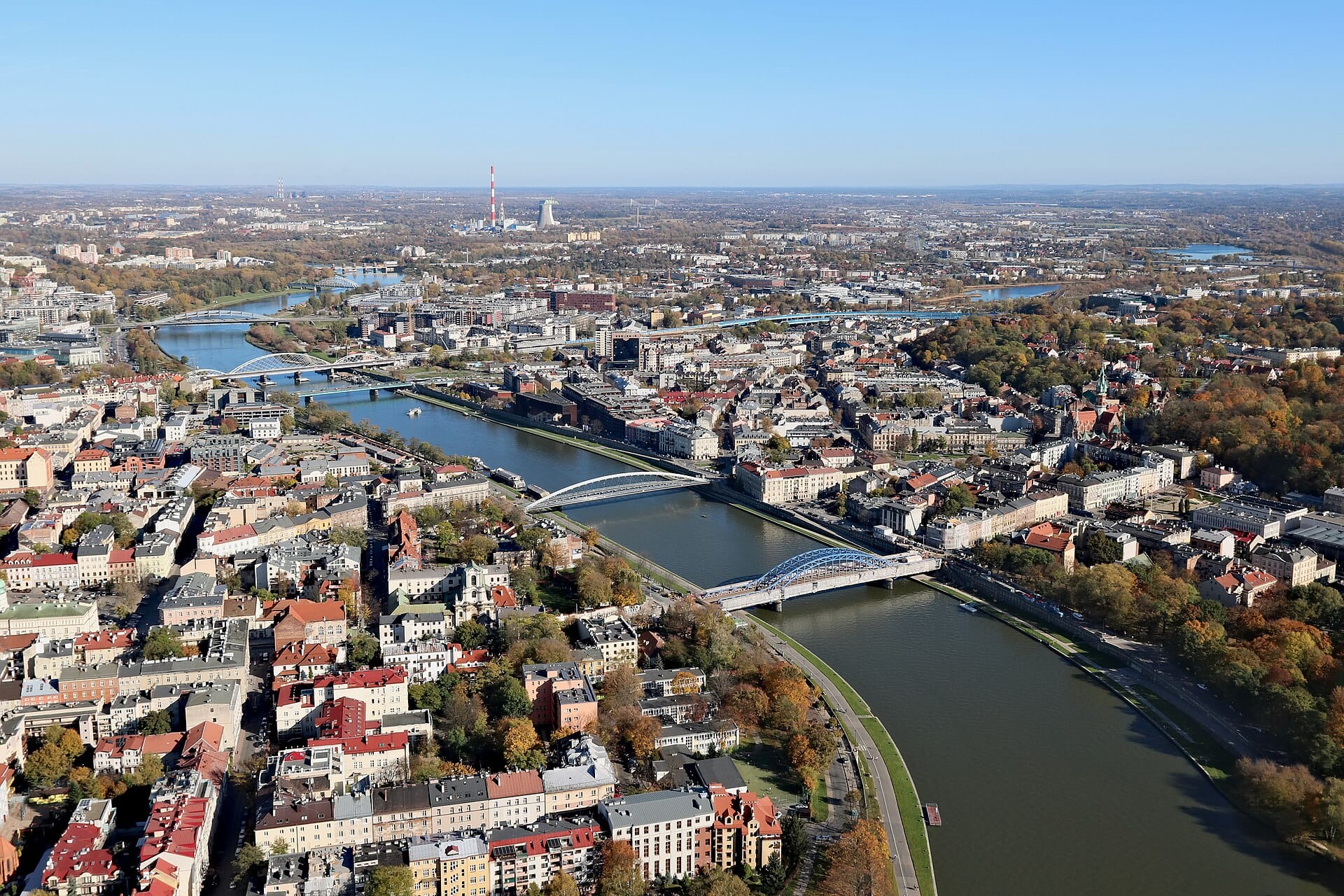
Podgórze sits on the southern bank of the Vistula, separated from the Old Town by the river and from easy generalization by its own complex identity. Once an independent royal city, later the site of the Kraków Ghetto, it now draws visitors for its WWII memorials, dramatic hilltop views, and a quieter, more residential character than Kazimierz across the water.
Podgórze is the part of Kraków that demands more than a passing visit. Across the Vistula from the Old Town, this former independent city carries the weight of wartime history alongside limestone cliffs, a sprawling hilltop park, and streets that belong firmly to everyday Kraków rather than the tourist circuit.
Orientation: Finding Your Place in Podgórze
Podgórze occupies the southern bank of the Vistula River, which forms its entire northern boundary and creates an immediate psychological and physical separation from Kraków's historic core. Administratively, it is District XIII of the city, and it is large enough that most visitors only scratch the surface of what the area contains.
The part that matters most to first-time visitors is Stare Podgórze, the historic urban core immediately south of the Vistula, reachable on foot from Kazimierz in around ten minutes via the Powstańców Śląskich bridge or the pedestrian Bernatka bridge, which offers a good introductory view of both riverbanks. Walking west along the Vistula from Kazimierz, the streets shift noticeably: fewer tourist restaurants, more local shops, older apartment facades, and the limestone ridge of Krzemionki rising in the background.
Beyond Stare Podgórze, the district fans out southward toward the Krzemionki hills, the Krakus Mound, Park Bednarskiego, and the industrial quarter of Zabłocie, which sits between the river and the rail lines. Podgórze's borders extend far into quieter residential zones, but the compact area between the Vistula and the Krzemionki ridge is where virtually everything of historical or cultural interest sits. The Kraków Płaszów railway station, in the southeastern part of the district rather than directly next to the historic core, is an important transport junction for the whole area.
ℹ️ Good to know
The name 'Podgórze' translates literally as 'foothills' in Polish, a reference to the limestone Krzemionki ridge that defines the district's southern skyline. The terrain here is markedly hillier than the flat plain across the Vistula, which gives the neighborhood its distinctive visual character.
Character and Atmosphere: What Podgórze Actually Feels Like
The experience of walking through Podgórze is different depending on which part of the district you enter and what time of day it is. The historic core around Plac Bohaterów Getta and Józefińska street has a layered, sometimes uncomfortable quality: the physical streets are ordinary, even handsome, lined with late 19th-century Austrian-era tenements in muted yellows and grays, but the historical associations are impossible to separate from what you see.
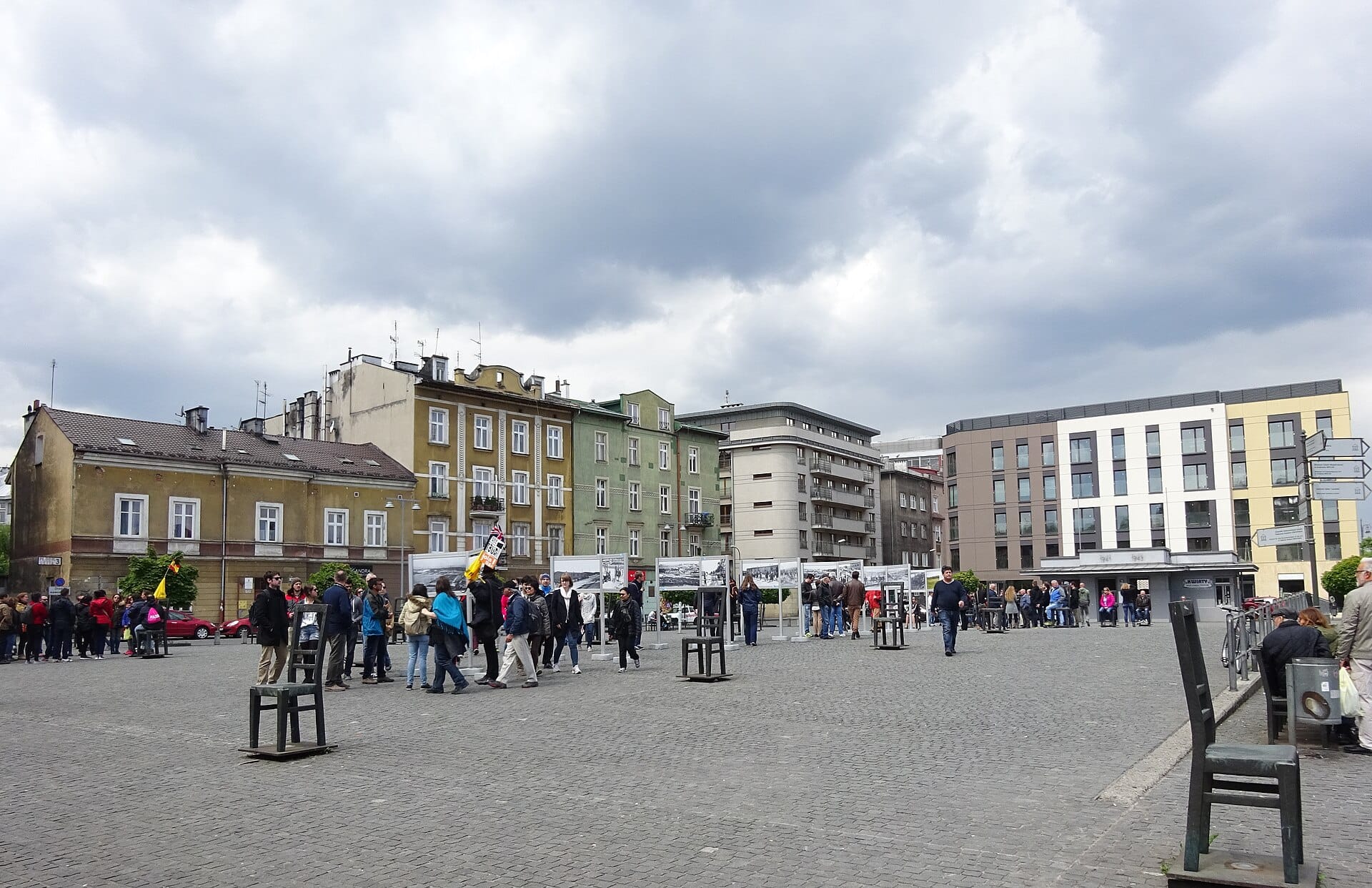
On weekday mornings, the square at Plac Bohaterów Getta is quiet enough that you can hear the trams passing on the far side. Local residents walk through it to reach the tram stop; older women carry shopping bags; a few visitors move slowly between the memorial chairs that fill the square. The contrast between the ordinariness of daily life and the weight of what happened here is something Podgórze makes you confront in a way that more overtly tourist-facing sites do not.
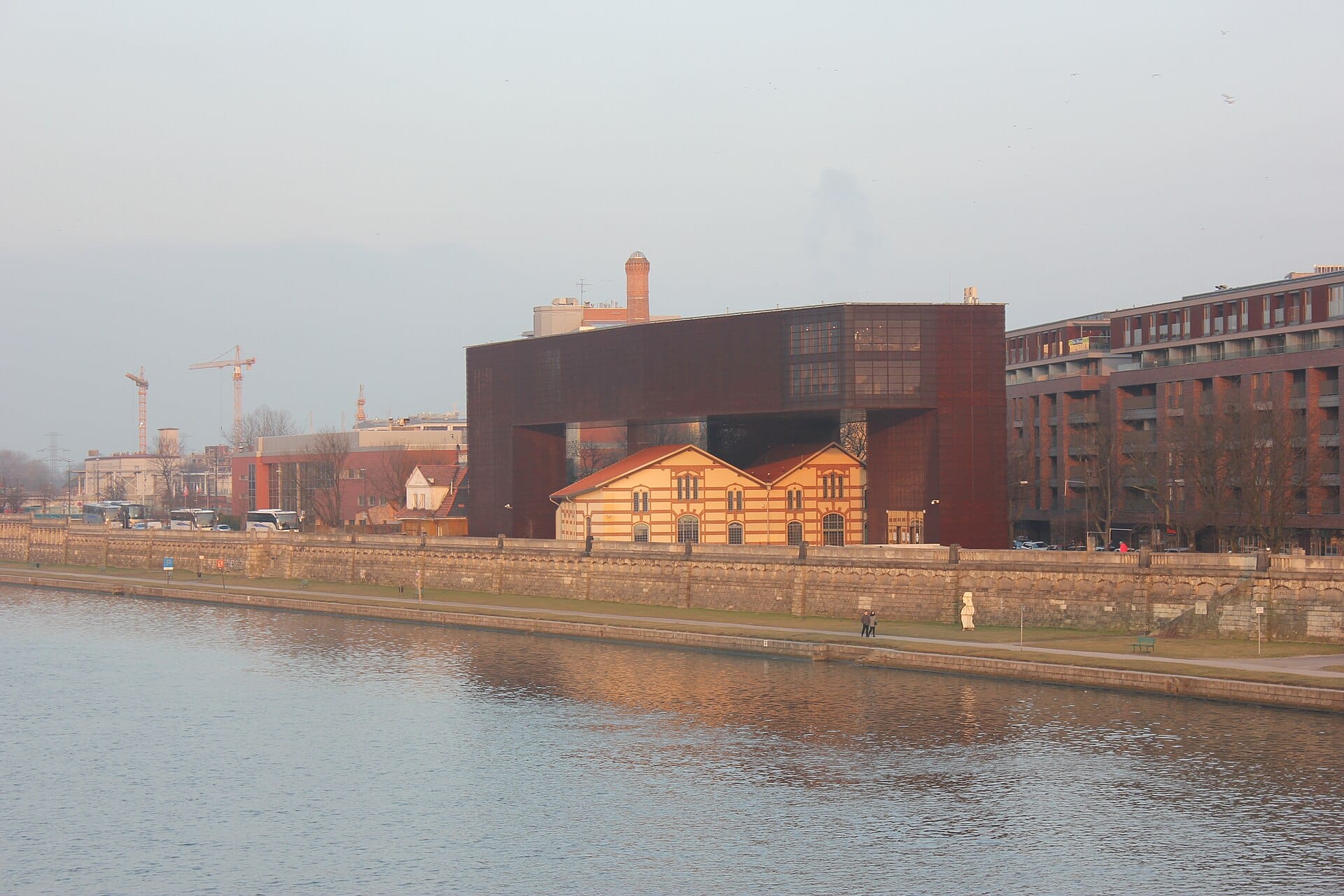
The Zabłocie quarter, east of the central area along the river, has changed considerably in recent years. Old factory buildings have been converted to offices and studios, and the area around Schindler's Factory Museum draws a steady stream of visitors throughout the afternoon. Evenings in Podgórze are calm by Kraków standards. There are bars and cafés in the area, but nothing close to the scale of nightlife in Kazimierz or the Old Town. The district goes to bed earlier, and that is part of its appeal for travelers who want proximity to central Kraków without the noise.
Higher up, on the Krzemionki hills and near Krakus Mound, the atmosphere changes entirely. The ridgeline above Stare Podgórze is green, wooded, and largely empty of tourists even in summer. From the top of the mound in late afternoon, the light falls across the city's rooftops and the river below in a way that rewards the short climb considerably.
What to See and Do in Podgórze
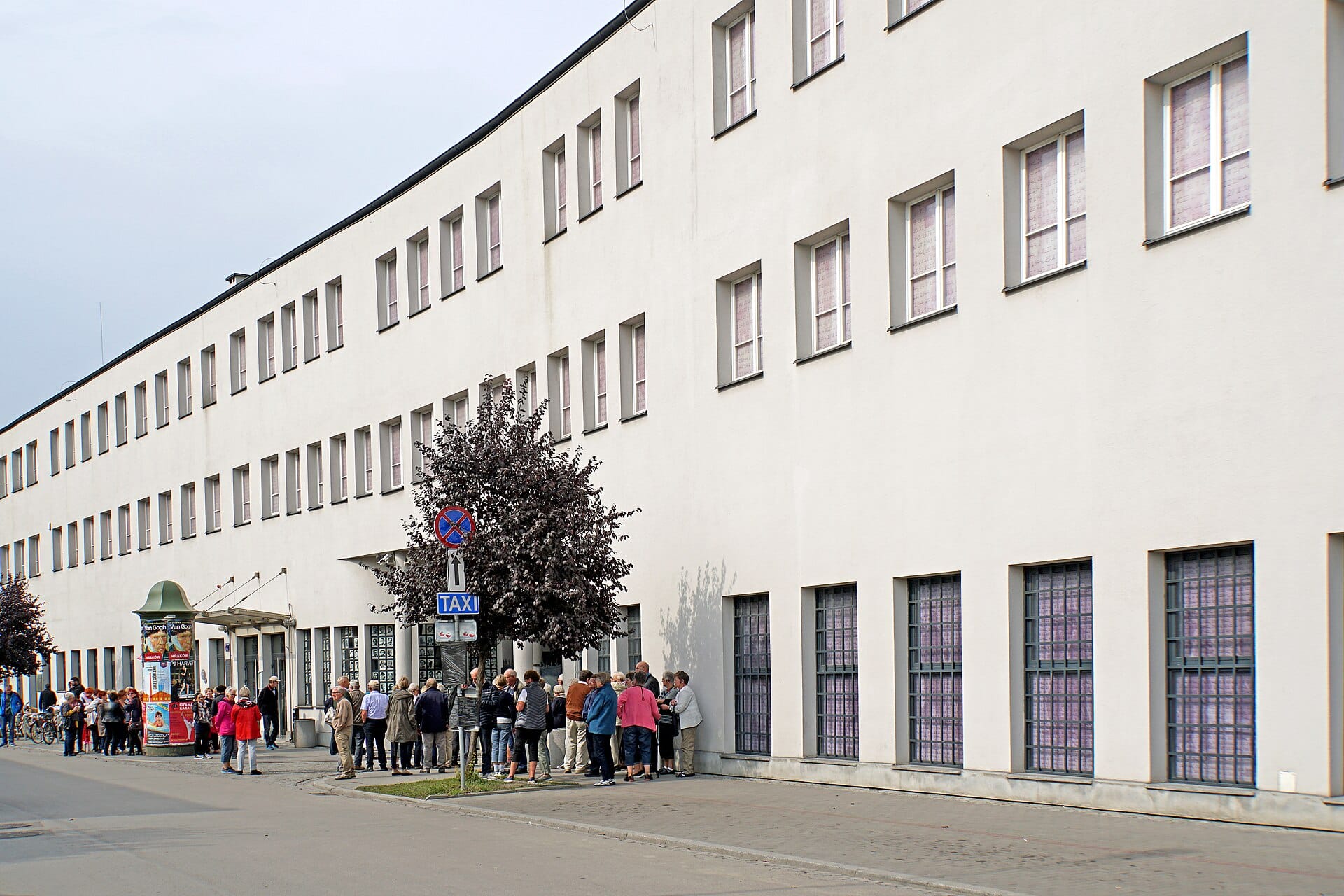
The single most-visited site in Podgórze is Schindler's Factory Museum, located in the former enamelware factory of Oskar Schindler on Lipowa street in Zabłocie. The museum covers not just Schindler's story but the full experience of Kraków's occupation between 1939 and 1945, using original factory spaces and an extensive permanent exhibition. Plan at least two hours, and book tickets in advance during peak season as capacity is limited.
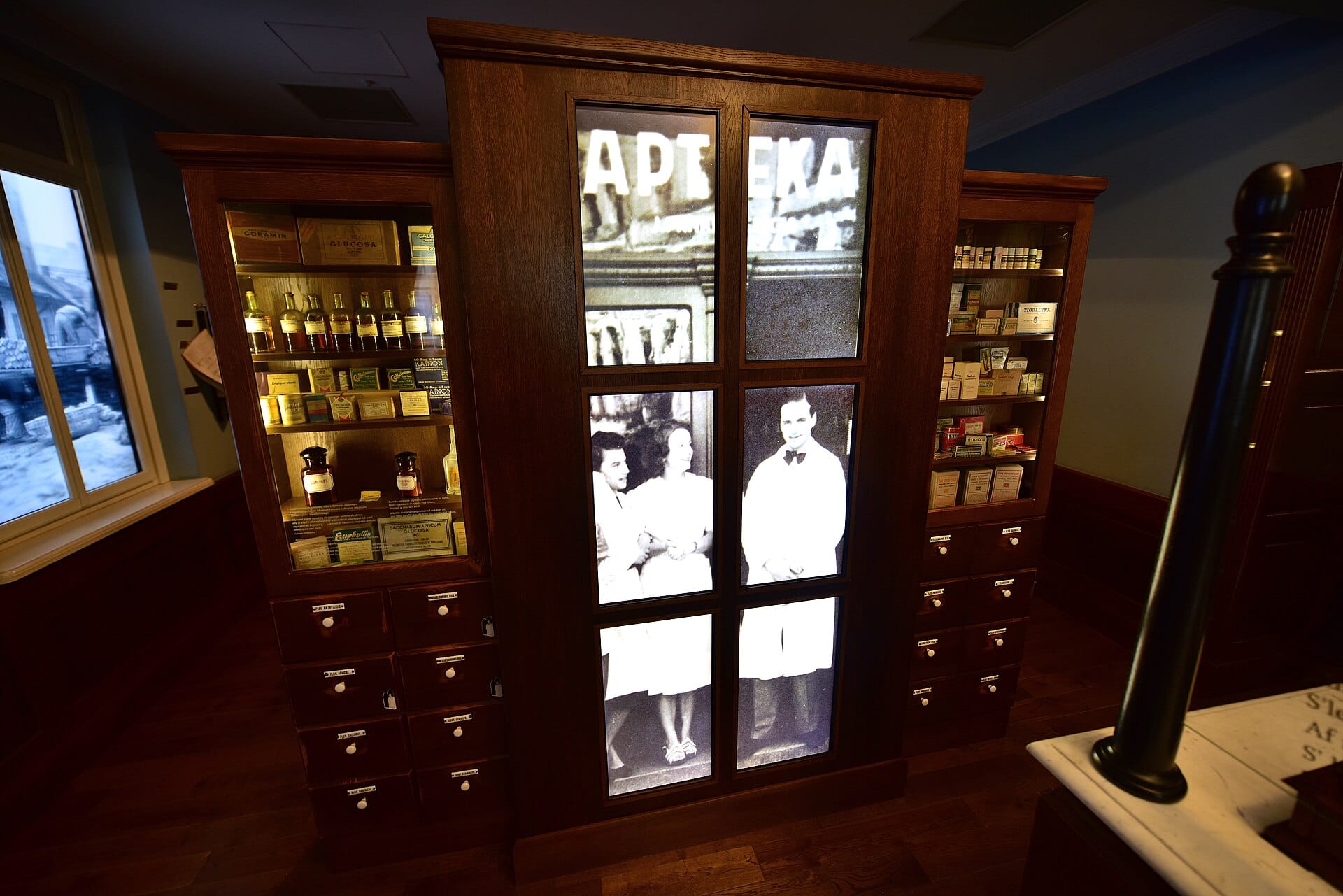
Plac Bohaterów Getta, the central square of the former ghetto, is anchored by the Ghetto Heroes Square memorial, where 70 empty metal chairs, including 33 large chairs, represent the thousands of Jews who were assembled here before deportation. The square is publicly accessible at all hours and forms a natural starting point for any walk through Podgórze's wartime sites. The nearby Eagle Pharmacy Museum occupies the actual pharmacy that operated inside the ghetto and is maintained as a small but affecting memorial and museum.
Away from the wartime history, the Krzemionki limestone cliffs offer a different kind of reward. Krakus Mound, one of the oldest man-made structures in Kraków, rises above the ridge south of Stare Podgórze and provides an unobstructed panoramic view over the city, the Vistula valley, and on clear days, the outline of the Tatra mountains to the south. The climb is short, around 20 minutes from the base of the hill, and the approach through Park Wojciecha Bednarskiego makes the walk itself pleasant.
Schindler's Factory Museum on Lipowa street: book ahead, allow 2+ hours
Plac Bohaterów Getta and the Ghetto Heroes Square memorial chairs
Eagle Pharmacy Museum on the square's western corner
Krakus Mound for panoramic views over Kraków and the Vistula
Park Wojciecha Bednarskiego, a landscaped 19th-century park within the Krzemionki cliffs
The Vistula riverbank path connecting Podgórze to Kazimierz and the Old Town
If Podgórze's WWII sites leave you wanting more historical context, the Kraków Schindler's List locations guide maps out both the Podgórze sites and filming locations across the city. And for visitors combining Podgórze with a broader itinerary, Kazimierz immediately across the river offers the Galicia Jewish Museum and the prewar Jewish heritage that preceded the ghetto.
💡 Local tip
The Bernatka footbridge across the Vistula is one of the most pleasant ways to move between Kazimierz and Podgórze. It takes about three minutes to cross on foot and delivers you close to both Plac Bohaterów Getta and the riverbank paths. Cyclists also use it frequently.
Eating and Drinking in Podgórze
The food scene in Podgórze reflects the district's character: more local, less curated, and considerably cheaper than the tourist-oriented restaurants of the Old Town or the trendier parts of Kazimierz. Around Plac Bohaterów Getta and the streets leading toward Zabłocie, there is a growing concentration of cafés and small restaurants that cater to both visitors to the nearby museum and the increasing number of people who work in the converted factory spaces of the area.
Street food options are limited compared to Kazimierz's Plac Nowy, but the area rewards explorers who are willing to walk a few blocks off the main memorial sites. Local milk bars (bar mleczny) in Stare Podgórze offer the kind of hearty Polish lunch at very low prices that has largely disappeared from the Old Town. Expect bigos, pierogi, and żurek served at communal tables with no English menu required as long as you are willing to point.
For context on what to eat more broadly in Kraków, the guide to Kraków's food scene covers local specialties worth tracking down across the city. Podgórze fits into the budget end of that picture: if you are eating near Schindler's Factory or the ghetto square, you will generally pay less than across the river, and the quality at the better local spots is solid.
The drinking scene is modest but present. A handful of bars along the streets near Plac Bohaterów Getta stay open into the evening, and the Zabłocie area has seen some bar and café openings tied to its gradual conversion from industrial to mixed-use. None of this approaches the scale of Kazimierz's nightlife, which is both a warning for those who want late nights and a positive selling point for those who do not.
Getting to Podgórze and Around the District
From central Kraków, Podgórze is straightforward to reach on foot or by tram. Walking south from the Old Town through Kazimierz takes around 20 to 25 minutes to reach Plac Bohaterów Getta, which is entirely walkable for anyone staying in the city center. The pedestrian Bernatka bridge and the vehicle bridge at Powstańców Śląskich both cross the Vistula in this zone.
By tram, multiple lines cross into Podgórze from the Old Town and Kazimierz sides. The tram network run by MPK Kraków connects the district well to the broader city, and the stop at Plac Bohaterów Getta puts you directly at the heart of the historical area. The Kraków Płaszów railway station, in the southern part of the district, connects to regional rail routes and provides another way in for visitors arriving from the east.
For general navigation across Kraków's tram and bus network, the getting around Kraków guide covers ticketing, route-finding, and the city's overall transit logic. Podgórze is one of the better-served districts for public transport, which means you do not need to rely on taxis or ride-hailing apps to get here from most parts of central Kraków.
Within Podgórze itself, walking is the most practical option for the main sites. The distance from Plac Bohaterów Getta to Schindler's Factory in Zabłocie is around 15 minutes on foot. The climb to Krakus Mound from the base of Krzemionki adds another 20 minutes. None of this requires a vehicle, though the terrain on the hillside paths is uneven and uphill, so comfortable footwear matters.
⚠️ What to skip
Podgórze is a large administrative district and the areas further south, away from Stare Podgórze and Zabłocie, are purely residential with nothing of specific interest to visitors. Stick to the zone between the Vistula riverbank and the Krzemionki ridge for the historical and cultural sites.
Where to Stay in Podgórze
Podgórze is not the obvious first choice for accommodation in Kraków, but it is a legitimate option for certain travelers. The area immediately around Plac Bohaterów Getta and Stare Podgórze has a small number of hotels and apartments, priced generally lower than equivalent options in the Old Town or Kazimierz. For visitors whose primary interest is the WWII history of the district, staying here puts you within walking distance of the key sites and away from the noise of the city center after dark.
The trade-off is that Podgórze offers less in terms of immediate evening atmosphere and dining variety compared to its neighbors across the river. For most first-time visitors to Kraków, staying in the Old Town or Kazimierz and taking the tram or walking into Podgórze for a half-day is more practical than basing yourself here. The where to stay in Kraków guide breaks down accommodation across all the main neighborhoods, which helps clarify the trade-offs between location, price, and access.
Travelers who specifically want a quiet residential neighborhood close to the river, good transport connections, and prices below the central Kraków average will find Stare Podgórze a workable base. The area is considered safe and well-connected, and the ten-minute walk to Kazimierz means you are not isolated from the wider city.
History: From Royal City to Ghetto to Modern District
Podgórze's identity is inseparable from its history as an independent urban entity. Emperor Joseph II of Austria elevated it to the status of a Free and Royal City in 1784, giving it a separate civic administration from Kraków across the river. This created a genuine rival city with its own market square, church, and commercial life. The Austrian-era architecture that survives in Stare Podgórze, the broad streets and solid tenement buildings, reflects that period of municipal ambition.
Podgórze was incorporated into Kraków administratively in 1915, but retained its distinct character well into the 20th century. The district industrialized significantly in the late 19th and early 20th centuries, which is why the Zabłocie area contains the factory buildings that now house Schindler's museum and various creative offices.
The darkest chapter began in March 1941, when the German occupiers established the Kraków Ghetto in Stare Podgórze, confining approximately 15,000 to 20,000 Jewish residents from Kraków and surrounding areas into a small section of the district between the Vistula and the Krzemionki cliffs. The ghetto was liquidated in 1943, with inhabitants either killed in Podgórze or transported to the Płaszów concentration camp, whose grounds are located just south of the district's historic center. The physical traces of the ghetto, the remnants of the wall, the square, the pharmacy, are all that remain of what was a catastrophic episode in the city's history.
For visitors planning a structured approach to this history, the Kraków Jewish quarter guide provides context that spans both Kazimierz and Podgórze, tracing the story of the city's Jewish community from its prewar concentration in Kazimierz through the wartime ghetto. Day trips to Auschwitz-Birkenau are commonly combined with a visit to Podgórze as part of a single day's itinerary, though both deserve more time than that format allows.
Is Podgórze Worth Your Time?
Podgórze is not for every visitor to Kraków. If your trip is focused on medieval architecture, market squares, and café culture, you will find more of what you want in the Old Town and Kazimierz. Podgórze is harder. The WWII history is heavy and requires emotional engagement. The streets are less picturesque. The restaurant and bar scene is thin.
But for travelers who want to understand what Kraków actually contains, Podgórze is essential. The Schindler's Factory Museum is one of the most serious and well-executed historical museums in Poland. The Ghetto Heroes Square memorial is one of the most affecting public spaces in the city, precisely because it is not isolated in a purpose-built memorial compound but exists within the ordinary streets of a real neighborhood. And the Krzemionki hills offer a physical counterpoint to the historical weight: green, quiet, and visually rewarding.
A half-day devoted to Podgórze, beginning at Plac Bohaterów Getta, continuing to Schindler's Factory in Zabłocie, and ending with the walk up to Krakus Mound, gives a coherent experience of the district. For those building a longer itinerary, the 3 days in Kraków itinerary allocates Podgórze appropriate space within the wider city schedule.
TL;DR
Podgórze sits on the southern bank of the Vistula, 10-25 minutes on foot from Kazimierz and the Old Town, and is well-connected by tram.
The district's core appeal is its WWII history: Schindler's Factory Museum, Ghetto Heroes Square, and the Eagle Pharmacy Museum are the key sites.
Beyond the memorials, Krakus Mound and Park Bednarskiego offer green, elevated respite from the city with panoramic views.
The food and nightlife scene is modest and local-facing, which keeps it quiet at night but limits late-evening options compared to Kazimierz.
Best suited to historically engaged travelers rather than those seeking a lively neighborhood base; most visitors will find a half-day here more rewarding than an overnight stay.
Two days in Kraków is enough time to cover the Royal Capital's greatest hits without rushing. This itinerary covers the Old Town, Wawel Hill, Kazimierz, and Podgórze in a logical, walkable order, with honest guidance on day trips, booking pitfalls, and what actually fits into a weekend.
Three days is the sweet spot for Kraków. Long enough to cover the Royal Castle, the Jewish Quarter, and a serious day trip without rushing, short enough that you won't run out of things to do. This itinerary breaks it down day by day, with honest advice on costs, timing, and what to skip.
Auschwitz-Birkenau is 65-70 km from Kraków and one of the most significant historical sites in the world. This guide covers every practical detail: how to book mandatory timed entry, how to get there by train, bus, or organized tour, what to expect at both sites, and how to plan your day without stress.
Kraków punches well above its weight as a museum city. This guide covers the finest collections in the Old Town, Kazimierz, Podgórze, Wawel Hill, and beyond, with practical advice on free days, booking ahead, and how to sequence your visits.
Kraków rewards visitors year-round, but timing makes a real difference to your experience. This guide breaks down every season, from spring's mild sightseeing windows to December's Christmas markets, so you can match your trip to your priorities.
Kraków sits at the centre of one of Central Europe's richest day-trip networks. Within two hours you can descend into a UNESCO salt mine, walk the grounds of the world's most significant Holocaust memorial, or stand in the shadow of the Tatra Mountains. This guide covers the best excursions, with honest advice on timing and logistics.
Kraków rewards budget travellers more than almost any other European city. From a medieval market square and riverside walks to free museum days and a communist-era district, here's how to fill your itinerary without opening your wallet.
Kraków's tram and bus network is affordable, frequent and covers every major district. This guide covers MPK Kraków tickets, airport transfers, ride-hailing fares, night services and the common mistakes that catch visitors out.
Kraków ranks among the safest major cities in Europe, with a crime index of around 24.9 and a U.S. State Department Level 1 travel advisory. This guide covers the real risks tourists face, from pickpockets on trams to nightlife scams, plus practical advice on safe neighborhoods, solo travel, and getting around after dark.
The Kraków Christmas Market on Rynek Główny is one of Central Europe's most atmospheric seasonal events, running from late November into the New Year across multiple locations. This guide covers exact dates, opening hours, what to buy and eat, how to get there, and how to avoid the most common mistakes first-time visitors make.
Kraków rewards curiosity beyond its famous squares and castles. This guide uncovers the city's lesser-known museums, quiet districts, ancient earthworks, and local markets that most visitors walk straight past.
Kraków holds one of Europe's most significant concentrations of Jewish heritage, from the medieval synagogues of Kazimierz to the haunting remains of the Podgórze Ghetto. This guide covers every major site, the best order to visit them, seasonal considerations, and the historical context that makes these places meaningful.
Kraków has one of Central Europe's most energetic nightlife scenes, spanning cellar clubs in the Old Town to craft-cocktail bars in Kazimierz. This guide covers where to go, when to arrive, what to pay, and what to skip.
Nowa Huta is unlike anywhere else in Poland. Built from scratch in 1949 as a model socialist workers' city, this eastern district of Kraków preserves Soviet-era architecture, monumental avenues, and a steelworks that once employed 40,000 people. This guide covers what to see, how to get there, and how to make the most of your visit.
Kraków remains one of Europe's best-value city breaks, but knowing where to spend and where to skip makes the difference. This guide breaks down real daily costs, the best free attractions, cheap eating options, and smart strategies to stretch every złoty.
Steven Spielberg's Schindler's List was filmed almost entirely in Kraków, Poland, using real streets, courtyards, and the actual factory where Oskar Schindler saved over 1,000 Jewish workers. This guide breaks down every major filming location, separates film myth from historical fact, and tells you exactly how to visit each site.
Kraków rewards shoppers who go beyond the obvious. This guide covers the city's best markets, streets, and specialty shops — from amber at the Cloth Hall to vintage finds in Kazimierz — with practical details on prices, hours, and what to avoid.
Three main transport options connect Kraków and Prague: direct and semi-direct trains, intercity buses, and low-cost flights on selected days. This guide breaks down journey times, realistic costs, booking logistics, and which option actually suits your trip.
Kraków's Old Town (Stare Miasto) is one of Europe's most walkable historic centres, compact enough to cover on foot in a half-day without a guide. This route takes you along the Royal Route from the Barbican through Rynek Główny to Wawel Castle, with practical timing, entry fee breakdowns, and clear advice on what to skip.
Kraków is one of Central Europe's most rewarding cities for families. From a fire-breathing dragon and underground salt mines to cheap milk bars and a largely car-free Old Town, this guide covers everything parents need to plan a memorable trip to Kraków, Poland with children in tow.
Zakopane sits about 105 km south of Kraków in the Tatra Mountains and makes one of the best day trips from the city. This guide covers every transport option, realistic costs, what to do once you arrive, and the seasonal factors that can make or break the trip.
Kraków is Poland's most historically rich city, home to a UNESCO-listed Old Town, royal castle, Jewish quarter, and some of Europe's most important WWII memorial sites. This guide covers the best things to do in Kraków across every interest and budget, with practical detail on tickets, timing, and logistics.
Wawel Hill is the historical heart of Kraków, Poland, home to the Royal Castle and the Wawel Cathedral — two separate sites with separate tickets, hours, and experiences. This guide covers everything you need to plan a smart, well-timed visit, from ticket prices and booking logistics to what's worth your time inside.
Kraków is one of Central Europe's great food cities, with a cuisine built on centuries of Polish tradition. This guide covers the essential dishes to try, where to find the real thing, and how to eat well without paying tourist-trap prices.
Choosing where to stay in Kraków shapes your entire trip. This guide breaks down every major neighborhood by price, vibe, and proximity to sights, so you can pick the right base without second-guessing yourself.
The Wieliczka Salt Mine is one of Poland's most visited attractions, sitting just 14 km from central Kraków. This guide covers everything you need to know before you go: which route to choose, how to book tickets, what the underground visit actually involves, and the practical details most guides skip.