Kraków to Zakopane: The Complete Day Trip Guide
Zakopane sits about 105 km south of Kraków in the Tatra Mountains and makes one of the best day trips from the city. This guide covers every transport option, realistic costs, what to do once you arrive, and the seasonal factors that can make or break the trip.
Tickets & tours
Live prices and dates from our booking partner. If you book, we may earn a commission at no extra cost to you.
TL;DR
- Zakopane is roughly 104–110 km south of Kraków: expect 2–3 hours each way by bus or train.
- Buses are the cheapest option (PLN 22–35 one-way); trains are faster and more comfortable, with dynamic fares that commonly start around PLN 50–65 one-way on regular services. See the full day trips from Kraków guide for comparisons with other destinations.
- Organized tours (€40–80 per person) save planning effort but reduce flexibility significantly.
- Summer (May–September) is best for hiking and cable cars; winter works well for skiing but traffic slows the journey.
- A self-guided budget day trip including return bus, the Gubałówka funicular, and meals can come in around €30–45 total.
Where Is Zakopane and Is It Realistic as a Day Trip?
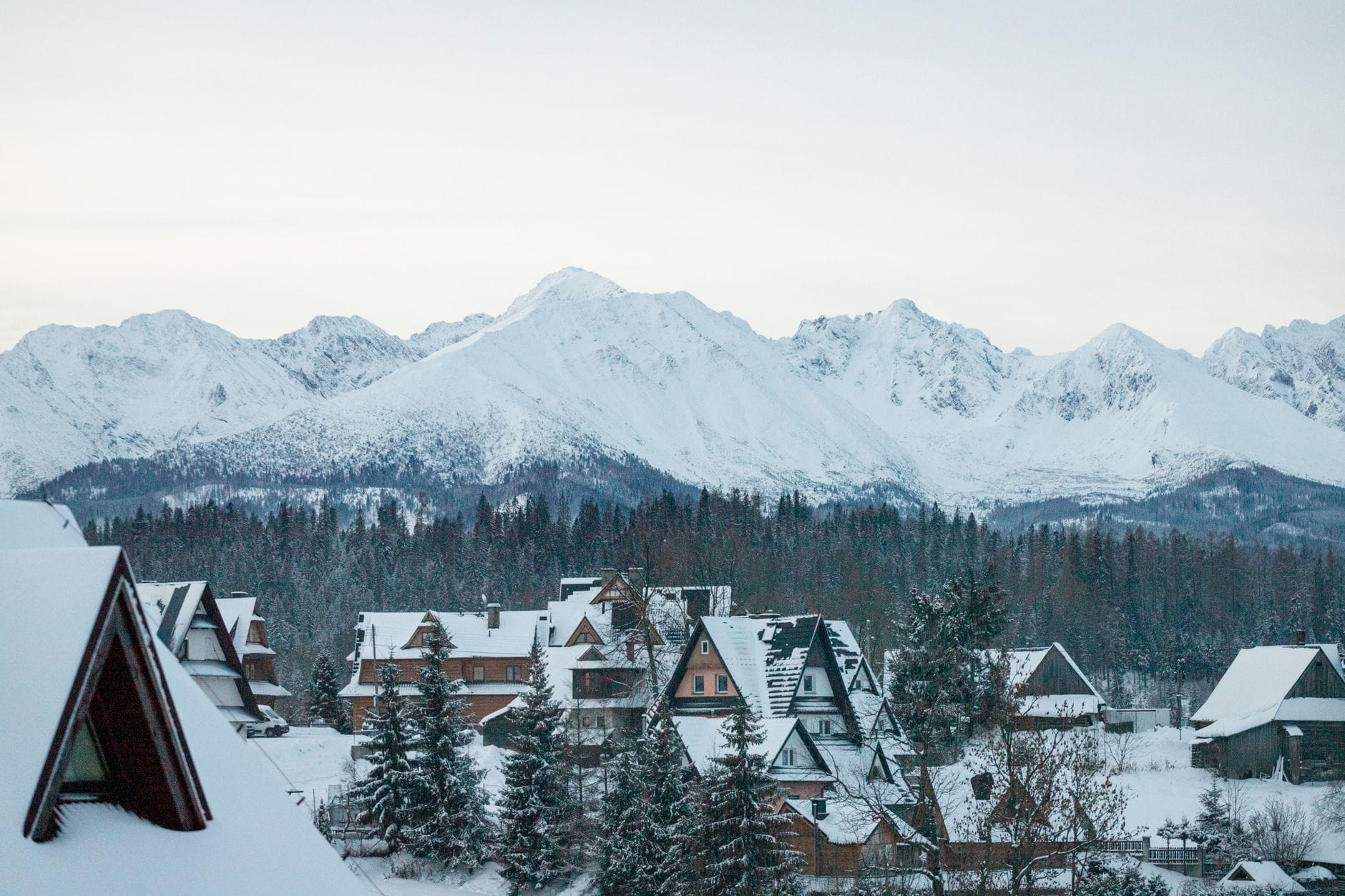
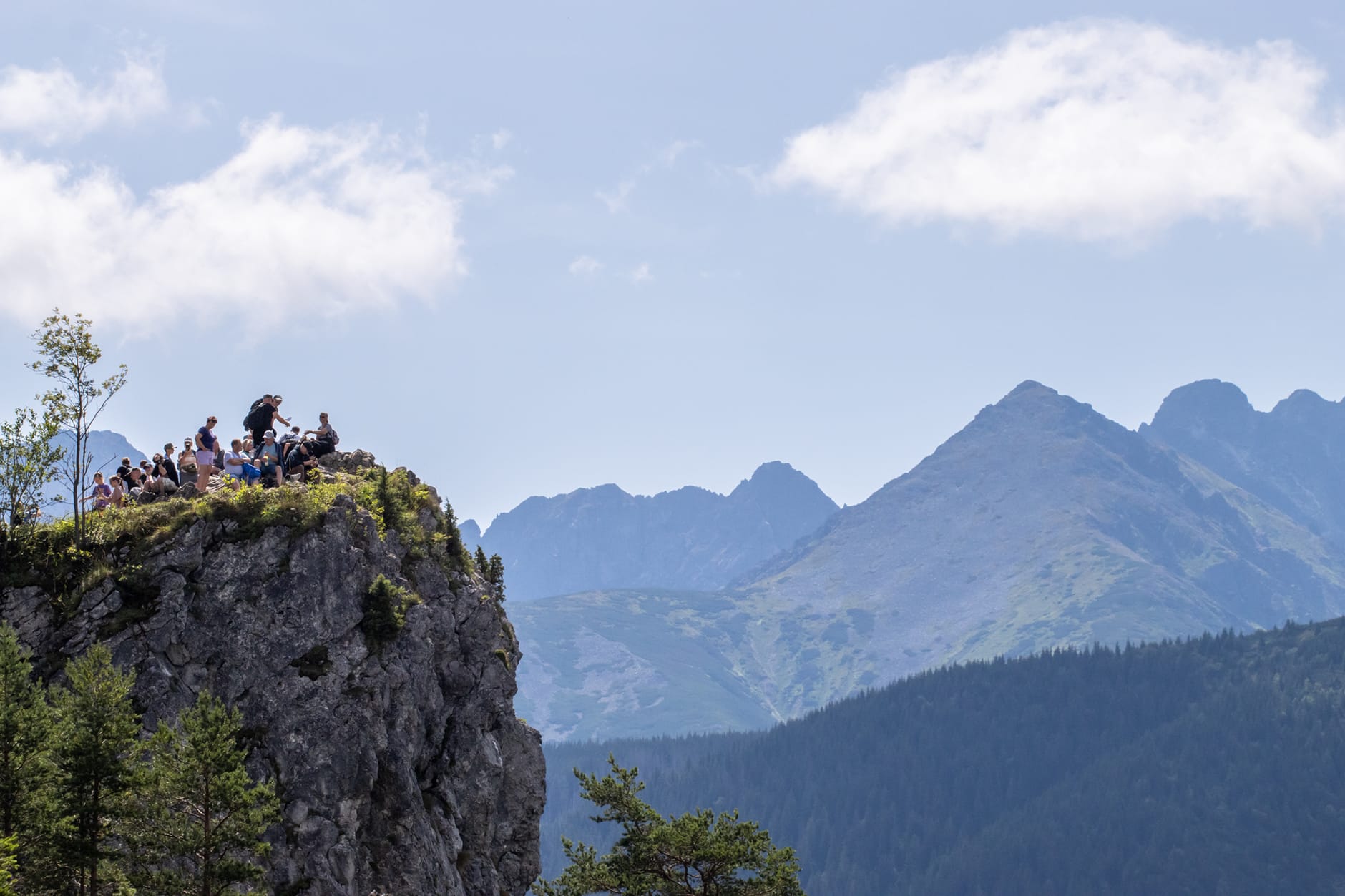
Zakopane is a mountain town in the Tatra Mountains, sitting on Poland's southern border with Slovakia at roughly 850 meters above sea level. It is Poland's most popular mountain resort, known for its distinctive Zakopane-style wooden architecture, highland culture, and access to serious alpine terrain. The Tatras are the only truly alpine mountain range in Poland, and Kasprowy Wierch (1,987 m) is reachable by cable car from the edge of town.
The distance between Kraków and Zakopane is about 104–110 km by road, which translates to 2–3 hours depending on your transport choice and the season. That makes it entirely feasible as a day trip from Kraków city centre, though you will need to leave early to get a full day on the ground. Aim to depart Kraków by 7–8 AM and plan your return no later than 6–7 PM.
⚠️ What to skip
On summer weekends and during school holidays, the road to Zakopane (route DK47) can back up badly, pushing journey times closer to 3.5–4 hours each way. If you are traveling on a Friday or Saturday in July or August, consider the train instead, which is not subject to road congestion.
How to Get from Kraków to Zakopane
There are three practical options: bus, train, or an organized tour. Each suits a different type of traveler, and the right choice depends on your budget, flexibility, and how much planning you want to do.
- Bus (Cheapest, Most Frequent) Buses depart up to 40+ times per day from Kraków MDA bus station at ul. Bosacka 18, directly beside Kraków Główny train station. Key operators include MajerBus (departures roughly every 30 minutes from the Jubilat stop) and FlixBus (approximately hourly). One-way fares are typically PLN 22–35 (around €5–8). Journey time is about 2–3 hours. Book via operator websites or platforms like 12Go.
- Train (More Comfortable, Less Frequent) Direct trains run from Kraków Główny to Zakopane approximately every 3 hours, with a journey time of roughly 2–2h15m. One-way fares vary dynamically by train type, demand, and booking time; regular IC/TLK services commonly start around PLN 50–65, while premium or late-booked departures can cost more. Book through PKP Intercity (the official Polish rail operator) or aggregators like Omio. Trains are not affected by road traffic and offer more space and comfort than buses.
- Organized Day Tour (Most Convenient, Least Flexible) Guided tours from Kraków typically cost €40–80 per person and run about 10 hours door-to-door. Pick-up is usually between 6:30 and 7:30 AM, with return to Kraków around 7–9 PM. Most tours include transport and a guide; some add entry to specific attractions. You lose the ability to set your own schedule but gain local context and zero logistics stress.
💡 Local tip
If you are on a tight budget, the bus wins easily. If you value comfort and predictability (especially in winter or on busy summer weekends), pay the premium for the train. The difference in journey time is small, but the difference in experience on a packed Friday bus in August is not.
What to Do in Zakopane on a Day Trip
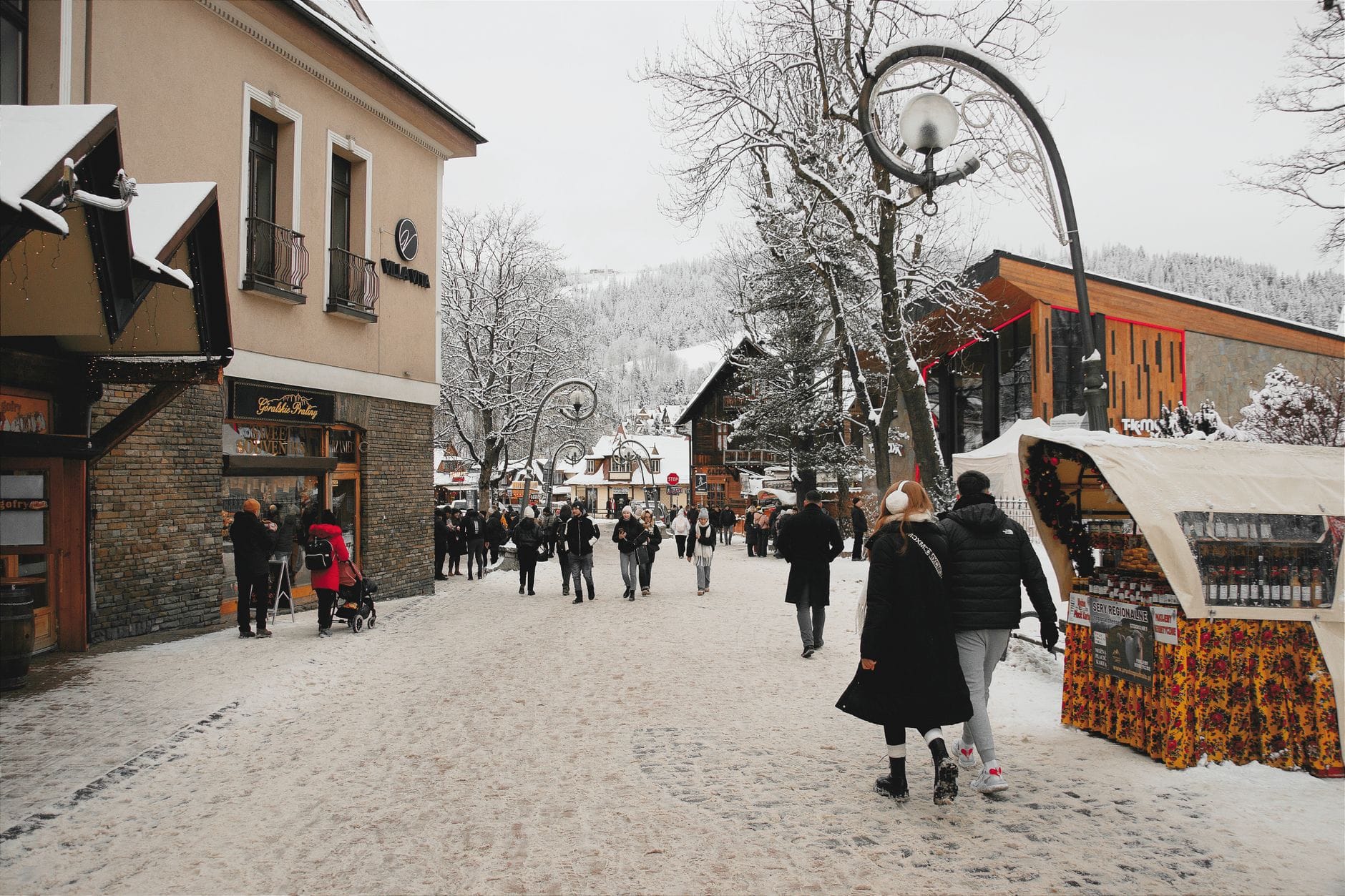
A single day in Zakopane is enough to get a genuine feel for the place, but you will need to prioritize. The town itself is walkable: Krupówki Street is the main pedestrian thoroughfare lined with restaurants, shops, and street food stalls selling oscypek (smoked sheep's cheese). It takes about 20 minutes to walk end to end and is where most visitors spend the first hour.
The Gubałówka Hill funicular is the easiest way to gain altitude and get panoramic views over the town and toward the Tatras. The funicular runs about 1.2 km and takes under 4 minutes; the return ticket costs approximately €6–7. At the top, there are cafes, viewpoints, and a ridge walk that is accessible without any hiking gear. This is a good choice if you have limited time or are visiting with children. For more on family-friendly options, see the Kraków with kids guide.
The Kasprowy Wierch cable car is the more serious option. It runs from Kuźnice (a short taxi or bus ride from the town centre) up to 1,987 m, with views into both Poland and Slovakia on clear days. The return ticket costs roughly €22–32, and queues in peak summer can be 1–2 hours long. Book tickets online in advance if you plan to do this; walk-up tickets can sell out entirely on busy days.
- Krupówki Street: the main pedestrian street for food, shopping, and people-watching. Oscypek (smoked sheep's cheese) is worth trying from a street vendor rather than a tourist shop.
- Gubałówka funicular: 4-minute ride, panoramic views, ridge walk at the top. Accessible for all fitness levels. Around €7–8 return.
- Kasprowy Wierch cable car: serious alpine views, 1,987 m elevation. Book online. Around €22–32 return. Allow 3–4 hours minimum.
- Morskie Oko lake: the most photographed spot in the Tatras, but it requires a 2-hour hike (9 km) from the car park. This is feasible on a long summer day but almost certainly too much if you are also doing Kasprowy Wierch.
- Chochołów Thermal Baths: outdoor thermal pools, 25 km from Zakopane. Best in winter. Around €18–27. Works as an alternative if hiking is not your priority.
- Tatra Museum (Muzeum Tatrzańskie): small but good introduction to regional highland culture, history, and the Zakopane architectural style. Worth 45–60 minutes.
✨ Pro tip
On a day trip, pick one major activity (Kasprowy Wierch cable car OR Morskie Oko hike OR thermal baths) and combine it with a relaxed walk along Krupówki and the Gubałówka funicular. Trying to do all three will leave you rushed and exhausted before the return journey.
Seasonal Timing: When to Go and What Changes
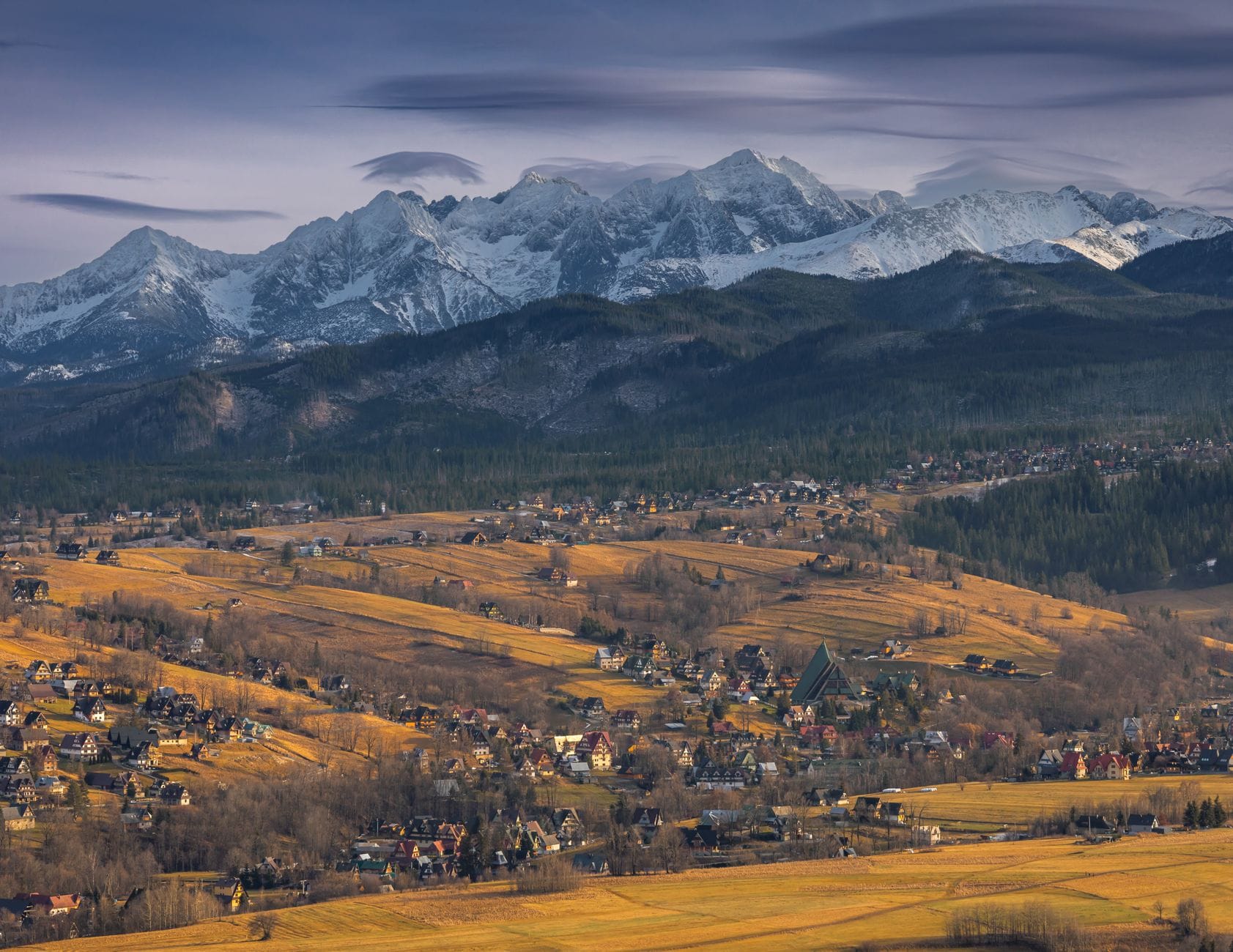
The Kraków to Zakopane day trip works year-round, but what you can do and how long it takes to get there changes significantly by season. For a broader look at timing your visit to the region, the best time to visit Kraków guide covers the full picture.
May through September is peak season for hiking, cable cars, and outdoor activities. The Kasprowy Wierch cable car and Morskie Oko route are fully accessible, the weather is generally reliable, and the town itself has the most energy. The downside is crowds: July and August weekends bring heavy tourist traffic, and the Krupówki street can feel overwhelmingly packed. June and early September offer a better balance of good weather and manageable visitor numbers.
December through February turns Zakopane into a ski resort. There are multiple ski areas within easy reach of town, including the slopes directly below Kasprowy Wierch. If you are a skier, a winter day trip is excellent. If you are not, winter still has charm (the wooden architecture looks striking in snow) but the cable car to Kasprowy Wierch may be operating in ski mode with long queues, and Morskie Oko trail is an advanced winter route not suitable for casual visitors. Budget extra travel time in winter: road congestion around major Polish holidays can push the journey to 3.5+ hours.
March, April, and November are the shoulder months. Snow lingers in the mountains into April, which makes some trails slippery without proper gear. These months see fewer tourists and lower prices, but weather is unpredictable and some seasonal facilities may not yet be open.
Costs: What to Budget for the Day
A self-guided budget day trip from Kraków to Zakopane can realistically come in around €32–48 per person. That covers a return bus ticket (PLN 44–70 return, roughly €10–16), the Gubałówka funicular (€7–8 return), a sit-down lunch on Krupówki (around €8–12 for a main course and drink), and a few small purchases. If you add the Kasprowy Wierch cable car, budget an additional €24–30. Thermal baths add another €18–27.
Choosing the train over the bus usually raises your transport cost: regular one-way train fares commonly start around PLN 50–65 versus PLN 22–35 for the bus, and premium or late-booked trains can cost more. For travelers focused on the overall experience rather than cost, this is often worth it. If budget is a priority, see the Kraków on a budget guide for broader money-saving strategies.
- Return bus (MajerBus or FlixBus): PLN 44–70 (approximately €10–16)
- Return train (PKP Intercity): fares vary dynamically; budget roughly PLN 100–130 return on regular second-class services, more for premium or late-booked trains
- Organized tour: €40–80 per person all-in for transport and guide
- Gubałówka funicular return: approximately €7–8
- Kasprowy Wierch cable car return: approximately €24–30
- Lunch on Krupówki (sit-down restaurant): approximately €8–15 per person
- Thermal baths (Chochołów): approximately €18–27
- Budget independent day total (bus + Gubałówka + meals): approximately €32–48
Practical Tips Before You Go
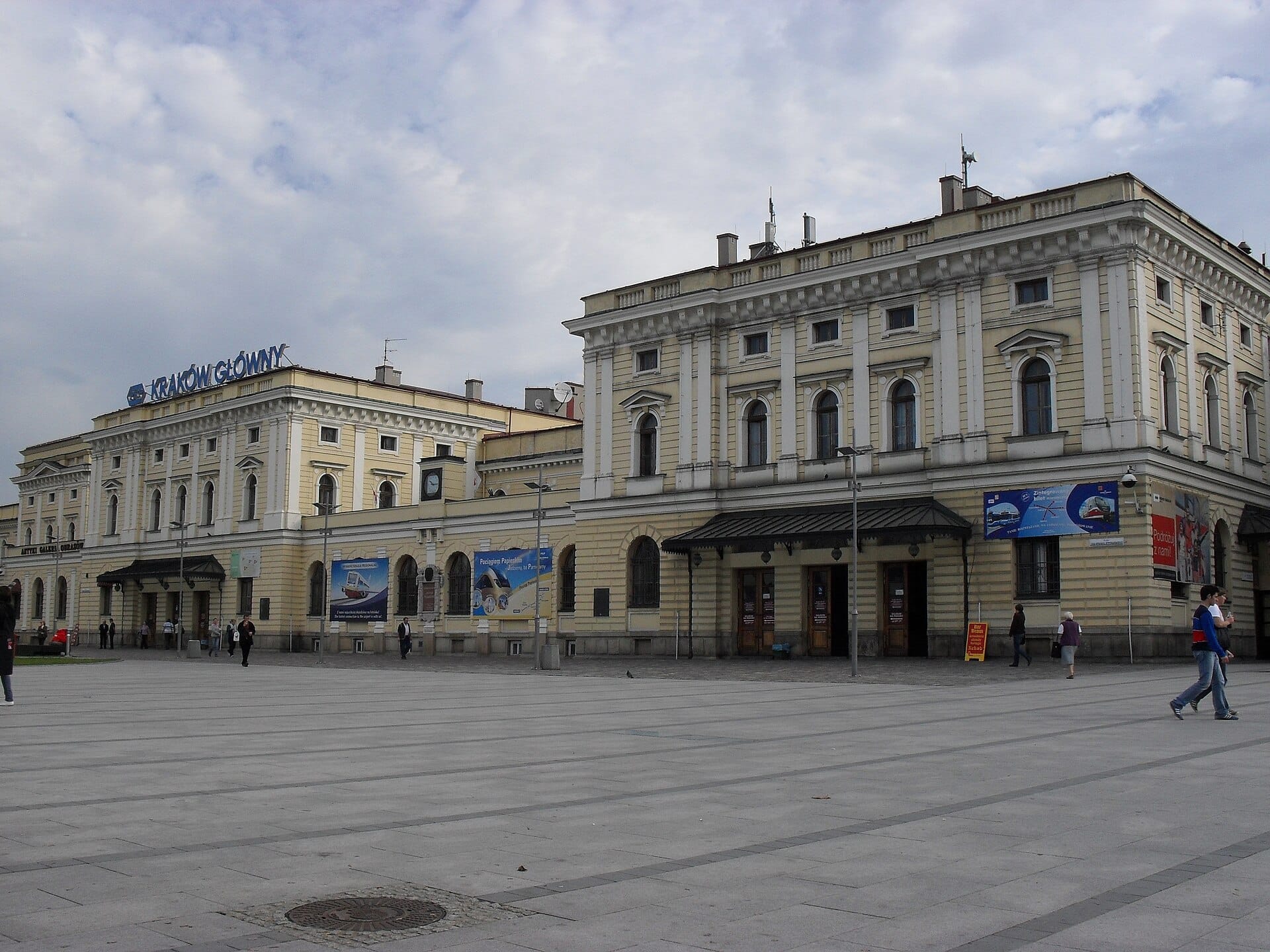
Kraków itself is a logical base for this trip. The departure points for both buses (Kraków MDA station, ul. Bosacka 18) and trains (Kraków Główny) are in the same location, right next to each other near the city centre. If you have not yet sorted accommodation, the where to stay in Kraków guide covers all the main neighborhoods with practical notes on each.
Mountain weather changes quickly. Even in summer, temperatures at Kasprowy Wierch can be 10–15°C cooler than in town, and afternoon thunderstorms are common from June through August. Bring a light waterproof layer regardless of the forecast, and wear proper footwear if you plan any hiking beyond the Gubałówka ridge path. The Tatras demand respect: trails are well-marked but the terrain is alpine above the treeline.
Currency in Poland is the Polish złoty (PLN), and while card payments are accepted in most Zakopane restaurants and shops, smaller vendors selling oscypek on the street or at mountain stalls are often cash-only. Withdraw PLN before you leave Kraków rather than relying on finding an ATM in Zakopane. For a full introduction to getting around the region, the getting around Kraków guide covers transport logistics in detail.
If Zakopane is part of a broader trip, Kraków sits within reach of several other worthwhile destinations. The Zakopane and Tatra Mountains attraction page has more detail on specific sites within the area, and the day trips from Kraków guide lists alternatives including Wieliczka Salt Mine, Ojców National Park, and Auschwitz-Birkenau.
FAQ
How long does it take to get from Kraków to Zakopane?
By bus or train, expect around 2–3 hours each way under normal conditions. The train is slightly faster at around 2–2h15m. On summer weekends and Polish public holidays, road congestion can push the bus journey to 3.5 hours or more, so the train is the safer bet if timing is critical.
Is Zakopane worth visiting as a day trip from Kraków?
Yes, for most visitors. The round trip is manageable if you leave early (by 7–8 AM) and do not try to cram in everything at once. Pick one main activity (cable car, hiking, or thermal baths) and combine it with a walk along Krupówki for a well-paced day. Zakopane is not worth visiting if you have no interest in mountains or outdoor activities, in which case other day trip options from Kraków may suit you better.
What is the cheapest way to get from Kraków to Zakopane?
The bus is significantly cheaper: one-way tickets on public buses cost PLN 22–35 (around €5–8). Buses depart from Kraków MDA station at ul. Bosacka 18 many times per day with various regional operators, including FlixBus. For the lowest fares, book in advance through the operator's website or platforms like 12Go.
When is the best time to visit Zakopane from Kraków?
May–September for hiking, cable cars, and outdoor activities; December–February for skiing and snow sports. June and early September are the sweet spot: good weather, fewer crowds than the July–August peak. Avoid major Polish public holidays year-round unless you enjoy very busy roads and queues.
Do I need to book the Kasprowy Wierch cable car in advance?
In peak summer (July–August), yes. Walk-up tickets can sell out by mid-morning on busy days, and queues for any remaining tickets can run 1–2 hours. Book online through the official PKL (Polskie Koleje Linowe) website before your trip. In shoulder season (May–June, September–October), walk-up tickets are usually available but it is still worth checking capacity online.
Tickets & tours
Live prices and dates from our booking partner. If you book, we may earn a commission at no extra cost to you.
Planning a trip? Discover personalized activities with the Nomado app.