Zakopane & the Tatra Mountains: The Complete Day Trip Guide from Kraków
Just over 100 km south of Kraków, Zakopane sits at the foot of the Tatra Mountains, the highest range in the Carpathians. Whether you come for a serious hike, a walk through a mountain town, or simply the sharp scent of pine forest after lowland city air, this is one of the most rewarding single-day escapes from Kraków.
Quick Facts
- Location
- Zakopane, Tatra County, Lesser Poland — approx. 100 km south of Kraków
- Getting There
- Direct buses from Kraków bus station (Dworzec Autobusowy); regional trains to Zakopane via Kraków Główny. Journey roughly 2 hours.
- Time Needed
- Full day minimum (8–10 hours); overnight recommended for hiking ambitions
- Cost
- Tatra National Park entrance fee required at main trailheads — current rates at tpn.gov.pl (PLN)
- Best for
- Hikers, nature lovers, families with older children, photographers, anyone needing a break from city tourism
- Official website
- tpn.gov.pl
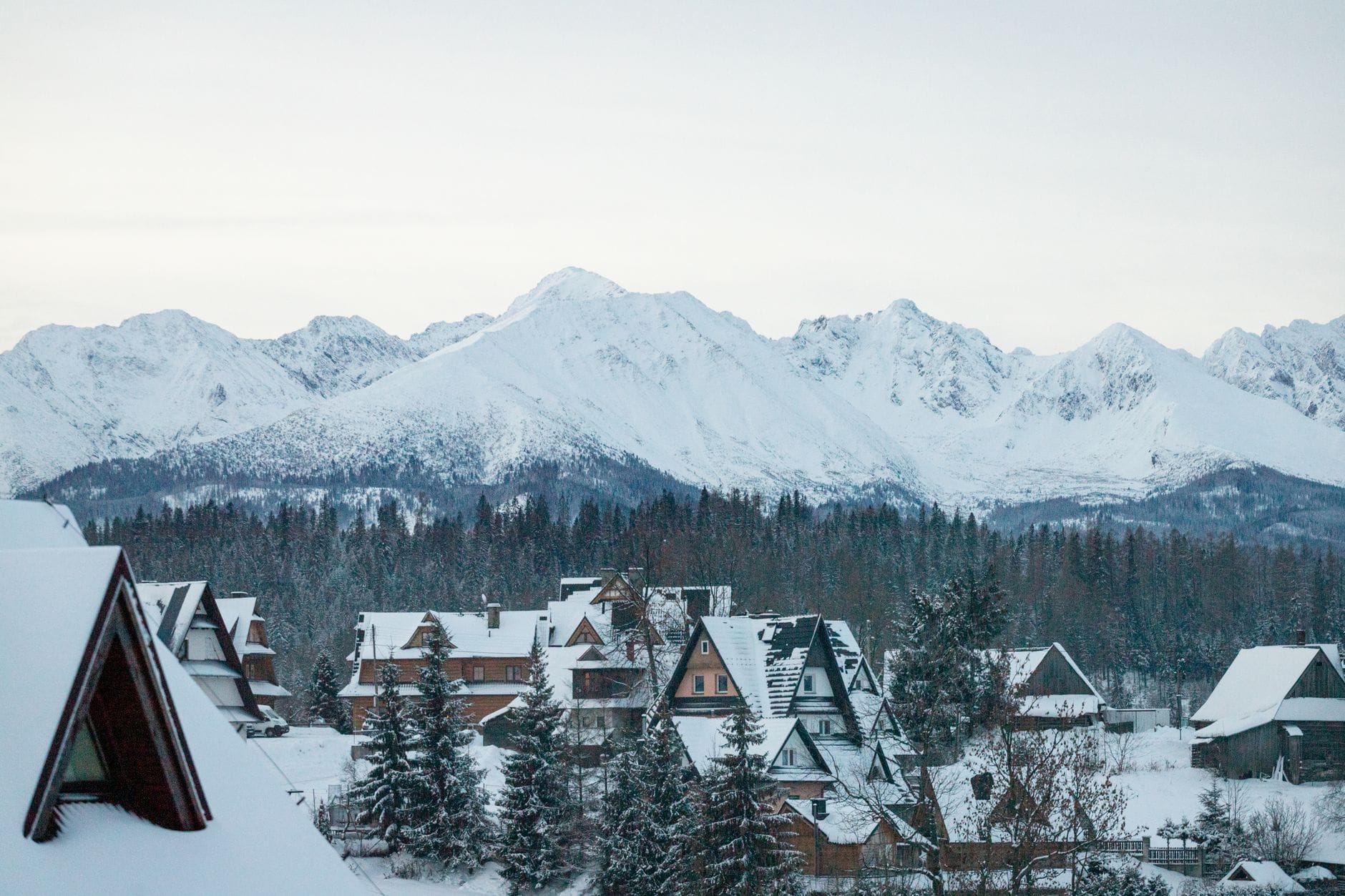
Why Zakopane Belongs on a Kraków Itinerary
Kraków is a city of stone churches and cobbled squares. Zakopane is the opposite: timber-framed góralski (highland) architecture, woodsmoke in the air, cowbells in the distance, and mountains that fill your peripheral vision as soon as you step off the bus. The contrast is part of the appeal. After two days of museums and market squares, the Tatra Mountains feel like a hard reset.
The Tatra Mountains are the highest range in the Carpathians, reaching 2,655 m above sea level on the Polish-Slovak border. The Polish side, protected within Poland's network of national parks, covers 21,197 hectares. Tatra National Park (Tatrzański Park Narodowy) was formally established on 30 October 1954, and its 275 km of marked trails range from flat valley walks to technical ridge routes. There is something here for a first-time visitor with trainers and a family with young children, as well as for experienced alpinists.
ℹ️ Good to know
Tatra National Park charges an entrance fee at main trailheads. Current prices are listed at tpn.gov.pl. Budget for this separately from transport costs — it is not included in any Kraków city pass.
Getting from Kraków to Zakopane
The distance between Kraków and Zakopane is just over 100 km. On a clear day with no traffic, the drive takes roughly 90 minutes, but the road south through Nowy Targ can be slow, especially on summer weekends and Polish public holidays. Plan your departure for early morning: the mountains reward the early riser with empty trails and clear skies, and the return traffic from the mountains into Kraków on Sunday evenings can add an hour to your journey.
Direct buses depart regularly from Kraków's main bus terminal (Dworzec Autobusowy, adjacent to Kraków Główny railway station). Regional trains also connect the two towns, though the train journey is generally slower than the bus. Several private minibus operators and organised day-tour companies offer door-to-door pickup from central Kraków hotels, which is a reasonable option if you want to avoid navigation and schedule coordination. Journey times by any ground transport are approximately two hours each way.
If you are planning a broader Zakopane day trip from Kraków, allow at least 8 hours in the Zakopane area to get value from the travel time. An overnight stay in one of Zakopane's many guesthouses transforms the experience considerably: you can reach the higher trails before the day-tour buses arrive and watch the light change on the peaks at dusk.
💡 Local tip
Leave Kraków by 7:00 AM. Trailheads around Morskie Oko and the Chochołowska Valley become noticeably crowded by late morning in summer. The earlier you arrive, the better the experience.
Tickets & tours
Live prices and dates from our booking partner. If you book, we may earn a commission at no extra cost to you.
Zakopane and Tatra Mountains tour from Krakow
From 61 €Instant confirmationFree cancellationTour to Zakopane and the Tatra Mountains with Transfer from Krakow
From 60 €Instant confirmationFree cancellationExplore Zakopane by yourself with additional visit to Gubalowka Mountain, Thermal Pools or Ski Jump
From 43 €Instant confirmationFree cancellationFull-Day Tour of Zakopane from Krakow with Thermal Pools Entrance
From 86 €Instant confirmationFree cancellation
Zakopane Town: What to Expect on the Ground
Zakopane's main pedestrian street, Krupówki, is lined with food stalls selling oscypek (the traditional smoked sheep's cheese), grilled meats, and tea sweetened with raspberry syrup. It is loud and commercial, particularly on weekends, and resembles a mountain resort town in full tourist mode. That is not necessarily a criticism: the energy is genuine, the food is worth eating, and the traditional wooden architecture visible on side streets and in older buildings is architecturally distinct, influenced by the Zakopane Style developed by architect Stanisław Witkiewicz in the late 19th century.
The Tatra Museum (Muzeum Tatrzańskie) in town covers regional ethnography and natural history for visitors interested in the cultural context of the region. The old wooden Villa Koliba, designed by Witkiewicz in 1892-94, is considered the first Zakopane-style building and can be visited. These are useful wet-weather options and take roughly 1-1.5 hours combined.
If Krupówki feels overwhelming, turn off it quickly. Within five minutes of walking, the crowds thin and you are in residential streets lined with traditional timber buildings and flower boxes, with the Tatras framing the end of every southward-facing lane. The town rewards slow walking and deliberate detours far more than staying on the main strip.
The Trails: What the Terrain Actually Involves
Tatra National Park's trail network is extensive and well-marked, using a colour-coded system (red, blue, green, yellow, black) with standard Polish mountaineering club signage. Distances and elevation gains are posted at major junctions. The range in difficulty is genuine: the walk to Morskie Oko (the Eye of the Sea), the park's most visited alpine lake, is a 9 km paved road from the Palenica Białczańska car park with roughly 300 m of elevation gain. It is manageable for most reasonably fit adults and is accessible by horse-drawn carriage for part of the route. On a summer weekend, expect thousands of other visitors on this path.
At the other end of the spectrum, routes like Orla Perć (the Eagle's Path) along the main ridge require equipment, experience, and proper alpine footwear. If you are visiting on a day trip without prior mountain experience, stay below the treeline or choose moderate routes in the Chochołowska, Kościeliska, or Strążyska valleys. These offer genuine mountain scenery, wildlife (chamois and marmots are spotted regularly), and a sense of space without technical risk.
The TNP Tourist Information Point is located at Chałubińskiego 44 in Zakopane and can advise on current trail conditions, closures, and weather forecasts. The Nature Education Centre of TNP at Chałubińskiego 42a provides useful context on the park's ecology. Both are worth stopping at if you arrive without a specific trail plan. Both are worth stopping at if you arrive without a specific trail plan.
⚠️ What to skip
Mountain weather in the Tatras can change dramatically and rapidly. A sunny Kraków morning does not guarantee safe conditions above 1,500 m. Afternoon thunderstorms are common in summer. Always check the mountain weather forecast (TOPR, the Tatra Volunteer Rescue Service, publishes conditions) and descend before storms develop.
How the Experience Changes by Season
Summer (June to August) is the busiest period. The trails are accessible, the valleys are green, and the light is excellent for photography in the early morning and late afternoon. The downside is volume: Morskie Oko in particular can feel like a queue rather than a wilderness experience on peak days. If you are visiting in summer, early departure is not optional — it is essential to the quality of the experience.
Autumn (September to October) is arguably the best time to visit. The crowds thin after Polish school holidays end, the beech forests in the lower valleys turn amber and rust, and the air is sharper and clearer than in the humid summer months. Many experienced hikers consider late September the ideal window before the first serious snowfall changes route conditions.
Winter brings a completely different proposition. Zakopane is Poland's most established ski town, with lifts on Kasprowy Wierch and Gubałówka. The town itself becomes a different place: quieter in some ways, more atmospheric, with snow-covered rooftops on traditional timber buildings. Cross-country skiing and snowshoe routes are marked within the park. If you are considering a winter visit, check our guide to the best time to visit Kraków for context on regional conditions and how they affect the broader trip.
Spring (April to May) sees snowmelt, which means some higher trails remain closed or require equipment well into May. The valleys, however, are spectacular: wildflowers in the Chochołowska Valley are a known draw, and the post-winter quiet makes this a peaceful time to visit. Check current trail status with TPN before planning spring routes above 1,000 m.
Practical Considerations for the Day
Footwear matters more than most visitors anticipate. Paved routes like Morskie Oko are manageable in trainers but wet stone is slippery and trail sections beyond the main routes involve roots, mud, and uneven rock. Ankle support and grip are worth having even on moderate trails. A waterproof layer and a small pack with water are non-negotiable, even if the morning looks clear.
Payments in Zakopane town are generally straightforward; ATMs are available on Krupówki. Park entrance fees are paid at ticket points near trailheads. Mobile signal is adequate in the town and lower valleys but becomes unreliable above a certain elevation, so download maps offline before you go. The getting around Kraków guide covers transport logistics from the city side, including bus terminal location and ticketing.
Photography is best in the first two hours after sunrise and in the 90 minutes before sunset. The midday light in the Tatras can be harsh and flat. If you are serious about landscape photography, an overnight stay allows you to work the golden hours from positions within the park rather than commuting from Kraków.
💡 Local tip
The Gubałówka funicular lifts you to a ridge with a panoramic view over the entire Zakopane basin and the High Tatras behind it. It takes 3.5 minutes and costs a ticket fee. For day visitors who cannot hike to elevation, this gives a genuine sense of the mountain scale without trail commitment.
Insider Tips
- The horse-drawn carriage (dorożka) service on the road to Morskie Oko covers the uphill leg to Włosienica, not the full route to the lake. The final section to the water's edge must be walked regardless. Factor this into your time estimate.
- Oscypek (smoked sheep's cheese) is the regional food product worth trying, but quality varies sharply between stalls. Look for vendors at markets or small farms outside Krupówki's main tourist zone — the cheese should be firm, deeply smoked, and not rubbery.
- The Kościeliska Valley is significantly less crowded than Morskie Oko and offers comparable scenery in the lower section, with a more intimate sense of the terrain. It is accessible by local bus or taxi from Zakopane centre.
- TOPR (Tatrzańskie Ochotnicze Pogotowie Ratunkowe), the Tatra Volunteer Mountain Rescue Service, publishes daily mountain conditions and hazard levels on their website. Checking this the morning of your visit takes two minutes and is genuinely useful for route planning.
- If you are visiting Zakopane on a Sunday or Polish public holiday in summer, book your return transport from Zakopane in the morning before you head to the trails. Buses and minibuses fill up and delays on the mountain road are common on busy weekends.
Who Is Zakopane & the Tatra Mountains For?
- Hikers wanting a serious mountain day within reach of a major city
- Families with older children or teenagers comfortable with moderate walking
- Visitors on longer Kraków trips (3+ days) looking for contrast beyond urban sightseeing
- Photography-focused travellers drawn to alpine landscapes and traditional highland architecture
- Winter sports visitors combining ski days with a Kraków city stay
Nearby Attractions
Combine your visit with:
- Auschwitz-Birkenau Memorial & Museum
The Auschwitz-Birkenau Memorial and Museum, located near the town of Oświęcim about 70 km from Kraków, is one of the most significant Holocaust memorial sites in the world. Entry to the grounds is free, but advance registration is required. A visit here demands time, preparation, and emotional readiness.
- Jordan Park
Founded in 1889 by physician Henryk Jordan, this 20-hectare municipal park just west of the Old Town has been Kraków's go-to outdoor space for families, joggers, and skaters for over a century. Entry is free, the facilities are practical, and the crowd is almost entirely local.
- Ojców National Park
Ojców National Park, established in 1956 and covering just 21.46 km², packs limestone ravines, bat-filled caves, medieval castle ruins, and forested walking trails into a compact valley only 16 km north of Kraków. It rewards visitors with striking geology, real quiet, and a pace completely different from the city.
- Stary Kleparz Market
Stary Kleparz has operated as a public market since the mid-14th century, making it the oldest continuously running marketplace in Kraków. Free to enter, open six days a week from early morning, and stocked with local produce, dairy, flowers, and street food, it gives visitors a clear window into how the city actually shops.
Planning a trip? Discover personalized activities with the Nomado app.