Best Time to Visit Kraków: A Season-by-Season Breakdown
Kraków rewards visitors year-round, but timing makes a real difference to your experience. This guide breaks down every season, from spring's mild sightseeing windows to December's Christmas markets, so you can match your trip to your priorities.
Tickets & tours
Live prices and dates from our booking partner. If you book, we may earn a commission at no extra cost to you.
TL;DR
- The best overall window is May to June or September to October: mild temperatures, manageable crowds, and reasonable hotel prices.
- July and August are the warmest months but also the most crowded and expensive, especially around Rynek Główny and major attractions.
- December is the one winter exception worth considering: the Kraków Christmas Market is one of Central Europe's finest and draws significant crowds in its own right.
- January to March offers the lowest prices and fewest tourists, but expect cold temperatures around or below 0°C and shorter daylight hours.
- Kraków is a genuine four-season destination: even winter has its appeal, and spring or autumn often outperform summer for comfortable sightseeing.
Kraków's Climate at a Glance
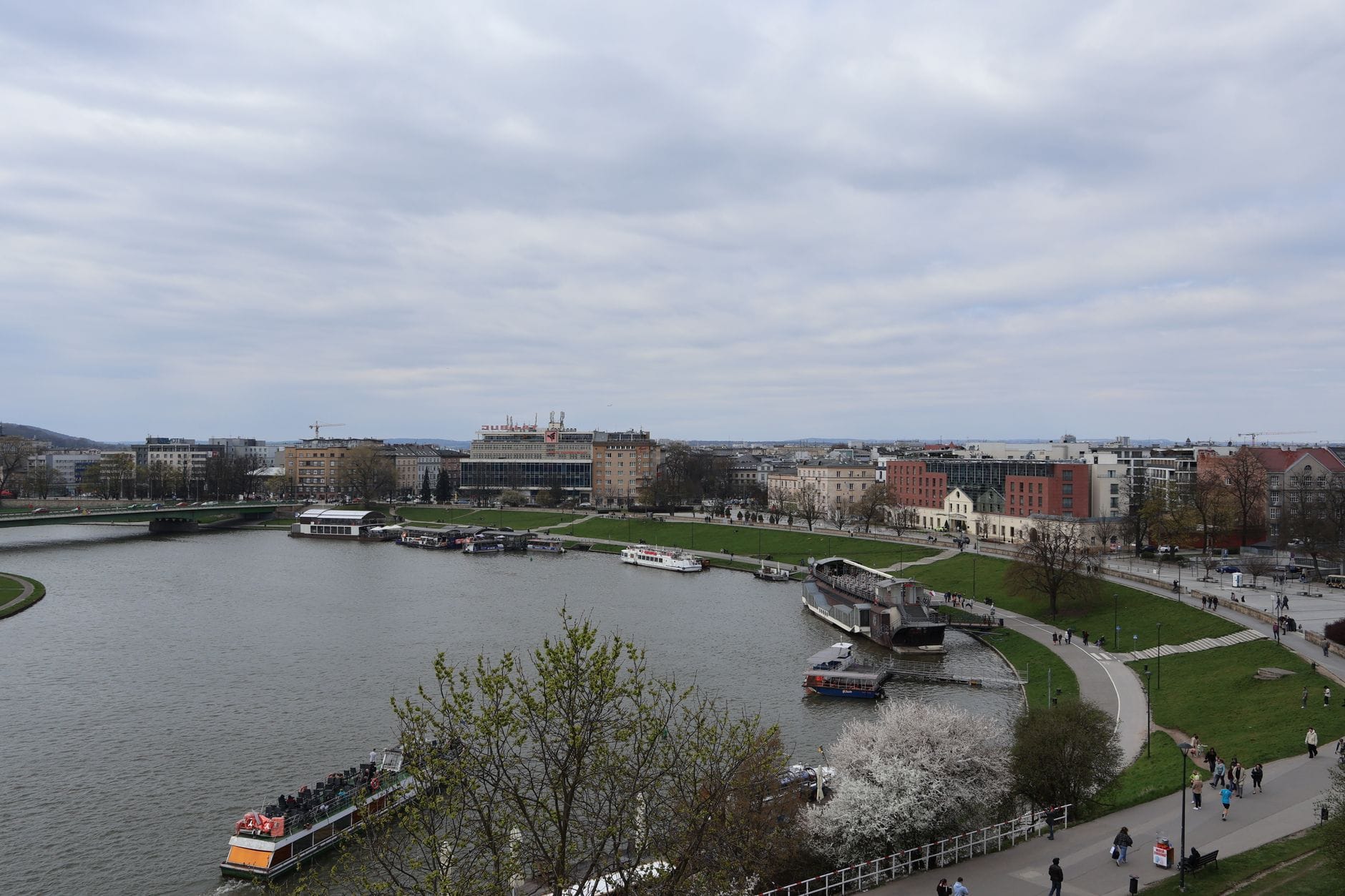
Kraków sits in southern Poland at roughly 219 metres above sea level, straddling the upper Vistula River in the Lesser Poland Voivodeship. Its temperate continental climate means four genuinely distinct seasons: winters are cold and often grey, summers are warm and occasionally humid, and the transitional months of spring and autumn tend to offer the most balanced conditions for travel.
Summer highs typically reach 20 to 25°C in July and August. Winters average around or below 0°C from December through February, with snowfall possible but not guaranteed. Rainfall is spread fairly evenly across the year, though June and July tend to see slightly higher precipitation than winter months. There is no pronounced dry season: pack a compact rain jacket regardless of when you visit.
- Winter (Dec–Feb) Cold, around 0°C or below. Short daylight hours. Christmas market in early December is a major draw; January and February are quiet and cheap.
- Spring (Mar–May) Gradually warming from cool to mild. April and May see temperatures climbing toward 15–20°C. Gardens and parks come alive; crowds are building but not yet peak.
- Summer (Jun–Aug) Warmest period, averaging 20–25°C. Peak tourist season. Higher prices, longer queues at Wawel Castle and popular museums, but more outdoor events and festivals.
- Autumn (Sep–Nov) Cooling from comfortable to cold. September and October are excellent for sightseeing. November turns grey and quiet, with prices dropping sharply.
ℹ️ Good to know
Poland operates on Central European Time (CET, UTC+1) in winter and Central European Summer Time (CEST, UTC+2) during daylight saving. In midsummer, Kraków enjoys daylight until around 9pm, which is genuinely useful for outdoor sightseeing after dinner.
Spring (March to May): The Best Kept Seasonal Secret
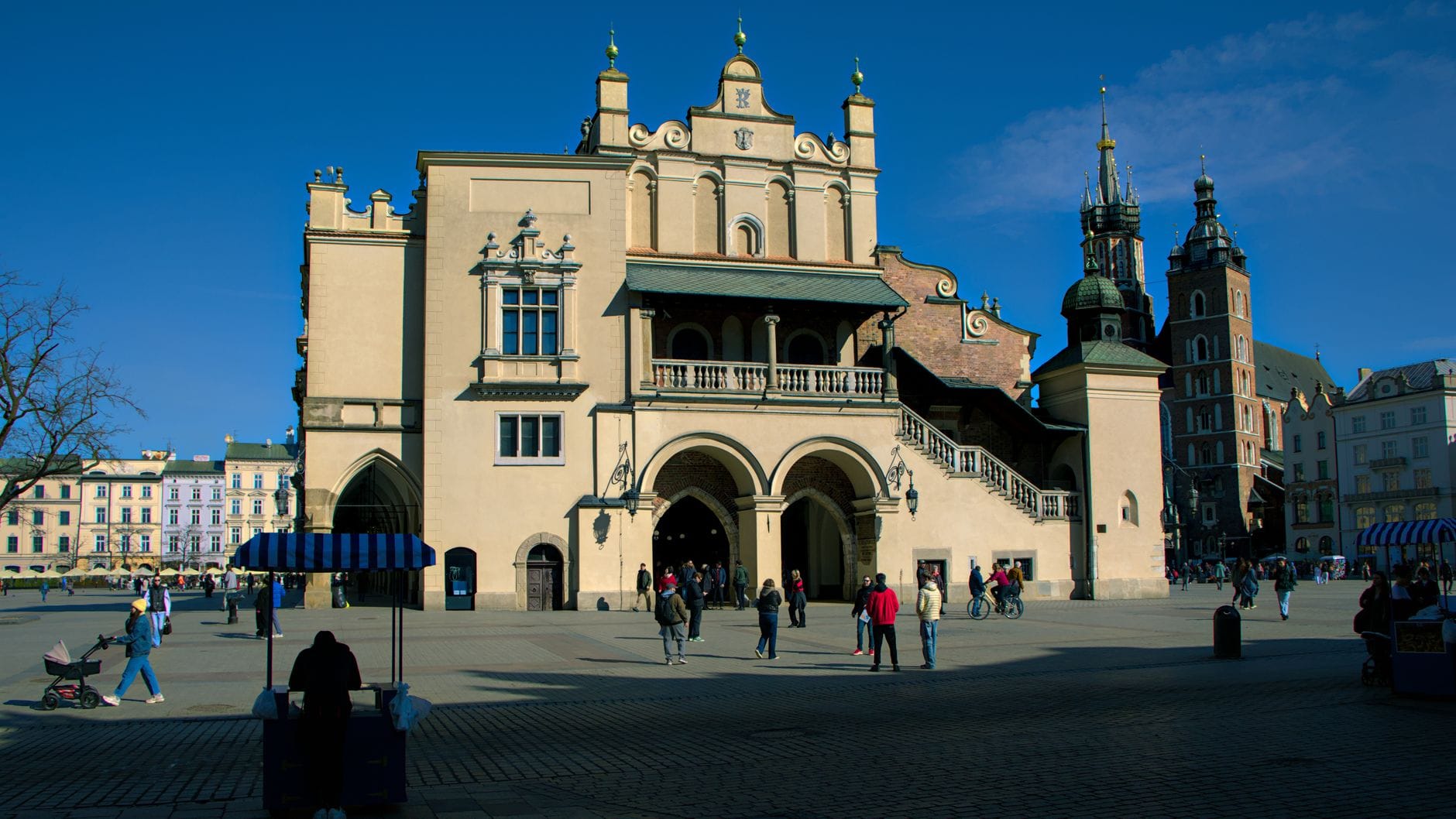
May is arguably the single strongest month to visit Kraków. Temperatures are comfortably mild, the Planty Park ring around the Old Town is fully green, and the main sights are accessible without the summer crush. Hotel rates are noticeably lower than July or August, and you can book popular restaurants without a week's advance notice.
March is the transitional month: daytime temperatures can reach 10–12°C but evenings are still cold, and some days stay stubbornly grey. It is a genuine low-season period, good for budget travellers who don't mind layering up. April sits in between: spring is unmistakable by mid-month, and crowds are beginning to arrive but remain light compared to summer.
Spring is also when Kazimierz, the historic Jewish quarter, feels most atmospheric. The cafes spill onto the streets, the courtyard venues reopen, and the neighbourhood has a lived-in energy rather than the tourist-only feel of high summer. If a deep dive into Kraków's Jewish heritage is on your list, late April through May pairs well with a visit to the Jewish Quarter.
Summer (June to August): Peak Season, Peak Prices
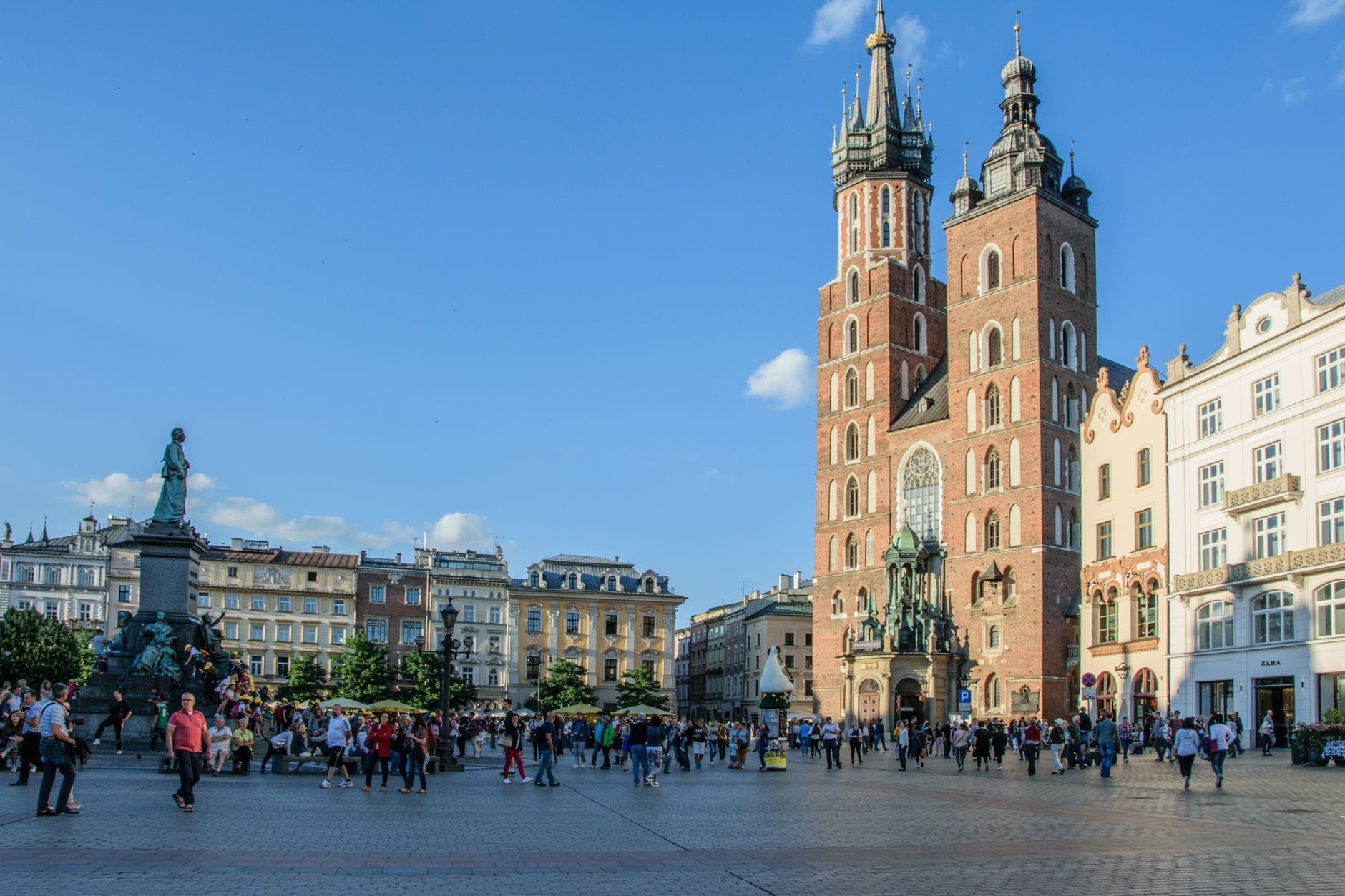
Summer is when Kraków gets busy, and 'busy' in this context means genuinely crowded at the top attractions. The queues at Wawel Castle can stretch long on a July morning, and the Main Square fills with tour groups from mid-morning through early evening. That said, summer has real advantages: the longest days, the widest range of outdoor events, and an energy that the city simply doesn't have in November.
June is the sweet spot within summer. School holidays have not yet fully kicked in across Europe, temperatures are warm rather than oppressive, and you catch the tail end of spring pricing. July and August are when European family travel peaks and Kraków's popularity as a short-break destination drives hotel rates up noticeably. If you're visiting Auschwitz-Birkenau or the Wieliczka Salt Mine on a day trip, book tickets well in advance during these months: both sites limit daily entries and sell out.
⚠️ What to skip
Accommodation prices in Kraków can double between low season and peak July-August. If you're visiting in summer, book hotels at least 6 to 8 weeks ahead for reasonable rates. Last-minute summer bookings in the Old Town are expensive and often limited to poor-value options.
The stag and hen party crowd is a factor worth knowing about. Kraków has been a popular European destination for group party weekends for years, and this is most noticeable in summer, particularly on Friday and Saturday nights in the Old Town and parts of Kazimierz. If this is likely to affect your enjoyment, consider staying slightly outside the immediate centre or choosing a hotel that does not cater to group bookings.
Autumn (September to November): The Expert's Choice
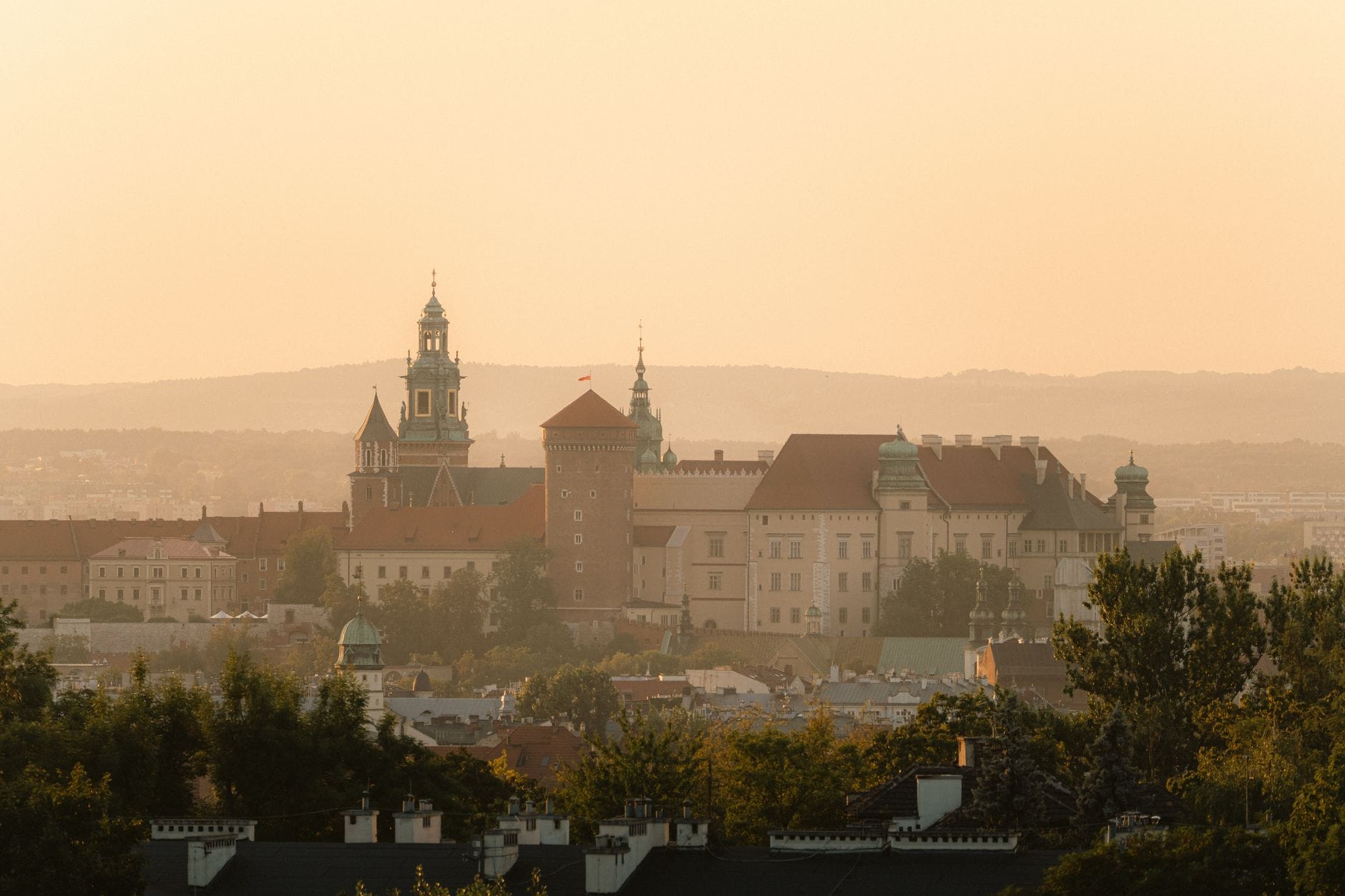
September is when serious travellers tend to come to Kraków. The summer crowds thin out after the first week, temperatures sit comfortably in the 15 to 20°C range, and the light in the early autumn is genuinely beautiful for photography around Wawel Hill and along the Vistula riverbanks. Hotel rates drop back to spring levels, and the city has a more relaxed rhythm.
October is still very workable in the first half of the month, though temperatures begin to fall and rain becomes more frequent by late October. It is a good time for museum-heavy itineraries: the Schindler's Factory Museum and the Kraków Underground Museum beneath the Main Square are easier to get into without summer queues. Check our guide to the best museums in Kraków for a full breakdown.
November is the least compelling month. Days are short, temperatures drop to single digits, and the festive atmosphere of December has not yet arrived. It is the cheapest time to visit and the least crowded, which suits budget-focused travellers, but if your goal is atmosphere and outdoor enjoyment, November is a harder sell.
Winter (December to February): Cold, But Not Without Appeal
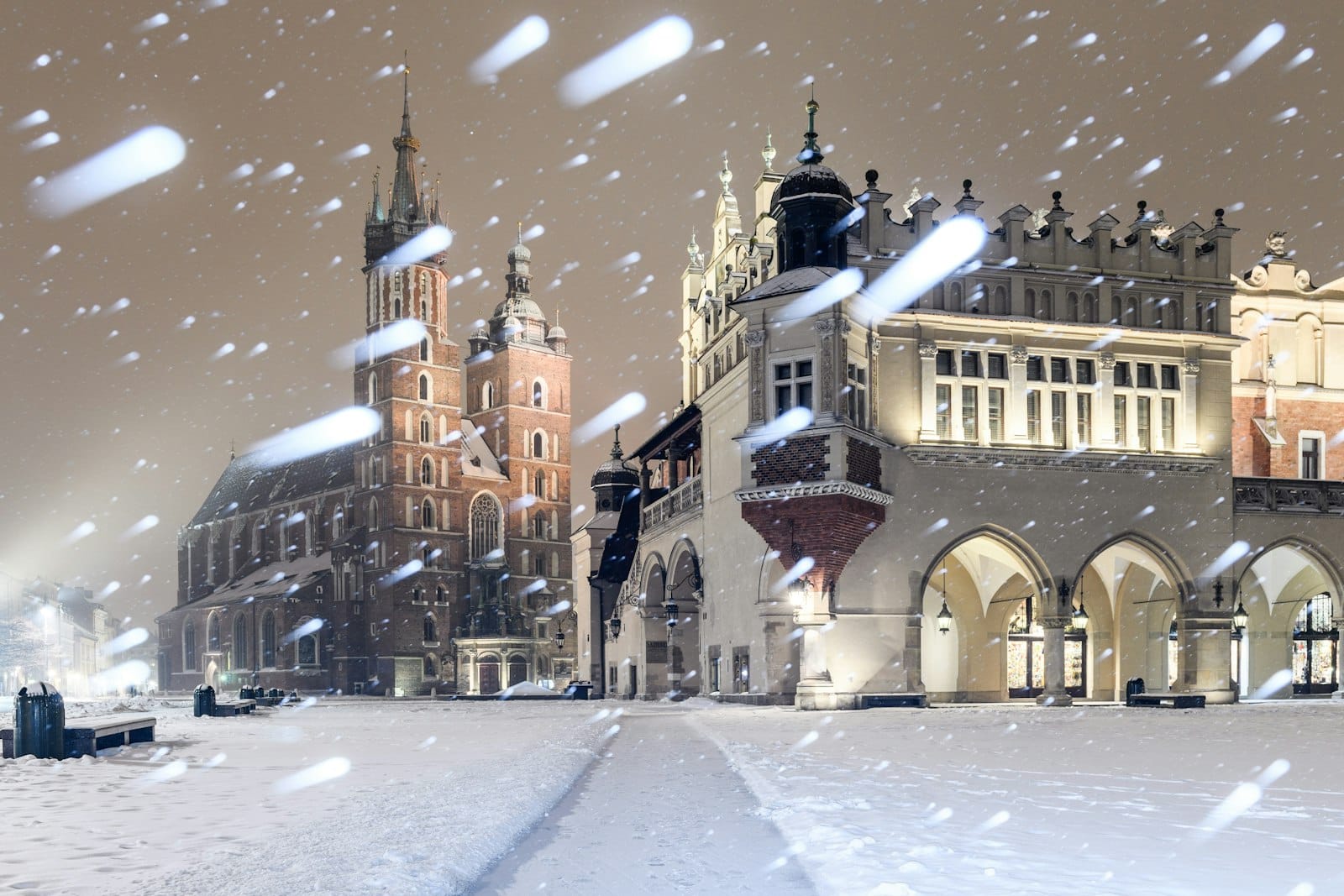
The one winter period that genuinely competes with the shoulder seasons is early December. The Kraków Christmas Market on Rynek Główny is among the best in Central Europe: mulled wine, traditional crafts, and the backdrop of St. Mary's Basilica and the illuminated square make for an experience that is hard to replicate anywhere else. The market typically runs from late November through December 26, with some years seeing a smaller New Year’s market or extension into early January.
Outside the Christmas window, January and February are Kraków's quietest and coldest months. Average temperatures hover around or below 0°C, and snowfall is possible but not guaranteed every year. If you visit in winter, the city's indoor offer becomes central: the Czartoryski Museum (home to Leonardo da Vinci's Lady with an Ermine), the Collegium Maius of the Jagiellonian University, and the wide range of excellent traditional Polish restaurants are genuinely rewarding regardless of the temperature outside.
✨ Pro tip
If you're visiting Kraków primarily to see Auschwitz-Birkenau, winter can be a deeply affecting time to make the trip. The site is open year-round, crowds are significantly smaller in January and February, and the stark winter landscape adds a particular weight to the experience. Dress in very warm layers: the outdoor areas involve substantial walking.
- January and February: lowest hotel prices of the year, minimal queues at attractions, but temperatures around or below 0°C.
- Early December: Christmas market peak; book accommodation well in advance as this period sells out quickly.
- Late December to New Year: busy and festive, but prices rise sharply and crowds return for the holiday period.
- Snow in Kraków is photogenic but not reliable: some winters see significant snowfall, others are mostly grey and cold without it.
Practical Planning: Crowds, Costs, and Key Logistics
Getting to Kraków is straightforward. John Paul II International Airport Kraków–Balice (IATA: KRK) sits approximately 11 km west of the city centre. A train from the airport to Kraków Główny railway station takes around 20 minutes and is the fastest and most reliable option. Buses are cheaper but slower. Taxis and app-based services like Uber and Bolt operate from the airport, though fares vary by time of day and demand. For a full breakdown of your options, see our guide to getting around Kraków.
Where you stay in Kraków matters as much as when. The Old Town puts you within walking distance of the main sights but comes with noise, especially on weekends. Kazimierz offers more character and better restaurant access at slightly lower prices. For a detailed neighbourhood comparison, the where to stay in Kraków guide covers every district with honest assessments.
Kraków is one of Poland's most affordable major cities for Western European and North American visitors, though prices have risen in recent years. Budget travellers will find the most value in the winter shoulder months of January, February, and March, as well as November. Mid-range travellers get the best combination of value and conditions in May and September. High-season visitors in July and August should budget notably more for accommodation and expect to plan popular attractions in advance.
💡 Local tip
Citizens of the EU and EEA can stay in Poland indefinitely under free movement rules. Visitors from the UK, US, Canada, Australia, New Zealand, and around 60 other countries can enter visa-free for up to 90 days within any 180-day period under Schengen Area rules. Visa regulations can change: always confirm current requirements through official government sources before you travel.
If this is your first trip and you're still working out an itinerary, the 3 days in Kraków guide gives a structured framework that works for most seasons. For day trips, both the Wieliczka Salt Mine and Auschwitz from Kraków operate year-round, though summer pre-booking is essential for both.
FAQ
What is the best month to visit Kraków?
May and September are consistently the strongest months for most visitors. Both offer mild temperatures between roughly 15 and 20°C, manageable crowds compared to peak summer, and reasonable accommodation prices. June is a close third, sitting just before the full summer surge.
Is Kraków worth visiting in winter?
Yes, with caveats. Early December is genuinely excellent due to the Christmas market on Rynek Główny. January and February are cold (around or below 0°C) with short days, but they offer the lowest prices and thinnest crowds of the year. The city's museums, restaurants, and indoor attractions are fully operational and often easier to enjoy without summer queues.
How busy does Kraków get in summer?
Very busy. July and August bring peak crowds to the Old Town, Wawel Castle, Kazimierz, and popular day trips like Wieliczka and Auschwitz. Hotels are at their most expensive, and popular attractions can involve significant queuing if you haven't pre-booked. June and September offer similar weather with noticeably fewer people.
What is the weather like in Kraków in April?
April in Kraków is transitional: expect daytime temperatures of around 10 to 15°C, with cooler evenings. Rain is possible at any point. By mid to late April, the city feels firmly spring-like, the parks are green, and outdoor café culture begins in earnest. It is a good time to visit if you're comfortable dressing in layers.
Is Kraków safe to visit?
Kraków is generally considered a safe destination for tourists. The usual urban precautions apply, particularly in busy areas of the Old Town at night where pickpocketing can occur. For a detailed assessment of safety considerations by neighbourhood and time of day, see the dedicated guide on whether Kraków is safe to visit.
Tickets & tours
Live prices and dates from our booking partner. If you book, we may earn a commission at no extra cost to you.
Planning a trip? Discover personalized activities with the Nomado app.