Kazimierz is Kraków's most historically layered neighborhood, a former independent royal city that served for centuries as a center of Jewish life in Central Europe. Today it balances solemn heritage sites with a lively café and bar scene, drawing visitors who come for the synagogues and stay for the atmosphere.
Kazimierz sits just south of Kraków's Old Town and carries more history per square meter than almost anywhere else in Poland. Once an independent royal city, then the heart of Jewish life in Central Europe, and later a neighborhood that nearly disappeared entirely, it has spent the last three decades slowly, imperfectly reasserting itself as one of the most compelling places in the country to spend a day or an evening.
Orientation
Kazimierz occupies a roughly rectangular patch of the city between Józefa Dietla Street to the north and the Vistula (Wisła) River to the south. To the west, the neighborhood transitions toward the Stradom quarter and the base of Wawel Hill; to the east, it gives way to Podgórze across the river. Administratively, it falls within District I Stare Miasto, the same administrative unit as the Old Town, though it feels like its own distinct world. For a full picture of how Kazimierz connects to the wider city, the Kraków Old Town neighborhood guide covers what lies immediately to the north.
The neighborhood divides loosely into two historic zones. The western portion was the Christian town, centered on Wolnica Square (Plac Wolnica) and the Gothic Church of Corpus Christi. The north-eastern section was historically the Jewish quarter, centered on Szeroka Street, a wide, elongated square-like thoroughfare lined with synagogues and old tenement buildings. These two zones were physically separated by a wall for much of Kazimierz's history as an independent town, and even today they feel subtly different in character.
The main tourist entry points are from Starowiślna Street or Dietla Street in the north, which most visitors reach on foot from the Old Town in around 15 minutes. The walk takes you through Stradom, a short transitional stretch that passes the foot of Wawel Hill before the streets open out into Kazimierz proper. Tram stops at Stradom, Plac Wolnica, and Miodowa place the neighborhood within easy reach of the main train station and the rest of the city.
History and Character
Kazimierz was founded in the 14th century by King Casimir the Great (Kazimierz Wielki), who gave the town his name. For nearly five centuries it existed as a separate royal city with its own charter, market square, and municipal life, sitting immediately adjacent to but legally distinct from Kraków. Jews were permitted to settle there from the late 15th century, and over the following generations the Jewish community grew into one of the largest and most culturally significant in Europe. By the time Kazimierz was formally incorporated into Kraków in 1800, its Jewish quarter had developed a dense fabric of synagogues, yeshivas, printing houses, and community institutions.
The Nazi occupation during World War II ended that world almost entirely. The Jewish population was forcibly relocated to the Kraków Ghetto in Podgórze in 1941, and most were subsequently murdered in the camps. After the war, Kazimierz fell into a long decline: underfunded, underpopulated, and largely forgotten. The 1993 filming of Schindler's List in and around the district brought international attention back to the area, and the 1990s saw the beginning of a slow renovation process that continues today.
What has emerged is a neighborhood that holds both things at once: genuine memorial sites and active Jewish cultural life alongside a thriving restaurant and bar scene. The tension between these two identities is real and worth acknowledging. For guidance on exploring the Jewish heritage specifically, the Kraków Jewish Quarter guide provides detailed historical context and a structured itinerary.
What Kazimierz Feels Like at Different Times of Day
In the early morning, before the first tour groups arrive, Kazimierz is unusually quiet. The streets around Szeroka Street are almost empty; pigeons occupy the cobblestones where outdoor tables will later crowd. The light at this hour is flat and grey-blue, and the synagogue facades show their age without the distraction of noise. It is the best time to understand the architectural weight of the place, and to read the plaques and memorials without feeling rushed.
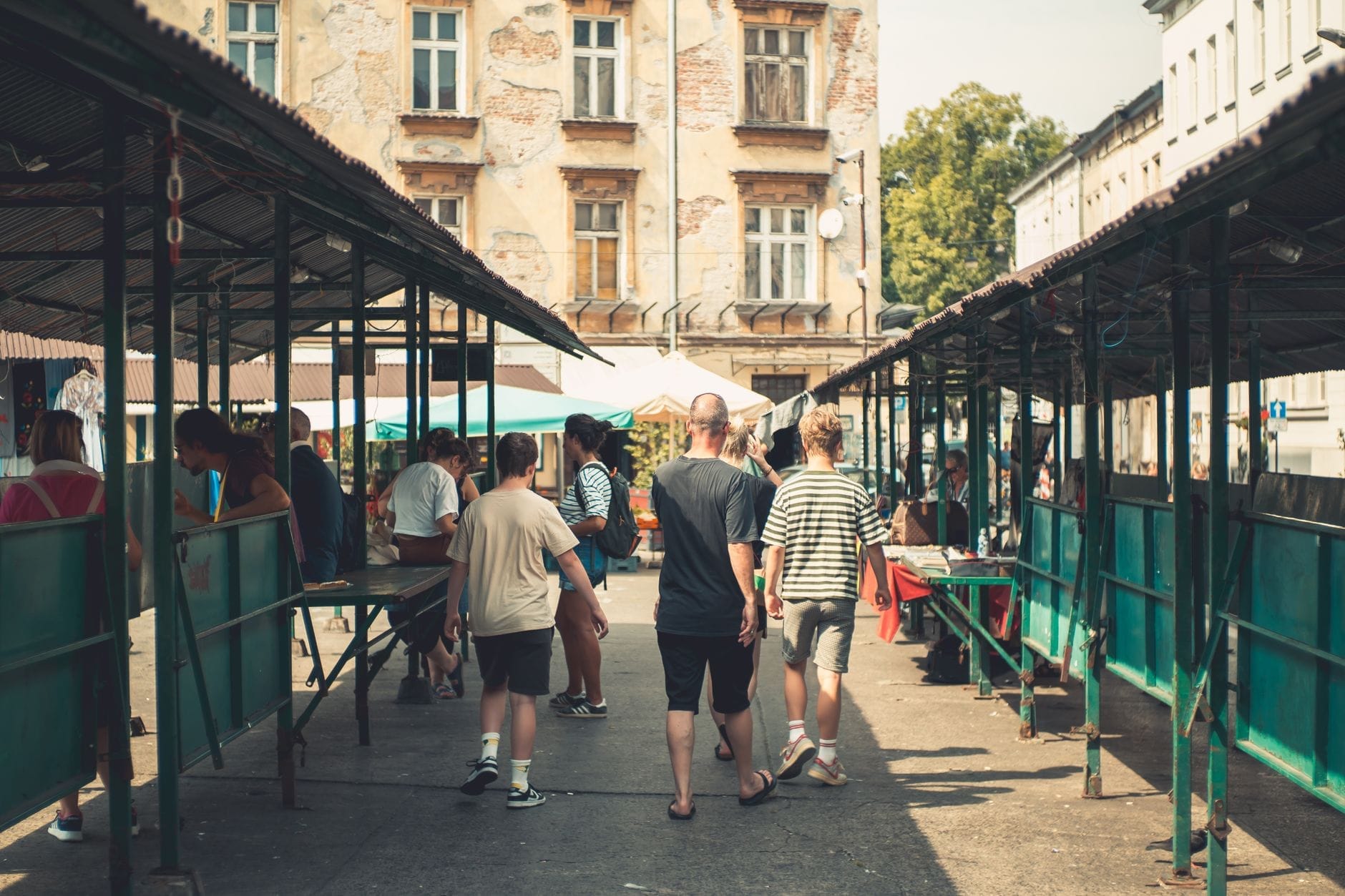
By mid-morning the neighborhood's coffee culture kicks in. The streets around Plac Nowy fill with people: locals heading to the market stalls that operate around the distinctive round rotunda at the square's center, visitors taking outdoor tables at the cluster of cafés facing it. The smell of fresh zapiekanka (open-faced toasted baguettes, a Plac Nowy staple) drifts across the square from mid-morning onward. This part of Kazimierz has the comfortable rhythm of a neighborhood that is used to mixing residents and visitors without too much friction.
Afternoons see the heritage sites fill to capacity, particularly in summer. Szeroka Street becomes distinctly tour-group territory between roughly 11am and 4pm. The side streets off Józefa and Estery are calmer, with independent bookshops, galleries, and antique dealers occupying ground-floor units in the old tenement buildings. Late afternoon light falls golden across the courtyard facades, and this is when the neighborhood's particular atmosphere — somewhere between contemplative and convivial — is most pronounced.
After dark, Kazimierz is one of Kraków's main nightlife destinations. The bars around Plac Nowy and along Józefa Street stay busy until the early hours, particularly on weekends. This is partly a student and young professional scene, partly international visitors. The noise levels on Friday and Saturday nights can be significant on the streets immediately around Plac Nowy. Travelers staying in the neighborhood should book accommodation a few blocks away from the square if they are sensitive to late-night noise.
💡 Local tip
The annual Jewish Culture Festival, held in late June or early July, transforms Kazimierz into one of the most atmospheric events in Poland. Concerts, workshops, and outdoor performances take over the streets and synagogue courtyards. Check current dates before planning your visit, as the schedule shifts slightly each year.
What to See and Do
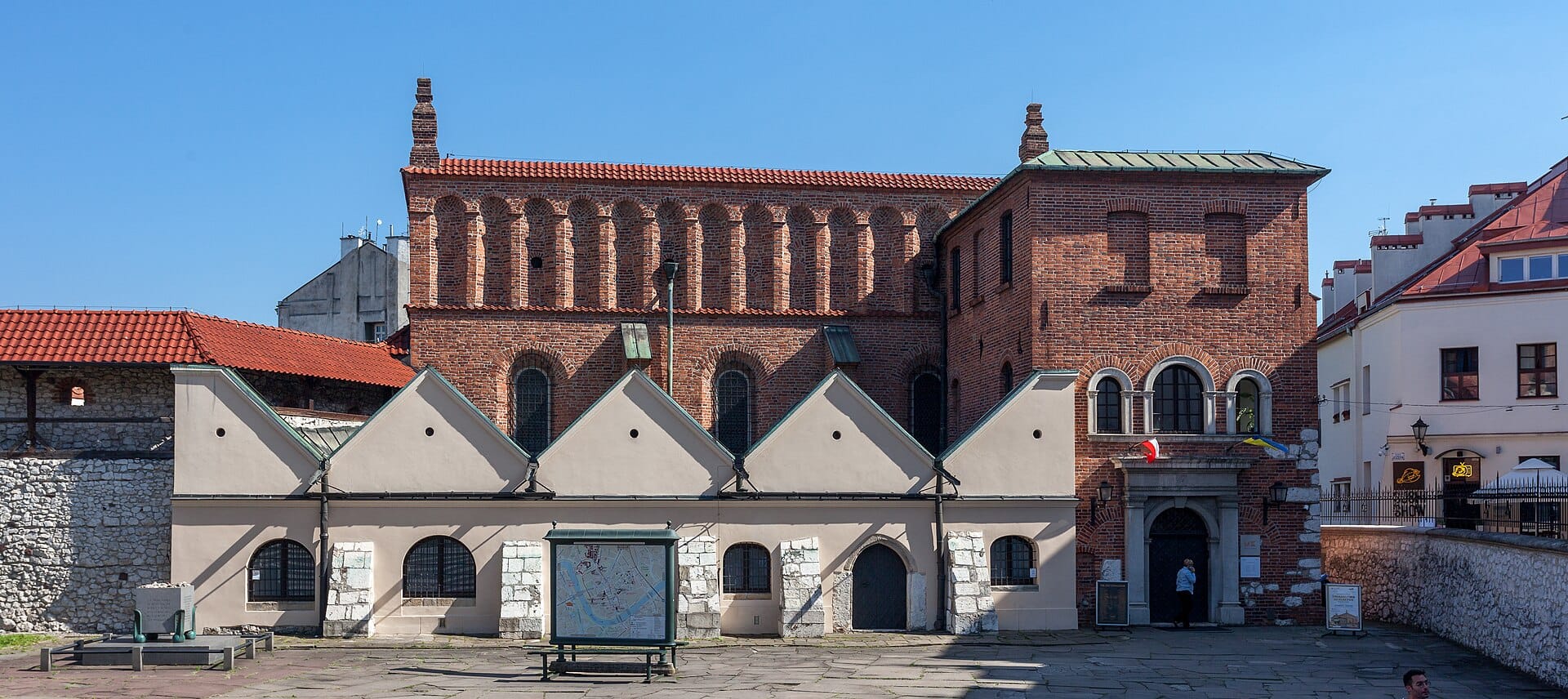
The Old Synagogue on Szeroka Street is the oldest surviving Jewish house of prayer in Poland, dating from the 15th century. It now operates as a branch of the Kraków Historical Museum and holds a permanent exhibition on Jewish history and religious tradition. The building's vaulted interior is striking even stripped of its original function.
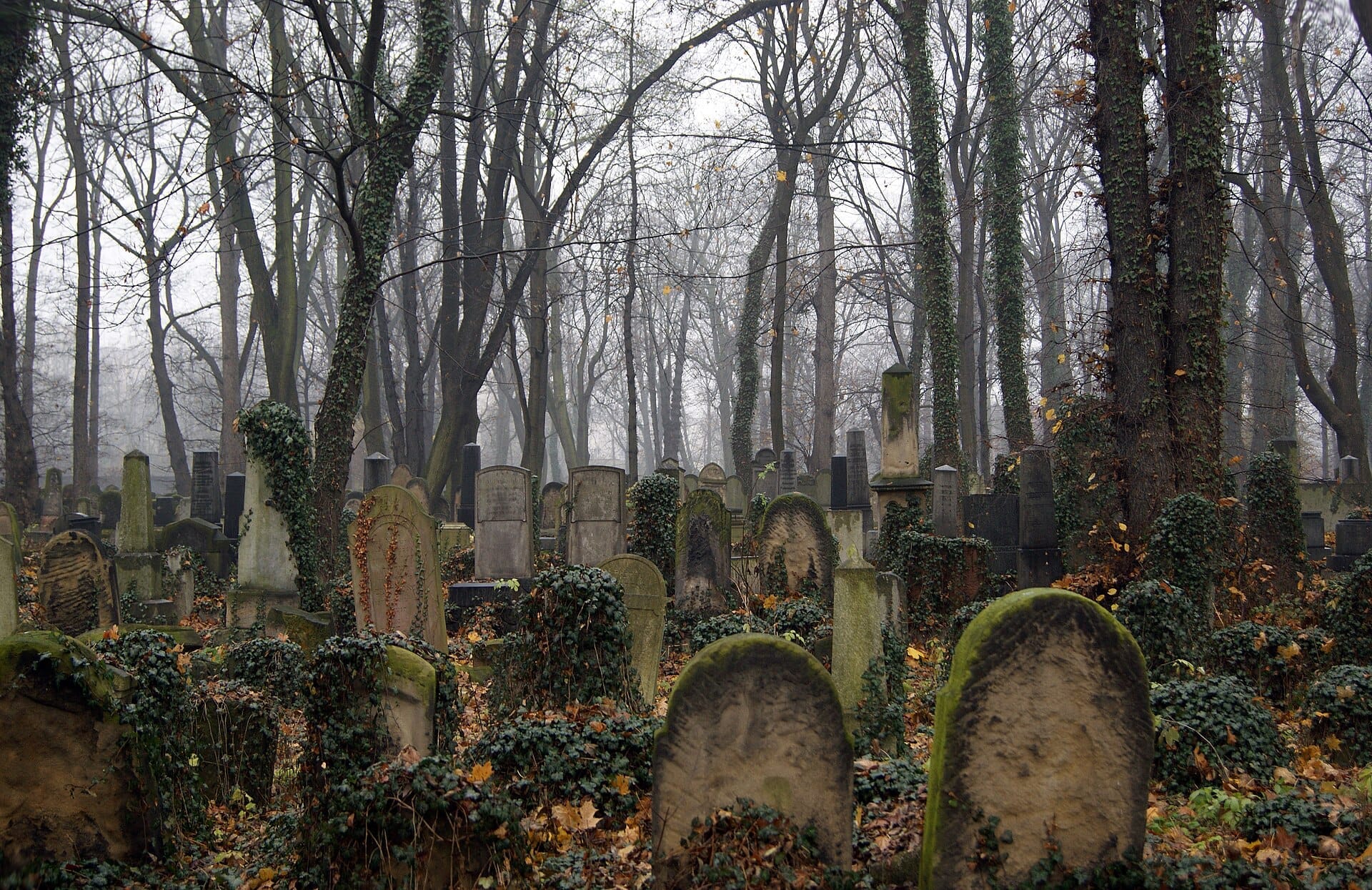
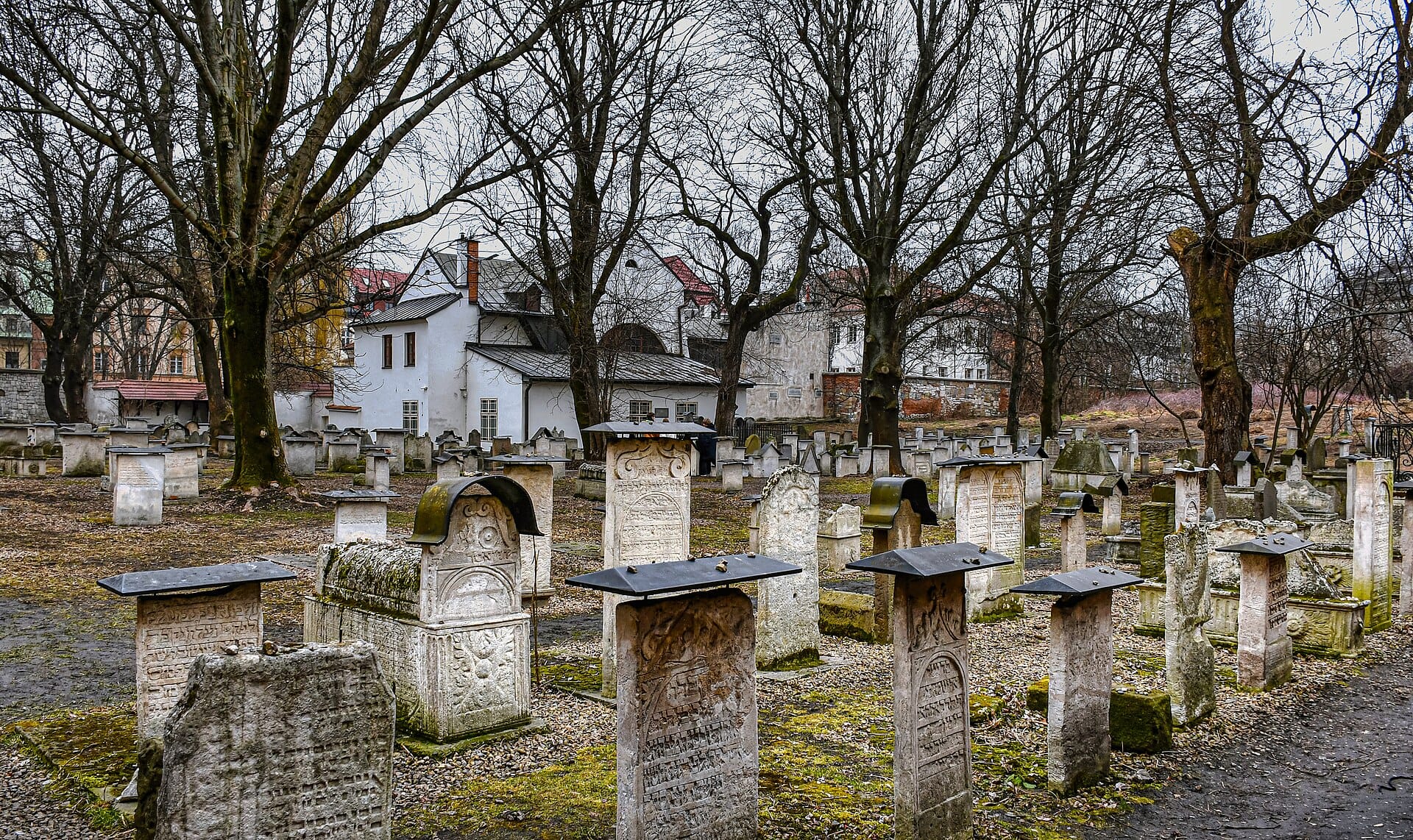
A short walk down Szeroka Street brings you to the Remuh Synagogue and Cemetery, which remains an active place of worship. The adjacent cemetery, one of the oldest Jewish burial grounds in Poland, contains Renaissance-era tombstones that survived the occupation. The contrast between the fragility of the stones and the fact of their survival is quietly powerful.
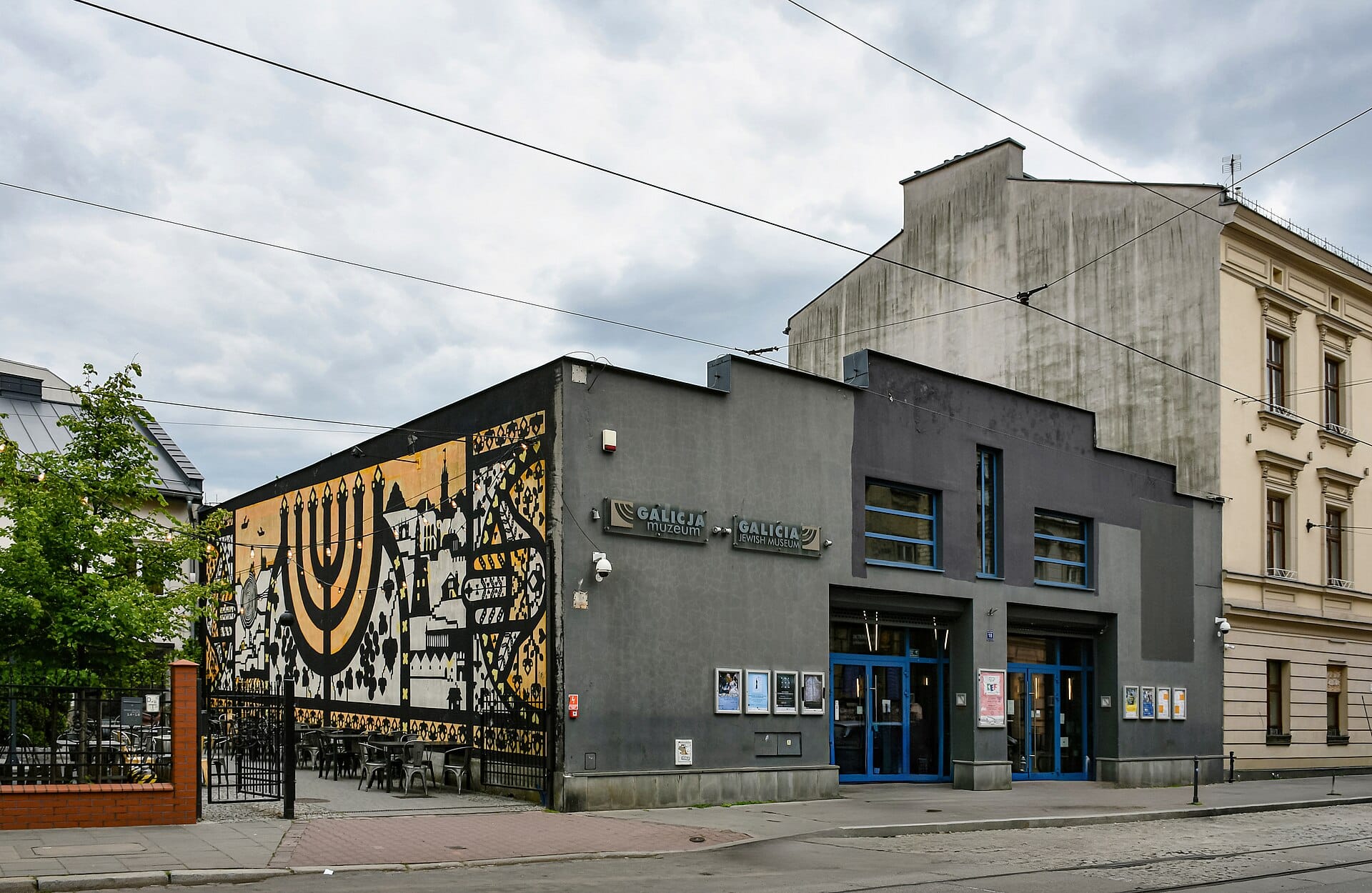
The Galicia Jewish Museum on Dajwór Street takes a different approach to the history. Rather than displaying religious artifacts, it uses large-format photography by Chris Schwarz to document what survives and what has been lost across the former Jewish communities of the region. It is one of the more affecting exhibitions in the city, and less crowded than the Old Synagogue.
Plac Nowy is worth time on its own terms. The market operates most days and is best on weekend mornings, when the stalls carry a mix of secondhand clothing, vintage objects, and food. The Plac Nowy market is also ground zero for zapiekanka, the Polish street food that has become almost synonymous with this square. Several stalls operate from the hatches of the central rotunda.
Old Synagogue (Stara Synagoga) on Szeroka Street — museum and historic site
Remuh Synagogue and Renaissance cemetery — active synagogue, open to visitors
Galicia Jewish Museum on Dajwór Street — photographic history of Galician Jewish communities
Plac Nowy — weekend market, street food, café scene
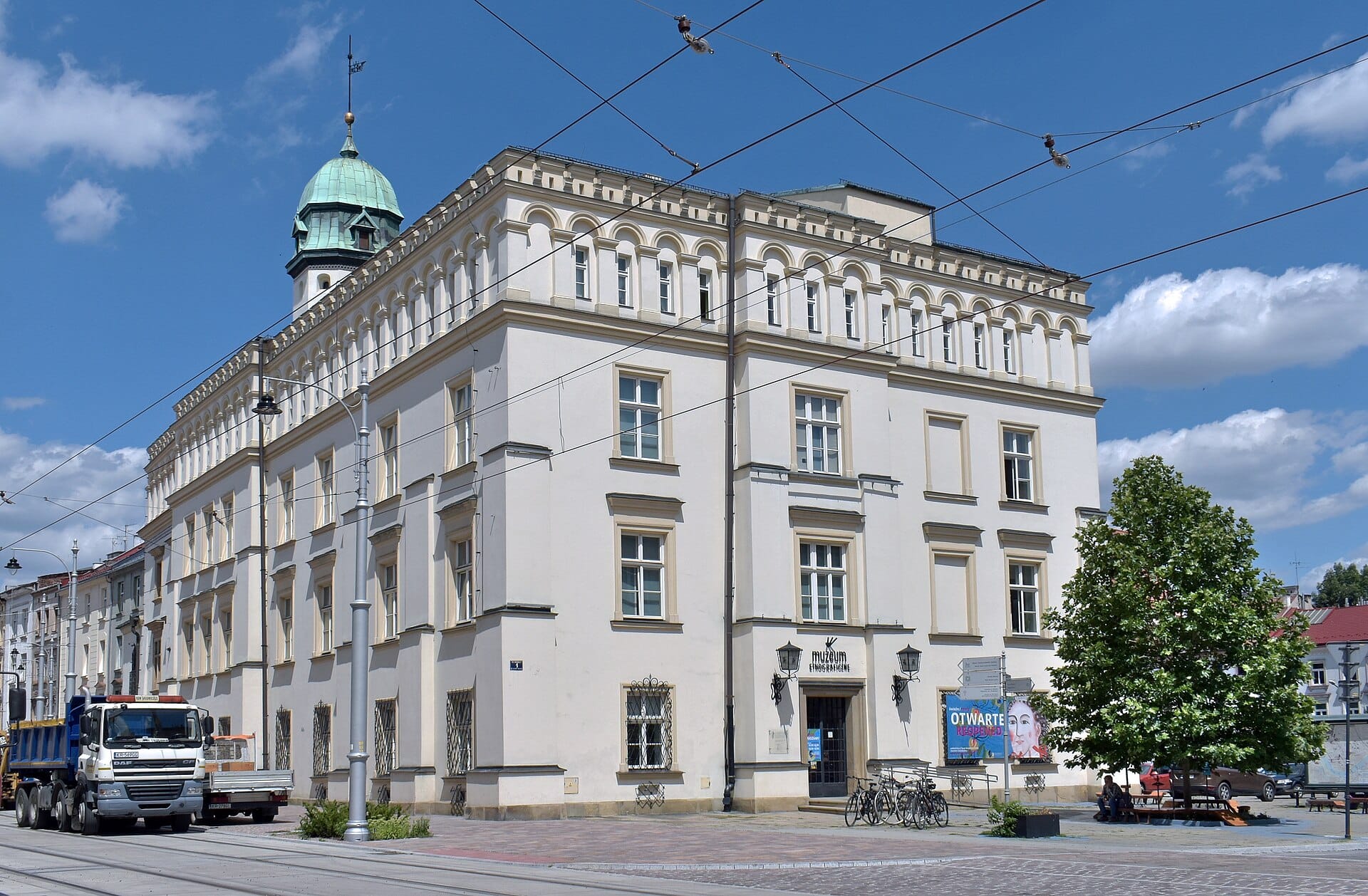
Krakow Ethnographic Museum on Plac Wolnica — Polish folk culture and regional material history
Corpus Christi Church (Bazylika Bożego Ciała) — Gothic church, the oldest in Kazimierz
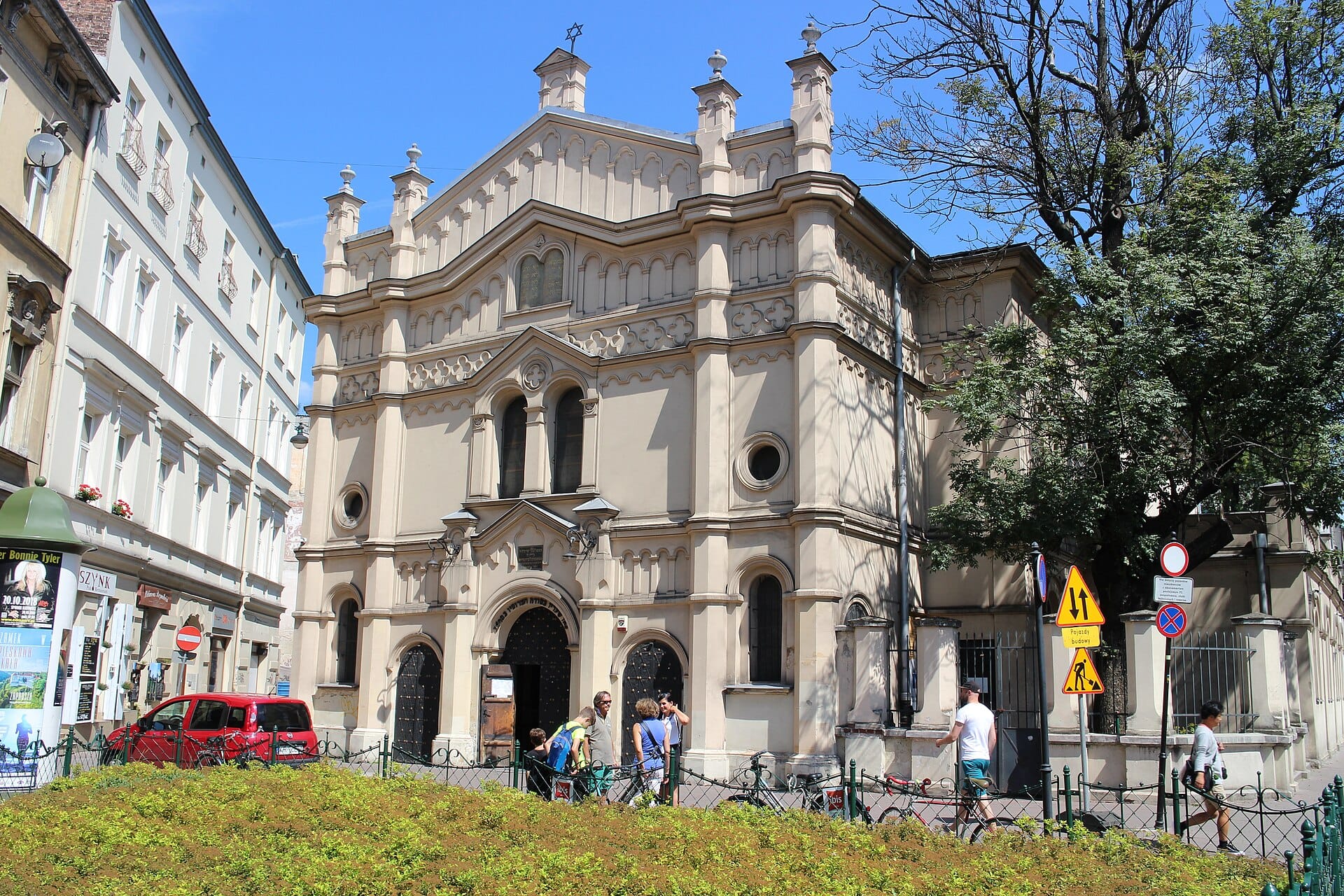
Tempel Synagogue — ornate 19th-century Reform synagogue, open for visits and occasional concerts
Kazimierz is also the logical base for visiting Schindler's Factory Museum in nearby Podgórze, which is a 20-minute walk across the Powstańców Śląskich Bridge. The museum covers the Nazi occupation of Kraków in depth and is one of the city's most important sites. It is best visited as a half-day trip combined with a walk around the Podgórze district.
ℹ️ Good to know
Several of the synagogues in Kazimierz charge small entrance fees and ask visitors to cover their heads. The Remuh Synagogue provides head coverings at the entrance. Dress modestly if you plan to visit during services.
Eating and Drinking
The food scene in Kazimierz covers more ground than the Jewish heritage framing might suggest. Yes, there are restaurants serving traditional Ashkenazi-influenced dishes — herring plates, borscht, gefilte fish, and slow-cooked meats — particularly along Szeroka Street and its immediate surroundings. Some of these places lean heavily into the heritage aesthetic, with klezmer music and staged Shabbat dinners. The quality varies significantly; the more theatrical the presentation, the more cautious you should be about the food itself.
Beyond the Jewish restaurant strip, Kazimierz has a strong Polish comfort-food tradition. Milk bars (bary mleczne) in the neighborhood serve filling, affordable traditional Polish dishes: pierogi, żurek (sour rye soup), and bigos (hunter's stew). For a broader picture of what to eat across the city, the guide to what to eat in Kraków covers the full range of local specialties and where to find them.
The café culture here is worth noting. Kazimierz developed a distinctly independent coffee shop scene in the 2000s and early 2010s, before specialty coffee became mainstream in Poland. Several of these original places survive, occupying rooms in old tenements with mismatched furniture, exposed brick, and the relaxed pace of somewhere that has never needed to advertise. These are concentrated along Józefa Street and the streets between Józefa and Plac Nowy.
The bar scene around Plac Nowy is dense and runs toward craft beer, natural wine, and cocktails depending on the venue. Prices here are noticeably lower than in equivalent bars in Western Europe, though they have risen considerably since the early 2020s. Most bars open in the early afternoon and stay open well past midnight on weekends.
⚠️ What to skip
The restaurants on Szeroka Street that offer live klezmer music and Shabbat-style dinners can be enjoyable experiences, but several operate primarily as tourist attractions rather than restaurants that take the food seriously. Read recent reviews before booking, and consider the smaller, less-promoted places on side streets for better value and quality.
Getting There and Around
The most direct route from the Old Town is on foot. Walking south from Rynek Główny (the Main Market Square) along Grodzka Street and then continuing via Stradom takes around 15 minutes and passes below Wawel Hill. You can also walk east along the Planty park ring road and cut south at Starowiślna. Either route gives a good sense of how Kazimierz relates to the historic core. For transit options across the whole city, the getting around Kraków guide explains trams, buses, and taxis in detail.
Tram lines 8, 13, 18, and 52 serve stops at or near Kazimierz. The Stradom stop on Dietla Street is useful for the northern entry point; Plac Wolnica is convenient for the western part of the neighborhood; and Miodowa is the stop to use if you are heading directly to Szeroka Street and the Jewish heritage sites. From Kraków Główny railway station, trams on these lines connect directly.
Within Kazimierz itself, walking is the only practical way to get around. The streets are narrow, cobbled in places, and frequently pedestrianized or one-way. A bicycle works well for getting between Kazimierz and Podgórze across the river. Ride-hailing apps including Uber and Bolt operate in Kraków and can drop you at the edge of the neighborhood, though taxis cannot always reach inner streets during busy periods.
Where to Stay in Kazimierz
Kazimierz is a legitimate alternative base to the Old Town, particularly for travelers who want to be closer to the Jewish heritage sites, Podgórze, and the Vistula riverbank. Accommodation ranges from renovated apartments in old tenements to boutique hotels on quieter side streets. For a full comparison of where to stay across the city, the Kraków accommodation guide breaks down each neighborhood by traveler type and budget.
The best streets for accommodation are those that sit between the heritage cluster and Plac Nowy but are not directly on the square itself: Józefa, Estery, Ciemna, and the streets running parallel to them. These locations give you easy walking access to the main sites without placing you in the middle of the late-night noise zone. The area immediately around Plac Nowy is lively until 2am or later on weekends.
Families with children will find Kazimierz manageable, especially for heritage visits, though the nightlife atmosphere in the evenings is not particularly child-oriented. Travelers focused primarily on Wawel Castle and the Old Town might find the Old Town itself more convenient, as the 15-minute walk back after a long day becomes less appealing when tired. That said, the neighborhood's character and slightly lower prices make it a genuine choice for most visitor types.
Honest Assessment: Who Kazimierz Is For
Kazimierz rewards travelers who slow down and pay attention. The heritage it carries is substantial and, in some places, difficult to absorb: the synagogues, the cemetery stones, the gaps in the historical record. At the same time, the neighborhood is fully alive as a place where people eat, drink, shop, and argue about coffee. These two things coexist without fully resolving, which is more revealing than a neighborhood that has turned itself entirely into a museum.
It is not a quiet retreat. On summer weekends especially, the area around Plac Nowy can feel loud and crowded. If you are looking for a less-visited side of Kraków, consider combining a morning in Kazimierz with an afternoon in Podgórze across the river, which receives far fewer tourists but carries an equally significant history. The Kraków off-the-beaten-track guide covers Podgórze and other less-visited neighborhoods in more detail.
TL;DR
Kazimierz is the former Jewish quarter of Kraków, founded as an independent royal city in the 14th century and incorporated into Kraków in 1800. It sits about 1.5 km south of the Old Town and is walkable in 15 minutes.
The neighborhood holds the highest concentration of Jewish heritage sites in Poland outside Warsaw, including multiple functioning and museum synagogues, a Renaissance-era cemetery, and the Galicia Jewish Museum.
Beyond the heritage sites, Kazimierz is a genuine neighborhood with a strong café culture, a weekend market at Plac Nowy, and one of Kraków's busiest bar and restaurant scenes.
Noise on weekend nights around Plac Nowy is significant. Travelers sensitive to late-night noise should book accommodation a few streets away from the square.
Best suited to: history-focused travelers, cultural tourists, visitors spending more than two days in Kraków, and anyone who wants to combine Jewish heritage with a lively local food and drink scene.
Two days in Kraków is enough time to cover the Royal Capital's greatest hits without rushing. This itinerary covers the Old Town, Wawel Hill, Kazimierz, and Podgórze in a logical, walkable order, with honest guidance on day trips, booking pitfalls, and what actually fits into a weekend.
Three days is the sweet spot for Kraków. Long enough to cover the Royal Castle, the Jewish Quarter, and a serious day trip without rushing, short enough that you won't run out of things to do. This itinerary breaks it down day by day, with honest advice on costs, timing, and what to skip.
Auschwitz-Birkenau is 65-70 km from Kraków and one of the most significant historical sites in the world. This guide covers every practical detail: how to book mandatory timed entry, how to get there by train, bus, or organized tour, what to expect at both sites, and how to plan your day without stress.
Kraków punches well above its weight as a museum city. This guide covers the finest collections in the Old Town, Kazimierz, Podgórze, Wawel Hill, and beyond, with practical advice on free days, booking ahead, and how to sequence your visits.
Kraków rewards visitors year-round, but timing makes a real difference to your experience. This guide breaks down every season, from spring's mild sightseeing windows to December's Christmas markets, so you can match your trip to your priorities.
Kraków sits at the centre of one of Central Europe's richest day-trip networks. Within two hours you can descend into a UNESCO salt mine, walk the grounds of the world's most significant Holocaust memorial, or stand in the shadow of the Tatra Mountains. This guide covers the best excursions, with honest advice on timing and logistics.
Kraków rewards budget travellers more than almost any other European city. From a medieval market square and riverside walks to free museum days and a communist-era district, here's how to fill your itinerary without opening your wallet.
Kraków's tram and bus network is affordable, frequent and covers every major district. This guide covers MPK Kraków tickets, airport transfers, ride-hailing fares, night services and the common mistakes that catch visitors out.
Kraków ranks among the safest major cities in Europe, with a crime index of around 24.9 and a U.S. State Department Level 1 travel advisory. This guide covers the real risks tourists face, from pickpockets on trams to nightlife scams, plus practical advice on safe neighborhoods, solo travel, and getting around after dark.
The Kraków Christmas Market on Rynek Główny is one of Central Europe's most atmospheric seasonal events, running from late November into the New Year across multiple locations. This guide covers exact dates, opening hours, what to buy and eat, how to get there, and how to avoid the most common mistakes first-time visitors make.
Kraków rewards curiosity beyond its famous squares and castles. This guide uncovers the city's lesser-known museums, quiet districts, ancient earthworks, and local markets that most visitors walk straight past.
Kraków holds one of Europe's most significant concentrations of Jewish heritage, from the medieval synagogues of Kazimierz to the haunting remains of the Podgórze Ghetto. This guide covers every major site, the best order to visit them, seasonal considerations, and the historical context that makes these places meaningful.
Kraków has one of Central Europe's most energetic nightlife scenes, spanning cellar clubs in the Old Town to craft-cocktail bars in Kazimierz. This guide covers where to go, when to arrive, what to pay, and what to skip.
Nowa Huta is unlike anywhere else in Poland. Built from scratch in 1949 as a model socialist workers' city, this eastern district of Kraków preserves Soviet-era architecture, monumental avenues, and a steelworks that once employed 40,000 people. This guide covers what to see, how to get there, and how to make the most of your visit.
Kraków remains one of Europe's best-value city breaks, but knowing where to spend and where to skip makes the difference. This guide breaks down real daily costs, the best free attractions, cheap eating options, and smart strategies to stretch every złoty.
Steven Spielberg's Schindler's List was filmed almost entirely in Kraków, Poland, using real streets, courtyards, and the actual factory where Oskar Schindler saved over 1,000 Jewish workers. This guide breaks down every major filming location, separates film myth from historical fact, and tells you exactly how to visit each site.
Kraków rewards shoppers who go beyond the obvious. This guide covers the city's best markets, streets, and specialty shops — from amber at the Cloth Hall to vintage finds in Kazimierz — with practical details on prices, hours, and what to avoid.
Three main transport options connect Kraków and Prague: direct and semi-direct trains, intercity buses, and low-cost flights on selected days. This guide breaks down journey times, realistic costs, booking logistics, and which option actually suits your trip.
Kraków's Old Town (Stare Miasto) is one of Europe's most walkable historic centres, compact enough to cover on foot in a half-day without a guide. This route takes you along the Royal Route from the Barbican through Rynek Główny to Wawel Castle, with practical timing, entry fee breakdowns, and clear advice on what to skip.
Kraków is one of Central Europe's most rewarding cities for families. From a fire-breathing dragon and underground salt mines to cheap milk bars and a largely car-free Old Town, this guide covers everything parents need to plan a memorable trip to Kraków, Poland with children in tow.
Zakopane sits about 105 km south of Kraków in the Tatra Mountains and makes one of the best day trips from the city. This guide covers every transport option, realistic costs, what to do once you arrive, and the seasonal factors that can make or break the trip.
Kraków is Poland's most historically rich city, home to a UNESCO-listed Old Town, royal castle, Jewish quarter, and some of Europe's most important WWII memorial sites. This guide covers the best things to do in Kraków across every interest and budget, with practical detail on tickets, timing, and logistics.
Wawel Hill is the historical heart of Kraków, Poland, home to the Royal Castle and the Wawel Cathedral — two separate sites with separate tickets, hours, and experiences. This guide covers everything you need to plan a smart, well-timed visit, from ticket prices and booking logistics to what's worth your time inside.
Kraków is one of Central Europe's great food cities, with a cuisine built on centuries of Polish tradition. This guide covers the essential dishes to try, where to find the real thing, and how to eat well without paying tourist-trap prices.
Choosing where to stay in Kraków shapes your entire trip. This guide breaks down every major neighborhood by price, vibe, and proximity to sights, so you can pick the right base without second-guessing yourself.
The Wieliczka Salt Mine is one of Poland's most visited attractions, sitting just 14 km from central Kraków. This guide covers everything you need to know before you go: which route to choose, how to book tickets, what the underground visit actually involves, and the practical details most guides skip.