Kraków Hidden Gems: 18 Off-the-Beaten-Path Places Worth Finding
Kraków rewards curiosity beyond its famous squares and castles. This guide uncovers the city's lesser-known museums, quiet districts, ancient earthworks, and local markets that most visitors walk straight past.
Tickets & tours
Live prices and dates from our booking partner. If you book, we may earn a commission at no extra cost to you.
Most visitors to Kraków follow the same circuit: Rynek Główny, Wawel Hill, Kazimierz, and maybe a day trip to Wieliczka. That circuit exists for good reason, but the city has a deeper layer entirely. Kraków's real character lives in the socialist-realist boulevards of Nowa Huta, the overgrown limestone quarries of Podgórze, the 11th-century monastery cliffs above the Vistula, and the market stalls where locals have been buying produce since the 12th century. If you have already done the highlights or simply want to travel differently, this guide is for you. For a full overview of the city before diving into the lesser-known corners, the complete Kraków guide is a good starting point.
💡 Local tip
Many of the sites in this guide are free or very cheap to enter. Bring cash (PLN) for market stalls and smaller museums, as card readers are not universal at off-the-beaten-path spots.
Cold War Kraków: Nowa Huta's Socialist Heritage
Built from scratch in the late 1940s as a model communist workers' city, Nowa Huta is one of the most intact examples of socialist-realist urban planning in Europe. It sits about 8km east of the Old Town and is easy to reach by tram. Most visitors to Kraków never make it out here, which is precisely why it feels so different. The architecture is monumental and the avenues are wide enough to march a Soviet parade down, yet locals go about ordinary daily life amid it all. A dedicated Nowa Huta communist tour guide covers the district in more detail if you want to plan a full day.
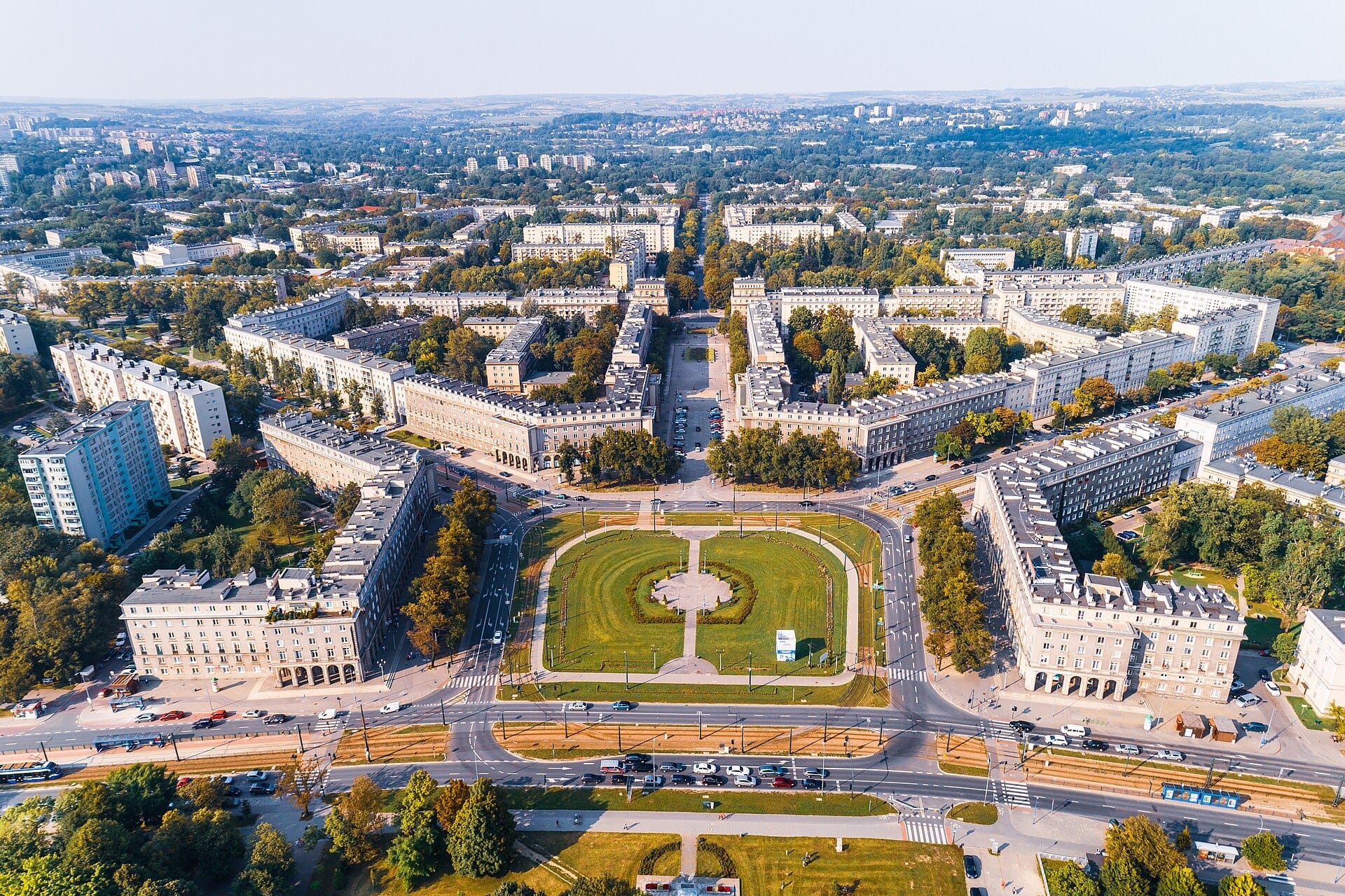
1. Walk the Grand Stalinist Boulevard of Plac Centralny
Renamed Ronald Reagan Central Square after communism fell, this vast circular plaza is textbook socialist-realist design: symmetrical, imposing, and built to project state power. Arrive on foot for the full scale of it. Entry is free, and trams run directly from the Old Town.
Explore1. Walk the Grand Stalinist Boulevard of Plac Centralny
Renamed Ronald Reagan Central Square after communism fell, this vast circular plaza is textbook socialist-realist design: symmetrical, imposing, and built to project state power. Arrive on foot for the full scale of it. Entry is free, and trams run directly from the Old Town.
Explore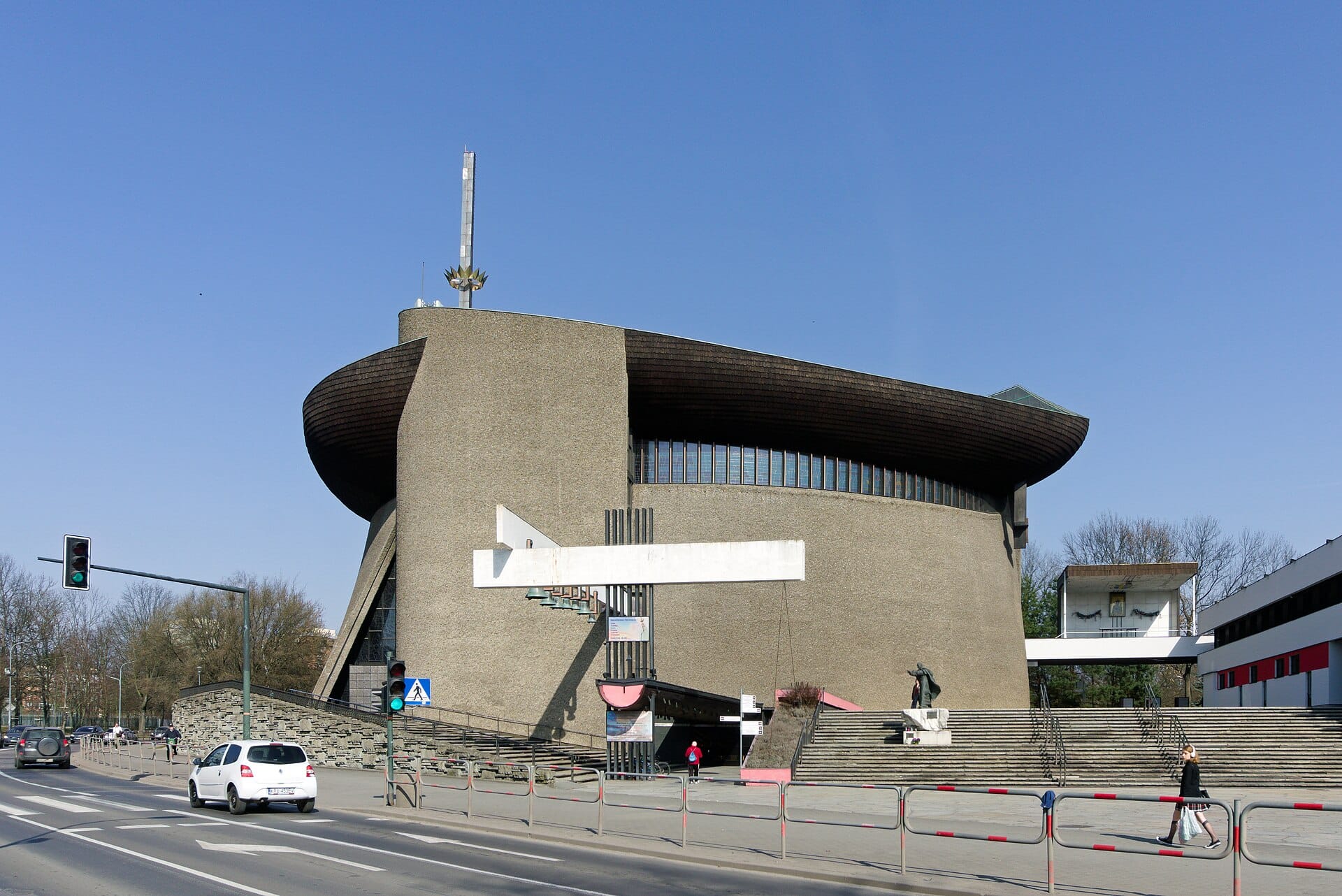
2. See the Church That Defied the Communist State
Nowa Huta was deliberately planned without churches. Residents fought for two decades to build one. The result, consecrated in 1977, is a striking ark-shaped modernist structure that stands as a symbol of civic resistance. Worth combining with a walk around Plac Centralny.
Explore2. See the Church That Defied the Communist State
Nowa Huta was deliberately planned without churches. Residents fought for two decades to build one. The result, consecrated in 1977, is a striking ark-shaped modernist structure that stands as a symbol of civic resistance. Worth combining with a walk around Plac Centralny.
Explore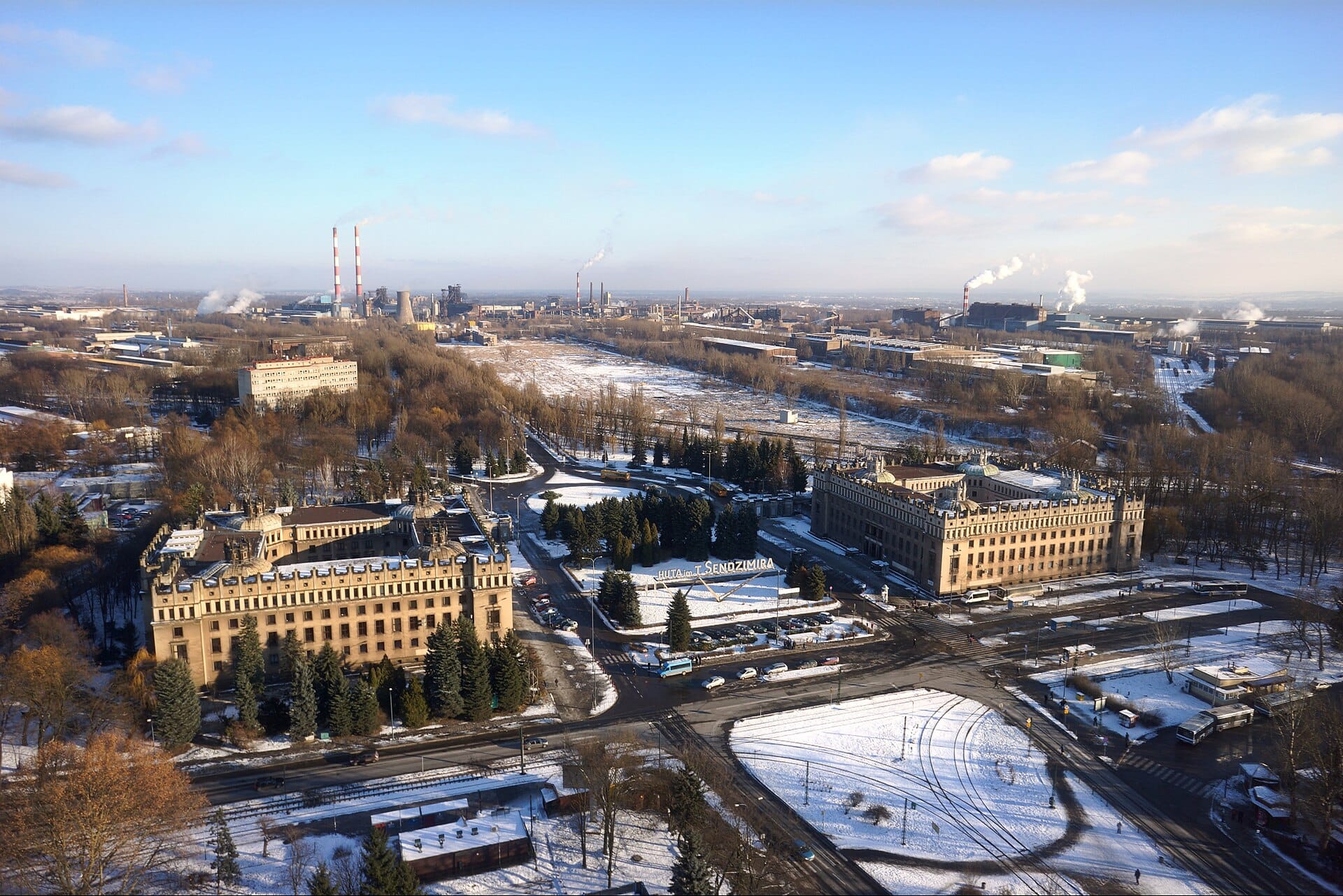
3. Tour the Steelworks That Gave Nowa Huta Its Purpose
The Sendzimir Steelworks is still partially operational and enormous in scale. Guided tours reveal the Soviet industrial ambition behind Nowa Huta's creation and the human stories of the workers who built and ran it. Book in advance as tour slots are limited.
Explore3. Tour the Steelworks That Gave Nowa Huta Its Purpose
The Sendzimir Steelworks is still partially operational and enormous in scale. Guided tours reveal the Soviet industrial ambition behind Nowa Huta's creation and the human stories of the workers who built and ran it. Book in advance as tour slots are limited.
ExplorePodgórze & the Ghetto: History Beyond Schindler's Factory
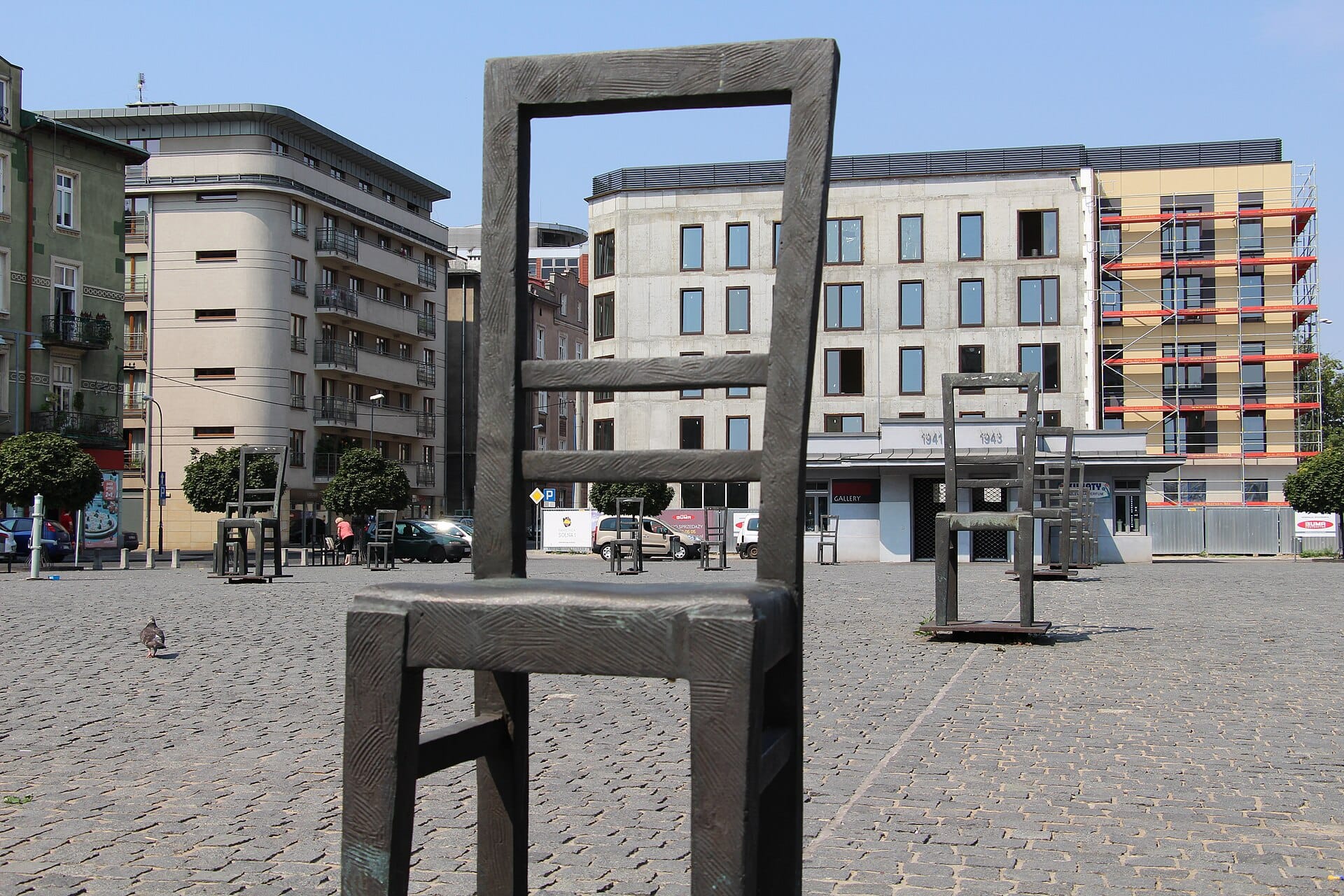
Most visitors who cross the Vistula into Podgórze head straight for Schindler's Factory and stop there. The surrounding area contains some of Kraków's most affecting and least-crowded historical sites, including a functioning pharmacy that operated inside the ghetto walls and an open-air memorial that stops most people in their tracks. The area also connects to Kraków's avant-garde cultural heritage in ways that feel surprising.
4. Spend Time at the Eerie Memorial of Ghetto Heroes Square
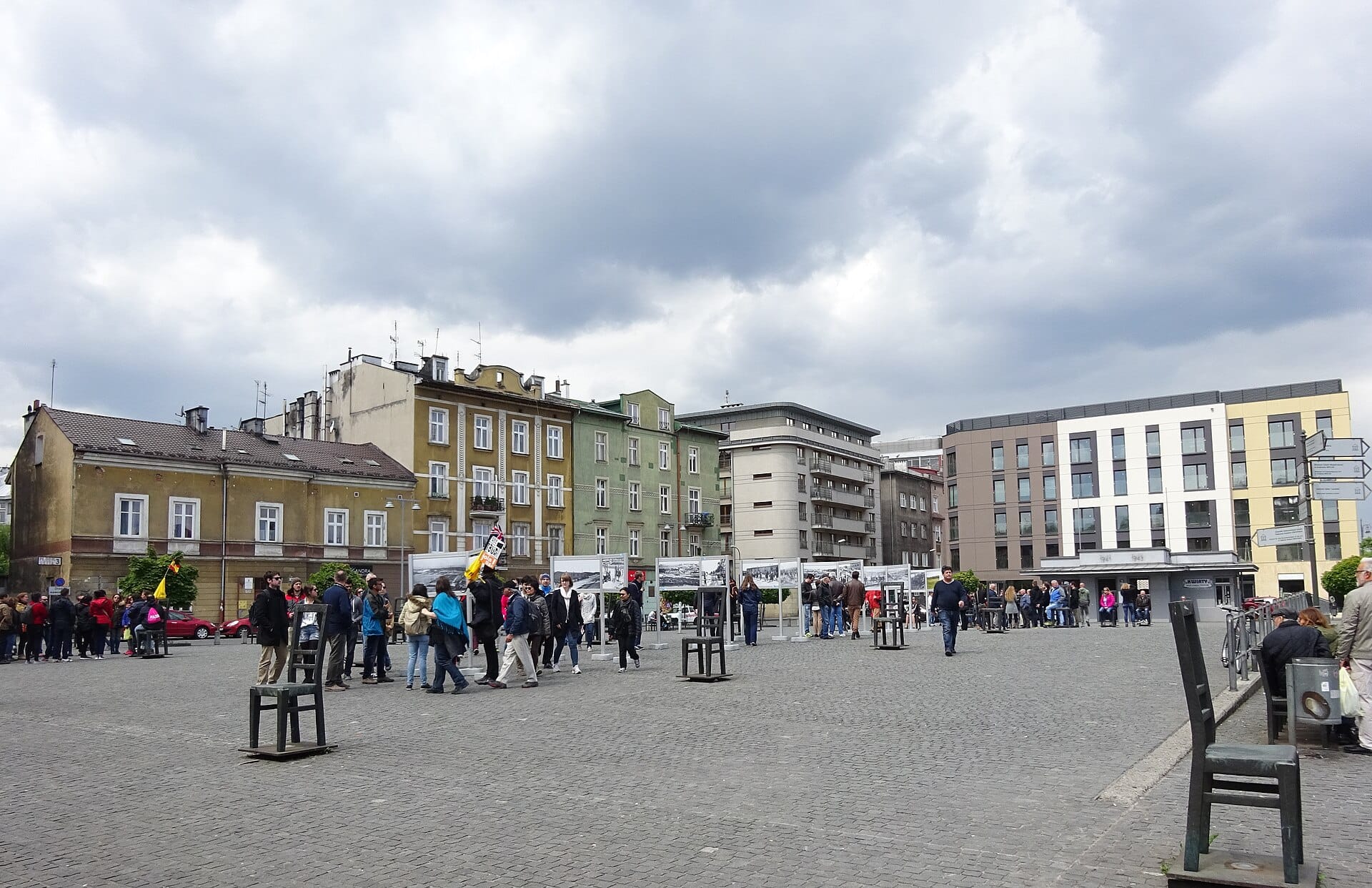
Seventy oversized iron chairs fill the square where thousands of Kraków's Jewish residents were assembled for deportation. The chairs represent those who left with nothing. No entrance fee, no queue. It is more affecting than many enclosed museums and takes around 20 quiet minutes.
Explore4. Spend Time at the Eerie Memorial of Ghetto Heroes Square
Seventy oversized iron chairs fill the square where thousands of Kraków's Jewish residents were assembled for deportation. The chairs represent those who left with nothing. No entrance fee, no queue. It is more affecting than many enclosed museums and takes around 20 quiet minutes.
Explore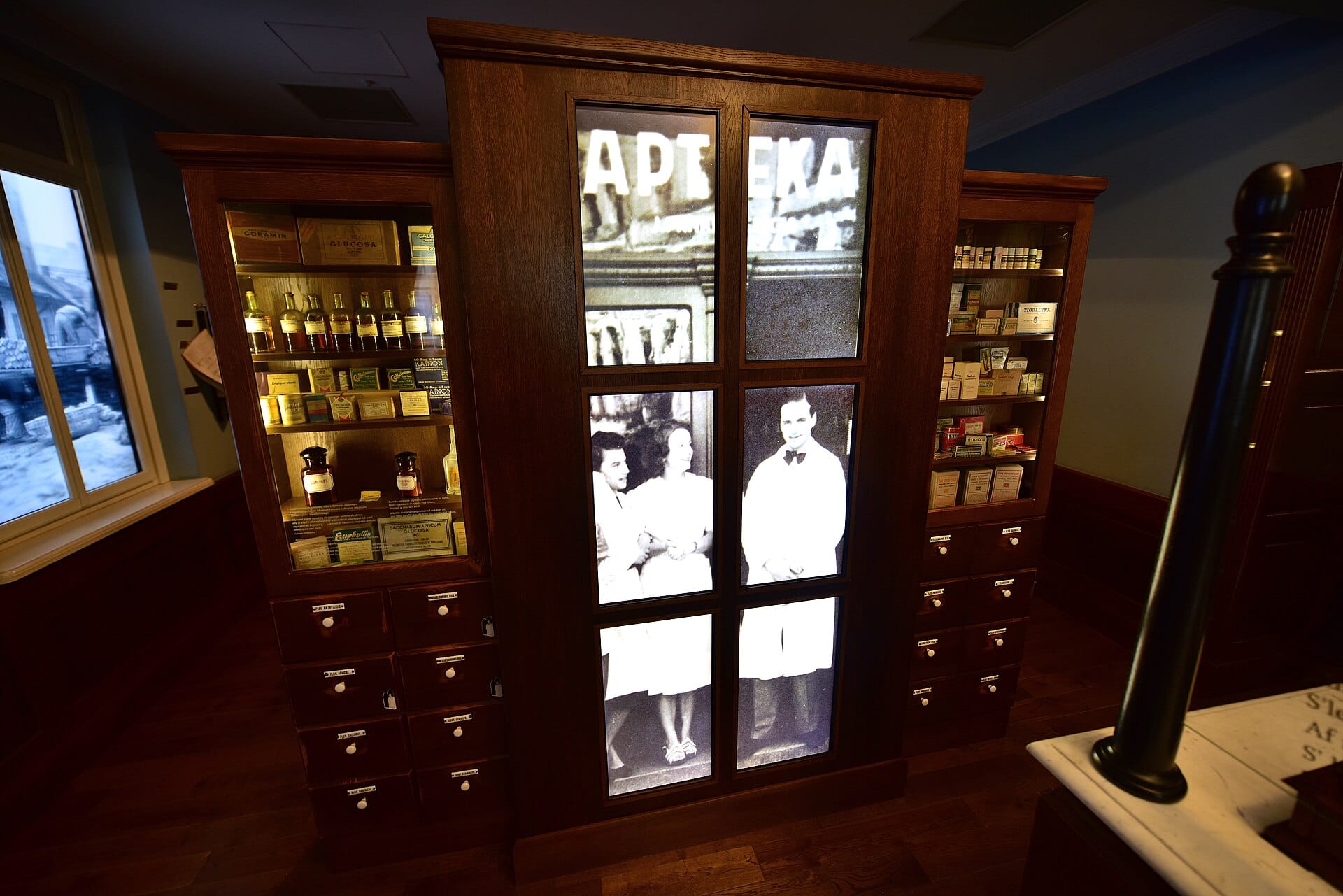
5. Visit the Pharmacy That Operated Inside the Kraków Ghetto
Tadeusz Pankiewicz ran this pharmacy on Plac Bohaterów Getta throughout the Nazi occupation, using it as a refuge and supply point for ghetto residents. It remains small, intimate, and far less visited than Schindler's Factory nearby. Budget around 45 minutes.
Explore5. Visit the Pharmacy That Operated Inside the Kraków Ghetto
Tadeusz Pankiewicz ran this pharmacy on Plac Bohaterów Getta throughout the Nazi occupation, using it as a refuge and supply point for ghetto residents. It remains small, intimate, and far less visited than Schindler's Factory nearby. Budget around 45 minutes.
Explore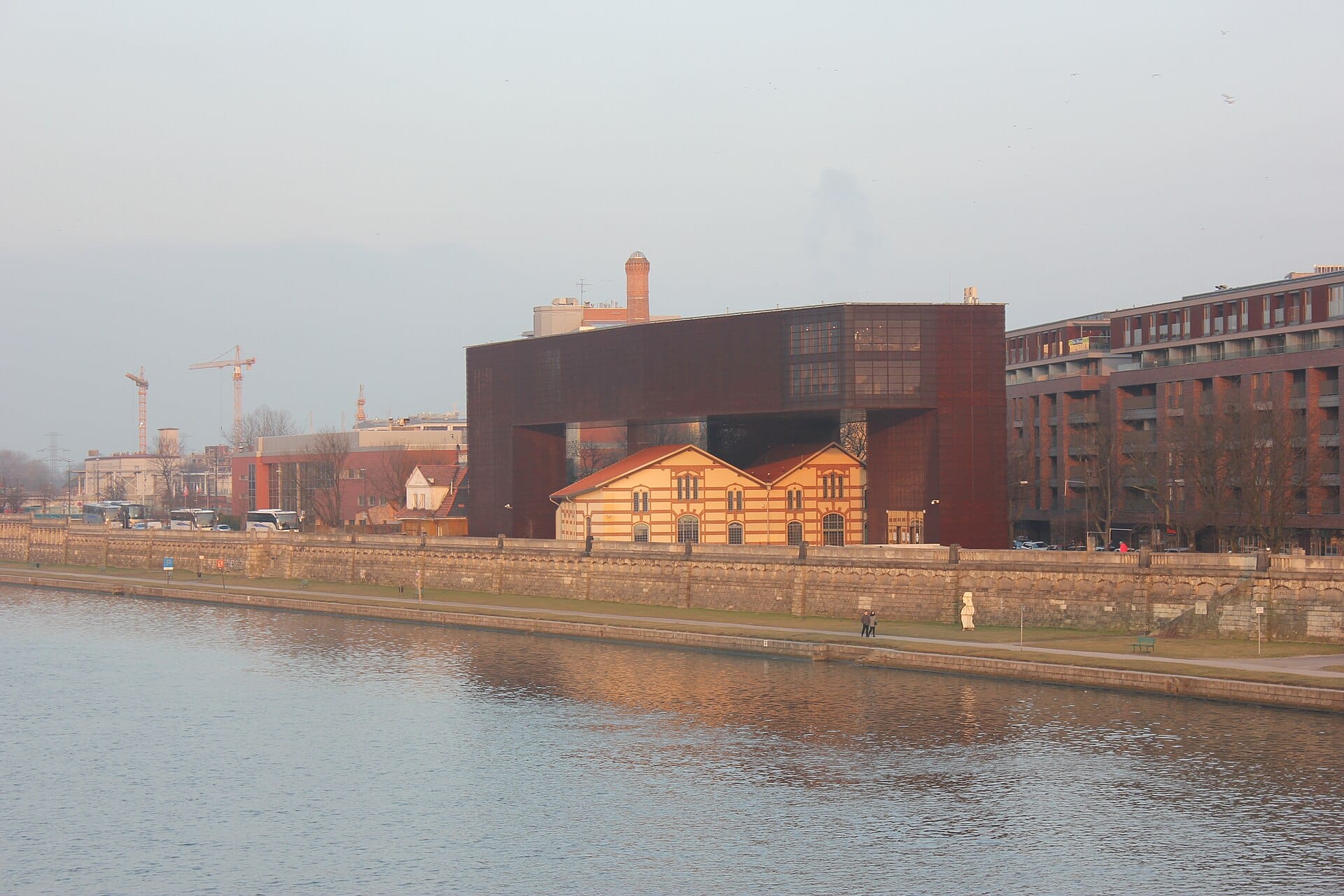
6. Discover Avant-Garde Theatre at the Cricoteka
This angular contemporary building on the Vistula riverbank houses the archive and museum of Tadeusz Kantor, one of the 20th century's most radical theatre directors. Most visitors have never heard of it. The architecture alone is worth crossing the river for.
Explore6. Discover Avant-Garde Theatre at the Cricoteka
This angular contemporary building on the Vistula riverbank houses the archive and museum of Tadeusz Kantor, one of the 20th century's most radical theatre directors. Most visitors have never heard of it. The architecture alone is worth crossing the river for.
Explore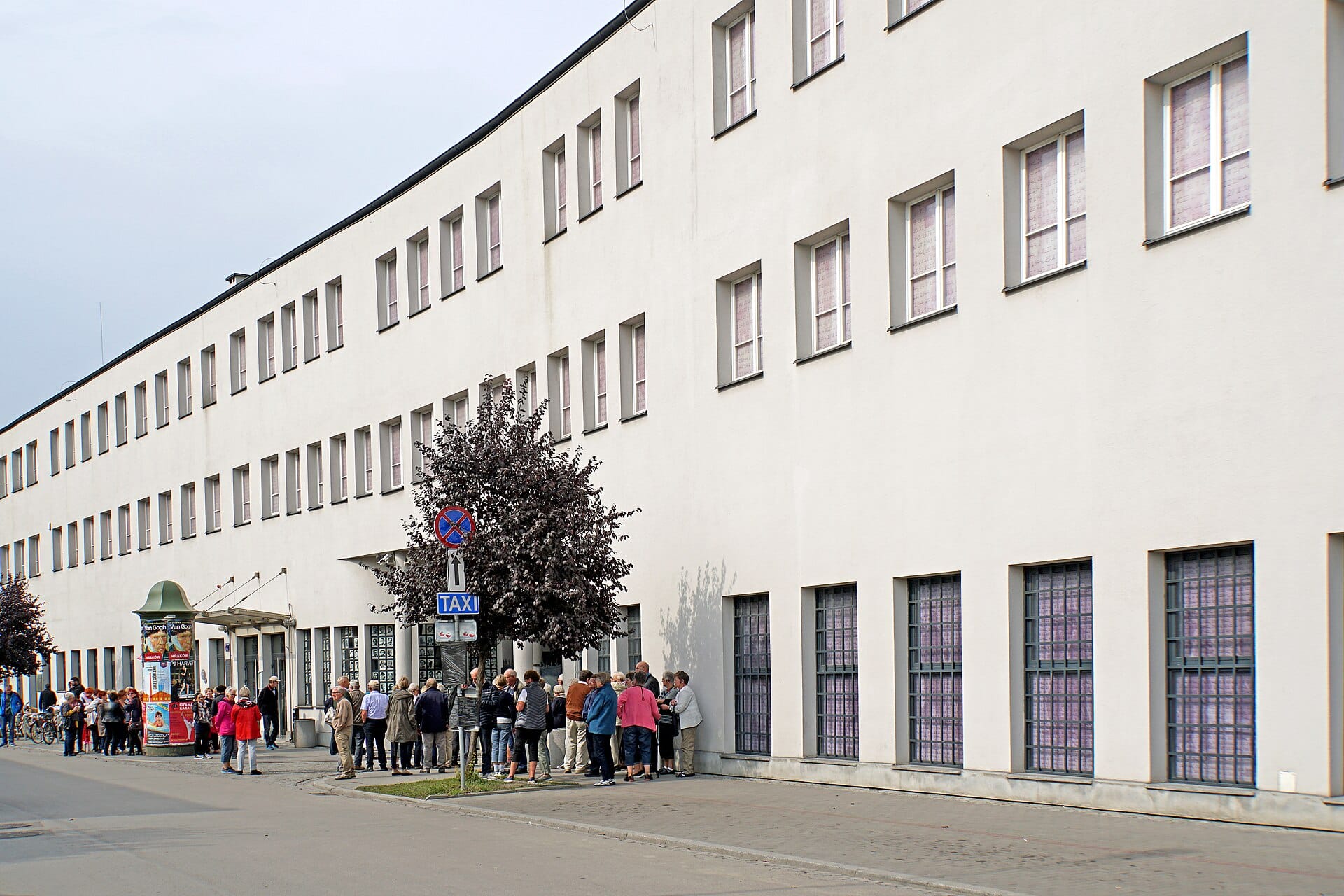
7. Go Beyond the Queue at Schindler's Factory
Yes, it appears on every itinerary, but most visitors rush through. The factory's immersive multimedia approach to the Nazi occupation of Kraków rewards a slow, full visit of at least two hours. Book tickets online well in advance as same-day entry is rarely available.
Explore7. Go Beyond the Queue at Schindler's Factory
Yes, it appears on every itinerary, but most visitors rush through. The factory's immersive multimedia approach to the Nazi occupation of Kraków rewards a slow, full visit of at least two hours. Book tickets online well in advance as same-day entry is rarely available.
ExploreKazimierz's Quieter Side: Beyond the Main Synagogues
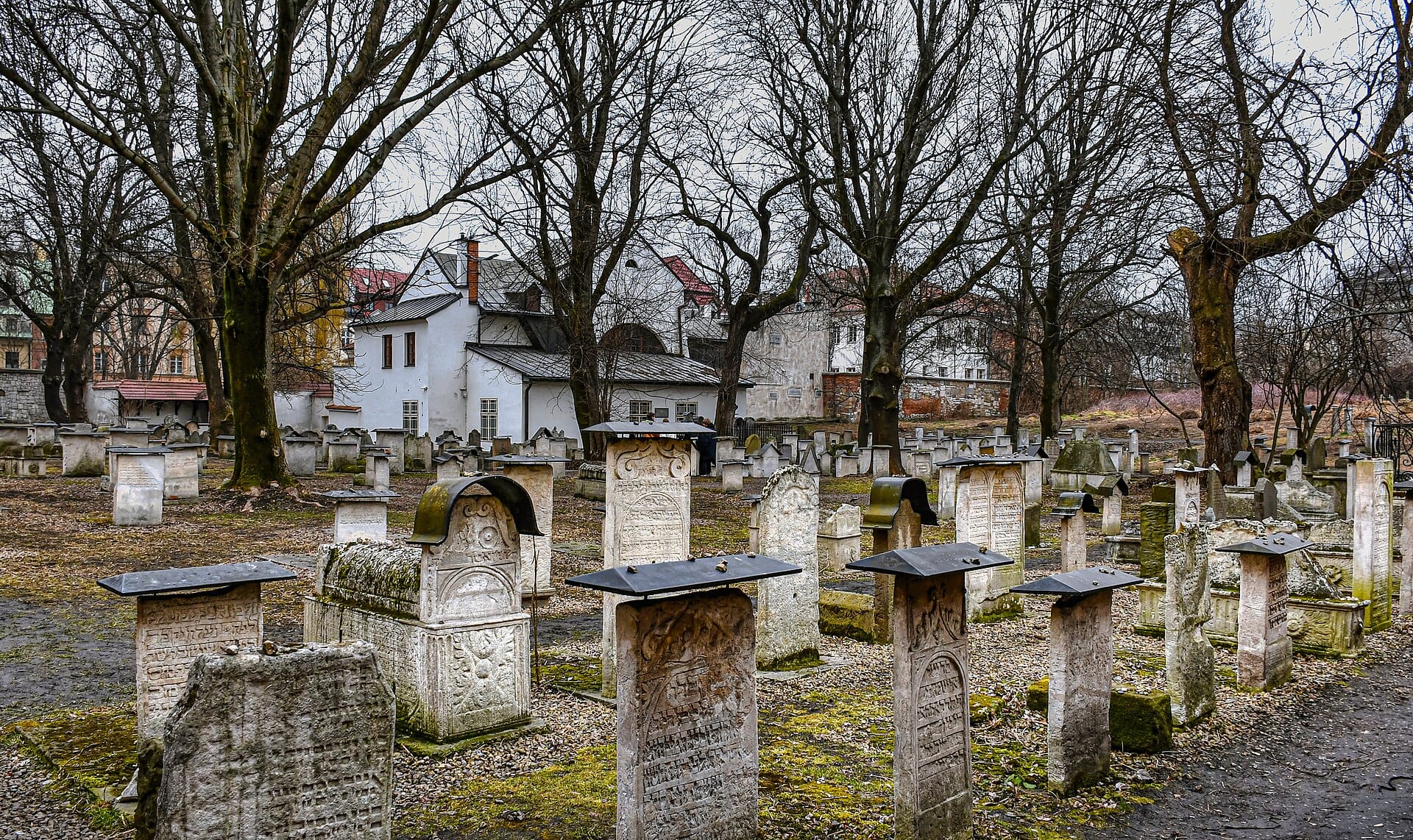
Kazimierz gets a lot of attention, and rightly so, but most visitors cluster around the Old Synagogue and Plac Nowy. The district has quieter corners worth seeking out: a 19th-century cemetery that survived the war largely intact, a museum dedicated to folk culture, and a photography-led institution that approaches Jewish heritage in a way that feels contemporary. For context on the area, the Kazimierz Jewish Quarter guide is a useful companion.
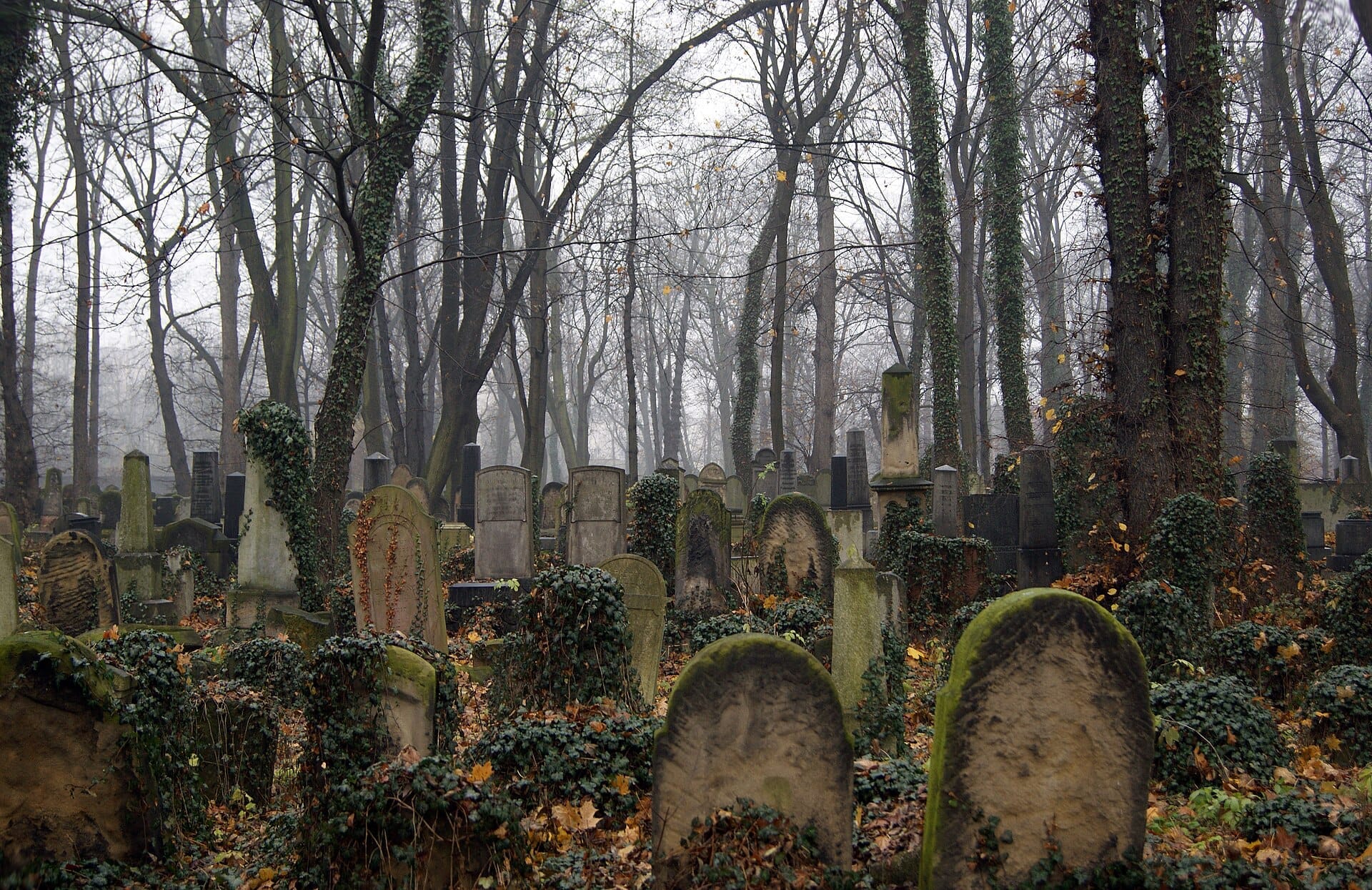
8. Walk the New Jewish Cemetery on Miodowa Street
One of the few Jewish cemeteries in Poland to survive WWII with most of its tombstones intact, this 19th-century cemetery on Miodowa Street is large, largely unvisited, and moving. Allow 45 minutes to walk the main paths. A head covering is respectful for men.
Explore8. Walk the New Jewish Cemetery on Miodowa Street
One of the few Jewish cemeteries in Poland to survive WWII with most of its tombstones intact, this 19th-century cemetery on Miodowa Street is large, largely unvisited, and moving. Allow 45 minutes to walk the main paths. A head covering is respectful for men.
Explore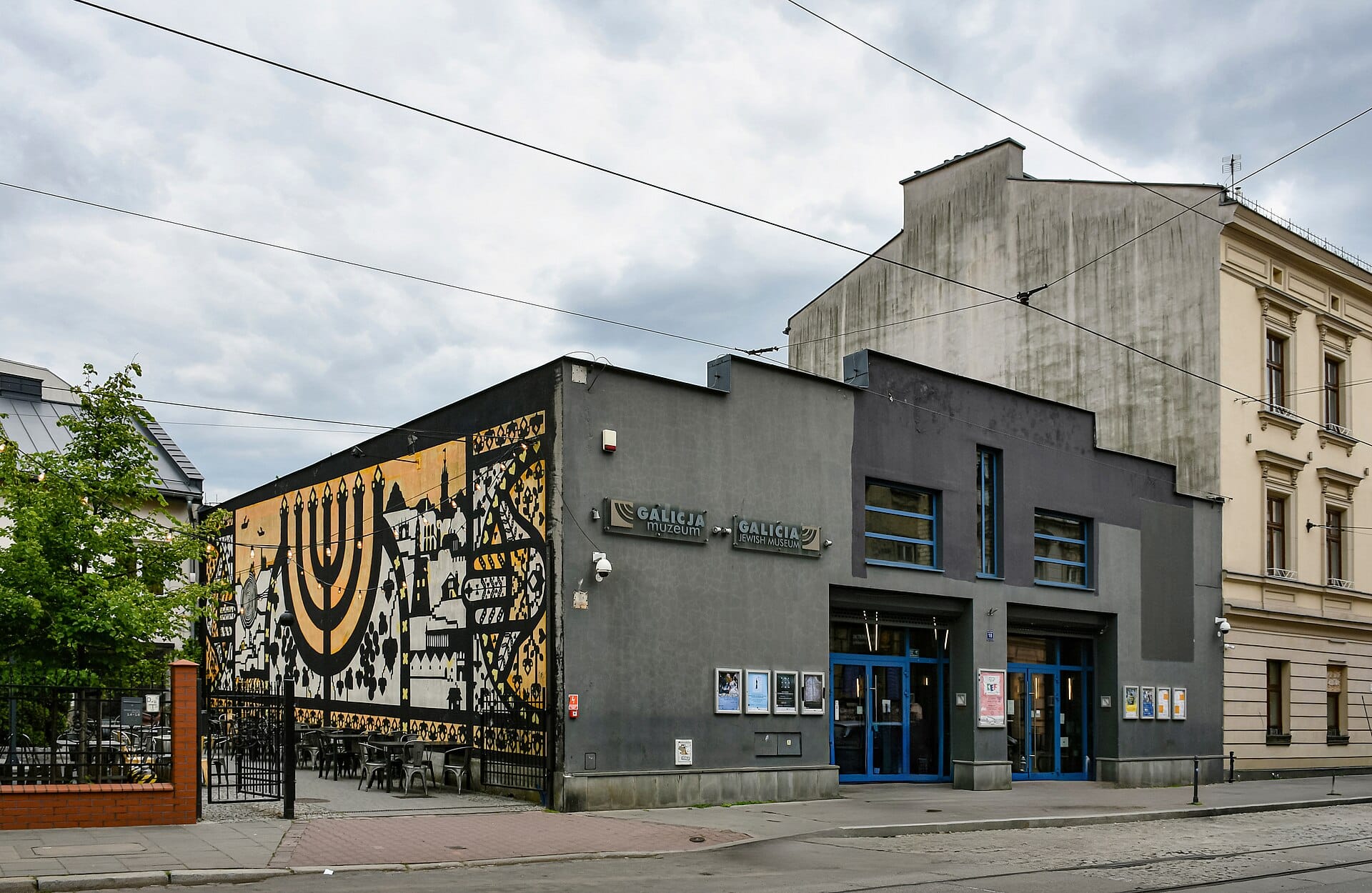
9. See Jewish Heritage Through a Different Lens at the Galicia Museum
Chris Schwarz's landmark photo exhibition documents traces of Jewish culture across the Galicia region through contemporary photography. It is a thoughtful, non-conventional approach that avoids the museum-of-suffering format. Small, well-curated, and rarely crowded.
Explore9. See Jewish Heritage Through a Different Lens at the Galicia Museum
Chris Schwarz's landmark photo exhibition documents traces of Jewish culture across the Galicia region through contemporary photography. It is a thoughtful, non-conventional approach that avoids the museum-of-suffering format. Small, well-curated, and rarely crowded.
Explore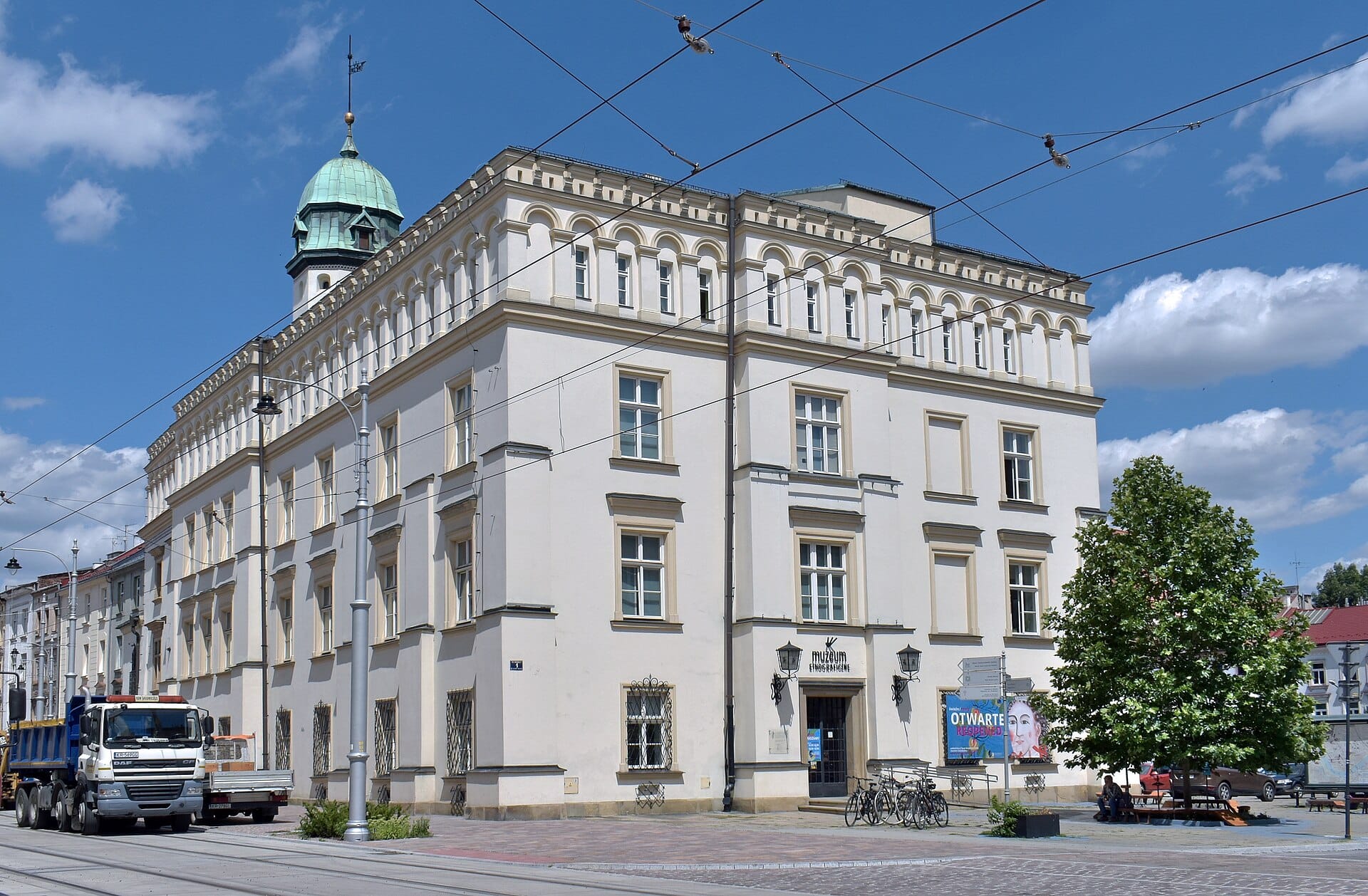
10. Explore Polish Folk Culture at the Ethnographic Museum
Housed in a former town hall in Kazimierz, this museum covers traditional Małopolska crafts, costumes, and rural life with an extensive permanent collection. It receives a fraction of the footfall of the Jewish heritage sites nearby, making it a calm and absorbing alternative.
Explore10. Explore Polish Folk Culture at the Ethnographic Museum
Housed in a former town hall in Kazimierz, this museum covers traditional Małopolska crafts, costumes, and rural life with an extensive permanent collection. It receives a fraction of the footfall of the Jewish heritage sites nearby, making it a calm and absorbing alternative.
Explore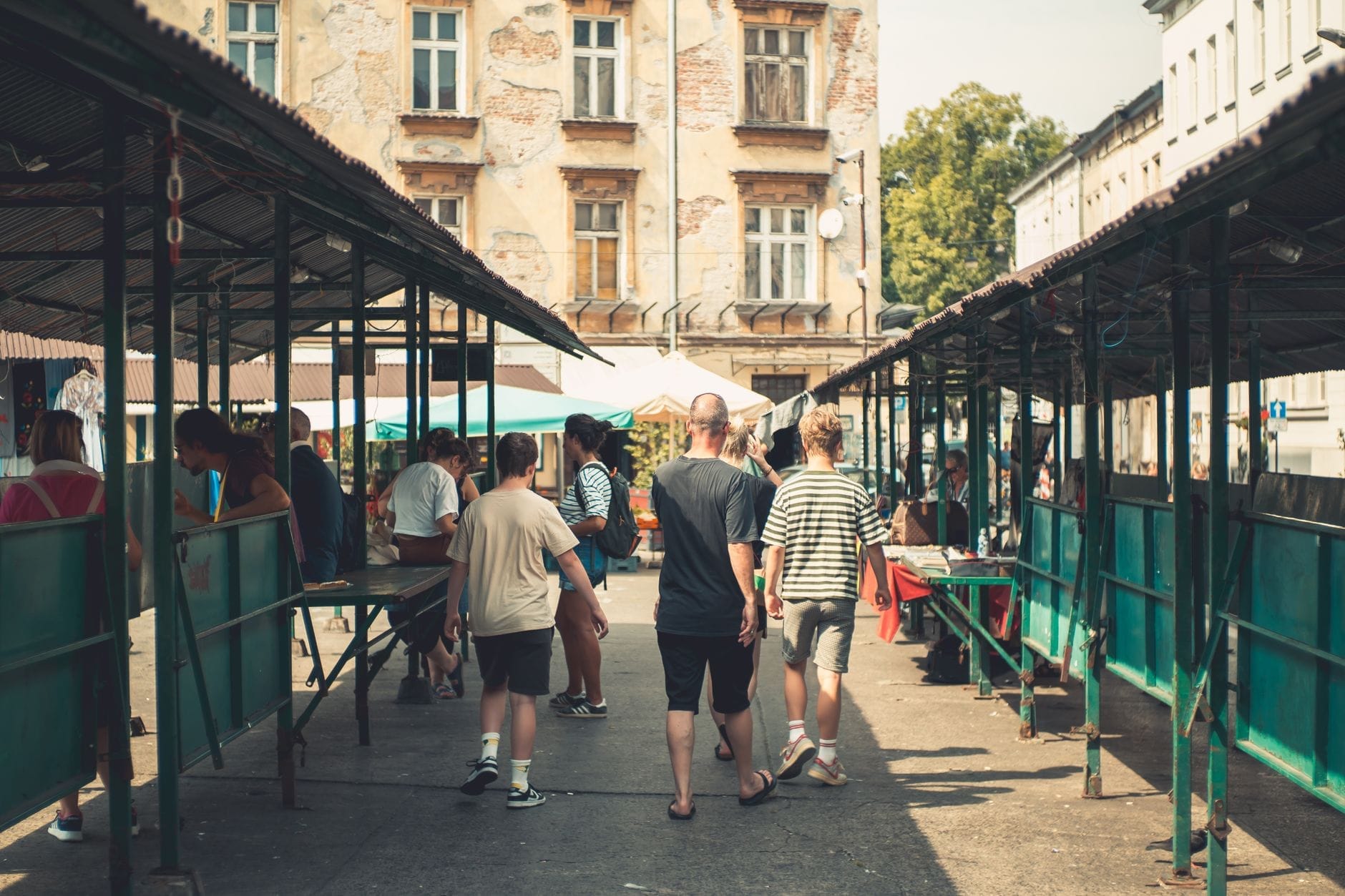
11. Eat a Zapiekanka at Plac Nowy Like a Local
The circular market rotunda at Plac Nowy is the source of Kraków's cult open-faced baguette, the zapiekanka. Join the short queue, pay a few złoty, and eat standing up. Early evenings, the square transforms into the social centre of the neighbourhood's bar scene.
Explore11. Eat a Zapiekanka at Plac Nowy Like a Local
The circular market rotunda at Plac Nowy is the source of Kraków's cult open-faced baguette, the zapiekanka. Join the short queue, pay a few złoty, and eat standing up. Early evenings, the square transforms into the social centre of the neighbourhood's bar scene.
ExploreOld Town Underbelly: Lesser-Known Museums and Courtyards
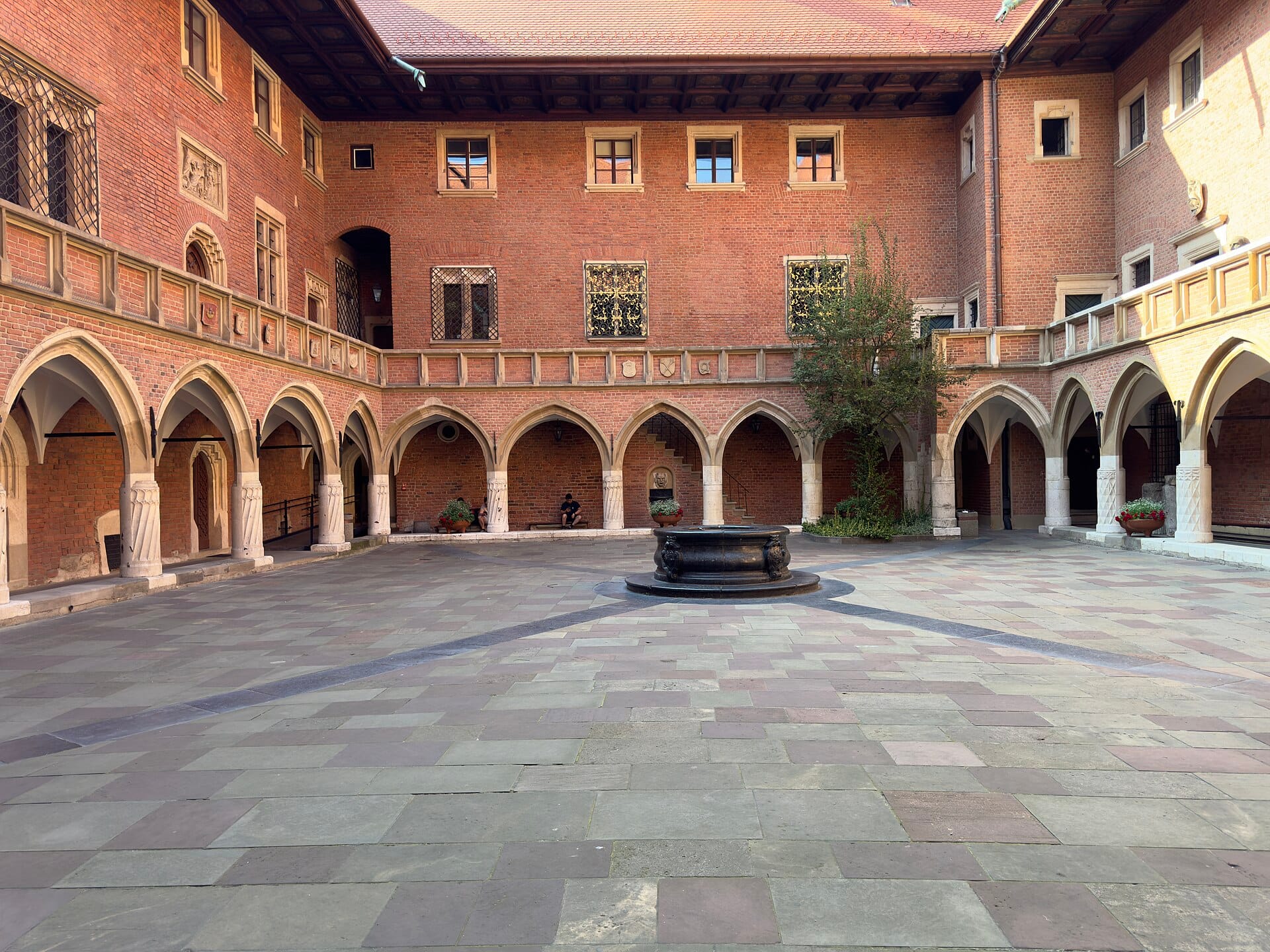
The Old Town's famous sights draw millions of visitors, but several institutions within the same few blocks operate in relative quiet. The Collegium Maius courtyard is one of the most beautiful spaces in Kraków and most people walk past it without going in. The stained glass workshop of Stanisław Wyspiański and the subterranean archaeology beneath Rynek Główny are similarly easy to miss. See the best museums in Kraków guide for a fuller breakdown of what is worth your time.
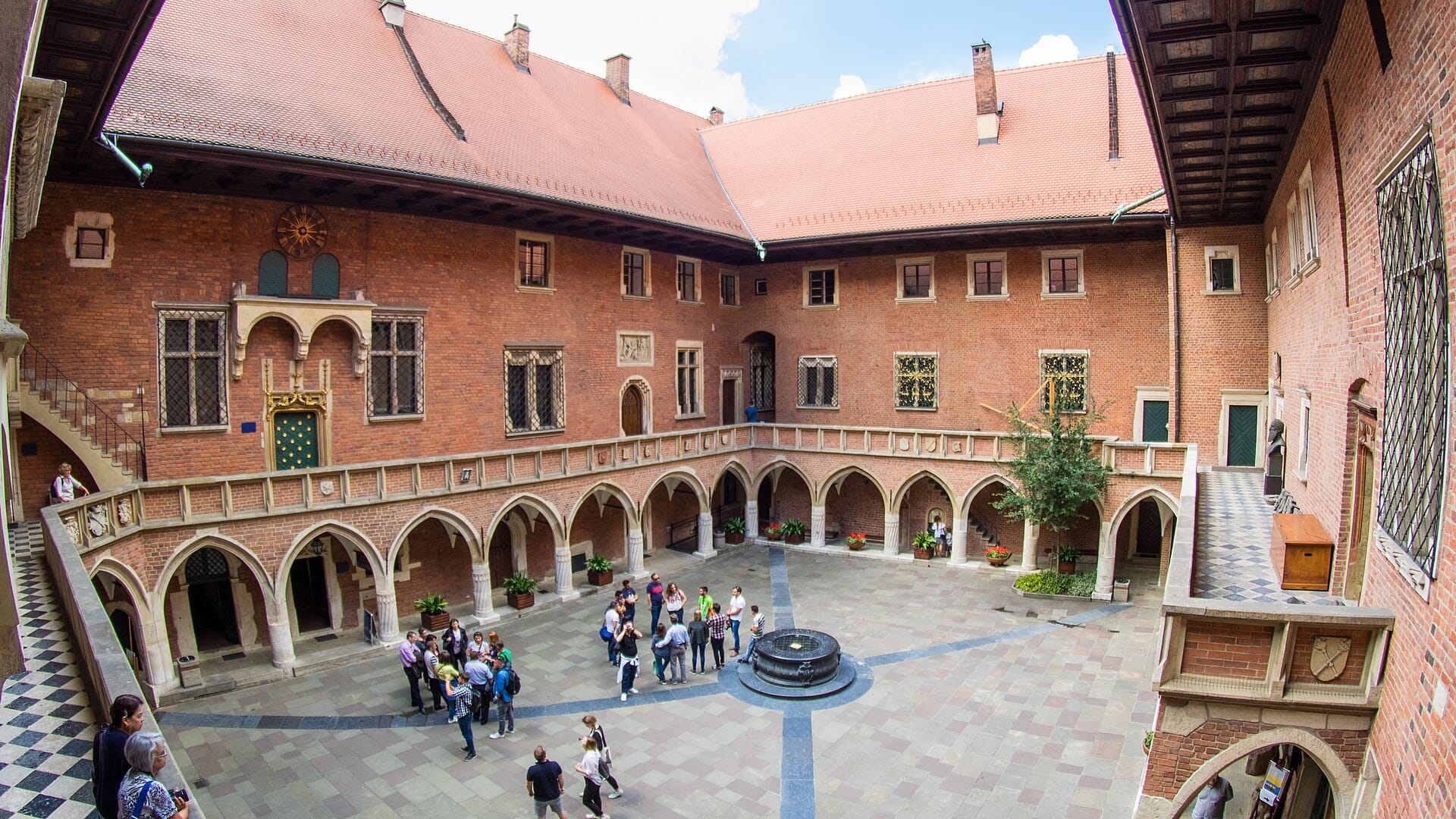
12. Step Inside the Gothic Courtyard of Collegium Maius
The oldest building of the Jagiellonian University conceals a stunning arcaded courtyard that most visitors to the Old Town never enter. The museum inside holds original scientific instruments and royal gifts; the courtyard itself is free to admire during opening hours.
Explore12. Step Inside the Gothic Courtyard of Collegium Maius
The oldest building of the Jagiellonian University conceals a stunning arcaded courtyard that most visitors to the Old Town never enter. The museum inside holds original scientific instruments and royal gifts; the courtyard itself is free to admire during opening hours.
Explore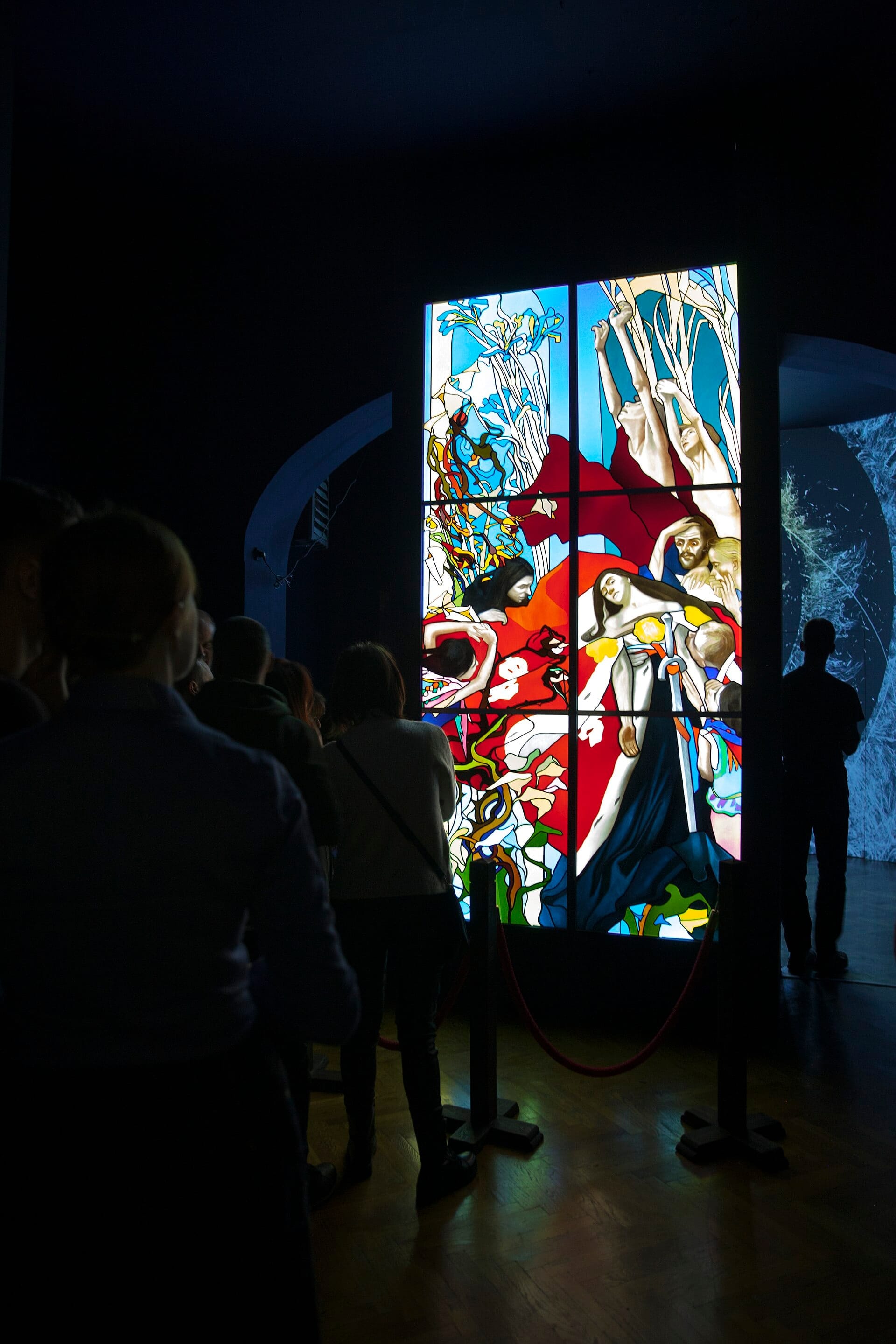
13. Visit the Workshop Where Wyspiański Made His Art Nouveau Designs
The historic studio behind Kraków's extraordinary Art Nouveau stained glass tradition is now a small museum dedicated to Stanisław Wyspiański's work and the craft itself. It draws far fewer visitors than the Czartoryski or National Museum and offers a specialist experience.
Explore13. Visit the Workshop Where Wyspiański Made His Art Nouveau Designs
The historic studio behind Kraków's extraordinary Art Nouveau stained glass tradition is now a small museum dedicated to Stanisław Wyspiański's work and the craft itself. It draws far fewer visitors than the Czartoryski or National Museum and offers a specialist experience.
Explore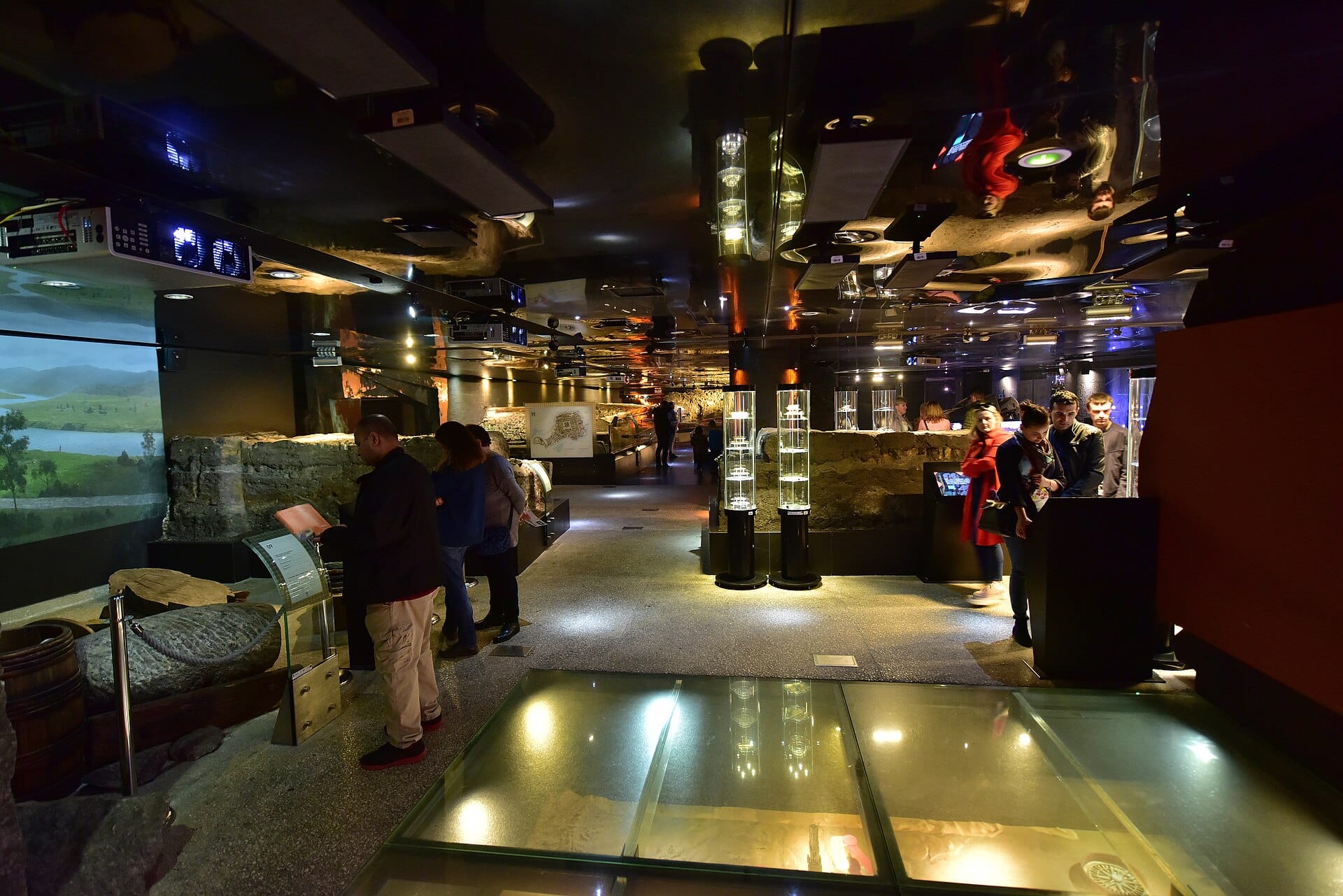
14. Descend Below Rynek Główny at the Underground Museum
Excavations beneath the Main Square uncovered a thousand years of Kraków's history. The multimedia displays are among the best in Poland. Book tickets in advance as capacity is limited; morning visits on weekdays are the least crowded. Allow 90 minutes underground.
Explore14. Descend Below Rynek Główny at the Underground Museum
Excavations beneath the Main Square uncovered a thousand years of Kraków's history. The multimedia displays are among the best in Poland. Book tickets in advance as capacity is limited; morning visits on weekdays are the least crowded. Allow 90 minutes underground.
Explore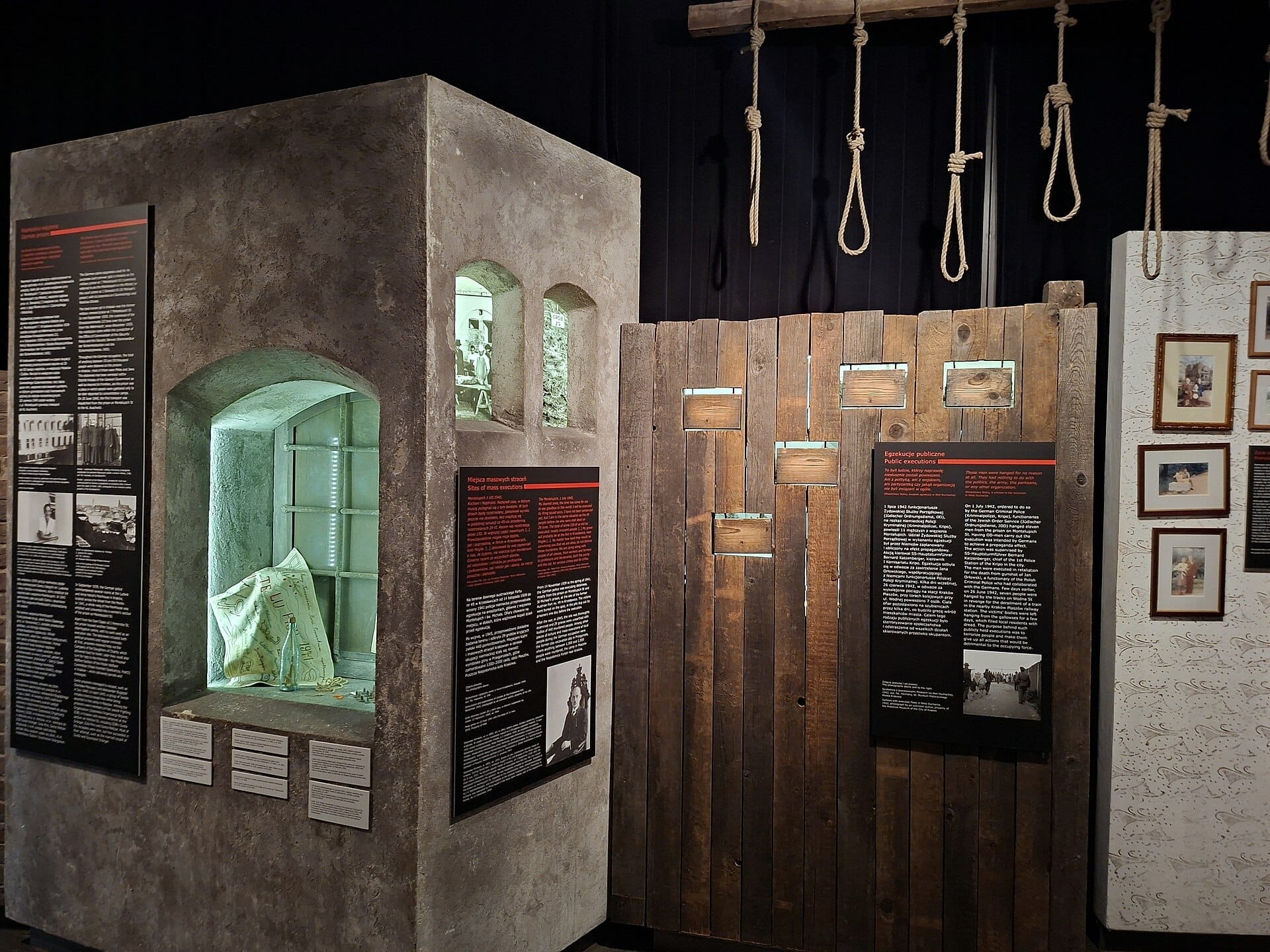
15. Find the City's Story Inside Krzysztofory Palace
The Historical Museum's main branch occupies a Baroque palace directly on Rynek Główny, yet most visitors walk past without realising it is a museum at all. Exhibitions trace Kraków from its medieval founding through to the 20th century with well-presented, chronological rooms.
Explore15. Find the City's Story Inside Krzysztofory Palace
The Historical Museum's main branch occupies a Baroque palace directly on Rynek Główny, yet most visitors walk past without realising it is a museum at all. Exhibitions trace Kraków from its medieval founding through to the 20th century with well-presented, chronological rooms.
ExploreMarkets, Parks, and Local Life
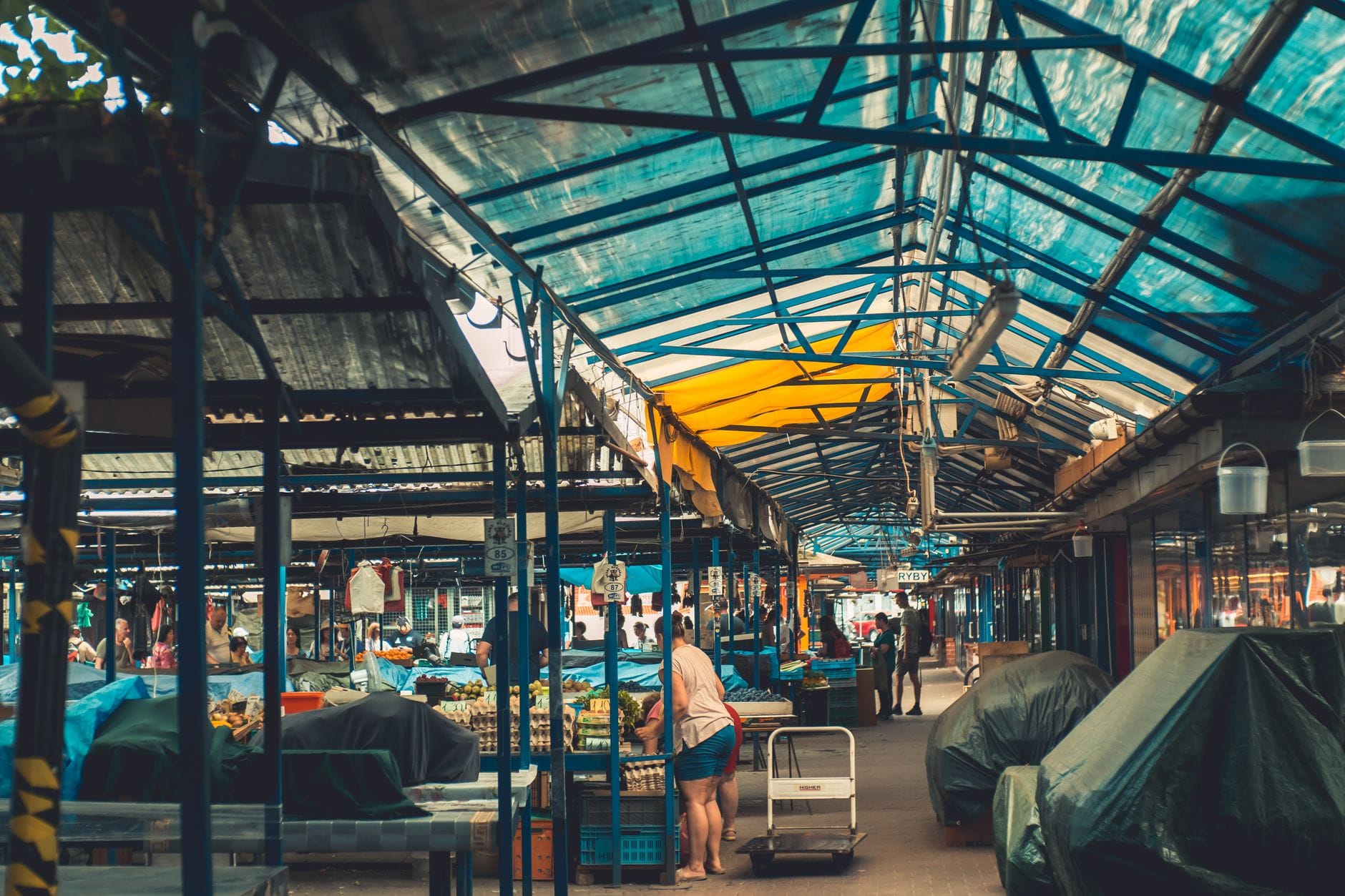
Some of the best off-the-beaten-path experiences in Kraków have nothing to do with museums or monuments. The city's oldest market has been running since the 12th century just north of the Old Town, and the botanical garden behind it offers one of the quietest green escapes in the centre. These are places where residents actually spend time, not spaces curated for tourism.
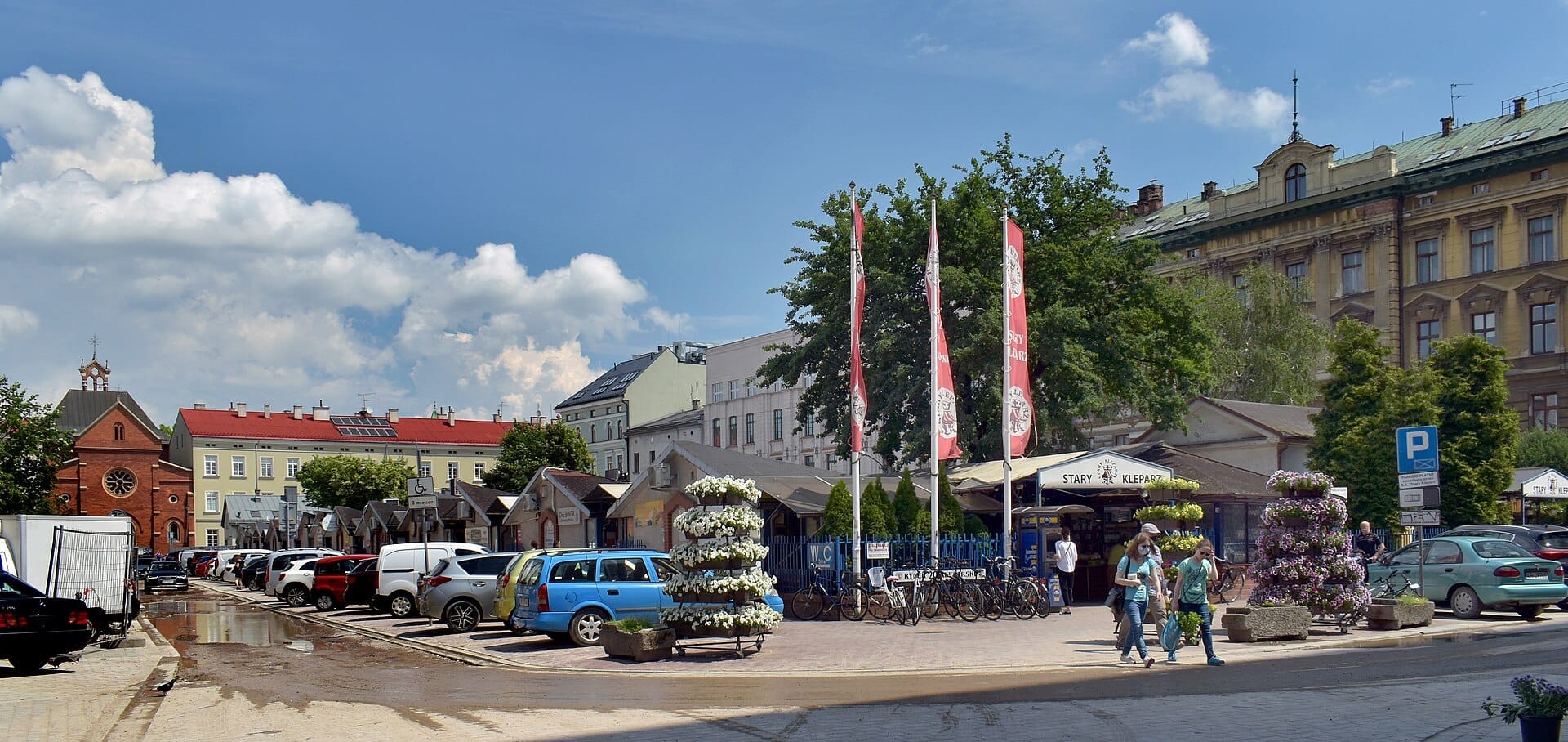
16. Shop for Produce at Kraków's Oldest Market
Operating since the 12th century just north of the Old Town, Stary Kleparz is where locals buy vegetables, flowers, cheeses, and cured meats. Entry is free. Go on a weekday morning to see it at full volume. It is a complete contrast to the tourist-facing Cloth Hall market stalls.
Explore16. Shop for Produce at Kraków's Oldest Market
Operating since the 12th century just north of the Old Town, Stary Kleparz is where locals buy vegetables, flowers, cheeses, and cured meats. Entry is free. Go on a weekday morning to see it at full volume. It is a complete contrast to the tourist-facing Cloth Hall market stalls.
Explore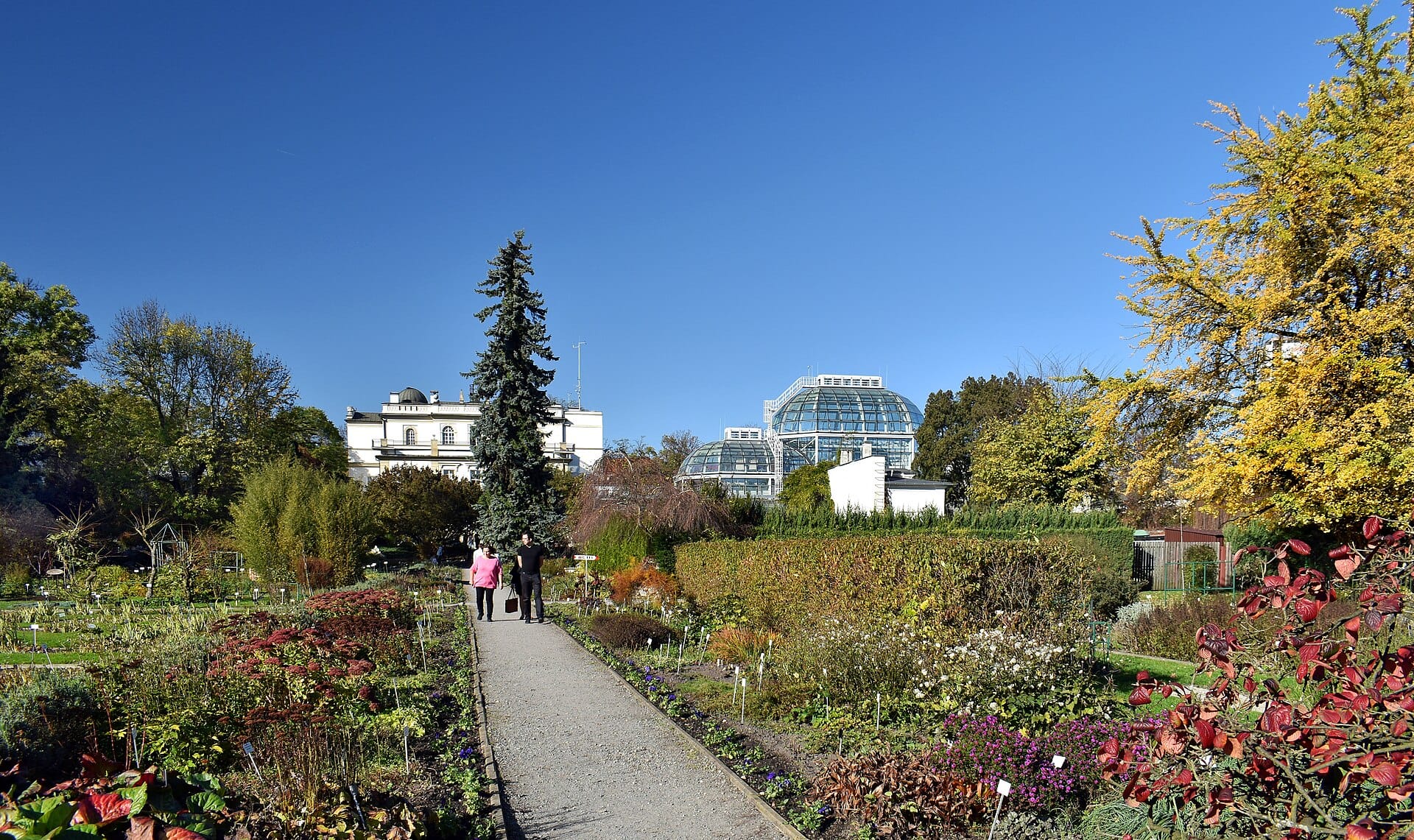
17. Find Quiet in the Jagiellonian University Botanical Garden
Founded in 1783, this compact garden near the Old Town is largely off most visitor itineraries. A rose garden, Victorian glasshouses, and a small pond make it a genuine retreat. Entry costs a few złoty. Spring and early summer are the best times for flowering displays.
Explore17. Find Quiet in the Jagiellonian University Botanical Garden
Founded in 1783, this compact garden near the Old Town is largely off most visitor itineraries. A rose garden, Victorian glasshouses, and a small pond make it a genuine retreat. Entry costs a few złoty. Spring and early summer are the best times for flowering displays.
Explore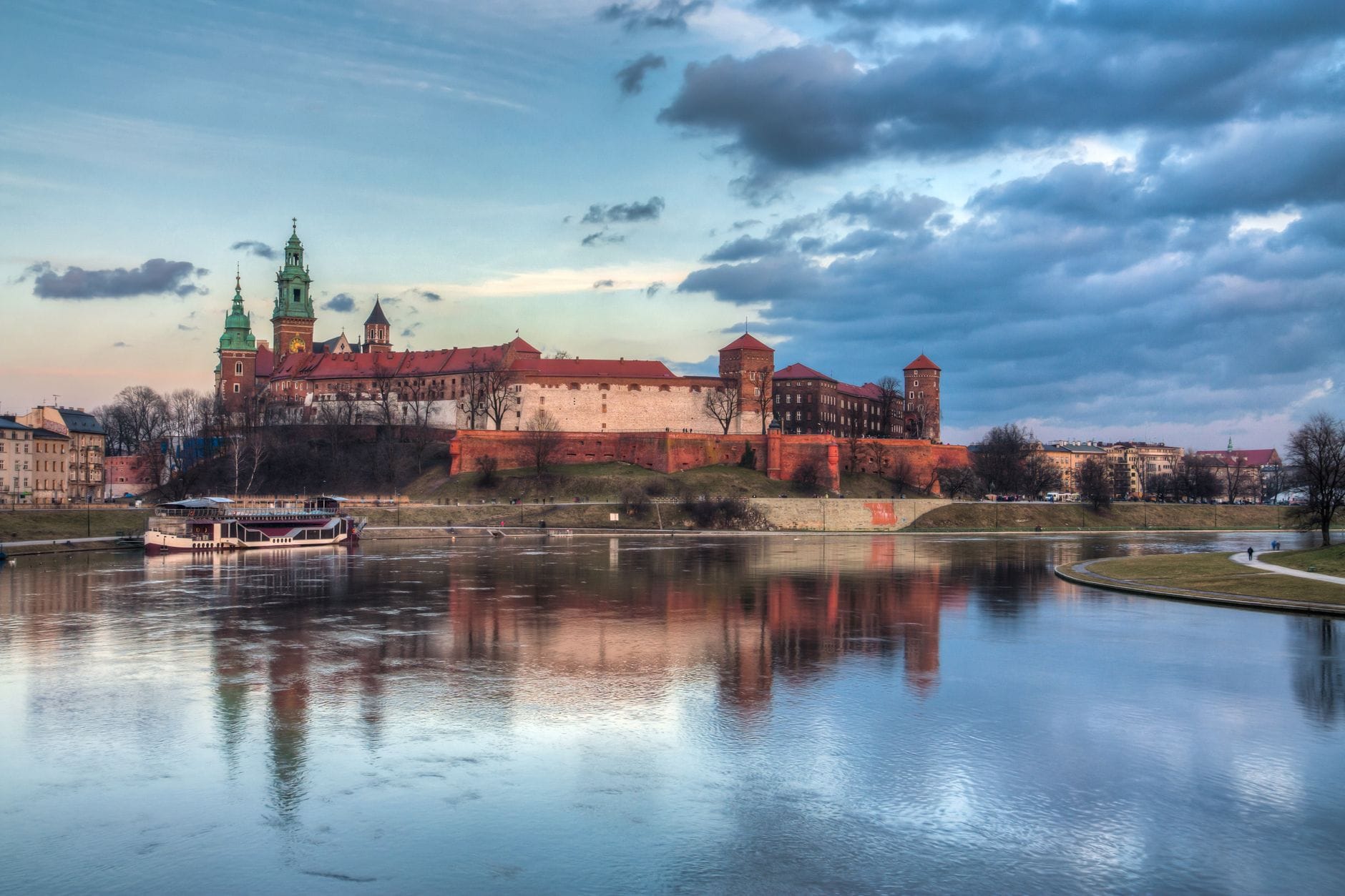
18. Join the Locals on the Vistula Riverbank on a Summer Evening
Below Wawel Hill, the Bulwary Wiślane embankment comes alive from late spring with food trucks, outdoor bars, and kayak rentals. It is entirely local in character and almost entirely absent from tourist itineraries. Cycle hire is available along the path. Free to walk anytime.
Explore18. Join the Locals on the Vistula Riverbank on a Summer Evening
Below Wawel Hill, the Bulwary Wiślane embankment comes alive from late spring with food trucks, outdoor bars, and kayak rentals. It is entirely local in character and almost entirely absent from tourist itineraries. Cycle hire is available along the path. Free to walk anytime.
ExploreOut of the City: Day Trips Locals Actually Do
The standard day trips from Kraków, such as Wieliczka Salt Mine and Auschwitz, are popular for good reasons but draw enormous crowds. Within an hour of the city are alternatives that see a fraction of the footfall: a Benedictine monastery above the Vistula, a national park with limestone gorges, and mountain trails that feel remote. For a full breakdown of options, the day trips from Kraków guide covers distances, transport, and timing in detail.
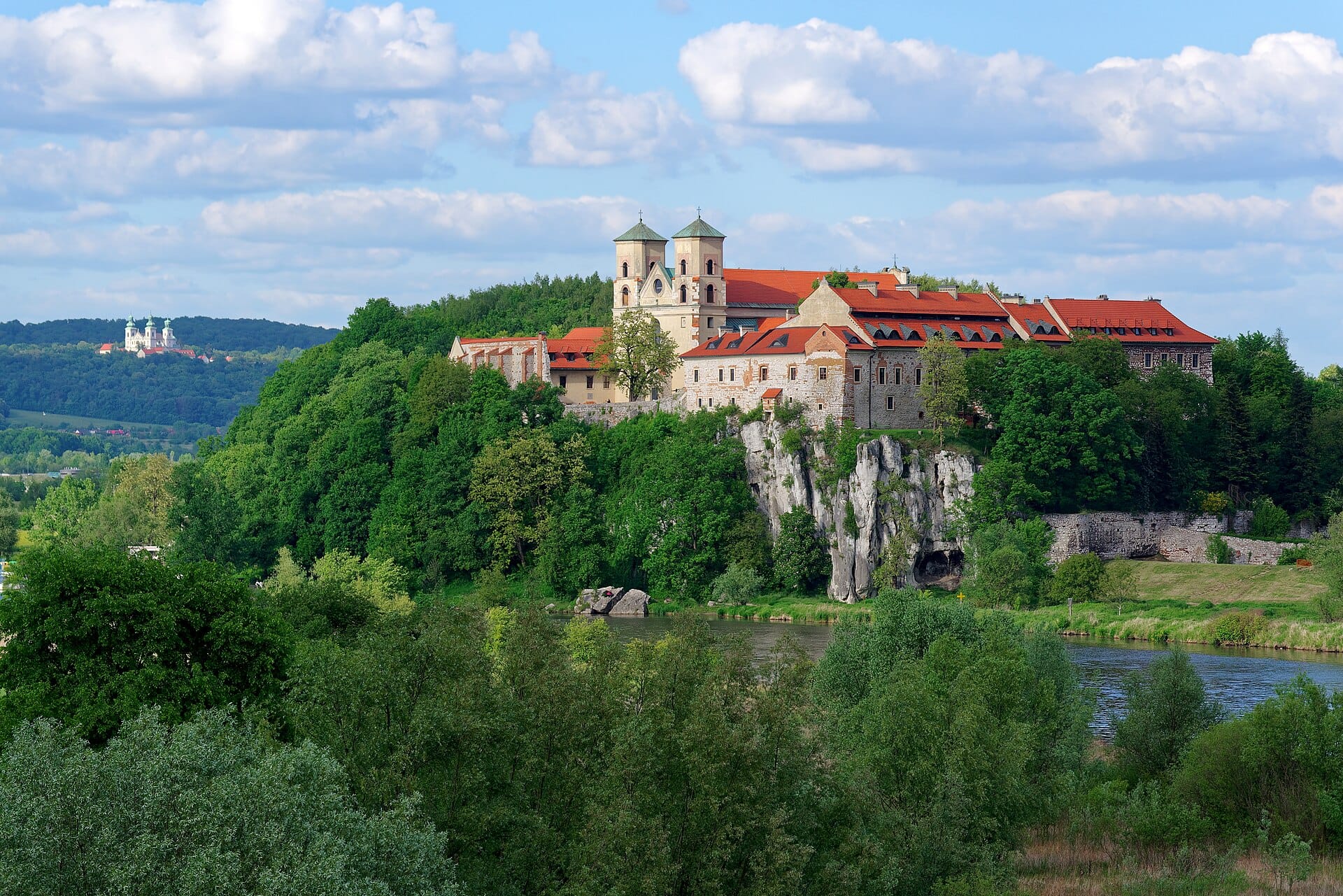
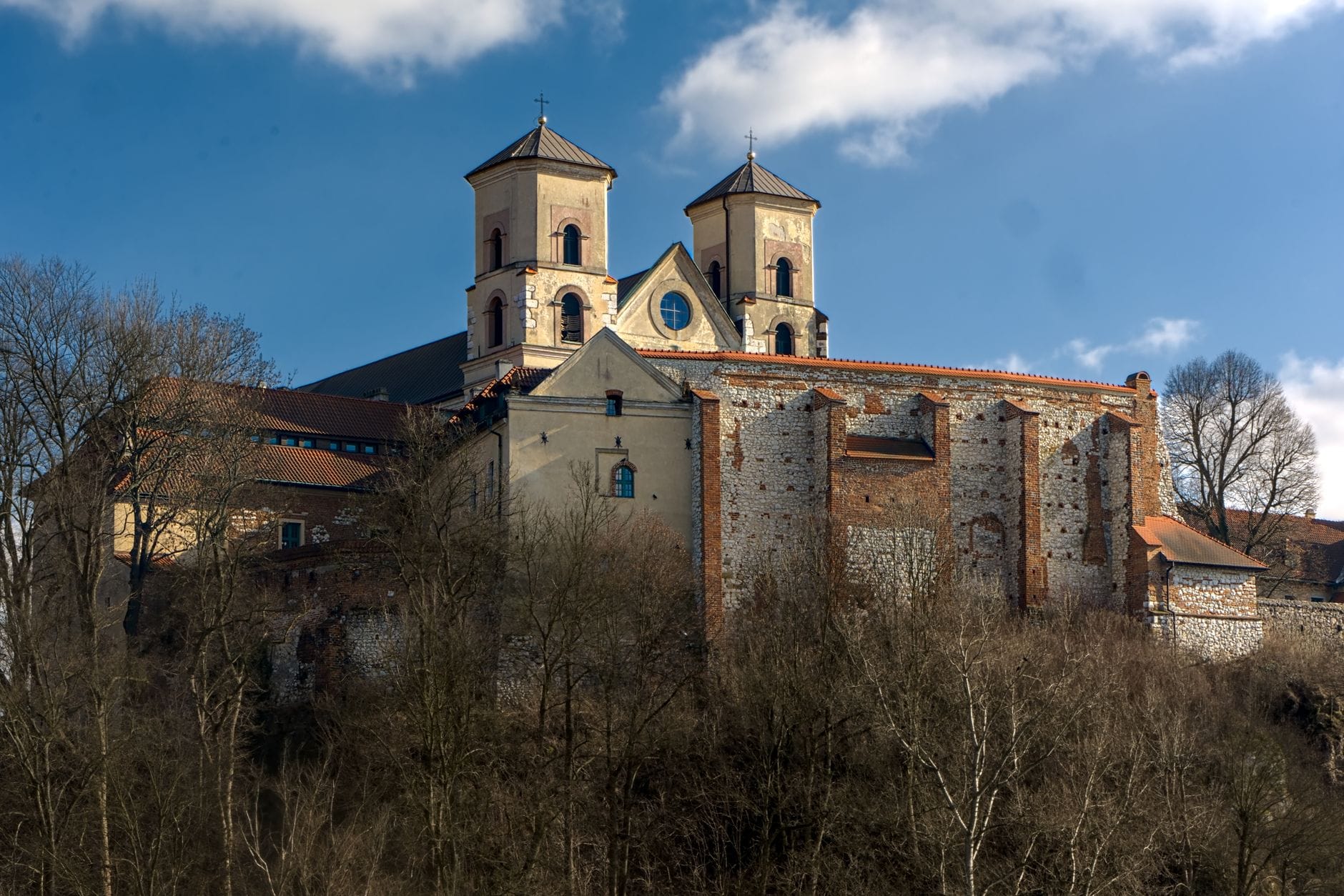
19. Climb to the Benedictine Monastery at Tyniec
Perched on a limestone cliff above the Vistula 12km from Kraków, this 11th-century abbey is among Poland's oldest. Bus 112 runs from the city centre. Grounds open from around 05:30; a small museum covers monastery history. The river views from the cliff edge are exceptional.
Explore19. Climb to the Benedictine Monastery at Tyniec
Perched on a limestone cliff above the Vistula 12km from Kraków, this 11th-century abbey is among Poland's oldest. Bus 112 runs from the city centre. Grounds open from around 05:30; a small museum covers monastery history. The river views from the cliff edge are exceptional.
Explore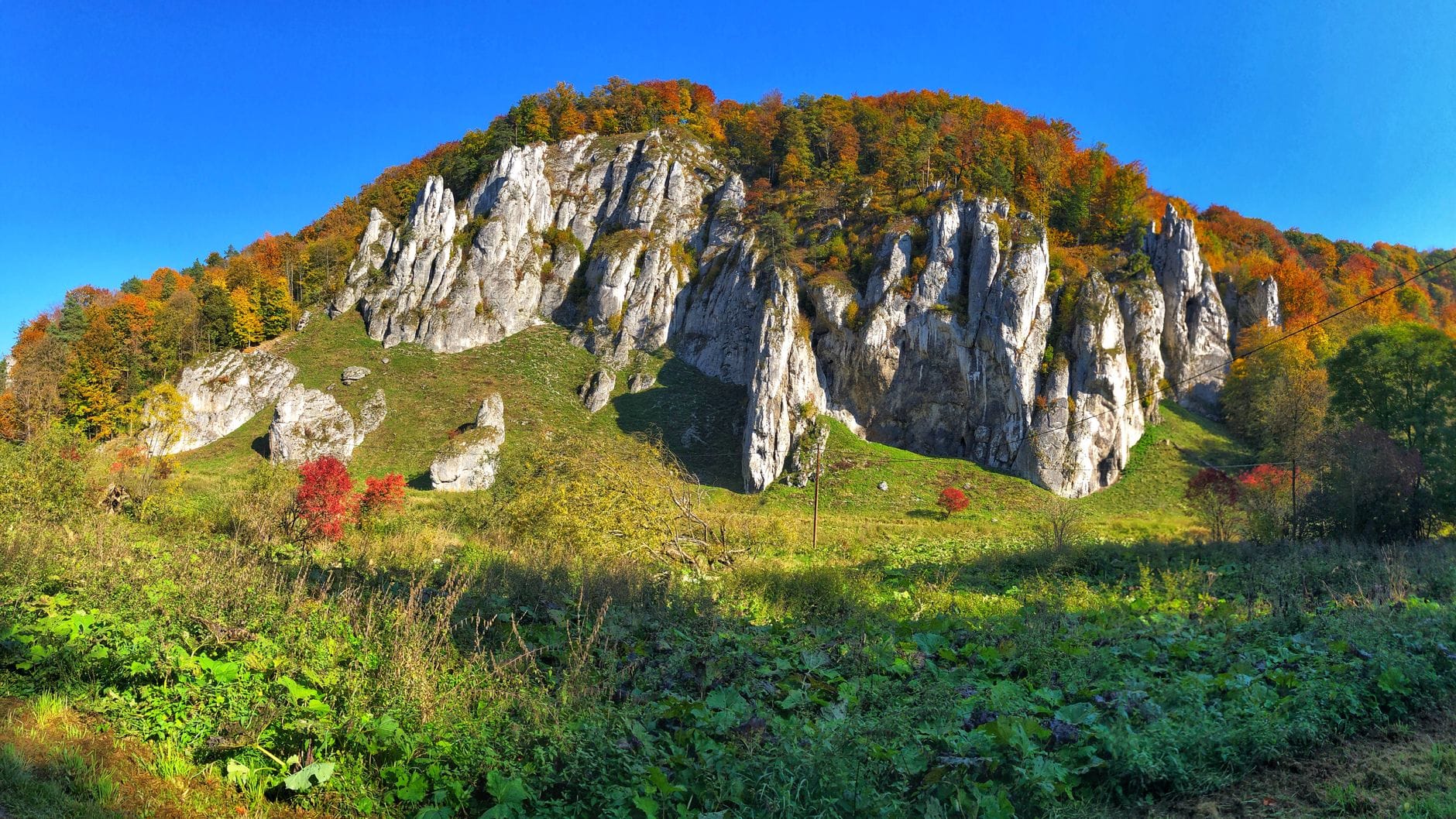
20. Hike the Limestone Gorges of Ojców National Park
Poland's smallest national park sits 25km north of Kraków and packs in dramatic gorges, cave entrances, medieval castle ruins, and wildflower meadows into a half-day trip. Buses run from the city. Trails are well-marked and accessible for most fitness levels. Entry to the park is free.
Explore20. Hike the Limestone Gorges of Ojców National Park
Poland's smallest national park sits 25km north of Kraków and packs in dramatic gorges, cave entrances, medieval castle ruins, and wildflower meadows into a half-day trip. Buses run from the city. Trails are well-marked and accessible for most fitness levels. Entry to the park is free.
Explore✨ Pro tip
For Tyniec Abbey, combine the journey with a Vistula River kayak or boat trip operated by local companies from near Wawel Hill. The approach by water is spectacular and takes around 90 minutes each way.
FAQ
What are the best free hidden gems in Kraków?
Ghetto Heroes Square, Stary Kleparz Market, the Vistula Riverbank, the Planty Park ring, and the exterior courtyards of the Collegium Maius are all free. Liban Quarry in Podgórze, the former film set for Schindler's List camp scenes, is technically unfenced in places but officially closed due to safety concerns, so access is at your own risk and visiting in daylight is strongly advised.
Is Nowa Huta worth visiting as a tourist?
Yes, especially if you have two or more days in Kraków. The socialist-realist architecture of Plac Centralny, the Lord's Ark Church, and the steelworks tours offer something different from the Old Town circuit. Trams from the city centre run directly there in around 25 minutes.
How do I get to Tyniec Abbey from Kraków?
Bus 112 runs from Kraków city centre to Tyniec and takes around 35–40 minutes. Alternatively, local boat and kayak operators offer river trips from near Wawel Hill. The abbey grounds open early in the morning and the monastery has a guesthouse if you want to stay overnight.
Are the hidden gems in Kraków suitable for a first-time visitor?
Most work well alongside the main sights rather than instead of them. If you have three or more days, you can cover Wawel and the Old Town on day one, Kazimierz and Podgórze on day two, and dedicate day three to Nowa Huta or a day trip to Ojców or Tyniec.
When is the best time to visit Kraków's off-the-beaten-path sites?
Late spring to early autumn (May to September) is best for outdoor sites like Ojców, Tyniec, the Vistula Riverbank, and Stary Kleparz Market. Indoor sites like the Cricoteka, Ethnographic Museum, and Nowa Huta Steelworks tours are good year-round, and are particularly good alternatives when summer crowds overwhelm the main attractions.
Tickets & tours
Live prices and dates from our booking partner. If you book, we may earn a commission at no extra cost to you.
Planning a trip? Discover personalized activities with the Nomado app.