Exploring Nowa Huta: A Complete Guide to Kraków's Communist District
Nowa Huta is unlike anywhere else in Poland. Built from scratch in 1949 as a model socialist workers' city, this eastern district of Kraków preserves Soviet-era architecture, monumental avenues, and a steelworks that once employed 40,000 people. This guide covers what to see, how to get there, and how to make the most of your visit.
Tickets & tours
Live prices and dates from our booking partner. If you book, we may earn a commission at no extra cost to you.
TL;DR
- Nowa Huta is a planned socialist-realist district in eastern Kraków, built from 1949 around a massive steelworks complex.
- It is not a separate city — it was incorporated into Kraków in 1951 and is one of the largest surviving examples of socialist-realist urban planning in the world.
- Trams connect Nowa Huta directly to Kraków's Old Town in around 20-30 minutes, making it an easy half-day or full-day trip.
- Guided tours (especially with operators like Crazy Guides, who use vintage Fiat 126p cars) add significant context and entertainment value — strongly worth considering over self-guided walks.
- Spring through early autumn is the best time to visit; Nowa Huta's wide green boulevards and parks, laid out according to the original socialist city plan, are most enjoyable outside of winter. Check the best time to visit Kraków guide for broader seasonal context.
What Is Nowa Huta and Why Does It Matter?
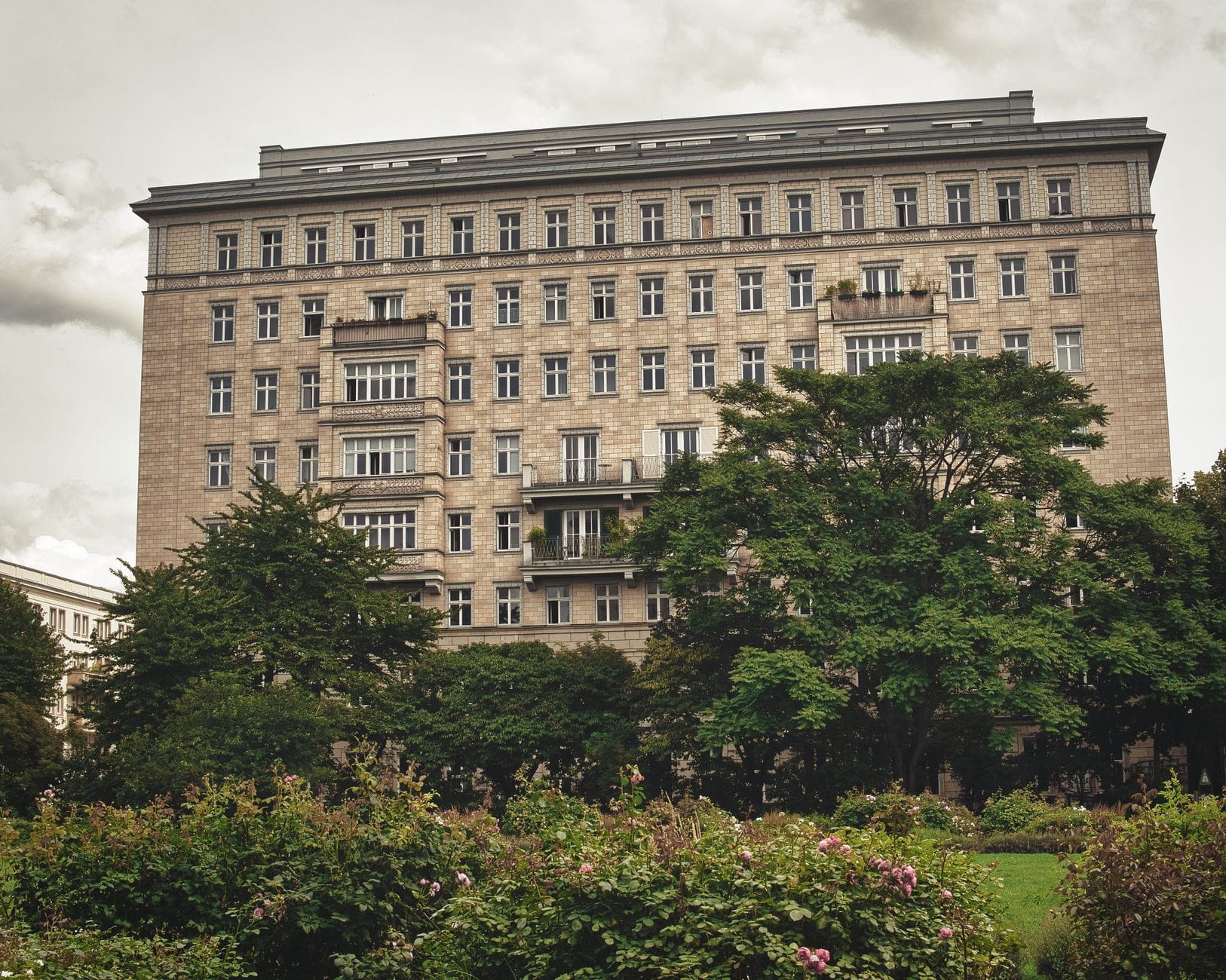
Nowa Huta — literally 'New Steelworks' in Polish — was designed as a purpose-built socialist city starting in 1949. The project was ideological as much as industrial: the communist government wanted to counterbalance Kraków, a historic and heavily Catholic city with a large intellectual class, with a working-class district that would embody Soviet values. The result was one of the largest planned socialist-realist settlements ever constructed, laid out with axial boulevards, monumental squares, and apartment blocks built to accommodate tens of thousands of steel workers and their families.
The centrepiece was the Lenin Steelworks (later renamed the Tadeusz Sendzimir Steelworks), which at its peak employed around 40,000 workers. The district was absorbed into Kraków in 1951, but it retained a distinct identity. Ironically, Nowa Huta became a stronghold of the Solidarity movement in the 1980s and the site of some of the fiercest resistance to communist rule in Poland — a fact that makes the area historically layered rather than a simple monument to Soviet ideology.
ℹ️ Good to know
Nowa Huta is still a living neighbourhood with around 200,000 residents. It is not a museum district — shops, schools, and tram lines operate exactly as they do elsewhere in Kraków. The architecture is the attraction, not a reconstructed set.
The Top Sights in Nowa Huta
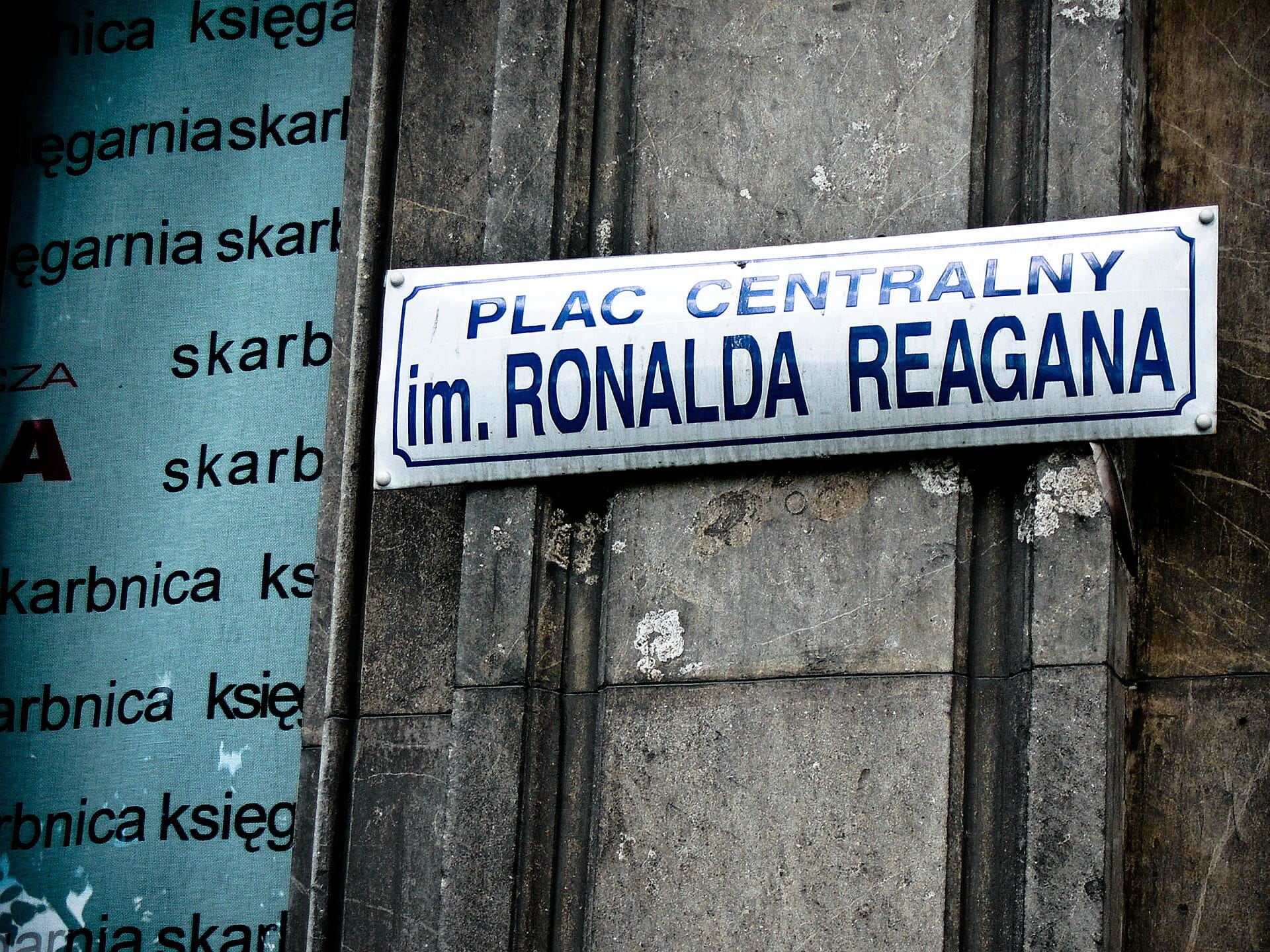
The logical starting point is Plac Centralny (Central Square), now officially renamed Ronald Reagan Central Square — a deliberate post-communist statement. The square is the geometric heart of the district, ringed by symmetrical socialist-realist apartment blocks that follow the Soviet architectural template closely: ornate facades, arched gateways, and wide sidewalks designed to project the grandeur of the workers' state. The proportions are impressive, and the symmetry holds up even after 70 years.
A short walk east brings you to the Nowa Huta Steelworks (Huta im. Tadeusza Sendzimira), which still operates today, though at a fraction of its Soviet-era capacity. Exterior views are possible, and some specialist tours arrange access to sections of the complex. The sheer scale of the facility — sprawling across the eastern edge of Kraków — communicates the ambition of the original project better than any photograph.
- Plac Centralny (Ronald Reagan Central Square) The monumental centrepiece of the district, surrounded by textbook socialist-realist architecture. Start here to orient yourself and understand the urban grid.
- Nowa Huta Steelworks (Huta Sendzimira) The industrial heart of the original city plan. Still operating. Best viewed on a guided tour that explains the scale and history of the complex.
- Arka Pana (Lord's Ark Church) A striking modernist church completed in 1977 after a 20-year battle against the communist authorities who refused planning permission. Its unusual boat-like silhouette is one of the most distinctive pieces of architecture in Kraków.
- Cistercian Monastery in Mogila A Gothic-Renaissance monastery predating Nowa Huta by centuries, located within the district's boundaries. A useful reminder that this land had significant history before 1949.
- Mound of Wanda An ancient earthen mound associated with the legendary Princess Wanda, located at the edge of Nowa Huta near the Vistula. The views across the surrounding landscape justify the short walk.
- Nowa Huta Museum (branch of the Kraków History Museum) A small but well-curated exhibition tracing the district's history from its socialist origins through the Solidarity movement to the present. Excellent for context before or after walking the streets.
The Arka Pana church deserves particular attention. Construction was blocked by communist authorities for two decades, during which local residents and the Church campaigned persistently for permission. Pope John Paul II — then Cardinal Karol Wojtyła — laid the cornerstone in 1967, and the building was finally consecrated in 1977. It stands as a tangible symbol of the resistance that would eventually produce Solidarity. More architectural and historical context is available in the Lord's Ark Church guide.
Guided Tours vs. Self-Guided: Which Is Better?
Nowa Huta is one of those places where context transforms the experience. The architecture is arresting, but without knowing what you are looking at — the ideological reasoning behind the boulevard widths, the significance of individual buildings, the story of the church — the district can read as a large, slightly monolithic housing estate. For first-time visitors, a guided tour is strongly recommended.
The most distinctive tour option involves operators (Crazy Guides being the best-known) who run the area in vintage Fiat 126p 'Maluch' cars — the small communist-era vehicle that became synonymous with everyday life in People's Republic Poland. These tours are informative and entertaining, and the vehicle itself adds a layer of period authenticity. Tours typically last 2-3 hours and prices vary by operator and season, so verify current rates directly with the booking platform before your trip.
If you prefer to walk independently, the street grid is straightforward and the key sights are within comfortable walking distance of each other. Download an offline map before you go — English signage is sparse outside the main square. Allow at least 3-4 hours on foot to cover Central Square, the church, and the museum without rushing. A full day lets you include the steelworks exterior and the Mogila monastery.
✨ Pro tip
If you book a guided tour, ask specifically whether the steelworks exterior is included in the route — not all tours cover it, and it adds meaningful scale to the story. The Nowa Huta Museum is worth an hour before or after any tour; the exhibits are compact but well-translated into English.
Getting to Nowa Huta from Central Kraków
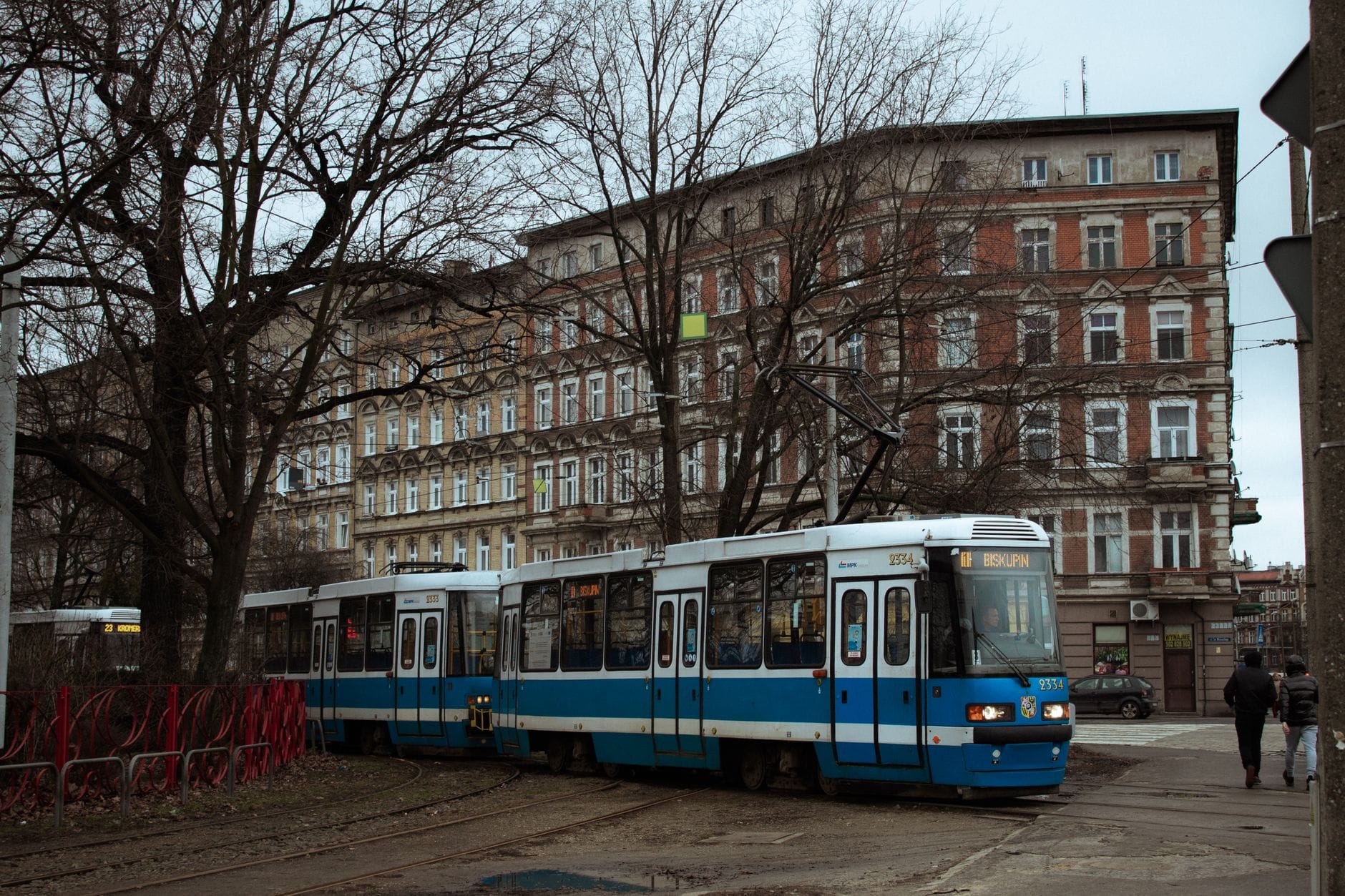
Nowa Huta sits in eastern Kraków, roughly 7-8 km from Rynek Główny (the Main Market Square). The most practical way to get there is by tram. Several lines run from the city centre directly to Plac Centralny, and the journey takes approximately 20-30 minutes depending on your departure point and tram line. Trams run frequently throughout the day, and the fare uses the standard Kraków MPK ticket system.
- Tram: The fastest and most convenient option. Board near the Old Town or along Al. Jana Pawła II and ride east. Check the current MPK Kraków route map for live tram numbers, as lines are occasionally renumbered.
- Taxi or ride-hailing (Uber/Bolt): Useful for groups or when carrying luggage. The fare from the Old Town should be in the range of 25-40 PLN, but verify current rates in-app before booking.
- Bicycle: The route along the Vistula riverbank paths is flat and well-marked. Allow about 35-45 minutes from the city centre. Check current bike-sharing or rental options, as schemes change over time.
- Walking: Only practical if you have time to spare — the distance is workable for experienced walkers but adds significant time to an already full day.
💡 Local tip
Buy a 24-hour or 48-hour MPK Kraków travel card if you plan to use public transport across multiple days. Single tickets are fine for a one-off trip to Nowa Huta, but the day pass is better value if you are also visiting Kazimierz or making several tram and bus trips across the city.
Practical Tips for Your Visit
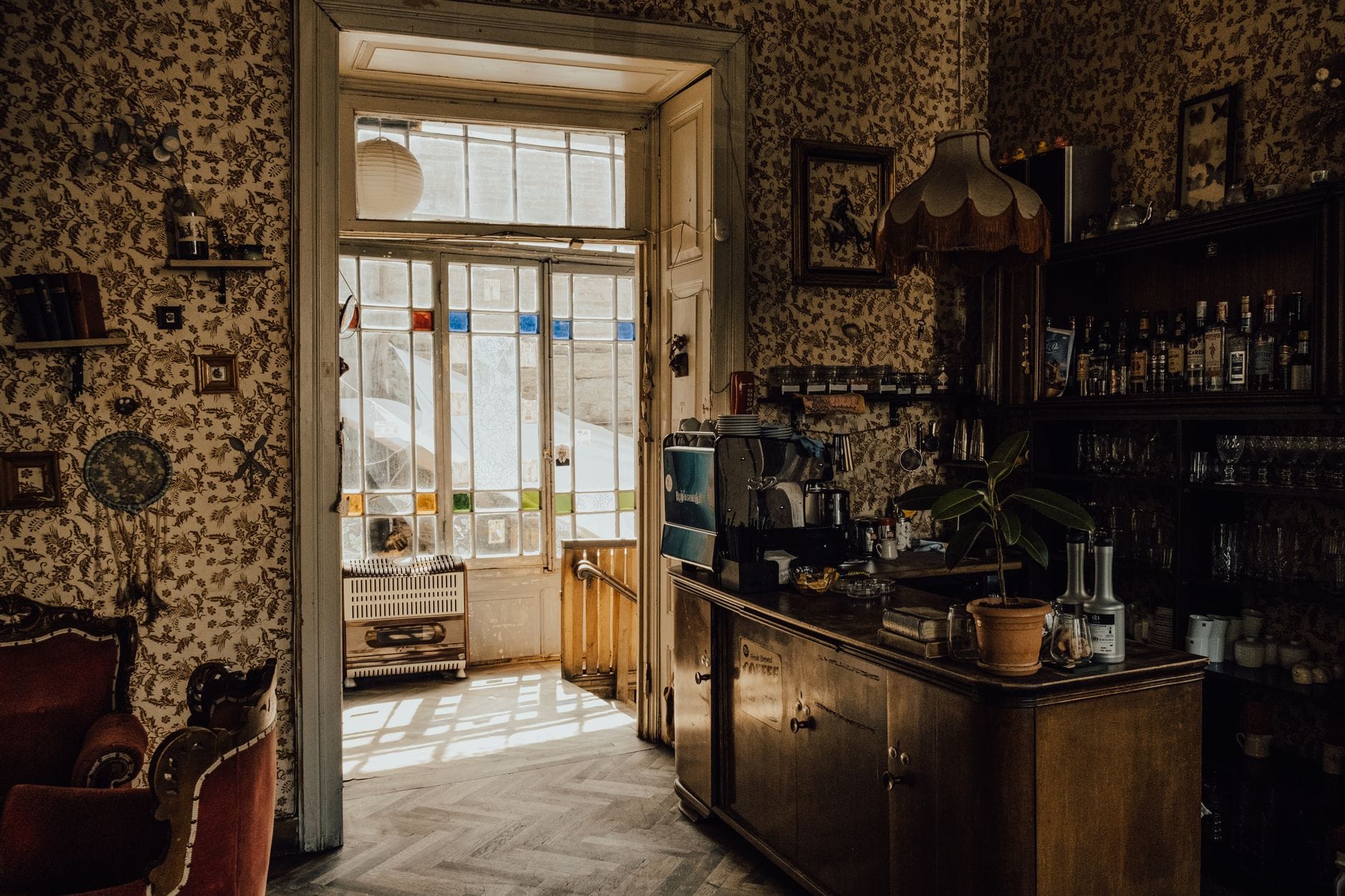
Nowa Huta is a residential neighbourhood, not a tourist zone. That means fewer souvenir shops and tourist restaurants, but also more authentic street life and lower prices. There are cafes and milk bars (bar mleczny) around the central square where locals eat — these are worth trying if you want cheap, straightforward Polish food. The Nowa Huta Market (Rynek Nowej Huty), near Plac Centralny, is a functioning local market where fresh produce and everyday goods are sold most mornings.
Nowa Huta fits naturally into a broader Kraków itinerary. It pairs well with a visit to Podgórze and the Schindler's Factory Museum for a full day focused on 20th-century history. Alternatively, combine it with Kazimierz for a broader look at Kraków's layered urban identity. If you are working through a multi-day itinerary, the 3-day Kraków itinerary includes a suggested slot for Nowa Huta alongside the main city highlights.
On the question of when to go: the green boulevards and parks that make Nowa Huta distinctive are best experienced from late April through October. Winter visits are entirely possible, but shorter daylight hours and cold temperatures make outdoor exploration less comfortable. If you visit in January or February, prioritise the museum and the church interior, and keep outdoor time focused on the central square.
Safety is not a concern. Nowa Huta has a rougher reputation in older travel writing, but the district is a normal urban neighbourhood and presents no unusual risks for visitors. Exercise standard city awareness, as you would anywhere in Kraków or any other European city.
⚠️ What to skip
Some operators market 'communist experience' packages that include props, costumes, and staged scenarios. These can be fun but verify what is actually included: a tour focused on genuine historical context is more valuable than a novelty photo opportunity. Ask for reviews from recent visitors before booking.
Nowa Huta in Context: What It Tells You About Kraków
Nowa Huta exists in productive tension with the rest of Kraków. The Royal Capital City of Kraków — its full official name — is defined by its medieval core, royal heritage, and the UNESCO-listed Old Town. Nowa Huta represents the deliberate attempt to rewrite that identity. The two parts of the city are physically and architecturally opposite: the organic, layered medieval centre versus the rational, imposed socialist grid.
Understanding that contrast makes both sides of Kraków more interesting. Visiting Nowa Huta after walking through the Old Town and Wawel Castle gives you a compressed history of Poland across nearly a thousand years. The district is also a reminder that Kraków's current character — proudly historical, intensely Catholic, economically dynamic — was partly forged in resistance to exactly the kind of ideology Nowa Huta was built to embody.
FAQ
Is Nowa Huta worth visiting in Kraków?
Yes, particularly if you have more than two days in the city or have a specific interest in 20th-century history, architecture, or the communist period. It offers a completely different perspective from the Old Town and is one of the best-preserved examples of socialist-realist urban planning in Europe. It is not the right choice if you have only a single day and want to cover the main historical highlights.
How long does a visit to Nowa Huta take?
A guided tour typically runs 2-3 hours and covers the main sights efficiently. A self-guided walk takes 3-4 hours at a relaxed pace if you focus on the central square, the church, and the museum. Allow a full day if you want to include the steelworks, the Mogila monastery, and the Mound of Wanda.
Which tram goes to Nowa Huta from Kraków city centre?
Several tram lines connect the city centre with Plac Centralny in Nowa Huta, including lines 4, 10, and 21 (route numbers are subject to change — confirm on the MPK Kraków website or app before travelling). The journey takes approximately 20-30 minutes from the Old Town area. Use the Plac Centralny stop as your destination.
Are there tours specifically focused on communist history in Nowa Huta?
Yes. Several operators, including Crazy Guides (the most widely reviewed), run dedicated communist-era tours of Nowa Huta, often using vintage Fiat 126p 'Maluch' cars. These tours typically last 2-3 hours and combine the architectural sights with historical narration about daily life under communism, the Solidarity movement, and the district's industrial past. Prices and availability vary by season — check current bookings directly with operators.
Can I visit Nowa Huta on a day trip from the Old Town?
Easily. Nowa Huta is 20-30 minutes from the Old Town by tram and does not require an overnight stay or a car. It works well as a half-day trip combined with another neighbourhood such as Podgórze, or as a standalone afternoon excursion. There is no admission fee to explore the streets and architecture, though the museum and any guided tours carry a charge.
Tickets & tours
Live prices and dates from our booking partner. If you book, we may earn a commission at no extra cost to you.
Planning a trip? Discover personalized activities with the Nomado app.