Best Museums in Kraków: 16 Top Picks for History, Art & Culture
Kraków punches well above its weight as a museum city. This guide covers the finest collections in the Old Town, Kazimierz, Podgórze, Wawel Hill, and beyond, with practical advice on free days, booking ahead, and how to sequence your visits.
Tickets & tours
Live prices and dates from our booking partner. If you book, we may earn a commission at no extra cost to you.
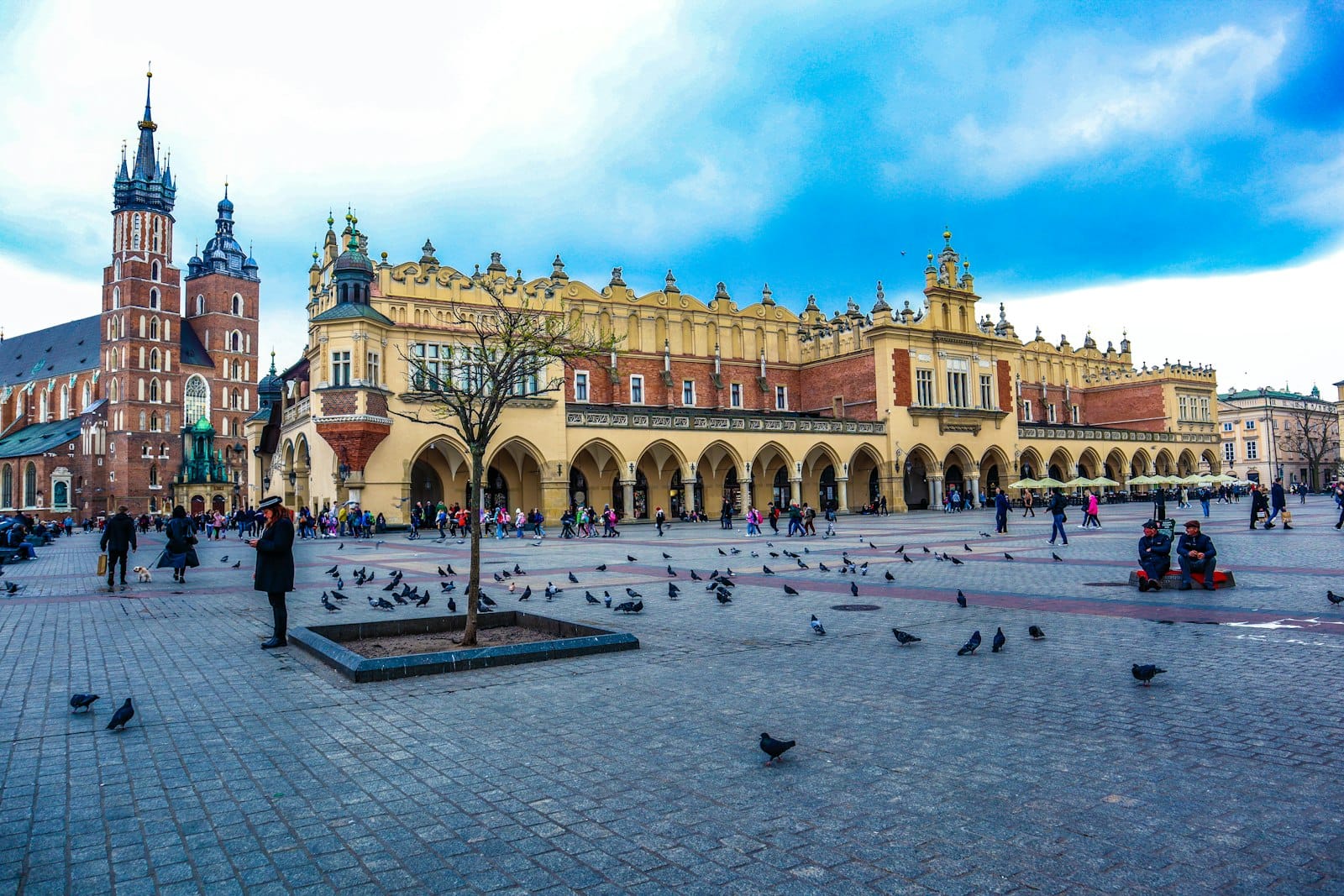
Few European cities of Kraków's size pack in this much museum depth. Within a single walkable day you can move from medieval royal treasuries to Holocaust memorials, from a Leonardo da Vinci portrait to avant-garde theatre archives. Most major sites cluster around the Old Town, Wawel Hill, the former Jewish quarter of Kazimierz, and the Podgórze district across the river. Two umbrella networks cover most of what you'll visit: the National Museum in Kraków (MNK), whose permanent exhibitions are free every Tuesday, and the Museum of Kraków (Muzeum Krakowa), which runs Schindler's Factory and a dozen branch sites. If you're planning a focused two-day museum itinerary, the 2 days in Kraków guide maps out a logical sequence. For budget visitors, the free things to do in Kraków guide details every free-admission day across the city's institutions.
✨ Pro tip
Book Schindler's Factory at least 1-2 weeks ahead in summer — timed-entry slots sell out fast. The Rynek Underground also benefits from booking 3-5 days in advance during peak season. MNK permanent exhibitions (including Czartoryski and the Cloth Hall gallery) are free every Tuesday.
History & WWII Memorials
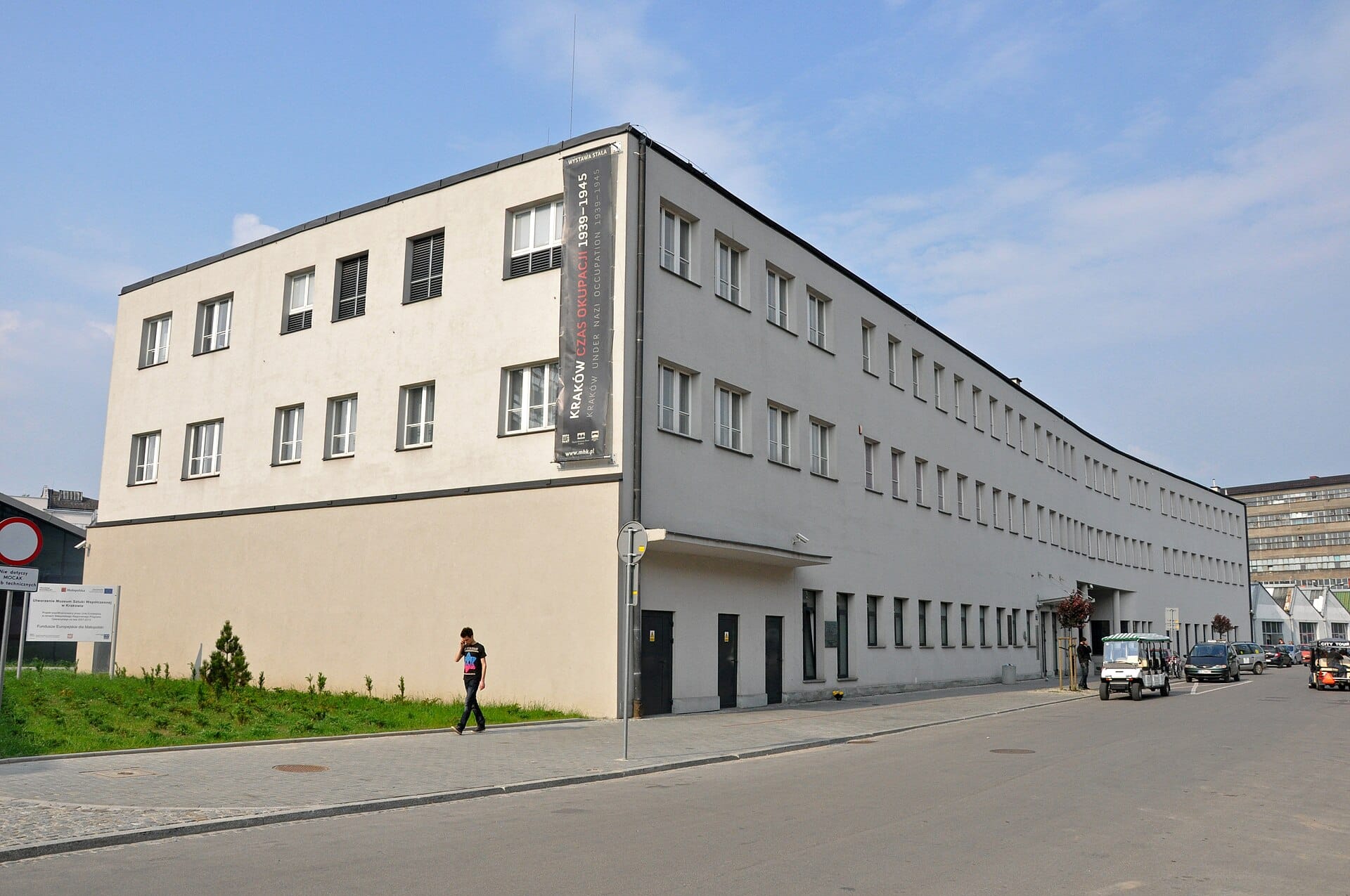
Kraków was one of the few major Polish cities to survive World War II largely intact, and that physical continuity makes its WWII museums unusually powerful: you are often standing in the actual buildings where events unfolded. The Podgórze district alone contains three of the most affecting sites in Poland. For background on the neighbourhood's wartime geography, the Schindler's List filming locations guide is a useful companion.
1. Explore Kraków Under Nazi Occupation at Schindler's Factory
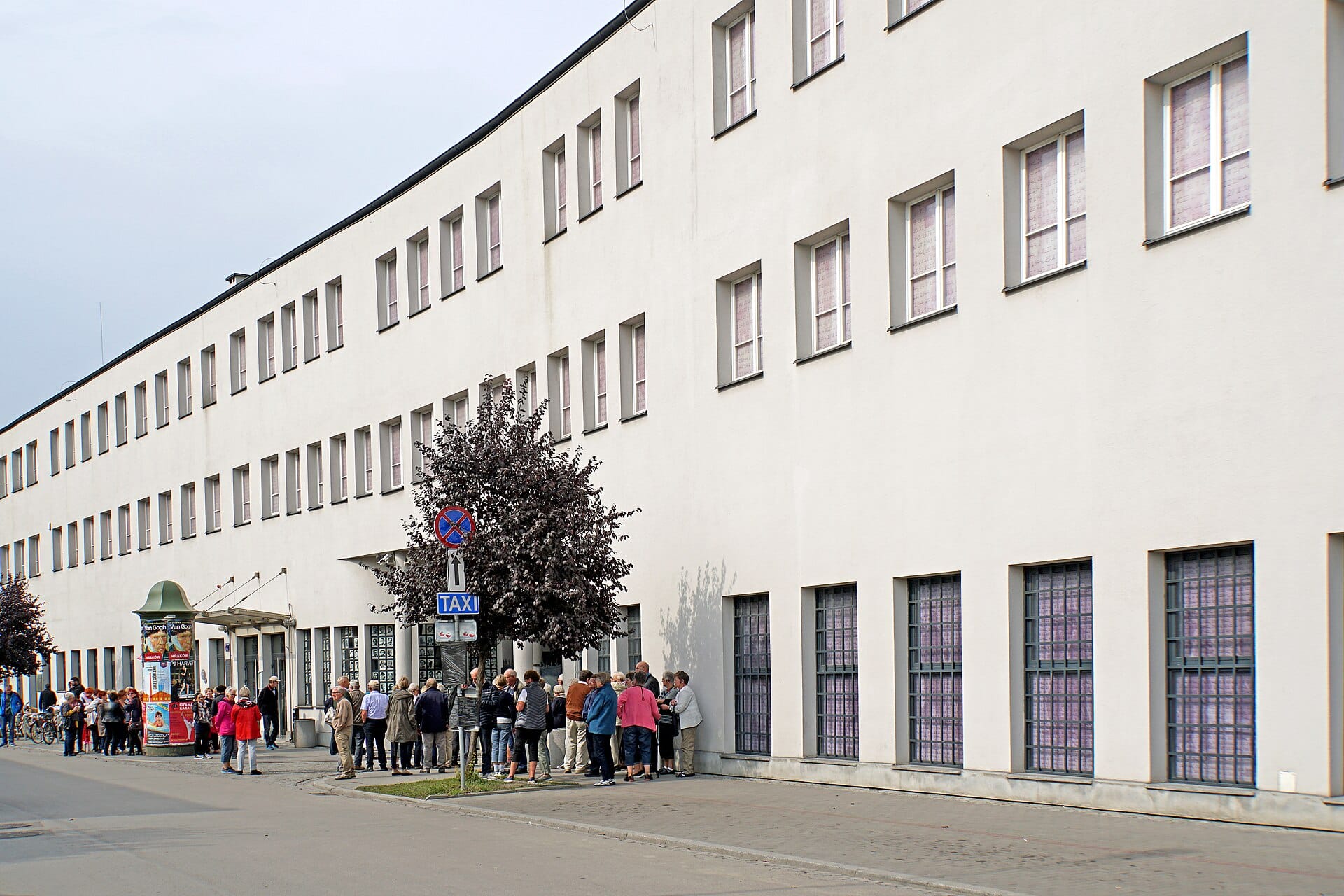
Oskar Schindler's actual Emalia factory in Podgórze houses the city's most ambitious WWII museum. Immersive room-by-room installations recreate occupied Kraków between 1939-45. The exhibition's focus is the city's fate, not Schindler alone. Book timed entry well ahead.
Explore1. Explore Kraków Under Nazi Occupation at Schindler's Factory
Oskar Schindler's actual Emalia factory in Podgórze houses the city's most ambitious WWII museum. Immersive room-by-room installations recreate occupied Kraków between 1939-45. The exhibition's focus is the city's fate, not Schindler alone. Book timed entry well ahead.
Explore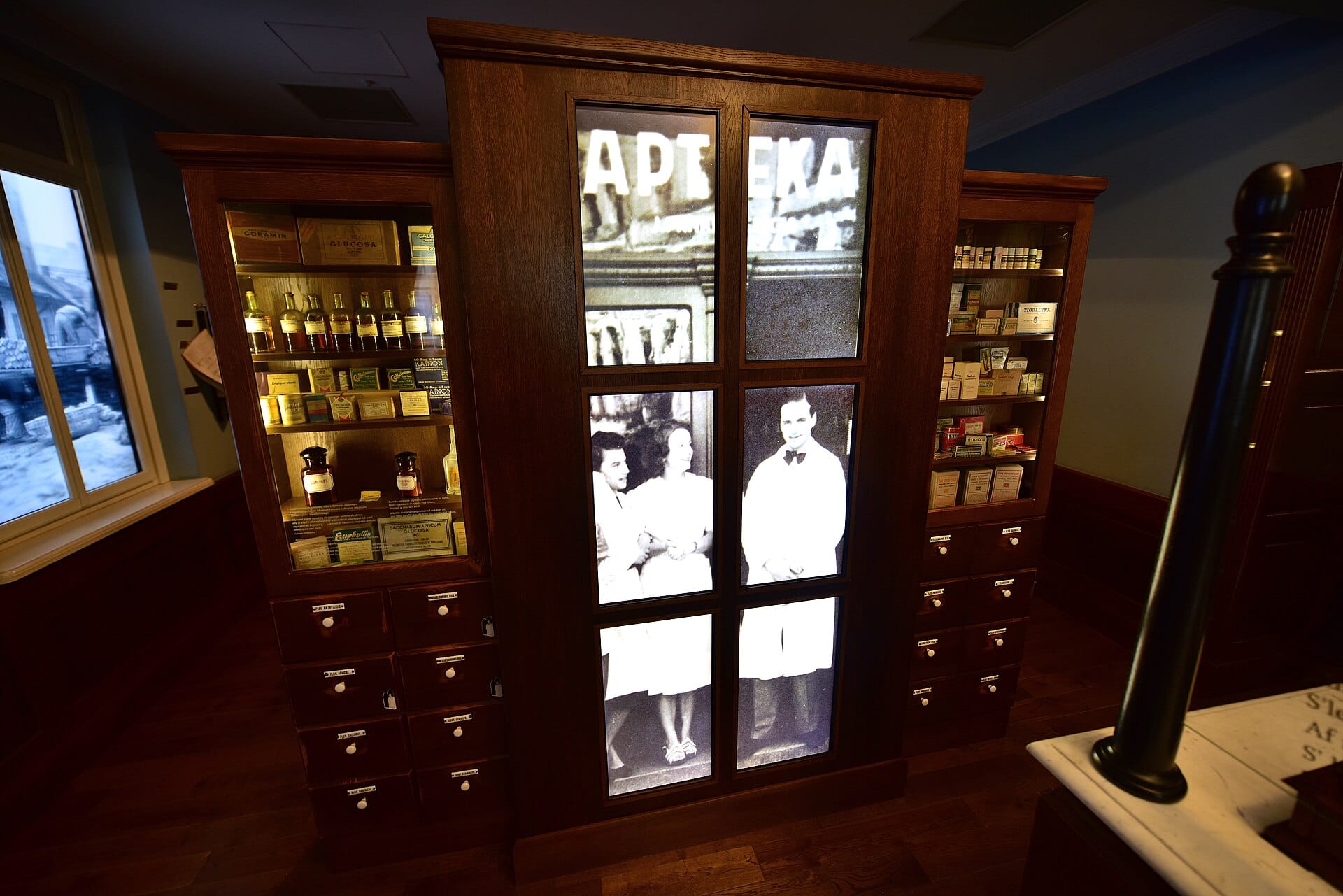
2. Visit the Eagle Pharmacy: A Small but Devastating Ghetto Museum
Tadeusz Pankiewicz ran this pharmacy inside the Kraków Ghetto walls, using it as a lifeline for Jewish residents. Now a compact museum, it documents daily life under occupation with original fittings still in place. Allow 45 minutes; the intimacy makes it hit hard.
Explore2. Visit the Eagle Pharmacy: A Small but Devastating Ghetto Museum
Tadeusz Pankiewicz ran this pharmacy inside the Kraków Ghetto walls, using it as a lifeline for Jewish residents. Now a compact museum, it documents daily life under occupation with original fittings still in place. Allow 45 minutes; the intimacy makes it hit hard.
Explore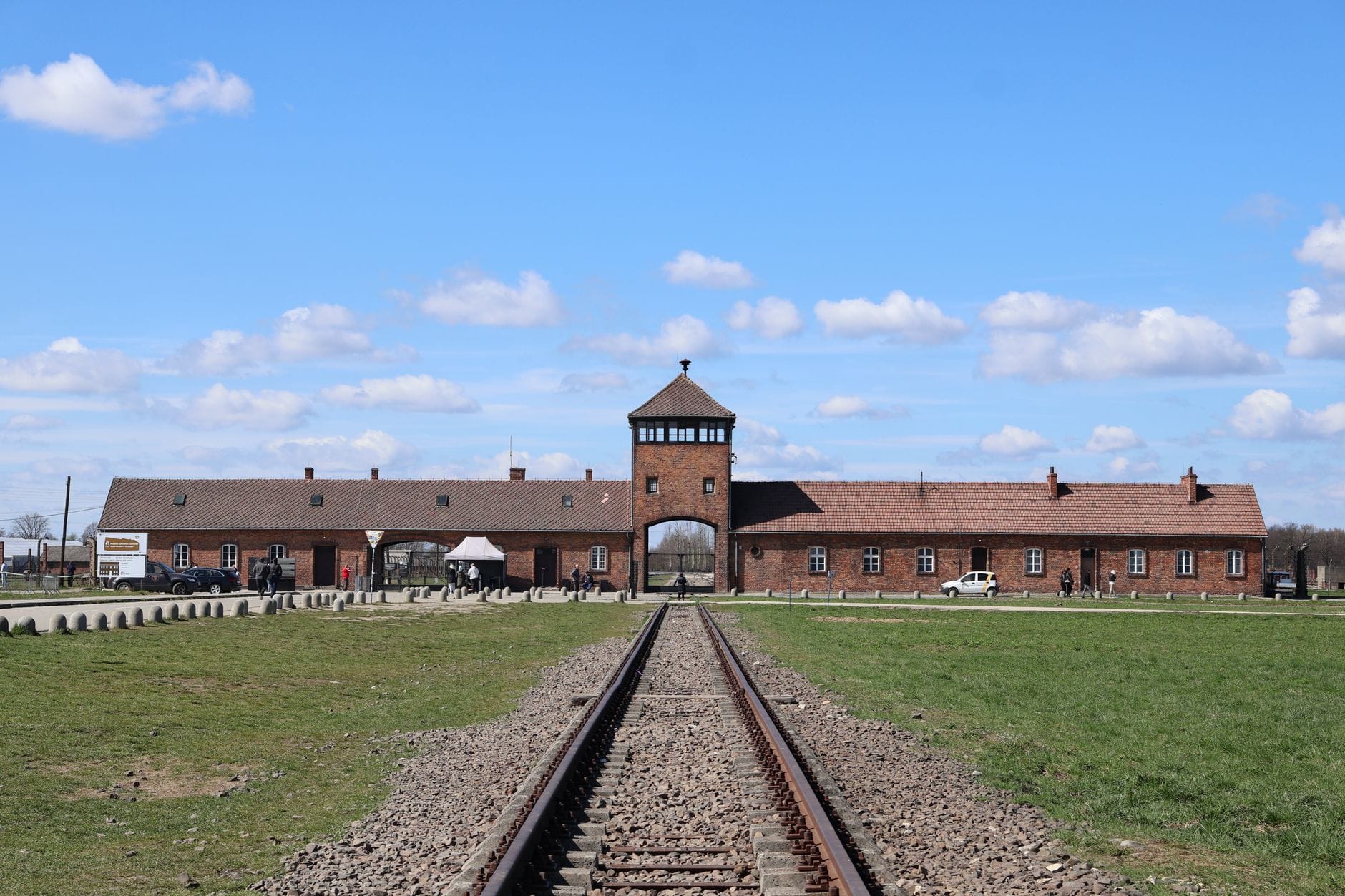
3. Make the Essential Day Trip to Auschwitz-Birkenau
Located 70km from Kraków in Oświęcim, this UNESCO World Heritage Site is the most visited Holocaust memorial in the world. Guided tours from Kraków run daily and take 6-8 hours total. The scale of Birkenau is something photographs do not prepare you for.
Explore3. Make the Essential Day Trip to Auschwitz-Birkenau
Located 70km from Kraków in Oświęcim, this UNESCO World Heritage Site is the most visited Holocaust memorial in the world. Guided tours from Kraków run daily and take 6-8 hours total. The scale of Birkenau is something photographs do not prepare you for.
Explore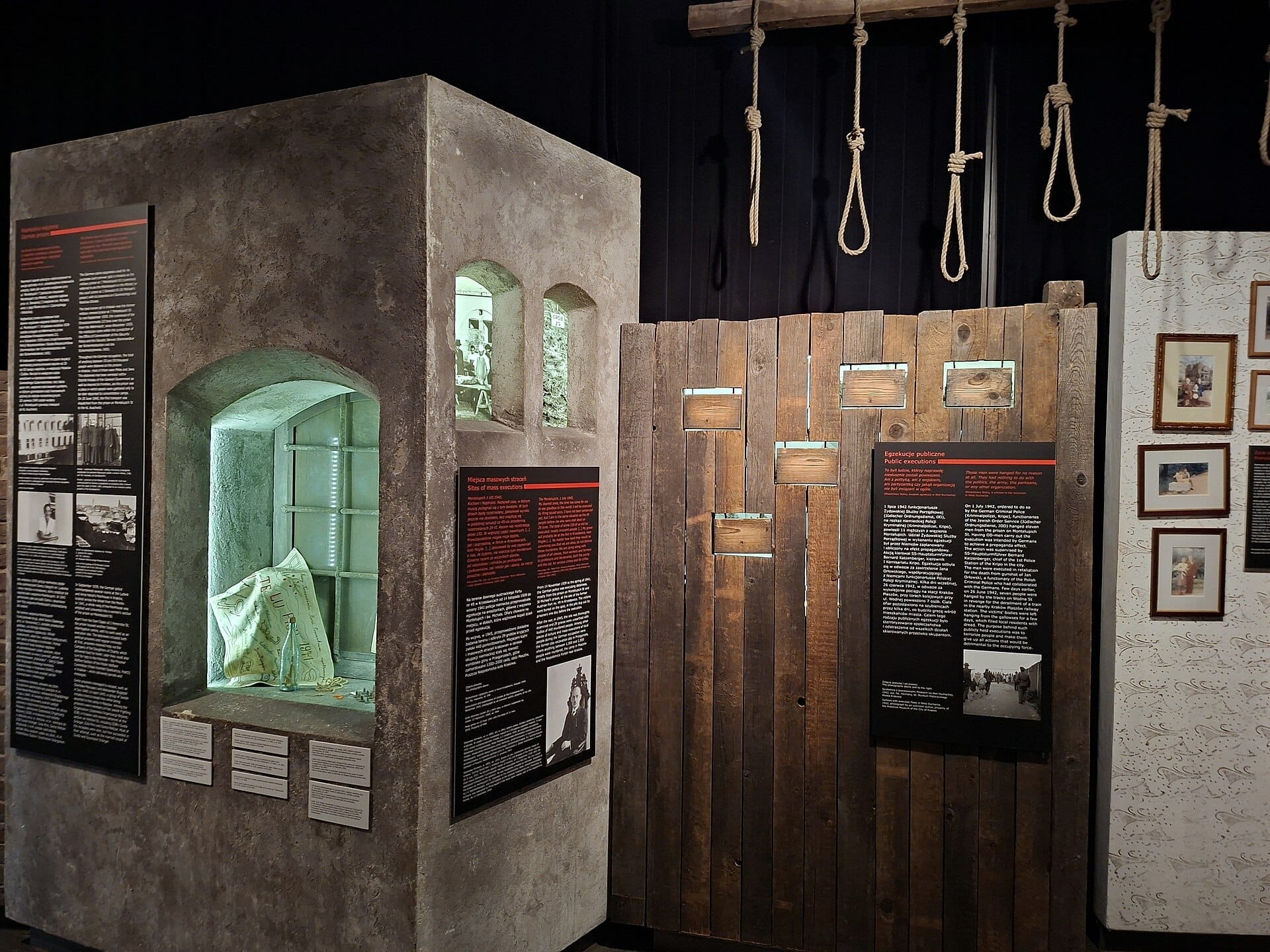
4. Trace 1,000 Years of the City at Krzysztofory Palace
The main branch of the Historical Museum of Kraków sits in a Baroque palace right on Rynek Główny. Exhibitions span the city's founding myths through WWII and communist rule. It's frequently overlooked by visitors fixated on nearby landmarks, which means shorter queues.
Explore4. Trace 1,000 Years of the City at Krzysztofory Palace
The main branch of the Historical Museum of Kraków sits in a Baroque palace right on Rynek Główny. Exhibitions span the city's founding myths through WWII and communist rule. It's frequently overlooked by visitors fixated on nearby landmarks, which means shorter queues.
ExploreWorld-Class Art Collections
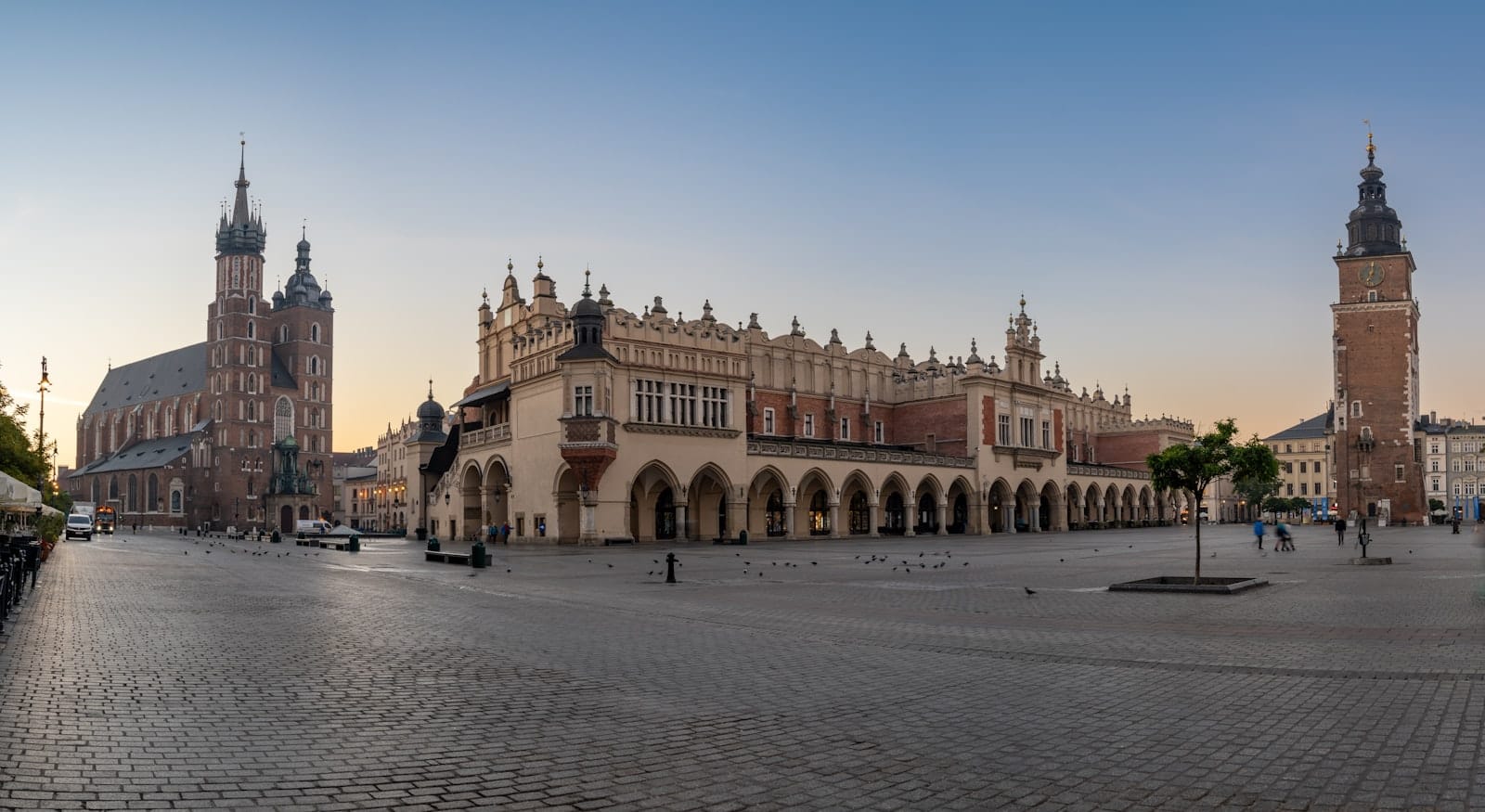
Kraków's art collections are concentrated in Old Town institutions, most of them under the MNK umbrella. The flagship Czartoryski Museum reopened after a major restoration and is now considered one of Central Europe's finest small art museums. Remember that all MNK permanent exhibitions are free on Tuesdays — a significant saving if you plan to visit multiple branches.
5. See Leonardo's Lady with an Ermine at the Czartoryski Museum
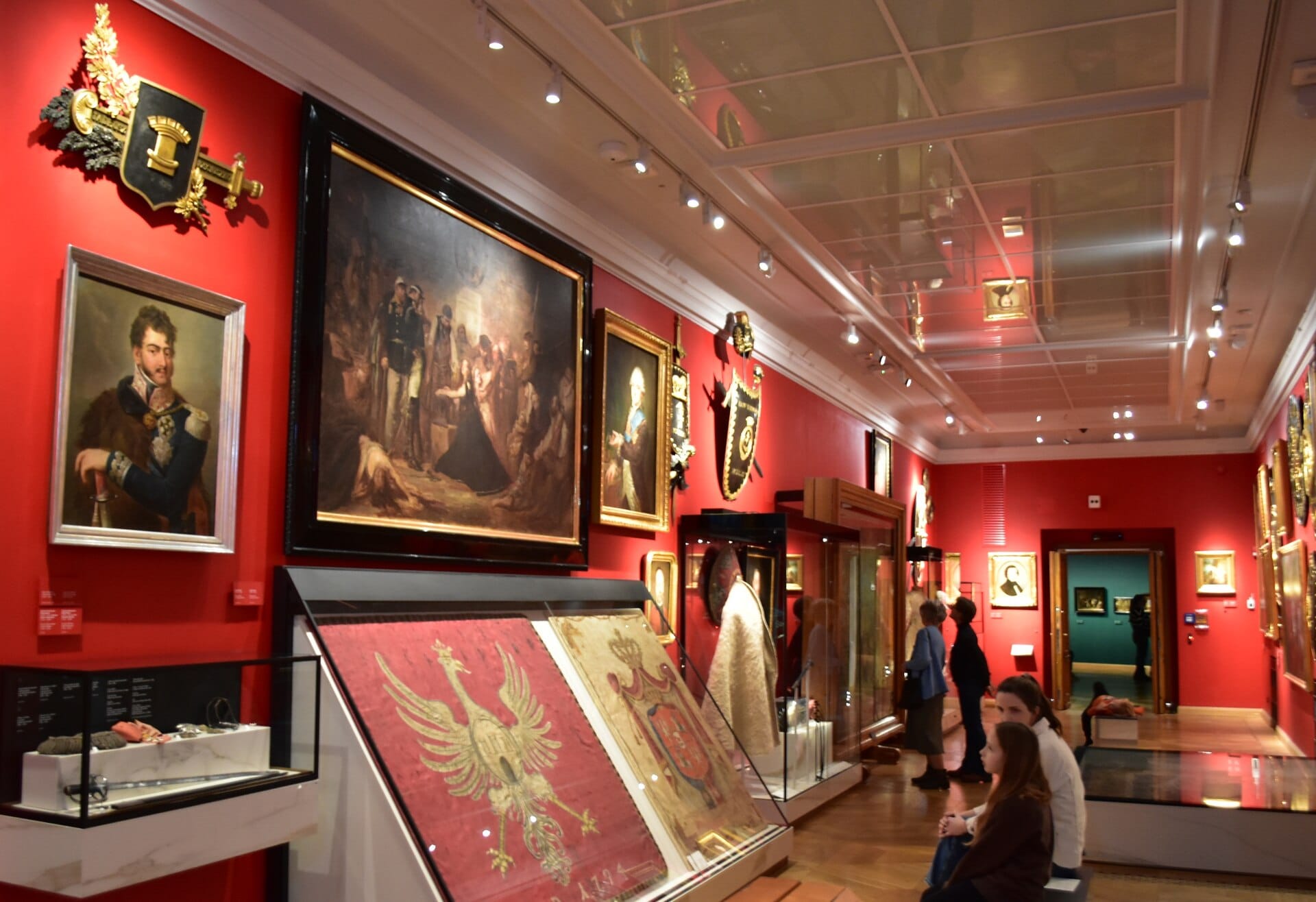
One of only four surviving Leonardo da Vinci portraits anywhere in the world hangs in this Old Town palace. The collection also includes Rembrandt's Landscape Before a Storm and exceptional decorative arts. Admission is around 65 PLN; free on Tuesdays for permanent exhibitions.
Explore5. See Leonardo's Lady with an Ermine at the Czartoryski Museum
One of only four surviving Leonardo da Vinci portraits anywhere in the world hangs in this Old Town palace. The collection also includes Rembrandt's Landscape Before a Storm and exceptional decorative arts. Admission is around 65 PLN; free on Tuesdays for permanent exhibitions.
Explore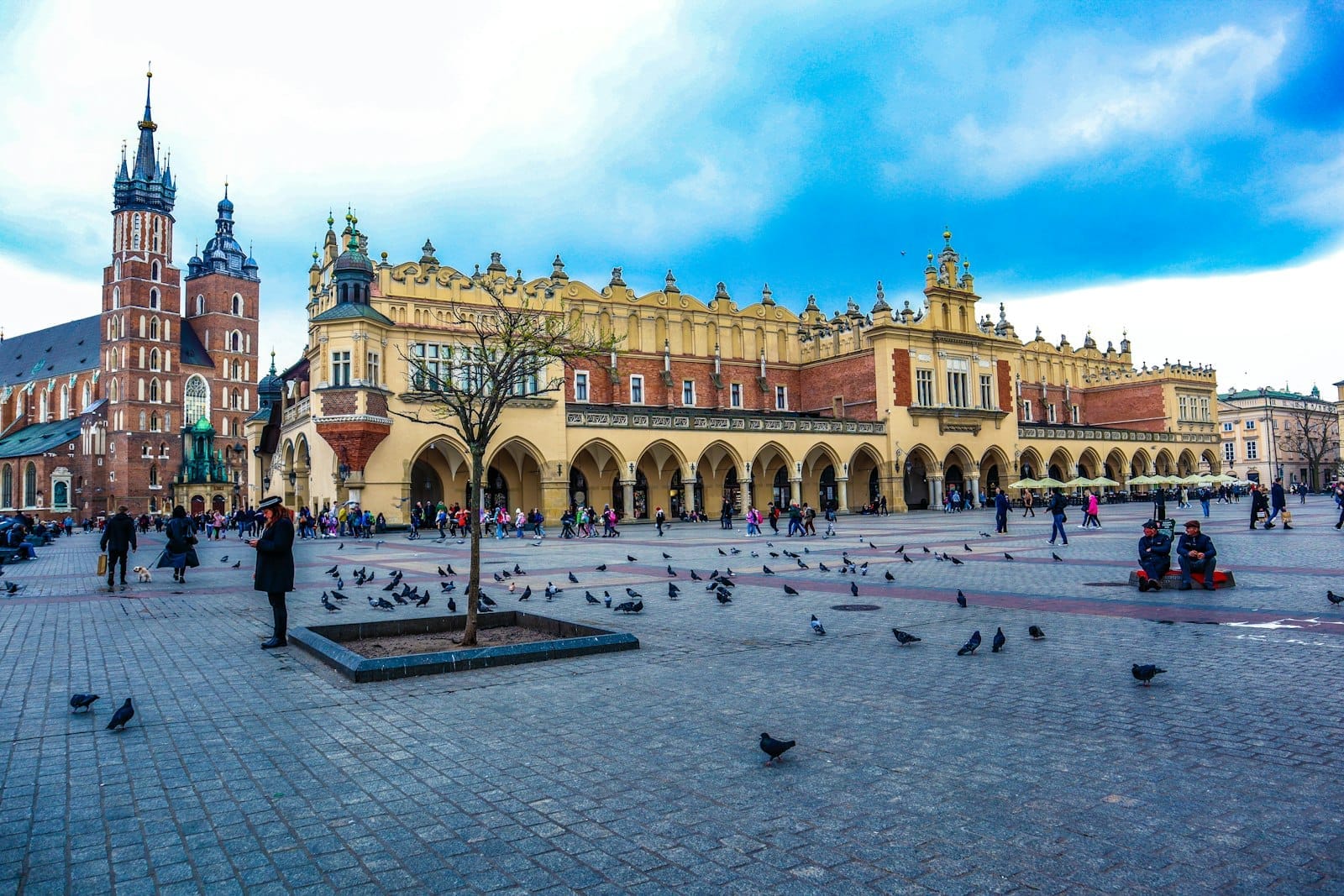
6. Discover 19th-Century Polish Painting above the Cloth Hall Market
The upper floor of Rynek Główny's Renaissance trading hall holds the MNK's Gallery of 19th-Century Polish Painting, with monumental canvases by Matejko and Chełmoński. Most visitors only see the craft market below. The gallery is free on Tuesdays and never crowded.
Explore6. Discover 19th-Century Polish Painting above the Cloth Hall Market
The upper floor of Rynek Główny's Renaissance trading hall holds the MNK's Gallery of 19th-Century Polish Painting, with monumental canvases by Matejko and Chełmoński. Most visitors only see the craft market below. The gallery is free on Tuesdays and never crowded.
Explore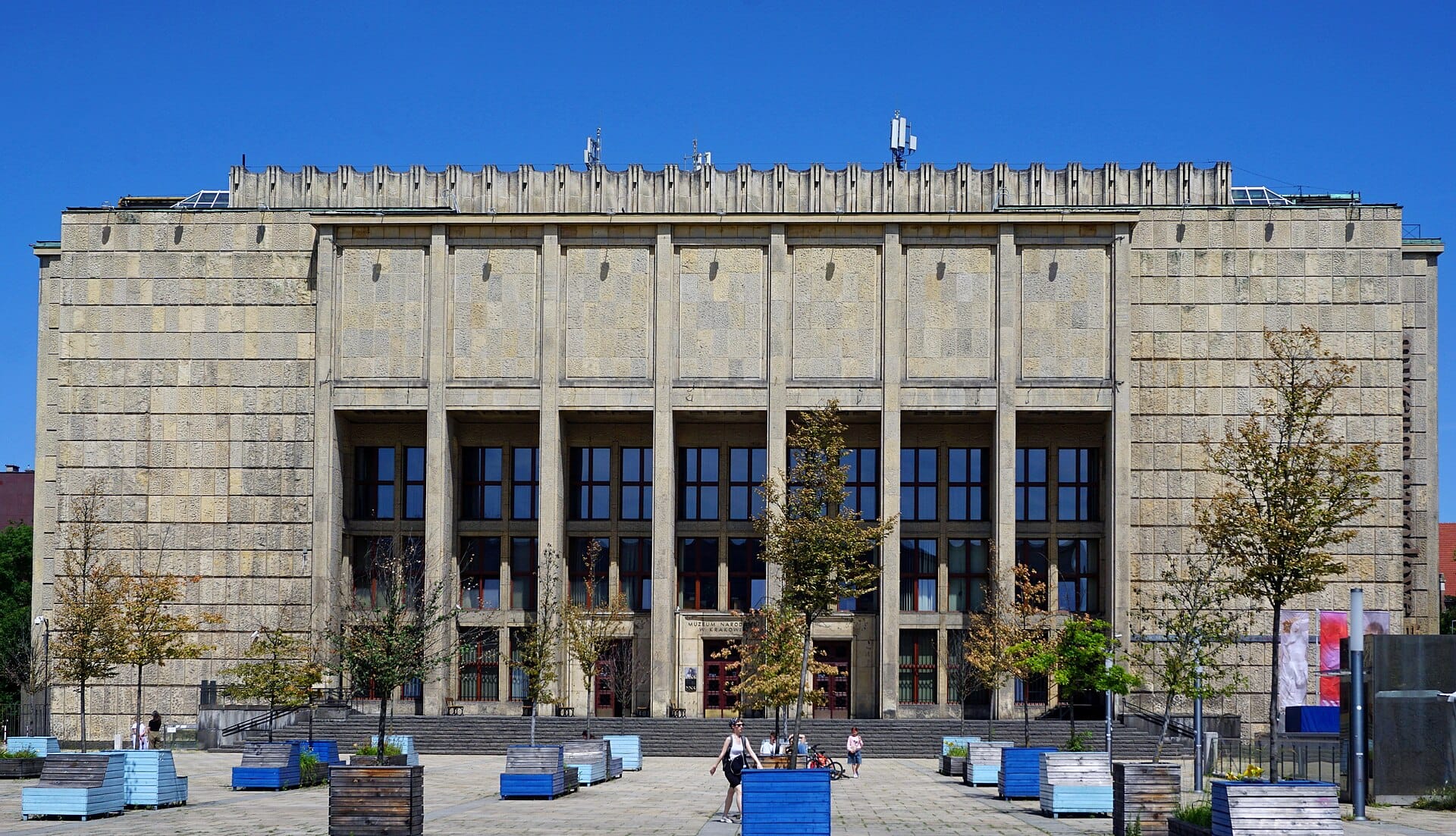
7. Survey Polish Decorative Arts and 20th-Century Work at the National Museum
The MNK main building near the Planty holds Polish armour, uniforms, decorative arts, and an extensive 20th-century art collection across grand halls. It's the least tourist-heavy of the major museums and ideal for a quieter morning. Free every Tuesday for permanent galleries.
Explore7. Survey Polish Decorative Arts and 20th-Century Work at the National Museum
The MNK main building near the Planty holds Polish armour, uniforms, decorative arts, and an extensive 20th-century art collection across grand halls. It's the least tourist-heavy of the major museums and ideal for a quieter morning. Free every Tuesday for permanent galleries.
Explore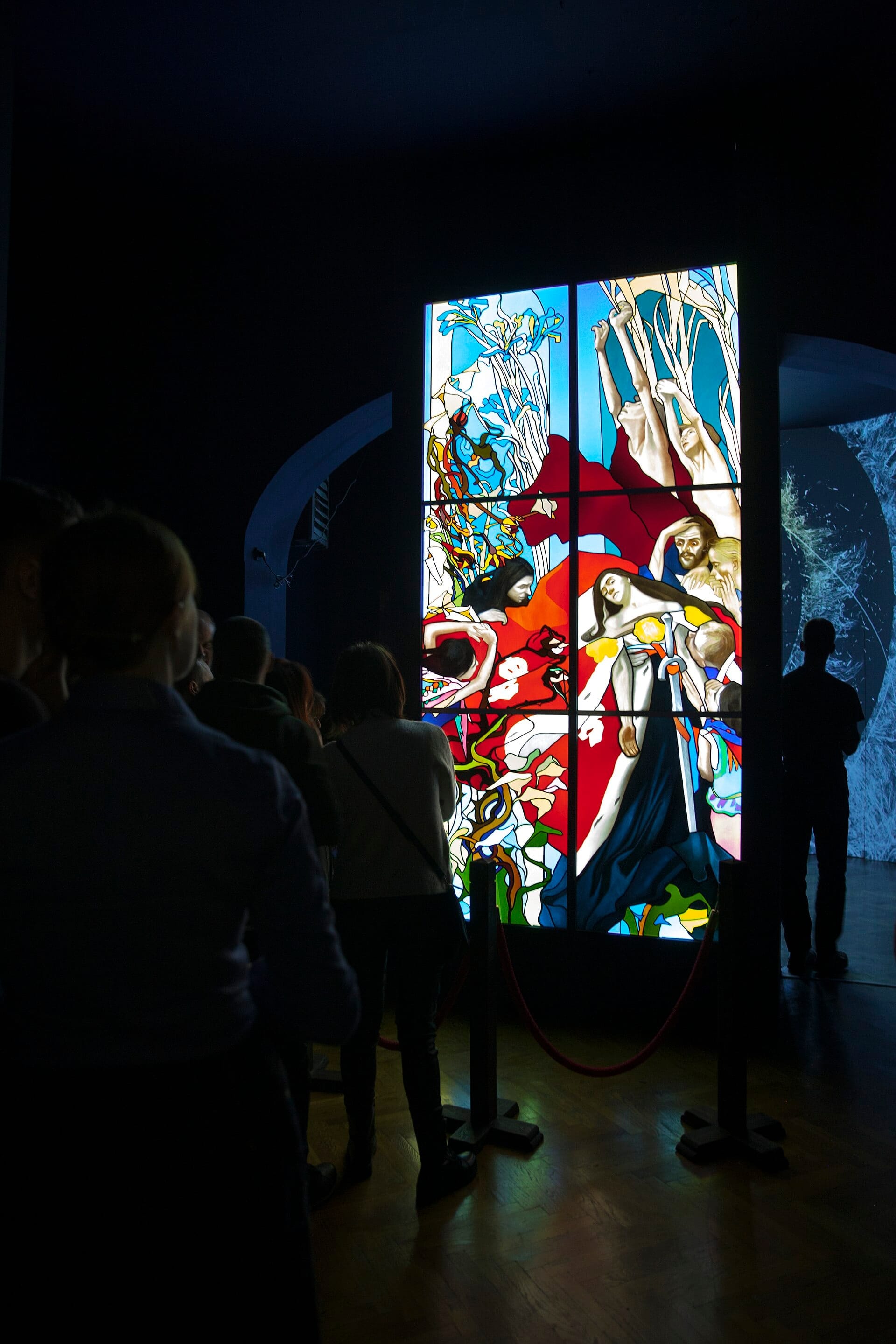
8. See Art Nouveau Masterwork at the Wyspiański Stained Glass Workshop
The historic studio where Stanisław Wyspiański designed his iconic stained glass is now a museum celebrating his Art Nouveau work and the craft itself. It's one of Kraków's more intimate cultural spaces, giving context to windows you'll see across the city's churches.
Explore8. See Art Nouveau Masterwork at the Wyspiański Stained Glass Workshop
The historic studio where Stanisław Wyspiański designed his iconic stained glass is now a museum celebrating his Art Nouveau work and the craft itself. It's one of Kraków's more intimate cultural spaces, giving context to windows you'll see across the city's churches.
ExploreJewish Heritage Museums
Kraków's Jewish museums range from medieval synagogues converted into exhibition spaces to contemporary photography-led institutions. Most are in Kazimierz, the former Jewish quarter, which merits a half-day of dedicated exploration. The Kraków Jewish Quarter guide provides essential context on the neighbourhood's layout and history before you visit.
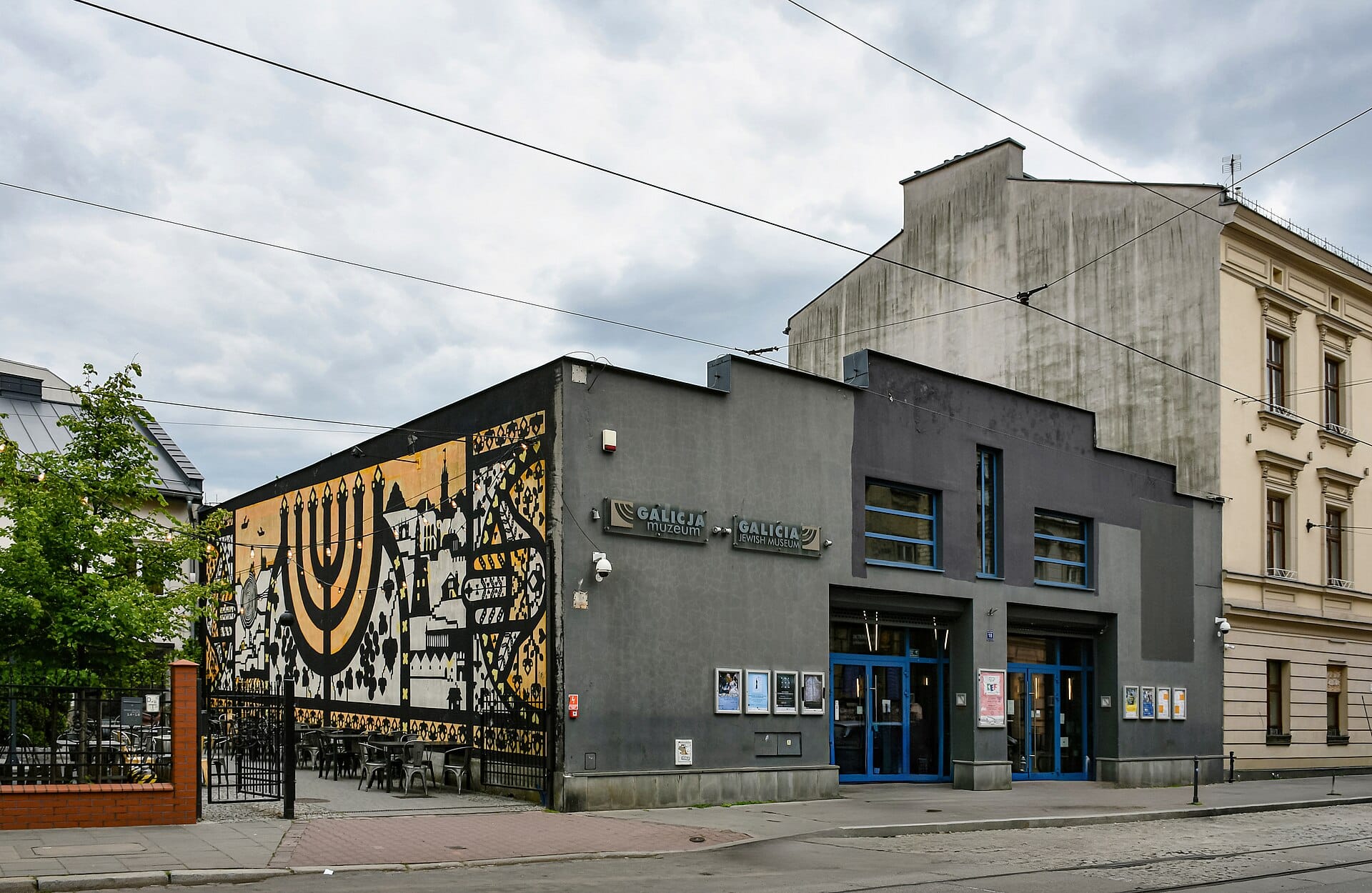
9. Reframe Jewish Heritage at the Galicia Jewish Museum
Chris Schwarz's landmark photography exhibition documents traces of Jewish culture across the Galicia region, focusing on what survived rather than only on destruction. It's a thoughtful counterpoint to traditional memorial sites. Located in Kazimierz; allow 1-1.5 hours.
Explore9. Reframe Jewish Heritage at the Galicia Jewish Museum
Chris Schwarz's landmark photography exhibition documents traces of Jewish culture across the Galicia region, focusing on what survived rather than only on destruction. It's a thoughtful counterpoint to traditional memorial sites. Located in Kazimierz; allow 1-1.5 hours.
Explore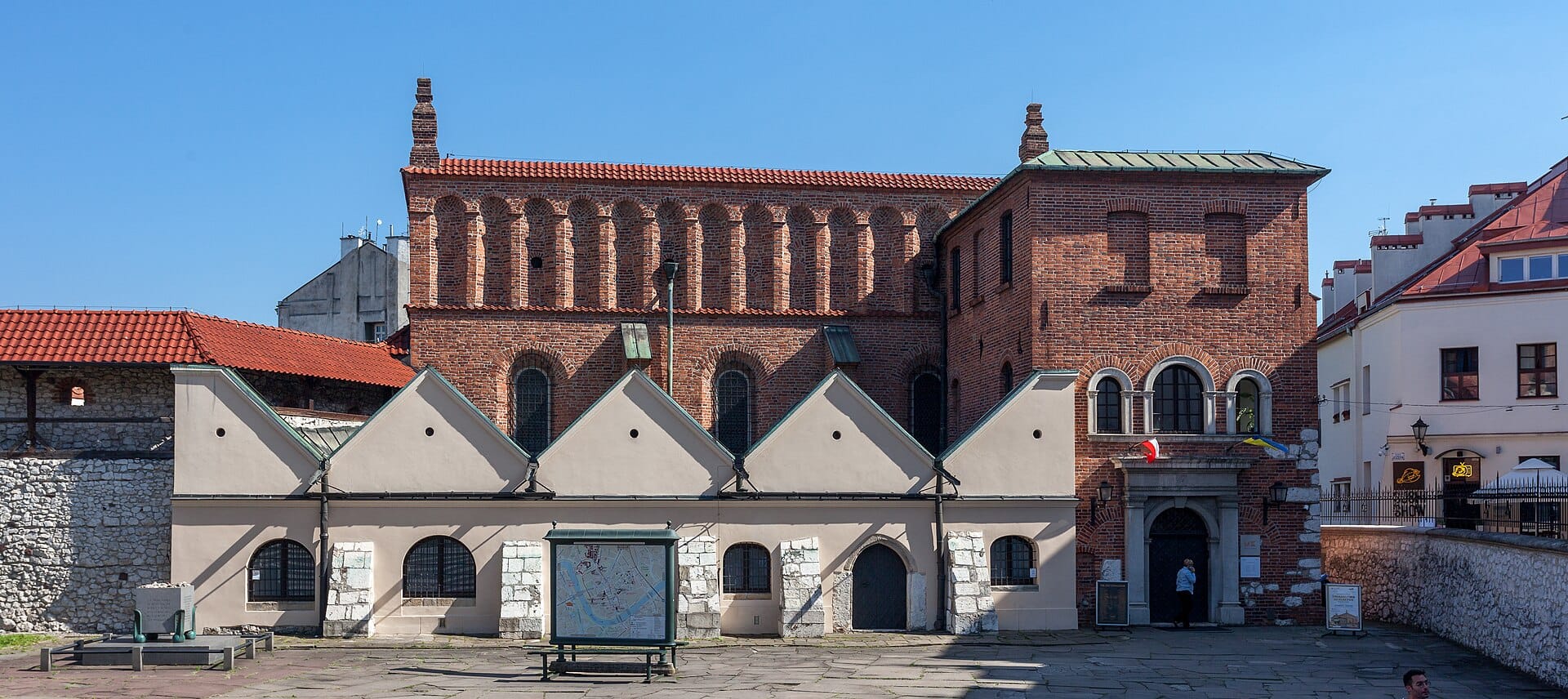
10. Step Inside Poland's Oldest Surviving Synagogue
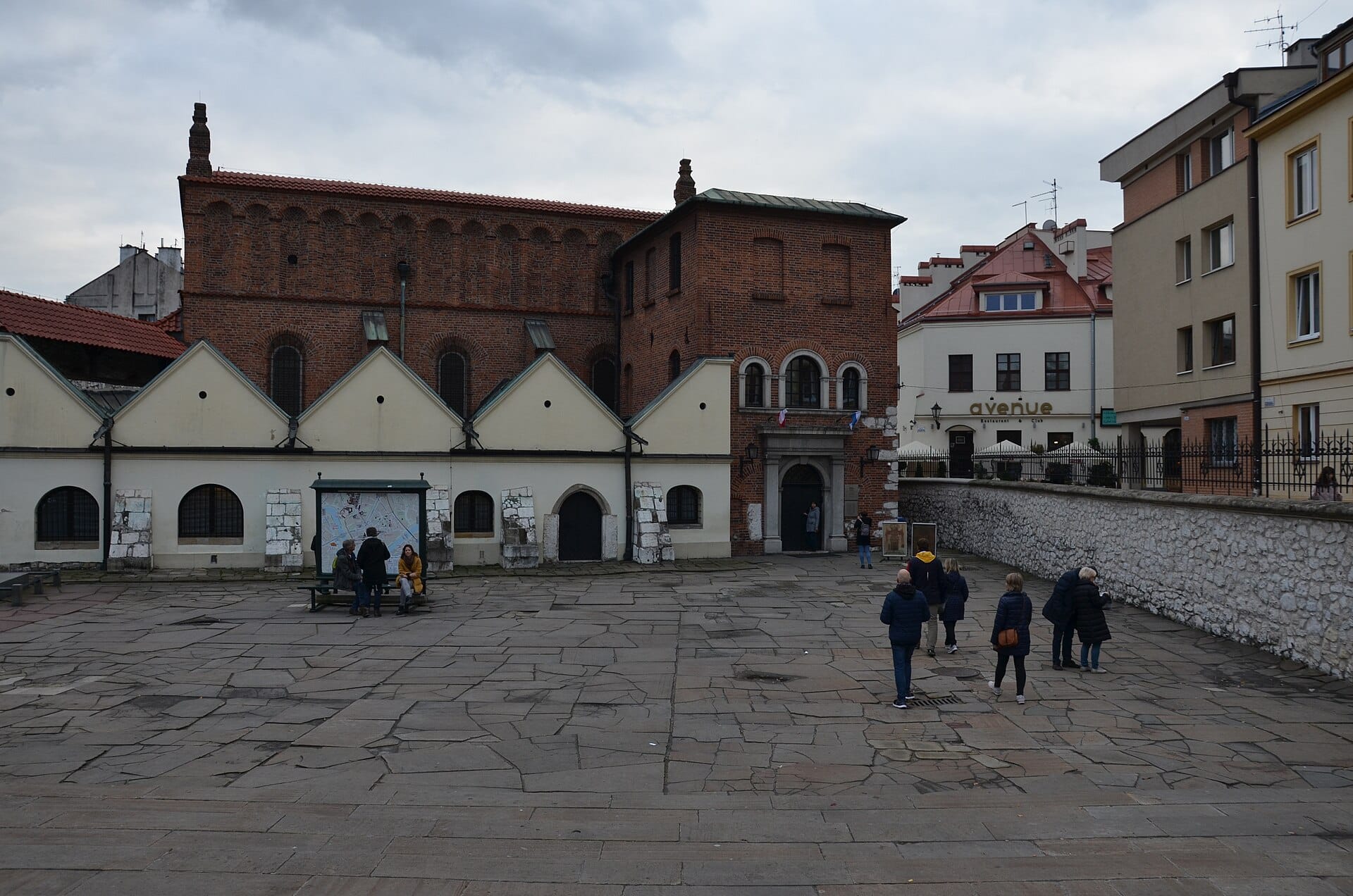
Dating to the 15th century, the Old Synagogue in Kazimierz now operates as a branch of the Historical Museum, with exhibitions on Jewish religious life and community history. The building itself is the exhibit: the bimah, arched nave, and women's gallery are all intact.
Explore10. Step Inside Poland's Oldest Surviving Synagogue
Dating to the 15th century, the Old Synagogue in Kazimierz now operates as a branch of the Historical Museum, with exhibitions on Jewish religious life and community history. The building itself is the exhibit: the bimah, arched nave, and women's gallery are all intact.
Explore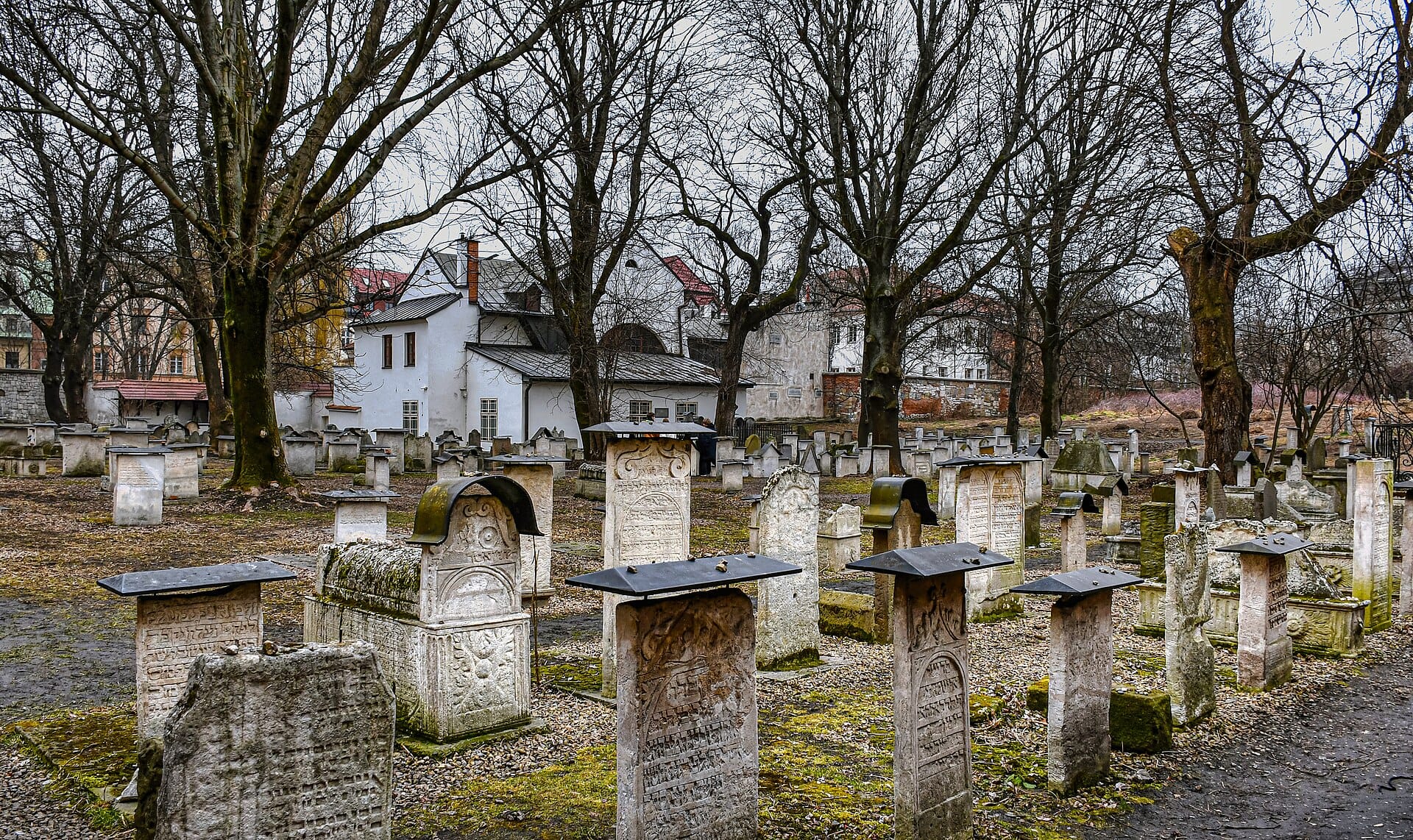
11. Visit the Renaissance Jewish Cemetery at Remuh Synagogue
This 16th-century synagogue is still active for services, making it rare among Kazimierz's heritage sites. The adjacent cemetery contains tombstones from the 1500s unearthed after WWII. Entry is inexpensive; modest dress is required. Allow 30-45 minutes.
Explore11. Visit the Renaissance Jewish Cemetery at Remuh Synagogue
This 16th-century synagogue is still active for services, making it rare among Kazimierz's heritage sites. The adjacent cemetery contains tombstones from the 1500s unearthed after WWII. Entry is inexpensive; modest dress is required. Allow 30-45 minutes.
Explore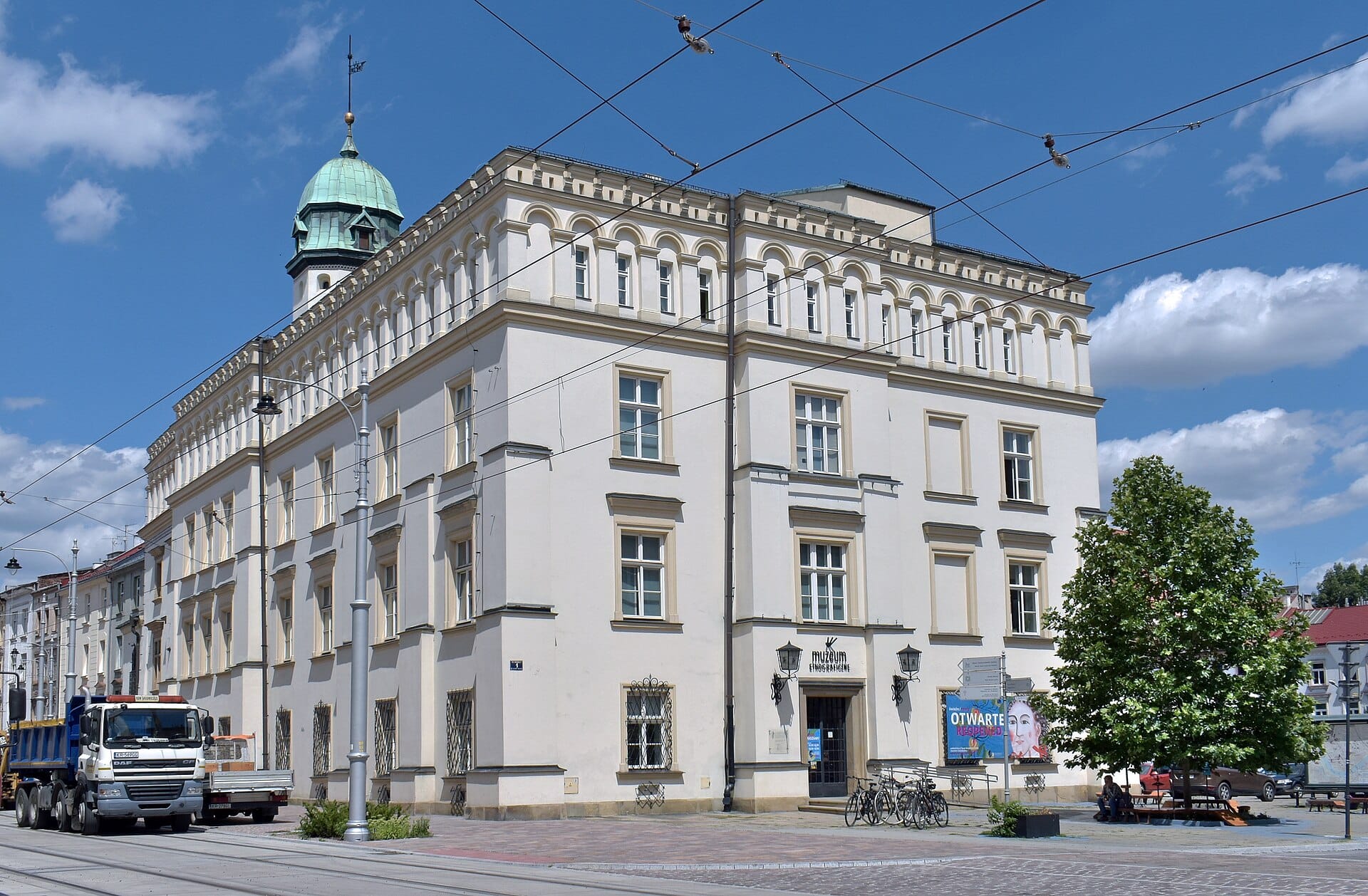
12. Explore Polish Folk Culture at the Ethnographic Museum in Kazimierz
Housed in Kazimierz's former town hall, this museum covers traditional crafts, costumes, and rural life from the Małopolska region through a large collection of artefacts. It sits between the Old Synagogue and Plac Nowy, making it easy to fold into a Kazimierz walking circuit.
Explore12. Explore Polish Folk Culture at the Ethnographic Museum in Kazimierz
Housed in Kazimierz's former town hall, this museum covers traditional crafts, costumes, and rural life from the Małopolska region through a large collection of artefacts. It sits between the Old Synagogue and Plac Nowy, making it easy to fold into a Kazimierz walking circuit.
ExploreWawel Hill & Underground Kraków
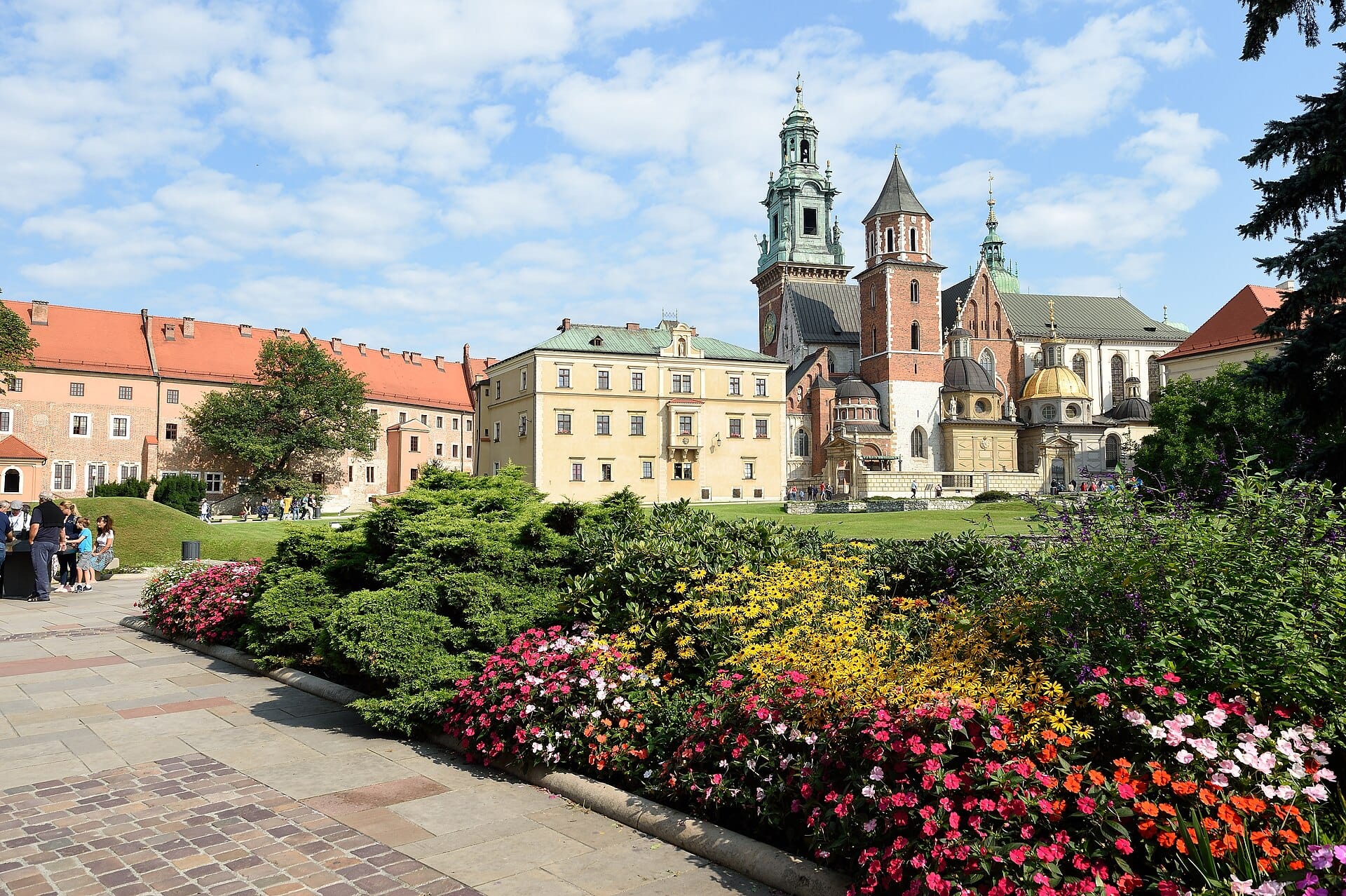
Wawel Hill is a cultural complex in itself, with multiple ticketed sections covering the royal castle museum zones, cathedral, treasury, and the famous Dragon's Den cave. Tickets for individual sections (State Rooms, Royal Private Apartments, Crown Treasury) are sold separately, so decide which areas matter most before queuing. The dedicated Wawel Castle guide breaks down exactly what each section contains and how to book efficiently.
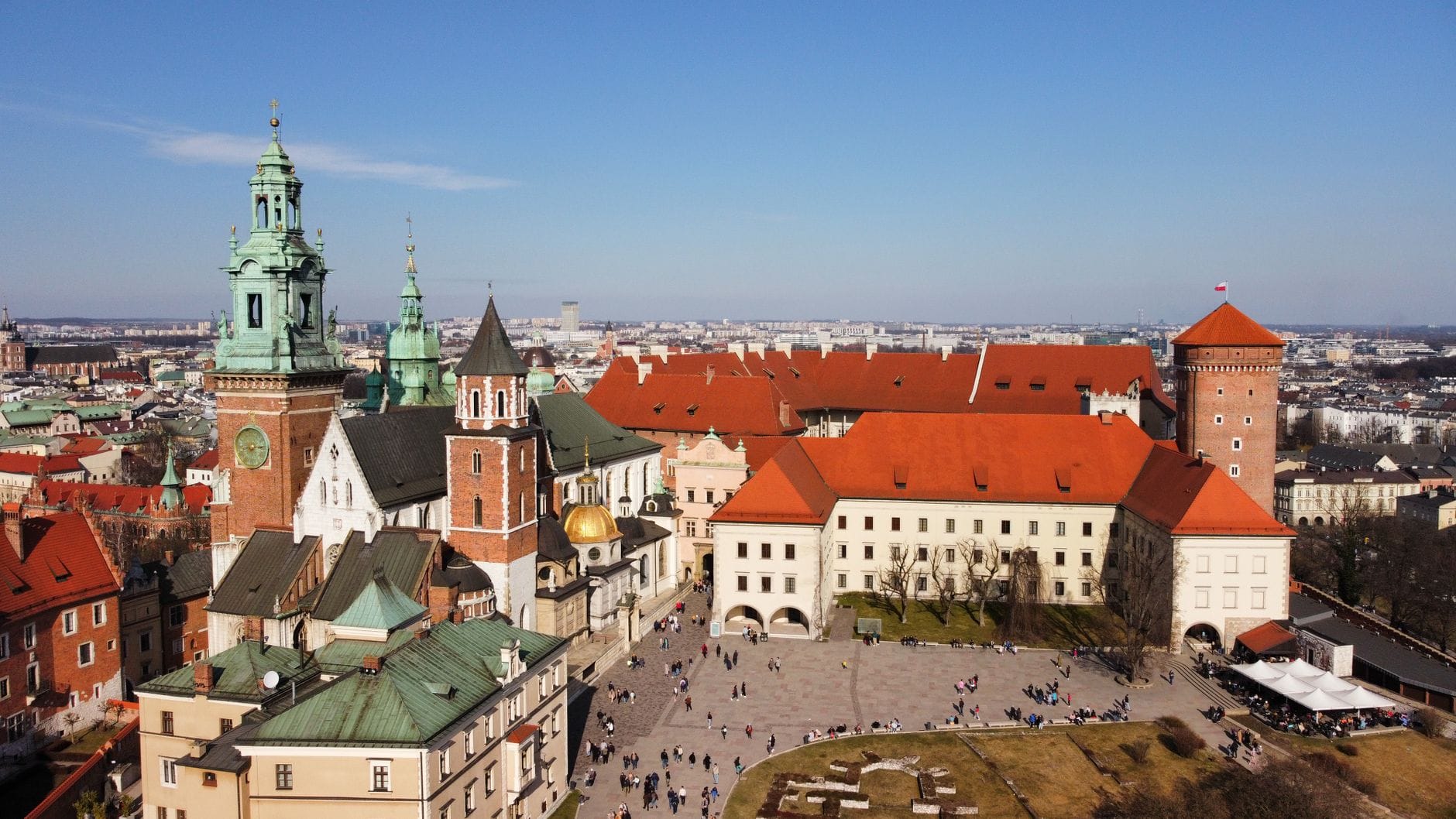
13. Explore the Royal Apartments and Crown Treasury at Wawel Castle
Poland's most visited monument is a sprawling Renaissance complex with state rooms, royal apartments, and the Crown Treasury housing the royal regalia. State Rooms are free on Mondays with limited capacity. Full admission is around 89 PLN; individual sections cost 23-49 PLN.
Explore13. Explore the Royal Apartments and Crown Treasury at Wawel Castle
Poland's most visited monument is a sprawling Renaissance complex with state rooms, royal apartments, and the Crown Treasury housing the royal regalia. State Rooms are free on Mondays with limited capacity. Full admission is around 89 PLN; individual sections cost 23-49 PLN.
Explore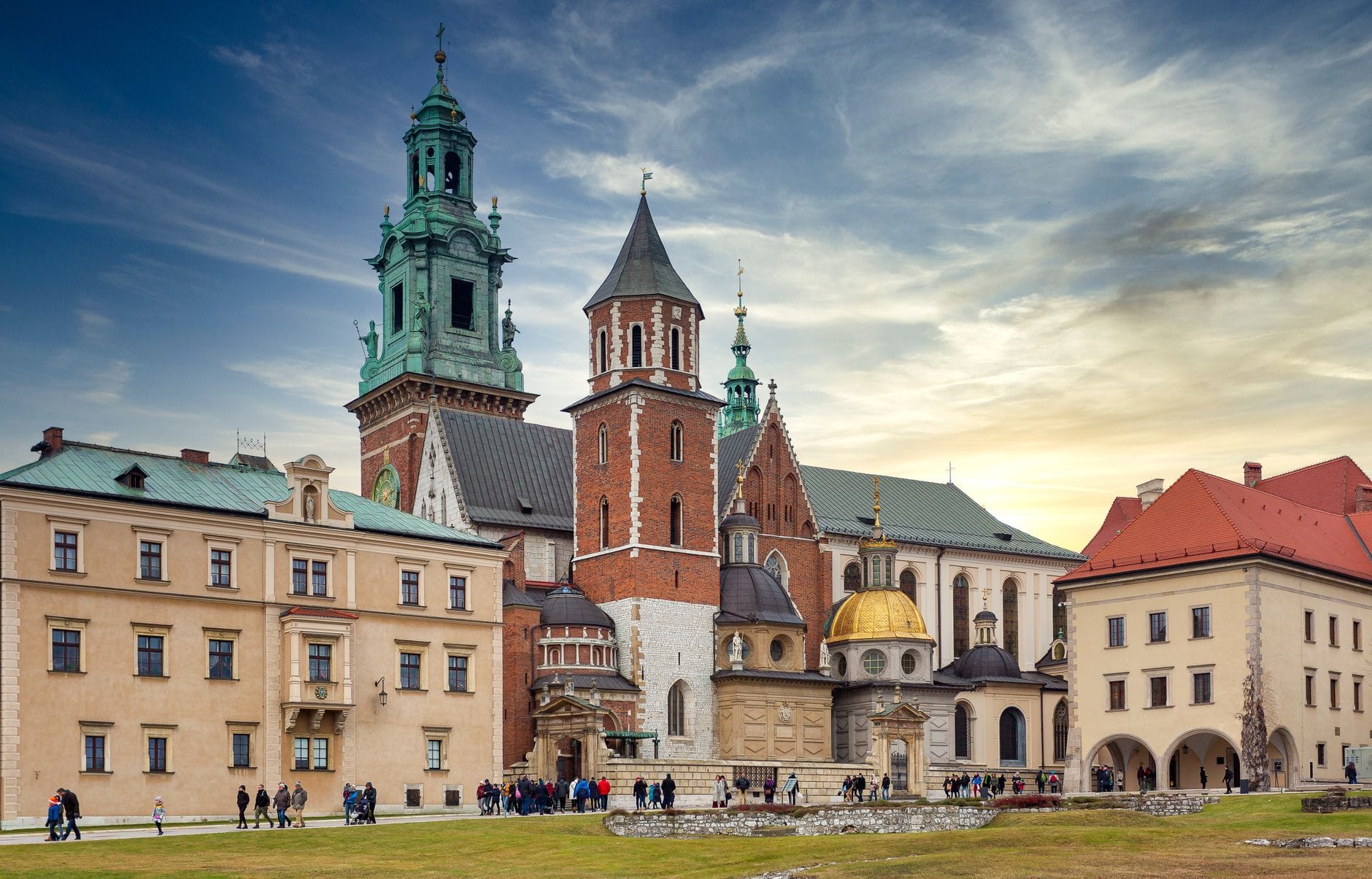
14. Tour the Royal Burial Church at Wawel Cathedral
Every Polish king but two was crowned here, and the crypts contain the tombs of royals, national poets, and military heroes. The cathedral treasury is also ticketed and worth the addition. Entry to the cathedral is free; chapels, crypts, and bell tower have a combined ticket.
Explore14. Tour the Royal Burial Church at Wawel Cathedral
Every Polish king but two was crowned here, and the crypts contain the tombs of royals, national poets, and military heroes. The cathedral treasury is also ticketed and worth the addition. Entry to the cathedral is free; chapels, crypts, and bell tower have a combined ticket.
Explore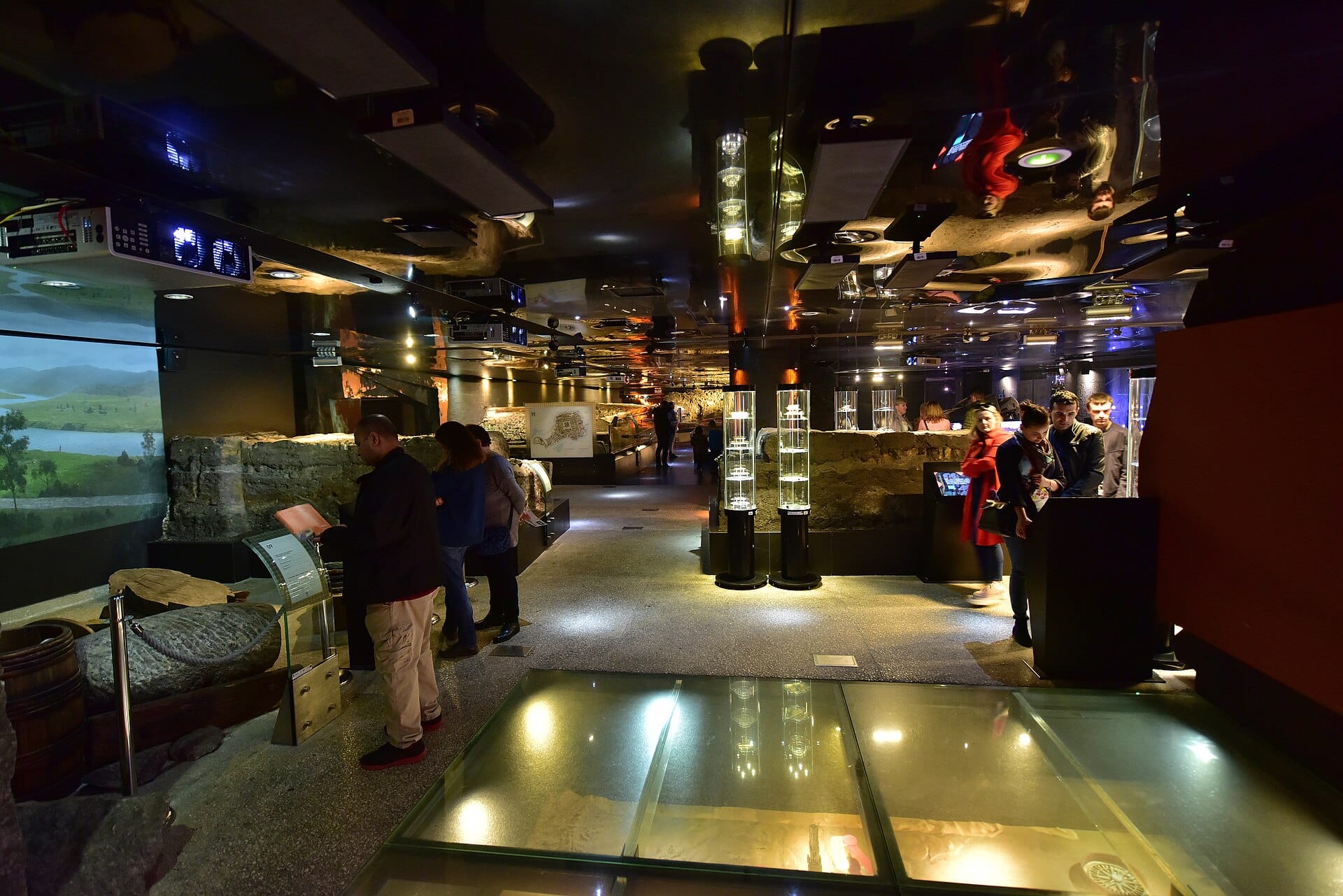
15. Descend into 1,000 Years of City History at the Rynek Underground
Beneath Rynek Główny, multimedia displays and excavated medieval trade routes reveal what the square looked like centuries before tourists arrived. Accessed through the Cloth Hall, it covers roughly 6,000 sq metres. Tickets are around €6; book 3-5 days ahead in peak season.
Explore15. Descend into 1,000 Years of City History at the Rynek Underground
Beneath Rynek Główny, multimedia displays and excavated medieval trade routes reveal what the square looked like centuries before tourists arrived. Accessed through the Cloth Hall, it covers roughly 6,000 sq metres. Tickets are around €6; book 3-5 days ahead in peak season.
ExploreUniversity, Science & Unique Collections
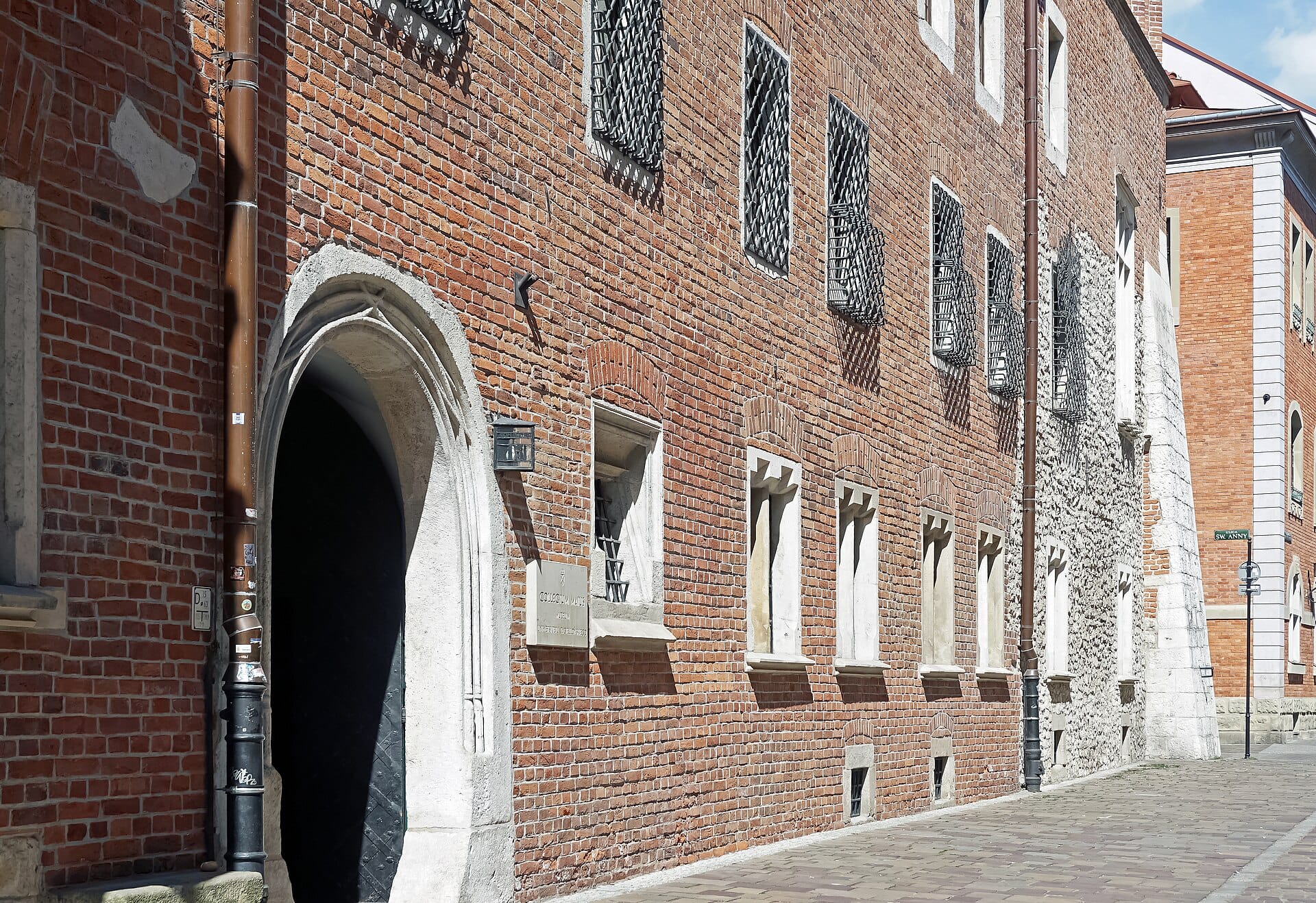
Beyond the headline institutions, Kraków has several specialist museums that reward curiosity. The Jagiellonian University connection gives two of them particular depth: Collegium Maius has been collecting scientific instruments and royal curiosities since the 15th century, and the university's botanical garden, while not a museum in the traditional sense, doubles as a living collection with genuine scientific heritage.
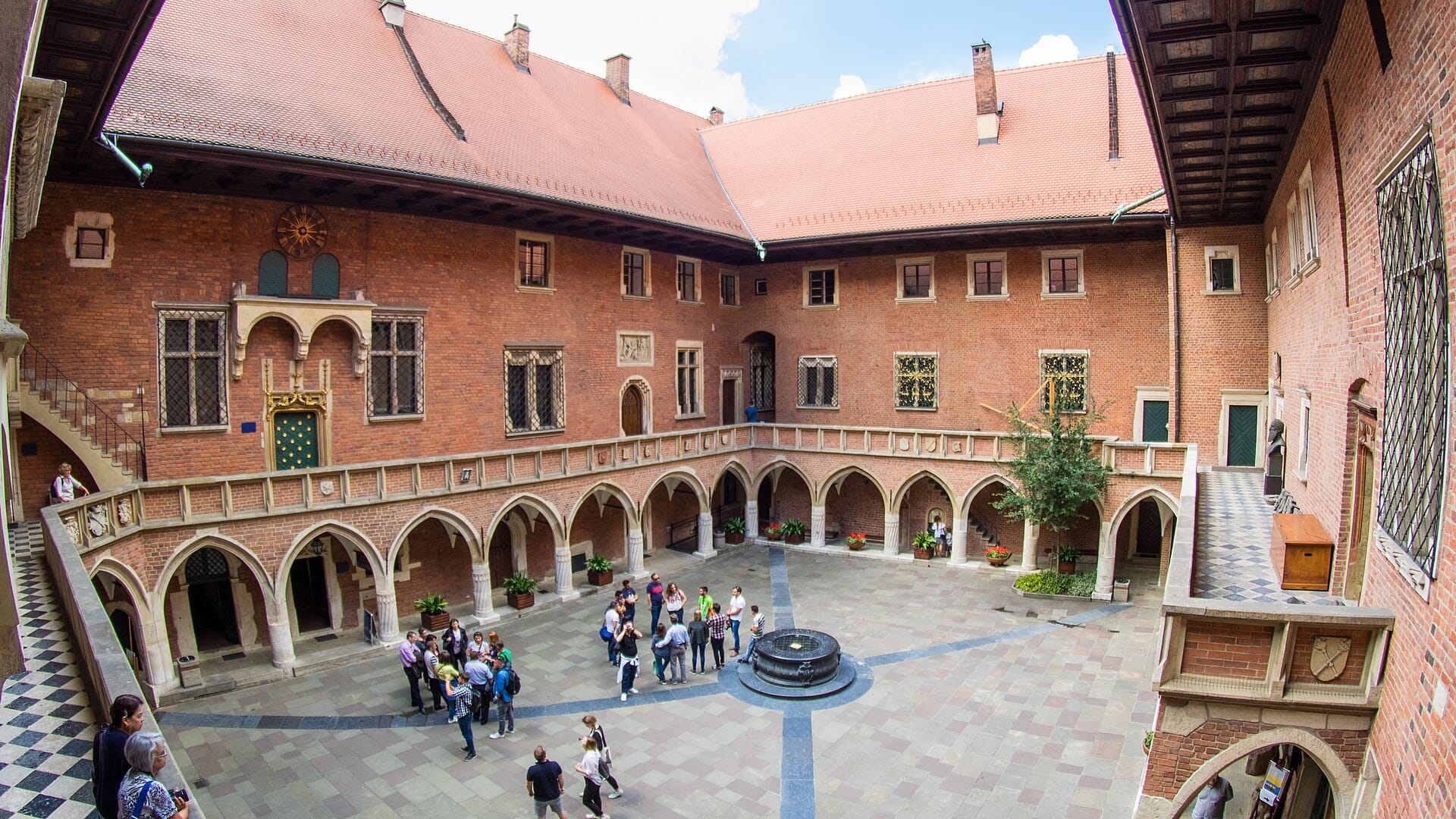
16. See Copernicus's Instruments at Collegium Maius
The oldest Jagiellonian University building is a Gothic courtyard of rare elegance. The museum inside holds historic scientific instruments, royal gifts, and university memorabilia including items linked to Copernicus, who studied here. Guided tours run on the hour; book ahead for English sessions.
Explore16. See Copernicus's Instruments at Collegium Maius
The oldest Jagiellonian University building is a Gothic courtyard of rare elegance. The museum inside holds historic scientific instruments, royal gifts, and university memorabilia including items linked to Copernicus, who studied here. Guided tours run on the hour; book ahead for English sessions.
Explore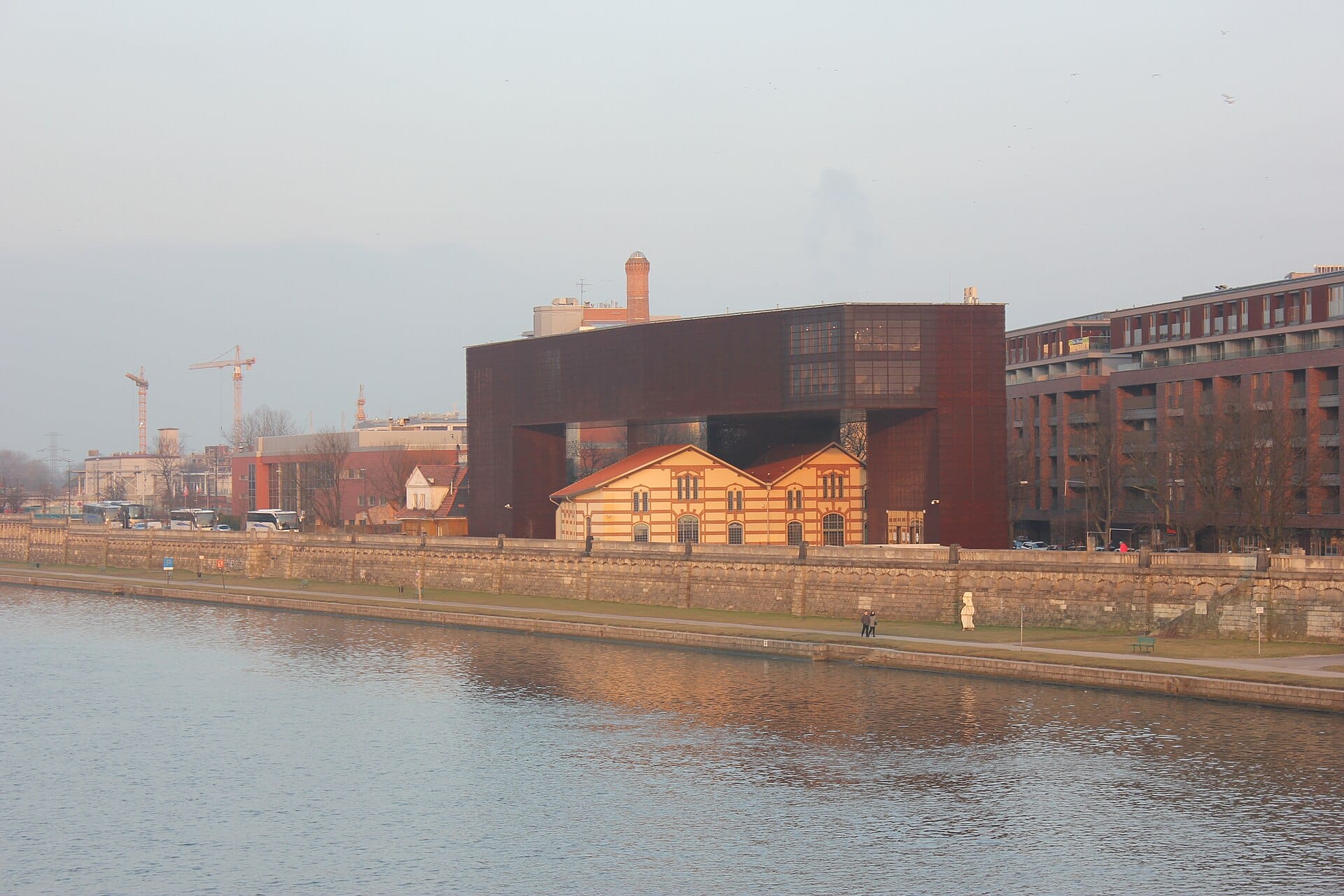
17. Discover Avant-Garde Theatre at the Cricoteka (Tadeusz Kantor Museum)
The archive and museum dedicated to Tadeusz Kantor, one of the 20th century's most influential theatre directors, occupies a striking contemporary building on the Vistula in Podgórze. It's genuinely unlike any other museum in the city: part archive, part performance space, part artwork.
Explore17. Discover Avant-Garde Theatre at the Cricoteka (Tadeusz Kantor Museum)
The archive and museum dedicated to Tadeusz Kantor, one of the 20th century's most influential theatre directors, occupies a striking contemporary building on the Vistula in Podgórze. It's genuinely unlike any other museum in the city: part archive, part performance space, part artwork.
Explore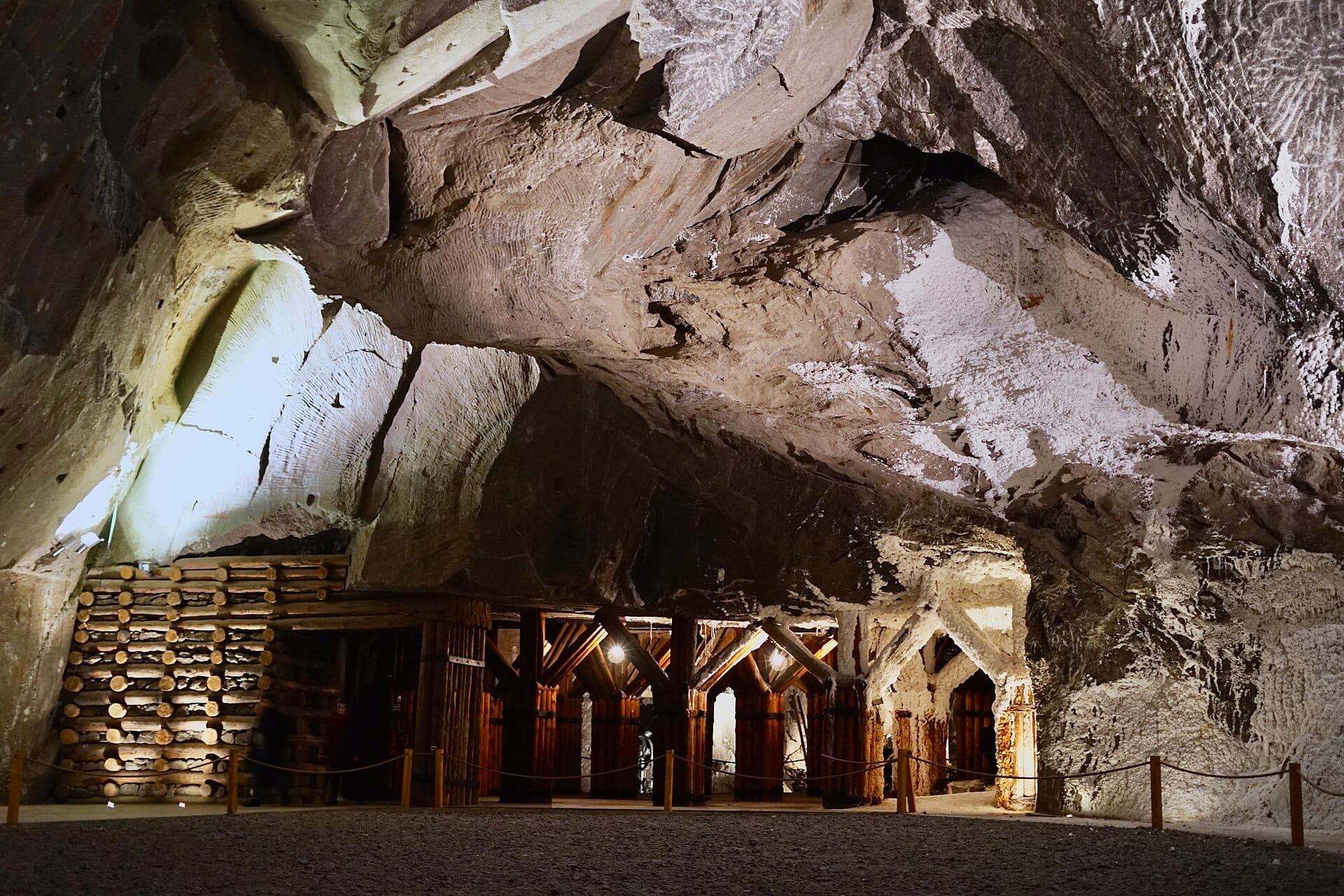
18. Walk Through a UNESCO Salt Cathedral at Wieliczka
Just 14km from Kraków, Wieliczka descends 135 metres through nine levels of tunnels, chambers, and salt-carved chapels. The Chapel of St Kinga, with its chandeliers and reliefs all carved from salt, is genuinely extraordinary. Tours take around 2.5 hours; book tickets online in advance.
Explore18. Walk Through a UNESCO Salt Cathedral at Wieliczka
Just 14km from Kraków, Wieliczka descends 135 metres through nine levels of tunnels, chambers, and salt-carved chapels. The Chapel of St Kinga, with its chandeliers and reliefs all carved from salt, is genuinely extraordinary. Tours take around 2.5 hours; book tickets online in advance.
Exploreℹ️ Good to know
Many major Kraków museums close one fixed day per week, most often Monday. MNK permanent exhibitions (Czartoryski, Cloth Hall Gallery, National Museum main building) are free every Tuesday. Schindler's Factory is run separately by Museum of Kraków and has different free-day policies — check muzeumkrakowa.pl before visiting.
FAQ
Which Kraków museum should I prioritise if I only have one day?
Schindler's Factory is the most complete single-museum experience for understanding Kraków's history, but it requires advance booking. If you haven't booked, pair the Czartoryski Museum (for the Leonardo da Vinci) with the Rynek Underground in the afternoon — both are walkable from Rynek Główny and bookable on shorter notice.
Are there free museum days in Kraków?
Yes. All National Museum in Kraków (MNK) permanent exhibitions — including the Czartoryski Museum and the Cloth Hall Gallery of 19th-Century Polish Painting — are free every Tuesday. Some Museum of Kraków branches offer free admission on selected days; check muzeumkrakowa.pl for the current schedule before visiting.
Do I need to book Schindler's Factory in advance?
Yes, strongly. In summer and during school holidays, timed-entry slots sell out 1-2 weeks ahead. Book directly through muzeumkrakowa.pl. If you arrive without a ticket, you may not get in that day. Weekday mornings in spring or autumn are the easiest time to find last-minute availability.
Is Auschwitz-Birkenau a museum or a memorial site?
It functions as both: the Auschwitz-Birkenau State Museum is the official institution managing the UNESCO World Heritage Site. Guided tours from Kraków typically take 6–8 hours in total. Individual visitors can enter the Auschwitz I site without a guide in limited time windows (generally before 10:00 or after 16:00 in the main season), but current rules vary by season, so check the official museum website; at other times, joining a guided tour with an educator is required.
Can I visit Wawel Castle without booking ahead?
Some sections, particularly the State Rooms (free on Mondays), do have limited capacity and can sell out on busy days. The Royal Private Apartments and Crown Treasury can also be busy in summer. Buying tickets online via wawel.krakow.pl the day before is advisable. The Dragon's Den cave generally does not require advance booking.
Tickets & tours
Live prices and dates from our booking partner. If you book, we may earn a commission at no extra cost to you.
Planning a trip? Discover personalized activities with the Nomado app.