2 Days in Kraków: The Perfect Itinerary
Two days in Kraków is enough time to cover the Royal Capital's greatest hits without rushing. This itinerary covers the Old Town, Wawel Hill, Kazimierz, and Podgórze in a logical, walkable order, with honest guidance on day trips, booking pitfalls, and what actually fits into a weekend.
Tickets & tours
Live prices and dates from our booking partner. If you book, we may earn a commission at no extra cost to you.
TL;DR
- Day 1 focuses on Kraków's Old Town and Wawel Hill: Main Market Square, St. Mary's Basilica, Cloth Hall, and Wawel Royal Castle.
- Day 2 covers Kazimierz and Podgórze: the Jewish Quarter, Ghetto Heroes Square, and Schindler's Factory Museum.
- Book Schindler's Factory and Wawel Castle tickets in advance, especially in high season. See the full Wawel Castle guide for timed-entry details.
- Do not try to fit both Auschwitz-Birkenau and Wieliczka Salt Mine into a 2-day city break. Each is a serious half-day or full-day commitment outside the city.
- Kraków's centre is compact and walkable. A tram connects the Old Town area with Podgórze in around 8 minutes.
Before You Arrive: The Essentials
Kraków, officially the Royal Capital City of Kraków, is Poland's second-largest city with around 800,000 residents and a metropolitan area of roughly 1 million. It sits on the upper Vistula River in southern Poland, capital of the Lesser Poland Voivodeship (województwo małopolskie). The city survived World War II largely intact, which is why it still has one of Central Europe's most complete medieval cores, now a UNESCO World Heritage Site. Understanding this context matters: what you're walking through on Day 1 is not a reconstructed Old Town but the real thing. For a broader orientation, the complete Kraków travel guide covers the full picture.
The currency is the Polish złoty (PLN). Poland is not in the Eurozone, so euros are not accepted at most venues. ATMs are widely available in the centre. The city operates on Central European Time (CET, UTC+1), shifting to CEST (UTC+2) during daylight saving. English is spoken confidently at most tourist venues, hotels, and restaurants in the centre. In an emergency, dial 112.
💡 Local tip
Flying into Krakow? John Paul II International Airport (IATA: KRK) is around 11 km west of the centre, near Balice. The fastest way in is by train to Kraków Główny station, which takes roughly 20 minutes. Verify current fares and schedules via the airport's official site before travel, as prices change seasonally.
The Krakow weather pattern matters for this itinerary because it is heavily outdoor and pedestrian. Late spring (May to June) and early autumn (September) offer the most comfortable walking conditions, with temperatures typically between 15°C and 25°C and moderate crowds. Summer (July to August) is warmer and significantly more crowded, particularly around the Main Market Square. Winter (December to February) averages around or below 0°C, daylight hours are short, and some outdoor attractions lose their appeal, though Kraków's Christmas market is genuinely worth the cold. For a full seasonal breakdown, the best time to visit Kraków guide explains the tradeoffs.
Day 1: Old Town and Wawel Hill
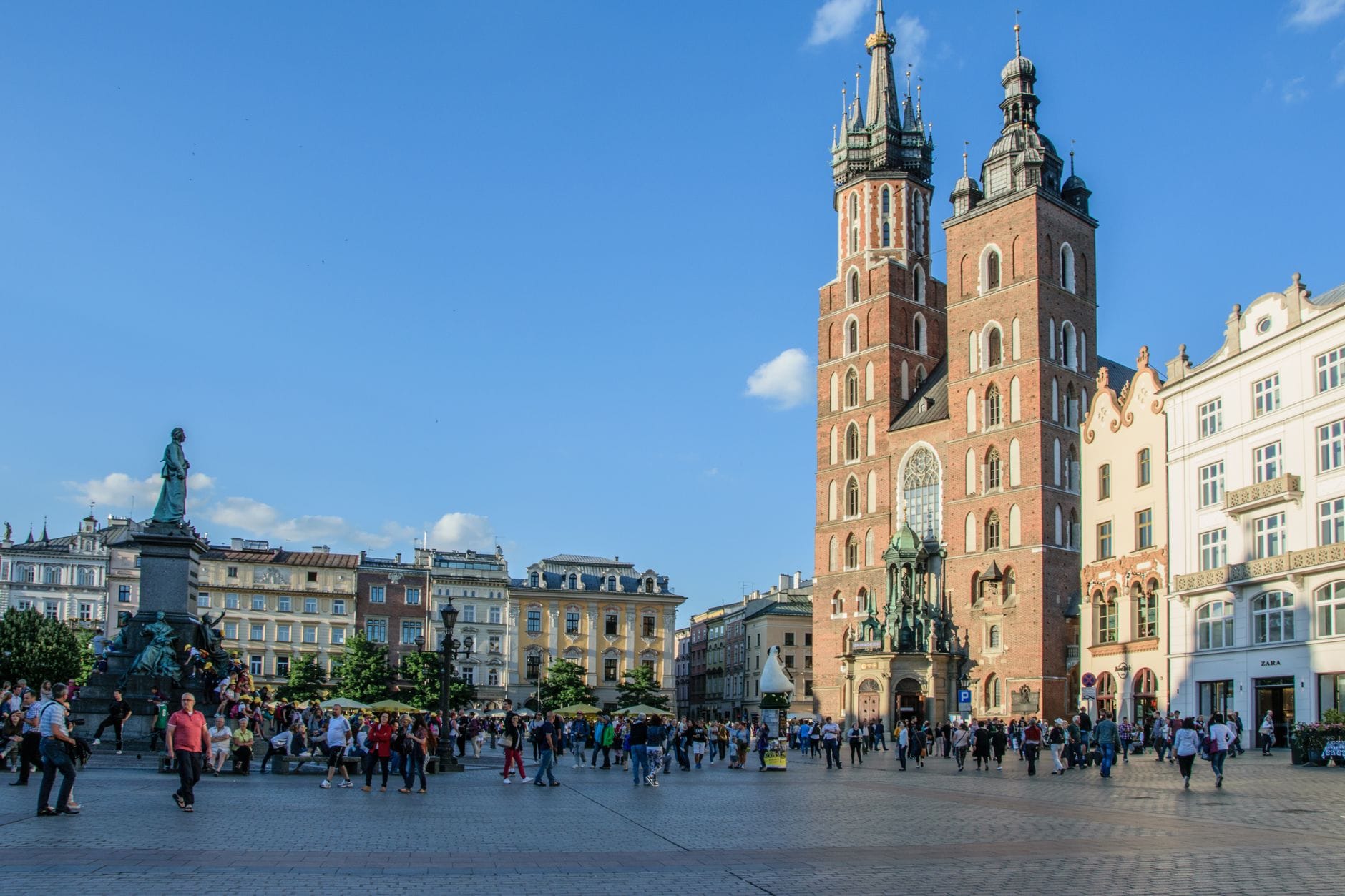
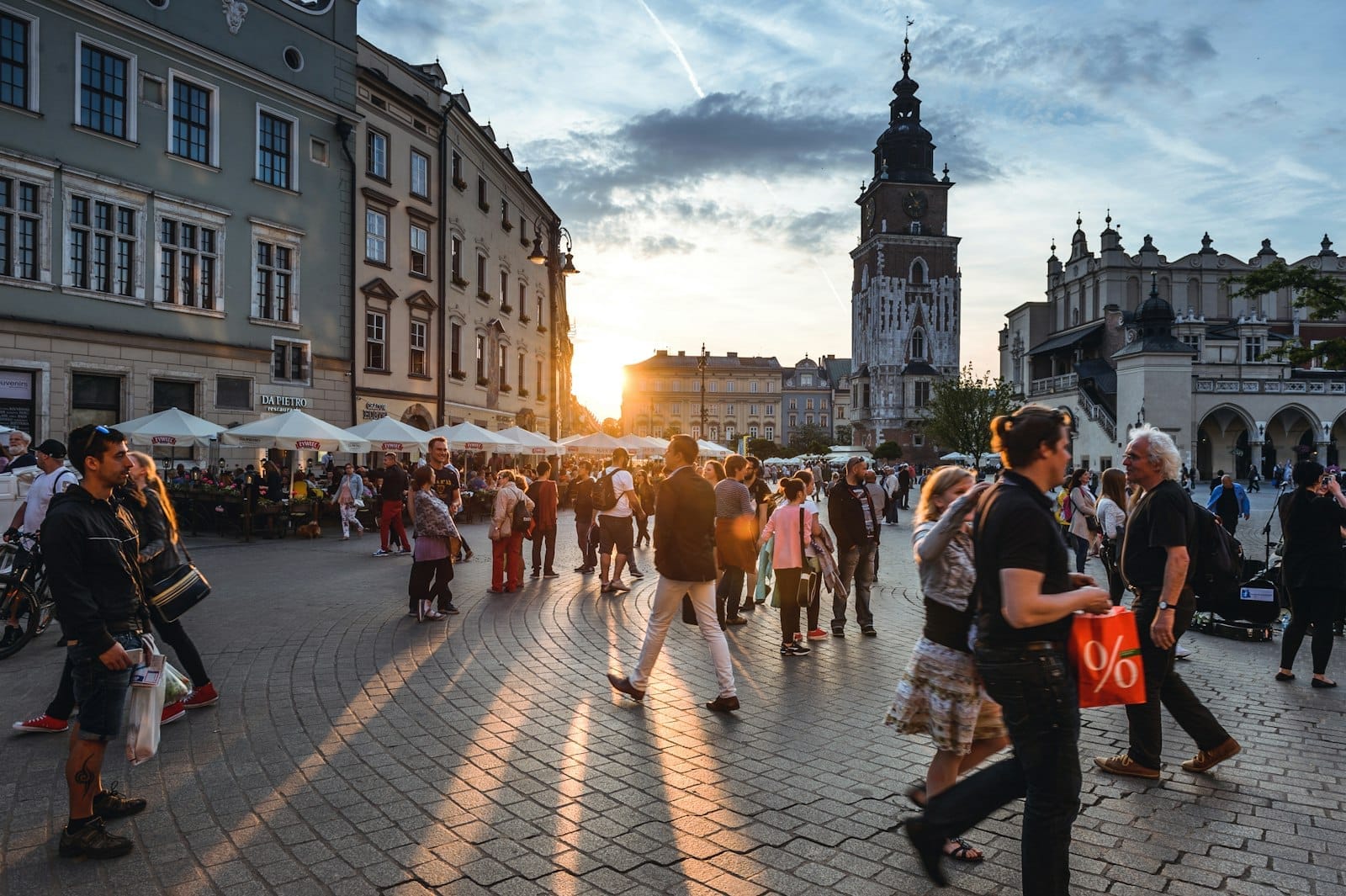
Start at Rynek Główny, Kraków's Main Market Square, one of the largest medieval squares in Europe at roughly 200 by 200 metres. Arrive before 9:00 to experience it without the midday crowds. The square is the logical anchor for Day 1, with several key attractions within a 5-minute walk.
- St. Mary's Basilica (Kościół Mariacki) The Gothic brick church on the northeast corner of the square. Entry to the main nave costs a few złoty; the tower climb is separate. The famous trumpeter's call (Hejnał) sounds from the tower every hour. Check current opening hours before visiting, as religious services affect access.
- Cloth Hall (Sukiennice) The Renaissance arcade in the centre of the square. Ground floor sells amber, crafts, and souvenirs — quality varies enormously, so compare before buying. The upper floor houses a Gallery of 19th-Century Polish Painting, part of the National Museum, which is worth 45 minutes.
- Kraków Underground Museum Directly beneath the square, accessed from the Cloth Hall. A multimedia walkthrough of medieval Kraków excavated underfoot. Timed tickets often sell out by midday in summer — book online in advance.
After the square, walk south through Planty Park, the green ring that replaced the city's medieval walls, toward Wawel Hill. The walk takes about 10 minutes. Wawel Royal Castle sits on a limestone outcrop above the Vistula and is the single most important historical monument in Poland. The complex includes multiple ticketed routes: the State Rooms, Royal Private Apartments, Crown Treasury and Armoury, and the Oriental Collection are the main options. Each requires a separate timed ticket. Most visitors prioritise the State Rooms and the Armoury. Budget at least 2 hours for the hill, and book tickets in advance at wawel.krakow.pl.
While on Wawel Hill, visit Wawel Cathedral, the coronation church of Polish kings. Entry to the cathedral itself requires a ticket from the on-site ticket office; the Royal Tombs and Sigismund Tower (with its famous 11-tonne bell) are accessed with the same ticket or a supplementary one, depending on the current scheme. Don't miss the Dragon's Den (Smocza Jama) entrance at the base of the hill, where a fire-breathing bronze dragon by sculptor Bronisław Chromy stands at the Vistula embankment. It's a 5-minute detour and genuinely impressive.
⚠️ What to skip
Wawel Castle's State Rooms have a daily visitor cap. In July and August, tickets for morning slots can sell out online before 8:00 AM. If you're visiting without advance booking, arrive at the ticket office when it opens. Do not pay third-party touts outside the gate.
Spend the afternoon back in the Old Town. The Czartoryski Museum on Pijarska Street holds Leonardo da Vinci's Lady with an Ermine, one of the most significant Renaissance paintings in Central Europe. Entry requires a timed ticket. Nearby, the Collegium Maius is the oldest building of Jagiellonian University, founded in 1364, with hourly guided tours of its Gothic courtyard and historical collections. For the evening, the Old Town has no shortage of restaurants. The guide to eating in Kraków breaks down what to order and where to avoid tourist traps.
Day 2: Kazimierz and Podgórze
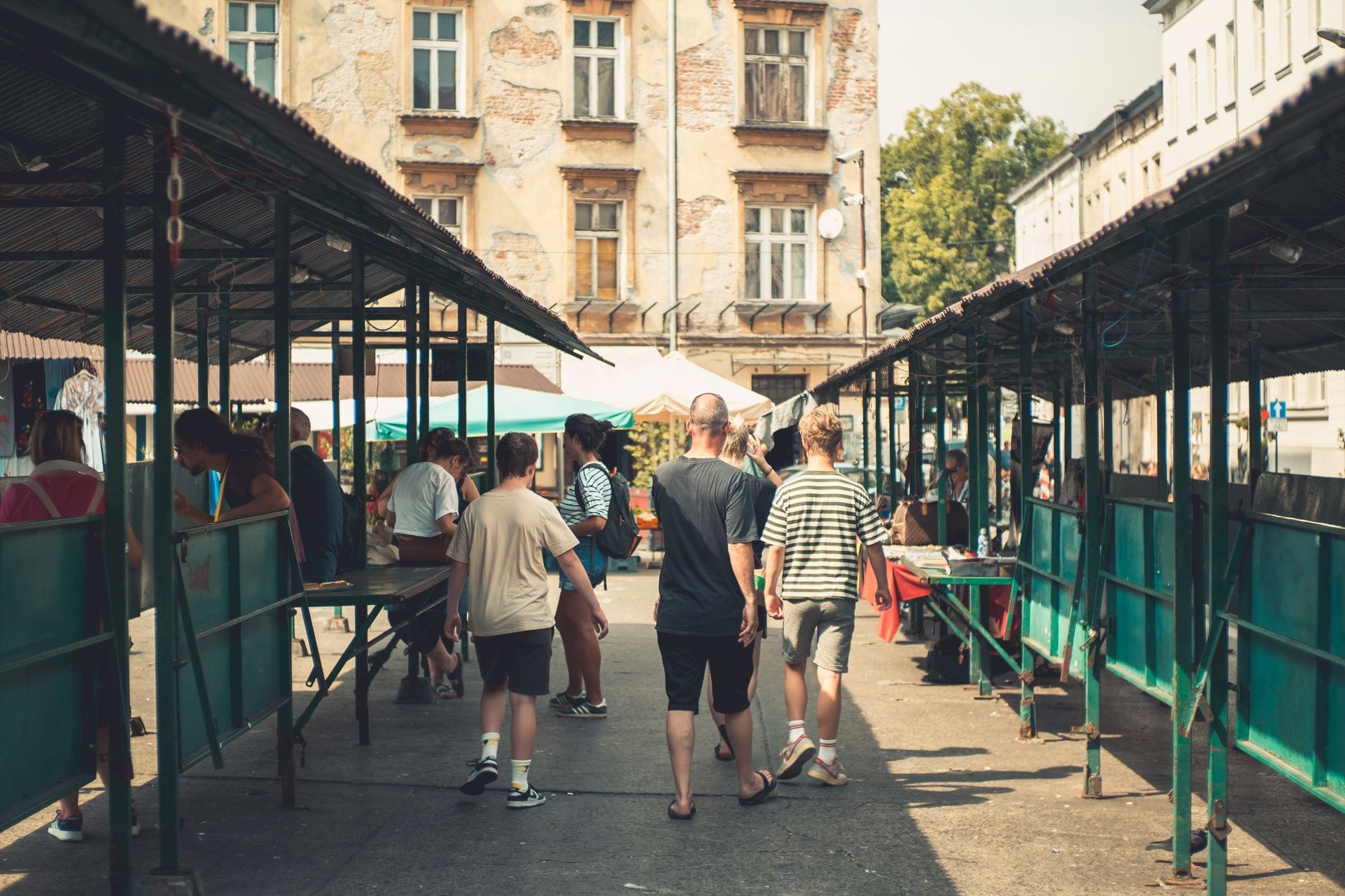
Kazimierz, the former Jewish quarter south of the Old Town, is about a 20-minute walk from Rynek Główny or a short tram ride. It was established as a separate town in 1335 and absorbed into Kraków proper in 1800. During World War II, the district's Jewish population was forcibly relocated to the Kraków Ghetto across the river in Podgórze. Today Kazimierz is the cultural and historical heart of Kraków's Jewish heritage. The full Kazimierz guide covers the district in detail.
- Old Synagogue (Stara Synagoga) The oldest surviving synagogue in Poland, dating to the 15th century, now houses a museum of Jewish history and tradition. Located on Szeroka Street, the main plaza of the Jewish Quarter.
- Remuh Synagogue and Cemetery An active synagogue next to a Renaissance-era Jewish cemetery, one of the best-preserved in Central Europe. Modest dress is required; men should cover their heads.
- Galicia Jewish Museum A thoughtful photographic museum documenting Jewish heritage in the Galicia region, with a focus on traces that survived the Holocaust. Located on Dajwór Street. Less crowded than the synagogues and more reflective in character.
- Plac Nowy The central market square of Kazimierz, where locals shop for produce in the morning. The round rotunda sells zapiekanka (toasted baguette with toppings) — a Kraków street food staple worth trying around 11:00 before the lunch queue builds.
After Kazimierz, cross the Vistula into Podgórze. This is a shorter walk than most maps suggest: about 15 minutes on foot via the Powstańców Śląskich bridge, or a quick tram ride. The area around Ghetto Heroes Square (Plac Bohaterów Getta) is where the Kraków Ghetto was liquidated in 1943. The 33 empty metal chairs scattered across the square serve as a stark memorial to the residents deported from this spot. It is not a place to rush through.
A 5-minute walk from the square brings you to Schindler's Factory Museum (Fabryka Schindlera), now run by the Museum of Kraków (Muzeum Krakowa) at muzeumkrakowa.pl. The permanent exhibition, titled 'Kraków under Nazi Occupation 1939-1945', is one of the most compelling World War II museums in Europe. Budget 2 to 2.5 hours. Timed tickets frequently sell out in summer, so booking online at least a few days ahead is not optional, it is necessary. The Schindler's List filming locations guide is useful context if you want to connect the film to the physical geography.
✨ Pro tip
Tram lines from near Teatr Słowackiego in the Old Town run to Plac Bohaterów Getta (Ghetto Heroes Square) in Podgórze in under 15 minutes. A single ticket purchased from a machine at the stop or via the MPK Kraków app covers the journey. Validate your ticket on board.
If time and energy allow after Schindler's Factory, the Eagle Pharmacy Museum (Apteka pod Orłem) on Plac Bohaterów Getta is a smaller but moving museum inside the actual pharmacy that operated during the ghetto period. It requires less than an hour and has no timed-entry system, making it a practical add-on. End Day 2 back in Kazimierz for dinner: the strip around Szeroka and Józefa streets has a range of restaurants, from traditional Polish to Jewish-style cuisine.
The Day Trip Question: Auschwitz or Wieliczka?
Every 2-day Kraków itinerary eventually confronts this question. The honest answer is that you cannot do both comfortably in a strict two-day city visit without sacrificing the city itself. Each is a substantial excursion that deserves proper time.
Auschwitz-Birkenau Memorial and Museum is located around 70 km west of Kraków. A self-guided visit typically takes 3 to 4 hours minimum; a guided group tour takes longer. Buses and tours depart from Kraków in the morning and return by late afternoon. Booking in advance is mandatory — free entry does not mean walk-in entry. The guide to visiting Auschwitz from Kraków covers logistics and what to expect.
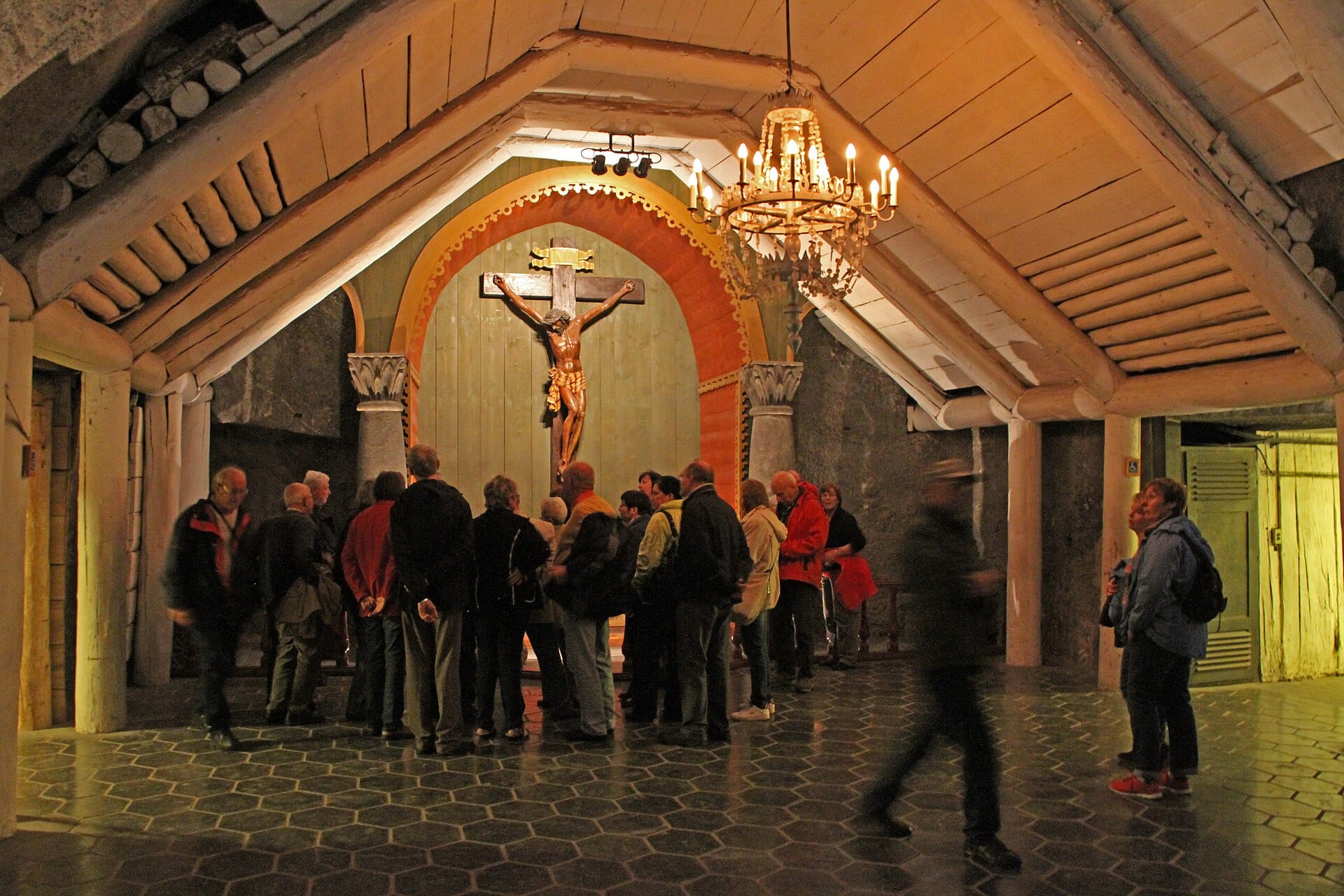
Wieliczka Salt Mine is 14 km southeast of the city centre, accessible by train from Kraków Główny in about 30 minutes. The standard tourist route underground takes around 2 hours with a guide. It is genuinely impressive architecturally and historically, a UNESCO World Heritage Site since 1978. The Wieliczka Salt Mine guide has full booking and transport details. If you have to choose one, Auschwitz is a more significant historical experience; Wieliczka is more spectacular visually. Neither is overrated, but both reward going with enough time rather than as a rushed addition.
ℹ️ Good to know
If you want to add a day trip, the most practical approach is to extend your stay to 3 days. Day 3 can be dedicated entirely to Auschwitz-Birkenau or Wieliczka Salt Mine, keeping the city itinerary intact.
Getting Around and Practical Logistics
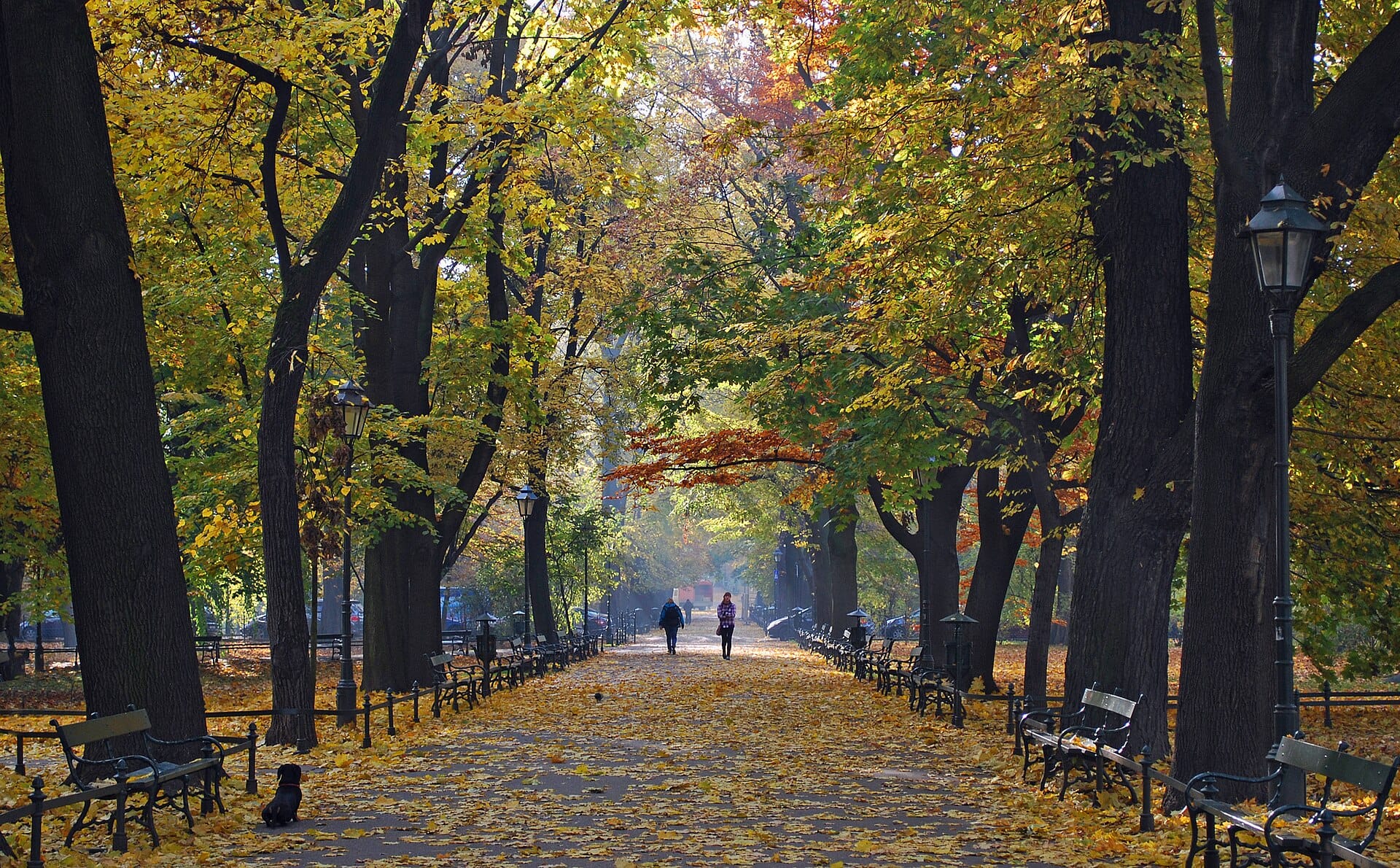
Kraków's historic centre is compact. Most Old Town sights are within a 15-minute walk of Rynek Główny. The Planty Park ring around the Old Town serves as a natural navigation aid: stay inside it for the medieval core, walk south through it for Wawel. For Kazimierz and Podgórze, walking is viable but trams are faster and cost only a few złoty per journey. There is no metro system in Kraków. For a full breakdown of transport options, the getting around Kraków guide covers trams, buses, taxis, and ride-hailing apps.
- Book Wawel Castle tickets (wawel.krakow.pl) and Schindler's Factory (muzeumkrakowa.pl) before you travel, not on the day.
- Carry złoty in cash. Many markets, small cafes, and smaller museums still prefer cash over card.
- Modest dress (covered shoulders and knees) is required to enter Wawel Cathedral, St. Mary's Basilica, and all synagogues.
- Most city-centre restaurants add a service charge, but rounding up or leaving 10% is standard practice in sit-down venues.
- Poland uses Type C and E plugs at 230V/50Hz. Bring an adaptor if your devices use a different plug standard.
- Tap water in Kraków is treated and generally safe to drink, though bottled water is universally available.
For accommodation, staying in the Old Town puts you closest to Day 1 sights, while Kazimierz is a quieter, less touristy base with character. The Kraków accommodation guide breaks down each neighbourhood's tradeoffs by budget and style.
What This Itinerary Skips (And Why)
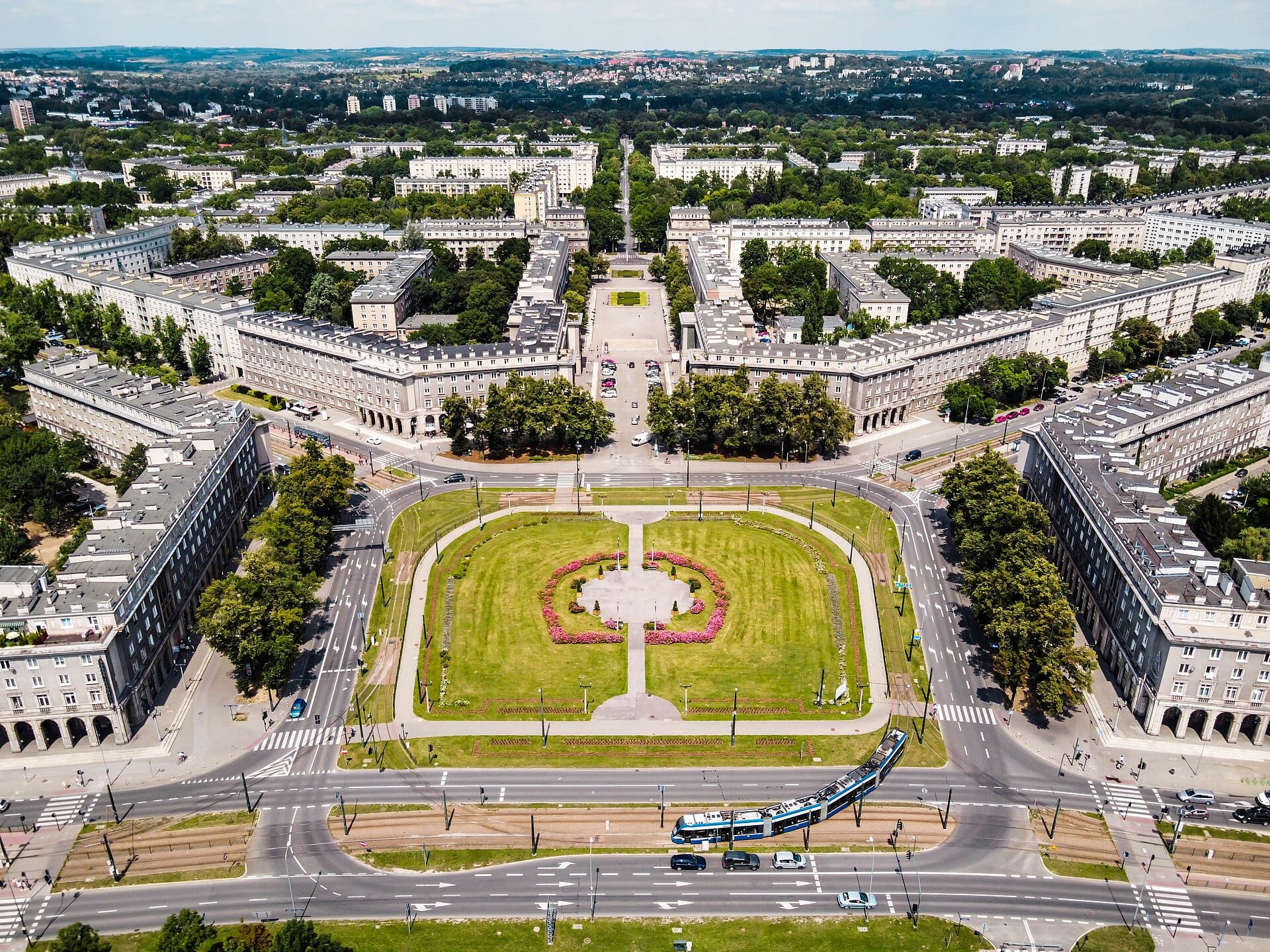
Two days is not enough for everything. Nowa Huta, Kraków's planned socialist-era district in the east, is one of the most architecturally distinctive places in Poland but requires a dedicated half-day. The Nowa Huta communist-era tour is worth adding if you have a third day. Similarly, Tyniec Abbey on the Vistula and Ojców National Park are rewarding but not realistic within a compact city itinerary.
The city's museum scene is extensive. The best museums in Kraków guide helps prioritise if you want to go deeper on specific periods or subjects. And if budget is a concern, several top experiences including Wawel Castle courtyard, Planty Park, and the exterior of all major Old Town buildings cost nothing at all. The free things to do in Kraków guide lists the best no-cost options.
FAQ
Is 2 days enough for Kraków?
Two days covers the core sights well: Old Town, Wawel Hill, Kazimierz, and Podgórze. You will not feel like you've wasted the trip. That said, you won't have time for Nowa Huta, both major day trips, or deeper museum exploration. Three days is more comfortable if your schedule allows.
Can I do Auschwitz and Wieliczka Salt Mine in the same 2-day trip?
Realistically, no. Each requires a minimum half-day to visit properly, and both are outside the city. Trying to fit both into a 2-day Kraków itinerary means sacrificing significant city sightseeing. Choose one, or extend your trip to 3 days.
How far is Kraków from Warsaw by train?
Kraków Główny to Warsaw Centralna takes around 2 hours 30 minutes on the express Pendolino service. Trains run frequently throughout the day. Kraków is also well-connected by rail to Wrocław, Gdańsk, and international destinations via Vienna and Prague.
Do I need to book Wawel Castle tickets in advance?
Yes, especially in summer. The State Rooms and Royal Apartments have daily visitor caps and timed entry. Tickets sell out online well in advance during July and August. Book at wawel.krakow.pl as soon as your dates are confirmed.
What is the Cloth Hall in Kraków?
Sukiennice, or the Cloth Hall, is a 16th-century Renaissance trading hall in the centre of Rynek Główny. It is not a modern shopping mall. The ground floor sells souvenirs and crafts; the upper floor is home to a gallery of 19th-century Polish painting. It is one of the most recognisable buildings in the city.
Tickets & tours
Live prices and dates from our booking partner. If you book, we may earn a commission at no extra cost to you.
Planning a trip? Discover personalized activities with the Nomado app.