Visiting Auschwitz from Kraków: The Complete Practical Guide
Auschwitz-Birkenau is 65-70 km from Kraków and one of the most significant historical sites in the world. This guide covers every practical detail: how to book mandatory timed entry, how to get there by train, bus, or organized tour, what to expect at both sites, and how to plan your day without stress.
Tickets & tours
Live prices and dates from our booking partner. If you book, we may earn a commission at no extra cost to you.
TL;DR
- Timed entry is mandatory and must be booked online in advance at visit.auschwitz.org — you cannot buy tickets at the gate.
- Entry to the memorial is free, but official guided tours cost around 150 PLN per adult and are worth booking.
- The site is about 65-70 km from Kraków; buses go directly to the museum entrance, while trains stop in Oświęcim town, a 25-minute walk or short ride away. See our guide on getting around Kraków for city transport context.
- A full visit to both Auschwitz I and Birkenau takes at least 3.5 hours — plan for a full day when traveling from Kraków.
- In peak summer months (June-August), time slots sell out weeks in advance. Book as early as possible.
What You're Actually Visiting: Auschwitz I and Birkenau
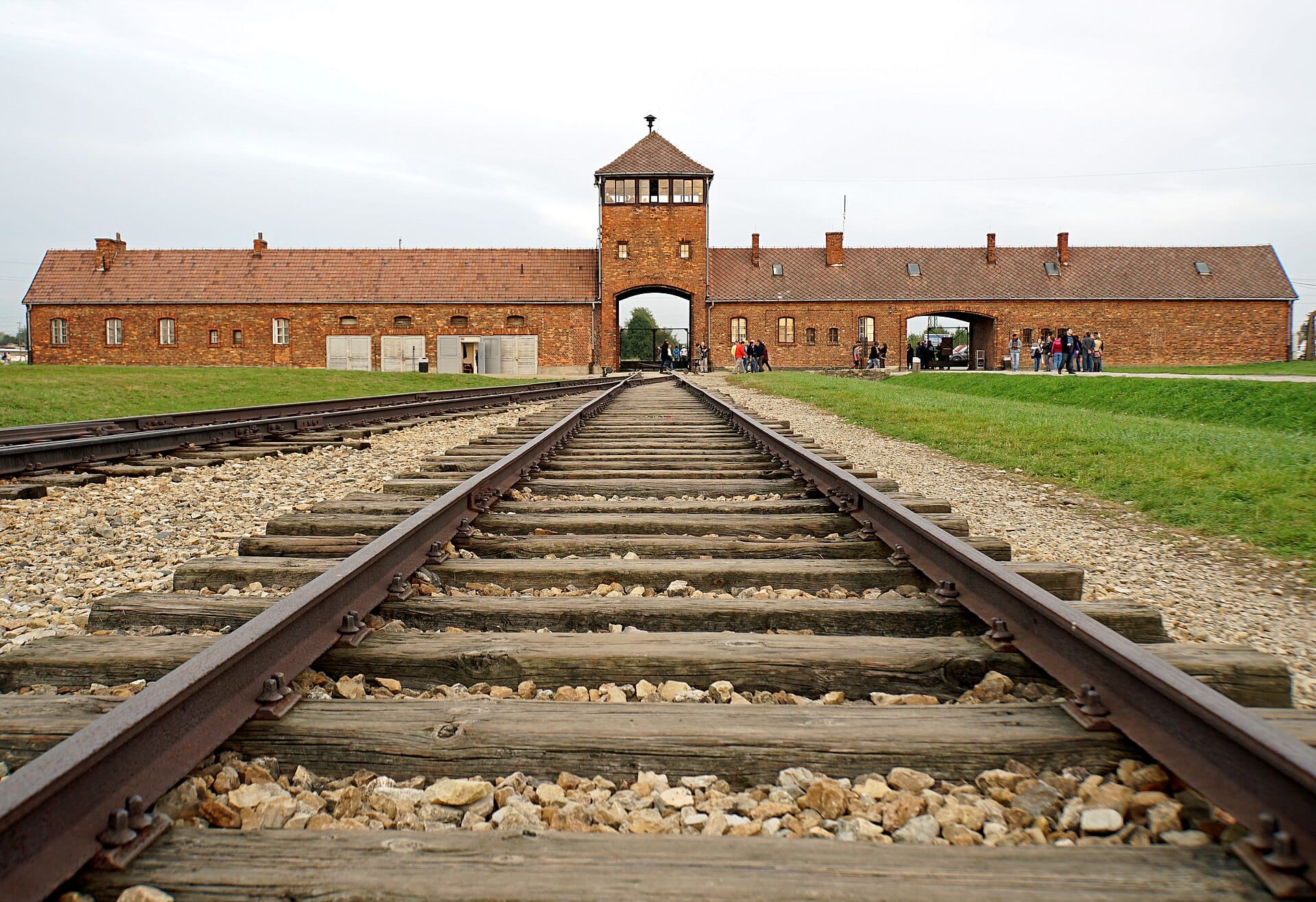
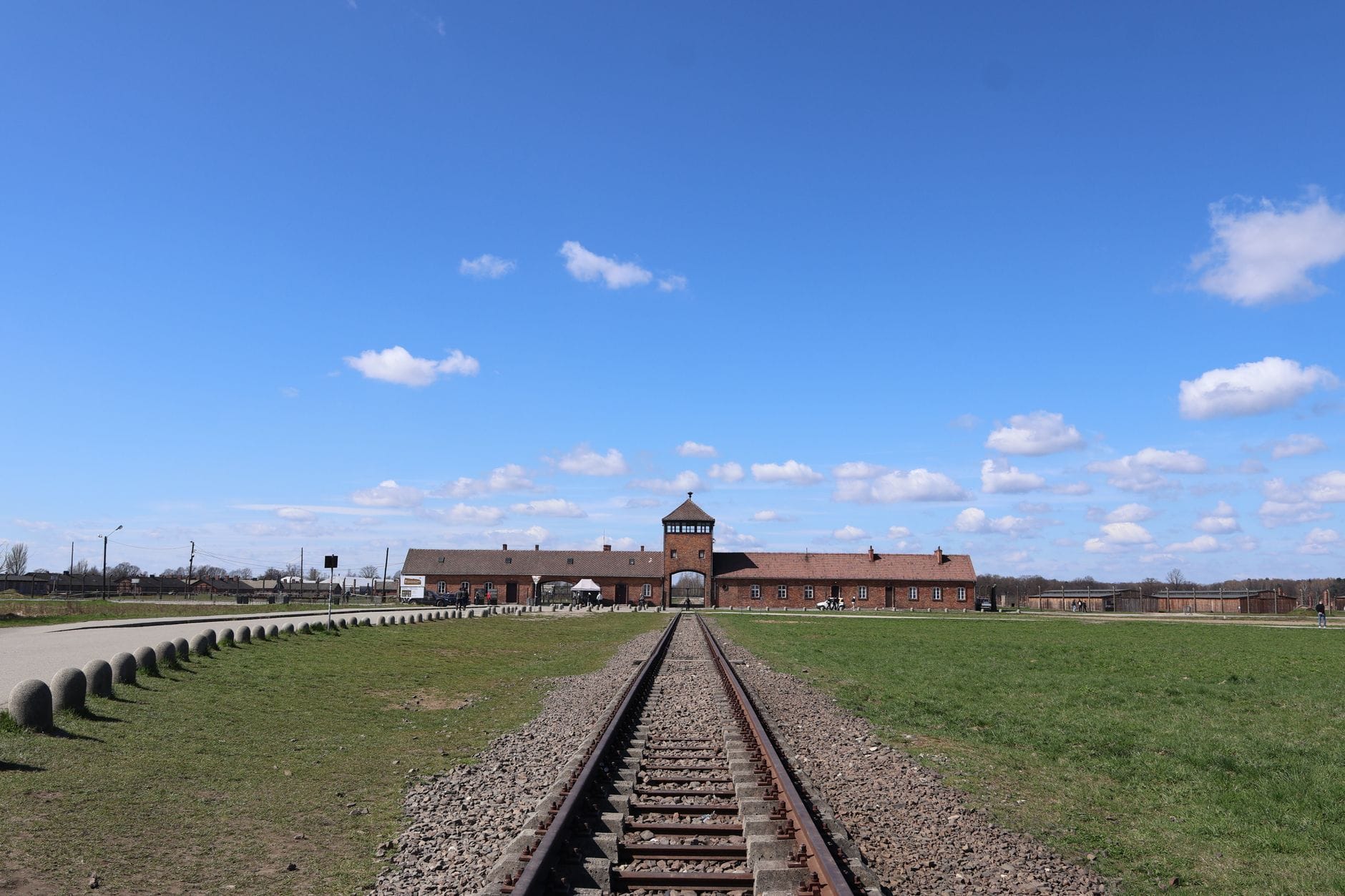
The Auschwitz-Birkenau State Museum encompasses two distinct sites located about 3 km apart. Auschwitz I, the original camp, functions largely as a museum with preserved barracks converted into exhibition halls. Birkenau (Auschwitz II) is a vast, largely open-air complex where the majority of the estimated 1.1 million victims were murdered. Many visitors underestimate how different these two places feel — Auschwitz I is contained and structured; Birkenau is sprawling, exposed, and for many people, far more emotionally overwhelming.
A standard guided tour runs approximately 3.5 hours and covers both sites. A free shuttle runs between them, though you can also walk the route in around 20-30 minutes. If you visit independently (without a guide), you can stay as long as you like within the opening hours for your time slot. Most people find that 4-5 hours is the minimum to do both sites proper justice, particularly Birkenau.
ℹ️ Good to know
The museum is open year-round, seven days a week, except January 1, Easter Sunday, and December 25. Opening hours vary significantly by month — in June-August, the last entry is at 7:00 pm, while in December it is at 2:00 pm. Always confirm current hours at auschwitz.org before you go.
Tickets, Entry Passes, and What It Actually Costs
Entry to the Auschwitz-Birkenau memorial is free, but this does not mean you can walk in without a reservation. All visitors must book a named, timed entry pass online in advance through the official portal at visit.auschwitz.org. On-site ticket sales no longer exist. Free passes are capacity-limited and fully book out in peak season, sometimes weeks ahead — the fact that admission is free does not mean availability is unlimited.
- Free timed entry pass Required for all visitors regardless of age. Book exclusively via visit.auschwitz.org. No cost, but slots are strictly capacity-controlled.
- Official guided museum tour Approximately 150 PLN per adult (around €35). Tours last 3.5 hours and cover both Auschwitz I and Birkenau. Slight reductions may apply for younger visitors — check the official site for current rates.
- Organized day trips from Kraków These bundle transport, guided entry, and sometimes extras like hotel pickup. Prices typically range from €39 to €90 depending on the operator, group size, and inclusions.
- Study visits and educational programs The museum offers specialized programs for school groups and researchers; these require separate booking and advance coordination with the museum's education department.
⚠️ What to skip
Avoid third-party reseller sites that charge inflated fees for 'reserved tickets.' The only legitimate booking portal for entry passes and official guided tours is visit.auschwitz.org. Organized private tours booked through reputable tour operators are separate and legitimate, but they still use the same timed entry system.
How to Get to Auschwitz from Kraków
Auschwitz-Birkenau is located in Oświęcim, approximately 66 km west of Kraków, Poland's Royal Capital City and your most likely base. The journey takes between 1 hour and 1 hour 45 minutes depending on your mode of transport. You have three realistic options: train, bus, or organized tour. Each has a different trade-off between cost, convenience, and flexibility.
- By train (Kraków Główny to Oświęcim) Trains depart from Kraków's main station regularly throughout the day. Journey time is approximately 1 hour 20 minutes to 1 hour 50 minutes. One-way fares are typically 15-22 PLN. Important: Oświęcim station is not adjacent to the museum — you'll need a local bus, taxi, or around 25-minute walk to reach the entrance.
- By direct bus (most convenient independent option) Regular buses depart from Kraków's main bus station and stop directly at 'Oświęcim: Muzeum,' the stop immediately outside the museum entrance. Journey time is around 1 hour 30 minutes; tickets are roughly 20-22 PLN one-way. This avoids the onward journey from the train station.
- Organized day trip from Kraków Dozens of operators in Kraków offer Auschwitz day trips. Prices range from around €39 to €90 and typically include transport, a licensed guide, and timed entry. Hotel pickup is often included at higher price points. Best for those who want everything handled, including groups traveling together.
- By car or private transfer Follow road 933 from Kraków toward Oświęcim. Drive time is roughly 60-75 minutes without heavy traffic. Parking is available near the museum. Private transfers from Kraków can be arranged through various operators; costs vary significantly, so compare quotes in advance.
If you're planning to combine the Auschwitz visit with other day trips from Kraków, note that the Auschwitz visit demands significant emotional energy. Most experienced travelers recommend not combining it with a second major stop on the same day.
When to Go: Seasonal Timing and Crowd Realities
The Auschwitz-Birkenau memorial receives over two million visitors per year. That volume is not evenly distributed. Understanding when crowds peak — and when conditions are most challenging — is important for planning a visit that allows for genuine reflection rather than a rushed, overcrowded experience.
Summer (June through August) brings the longest opening hours but also the highest visitor numbers. Time slots at popular hours (10:00 am to 1:00 pm) book out weeks in advance. The outdoor sections of Birkenau, which cover a large area, are more manageable in warm weather, but the sheer number of visitors can make some sections feel overwhelming. If you must visit in summer, book the earliest morning slot available.
Autumn (September to October) is widely considered the most manageable period. Crowds thin, temperatures are still reasonable, and the landscape at Birkenau takes on a quality that many visitors describe as particularly affecting. Slots are easier to secure, though you should still book at least 2-3 weeks ahead. Winter visits (November to March) mean shorter hours, cold and potentially icy conditions across Birkenau's outdoor areas, but smaller crowds and a certain stark atmosphere that suits the gravity of the place. December is the most restricted month, with last entry as early as 2:00 pm.
✨ Pro tip
Book the first available morning slot for your chosen date. Early arrivals (opening time or shortly after) encounter significantly smaller crowds, especially at Auschwitz I's main exhibition buildings. By midday in summer, tour groups are arriving in waves and the experience changes substantially.
What to Expect on the Day
Arrive at least 15-20 minutes before your timed entry slot. Security checks are in place at the entrance, similar to an airport — bags go through screening. Large backpacks and luggage are not permitted inside; secure storage is available near the entrance. Photography is permitted throughout most of the site, including Birkenau, but specific rooms within Auschwitz I (particularly those displaying personal effects of victims) prohibit photography, and these restrictions are clearly marked and must be respected.
Dress practically. Birkenau involves walking across uneven ground, grass, and gravel for considerable distances. Comfortable shoes are essential. In summer, bring water and sun protection — there is minimal shade across Birkenau's open grounds. In winter, layer appropriately; the wind across the open site can be severe. There are café and food facilities near the entrance, but eating inside the memorial areas is not appropriate and is generally discouraged.
Visitors should approach this site with the understanding that it is an active memorial, not a tourist attraction. The Auschwitz-Birkenau Memorial has a code of conduct: silence, respect, and restraint. Selfie behavior, loud conversation, or treating exhibits as photo backdrops have all drawn public criticism and are explicitly discouraged by the museum. Children are welcome, but parents should consider carefully whether young children are developmentally ready for the site's content. The museum itself suggests this is a matter for individual parental judgment.
Pairing Auschwitz with Kraków's Related History
Visiting Auschwitz gains additional context if you've also spent time in Kraków's districts of Kazimierz and Podgórze. Kazimierz was Kraków's historic Jewish quarter for centuries; Podgórze was where the Nazi administration established the Kraków Ghetto during the occupation. Walking through both neighborhoods before visiting Auschwitz provides a human-scale understanding of what happened to the city's Jewish community before and during the war.
In Podgórze, the Schindler's Factory Museum offers one of the best accounts of wartime Kraków in any European museum. The Eagle Pharmacy Museum on Ghetto Heroes Square documents the occupation through the story of pharmacist Tadeusz Pankiewicz, who remained in the ghetto by choice to assist residents. The Kraków Ghetto Heroes Square itself, with its installation of empty chairs, is a powerful site that requires no entrance fee.
For visitors specifically interested in the wartime landscape of Kraków, the guide to Schindler's List filming locations in Kraków maps many sites that connect the film's depiction to actual history. The Galicia Jewish Museum in Kazimierz also provides essential context about pre-war Jewish life in this region.
💡 Local tip
Consider visiting Auschwitz on your second or third day in Kraków, after you've already spent time in Kazimierz and Podgórze. The historical context you absorb in those neighborhoods makes the Auschwitz visit significantly more layered. Seeing Auschwitz first and then trying to enjoy the Old Town the same evening rarely works well emotionally.
If you're planning a multi-day stay, the guides for 2 days in Kraków and 3 days in Kraków include Auschwitz within realistic itineraries that also give you adequate time in the city itself.
FAQ
Do I need to book Auschwitz tickets in advance?
Yes, timed entry is mandatory for all visitors and must be booked online at visit.auschwitz.org before your visit. On-site tickets are no longer issued. Free entry passes are capacity-controlled and frequently book out weeks in advance during peak season (April-October). Book as early as possible, especially if you're visiting between June and August.
How long does the Auschwitz visit take from Kraków?
Allow a full day. Travel from Kraków takes roughly 1.5 hours each way by bus or train. The visit itself takes a minimum of 3.5 hours for a guided tour covering both Auschwitz I and Birkenau; independent visitors often spend 4-5 hours on site. Factor in travel time and you're looking at a 7-9 hour day in total.
Is it better to go independently or on an organized tour?
Both work, but they suit different travelers. An organized tour handles all logistics (transport, timed entry, guide) and typically costs €39-90. Going independently by bus is cheaper (around 20-22 PLN each way) and gives you more flexibility over timing and pace, but you need to book your own entry pass and guide separately. If you'd prefer a licensed guide who can provide historical commentary and answer questions, an official museum tour (around 150 PLN) or an organized day trip is worth the extra cost.
What should I not bring to Auschwitz?
Large backpacks and luggage are not permitted inside the memorial — secure storage is available at the entrance. Avoid bringing food or drinks into the exhibition areas. Selfie sticks, tripods, and drones are prohibited. Dress respectfully and practically: comfortable walking shoes are essential, particularly for the large outdoor sections of Birkenau.
Is Auschwitz appropriate for children?
The museum does not set a minimum age, leaving the decision to parents. The content — including displays of victim personal effects, photographs, and historical documentation of mass murder — is graphic and psychologically demanding for adults, let alone children. Most child psychology guidance suggests that children under 14 may not be developmentally ready to process what they encounter. The museum's official position is that each family should assess their children's emotional maturity individually.
Tickets & tours
Live prices and dates from our booking partner. If you book, we may earn a commission at no extra cost to you.
Planning a trip? Discover personalized activities with the Nomado app.