Schindler's List Filming Locations in Kraków: The Complete On-Location Guide
Steven Spielberg's Schindler's List was filmed almost entirely in Kraków, Poland, using real streets, courtyards, and the actual factory where Oskar Schindler saved over 1,000 Jewish workers. This guide breaks down every major filming location, separates film myth from historical fact, and tells you exactly how to visit each site.
Tickets & tours
Live prices and dates from our booking partner. If you book, we may earn a commission at no extra cost to you.
TL;DR
- Most 'ghetto' scenes in Schindler's List were filmed in Kazimierz, not the actual Podgórze ghetto district — a distinction that surprises most visitors.
- Schindler's Factory on Lipowa 4 is now a world-class museum: Schindler's Factory Museum — book timed tickets in advance, especially May through September.
- Liban Quarry, where the Płaszów camp replica was built, is an abandoned industrial site — atmospheric but muddy and uneven. Wear sturdy shoes.
- The full location route spans Kazimierz, Podgórze, and the Zabłocie quarter — see the Kraków walking tour guide for route planning help.
- Guided tours covering all major sites run around 3–4 hours and are the most efficient way to connect the locations, most of which lack on-site interpretation.
Why Kraków Was Chosen — and What That Means for Visitors
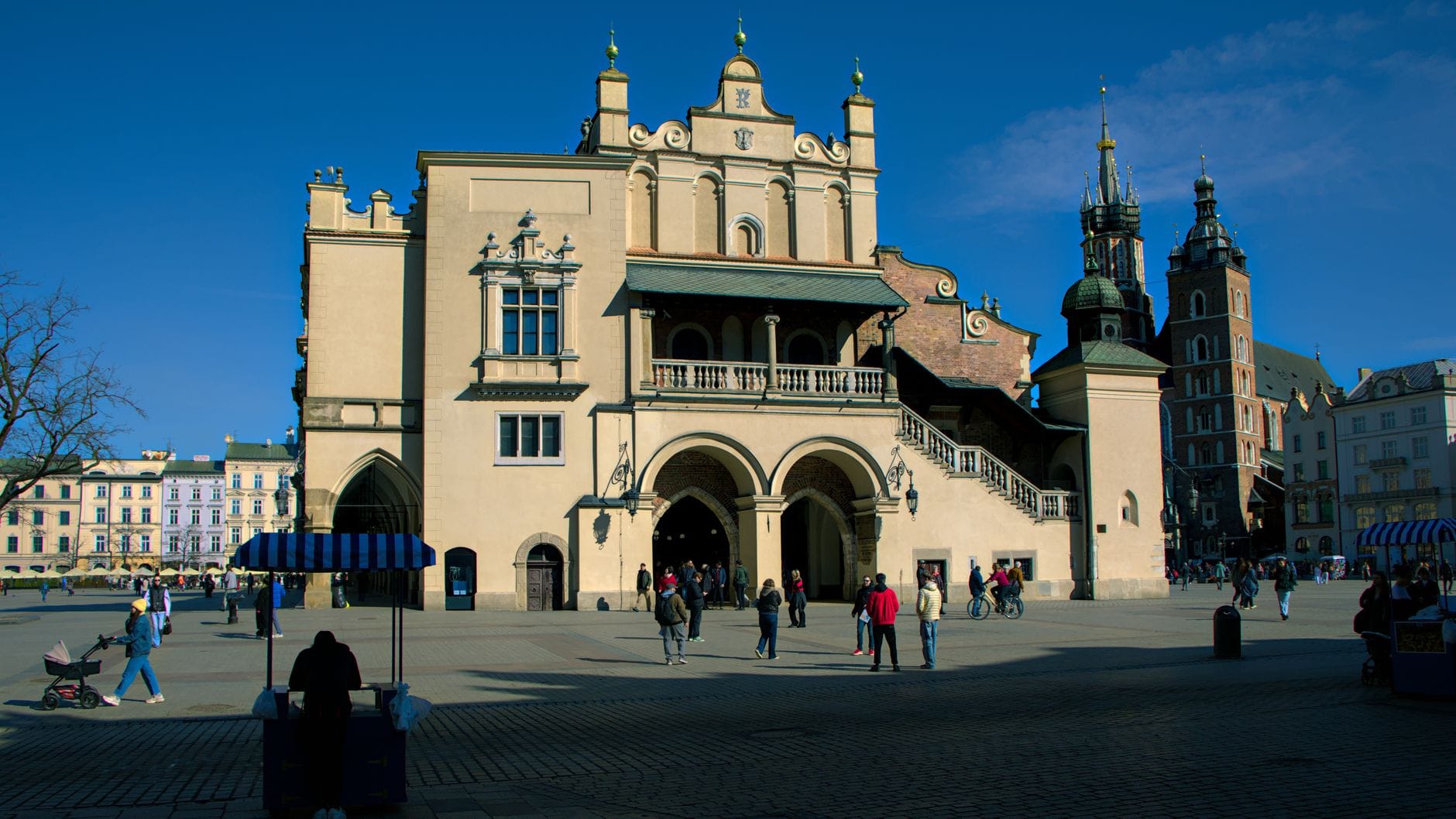
Spielberg chose Kraków for Schindler's List because the city's wartime architecture survived largely intact. Unlike Warsaw, which was systematically destroyed and rebuilt, Kraków's historic streets, courtyards, and tenement buildings looked almost exactly as they did in the 1940s. The production team could work with real buildings rather than sets. That historical accident is what makes visiting these locations so affecting: you are walking through spaces that are both cinematic and historical.
Kraków Poland sits on the upper Vistula River in southern Poland and serves as the capital of Lesser Poland Voivodeship. Its population of around 805,000 makes it Poland's second-largest city, and its medieval core is a UNESCO World Heritage Site. The districts relevant to this guide, particularly Kazimierz and Podgórze, sit within walking distance of each other on opposite banks of the Vistula.
ℹ️ Good to know
A common misconception: Podgórze was the real wartime Kraków Ghetto, but most of the film's 'ghetto' scenes were actually shot in Kazimierz because its streetscape better suited the production. Visiting both districts tells the complete story.
The Filming Locations, One by One
The locations divide naturally into four clusters: Kazimierz (Jewish quarter, used as the film's primary ghetto stand-in), Podgórze (the historically real ghetto area), Zabłocie (Schindler's actual factory), and Liban Quarry near Płaszów (where the concentration camp replica was constructed). Planning your visit around these clusters makes the day logical and reduces backtracking.
- Oskar Schindler's Enamel Factory, Lipowa 4 (Zabłocie) The real factory where Schindler manufactured enamelware and sheltered his workers. Spielberg used the exterior and parts of the building on screen. Today it houses the Museum of Kraków's permanent exhibition 'Kraków Under Nazi Occupation 1939–1945' — one of the most immersive history museums in Central Europe. Timed entry tickets are required and sell out days or weeks ahead during peak season.
- Szeroka Street, Kazimierz This long, open street in Kazimierz doubled as Plac Zgody (now Plac Bohaterów Getta) in the film. The liquidation of the ghetto scenes were shot here. Today it is a quiet street lined with restaurants and the historic Remuh Synagogue — the contrast between its current calm and what was filmed here is striking.
- Józefa 12 Courtyard, Kazimierz The internal courtyard at Józefa Street 12 was used for deportation and ghetto liquidation scenes. It is a working residential courtyard, not a tourist attraction, so visits should be brief and respectful.
- Dajwór / Na Przejściu area, Kazimierz The film's ghetto gate set was built in this part of Kazimierz. The street layout remains recognizable, though the gate itself was a production construction.
- Liban Quarry, near Krakus Mound An abandoned limestone quarry where the production built a full-scale replica of the Płaszów concentration camp, including Amon Göth's villa. The replica structures are now crumbling and overgrown, giving the site an eerie quality. Access is free but the terrain is rough, particularly after rain. This is not a formal memorial — it is an industrial ruin with deep historical and cinematic resonance.
- 7 Straszewskiego Street, Old Town Oskar Schindler's actual apartment building appears in the film. It remains a residential building close to the Planty park ring. The exterior is the draw — there is no interior access for visitors.
- Józef Piłsudski Bridge Used for scenes depicting the forced movement and expulsion of Kraków's Jewish population. The bridge crosses the Vistula between the Old Town area and Podgórze, historically and cinematically connecting the two worlds the film depicts.
- St. Mary's Basilica, Rynek Główny The interior of this Gothic basilica on Kraków's main square appears in the scene where Schindler meets black-market traders. Visitors can enter the basilica independently for a small entrance fee.
⚠️ What to skip
Liban Quarry is an unmanaged site with no facilities, uneven ground, and broken concrete. It is not suitable for visitors with mobility difficulties, and children need close supervision. Check weather before visiting — it becomes significantly more difficult after rain.
Schindler's Factory Museum: What to Expect
The Schindler's Factory Museum at Lipowa 4 is operated by the Museum of Kraków and is widely considered one of the most powerful WWII museums in Europe. The permanent exhibition, 'Kraków Under Nazi Occupation 1939–1945', uses personal testimonies, archival materials, reconstructed spaces, and period objects to document life under occupation. The factory building itself is part of the experience — you move through rooms that Schindler's workers moved through.
Plan at least 2 hours for the museum, and closer to 3 if you read all the panels. The exhibition is emotionally demanding and not suitable for very young children. Timed entry tickets are strongly recommended in advance through the Museum of Kraków's official booking platform — walk-up availability is unreliable, particularly from May through September and during school holiday periods. Opening hours vary by day and the museum is closed on the first Tuesday of each month; verify current hours before visiting.
✨ Pro tip
Book Schindler's Factory tickets at least 3–5 days ahead in high season, and up to 2 weeks ahead for weekend slots in July and August. The museum is included in some combination tickets with other Museum of Kraków sites, which can offer savings if you plan to visit multiple venues.
Kazimierz and Podgórze: Film vs. History
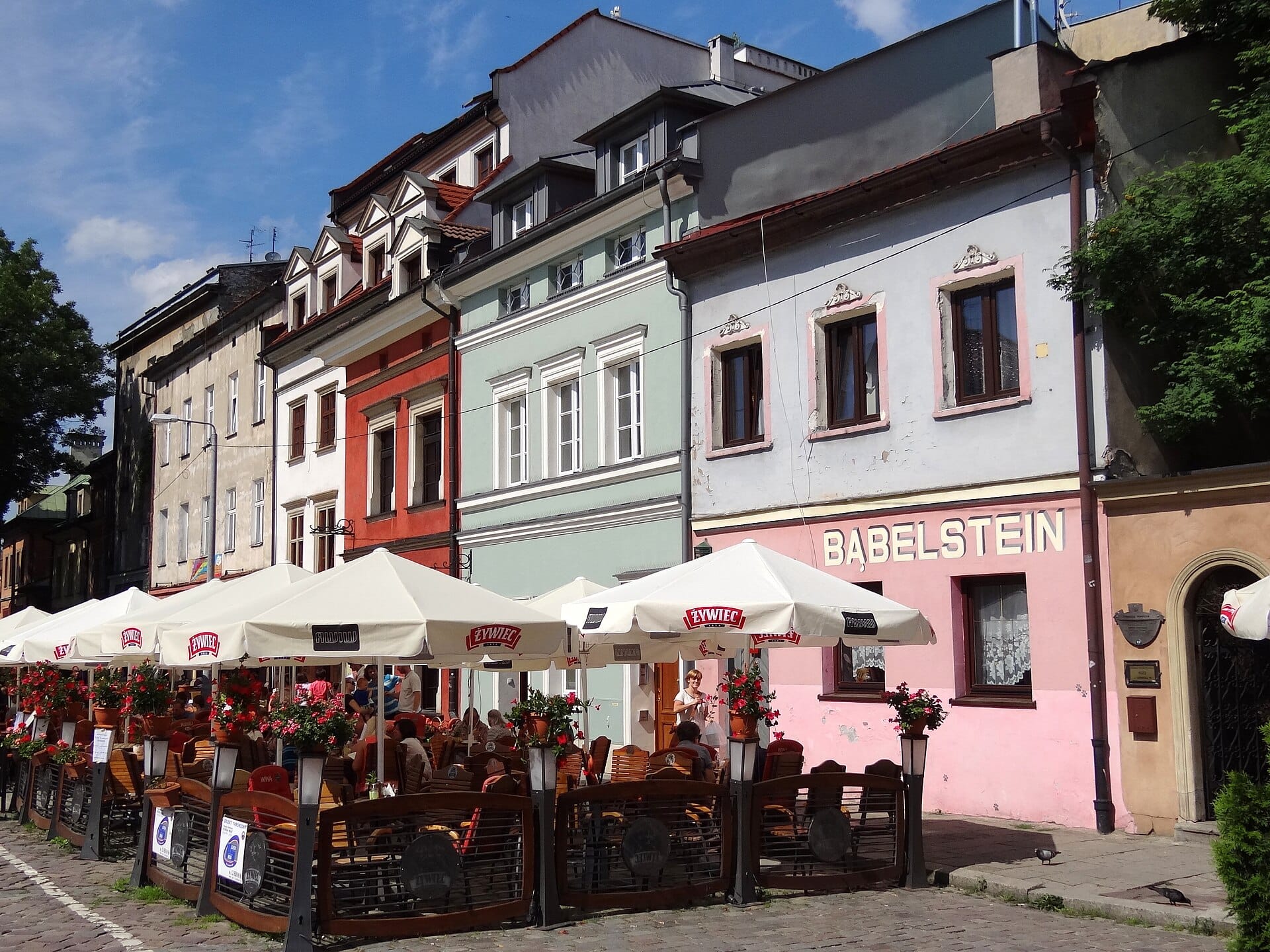
Understanding the distinction between where the film was shot and where history actually happened changes how you experience both districts. Kazimierz, Kraków's Jewish quarter, was the historic center of Jewish life in the city before the war. Spielberg used its streets — particularly Szeroka Street and the surrounding lanes — as the film's visual stand-in for the ghetto because the architecture matched the period requirements and the actual Podgórze ghetto area had undergone more post-war change.
Podgórze, south of the Vistula, is where the Kraków Ghetto actually existed during the German occupation. Today, Plac Bohaterów Getta (Ghetto Heroes Square) in Podgórze holds 70 symbolic empty chairs — a memorial to the thousands of Jews who were deported from this square. Confusingly, this is the real Plac Zgody (as it was known during the war), but it does not appear in the film. Szeroka Street in Kazimierz played that role on screen. Many visitors mix these up, which means they leave Podgórze wondering why it looks nothing like the movie.
The Eagle Pharmacy Museum on Plac Bohaterów Getta is a small but affecting museum documenting Tadeusz Pankiewicz, a Polish pharmacist who remained in the ghetto and helped residents. It occupies the actual pharmacy building. For visitors with limited time in Podgórze, this and the memorial chairs are the two priorities.
Tours, Routes, and How to Organize Your Visit
The locations are spread across several distinct areas that do not naturally cluster together on foot. The most practical approach is to choose between a self-guided walk and a guided tour, depending on how much context you want along the way.
- Guided 'Schindler's List' tours (recommended for context) Several Kraków operators run dedicated Schindler's List location tours lasting 3–4 hours. These typically cover Kazimierz filming sites, Plac Bohaterów Getta, and Schindler's Factory exterior, with some including Liban Quarry. Guide quality varies significantly — look for operators who balance film history with actual WWII history rather than treating it as purely a movie tour.
- City-promoted 'In the Footsteps of Schindler's List' route The official Krakow Travel route connects Kazimierz, Liban Quarry, Plac Bohaterów Getta, and Schindler's Factory in a logical sequence. This is a self-guided option with a marked itinerary available through the official Kraków tourism platform.
- Self-guided walk across Kazimierz and Podgórze Walking from Kazimierz to Podgórze across the Józef Piłsudski Bridge takes under 20 minutes. The bridge itself is a filming location, which makes this crossing doubly worthwhile. Add Liban Quarry as a separate leg, ideally by taxi or tram, as it sits about 3 km from Podgórze's center.
For a broader context of Kraków's Holocaust-related history, consider pairing this itinerary with a visit to the Galicia Jewish Museum in Kazimierz, which focuses on the Jewish communities of the region through powerful photographic documentation. It is open most days and does not require advance booking.
💡 Local tip
Start your day at Schindler's Factory (book the earliest available slot), then walk or taxi to Liban Quarry in the late morning before crowds and midday heat build up. Finish in Kazimierz and Podgórze in the afternoon, when the light on Szeroka Street and Plac Bohaterów Getta is particularly good for photographs.
Practical Information: Getting There and What to Know
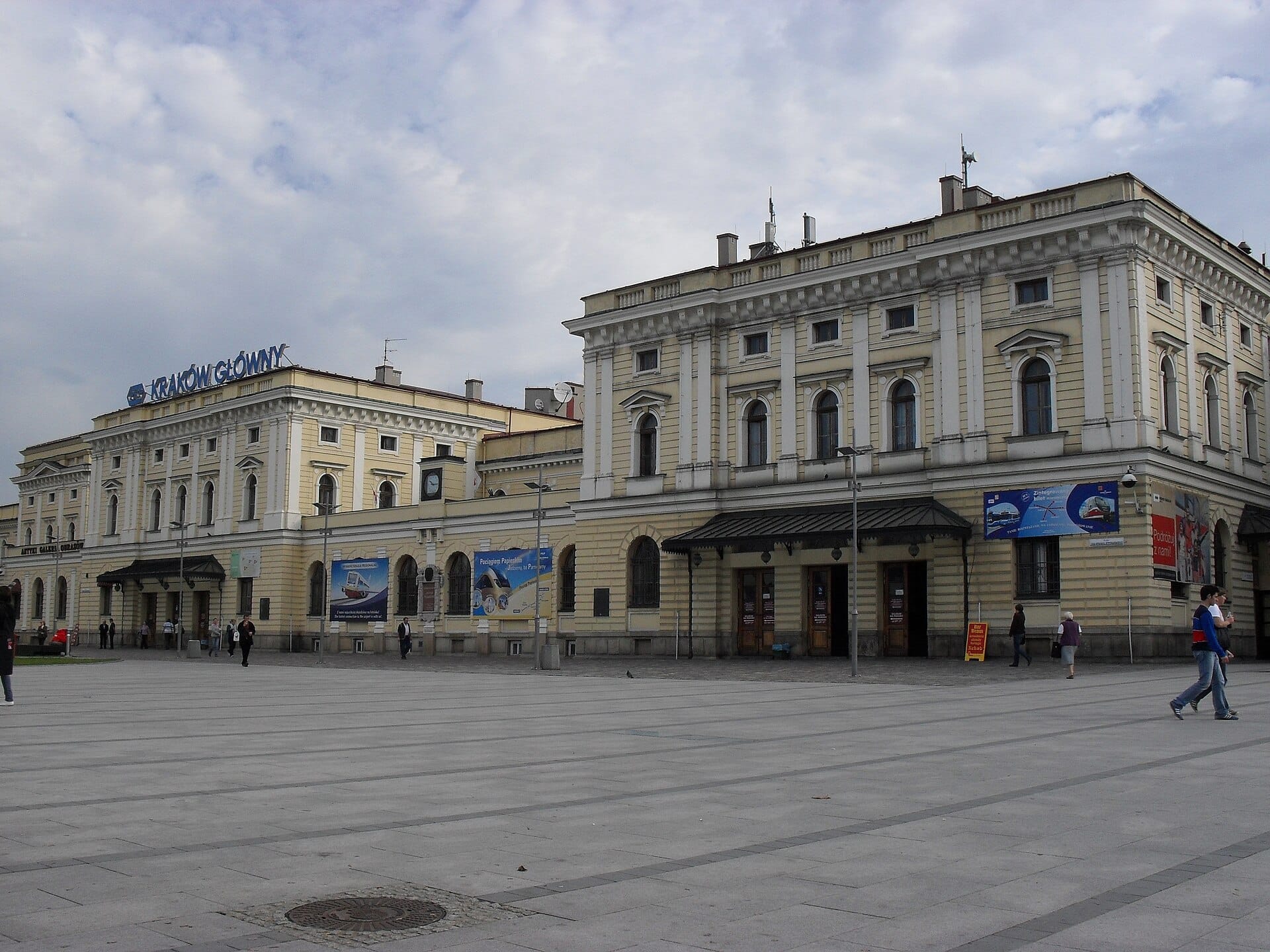
Kraków is well connected internationally. Flights arrive at John Paul II International Airport Kraków–Balice (IATA: KRK), located approximately 11 km west of the city centre. Trains from the airport reach Kraków Główny station in around 20 minutes. From there, trams and buses connect to all the districts covered in this guide. Ride-hailing apps including Uber and Bolt operate in Kraków and are generally reliable for reaching Liban Quarry, which is not directly on a tram line.
The city uses Polish złoty (PLN) and most venues accept cards, though smaller cafes around Kazimierz sometimes prefer cash. English is widely spoken in tourist-facing businesses throughout the districts covered here. For a broader overview of navigating the city, the guide to getting around Kraków covers trams, taxis, and walking distances in detail.
Seasonally, late spring and early autumn (May–June and September) offer the most comfortable conditions for covering multiple outdoor locations. Summers are warm, around 20–25°C, but Schindler's Factory sells out faster and Kazimierz is at its most crowded. Winter visits are possible for the factory museum and indoor sites, but Liban Quarry becomes difficult to navigate. For timing your broader trip, the best time to visit Kraków guide breaks down each season.
FAQ
Was Schindler's List actually filmed in Kraków?
Yes. The vast majority of Schindler's List was filmed on location in Kraków, Poland. Spielberg chose the city because its wartime-era architecture survived intact. Key locations include Kazimierz, Liban Quarry, Schindler's actual factory on Lipowa Street, St. Mary's Basilica, and the Józef Piłsudski Bridge.
Is Schindler's Factory worth visiting even if you haven't seen the film?
Yes, emphatically. The Schindler's Factory Museum is one of the most comprehensive and affecting WWII museums in Central Europe. Its permanent exhibition 'Kraków Under Nazi Occupation 1939–1945' stands entirely on its own merits as a history museum. The film connection is secondary to the historical content.
How do I get to Liban Quarry in Kraków?
Liban Quarry sits near the Krakus Mound in the Podgórze district, roughly 3 km from Plac Bohaterów Getta. The easiest approach is by taxi or ride-hailing app. There is no formal entrance — the quarry is an open, abandoned industrial site. Wear sturdy shoes, especially after rain.
Do I need to book Schindler's Factory Museum tickets in advance?
Yes. The museum operates on timed entry and tickets must be purchased through the Museum of Kraków's official booking platform. In high season (May–September), slots fill days or weeks in advance. Walk-up availability is very limited. Book as early as possible, particularly for weekends.
What is the difference between Kazimierz and Podgórze in relation to the film?
Kazimierz is where Spielberg filmed most of the 'ghetto' scenes — Szeroka Street played Plac Zgody on screen. Podgórze is where the real Kraków Ghetto existed during the war. Plac Bohaterów Getta in Podgórze (the actual wartime deportation square) does not appear in the film. Both districts are historically significant but for different reasons.
Tickets & tours
Live prices and dates from our booking partner. If you book, we may earn a commission at no extra cost to you.
Planning a trip? Discover personalized activities with the Nomado app.