Kraków's Jewish Heritage: A Complete Guide to Kazimierz, the Ghetto, and Beyond
Kraków holds one of Europe's most significant concentrations of Jewish heritage, from the medieval synagogues of Kazimierz to the haunting remains of the Podgórze Ghetto. This guide covers every major site, the best order to visit them, seasonal considerations, and the historical context that makes these places meaningful.
Tickets & tours
Live prices and dates from our booking partner. If you book, we may earn a commission at no extra cost to you.
TL;DR
- Kazimierz is the historic Jewish quarter of Kraków, home to seven surviving synagogues, two cemeteries, and the Galicia Jewish Museum.
- Before WWII, around 64,000 Jews lived in Kraków — roughly a quarter of the city's population. The community was devastated but exists again today.
- The Podgórze district across the Vistula River is where the Nazi-imposed Kraków Ghetto was located; the Schindler's Factory Museum is the area's essential stop.
- The Jewish Culture Festival, held in late June to early July, is one of Europe’s largest Jewish culture events and transforms Kazimierz for a week.
- Allow at least a full day for Kazimierz and Podgórze combined, or spread it across two days using our two-day Kraków itinerary.
Understanding the History Before You Visit
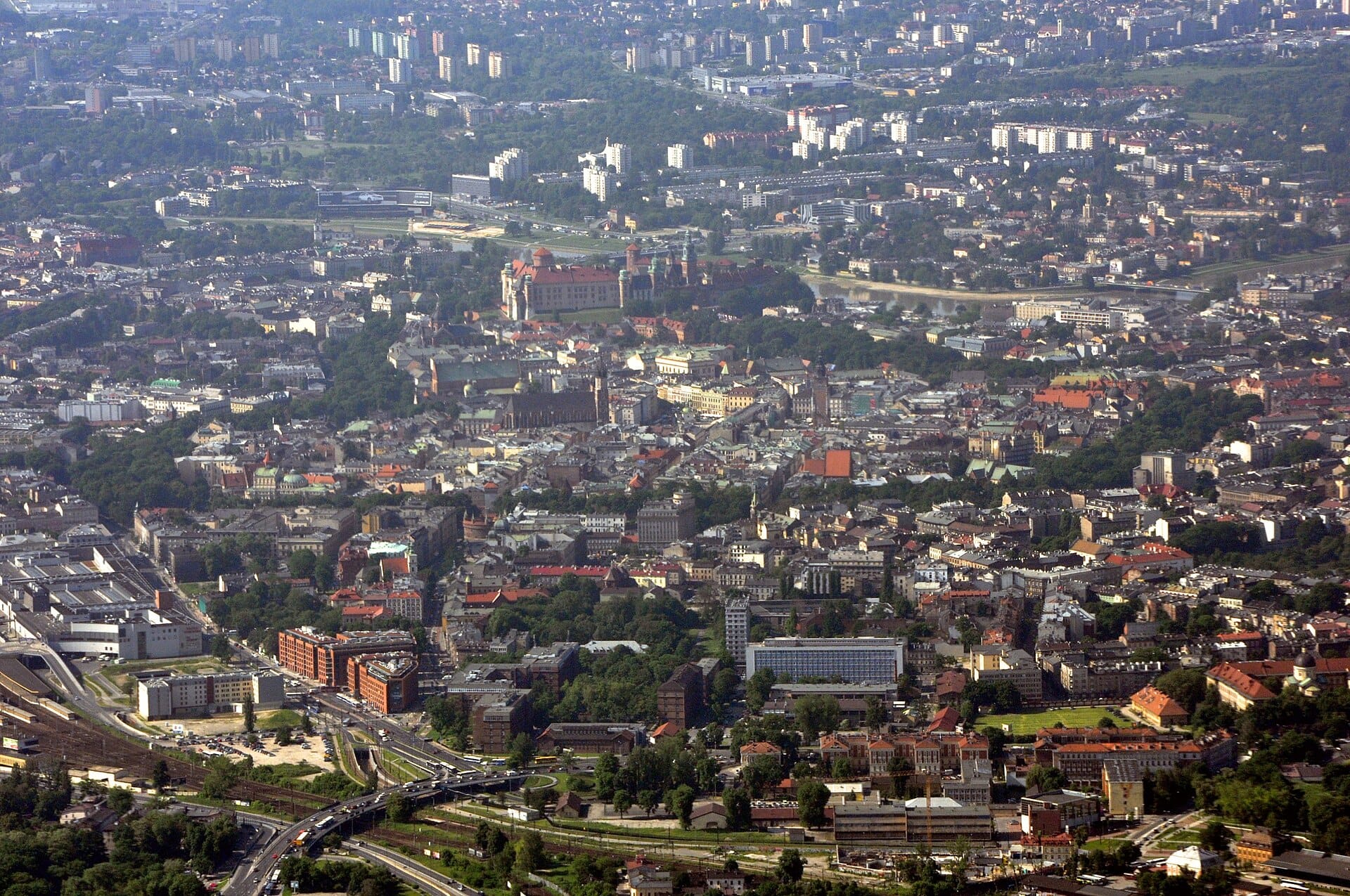
Kraków's Jewish history stretches back to at least the 13th century, making it one of the longest-documented Jewish communities in Europe. Jews were officially permitted to settle in Kazimierz, founded as a separate town in 1335, and the district grew into a major center of Jewish religious, intellectual, and commercial life over the following centuries. By the early 20th century, Kazimierz was home to a dense, multilingual community of Ashkenazi Jews whose presence shaped the city profoundly.
The scale of what was lost is difficult to absorb without context. On the eve of World War II, approximately 64,000 to 65,000 Jews lived in Kraków, accounting for around 25% of the city's total population. In 1941, German occupiers forced the Jewish population into a sealed ghetto in the Podgórze district, across the Vistula River from Kazimierz. The ghetto was liquidated in March 1943, with most inhabitants murdered in Bełżec or deported to Płaszów and Auschwitz-Birkenau. Understanding this arc, from a thriving pre-war community to near-total destruction and partial renewal today, is what gives every site on this route its weight.
ℹ️ Good to know
Kraków's Jewish community did not disappear entirely. Today there is an active, smaller Jewish community in the city, with functioning synagogues, cultural institutions, and organized communal life. Kazimierz is a living cultural district, not a museum piece.
Kazimierz: The Jewish Quarter and Its Seven Synagogues
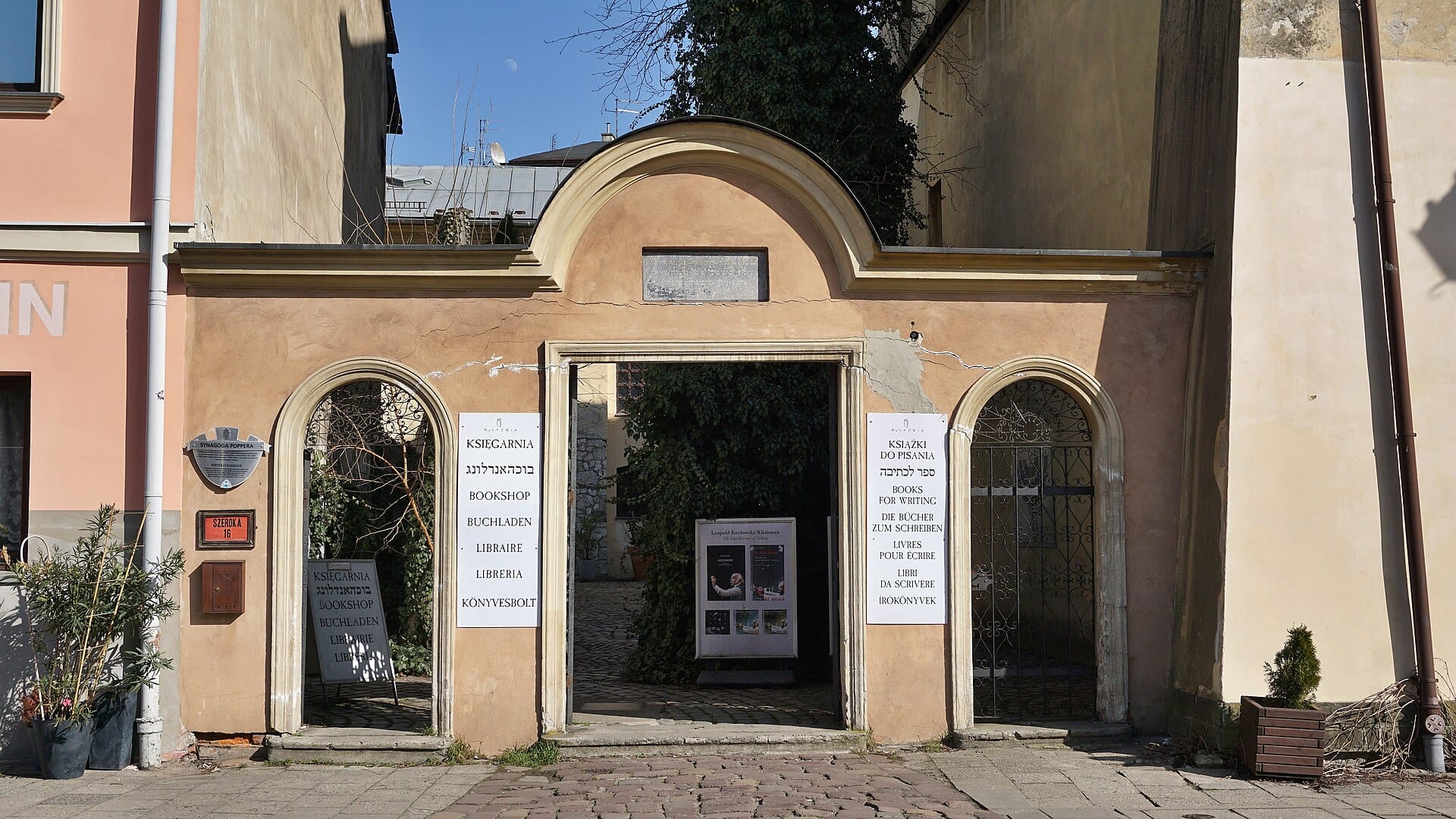
The Kazimierz district is the obvious starting point for any exploration of Kraków's Jewish heritage. The area is compact enough to cover on foot but dense enough to occupy a full morning or afternoon. Seven historic synagogues survive here, ranging from Gothic-era foundations to ornate 19th-century structures: the Old (Stara), Remuh, High (Wysoka), Isaac (Izaaka), Popper, Kupa, and Tempel synagogues. Not all are open at the same hours or on the same days, so plan your visit around the ones you most want to see.
- Old Synagogue (Stara Synagoga) The oldest surviving synagogue in Poland, dating to the 15th century. Now a branch of the Historical Museum of Kraków, it operates as a museum rather than an active house of worship. Hours are roughly Monday 10:00–14:00 and Tuesday through Sunday 09:00–17:00, but verify current schedules before visiting as they shift seasonally.
- Remuh Synagogue and Cemetery The only synagogue in Kazimierz still used for regular religious services. The adjacent Renaissance cemetery contains around 700 preserved gravestones from the 16th to 18th centuries, including the tomb of Rabbi Moses Isserles, a revered figure in Jewish law. Modest dress is required, and men should have their heads covered.
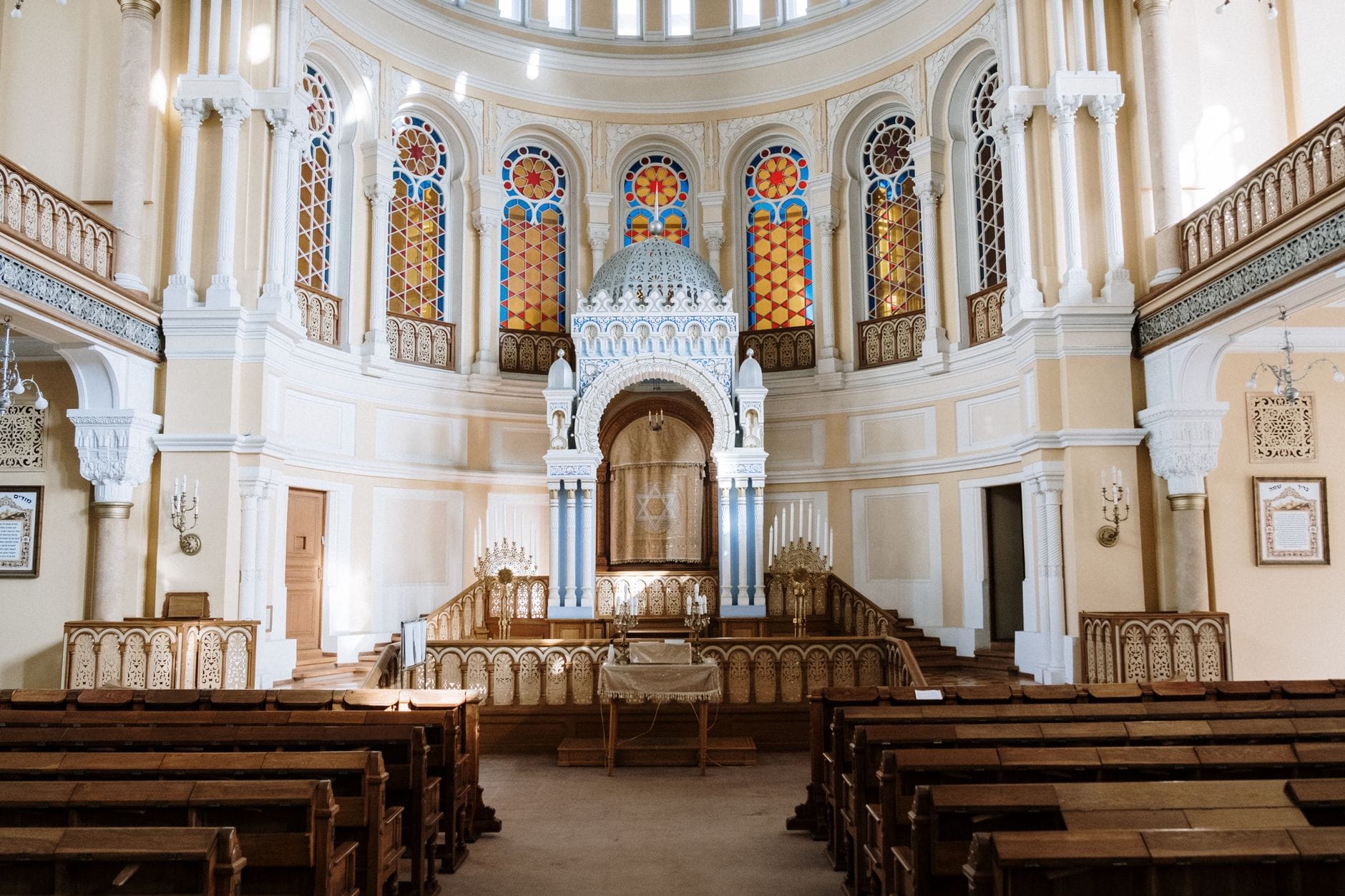
- Tempel Synagogue The most architecturally elaborate of the group, built in a Moorish-influenced style in the 19th century. It holds concerts and cultural events during the Jewish Culture Festival and is open for visitors outside of religious service times.
- Isaac Synagogue (Synagoga Izaaka) A large Baroque synagogue built in the 1640s, now used partly as a museum and cultural venue. The interior retains original wall paintings that were covered and only rediscovered in the 20th century.
💡 Local tip
Visit Remuh Synagogue and Cemetery early in the morning, ideally by 9:00 or 10:00, before group tours arrive. The cemetery is a contemplative space, and the difference between visiting quietly versus fighting for space with a tour group of thirty people is significant.
The Galicia Jewish Museum on ul. Dajwór is one of the most thoughtful Jewish history museums in Poland. Unlike sites that focus primarily on destruction, this museum documents the full breadth of Jewish life in the Galicia region, before, during, and after the Holocaust, through a permanent photographic exhibition called 'Traces of Memory'. Entry costs around 15–20 PLN for adults, and the museum also runs guided tours and educational programs. It is not a large space, but it rewards slow attention.
For those interested in tracing Kazimierz through the lens of the film that brought global attention to this story, a guide to Schindler's List filming locations in Kraków covers which scenes were shot where and how the district looks today compared to the 1993 film. But Kazimierz existed for 600 years before Spielberg arrived, and it will outlast the film's cultural moment.
Podgórze and the Kraków Ghetto
Cross the Vistula River from Kazimierz into Podgórze and the atmosphere shifts noticeably. This is where the Nazis established the Kraków Ghetto in 1941, forcibly relocating the Jewish population from Kazimierz and other parts of the city into a walled section of Podgórze. The physical remains of this period are fragmented but powerful.
Plac Bohaterów Getta, known in English as Ghetto Heroes Square, is the central memorial space. Seventy empty chairs are arranged across the square, commemorating the Jews deported from Kraków during the German occupation. The installation is sobering rather than decorative, and it works precisely because it is not monumental in the traditional sense.
Adjacent to the square, the Eagle Pharmacy Museum (Apteka pod Orłem) documents the role of Tadeusz Pankiewicz, the only non-Jewish Pole permitted to operate inside the ghetto walls. He used his pharmacy as a point of resistance, providing medicine and aid to ghetto residents. The museum is small but meticulously put together. On the other side of the square, the Schindler's Factory Museum tells the broader story of Kraków under Nazi occupation, not only Schindler's role. Plan at least 90 minutes here; the exhibition is extensive and uses multimedia displays, personal testimonies, and period artifacts.
⚠️ What to skip
Schindler's Factory Museum is extremely popular and often sells out in advance, particularly between May and September and during school holidays. Book tickets online at least several days ahead. Arriving without a ticket and expecting to walk in is a gamble you will often lose.
Auschwitz-Birkenau: The Day Trip Context
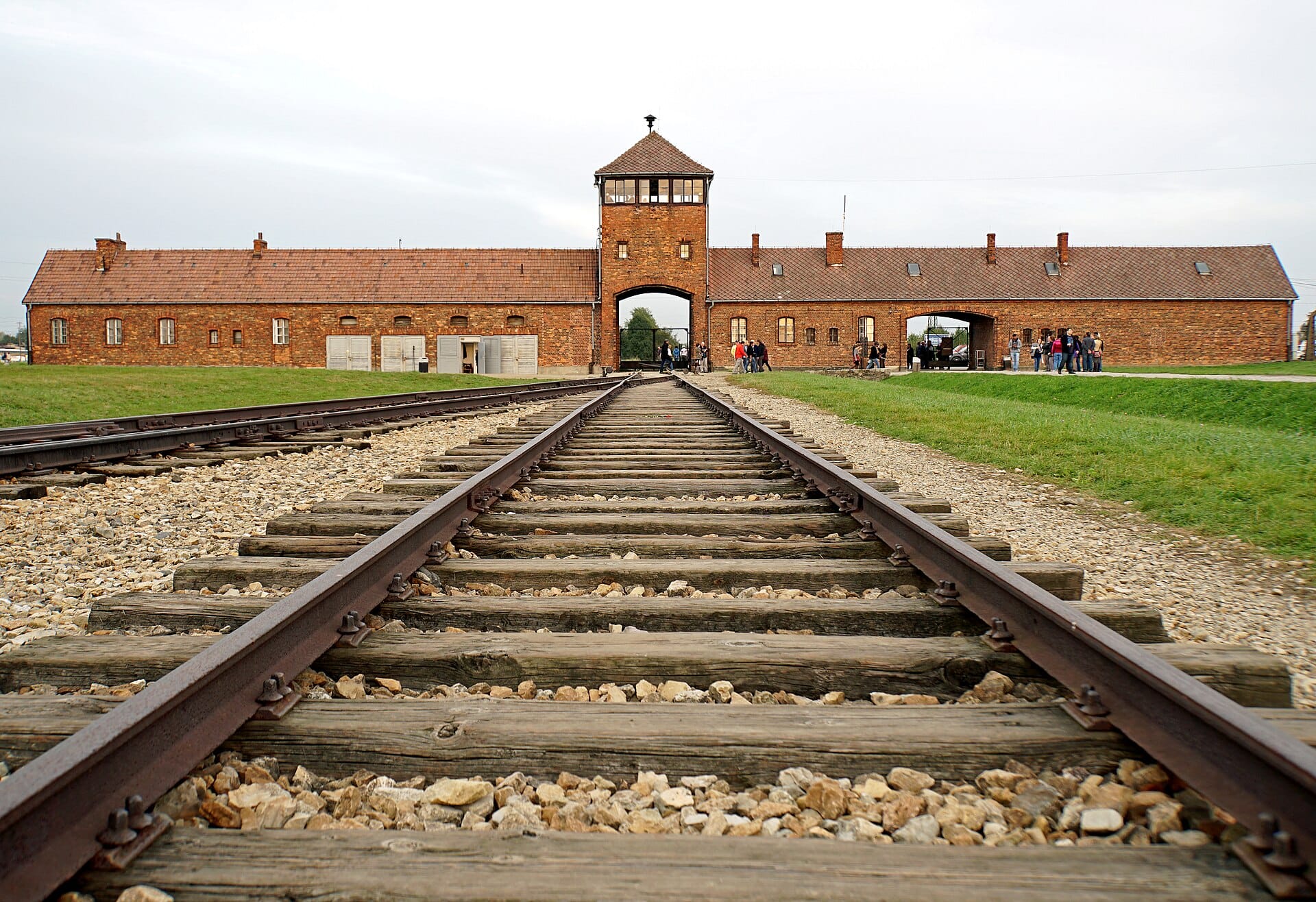
No guide to Kraków's Jewish heritage would be complete without addressing Auschwitz-Birkenau, located roughly 70 km west of the city. It is not in Kraków, but it is the destination most closely associated with Kraków's Jewish history in the minds of international visitors. The Auschwitz-Birkenau Memorial and Museum is a UNESCO World Heritage Site and the largest preserved Nazi concentration and extermination camp complex. A visit typically takes a full day. For logistics, transport options, and how to book, see the dedicated Auschwitz tour from Kraków guide.
Whether to visit Auschwitz is a personal decision, and it is not obligatory for understanding Kraków's Jewish heritage. Many visitors find Schindler's Factory, the Ghetto Heroes Square, and Kazimierz's synagogues sufficient to grapple with the history in a meaningful way. Auschwitz adds a different scale of reckoning. Both approaches are valid.
Practical Planning: Routes, Timing, and the Jewish Culture Festival
The logical route for a single full day is to start in Kazimierz in the morning, covering the Old Synagogue, Remuh Cemetery, and the Galicia Jewish Museum, then walk or take a short tram ride across to Podgórze after lunch. Begin Podgórze at the Eagle Pharmacy, then move to Ghetto Heroes Square and finish at Schindler's Factory. This route is roughly 3–4 km on foot and takes 6–8 hours with proper time at each stop, not including meal breaks.
If you have two days, split Kazimierz and Podgórze across separate mornings and use the afternoons for slower exploration: the Jewish Cemetery on Miodowa Street, Plac Nowy market, and the quieter streets around ul. Szeroka. The cemeteries in particular deserve unhurried attention.
- Kazimierz is walkable from Kraków Old Town in about 15–20 minutes on foot, heading south from the Wawel Hill area.
- Podgórze is a 10-minute tram ride from Kazimierz, or a 15-minute walk across the Father Bernatek Footbridge.
- Most sites are closed or have reduced hours on Jewish holidays, including Yom Kippur. Check dates before planning.
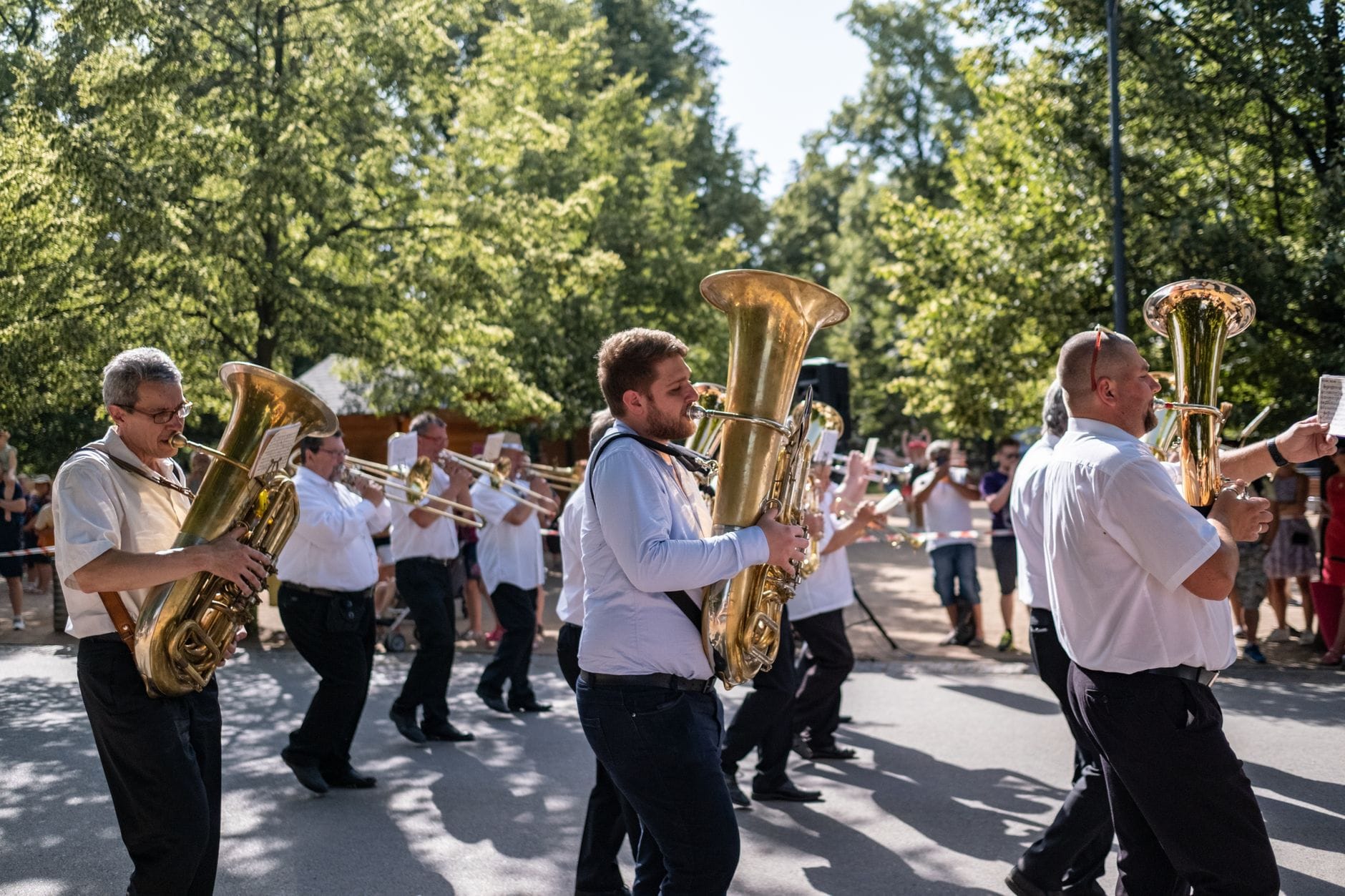
- The Jewish Culture Festival runs for about a week in late June to early July and fills Kazimierz with concerts, klezmer performances, workshops, and open-air events. Accommodation books up fast during this period.
- Winter visits to Kazimierz are quieter and atmospheric, particularly around Hanukkah when some community events are open to the public.
For broader context on timing a Kraków visit, including weather patterns and crowd levels across the year, the best time to visit Kraków guide covers this in detail. The Jewish heritage sites are worth visiting year-round, but the summer festival period and the quiet of autumn both have genuine advantages.
✨ Pro tip
If you are visiting during the Jewish Culture Festival, book accommodation at least 6–8 weeks in advance. The final Friday night concert at Szeroka Street draws thousands of people and is free to attend, making it one of the most atmospheric events in Kraków's calendar.
Guided Tours vs. Self-Guided: What Works Better
Self-guided visits work well for people who want to move at their own pace and have already done some reading on the history. The sites are well-signposted, and several of them, including the Galicia Jewish Museum and Schindler's Factory, have strong in-house exhibitions that provide context without a guide. Audio guides are available at the major museums.
Guided tours add real value at Remuh Cemetery and the smaller synagogues, where the significance of individual gravestones, architectural details, and historical episodes is not always explained through on-site signage. A specialist Jewish heritage tour guide can also connect the geography of Kazimierz and Podgórze in ways that a museum exhibition cannot. Tours typically run 3–4 hours for Kazimierz alone, or full-day options combining Kazimierz, Podgórze, and occasionally Auschwitz. Prices vary; a private guide typically costs more than a group tour but allows for focused questions.
For a broader orientation of the city before focusing on Jewish heritage, a Kraków walking tour covering the Old Town and Wawel area first can help you understand the city's geography and set Kazimierz in physical context.
FAQ
Is Kazimierz still an active Jewish neighborhood?
Yes, though much smaller than before the war. Kazimierz has an active Jewish community with functioning synagogues, cultural organizations, and regular religious and community events. It is also a popular general neighborhood with restaurants, cafes, and galleries, which creates some tension between heritage tourism and everyday life. The community's presence is real, not performative.
How long does it take to see the main Jewish heritage sites in Kraków?
A full day covers the essential sites in Kazimierz (Old Synagogue, Remuh, Galicia Jewish Museum) and Podgórze (Eagle Pharmacy, Ghetto Heroes Square, Schindler's Factory). Two days allows for a more considered pace and time for smaller sites like the Jewish Cemetery on Miodowa Street and the Tempel Synagogue. A day trip to Auschwitz-Birkenau requires a separate full day.
Do I need to book Schindler's Factory Museum tickets in advance?
Yes, strongly recommended. The museum is one of the most visited in Kraków and sells out regularly between April and October. Book through the official MHKK (Historical Museum of Kraków) website. Monday is often the only day with discounted or free entry, but check current policies as they change.
What is the Jewish Culture Festival in Kraków and when does it happen?
The Festival of Jewish Culture (Festiwal Kultury Żydowskiej) is held annually in Kazimierz, typically during the last week of June and first days of July. It is considered one of Europe's largest Jewish cultural events, featuring concerts, film screenings, workshops, walking tours, and outdoor performances. The closing concert on Szeroka Street is free and open to everyone.
Should I visit Auschwitz as part of a Kraków Jewish heritage trip?
Auschwitz-Birkenau is historically connected to Kraków's Jewish community, as many Kraków Jews were deported there. However, a visit is emotionally and logistically distinct from exploring Kazimierz and Podgórze. It is not a requirement. If you do go, treat it as a separate day rather than combining it with Kazimierz, and book a timed entry slot well in advance through the memorial's official website.
Tickets & tours
Live prices and dates from our booking partner. If you book, we may earn a commission at no extra cost to you.
Planning a trip? Discover personalized activities with the Nomado app.