Best Things to Do in Kraków: The Definitive Guide
Kraków is Poland's most historically rich city, home to a UNESCO-listed Old Town, royal castle, Jewish quarter, and some of Europe's most important WWII memorial sites. This guide covers the best things to do in Kraków across every interest and budget, with practical detail on tickets, timing, and logistics.
Tickets & tours
Live prices and dates from our booking partner. If you book, we may earn a commission at no extra cost to you.
TL;DR
- Kraków's historic core — the Old Town and Kazimierz — is walkable and compact; most major sights are within 30 minutes on foot. See our Kraków walking tour guide for a ready-made route.
- Book Wawel Castle interiors and Schindler's Factory in advance — timed tickets sell out, especially May through September.
- Auschwitz-Birkenau is a full-day excursion (~90 minutes each way); self-guided entry is free but tours sell out months ahead in peak season.
- The Wieliczka Salt Mine is the top day trip from Kraków — UNESCO-listed, impressive underground, and easy to reach by train or tour. Full details in the Wieliczka Salt Mine guide.
- Kraków is excellent value: most city museums cost 16–30 PLN, many offer free entry one day per week, and the Wawel grounds are free to walk.
Start Here: Rynek Główny and the Old Town
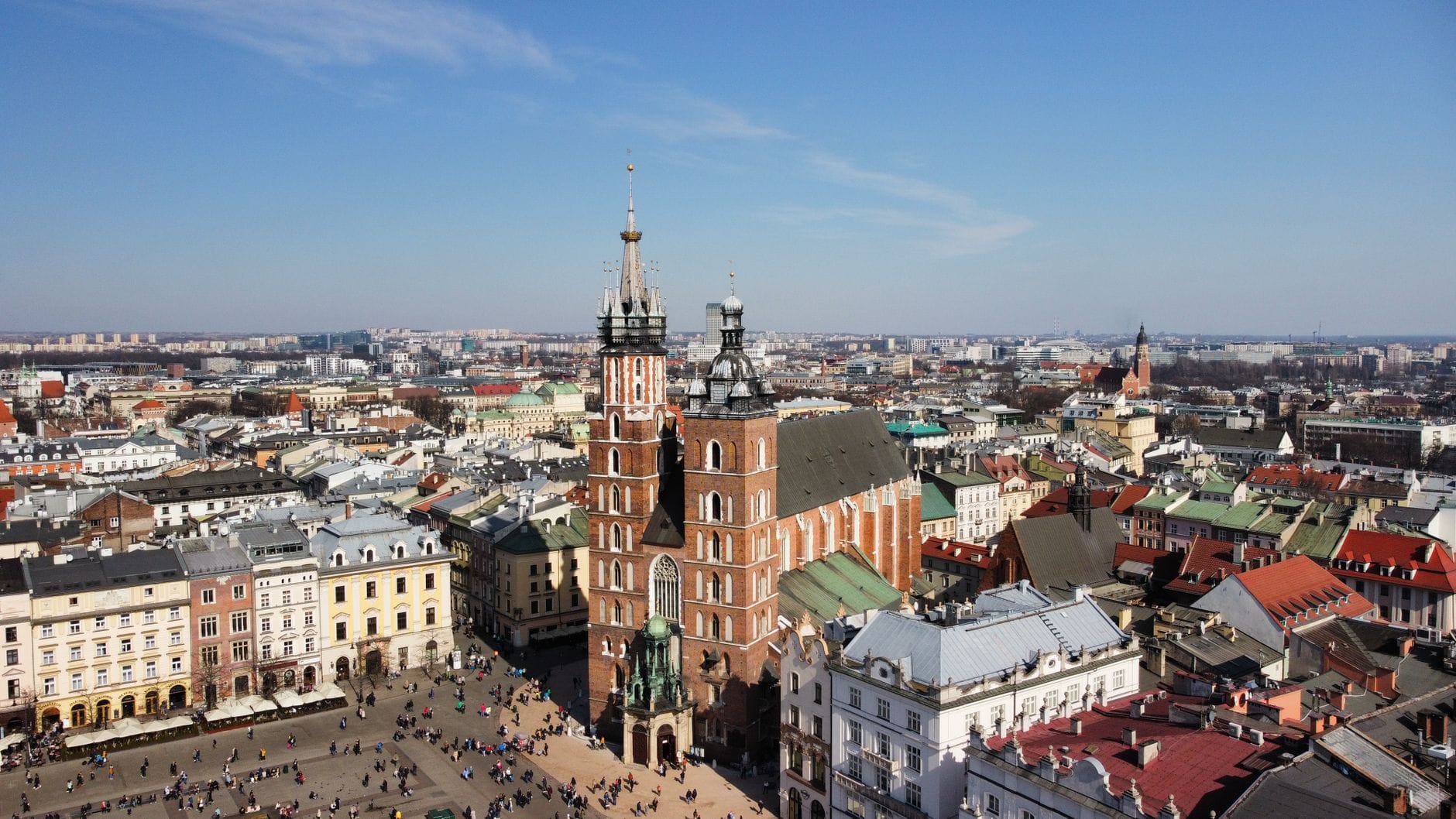
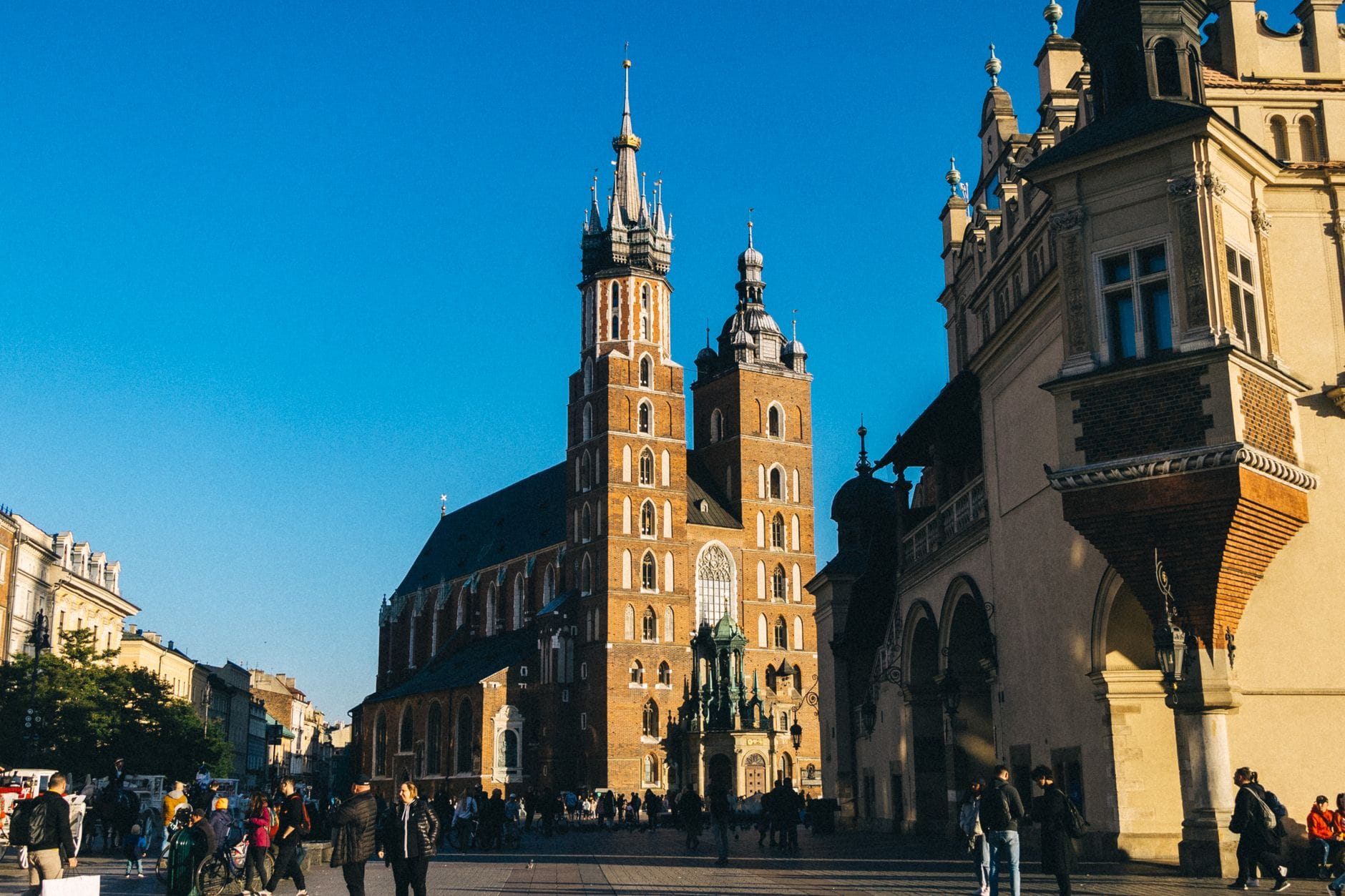
Kraków's Old Town (Stare Miasto) is the obvious starting point, and for good reason. Rynek Główny (Main Market Square) is one of the largest medieval town squares in Europe, dating to the 13th century, and it anchors everything around it. The square isn't just a photo opportunity — it's a functional public space where locals eat lunch and students cut across on bikes.
At the centre of the square sits the Cloth Hall (Sukiennice), a Renaissance trading hall with souvenir stalls on the ground floor and a gallery of 19th-century Polish painting upstairs. The gallery is worth 30 minutes for context on Polish Romanticism, and entry is inexpensive. On the square's northeast corner, St. Mary's Basilica demands attention: the interior is spectacularly gilded, and every hour a trumpeter plays the Hejnał Mariacki from the taller tower, breaking off mid-phrase — a tradition tied to a 13th-century Mongol raid legend.
💡 Local tip
St. Mary's Basilica charges a small entry fee for tourists (separate from Mass times). Arrive before 10am on weekdays to avoid queues and see the Veit Stoss altarpiece without crowds blocking your view.
A short walk north from the square brings you to the Florian Gate and the Kraków Barbican — two of the best-preserved medieval fortifications in Central Europe. The Barbican is a round Gothic outpost that once guarded the city's northern approach. Entry is cheap and the views from the ramparts are good. Just inside the Florian Gate on ul. Floriańska, the Czartoryski Museum houses Leonardo da Vinci's 'Lady with an Ermine' — one of only four surviving Leonardo portraits and, by most accounts, the most significant single artwork in Poland.
Wawel Hill: Castle, Cathedral, and Dragon
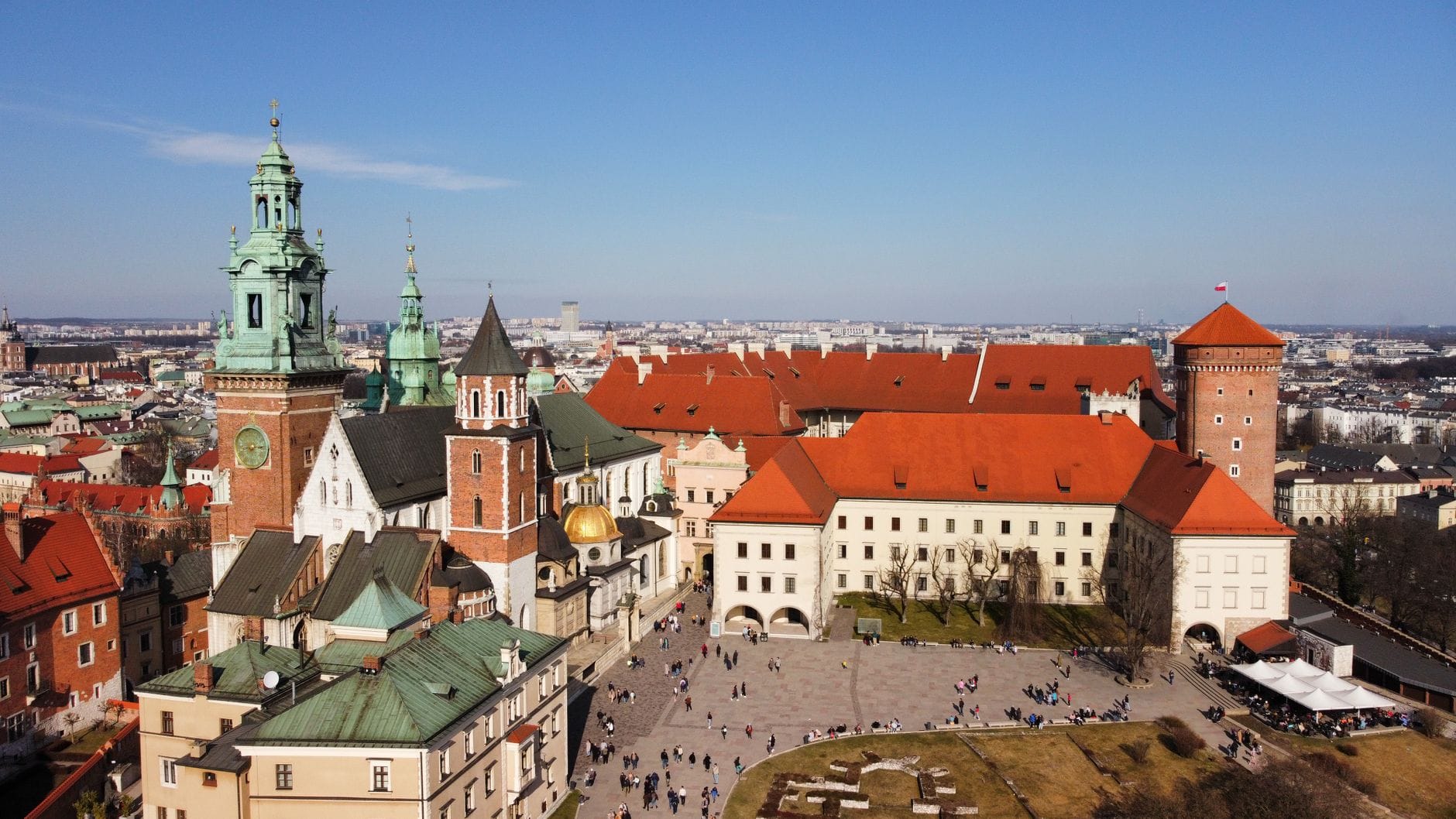
Wawel Royal Castle sits on a limestone hill above the Vistula River, about 10 minutes' walk south from Rynek Główny. The hill and outdoor grounds are free to enter — a fact many visitors don't realise until they've already bought an unnecessary tour ticket. What costs money are the individual interior exhibitions: the Royal Apartments, State Rooms, Crown Treasury, and Oriental Art collection each require separate timed tickets. For 2026, the Royal Private Apartments cost around 49 PLN for adults; book directly through the Wawel Castle official site, as tickets sell out on busy days.
Don't skip Wawel Cathedral — this is where Polish kings were crowned and buried for centuries, and its Sigismund Bell (the largest in Poland, cast in 1520) still rings on national and religious holidays. Below the hill, the Dragon's Den (Smocza Jama) is a short cave system with a fire-breathing bronze dragon at the exit, facing the river. Current official tickets are 15 PLN regular and 10 PLN reduced; the cave takes about 15 minutes and is fun for families — though the queue in summer can take longer than the attraction itself.
⚠️ What to skip
Wawel Castle has a daily visitor cap on each interior exhibition. In July and August, walk-up tickets for the Royal Apartments are often gone by mid-morning. Book online at least 2–3 days ahead in high season, or visit on a Monday when some exhibitions offer free entry.
Kazimierz and Podgórze: Jewish History and WWII Memory
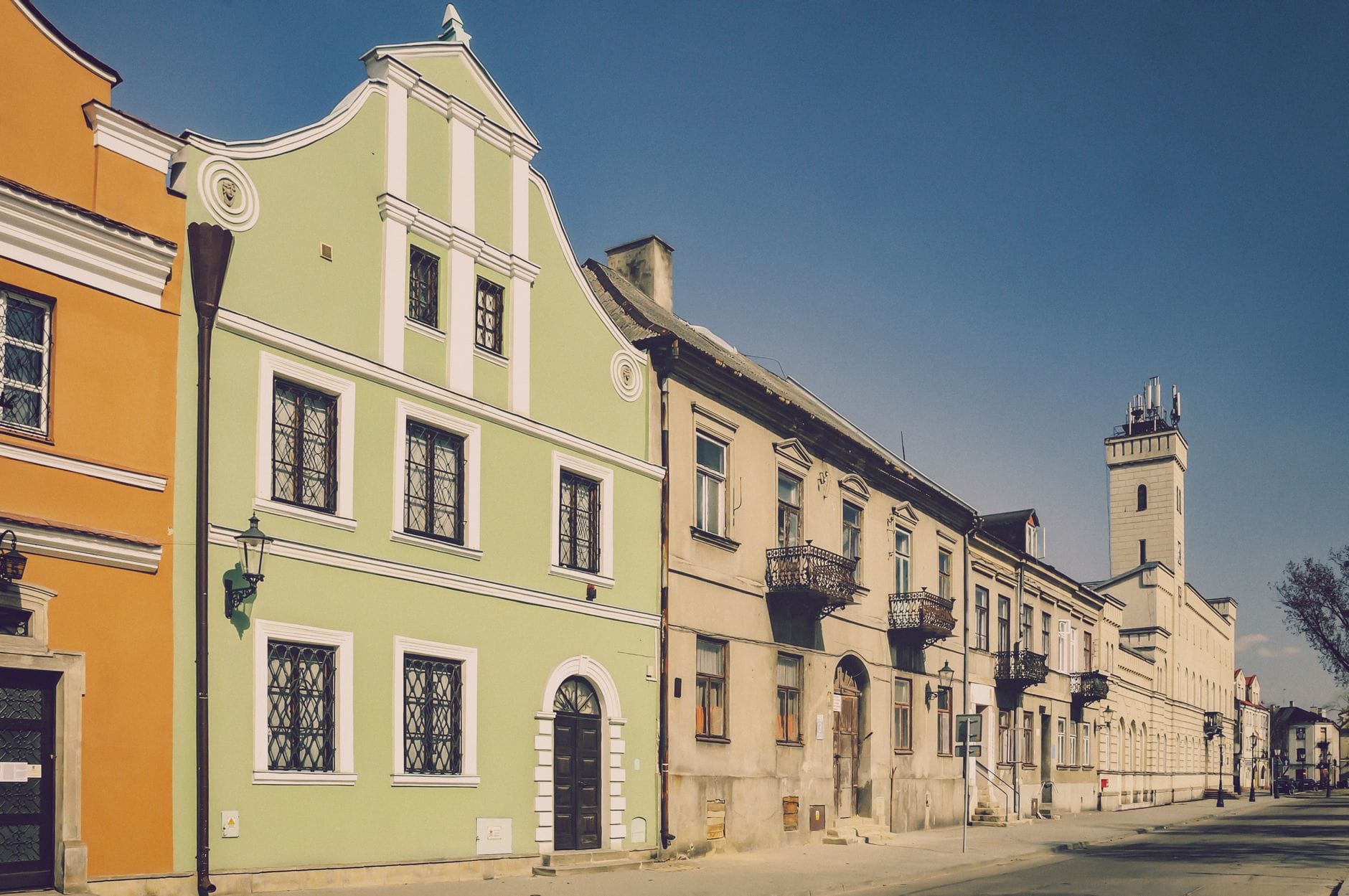
Kazimierz was Kraków's Jewish quarter for over 500 years before World War II. Today it holds the highest concentration of historic synagogues in Poland, a well-preserved Jewish cemetery, and several thoughtful cultural museums. The area is compact — you can walk the main circuit in two to three hours — but it rewards slower exploration.
- Old Synagogue (Stara Synagoga) The oldest surviving synagogue in Poland, now a Jewish history museum. Small entry fee; closed Tuesdays.
- Remuh Synagogue and Cemetery A 16th-century synagogue still used for prayer, with a walled cemetery containing Renaissance tombstones. Entry fee is minimal.
- Galicia Jewish Museum A photography-based museum documenting surviving traces of Jewish culture across the region. Thoughtful and unhurried; allow 90 minutes.
- Plac Nowy The main square in Kazimierz, with a round market building selling zapiekanka (open-face baguette sandwiches) — the classic late-night Kraków snack, and worth trying.
Cross the Vistula into Podgórze for the heavier historical chapter. Schindler's Factory Museum — officially 'Kraków Under Nazi Occupation 1939–1945' — is one of the best WWII museums in Europe: immersive, chronological, and deeply researched. It gets crowded; book timed entry online. Nearby, Ghetto Heroes Square (Plac Bohaterów Getta) is marked by 33 empty chairs, each representing 1,000 Jews deported from here. It's not a museum — it's an open square — and that openness makes it more affecting than most indoor exhibitions.
For a full orientation to the area's history and logistics, the Kraków Jewish Quarter guide covers Kazimierz and Podgórze in detail, including which sites to prioritise if you only have half a day.
Day Trips: Auschwitz-Birkenau and Wieliczka Salt Mine
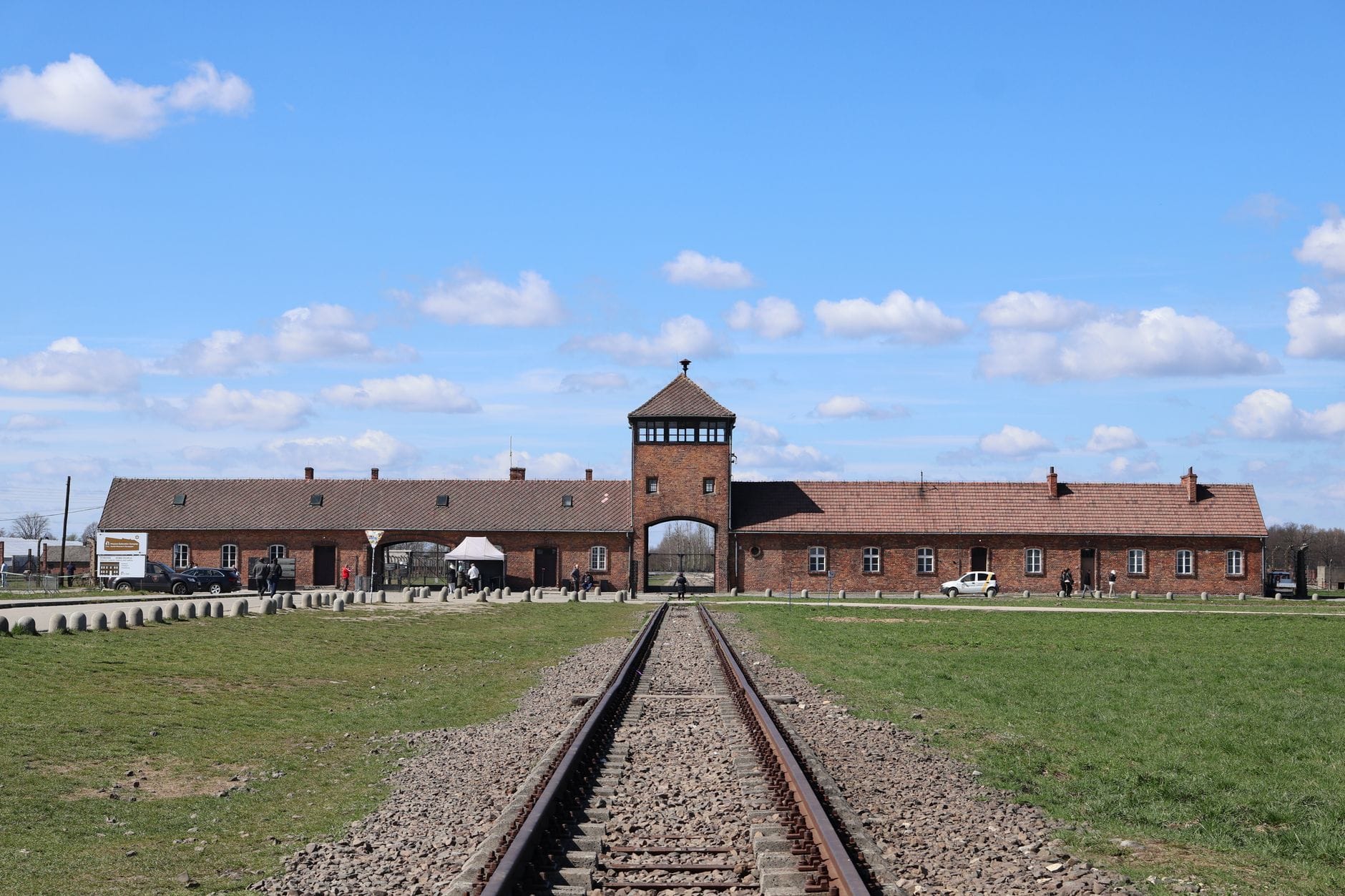
Two of Poland's most visited sites are within 90 minutes of Kraków, and both warrant a full day rather than a rushed half-day bolt-on. The Auschwitz-Birkenau Memorial and Museum is approximately 70 km west of the city. Self-guided visits during peak hours (10am–3pm) are not permitted without a reservation — you must book a specific time slot. Guided tours with transport from Kraków typically run 250–350 PLN per person and include hotel pickup. If you want to move at your own pace, visit before 10am or after 3pm on a self-guided basis, or book the museum's own guided tour directly. This is not an attraction to visit lightly or quickly; most visitors need four to six hours on site.
The Wieliczka Salt Mine is the more logistically straightforward day trip: about 14 km southeast of Kraków, reachable by commuter train from Kraków Główny station (around 30 minutes, cheap) or by tour. The mine has been active since the 13th century and descends to 135 metres. The Tourist Route — the standard option — takes around two hours underground and includes enormous chambers, salt-carved sculptures, and an underground chapel that regularly hosts concerts. Book tickets in advance, especially in summer; the mine draws over a million visitors a year and entry is capped.
✨ Pro tip
For Auschwitz, book your visit at least 4–6 weeks ahead in June through August. For Wieliczka, booking 1–2 weeks ahead is usually sufficient outside of major Polish public holidays. Both sites have official online booking systems — use them instead of third-party resellers to avoid markup.
Nowa Huta, Free Attractions, and Off-the-Beaten-Track Kraków
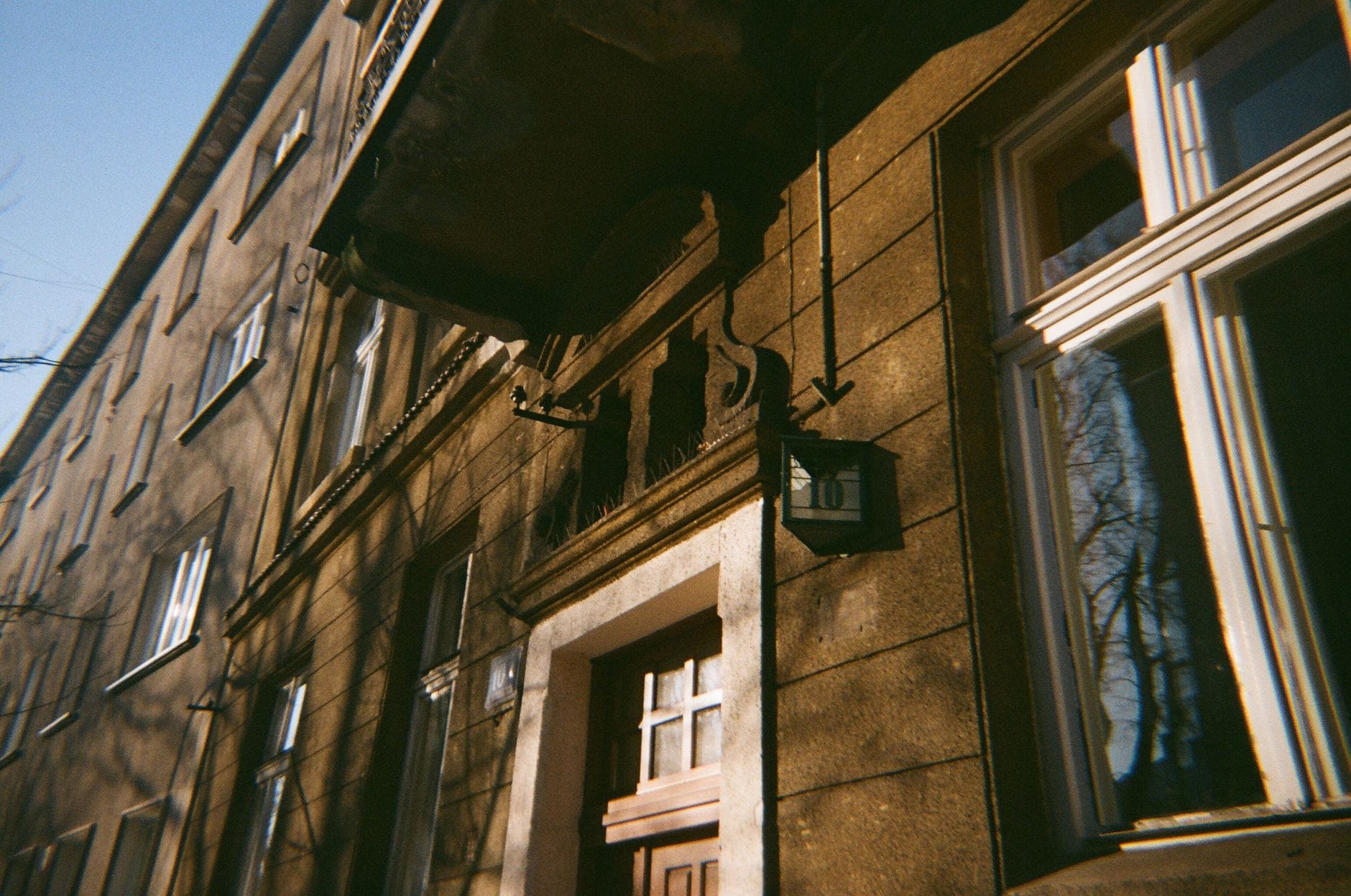
Most visitors never make it to Nowa Huta, and that's their loss. Built from scratch in the 1950s as a model socialist city centred on a massive steelworks, it's a distinctive urban environment: wide Socialist Realist boulevards, monumental architecture, and a working-class residential identity that feels nothing like the Old Town tourist circuit. The main attraction is the architecture itself, but the Central Square (Plac Centralny) and Nowa Huta Steelworks both offer organised tours. Tram 4 or 10 from the city centre gets you there in 20–25 minutes.
Back in the centre, the Kraków Underground Museum beneath Rynek Główny is one of the city's most visited paid attractions, with medieval market stalls preserved in situ below street level. The Collegium Maius — the oldest building of Jagiellonian University, founded 1364 — is a quieter alternative: a Gothic courtyard with an astronomical clock, small museum, and connections to both Copernicus and John Paul II. Entry to the courtyard is free; the guided museum tour costs extra. For a full list of no-cost options, the free things to do in Kraków guide covers parks, markets, viewpoints, and free museum days.
Practical Planning: When to Go, How Long, and What to Know
Kraków has a temperate continental climate with four distinct seasons. Late May through June and September are the most comfortable months for sightseeing: temperatures are typically 18–24°C, daylight hours are long, and crowds are lighter than in July and August. Winter (December through February) is cold — often below 0°C — but the city's Christmas market on Rynek Główny is usually good, and hotel rates drop significantly. The worst time is arguably late July: peak heat, maximum crowds at every major site, and accommodation prices at their highest.
- Two days: Rynek Główny, St. Mary's Basilica, Wawel Castle and Cathedral, an evening in Kazimierz — tight but doable.
- Three days: Add Schindler's Factory, Podgórze, the Czartoryski Museum, and a half-day for Wieliczka or Nowa Huta.
- Four to five days: Adds an Auschwitz day trip, deeper Kazimierz exploration, and time to slow down at markets and cafés.
Getting around is straightforward. The Old Town and Kazimierz are walkable; trams cover Nowa Huta and wider districts efficiently. John Paul II International Airport (KRK) is 11 km west of the centre — trains to Kraków Główny station take around 20 minutes and run regularly. Taxis and ride-hailing apps (Bolt and Uber both operate in the city) are inexpensive by Western European standards. For a full breakdown of routes and costs, see the getting around Kraków guide. For neighbourhood-by-neighbourhood accommodation advice, the where to stay in Kraków guide covers the main options honestly.
ℹ️ Good to know
Poland uses the Polish złoty (PLN), not the euro. Exchange rates fluctuate, so check the current EUR/PLN or USD/PLN rate before budgeting. Kraków is significantly cheaper than Western European capitals — a restaurant main course typically costs 30–60 PLN, a tram ticket under 5 PLN. Card payments are accepted almost everywhere, but carry some cash for markets and smaller cafés.
FAQ
How many days do you need in Kraków?
Two days covers the essential highlights — Rynek Główny, Wawel, and Kazimierz. Three days allows for Schindler's Factory and a day trip to either Wieliczka or Auschwitz. Four to five days gives a relaxed pace and room for Nowa Huta. If you want both major day trips plus the city itself, plan for at least four full days.
What is the best time to visit Kraków?
Late May, June, and September offer the best combination of comfortable temperatures (18–24°C), long daylight hours, and manageable crowds. July and August are the most crowded and expensive months. December is cold but worthwhile if you want to see the Christmas market on the Main Market Square.
Is Kraków worth visiting for a weekend?
Yes, a long weekend (three nights) is enough to see the Old Town, Wawel, Kazimierz, and Schindler's Factory comfortably. You can add one day trip — either Wieliczka or Auschwitz — but not both without feeling rushed. Kraków's compact centre means very little time is lost to transport.
Do you need to book Kraków attractions in advance?
For Wawel Castle interiors, Schindler's Factory Museum, Auschwitz-Birkenau, and Wieliczka Salt Mine: yes, in peak season (May–September) booking ahead is strongly recommended. All four have daily visitor caps and sell out. Outside peak season, same-day or next-day tickets are usually available, but booking online is still faster and sometimes cheaper.
What is Kraków famous for?
Kraków is Poland's former royal capital and one of Central Europe's best-preserved medieval cities. It's known for its UNESCO-listed Old Town, Wawel Royal Castle, Jewish heritage in Kazimierz, WWII history (Schindler's Factory, proximity to Auschwitz), and the Wieliczka Salt Mine. It also has a well-established university culture — Jagiellonian University dates to 1364 — and an active food and nightlife scene centred on Kazimierz and the Old Town.
Tickets & tours
Live prices and dates from our booking partner. If you book, we may earn a commission at no extra cost to you.
Planning a trip? Discover personalized activities with the Nomado app.