Where to Stay in Kraków: Best Areas, Neighborhoods & Hotels
Choosing where to stay in Kraków shapes your entire trip. This guide breaks down every major neighborhood by price, vibe, and proximity to sights, so you can pick the right base without second-guessing yourself.
Tickets & tours
Live prices and dates from our booking partner. If you book, we may earn a commission at no extra cost to you.
TL;DR
- Old Town (Stare Miasto) is the most convenient base for first-timers, with mid-range hotels running around 180–450 PLN (~€40–100) per night, but it books out fast in May and September.
- Kazimierz, the former Jewish quarter, is just 10–20 minutes' walk from the Main Square and tends to be 20–30% cheaper than Old Town, making it the better pick for longer stays.
- Podgórze suits travelers interested in WWII history and a quieter, more residential atmosphere, with good tram links back to the center.
- Nowa Huta is for a very specific traveler: curious about communist-era architecture and happy to add 25–35 minutes each way by tram. See our Nowa Huta communist tour guide for context.
- Book at least 2–3 weeks ahead for peak weekends and major festivals. Weekday stays in shoulder season (March–April, October) offer noticeably lower rates across all neighborhoods.
Understanding Kraków's Layout Before You Book
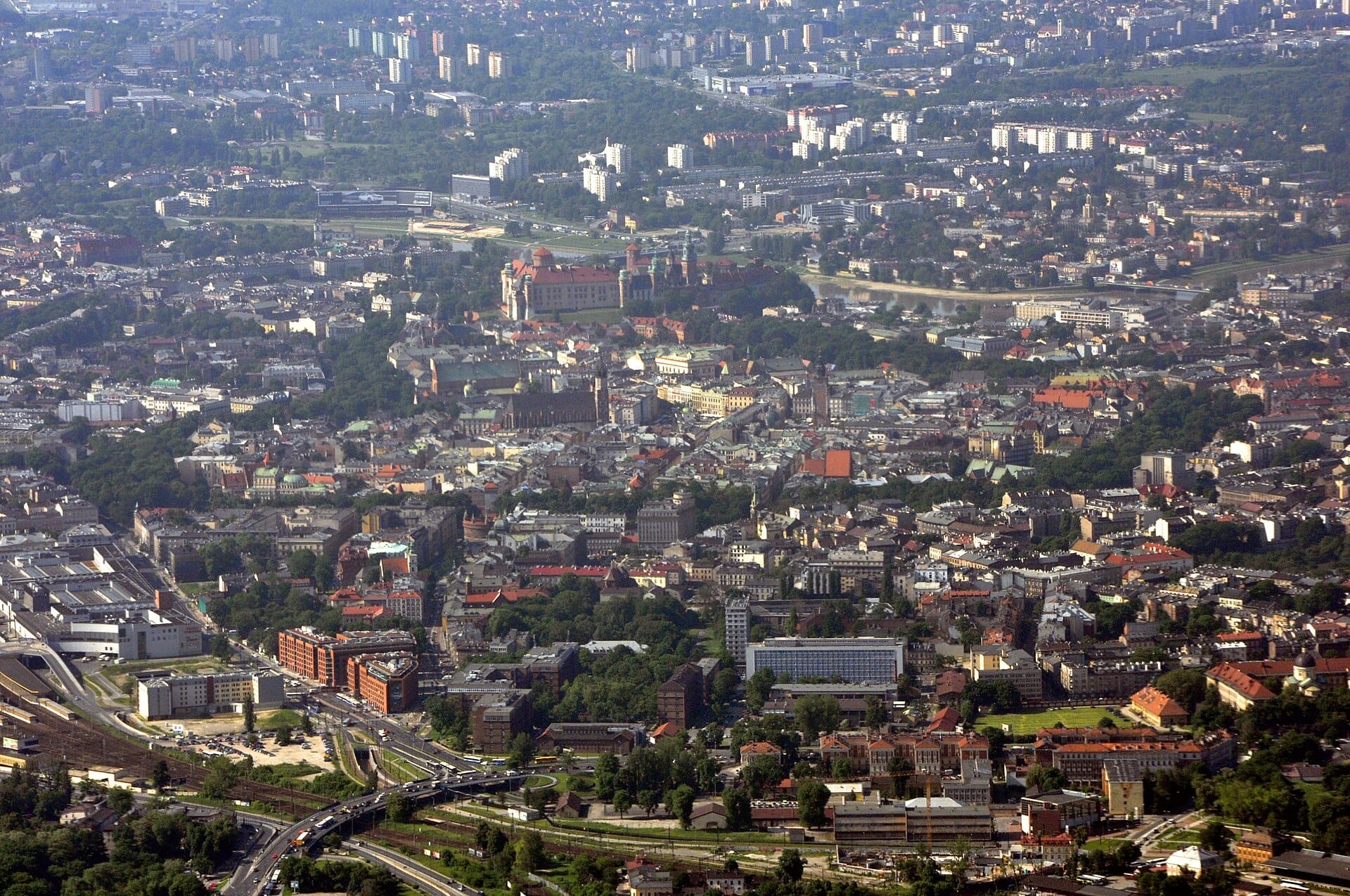
Kraków, the Royal Capital City of Poland's Lesser Poland Voivodeship and the country's second-largest city with over 800,000 residents, is far more walkable than its size suggests. The historic core is compact: Wawel Castle sits at the southern tip of the Old Town, the Main Market Square (Rynek Główny) is about 600 meters north of the castle, and Kazimierz begins just beyond the Old Town's southern edge. Most visitors underestimate how quickly they can cover ground on foot. The city has no metro, but its tram and bus network (operated by MPK Kraków) connects all major districts reliably.
The neighborhoods that matter most for accommodation are Stare Miasto (Old Town), Kazimierz, Podgórze, and Nowa Huta. Smaller residential areas like Kleparz (just north of Old Town) and Grzegórzki (northeast) are worth considering if you want cheaper rates without sacrificing walkability.
ℹ️ Good to know
Kraków sits in Central European Time (CET, UTC+1), switching to CEST (UTC+2) during daylight saving. The currency is the Polish złoty (PLN). As of now, Poland is not in the Eurozone, so bring złoty or use ATMs on arrival. Cards are widely accepted in hotels and most restaurants.
Old Town (Stare Miasto): Best for First-Timers and Short Stays
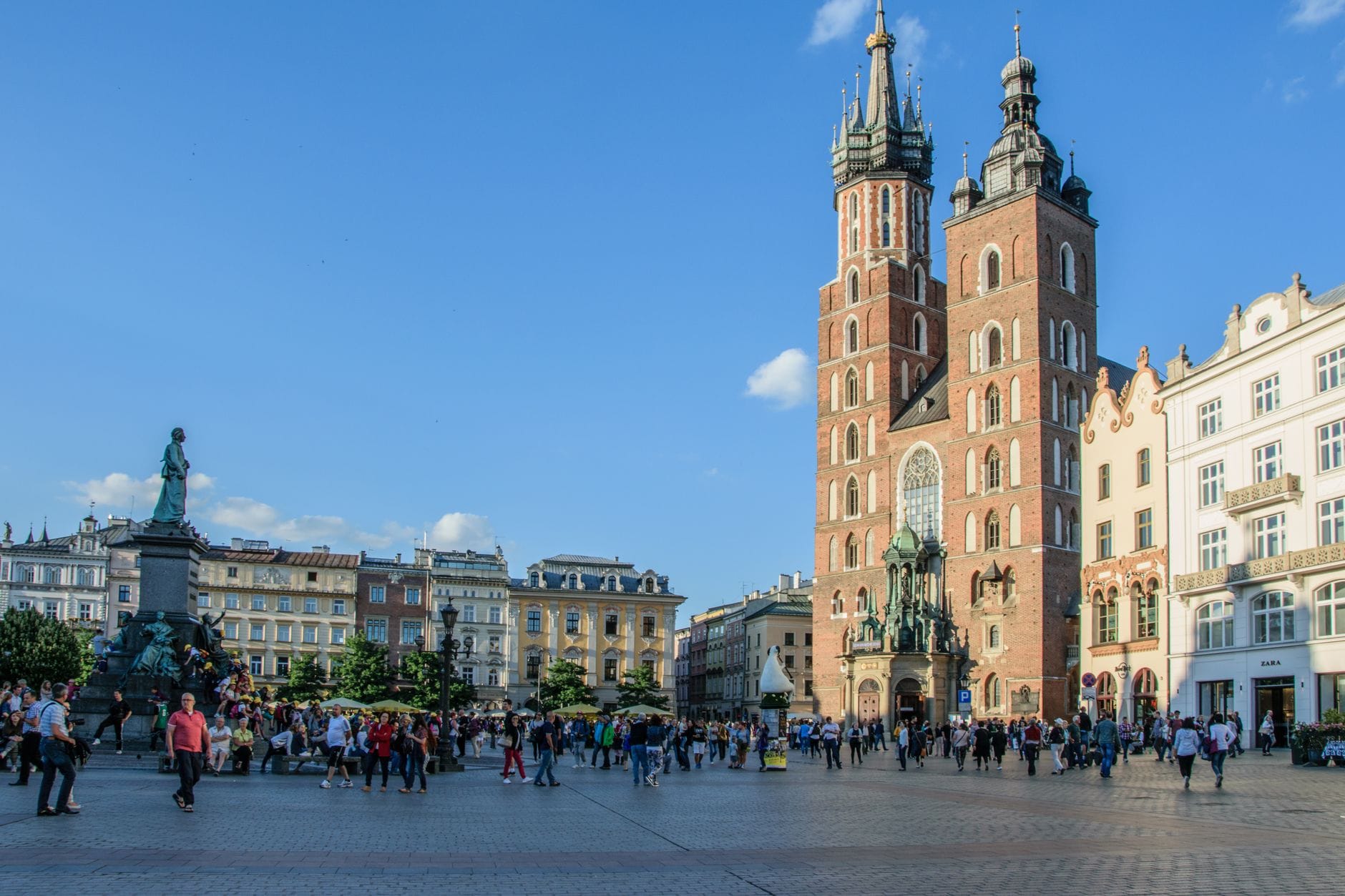
Stare Miasto is Kraków's UNESCO-listed medieval core and the most logical base if you're visiting for two or three days and want every major attraction within walking distance. Rynek Główny (the Main Market Square) is Europe's largest medieval market square, flanked by the Cloth Hall (Sukiennice) and St. Mary's Basilica. Wawel Castle is a 15-minute walk south. You won't need a tram for the first two days.
Mid-range hotels in Old Town typically run 180–450 PLN per night (roughly €40–100), with boutique options and larger international chains pushing higher. The trade-off is noise: the streets around the Main Square see heavy foot traffic until well past midnight in summer, and weekend stag parties are a real consideration. If you're a light sleeper, prioritize properties on side streets at least two blocks from Rynek Główny, or look for rooms with inner courtyard views rather than street-facing windows.
⚠️ What to skip
Old Town accommodation fills fast during the Kraków Christmas Market (late November to early January), the Corpus Christi procession, and major summer weekends. For May and September stays, book 3–4 weeks out minimum. Last-minute arrivals in peak season often find only the most expensive rooms available, or nothing central at all.
- Best for First-time visitors, couples on short city breaks, travelers without cars who want walkability above all else.
- Avoid if You're sensitive to nightlife noise, traveling on a tight budget, or staying longer than 4–5 days (you'll want a calmer base by day 3).
- Price range 180–450 PLN (~€40–100) per night for mid-range. Budget hostels from around 60–90 PLN per dorm bed.
- Key perk Zero transport costs for most sightseeing. Wawel, the Barbican, Florian Gate, and the underground museum all within a 15-minute walk.
Kazimierz: The Smarter Choice for Most Visitors
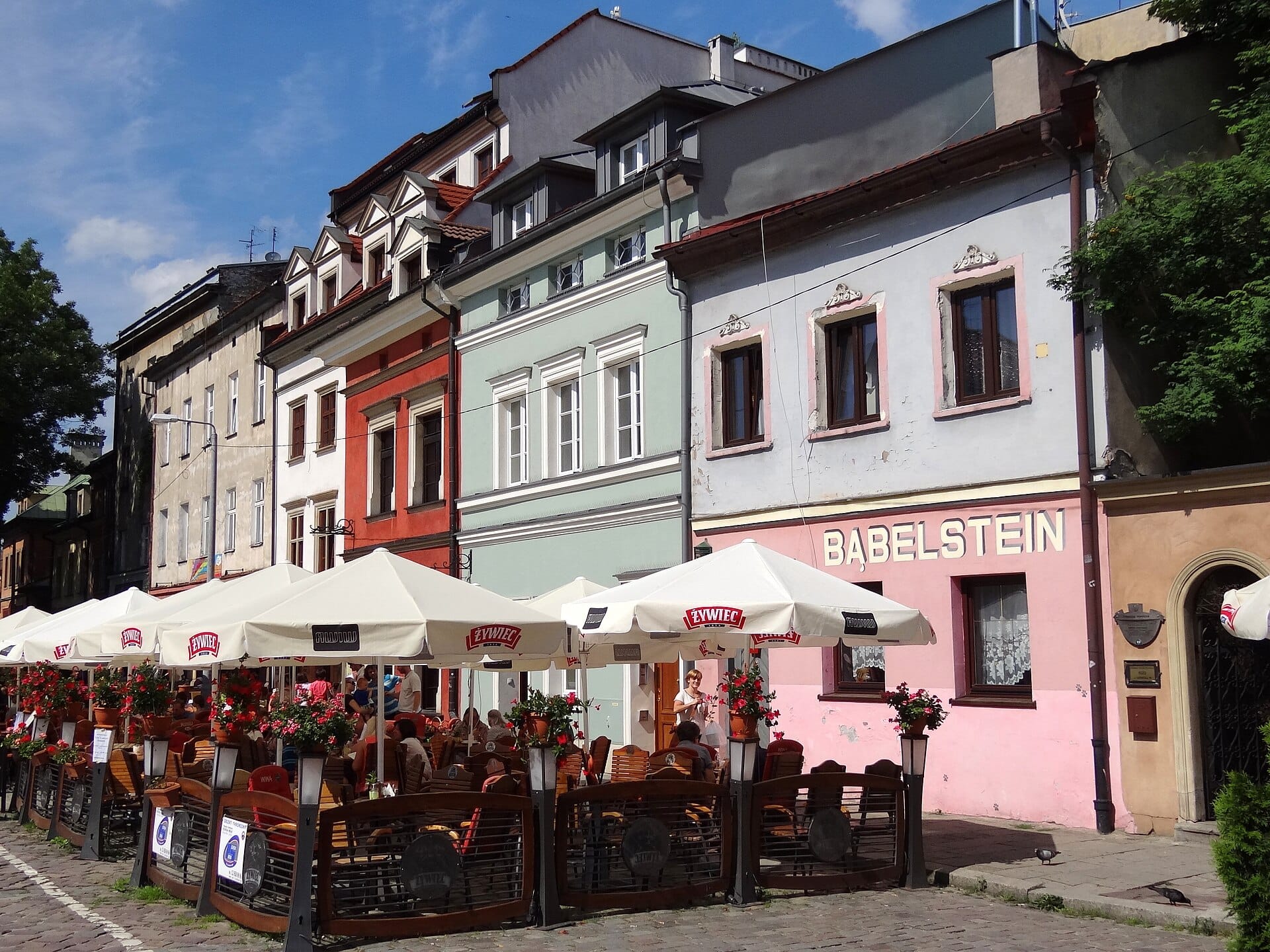
Kazimierz is underrated as a base, and the common assumption that it's 'far from the center' is simply wrong. The southern edge of Old Town is a 10–15 minute flat walk from Kazimierz's main strip along Szeroka Street. The neighborhood was Kraków's Jewish quarter for centuries, and its historical texture is reflected in the Old Synagogue, the Remuh Synagogue and Cemetery, and the Galicia Jewish Museum. These are not side trips from Kazimierz; they're on your doorstep.
For food and nightlife, Kazimierz consistently outperforms Old Town. The restaurants here serve more authentic Polish and Jewish-influenced cuisine at lower prices than the tourist-facing places around Rynek Główny. Plac Nowy, the neighborhood's central market square, is where locals go for zapiekanki (open-faced baguettes, a Kraków street food staple) and weekend brunch. Bars here tend to be independent and less expensive than Old Town equivalents.
Mid-range accommodation in Kazimierz runs about 130–320 PLN per night (~€30–75), making it 20–30% cheaper than comparable Old Town options. The area also has a strong supply of apartment rentals, which work well for families or stays of a week or more. Weekends get lively around Plac Nowy, but the noise levels are generally lower than the Old Town core.
✨ Pro tip
If you're planning to visit Schindler's Factory or the sites in Podgórze, staying in Kazimierz is strategically smart. Both neighborhoods sit on the same side of the Vistula, and the walk from Kazimierz across the Bernatka footbridge into Podgórze takes under 10 minutes.
Podgórze: Quiet, Historically Significant, and Underbooked
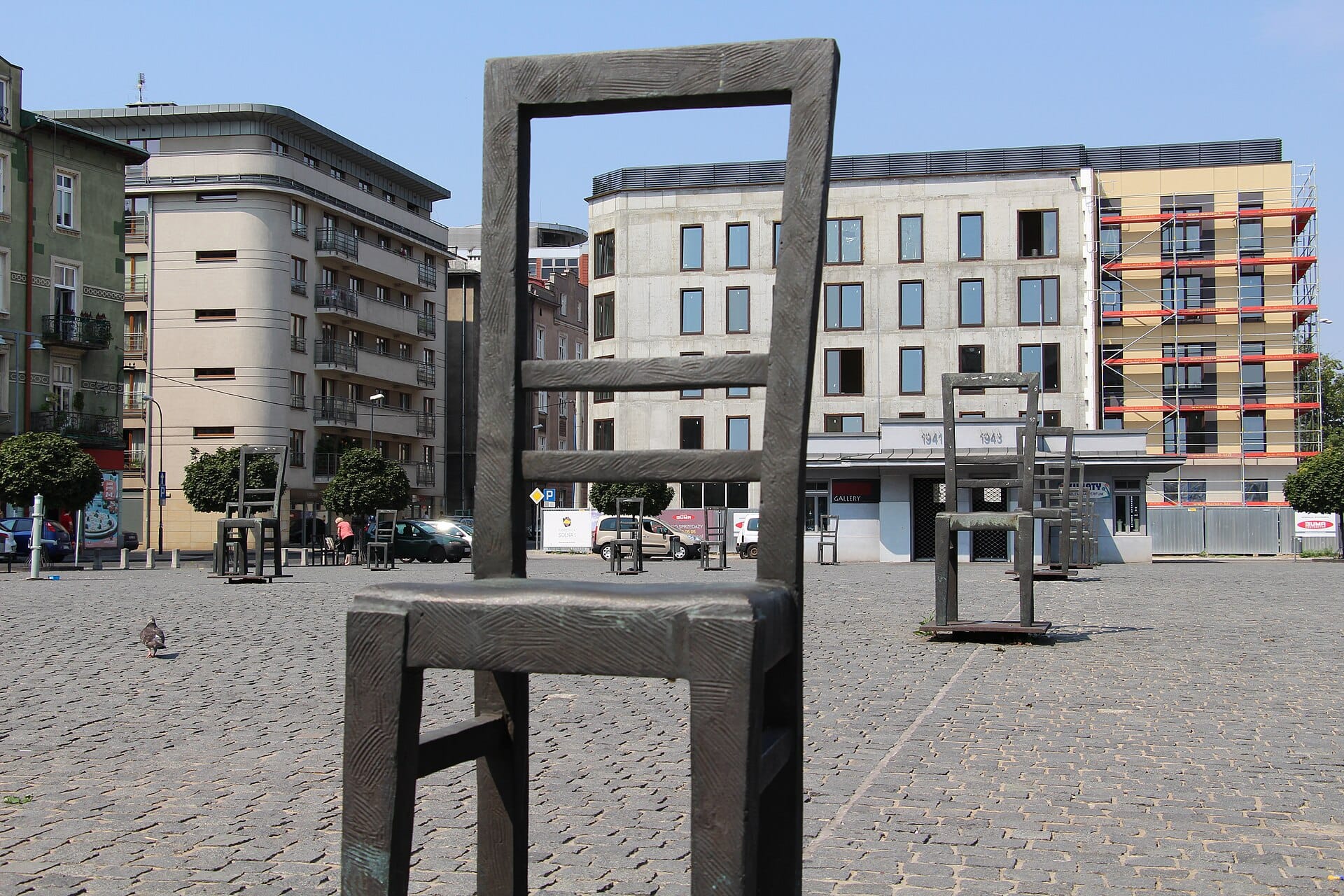
Podgórze sits across the Vistula River from Kazimierz and carries significant WWII history as the site of the Kraków Ghetto. The Schindler's Factory Museum and the Ghetto Heroes Square are both located here. For travelers who want to understand Kraków's 20th-century history in depth, staying in Podgórze gives you immediate access to these sites without the crowds.
As a residential neighborhood, Podgórze is noticeably quieter than either Old Town or Kazimierz. Hotels and apartments here tend to run 160–280 PLN per night (~€35–65) for mid-range options, and the area's tram connections back to Old Town are solid. The trade-off is that you're a longer walk from the Main Square (about 25–30 minutes on foot, or a short tram ride), and the restaurant and bar scene is sparser than Kazimierz. It suits travelers who want calm evenings and don't mind a short commute to major sights.
Nowa Huta, Kleparz, and Other Neighborhoods Worth Knowing
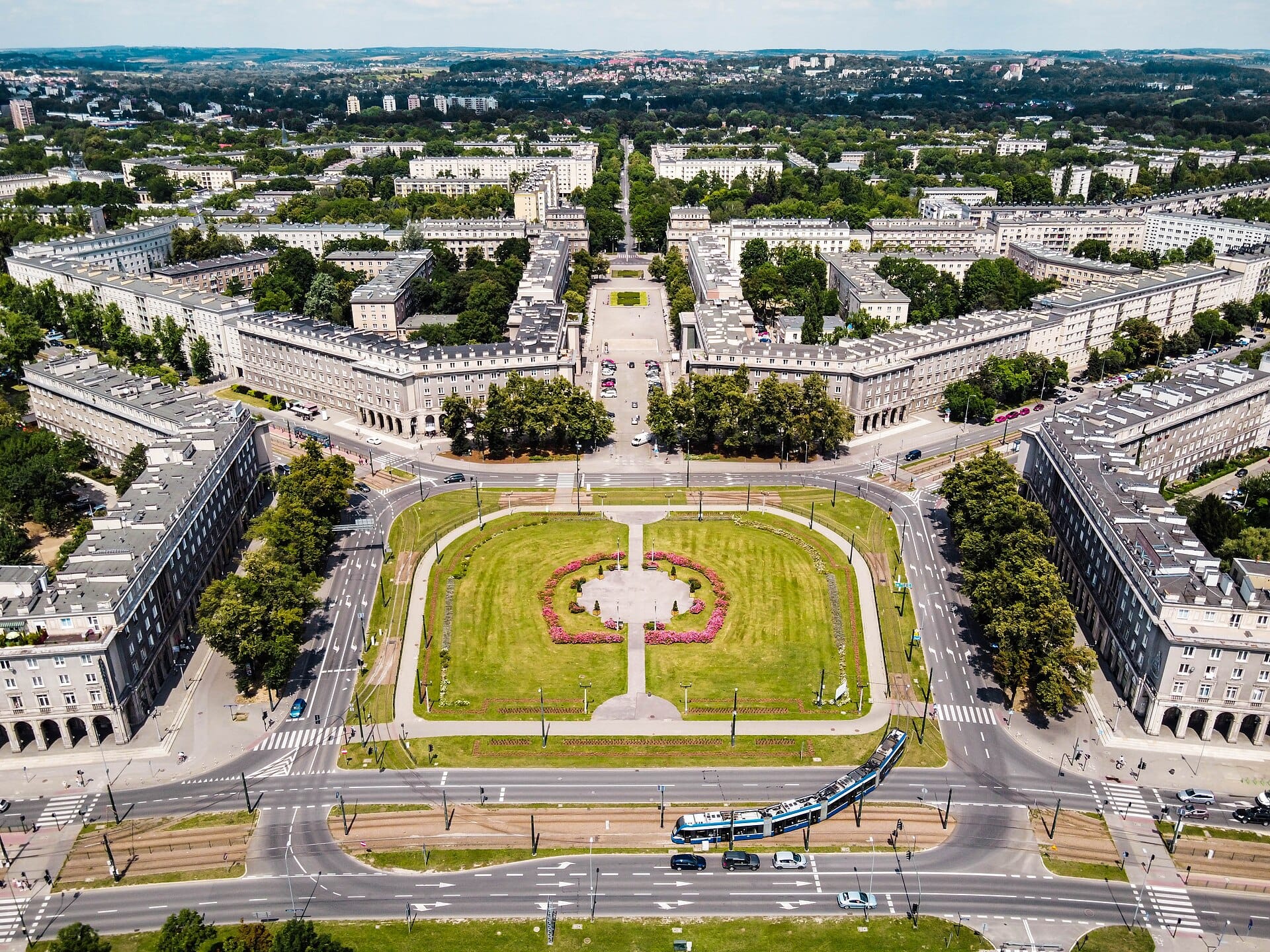
Nowa Huta, the planned socialist district built in eastern Kraków in the 1950s, is a legitimate reason to stay slightly off-center, but only if the architecture specifically interests you. The Nowa Huta Central Square and the surrounding streets are unlike anything else in the city. Mid-range accommodation here runs around 100–180 PLN (~€23–40) per night, the lowest of any major district. The catch: you're 25–35 minutes from Old Town by tram, and that commute adds up quickly on a short trip. For stays of five or more days where you want a specific local experience, it works. Otherwise, it's better visited as a half-day excursion from a more central base.
Kleparz, immediately north of Old Town, and Grzegórzki to the northeast are both worth considering for budget-conscious travelers who still want walkability. Neither is a tourist neighborhood in its own right, but both offer tram connections and are close enough to the Old Town that you won't feel disconnected. Accommodation in these areas skews toward smaller guesthouses and apartments rather than hotels, and prices are often 15–25% lower than equivalent Old Town options.
- Old Town Most convenient, highest prices, most noise. Best for 2–3 day first visits.
- Kazimierz Best overall balance of price, location, food, and atmosphere. Good for repeat visitors and longer stays.
- Podgórze Quiet, historically rich, slightly removed. Best for travelers focused on WWII history.
- Kleparz / Grzegórzki Residential, affordable, walkable. A sensible budget option without going far from the center.
- Nowa Huta Cheapest rates, longest commute. Only worth it if communist-era architecture is a specific draw.
Practical Booking Advice: Timing, Prices, and What to Watch For
Kraków's high season runs roughly May through September, with peak pressure in June and July. Weekends year-round see elevated prices in Old Town and Kazimierz, partly driven by stag party tourism from the UK and other European cities. If your dates are flexible, Tuesday through Thursday nights are typically 15–25% cheaper than Friday or Saturday stays in central areas.
For the best rates in any season, late March through April and October offer mild weather with significantly lower hotel prices. The best time to visit Kraków guide covers this in detail if you're still deciding on dates. December is interesting for the Kraków Christmas Market but accommodation demand spikes accordingly, particularly in the final two weeks before Christmas.
Transport from Kraków Airport (John Paul II International Airport, IATA: KRK) to the city center is straightforward. The airport is roughly 11 km west of the center, and a direct train to Kraków Główny station takes about 17–20 minutes. Taxis and ride-hailing apps (Uber and Bolt commonly operate in Kraków, though verify current availability) connect the airport to all neighborhoods, with fares varying by time and provider. If you're staying in Old Town or Kazimierz, the train is the fastest and most cost-effective option.
💡 Local tip
When comparing hotels in Kraków, check whether breakfast is included. Polish hotel breakfasts tend to be substantial (cold cuts, cheeses, breads, eggs), and skipping the hotel breakfast means spending 40–80 PLN per person at a nearby café anyway. For mid-range stays of 2+ nights, breakfast-included rates often work out cheaper overall.
For travelers planning to do day trips from Kraków, your base neighborhood matters less than you might think. Auschwitz-Birkenau, the Wieliczka Salt Mine, and Zakopane are all accessed via organized tours or trains from Kraków Główny station, which is within tram reach of every neighborhood covered in this guide. See the day trips from Kraków guide for logistics on each. Similarly, if you're planning to get around Kraków primarily by tram, a map of the MPK network will show you that all central neighborhoods are well connected.
FAQ
Is Old Town the best place to stay in Kraków?
For first-timers on short trips (2–3 days), yes. Old Town puts you within walking distance of every major sight and eliminates transport hassle. But it's also the noisiest and most expensive area, and Kazimierz is only 10–15 minutes away on foot at 20–30% lower prices. For stays of 4 days or more, Kazimierz is often the better choice.
How far is Kazimierz from Kraków's Main Square?
The walk from Rynek Główny (the Main Market Square) to the heart of Kazimierz takes roughly 10–20 minutes on foot depending on your starting point. It's a flat walk through the southern end of Old Town. There's no tram necessary.
What is a typical hotel price per night in Kraków?
Mid-range hotels in Old Town run approximately 180–450 PLN per night (roughly €40–100). Kazimierz is cheaper at around 130–320 PLN (~€30–75). Podgórze and outer neighborhoods typically fall in the 100–280 PLN range. Budget hostels offer dorm beds from around 60–90 PLN. All prices fluctuate with season and should be verified at booking.
Is Kraków good for families, and where should families stay?
Kraków works well for families. Old Town is the easiest logistically, with everything walkable. Kazimierz is also family-friendly and has more apartment-style accommodation suited to larger groups. Podgórze is quieter and has more green space along the Vistula riverbank. Nowa Huta is best avoided for families unless the kids have a specific interest in the district.
When should I book accommodation in Kraków?
For summer weekends (June–August) and the Christmas Market period (late November to early January), book 3–4 weeks ahead for central neighborhoods. May and September are busy too, particularly weekends. For weekday stays in low season (November, January–February, March), you can often book a week out without issues. The Old Town fills fastest; Kazimierz and Podgórze have more availability into the shorter booking window.
Tickets & tours
Live prices and dates from our booking partner. If you book, we may earn a commission at no extra cost to you.
Planning a trip? Discover personalized activities with the Nomado app.