What to Eat in Kraków: The Complete Polish Food Guide
Kraków is one of Central Europe's great food cities, with a cuisine built on centuries of Polish tradition. This guide covers the essential dishes to try, where to find the real thing, and how to eat well without paying tourist-trap prices.
Tickets & tours
Live prices and dates from our booking partner. If you book, we may earn a commission at no extra cost to you.
TL;DR
- Kraków's essential dishes are pierogi, żurek, obwarzanek, zapiekanka, bigos, and kotlet schabowy.
- Skip the Main Square restaurants for everyday meals. Kazimierz and Podgórze offer far better value and more authentic cooking.
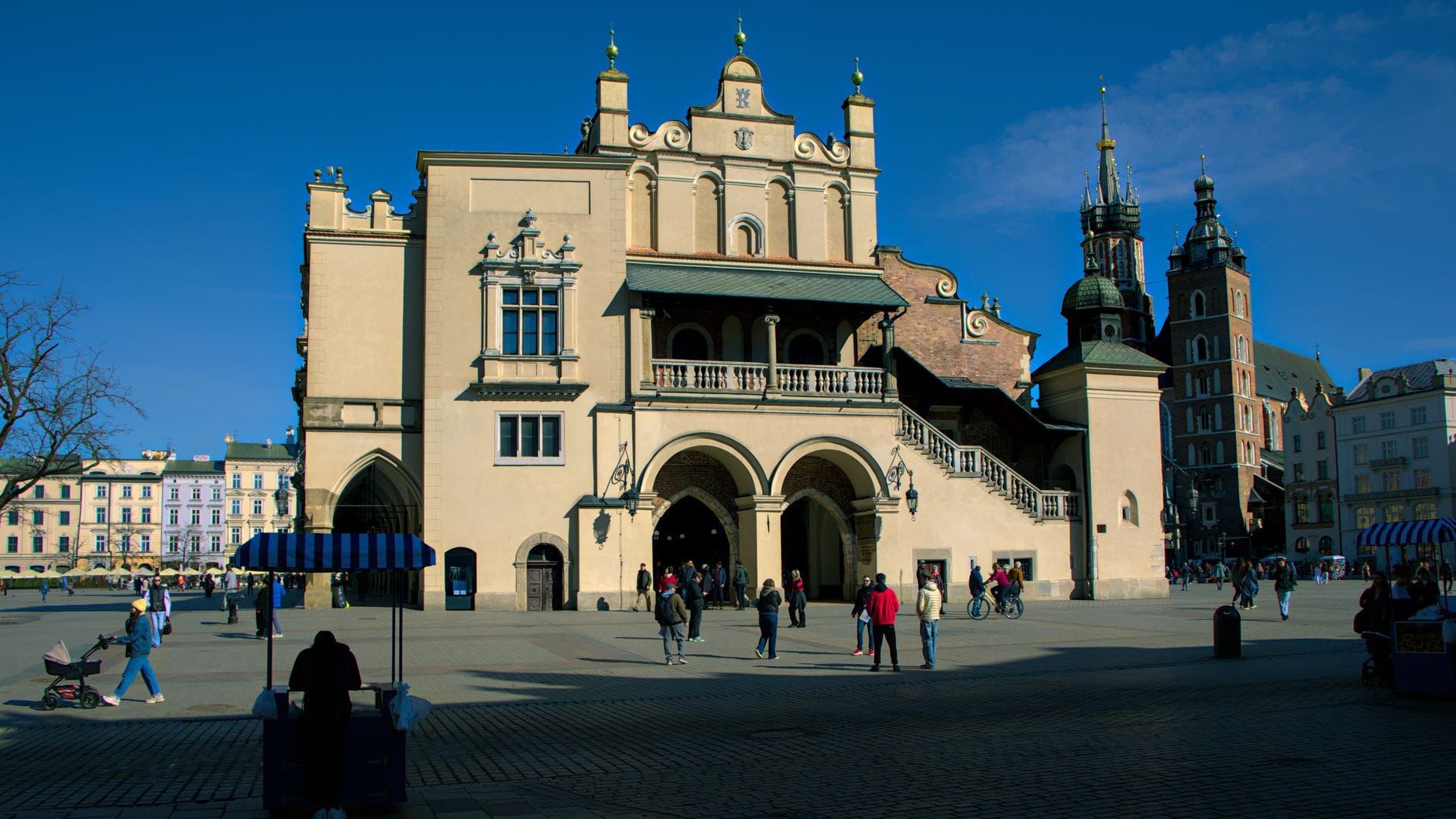
- The obwarzanek, Kraków's braided bread ring sold from street carts, costs around 2–3 PLN and is one of the city's most iconic snacks.
- Plac Nowy in Kazimierz is the place for zapiekanka. Arrive hungry and eat standing up.
- Self-service restaurants like Polakowski are a legitimate strategy for eating well on a tight budget. More tips in our Kraków on a budget guide.
The Dishes You Actually Need to Try
Polish cuisine is heavier and more meat-forward than most of Western Europe, built for cold winters and physical work. In Kraków, that tradition is very much alive. The dishes you'll see on almost every menu are there because they've been refined over generations, not because they're trendy. Start with these.
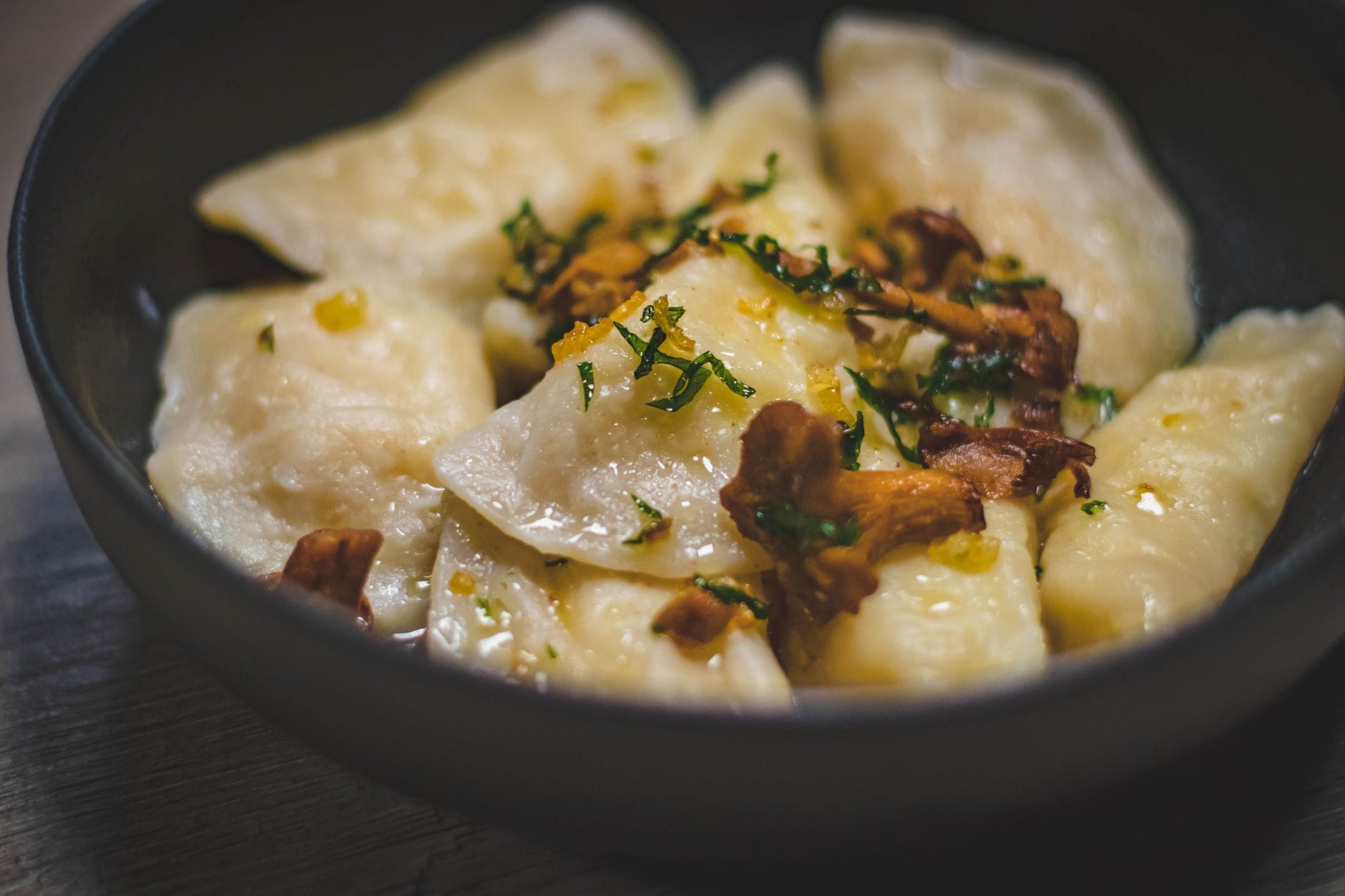
- Pierogi Boiled or pan-fried dumplings, the most famous Polish dish. The classic filling is ruskie (potato and twaróg cheese with onion), but you'll also find kapusta i grzyby (sauerkraut and mushroom), meat fillings, and sweet versions with strawberries, plums, or sweet cheese. A plate of six to eight typically costs 20–35 PLN in a sit-down restaurant.
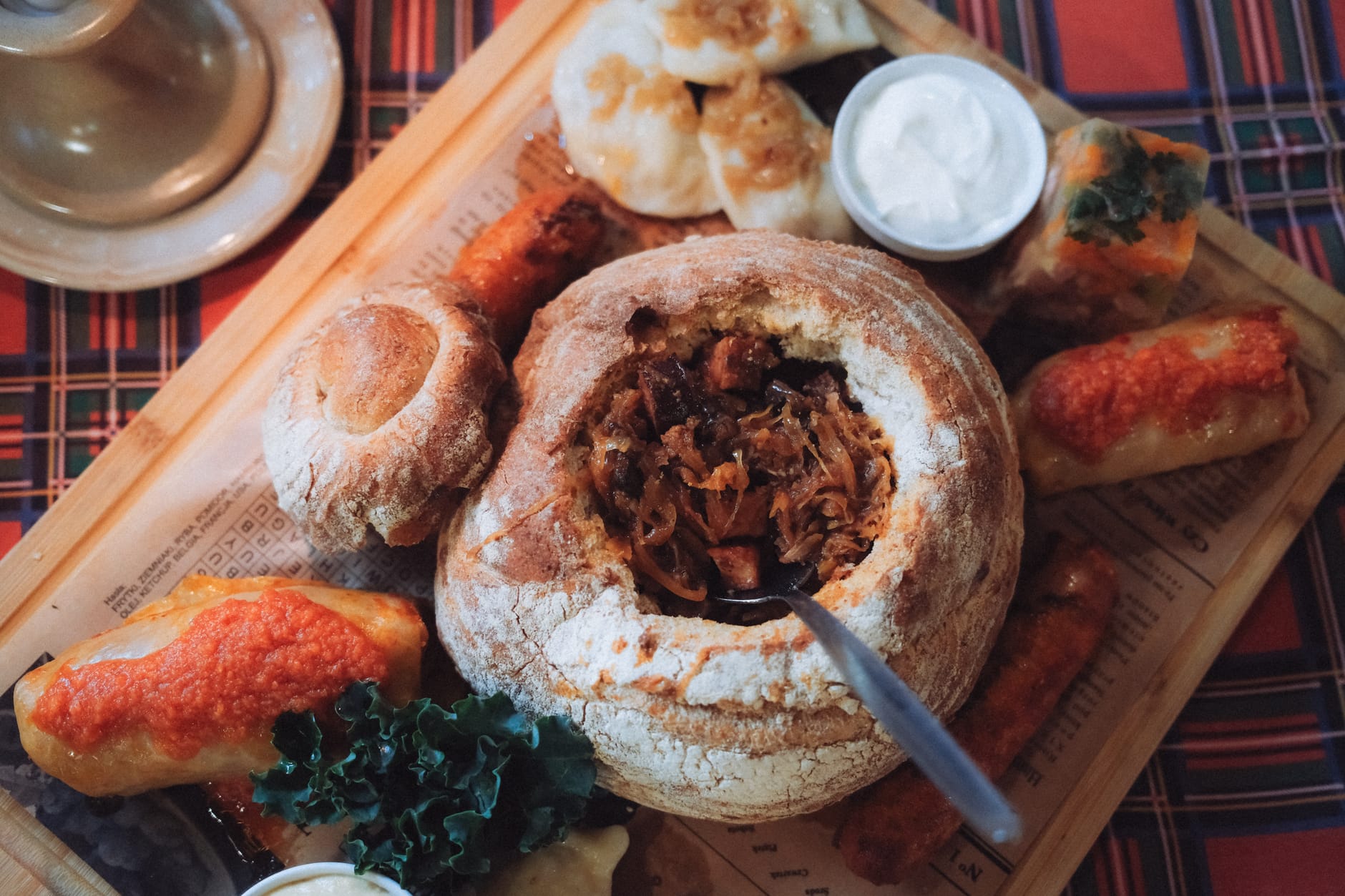
- Żurek A sour rye soup made from fermented rye flour starter, often served in a hollowed bread bowl with hard-boiled egg, white sausage, and potato. The flavor is tangy and deeply savory. This is not a light lunch dish. It's one of the most distinctly Polish things you can eat, and Kraków does it well.
- Obwarzanek Krakowski Kraków's signature street food: a braided, ring-shaped bread that's been boiled and baked, topped with sesame seeds, poppy seeds, or salt. Sold from distinctive round carts throughout the city for 2–3 PLN. It has EU Protected Geographical Indication status, meaning the real version can only be produced in the Kraków area.
- Zapiekanka An open-faced baguette topped with mushrooms, cheese, and various additions (ketchup, garlic sauce, jalapeños, pulled meat), then toasted. It emerged as a popular street food in communist-era Poland and remains a Kraków staple. Not remotely like pizza despite what some descriptions suggest. The round kiosks at Plac Nowy in Kazimierz are the city's most famous source.
- Bigos Often called hunter's stew, this is a slow-cooked dish of sauerkraut, fresh cabbage, and various meats (pork, sausage, sometimes game) simmered together for hours. It deepens in flavor over multiple days of reheating. A deeply winter dish, best eaten October through March when restaurants make it most often.
- Kotlet Schabowy A breaded and pan-fried pork cutlet, the Polish answer to Wiener Schnitzel. Served with mashed or boiled potatoes and cooked cabbage or beet salad. This is Polish home cooking at its most fundamental, and a well-made version at a non-touristy restaurant will cost 30–45 PLN.
ℹ️ Good to know
Pierogi fillings go well beyond the savory ruskie. If you're visiting in summer, look for pierogi z truskawkami (strawberry dumplings) or z jagodami (blueberry), served warm with sour cream and sugar. They're a genuine part of Polish tradition, not a dessert novelty.
Where to Eat in Kraków Without Getting Ripped Off
The restaurants directly on or immediately around Rynek Główny (the Main Square) charge a significant location premium. You're often paying 40–60% more for the same dish compared with restaurants two streets away, and the cooking is frequently aimed at international visitors rather than locals. That's not a blanket criticism of every Old Town restaurant, but for everyday meals it's worth walking a few extra minutes.
The better strategy is to eat in Kazimierz or Podgórze. Both districts have restaurants where locals actually eat, pricing is lower, and the food tends to be more straightforward and fairly priced. Kazimierz in particular has developed a diverse food scene over the past decade, from Jewish-influenced dishes to contemporary Polish cooking to international options.
- Kuchnia u Doroty (Augustiańska 4, Kazimierz) A consistently recommended spot for traditional Polish home cooking. The menu reads like a greatest-hits of Polish cuisine: żurek, pierogi, bigos, kotlet schabowy. Portions are large, prices are reasonable, and the atmosphere is the opposite of tourist-trap.
- Polakowski (multiple locations) A self-service canteen-style restaurant serving Polish staples cafeteria-style. You grab a tray, point at what you want, and pay at the till. It's not glamorous, but the food is solid, the portions are generous, and it's one of the most cost-effective ways to eat a proper Polish meal. Good for solo travelers or anyone on a tight budget.
- Pod Wawelem (Świętej Gertrudy 26–29) Located near Wawel Hill, this is a well-regarded traditional restaurant serving classic Polish dishes in a more atmospheric setting. The location makes it convenient after visiting Wawel Castle. Advance reservations are worth considering on weekends.
- Miód Malina (Grodzka 40, Old Town) One of the better traditional Polish restaurants within the Old Town itself. The interior is warm and the cooking reliable. It does attract tourists, but the quality justifies the slightly higher prices. Book ahead for Friday and Saturday evenings.
- Gościnna Chata (Sławkowska 10) A straightforward Polish restaurant in the Old Town that avoids the worst of the tourist-trap tendencies. Good for pierogi and soups. Less atmospheric than Miód Malina but more casual and slightly cheaper.
⚠️ What to skip
Restaurants with costumed staff standing outside on the Main Square actively soliciting customers are almost always tourist traps. The food isn't necessarily bad, but you'll pay significantly more than you should. The best Polish restaurants in Kraków don't need to chase customers on the street.
Kraków's Street Food Scene
Street food in Kraków means a few specific things, and the most important address is Plac Nowy in Kazimierz. The round rotunda in the center of the square houses a cluster of zapiekanka kiosks that have been operating for decades. The lineup of options varies by kiosk, from basic mushroom-and-cheese versions to loaded varieties with pulled pork or roasted peppers. Expect to pay 12–20 PLN depending on the size and toppings.
The obwarzanek carts are scattered across the city, particularly around the Main Square and near Floriańska Street. They're operated under a regulated system and the product is specific to Kraków. If you're walking between sights and need something to eat, this is the most local option available. Buy one and keep moving.
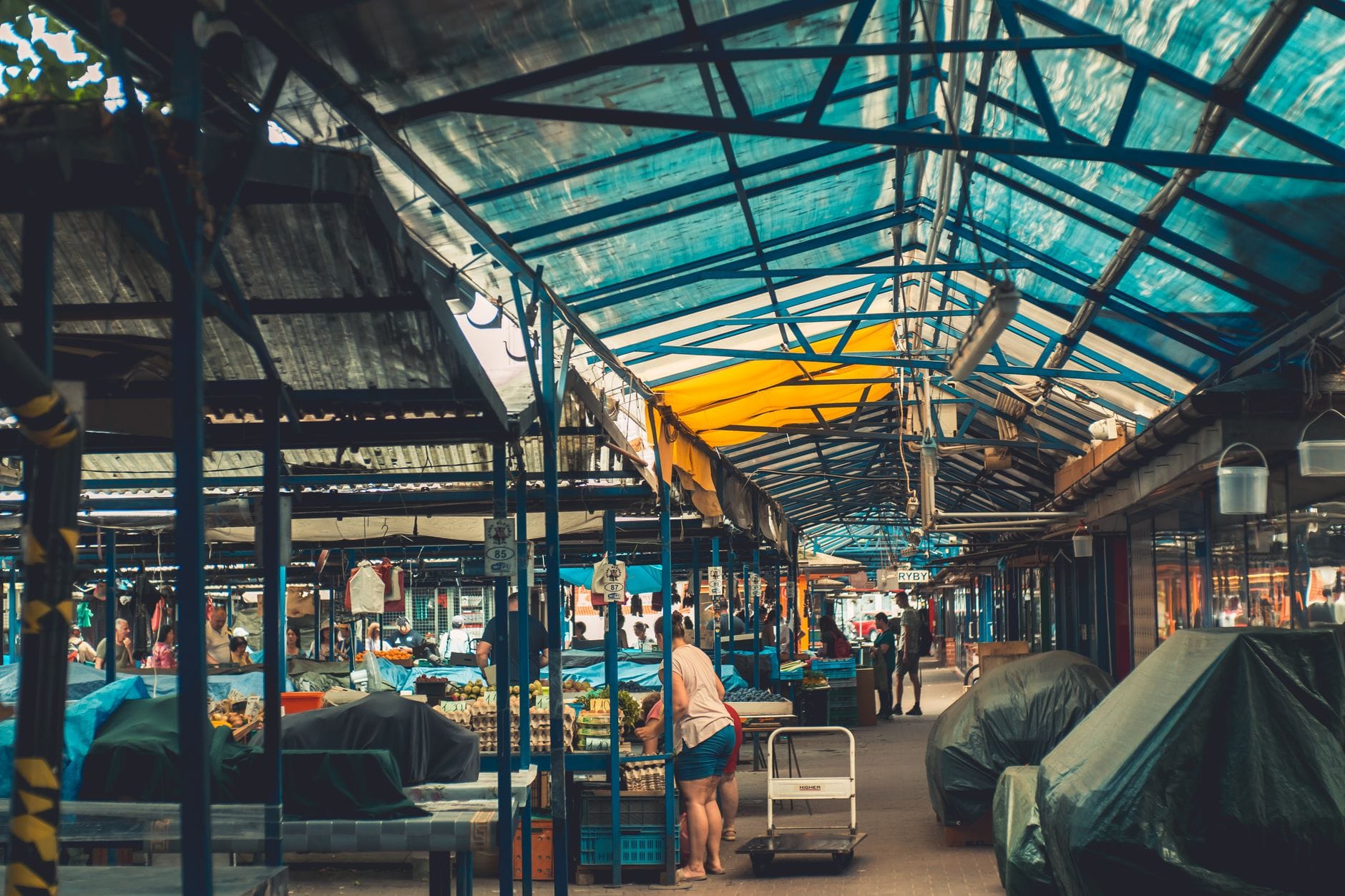
For a broader market experience, Stary Kleparz market (just north of the Old Town) is one of the city's oldest markets, selling fresh produce, regional cheeses, smoked meats, bread, and seasonal items. It's primarily a food market for locals rather than a tourist attraction, which makes it worth a visit if you want to see how the city actually shops. Best on weekend mornings.
💡 Local tip
Plac Nowy is busiest on Saturday mornings when the flea market runs alongside the food stalls. If you want zapiekanka without crowds, come on a weekday afternoon. The kiosks are open most of the day, and the queue is minimal.
Seasonal Eating in Kraków
Polish cuisine has a strong seasonal logic that's worth understanding. The heavy, warming dishes like bigos, żurek, and kotlet schabowy are at their best in autumn and winter, when restaurants make them most frequently and the weather makes you want them. Many traditional restaurants dial back their soup and stew menus in summer, or serve lighter versions.
Summer brings its own food moments. The outdoor seating around Kazimierz and along the Vistula riverbank makes eating outside especially pleasant from May through September. Grilled meats (kiełbasa, karkówka) appear at outdoor stands. Fresh forest mushrooms and berries start showing up in markets from late July, and sweet pierogi with fruit fillings are a summer-specific pleasure.
December brings the Kraków Christmas Market to the Main Square, where you can find oscypek (smoked sheep's cheese from the Tatra mountains, often grilled and served with cranberry jam), mulled wine (grzaniec), and traditional sweets. The oscypek in particular is worth trying, even though the market setting inflates prices slightly compared with buying it directly at Stary Kleparz or from mountain vendors.
Drinks: What to Order Alongside Your Food
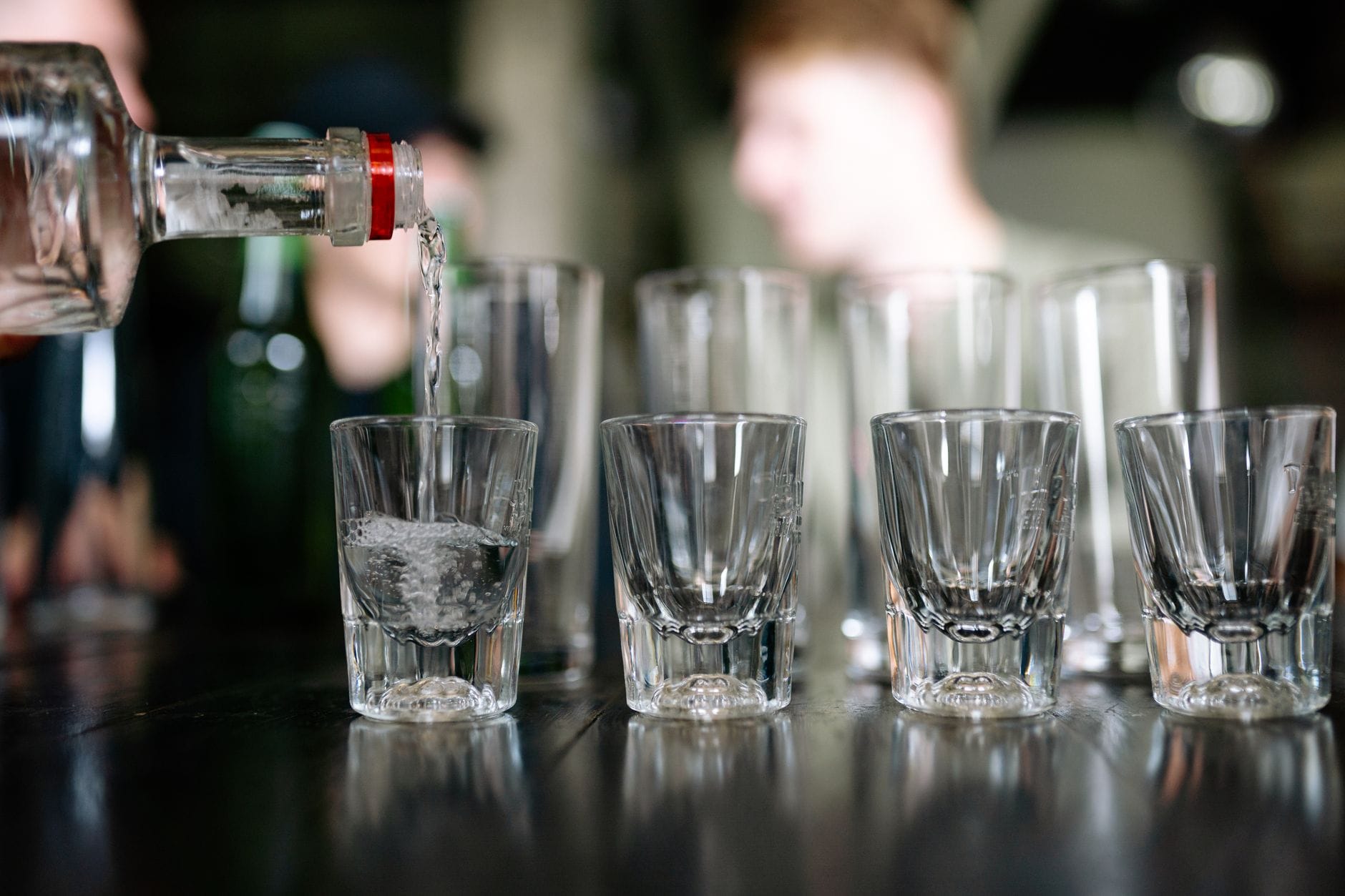
Vodka is the obvious answer, and Poland produces some of the best in the world. Żubrówka (bison grass vodka) mixed with apple juice is called szarlotka or tatanka and is probably the most approachable introduction for visitors. Wyborowa, Belvedere, and Żytnia are all domestically produced and widely available. Polish craft beer has expanded significantly over the past decade, and Kazimierz now has several bars specializing in local microbrewery output.
Kompot (a cooked fruit drink, served warm or cold) is a traditional non-alcoholic option you'll find in traditional restaurants. It's slightly sweet and made from whatever fruit is seasonal. Order it if you want something authentically Polish that isn't alcohol. Tea (herbata) is drunk without milk and usually comes in a glass with a metal holder in more old-school establishments.
Practical Tips for Eating in Kraków
- Lunch is often the main meal of the day for locals. Many traditional restaurants offer a lunch special (zestaw obiadowy) on weekdays: soup plus a main course for a flat price, usually 25–40 PLN. This is the best value in the city.
- Tipping is customary but not automatic. Around 10% is standard at sit-down restaurants if you're happy with the service. Leave cash directly rather than adding it to a card payment if you want it to reach the server.
- Most traditional restaurants are cash-friendly but increasingly accept cards. Smaller milk bars (bar mleczny) and market stalls are still often cash-only. Keep some Polish złoty (PLN) on hand.
- Vegetarian options at traditional Polish restaurants are limited but not impossible: pierogi ruskie, mushroom soup, and kapuśniak (sauerkraut soup) are all meat-free. Kazimierz has several dedicated vegetarian and vegan restaurants if you need more variety.
- Polish dinner service is generally earlier than in Southern Europe. Many traditional restaurants fill up between 6–8 PM. Booking ahead for dinner at popular spots, especially on weekends, is worthwhile.
If you're planning your time around food and sightseeing, the Kraków walking tour routes pass through both the Old Town and Kazimierz, making it easy to combine sightseeing with strategic eating stops. Plac Nowy is roughly 15 minutes on foot from the Main Square.
✨ Pro tip
Bar mleczny (milk bar) restaurants are subsidized canteen-style eateries left over from the communist era. They serve simple Polish food at extremely low prices. Kraków has a few, and while they're not glamorous, a bowl of soup and a main course for under 20 PLN is hard to argue with. Look for Bar Mleczny signs and handwritten menus in the window.
For a broader overview of planning your time in the city, see our guide to things to do in Kraków, which covers major attractions alongside neighborhood-by-neighborhood recommendations.
FAQ
What is the most famous food in Kraków?
Pierogi (dumplings) are Poland's most internationally recognized dish and central to Kraków's food culture. Locally, the obwarzanek krakowski, a braided bread ring sold from street carts, has Protected Geographical Indication status and is arguably the city's most distinctive food product. Żurek, a sour rye soup often served in a bread bowl, is another dish that regulars specifically seek out.
Where should I eat in Kraków to avoid tourist traps?
Kazimierz district (south of the Old Town) and Podgórze (across the Vistula) both have a strong selection of restaurants where locals eat and prices are significantly lower than the Main Square area. Specifically, Kuchnia u Doroty in Kazimierz and self-service spots like Polakowski offer solid traditional Polish food at fair prices. Avoid restaurants with costumed staff soliciting customers outside on Rynek Główny.
What is zapiekanka and where can I get the best one in Kraków?
Zapiekanka is an open-faced toasted baguette topped with mushrooms, melted cheese, and various additions. It's a Polish street food staple from the communist era and has nothing to do with pizza despite some comparisons. The round kiosks at Plac Nowy in the Kazimierz district are the city's most famous source, and most locals would direct you there first.
Is Polish food suitable for vegetarians?
Traditional Polish cuisine is heavily meat-based, but vegetarians can manage. Pierogi ruskie (potato and cheese dumplings), barszcz (beetroot soup), mushroom soup, and kapuśniak (sauerkraut soup) are all meat-free. Kazimierz has a growing number of dedicated vegetarian and vegan restaurants. At traditional restaurants, it's worth asking about stock, as some soups are made with meat-based broth even when served without visible meat.
How much should I expect to pay for a meal in Kraków?
At a traditional restaurant in Kazimierz or the Old Town (away from the Main Square), a full meal with soup, main course, and a drink typically costs 50–80 PLN per person. The weekday lunch special (zestaw obiadowy) at many restaurants brings soup plus a main to 25–40 PLN. Street food like zapiekanka or obwarzanek costs 2–20 PLN. The Main Square adds a roughly 40–60% premium to most of these figures.
Tickets & tours
Live prices and dates from our booking partner. If you book, we may earn a commission at no extra cost to you.
Planning a trip? Discover personalized activities with the Nomado app.