Kraków on a Budget: The Definitive Guide to Visiting for Less
Kraków remains one of Europe's best-value city breaks, but knowing where to spend and where to skip makes the difference. This guide breaks down real daily costs, the best free attractions, cheap eating options, and smart strategies to stretch every złoty.
Tickets & tours
Live prices and dates from our booking partner. If you book, we may earn a commission at no extra cost to you.
TL;DR
- Budget travelers can realistically get by on 120–200 PLN (around €29–48) per day, covering a hostel dorm, tram rides, milk bar meals, and entry to at least one paid attraction.
- Major free attractions include Rynek Główny, the Planty park ring, Wawel Castle exterior, and the streets of Kazimierz — see the full list in our free things to do in Kraków guide.
- Milk bars (bar mleczny) serve traditional Polish meals for 8–20 PLN per dish — the single biggest money-saving move for food.
- Staying in Kazimierz or Podgórze instead of the Old Town can save €20–40 per night while keeping you within easy walking or tram distance of everything.
- Kraków is significantly cheaper than most Western European cities, but prices have risen — the shoulder seasons of April–May and September–October offer the best combination of value and weather.
What Does a Day in Kraków Actually Cost?
Kraków consistently ranks among the most affordable major cities in Central Europe, and the numbers bear that out. A genuine budget day — hostel dorm bed, tram to get around, two meals at a milk bar, a couple of local beers in Kazimierz, and entry to one paid site — comes in at roughly 120–200 PLN per person. That's approximately €29–48 at current exchange rates. Mid-range travelers eating at sit-down restaurants, staying in a private hotel room, and taking the odd Uber should budget €75–110 per day. Luxury travel, with boutique hotels and fine dining, starts around €155 and up.
- Hostel dorm bed 50–100 PLN per night. Central options in Kazimierz and Old Town are plentiful, with quality ranging from basic to surprisingly stylish.
- Milk bar meal (bar mleczny) 8–20 PLN per dish. Think pierogi, bigos, żurek soup, and kotlet schabowy — filling, traditional, and almost embarrassingly cheap.
- Mid-range restaurant main course Around €10–20 per person, not including drinks. Old Town restaurants at the higher end; Kazimierz side streets offer better value.
- Single tram or bus ticket 4–9 PLN depending on duration. A 72-hour unlimited pass costs 55 PLN — worth it if you're visiting multiple districts.
- Local beer (pub or bar) Around 8–15 PLN for a half-litre. Kazimierz backstreet bars are noticeably cheaper than Main Square terraces.
ℹ️ Good to know
All prices in this guide are approximate 2026 figures in Polish złoty (PLN) or euros. Exchange rates fluctuate, and specific prices at attractions, transport, and restaurants change over time. Always verify current costs at official websites or on-site before you go.
Free Kraków: What You Don't Need to Pay For
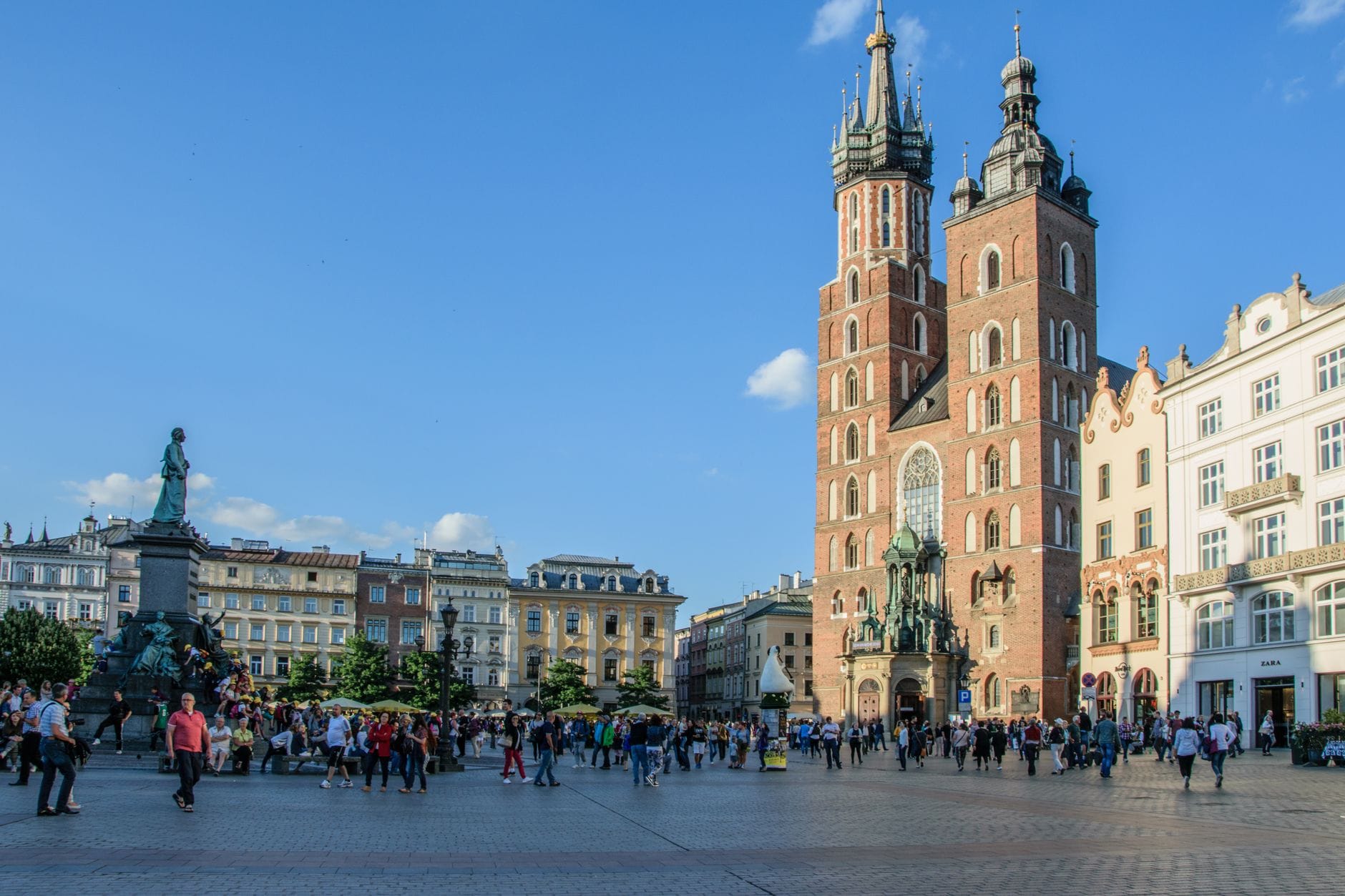
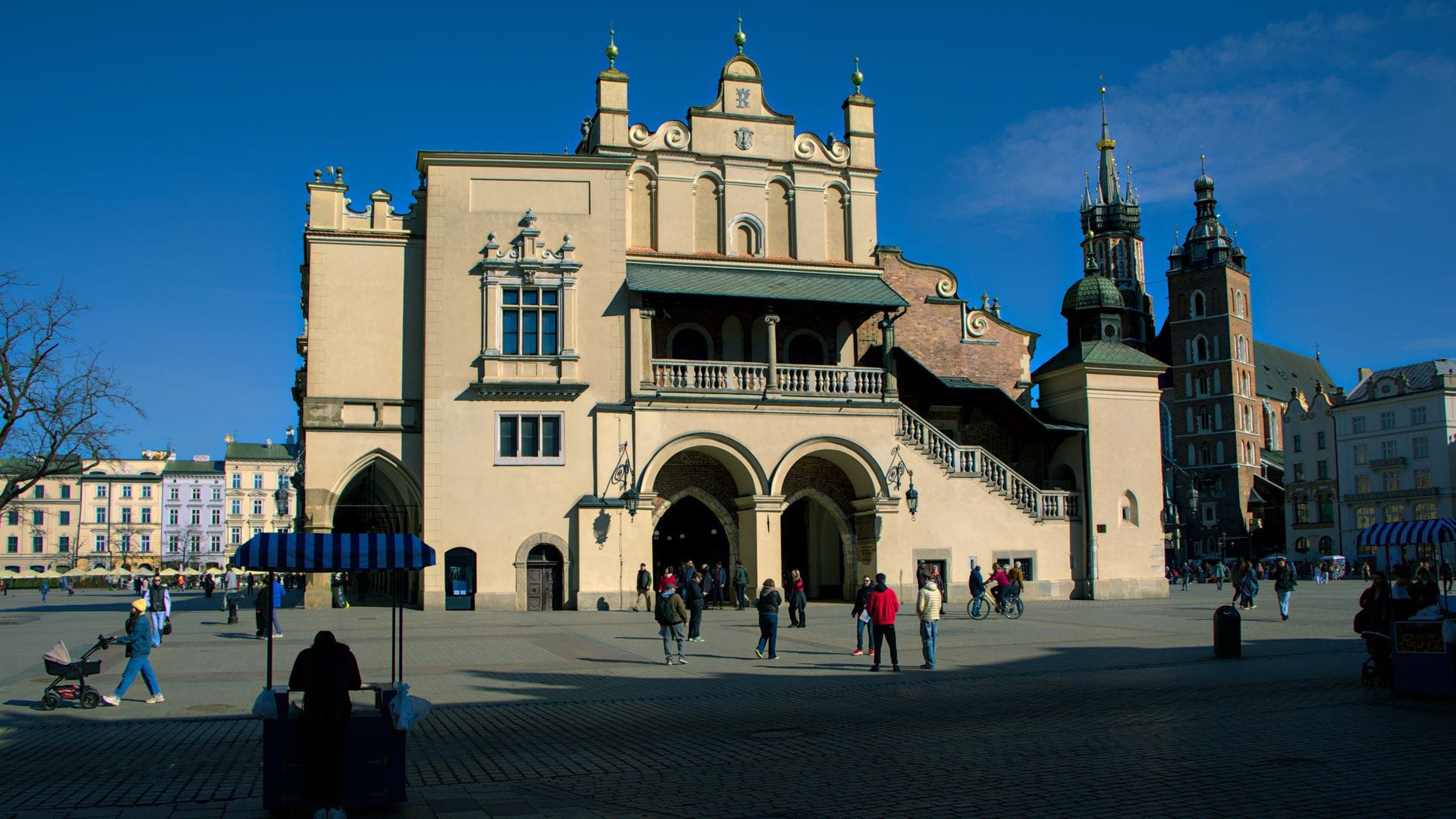
One of the strongest arguments for Kraków as a budget destination is how much you get without spending a single złoty. Rynek Główny, the medieval main market square, is free to wander at any hour. At around 40,000 square metres, it's one of the largest medieval squares in Europe, and the architecture — Gothic, Renaissance, Baroque all mixed together — is absorbing enough to justify an hour just walking its perimeter. The same goes for the interior arcades of the Cloth Hall (Sukiennice), where vendors sell amber, linen, and folk art, and entry to the ground floor costs nothing.
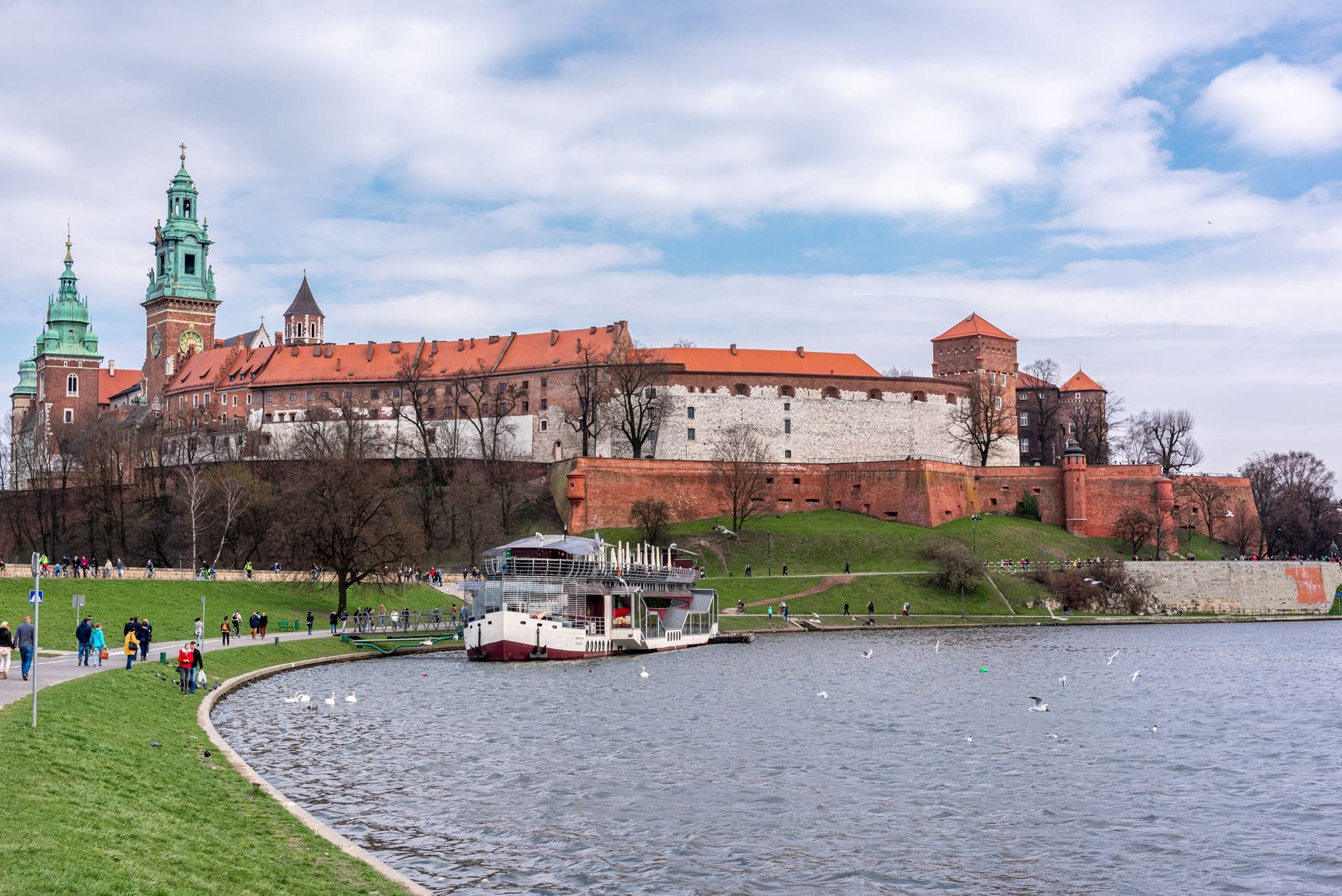
The Planty park is a 4-kilometre green ring encircling the Old Town on the line of the demolished medieval city walls. It connects major entry points and is free year-round. In summer it fills with locals eating lunch on benches; in winter it's quieter but still pleasant. Walking the full loop takes about 45 minutes at a relaxed pace. The exterior of Wawel Hill — the castle grounds, the courtyard, the dragon statue, and the views over the Vistula River — costs nothing. You only pay to enter the interior exhibitions.
The streets of Kazimierz, the former Jewish quarter, are a free open-air walk through architecture and history. Synagogue exteriors, the atmospheric Plac Nowy market square, and the general neighbourhood texture all cost nothing. Most major churches — including St. Mary's Basilica — charge a small entry fee for tourists (around 10–15 PLN), but some allow free entry outside tourist hours or for worshippers attending Mass.
💡 Local tip
Several Kraków museums offer free admission on one day per week. The schedule varies by institution and changes seasonally, so check individual museum websites before you visit. National Museum branches, the Historical Museum, and others have participated in free-admission schemes in recent years.
Eating Cheaply Without Eating Badly
The milk bar, or bar mleczny, is the single most effective tool in the budget traveler's toolkit in Kraków. These state-subsidised cafeterias date from the communist era and have survived because they serve simple Polish food at prices that make no sense by Western European standards. A plate of pierogi ruskie (potato and cheese dumplings), a bowl of żurek (sour rye soup with egg), or a pork cutlet with cabbage and potatoes typically costs 10–18 PLN. You order at a counter, wait a few minutes, and eat at communal tables. There's no service charge and no atmosphere to speak of, but the food is real and filling.
Beyond milk bars, Kraków's local market stalls offer cheap snacks throughout the day. The Stary Kleparz market north of the Old Town sells fruit, vegetables, bread, and local cheeses at prices far below any tourist-facing shop. Plac Nowy in Kazimierz is famous for its zapiekanka stalls — an open-faced baguette topped with mushrooms, cheese, and various additions, costing around 8–15 PLN. It is fast food by Polish standards but filling and culturally distinctive.
- Bar Mleczny Centralny and similar milk bars near the Old Town: look for handwritten menus and no-frills interiors as quality indicators.
- Plac Nowy zapiekanki: the round kiosk in the centre of the square, open late into the night.
- Stary Kleparz market: good for self-catering breakfast supplies — cheese, rye bread, seasonal fruit.
- Grocery stores (Biedronka, Lidl, Żabka): supermarkets stock good-quality prepared meals, sandwiches, and local dairy at low prices.
- Obwarzanek street carts: the Kraków ring-shaped pretzel-bread sold from yellow carts for around 2–3 PLN is an iconic cheap snack worth trying.
⚠️ What to skip
Avoid the restaurant terraces directly on Rynek Główny for everyday meals. They charge a significant premium for the view — often double or triple the price of restaurants on side streets one block away, for equivalent or lower quality food. Save the Main Square seating for a single coffee or beer if the occasion calls for it.
Where to Stay on a Budget
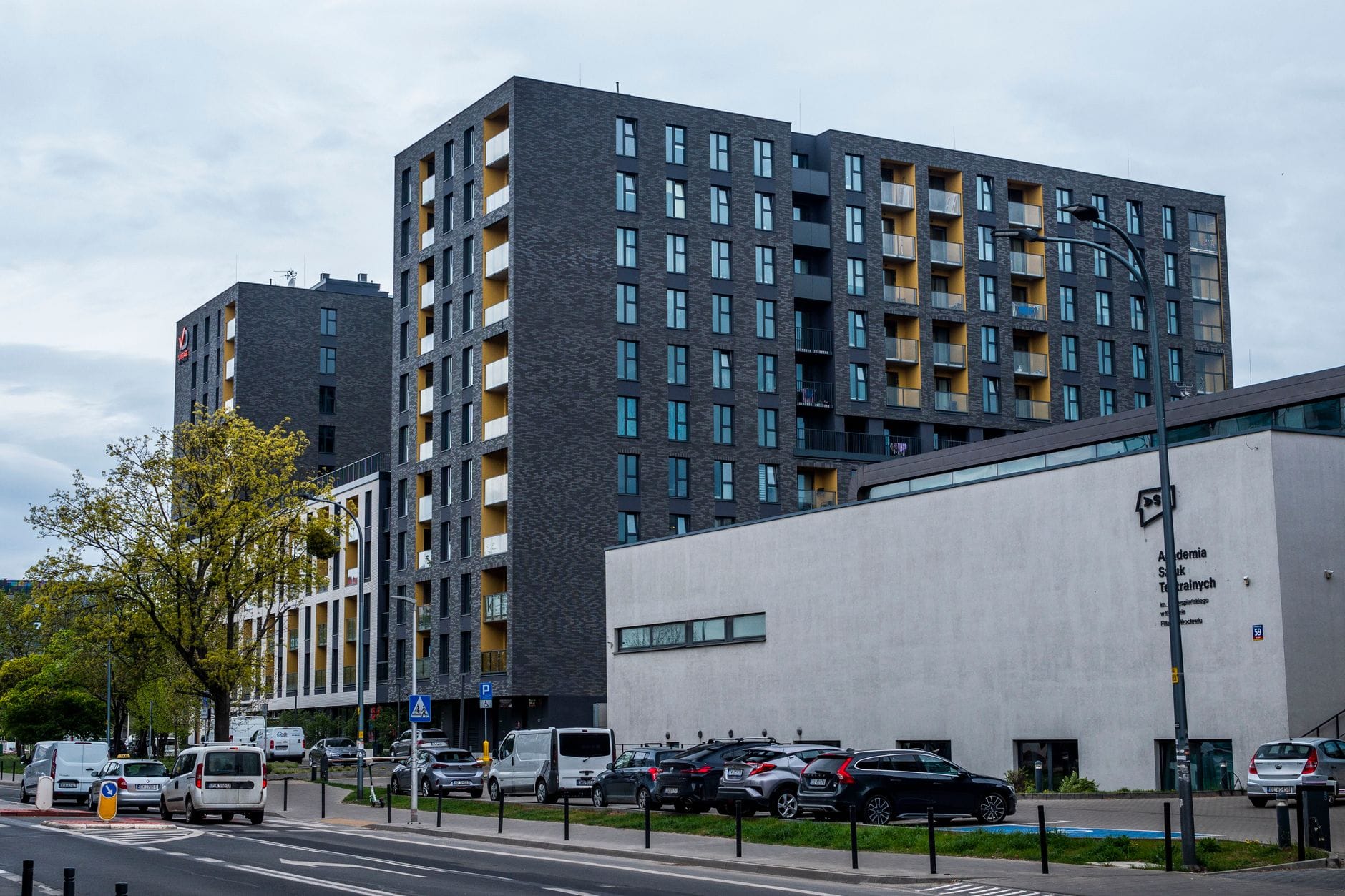
Old Town accommodation is convenient but rarely the best value. Staying in Kazimierz puts you 15–20 minutes on foot from the Main Square, in a neighbourhood with better bars, cheaper restaurants, and more local character. Podgórze, just across the Vistula from Kazimierz, has seen investment in recent years and offers some of the cheapest private rooms close to the centre. The tram connections back to the Old Town are reliable and cost under 5 PLN per trip.
Hostel dorm beds in Kraków start from around 50–70 PLN per night in the shoulder season, rising to 80–100 PLN in peak summer (July–August). Private rooms in budget guesthouses run from about 150–250 PLN. For a deeper look at which neighbourhoods and accommodation types suit different travel styles, the where to stay in Kraków guide breaks down all the main options with clear assessments of each area's trade-offs.
Paid Attractions: What's Worth the Money and What Isn't
Not every paid attraction justifies its entry fee equally. Here's an practical ranking of where your money goes furthest.
- Kraków Underground Museum (Rynek Underground) Around 25 PLN. One of the best-value paid experiences in the city — medieval archaeology under the Main Square, well-presented and memorable. Worth every złoty.
- Schindler's Factory Museum Around 24–30 PLN. An excellent, well-designed museum covering Kraków's occupation during World War II. Requires advance booking in summer. Strong value for the depth of content.
- Wawel Castle exhibitions Around 30–35 PLN per exhibition. Individual tickets are sold separately for the State Rooms, Royal Private Apartments, Crown Treasury, and other sections. Buy only what actually interests you rather than all tickets — the exteriors and courtyard are free.
- Wieliczka Salt Mine Around €31 for the standard tourist route. This is a significant chunk of a budget day, but the mine is a extraordinary place — 9 km of underground chambers, chapels carved entirely from salt, and a listed UNESCO World Heritage Site. If you go on one paid day trip, this is the one.
- Auschwitz-Birkenau Memorial and Museum Entry to the memorial is free if you go independently, though timed tickets must be reserved in advance. Organised tours from Kraków cost €10–25 and include transport. This visit is not entertainment — it's a historical and moral obligation for many visitors, and the free entry policy reflects that.
For a full breakdown of which museums deliver the most depth per złoty, the best museums in Kraków guide covers all the major institutions with clear assessments. If you're planning to hit multiple sites in two days, the 2-day Kraków itinerary structures visits efficiently to minimise backtracking and maximise value.
Transport, Timing, and the Traps to Avoid
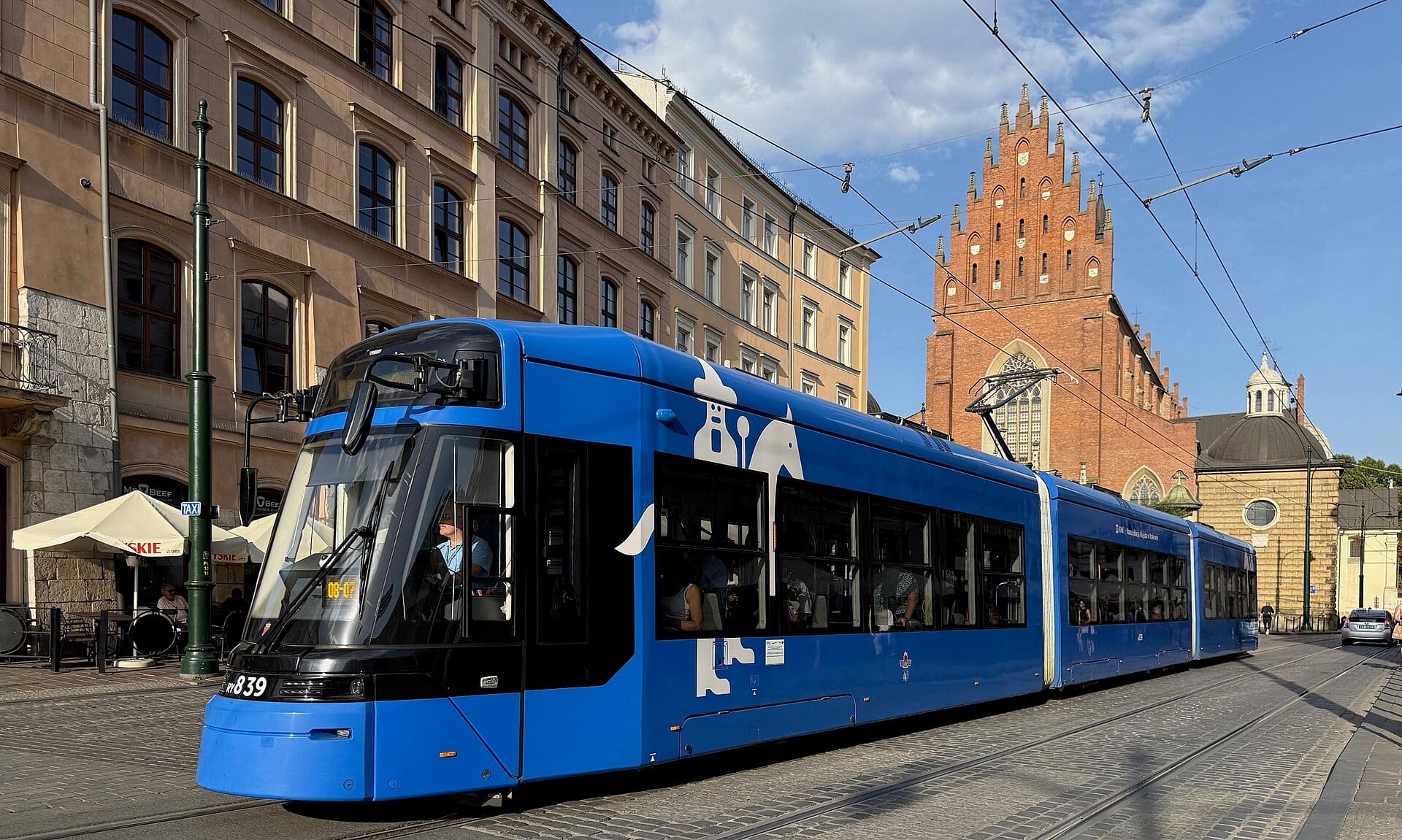
Kraków's tram and bus network covers almost everywhere a visitor needs to go. Single tickets cost 4–9 PLN depending on the time validity, and a 72-hour unlimited pass costs 55 PLN — buy it on day one if you're doing more than one journey per day. Validate your ticket immediately when boarding or you risk a 400 PLN fare-evasion charge plus the ticket fare. The Old Town itself is largely pedestrianised, so most of your tram use will be for reaching Kazimierz, Nowa Huta, or the train station.
From Kraków Airport (KRK, John Paul II International, about 11 km west of the centre), the train to Kraków Główny station takes around 20 minutes and is far cheaper than a taxi. Avoid the currency exchange booths inside the arrivals hall — rates are poor. Use a fee-free travel card or withdraw złoty from an ATM in the city instead. Unofficial taxis waiting outside arrivals at the airport are a known cost trap; use the official taxi rank or app-based services like Bolt.
✨ Pro tip
Visit Kraków in April–May or September–October for the best combination of lower prices, manageable crowds, and decent weather. Summer (July–August) brings peak prices at hostels and hotels, with accommodation costs often 20–40% higher than shoulder season. Winter is the cheapest period overall and has genuine atmosphere around Christmas — the Christmas market on Rynek Główny is one of the best in Central Europe.
The timing of your trip affects both cost and experience. For a detailed breakdown of what each season looks like on the ground, the best time to visit Kraków guide covers weather, crowds, and seasonal pricing clearly. If you're considering a day trip to the Tatra Mountains, note that the Kraków to Zakopane day trip by bus is one of the cheapest excursions available, costing as little as 15–25 PLN each way by regional PKS bus.
FAQ
Is Kraków cheap to visit in 2026?
Yes, relative to Western Europe, Kraków remains affordable. A careful budget traveler can manage on 120–200 PLN (around €29–48) per day including accommodation, food, transport, and one paid attraction. Prices have risen over recent years, but the city still undercuts capitals like Prague, Vienna, or Berlin at almost every category of spending.
What is the cheapest way to get from Kraków Airport to the city centre?
The train from Kraków Airport (KRK) to Kraków Główny station takes around 20 minutes and costs a fraction of a taxi fare. Public buses also connect the airport to central Kraków at low cost. Avoid currency exchange at the airport and unofficial taxi drivers near arrivals — both are well-documented ways to lose money before you've even reached your hotel.
Are there free attractions in Kraków worth seeing?
Plenty. Rynek Główny (the Main Market Square), the Planty park ring, the exterior and courtyard of Wawel Castle, the streets and architecture of Kazimierz, and the Vistula riverbank are all free. Several museums also offer free entry one day per week — check individual websites for current schedules.
Is it worth buying a Kraków tourist card?
A combined transport and museum pass (Kraków Card) can offer savings if you plan to visit several paid museums in a short period. However, if your itinerary includes many free attractions and only one or two paid sites, you may spend less buying individual tickets. Calculate your planned visits before purchasing any pass.
Is Kazimierz cheaper to stay in than the Old Town?
Generally yes. Accommodation in Kazimierz tends to run €20–40 per night cheaper than equivalent options in the Old Town, while still placing you within 15–20 minutes on foot of the Main Square. The neighbourhood also has cheaper bars and restaurants than the immediate tourist centre, making it a smart base for budget travelers.
Tickets & tours
Live prices and dates from our booking partner. If you book, we may earn a commission at no extra cost to you.
Planning a trip? Discover personalized activities with the Nomado app.