Ethnographic Museum Kraków: Polish Folk Culture in a Renaissance Town Hall
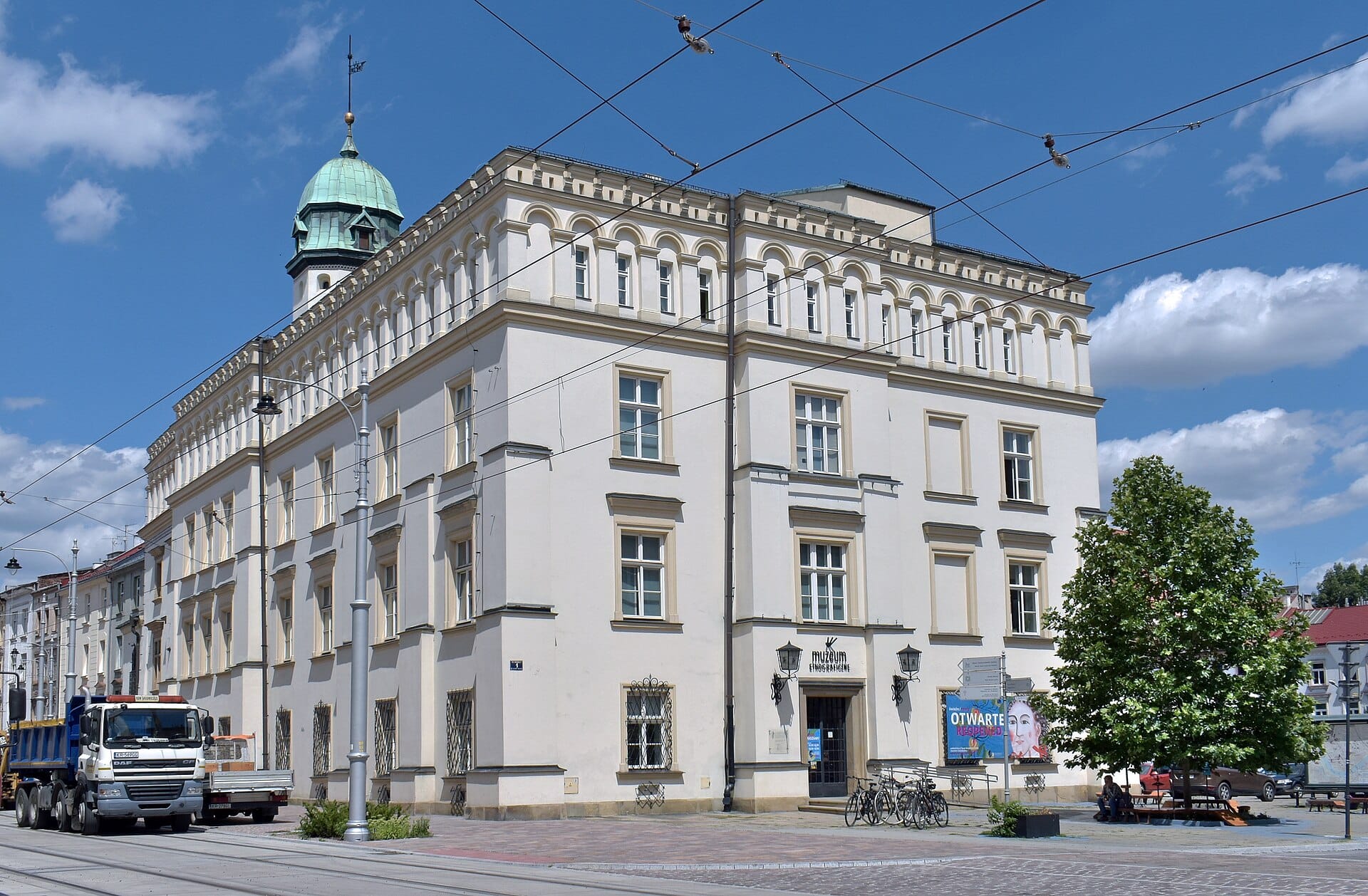
Housed in the former Kazimierz Town Hall on Plac Wolnica, the Seweryn Udziela Ethnographic Museum of Kraków holds over 80,000 objects documenting Polish and Central European folk life. It is one of the oldest ethnographic collections in Poland, and one of the most overlooked institutions in a city full of heavyweight attractions.
Quick Facts
- Location
- Plac Wolnica 1, Kazimierz, Kraków
- Getting There
- Trams 3, 8, 18 to Pl. Wolnica; ~15-min walk from Main Market Square
- Time Needed
- 1.5 to 2.5 hours
- Cost
- 18–20 PLN adult; free on Tuesdays (permanent exhibition)
- Best for
- Culture lovers, design-minded visitors, folk art enthusiasts, rainy-day seekers
- Official website
- etnomuzeum.eu
What Is the Ethnographic Museum of Kraków?
The Seweryn Udziela Ethnographic Museum of Kraków, officially named after the ethnographer who conceived it, was established in 1902, making it one of the earliest institutions of its kind in Central Europe. Its founder, Seweryn Udziela (1857–1937), spent decades collecting objects from rural Poland, driven by the conviction that industrialisation would erase the material culture of peasant communities before anyone bothered to document it. He was largely right, and the collection he assembled is now an irreplaceable archive.
The main building — the former Kazimierz Town Hall on Plac Wolnica — dates to the 15th century and was later rebuilt in Renaissance style. Kazimierz was once an independent royal town with its own administrative infrastructure before being incorporated into Kraków. That town hall now houses carved wooden furniture, painted Easter eggs, ritual costumes, nativity scenes, witchcraft objects, and agricultural tools spanning several centuries. A branch at ul. Krakowska 46, known as Dom Esterki, hosts temporary exhibitions.
💡 Local tip
Admission to the permanent exhibition is free every Tuesday. If you are visiting Kraków on a budget, this is one of the most substantive free experiences in the city.
The Building: A 15th-Century Town Hall Worth Noticing
Before you step inside, the building itself deserves a moment. Plac Wolnica is a quieter, more residential version of Kraków's famous Rynek Główny — same geometric logic, fraction of the foot traffic. The former town hall anchors the square's eastern side, its Renaissance facade and tower making it easy to identify. This was once the seat of Kazimierz's municipal government, at a time when the Jewish and Christian communities of Kazimierz each governed their respective territories within the town.
The surrounding square still functions as a neighbourhood gathering point rather than a tourist set piece. On weekday mornings you'll find local residents cutting through on their way elsewhere, and the overall atmosphere is noticeably calmer than anywhere near Rynek Główny. This contrast is part of the appeal. The museum sits inside Kazimierz, a district that rewards slower exploration, and Plac Wolnica is one of its most undervisited corners.
Tickets & tours
Live prices and dates from our booking partner. If you book, we may earn a commission at no extra cost to you.
Inside the Collection: What You Will Actually See
The permanent collection spans multiple floors and covers Polish folk culture from roughly the 18th century through the early 20th century, with some material extending further. It is not arranged chronologically but thematically, which suits the material well. Rooms move between the ritual calendar, domestic life, craft traditions, and belief systems, allowing objects to speak to each other across regions and eras.
Among the standout displays: hand-painted Easter eggs (pisanki) in dozens of regional styles, each using different dyeing and wax-resist techniques; large painted wardrobes and dowry chests from the Kraków and Podhale regions, their surfaces covered in floral patterns executed with striking confidence; and a striking collection of nativity scenes (szopki krakowskie), the distinctive Kraków folk form that blends Gothic church architecture with glittering theatrical colour. The szopki tradition was inscribed on UNESCO's Intangible Cultural Heritage list in 2018.
The sections dealing with folk belief are particularly interesting and less commonly seen in Polish tourist itineraries. Objects associated with healing practices, protective rituals, and what the museum labels as magic sit alongside Christian devotional items without much curatorial discomfort — which is itself an accurate reflection of how these traditions coexisted in rural Polish life. Wooden votive sculptures, roadside shrines, and handmade amulets give the upper floors a texture that is hard to describe but easy to absorb.
ℹ️ Good to know
The museum holds around 80,000 objects in total, though only a portion is on display at any one time. Temporary exhibitions at the Dom Esterki branch (ul. Krakowska 46) often focus on contemporary ethnographic themes or international folk traditions.
Visiting by Time of Day: How the Experience Changes
The museum opens at 10:00 Tuesday through Sunday and closes at 19:00. Mornings, especially on weekdays, are the quietest period. School groups tend to arrive mid-morning and move through in clusters, often with a guide delivering commentary in Polish. If you prefer uninterrupted browsing, arriving at opening or after 14:00 on a weekday generally gives you more breathing room.
On Tuesdays — the free admission day — expect a modest increase in visitors compared to other weekdays, but nothing that creates congestion. The museum rarely reaches the crowd levels of larger Kraków institutions. Weekend afternoons see more families and Polish domestic tourists, which can actually make the rooms feel more lively rather than overwhelming.
Natural light in the upper gallery rooms shifts noticeably as afternoon arrives, improving the visibility of textile colours and painted surfaces. If photography is a priority, the afternoon hours between 13:00 and 16:00 tend to produce the most consistent light through the building's windows. Flash is generally discouraged.
Getting There and Practical Logistics
The museum is at Plac Wolnica 1 in the Kazimierz district. Trams 3, 8, and 18 stop at or near Pl. Wolnica. Bus lines 174, 184, and night bus 904 also serve the Kazimierz area. On foot from the Main Market Square, the walk takes around 15 minutes heading south through the Old Town and into Kazimierz, passing ul. Stradomska before crossing into the district.
If you are already spending time in Kazimierz — visiting the Old Synagogue or the Galicia Jewish Museum — adding the Ethnographic Museum to your route requires minimal extra travel. Plac Wolnica is only a few minutes' walk from the main Szeroka Street cluster.
The museum is housed in a historic building, but information from local guides indicates that there is an elevator and that the galleries can be visited with a stroller; visitors with specific mobility requirements should contact the museum directly before visiting: +48 12 430 60 23. Last entry is typically 30 minutes before closing.
⚠️ What to skip
The museum is closed on Mondays. Hours may vary on Polish public holidays. Check etnomuzeum.eu before visiting to confirm current schedules and any temporary closures.
Who This Museum Is For — and Who Might Not Connect With It
The Ethnographic Museum rewards curiosity and patience. If you approach it as a design archive — which it partly is — the collection offers a remarkable density of handmade objects produced with sophisticated aesthetic judgment and no formal training. For anyone interested in textile traditions, painted folk motifs, or the intersection of belief and material culture, this is absorbing material. It also offers strong context for understanding what you see in surrounding Kazimierz, a district whose identity is inseparable from the communities documented here. Pair it with the Kazimierz neighbourhood guide for a fuller picture.
Visitors looking primarily for dramatic historical narratives, interactive technology, or art museum production values may find the pace and format less engaging. The displays are traditional in approach: objects in cases, explanatory labels, relatively modest multimedia. English-language signage exists throughout, though some deeper contextual text appears only in Polish. If that kind of friction bothers you, the experience may feel thin despite the collection's depth.
Families with children of varied ages tend to respond well to the more tactile and visually striking sections — the szopki nativity scenes in particular tend to hold attention across age groups. For those planning a broader Kraków visit, this pairs well with the Plac Nowy market nearby, where you can transition from the museum into Kazimierz street life without backtracking.
Insider Tips
- Tuesday free admission applies to the permanent exhibition only. Temporary exhibitions at the main building or Dom Esterki branch may still carry a separate fee on Tuesdays — confirm at the entrance.
- The szopki krakowskie display is one of the most photographically striking sections in the museum. Visit with enough time to sit with it rather than passing through quickly — the craftsmanship in the architectural details of each nativity scene is easy to miss at a glance.
- Plac Wolnica has a small neighbourhood feel that makes it worth arriving a few minutes early to sit in the square before entering. The contrast with the noise of Kazimierz's more crowded streets is immediate.
- If you want to go deeper, the Dom Esterki branch at ul. Krakowska 46 runs temporary exhibitions that often engage with contemporary ethnographic themes — check the museum website before visiting as the programme changes seasonally.
- The museum shop stocks a small but well-curated selection of folk art reproductions, regional craft books, and items related to the szopki tradition. It is one of the better spots in Kazimierz to find a non-generic souvenir.
Who Is Ethnographic Museum Kraków For?
- Travellers interested in Polish folk art, textile traditions, or decorative crafts
- Anyone wanting cultural context for Kazimierz beyond its Jewish heritage narrative
- Budget visitors: free every Tuesday and inexpensive on other days
- Families with school-age children drawn to visually rich, object-heavy displays
- Rainy-day seekers wanting a full afternoon of unhurried indoor exploration
Nearby Attractions
Other things to see while in Kazimierz:
- Galicia Jewish Museum
Housed in a converted pre-war industrial building on ul. Dajwór in Kraków's Kazimierz district, the Galicia Jewish Museum presents Jewish life and culture in the former region of Galicia through documentary photography and rotating exhibitions. It is one of the most thoughtfully curated cultural institutions in southern Poland, and one that rewards visitors who come willing to slow down and read.
- New Jewish Cemetery (Miodowa Street)
Established in 1800–1801 on the western edge of Kazimierz, the New Jewish Cemetery on Miodowa Street holds thousands of graves spanning two centuries of Kraków's Jewish life. Quiet, largely unvisited by mass tourism, and registered as a heritage monument since 1999, it offers a contemplative counterpoint to the city's busier historical sites.
- Old Synagogue
The Old Synagogue on Szeroka Street in Kraków's Kazimierz district is the oldest surviving synagogue in Poland, now home to a permanent museum dedicated to the history and culture of Kraków's Jewish community. Part of the Museum of Krakow network, it stands as one of the most historically significant buildings in Central Europe.
- Plac Nowy Market, Kazimierz
Plac Nowy is Kazimierz's central market square, running from early-morning produce stalls to late-night street food. At its heart stands the Okrąglak, a 12-sided rotunda built in 1900 that once served as a kosher poultry slaughterhouse and now dishes out zapiekanki until the early hours. The square is free to enter and shifts character dramatically depending on the hour and the day of the week.
Planning a trip? Discover personalized activities with the Nomado app.