Is Kraków Safe? A Practical Safety Guide for Visitors
Kraków ranks among the safest major cities in Europe, with a crime index of around 24.9 and a U.S. State Department Level 1 travel advisory. This guide covers the real risks tourists face, from pickpockets on trams to nightlife scams, plus practical advice on safe neighborhoods, solo travel, and getting around after dark.
Tickets & tours
Live prices and dates from our booking partner. If you book, we may earn a commission at no extra cost to you.
TL;DR
- Kraków is safe for tourists: low violent crime, a safety index above 75, and a U.S. State Department Level 1 rating (exercise normal precautions).
- The main risks are pickpocketing in crowded areas and overcharging scams near the Old Town, not violent crime.
- Solo female travelers, families, and first-time visitors are all well-catered for — see our broader guide to things to do in Kraków for context on where tourists spend most of their time.
- At night, stick to licensed taxis or apps like Uber and Bolt rather than walking quiet streets alone.
- Winter cobblestones are a genuine hazard — sturdy footwear matters more than most visitors expect.
How Safe Is Kraków, Really?
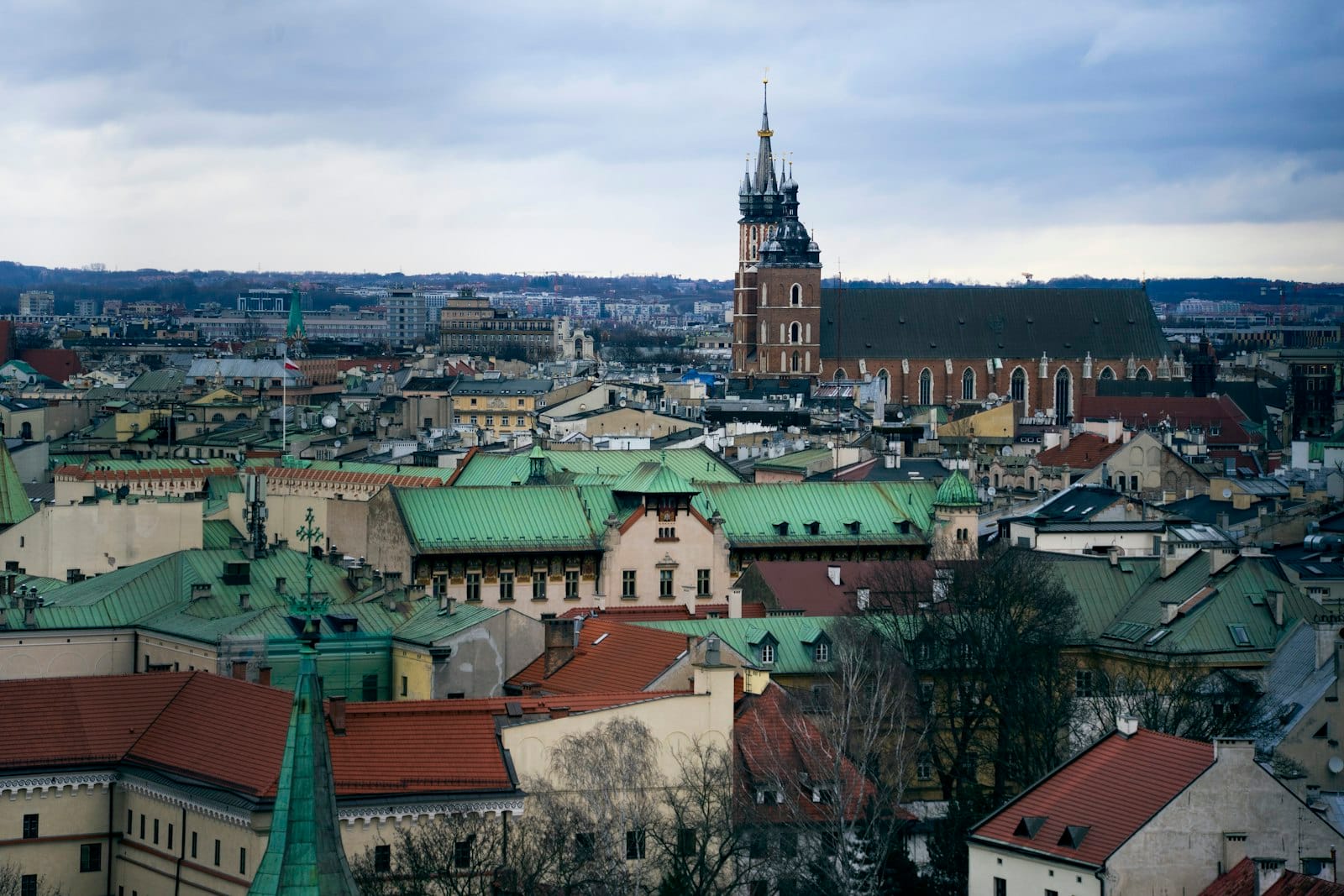
Kraków, Poland's second-largest city and the Royal Capital of Lesser Poland, consistently ranks as one of the safer urban destinations in Central Europe. Its mid‑2020s crime index sits at approximately 24.9, with a corresponding safety index of around 75.1 — figures that compare favorably with London, Barcelona, or Amsterdam. The U.S. Department of State currently classifies Poland, including Kraków, as Level 1: exercise normal precautions, its lowest advisory category.
Violent crime targeting tourists is rare enough that it barely features in incident reports from travel safety analysts. The concerns that do come up repeatedly are mundane urban problems: pickpocketing on crowded trams, aggressive bar touts near the Main Square, and occasional taxi overcharging. None of these are unique to Kraków, and all are avoidable with basic awareness. If you've traveled to any major European city before, you already have the instincts you need here.
ℹ️ Good to know
Emergency services across Poland and the EU are reached by dialing 112. This single number connects to police, ambulance, and fire services. Poland's country code is +48, and Kraków's city code is 12 for landline calls.
The Actual Risks: What to Watch For
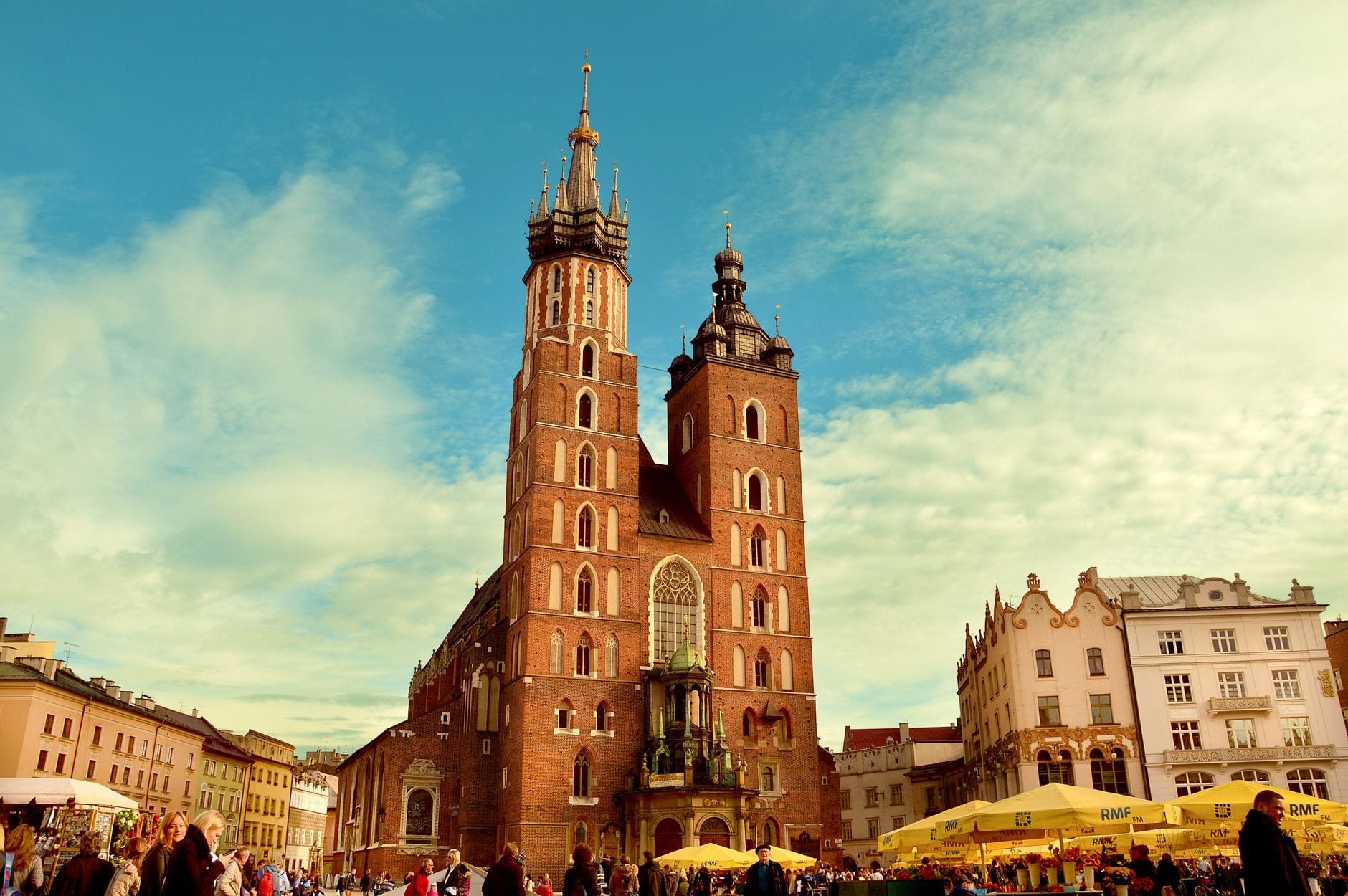
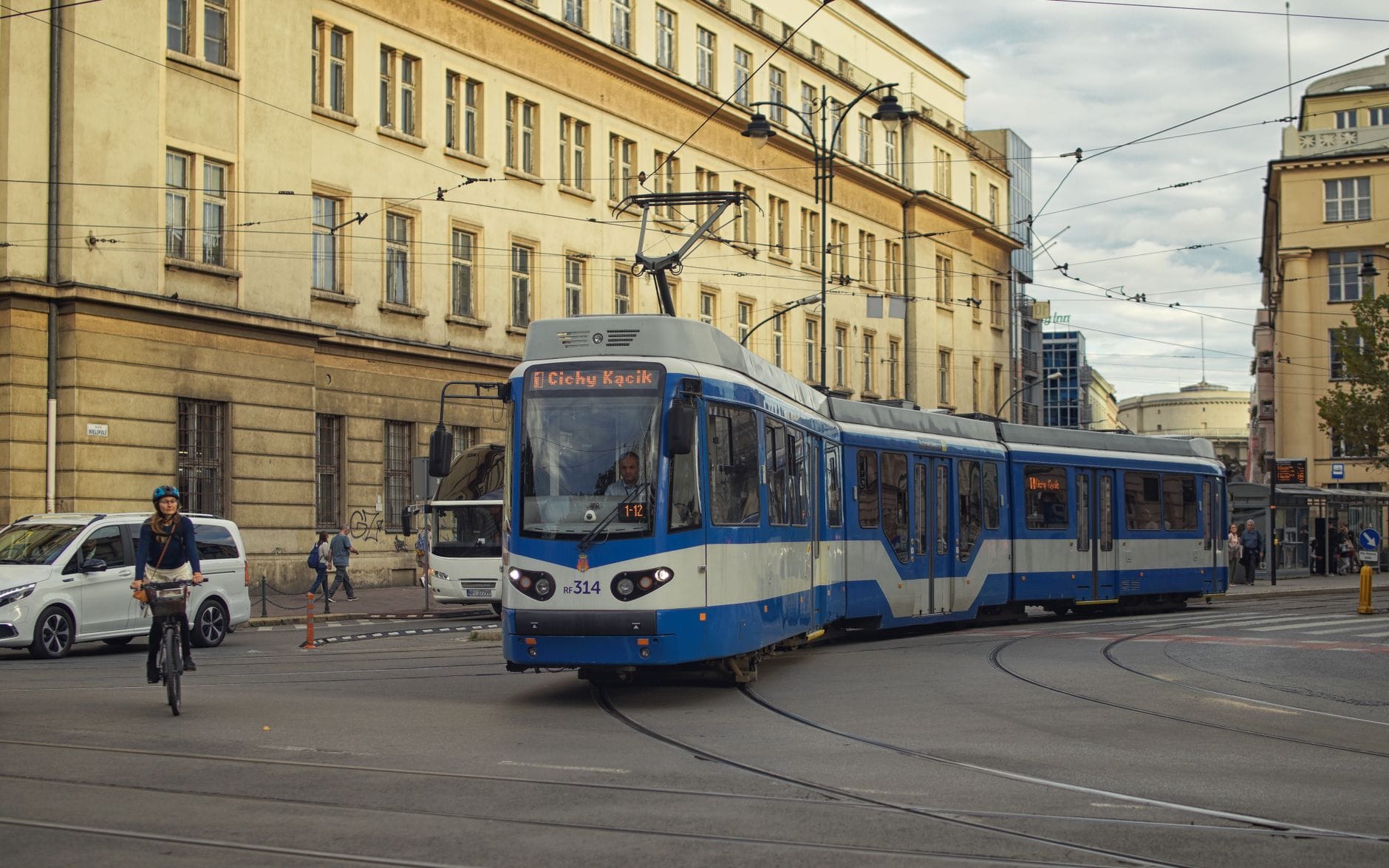
The overwhelming majority of tourist incidents in Kraków fall into two categories: petty theft and nightlife-related scams. The Old Town around Rynek Główny (the Main Square) and the areas leading toward Kazimierz see the highest foot traffic and, therefore, the highest concentration of opportunistic thieves. Rush-hour trams and buses are particular hotspots — a crowded Number 1 tram heading toward the city centre is exactly the kind of environment where a hand can reach into an unzipped bag unnoticed.
- Pickpocketing on public transport Most common on busy trams and buses, especially routes serving the Old Town and Kazimierz. Keep bags zipped and in front of you during peak hours.
- Bar and nightclub scams Touts near Rynek Główny may invite visitors into bars where drinks arrive at inflated prices or a final bill includes undisclosed charges. Always ask for a menu with prices before ordering.
- Unlicensed taxis Drivers at Kraków Airport or idling outside main hotels without meter displays can charge several times the going rate. Use Uber, Bolt, or officially designated taxi stands.
- Scam currency exchange booths A small number of kantors (exchange offices) near the Main Square use misleading rates. Use kantors in side streets or withdraw złoty from a bank ATM instead.
- Winter slips and falls Not a crime, but a real physical risk. Historic cobblestones in the Old Town and Kazimierz become treacherous when icy. Between November and March, solid-soled shoes with grip are not optional.
⚠️ What to skip
Avoid unmarked taxis waiting outside popular tourist bars late at night. Unlicensed drivers sometimes target visibly intoxicated tourists. If in doubt, open the Uber or Bolt app and request a ride from your location — both services operate reliably in Kraków.
Is Kraków Safe at Night?
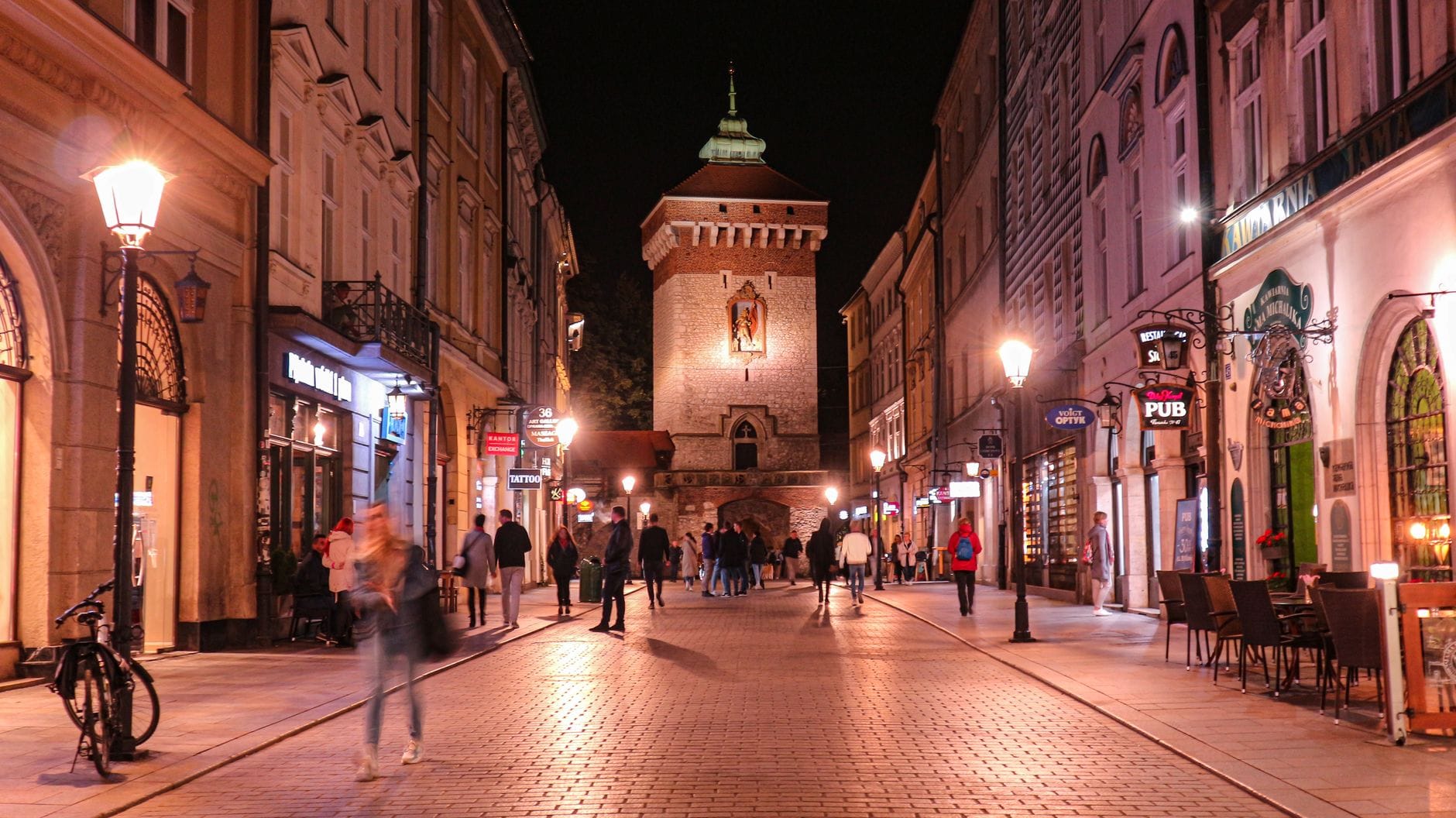
The short answer is yes, with caveats. The central districts — the Old Town, Kazimierz, and the streets between them — stay well-lit and populated until late. Kraków has a serious nightlife culture, and Kraków's nightlife scene draws significant crowds Thursday through Saturday. That foot traffic actually makes the centre feel safer at midnight than some quieter European capitals do.
The issue arises when people leave the main entertainment zones. Industrial streets south of Podgórze, parts of the outer ring beyond Planty Park, and poorly lit side streets away from tourist clusters are worth avoiding after dark, not because violent crime is common, but because basic urban caution applies anywhere. The city's authorities specifically coordinate security resources during peak tourist season, and police presence in the Old Town increases noticeably during summer weekends.
Alcohol-related disturbances are the most likely thing you'll witness at night, particularly around the Rynek Główny bar cluster and some streets in Kazimierz. Kraków attracts large stag and hen party groups from the UK and across Europe, and rowdy behavior can escalate. It rarely targets bystanders directly, but if a situation feels uncomfortable, it's worth moving away and finding a different route home rather than engaging.
Solo Travel and Specific Groups
Solo female travelers consistently report Kraków as a comfortable destination. Street harassment is uncommon in tourist-heavy areas, and the city's layout — compact, walkable, and well-served by public transport — means you're rarely isolated even late in the evening. As with any city, late-night solo walks through empty areas carry more risk than moving in groups or using transport, but that's a general principle rather than a Kraków-specific concern.
Families with children will find Kraków easy to navigate safely. Kraków with kids is a genuine option — the Old Town is largely pedestrianized, Planty Park provides green space without traffic, and the tram network is straightforward. The biggest practical safety note for families is the cobblestone surface, which can challenge pushchairs and small children on uneven ground.
- LGBTQ+ travelers: Poland's political climate around LGBTQ+ rights has generated international attention, but tourist-facing incidents in Kraków city centre are uncommon. Major urban areas are generally more tolerant than rural regions. Exercise the same general discretion you would in any Central European city.
- Travelers with mobility challenges: Historic cobblestones and uneven surfaces in the Old Town present real accessibility barriers. Ramps and adapted transport exist but are not universal — plan routes in advance.
- Budget backpackers: Staying in hostels is safe; just be aware that shared dorms and common areas attract petty theft. Use lockers for valuables.
- Visitors on day trips: Kraków is a hub for excursions to Auschwitz-Birkenau and the Wieliczka Salt Mine. Transport to and from these sites is well-organized and safe.
Neighborhoods: Safety by Area
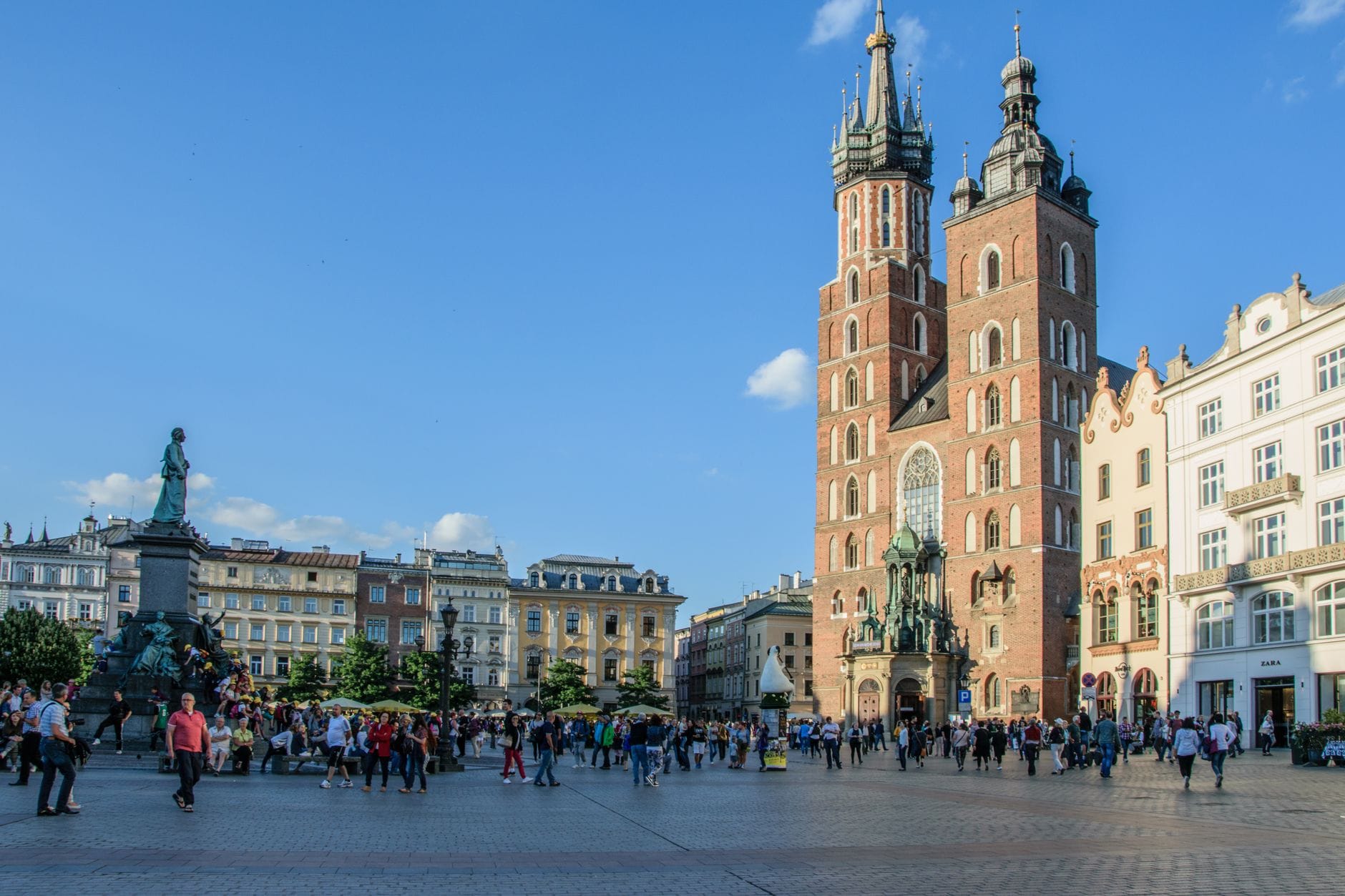
Different parts of Kraków carry different risk profiles. The Old Town (Stare Miasto) is heavily monitored and tourist-friendly, but it's also where scammers and pickpockets concentrate because that's where the money is. Stay aware in Rynek Główny, especially around the Cloth Hall (Sukiennice), where crowds get dense during peak season.
Kazimierz has transformed significantly over the past two decades and is now a popular area for bars, galleries, and restaurants. It feels safe and is generally well-populated in the evenings. Podgórze, directly across the Vistula River, is less touristy and quieter at night — not dangerous, but less infrastructure for late-night walking. Nowa Huta, the planned socialist-era district in eastern Kraków, is safe to visit during the day and worth the tram ride for its architecture, but it sees very few tourists after dark and has limited nighttime services.
✨ Pro tip
Kraków Airport (IATA: KRK, John Paul II International Airport at Balice) is approximately 11 km west of the city centre. The rail connection to Kraków Główny station takes around 20 minutes and is by far the easiest and most theft-free option for arriving travelers. Avoid accepting unsolicited help with luggage from strangers in the arrivals hall.
Practical Safety Tips Before You Go
Most safety advice for Kraków is the same common-sense guidance that applies to any European city, but a few things are specific to this destination. Check the best time to visit Kraków before booking — peak summer brings larger crowds and more opportunities for pickpockets, while winter brings physical hazards from ice and snow. Both are manageable if you prepare.
- Carry a photocopy of your passport rather than the original when sightseeing — you're unlikely to need it, but losing the original creates significant problems.
- Use ATMs attached to banks rather than standalone machines in tourist areas, which can be fitted with card skimmers.
- Tap water in Kraków is treated and generally considered safe to drink — you don't need to buy bottled water constantly.
- Poland uses 230V electricity with Type C and E plugs. Travelers from the UK and North America need adapters.
- Tipping in restaurants is customary but not obligatory — rounding up the bill or leaving around 10% is standard practice in sit-down restaurants.
- EU and EEA citizens can stay indefinitely; citizens of the US, Canada, Australia, and New Zealand can enter Poland visa-free for up to 90 days in any 180-day period. Verify current rules before travel as Schengen regulations can be updated.
- Dress modestly when visiting Wawel Cathedral and other religious sites — shoulders and knees should be covered.
Getting around Kraków safely is straightforward if you use the right options. Trams and buses operated by MPK Kraków cover most of the city efficiently. For detailed advice on routes, tickets, and navigating between districts, the guide to getting around Kraków covers everything from airport transfers to day-trip logistics.
FAQ
Is Kraków safe to visit in 2026?
Yes. Kraków has a crime index of approximately 24.9 and a safety index above 75, and Poland currently carries a U.S. State Department Level 1 travel advisory — exercise increased caution. Violent crime against tourists is rare. The main concerns are petty theft in crowded areas and occasional nightlife scams, both of which are manageable with standard urban awareness.
Is Kraków safe for solo female travelers?
Kraków is widely regarded as a safe destination for solo female travelers. Street harassment in tourist areas is uncommon, the city centre is well-lit and well-populated into the evening, and public transport is reliable. The same basic precautions that apply in any European city — not walking alone through isolated areas late at night, using reputable transport apps — apply here too.
What areas of Kraków should tourists avoid?
There are no districts that tourists definitively need to avoid. Exercise normal caution in any unfamiliar or poorly lit streets after dark, particularly away from the Old Town and Kazimierz. Nowa Huta is safe to visit during the day but has limited nighttime infrastructure. The main thing to avoid is engaging with aggressive bar touts near Rynek Główny, who may lead you into venues with inflated prices.
Is Kraków safe at night?
The central areas — Old Town, Kazimierz, and the streets between them — remain active, well-lit, and generally safe into the early hours, especially on weekends. Alcohol-related rowdiness (often from stag and hen party groups) is the most common disturbance, not targeted crime. After midnight, use Uber or Bolt rather than walking long distances alone.
What is the emergency number in Kraków?
Dial 112 for all emergencies in Kraków and across Poland — this connects to police, ambulance, and fire services. It works from mobile phones even without credit. Poland's country code is +48 if calling from abroad.
Tickets & tours
Live prices and dates from our booking partner. If you book, we may earn a commission at no extra cost to you.
Planning a trip? Discover personalized activities with the Nomado app.