Fisherman's Wharf stretches along San Francisco's northern waterfront from Ghirardelli Square to Pier 39, combining a working fishing heritage with seafood stands, historic ships, and bay cruise departures. It draws more visitors than almost anywhere else in the city, which shapes both its appeal and its drawbacks.
Fisherman's Wharf sits on San Francisco's northern waterfront where the city turns to face the bay, and it has been doing that job, feeding people and launching boats, for well over a century. Today it is one of the most visited stretches of urban waterfront in the United States, which means the crowds are real, the views are genuinely spectacular, and the experience depends almost entirely on knowing which parts are worth your time.
Orientation
Fisherman's Wharf occupies the northern edge of San Francisco, running roughly east to west along the waterfront. The district's eastern boundary is The Embarcadero at Pier 39, and it stretches west to Ghirardelli Square on Beach Street and the beginning of Aquatic Park. To the south, Bay Street acts as a soft border with the residential blocks of Russian Hill and the edge of North Beach. Van Ness Avenue lies at the far western edge of the broader neighborhood, though most visitor activity is concentrated well east of that.
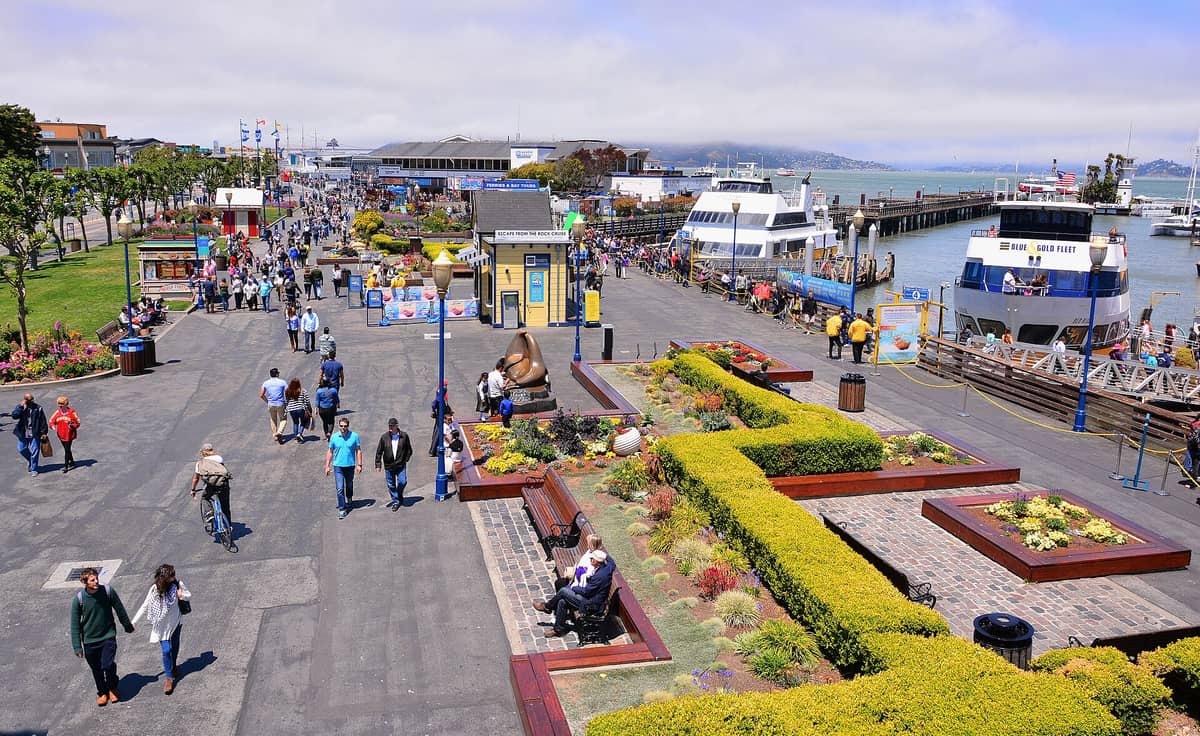
The heart of the Wharf is the intersection of Jefferson and Taylor Streets, marked by the iconic Crab Wheel sign. Jefferson Street is the main commercial spine, lined with seafood stalls, souvenir shops, and restaurants. The piers run north from Jefferson: Pier 39 is the commercial entertainment pier to the east, while Piers 41, 43, 45, and the Hyde Street Pier form the historic fishing and maritime corridor heading west. Aquatic Park and the San Francisco Maritime National Historical Park anchor the western end, transitioning into the quieter, more residential feel of the Ghirardelli Square block.
Fisherman's Wharf connects directly to two other key waterfront neighborhoods. Walk east along The Embarcadero for about fifteen minutes and you reach the Embarcadero and Ferry Building district. Head southeast from The Embarcadero and you are quickly in North Beach, San Francisco's Italian-American neighborhood and one of the more livable and interesting areas adjacent to the Wharf. The Marina District sits just to the west, accessible via a short walk along the waterfront past Ghirardelli Square and Aquatic Park.
Character & Atmosphere
Early morning at Fisherman's Wharf is the closest the neighborhood gets to its working identity. Before 8am, the commercial fishing boats along the piers between Taylor and Hyde are already moving. The smell of salt water and diesel is stronger than sourdough at that hour, and the Jefferson Street sidewalks are largely empty. This is the best time to walk the pier edges, buy a cup of coffee from one of the early-opening stalls, and understand why this stretch of waterfront mattered before it became a destination.
By mid-morning, the tour buses arrive. Between 10am and 4pm, Jefferson Street and the areas around Pier 39 operate at maximum density. The foot traffic on the main boardwalk can be genuinely difficult to navigate in summer. Alcatraz ferry lines form early at Pier 33, just east of the Wharf proper. Sea lion viewing at K Dock on Pier 39 draws a constant crowd. The noise level rises sharply: street performers, recorded music from storefronts, sea lions barking, and the low rumble of boat engines all overlap. This is the Fisherman's Wharf most people experience, and whether you find it exhilarating or exhausting is a fair measure of whether the neighborhood suits you.
Late afternoon brings softer light over the bay and slightly thinner crowds, especially on weekdays. The fog that often rolls in through the Golden Gate in summer afternoons can lower visibility dramatically, but it also creates an atmospheric quality that photographers work hard to capture. By early evening, the dinner crowd replaces the day-trippers, and the Wharf settles into a more manageable rhythm. After 9pm, the area quiets considerably. It is not a late-night neighborhood in the way North Beach or the Mission are, and most commercial activity winds down before 10pm.
💡 Local tip
If you want to experience the Wharf without the midday crowds, arrive before 9am or after 5pm on a weekday. September and October are the warmest months in San Francisco, with clearer skies than the fog-heavy summer, making them the best season for waterfront exploration.
The honest version of Fisherman's Wharf is that it operates as two overlapping places at once. One is a working waterfront with genuine maritime history, good seafood, and some of the best views of the bay and Alcatraz anywhere in the city. The other is a heavily commercial tourist corridor where souvenir shops sell items that have no connection to San Francisco. Navigating between these two versions is the real skill of visiting the neighborhood.
What to See & Do
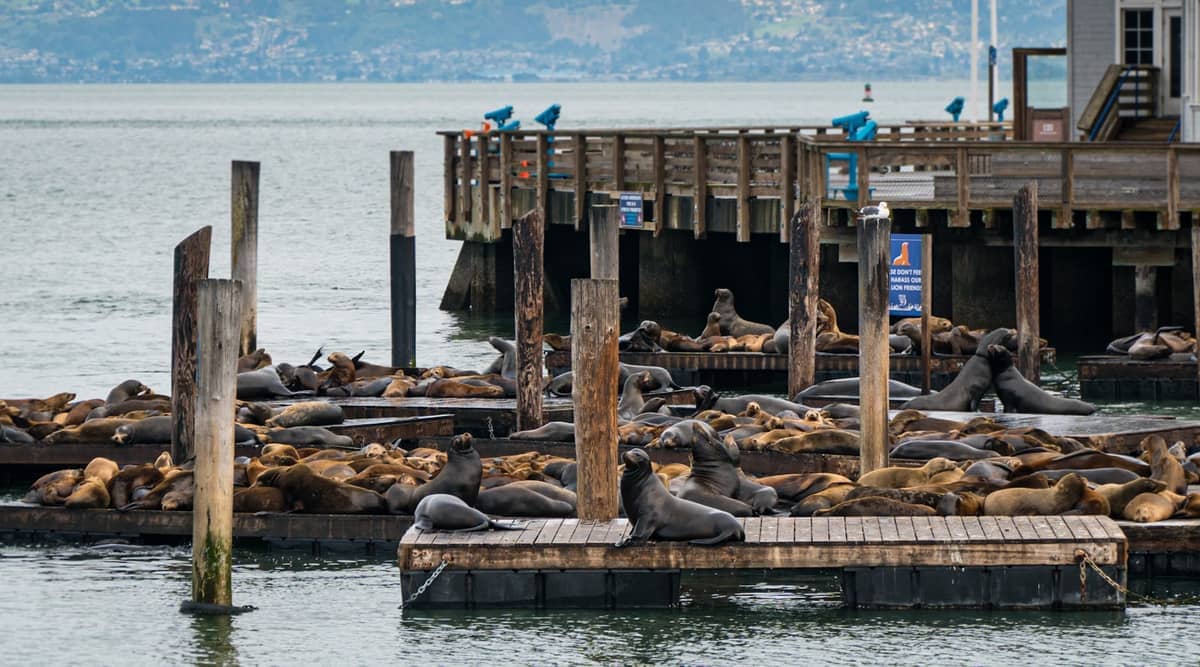
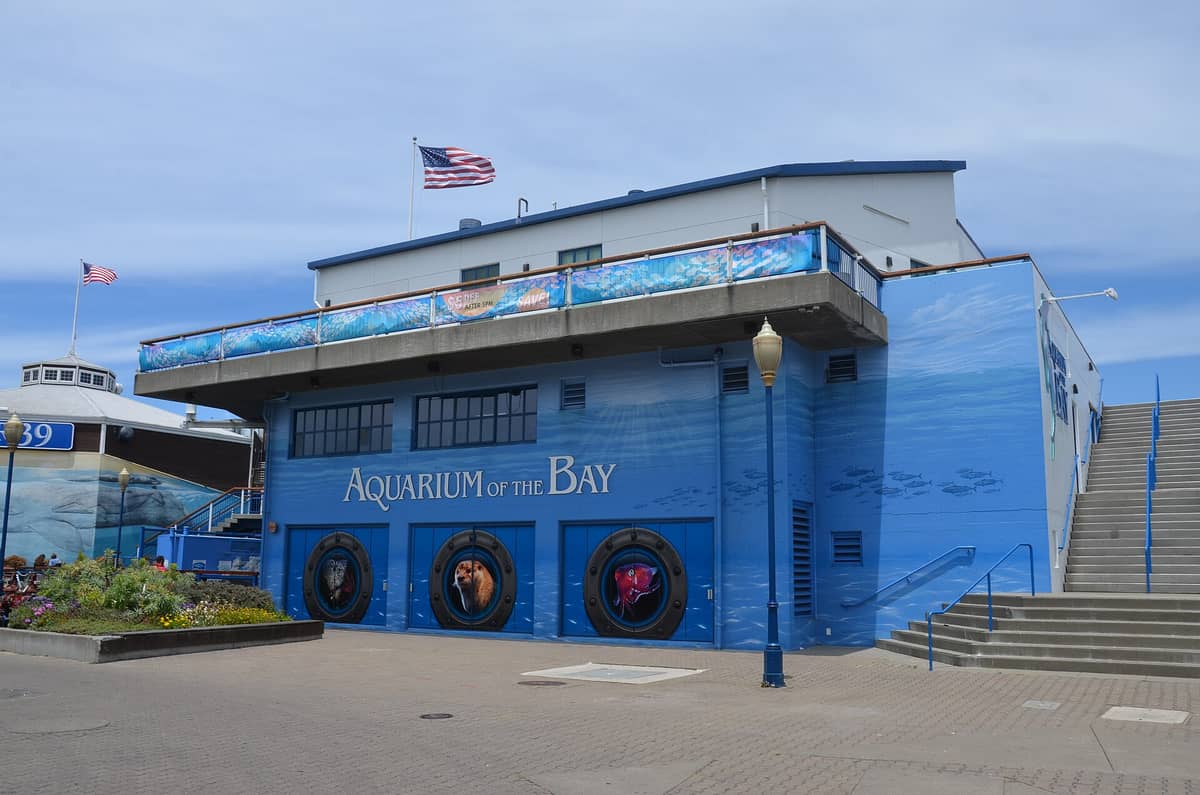
The sea lions at Pier 39's K Dock are the most photographed non-human residents of San Francisco, and they deserve the attention. California sea lions began hauling out on the floating docks in 1989 following the Loma Prieta earthquake, and the colony has fluctuated between a handful and over a thousand animals. Admission is free and the viewing platforms are right at dock level. Nearby, the Aquarium of the Bay offers walk-through tunnels with native bay species, which works well for families.
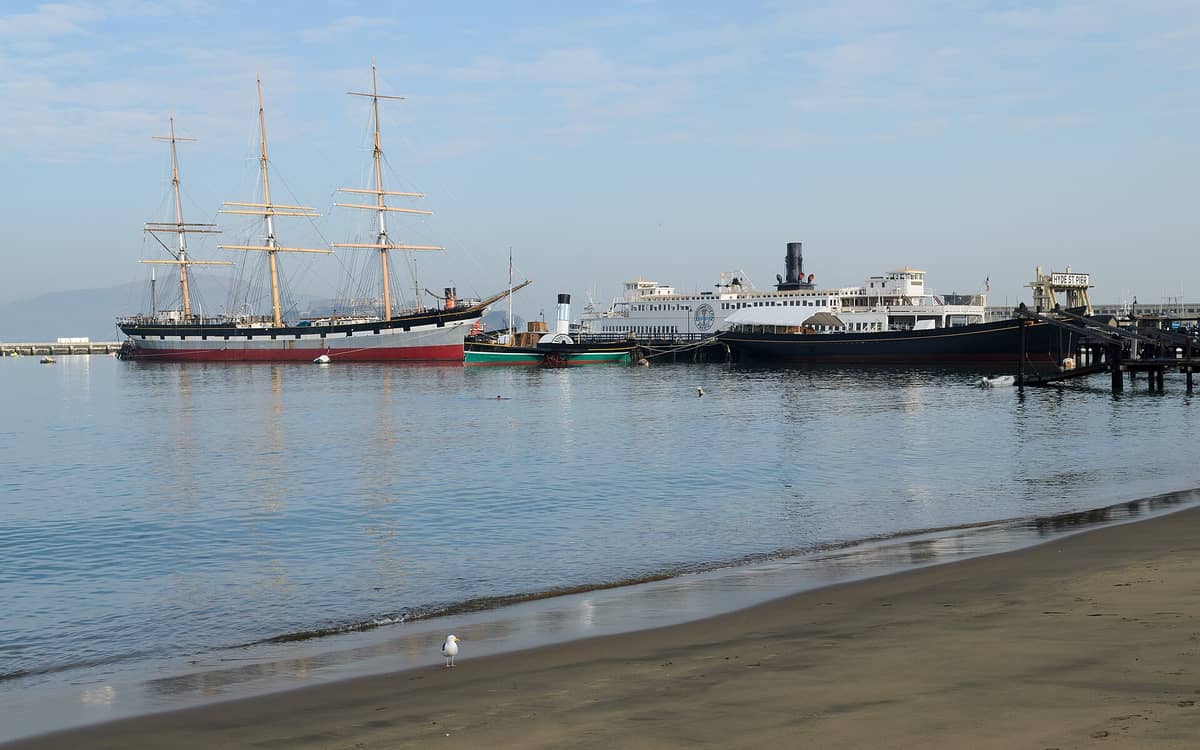
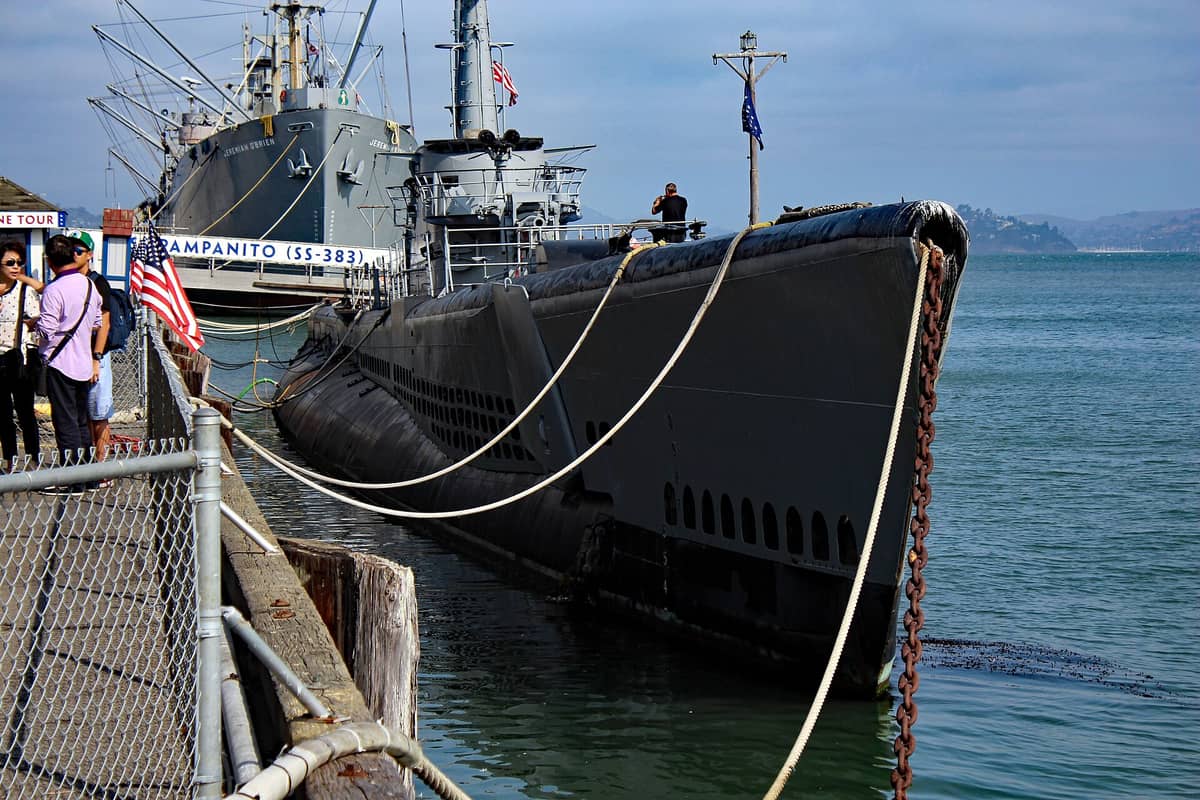
The San Francisco Maritime National Historical Park at the Hyde Street Pier is the most underrated stop in the neighborhood. The park preserves a fleet of historic vessels including the 1886 square-rigged sailing ship Balclutha and the 1890 ferryboat Eureka. Entry to the ships requires a fee, but the park's Aquatic Park beach and the adjacent Maritime Museum building are free. The USS Pampanito, a World War II fleet submarine moored at Pier 45, is separately operated and charges its own admission. Both are worth the investment for anyone interested in the Bay Area's maritime history.
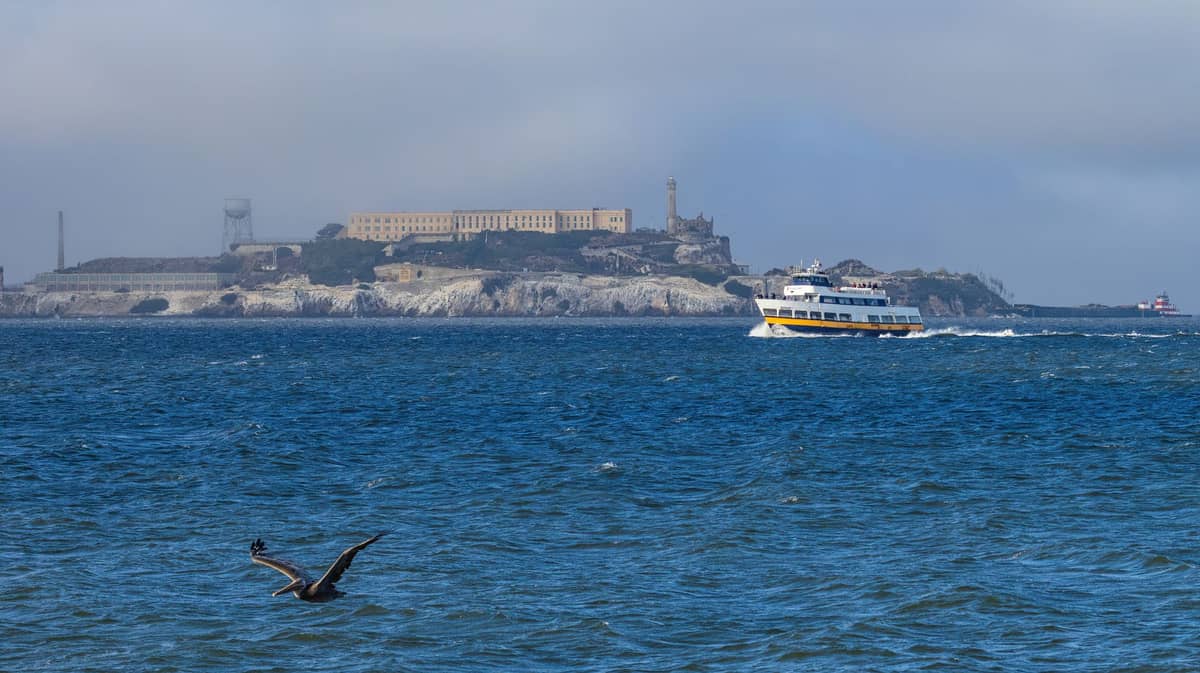
Alcatraz ferry departures operate from Pier 33, which sits just east of the main Wharf district on The Embarcadero. The island tour run by Alcatraz Cruises is one of San Francisco's most popular experiences, and tickets sell out days or weeks in advance during peak season. Book well ahead. For broader bay views, a range of bay cruise operators depart from the Wharf piers. The Alcatraz Island experience is genuinely worthwhile, combining history, architecture, and extraordinary views of the San Francisco skyline from the water.
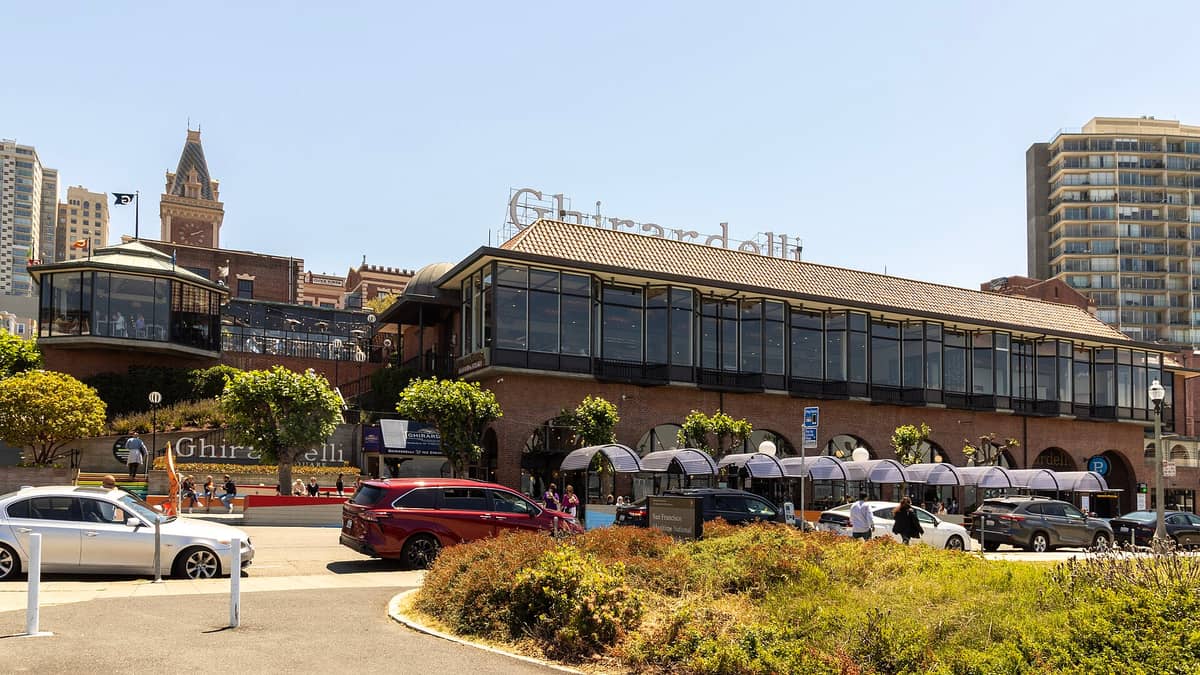
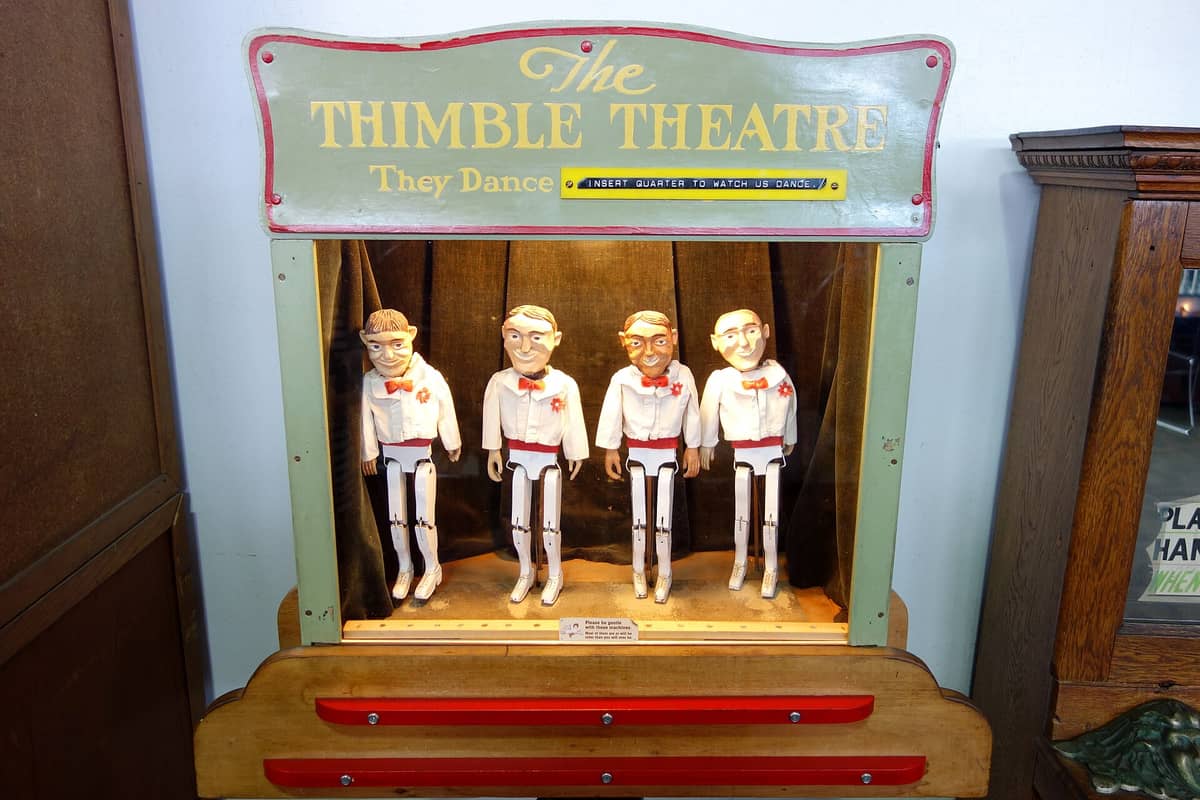
At the western end of the Wharf, Ghirardelli Square occupies the red-brick buildings of the original Ghirardelli chocolate factory, which operated on this site from 1893 to 1962. Today it houses independent shops and restaurants in an architecturally appealing complex. It is noticeably calmer than the Jefferson Street corridor, and the chocolate sundaes at the Ghirardelli shop are a legitimate reason to walk there. The Musee Mecanique at Pier 45 collects over 300 antique coin-operated mechanical amusements and is one of the genuinely odd and enjoyable places on the Wharf.
Sea lion colony at Pier 39's K Dock: free, best viewed in morning light
San Francisco Maritime National Historical Park: historic ships at Hyde Street Pier
USS Pampanito WWII submarine at Pier 45
Alcatraz Island ferry from Pier 33 (book well in advance)
Ghirardelli Square for architecture and chocolate
Musee Mecanique at Pier 45 for antique arcade machines
Aquatic Park beach for bay swimming and views
⚠️ What to skip
Alcatraz tours sell out weeks in advance during summer. Book tickets through the official Alcatraz Cruises website as soon as your travel dates are confirmed. Touts near the pier cannot sell legitimate Alcatraz tickets.
Eating & Drinking
The seafood at Fisherman's Wharf is the neighborhood's strongest argument for itself. Dungeness crab is the centerpiece of the local food identity, and from November through June (the main season), fresh whole crabs are cooked in outdoor steam pots on Jefferson Street and served immediately. The crab stands between Taylor and Hyde Streets are the real deal: the seafood is fresh, the prices are reasonable, and eating it outside while looking at the water is one of San Francisco's better free-spirited pleasures.
Sourdough clam chowder served in a bread bowl is everywhere, and the quality varies considerably. The original and most famous source is the Boudin Bakery on Jefferson Street, which has been making sourdough using the same starter culture since 1849. The cafe upstairs offers good views of the street below and is a more comfortable option than the rushed takeaway counter. The chowder itself is a solid, filling option for a cold, foggy afternoon, which describes many afternoons at the Wharf.
Beyond the street food, the sit-down restaurants on and around Jefferson Street cover a wide range of price points. The higher-end places on the pier buildings offer bay views that justify a price premium, and fresh Dungeness crab, cioppino (the Italian-American tomato seafood stew that originated in this neighborhood), and Pacific oysters are worth ordering when available. Budget travelers will find that the crab stands, chowder counters, and shrimp cocktail vendors along Jefferson Street provide satisfying meals without a reservation or a significant expense.
For drinks, the bars near the Wharf skew toward casual waterfront spots rather than craft cocktail destinations. If you want a serious bar scene, North Beach is a fifteen-minute walk south. Ghirardelli Square has a few more upscale drinking options in quieter surroundings. The Buena Vista Cafe on Beach Street near the cable car turnaround is a legitimate San Francisco institution, credited with popularizing Irish coffee in the United States in the 1950s and still making it by the hundreds daily.
ℹ️ Good to know
Dungeness crab season typically runs November through June, though exact dates are set annually by California fishery regulators. Outside of season, crab on the menu may be frozen or sourced from elsewhere. If fresh local crab matters to you, check the season dates before planning your visit.
Getting There & Around
The most scenic way to reach Fisherman's Wharf from central San Francisco is the F Market and Wharves historic streetcar line, which runs along Market Street and then north up The Embarcadero, terminating near the eastern end of the Wharf. The F-line uses restored vintage streetcars from cities around the world and is a genuine pleasure to ride. From downtown, the trip takes roughly 25–30 minutes. For cable car access, the Powell-Hyde line runs from Powell and Market Streets through Nob Hill to a turnaround at Aquatic Park near the waterfront, depositing riders at the western edge of the Wharf. The Powell-Mason line terminates a few blocks from the waterfront at Bay and Taylor Streets. Both cable car routes involve queues during peak hours. Consult the San Francisco cable car guide for tips on avoiding the longest waits.
Muni buses serve the area along Bay Street, North Point Street, and The Embarcadero. The 8 and 30 lines stop along North Point and connect to downtown via Van Ness Avenue. The 39 and 49 run nearby along Russian Hill and Van Ness. BART does not reach the Wharf directly; the nearest BART stations are at Embarcadero and Montgomery Street, both about a mile and a half to the southeast, connected to the Wharf by the F-line streetcar.
Walking is practical from several nearby neighborhoods. From North Beach and Washington Square Park, the walk north to the Wharf takes under ten minutes. From the Ferry Building on the Embarcadero, walking the waterfront path northwest takes around twenty minutes and is genuinely pleasant. Driving to Fisherman's Wharf is the least recommended option: parking in the district is expensive, the streets along Jefferson are congested most of the day, and The Embarcadero has significant pedestrian-vehicle conflicts. For a full overview of getting around San Francisco, see the getting around San Francisco guide.
Where to Stay
Fisherman's Wharf has a well-developed hotel infrastructure, mostly concentrated between the Embarcadero and Ghirardelli Square. The neighborhood suits visitors who want to spend significant time at waterfront attractions, are traveling with children, or are prioritizing proximity to Alcatraz ferry departures and bay cruise operators. It is less suited to travelers who want to immerse themselves in everyday San Francisco neighborhood life, who prefer independent restaurants over tourist-focused dining, or who want easy walking access to the Mission, Castro, or SoMa. For a broader view of accommodation decisions across the city, the where to stay in San Francisco guide compares all the major neighborhoods.
The western end of the district, near Ghirardelli Square and Aquatic Park, tends to be quieter at night than the Jefferson Street core. Hotels in this area offer bay views and reasonable walking access to the Maritime National Historical Park and the cable car turnaround. The blocks immediately behind the Wharf, particularly around North Point Street, have smaller boutique-style properties and are within easy walking distance of North Beach's restaurants and bars. Whatever part of the Wharf you stay in, the daytime foot traffic and noise are part of the reality: light sleepers should ask for rooms away from street-facing windows on Jefferson or Beach Streets.
💡 Local tip
Staying at the Wharf puts you close to Alcatraz ferry departures at Pier 33 and major bay cruise operators, which is a genuine practical advantage if those are priorities. But North Beach, just to the south, offers more interesting neighborhood character for roughly similar hotel prices.
History & Context
The waterfront here has been associated with fishing since the Gold Rush era, when Italian immigrant fishermen, primarily from Genoa and Sicily, established the fishing fleet that worked the bay and the Pacific. By the late 19th century, the area between Meiggs Wharf and the Hyde Street waterfront was a functioning fishing village within the growing city. Dungeness crab, bay shrimp, and Pacific salmon were the primary catches, and the restaurants that served them to workers and visitors established the neighborhood's food identity.
The 20th century brought industrial change and gradual transformation toward tourism. The opening of Pier 39 in 1978 marked a decisive shift toward the commercial visitor economy the Wharf is now known for. The Maritime National Historical Park was established in 1988, preserving the Hyde Street Pier vessels as a counterweight to the commercial development further east. Today the neighborhood manages the tension between its fishing heritage and its role as a visitor district with varying success. The fishing fleet still operates from the central piers, and the Jefferson Street crab stands still use boats that work the bay, but the souvenir shops and chain restaurants have captured a large share of the block-by-block streetscape. For travelers who want to understand this part of San Francisco more deeply, the San Francisco walking tours guide includes routes that cover the waterfront's history in detail.
TL;DR
Fisherman's Wharf runs along San Francisco's northern waterfront from Ghirardelli Square to Pier 39, with Jefferson and Taylor Streets at its commercial center.
Best for: families, first-time visitors, Alcatraz ferry access, fresh Dungeness crab, and maritime history at the Hyde Street Pier and USS Pampanito.
Not ideal for: travelers seeking authentic neighborhood life, late-night dining and bars, or budget accommodation away from tourist infrastructure.
Go early or late: the midday crowd between 10am and 4pm is the heaviest in the city; mornings and evenings offer a noticeably different experience.
September and October are the warmest, clearest months in San Francisco and the best time for waterfront exploration; summer is peak season but often foggy and cold by afternoon.
San Francisco's beaches are unlike anywhere else in California. Cold water, dramatic fog, and powerful Pacific surf define the city's coastline, but the scenery is extraordinary. This guide covers the best beaches in San Francisco for sunset walks, surfing, coastal hikes, and day trips beyond the city.
San Francisco packs an unusually deep museum scene for a city of its size. This guide covers the city's finest institutions across art, science, history, and culture, with practical tips on pricing, free days, and how to plan your visit.
San Francisco's climate defies expectations. Summer is foggy and cool, fall is surprisingly warm, and winter can be a genuine bargain. This guide breaks down every season so you can pick the right time for your trip, your budget, and your tolerance for Karl the Fog.
San Francisco is one of the most visually dramatic cities in America, built on hills that frame the bay, the bridges, and the Pacific at every turn. This guide covers the best viewpoints in the city and beyond, from free hilltop parks to lesser-known coastal perches that most visitors never find.
San Francisco sits at the gateway to one of the most varied day-trip landscapes in America. Within two hours you can be walking among thousand-year-old redwoods, tasting Cabernet in Napa, hiking coastal bluffs in Point Reyes, or exploring a former federal prison on a rocky bay island.
San Francisco is one of America's most spectacular cities, and you don't need a big budget to experience it. From iconic bridges and coastal trails to free museum days and world-class public art, this guide covers the best free things to do in San Francisco.
From BART airport transfers to cable car fares, this guide covers every way to get around San Francisco — with practical advice on what's worth it, what to skip, and how to navigate the city like someone who actually lives there.
San Francisco offers a deep luxury travel scene for a city of its size. This guide covers where to stay, what to eat, which experiences justify the price, and how to time your visit to get the best value on high-end accommodations.
San Francisco International Airport sits 13-15 miles south of downtown, and getting into the city is straightforward once you know your options. This guide breaks down every transport method from SFO, including real costs, travel times, and the mistakes most first-timers make.
San Francisco's built environment spans Victorian row houses, Edwardian flats, Beaux-Arts civic monuments, and bold modernist towers. This guide breaks down the key styles, landmark buildings, and best neighborhoods to explore on foot, with practical advice for architecture walks in any season.
San Francisco's cable car system is one of the most recognizable transit networks in the world — and also one of the most misunderstood. This guide covers all three operating lines, how fares and passes work, the best times to ride, and clear guidance on avoiding the worst queues.
San Francisco's ferry network spans two separate operators, multiple terminals, and fares that vary by route and payment method. This guide breaks down every major route, current pricing, and how to avoid the most common mistakes first-time riders make.
San Francisco packs an enormous amount into 47 square miles of land. This guide covers everything a first-time visitor needs to know: how to arrive, where to stay, what to prioritize, and the common mistakes that waste time and money.
San Francisco Fleet Week is one of the largest free public events in the United States, drawing hundreds of thousands of visitors to the Bay waterfront each October. This guide covers the Blue Angels air show schedule, the best free viewing spots, ship tour logistics, VIP ticket options, and practical advice for navigating the crowds.
San Francisco is one of California's most naturally romantic cities. Bay views, foggy evenings, world-class food, and historic neighborhoods create an atmosphere that pairs well with almost any travel style. This guide covers where to go, what to spend, when to visit, and how to make the most of a couples trip to the City and County of San Francisco.
At 1,017 acres, Golden Gate Park is one of the great urban parks in the United States, and most visitors only scratch the surface. This guide covers the top attractions, practical logistics, seasonal timing, and the spots worth seeking out beyond the obvious.
San Francisco rewards the curious. Beyond the Golden Gate Bridge and Alcatraz, the city hides mosaic staircases, acoustic sculptures, Victorian cemeteries, and rooftop gardens that most visitors never find. This guide points you to the spots locals actually love.
San Francisco is one of America's most walkable cities, but its hiking scene goes far beyond neighborhood strolls. These trails deliver coastal cliffs, forested ridgelines, panoramic summits, and wild Pacific shorelines all within city limits or a short drive away.
San Francisco in summer is nothing like a Southern California beach vacation. Expect cool temperatures in the mid-60s°F, morning fog that can linger well past noon, and a packed event calendar from June through August. This guide breaks down exactly what you'll encounter and how to prepare.
Three days is enough to hit San Francisco's iconic landmarks, explore distinct neighborhoods, and get a real feel for the city. This itinerary routes each day logically so you spend less time in transit and more time actually experiencing the city.
The Mission burrito is not just a meal. It is a San Francisco institution with a disputed origin, a precise construction method, and a handful of taquerias that have been perfecting it for decades. This guide covers the history, the key ingredients, where to find the best version, and what separates the real thing from a pale imitation.
Muir Woods National Monument sits just 12-17 miles north of San Francisco, protecting one of the last old-growth coast redwood stands in the Bay Area. This guide covers everything you need to plan a successful day trip: mandatory reservations, transport options, trail choices, seasonal timing, and the common mistakes that catch first-time visitors off guard.
Napa Valley sits just 50-60 miles north of San Francisco, making it one of the Bay Area's most rewarding day trips. This guide covers every logistic: how to get there, what tastings cost, when to book, and how to pace a single day without burning out before the third pour.
San Francisco packs an extraordinary range of distinct neighborhoods into just 47 square miles of land. From the foggy avenues of the Outer Sunset to the sunny slopes of the Mission, this guide breaks down what each district is actually like, who it suits, and how to navigate between them.
San Francisco's nightlife runs deeper than most visitors expect. This guide breaks down the best neighborhoods for a night out, what to expect at live music venues, how late things actually run, and which parts of the city suit your style — from craft cocktail bars to late-night dance floors.
San Francisco has a reputation for draining wallets, but that reputation is only partly deserved. With the right approach to accommodation, transport, food, and attractions, a solo traveler can get by on $110–$160 per day without missing the city's best experiences. This guide breaks down exactly where your money goes and where you can cut back.
Twenty-four hours in San Francisco is enough to walk an iconic bridge, eat world-class food, explore historic neighborhoods, and watch the sun set over the Pacific. This itinerary is built around geography so you spend less time in transit and more time actually experiencing the city.
San Francisco is one of America's most rewarding cities to visit, but it rewards prepared travelers. This guide covers the real safety picture: car break-ins, petty theft hotspots, neighborhoods to navigate carefully, and practical strategies to keep your trip trouble-free.
San Francisco's shopping scene spans far more than one famous square. This guide breaks down every major retail district, from luxury flagships around Union Square to independent boutiques in Hayes Valley, vintage shops on Haight Street, and specialty food at the Ferry Building, with practical advice on getting there, what to expect, and where to skip.
The San Francisco to Los Angeles corridor is one of the most-traveled routes in the United States, with options ranging from a 90-minute flight to a two-day Pacific Coast Highway road trip. This guide breaks down every realistic method by cost, time, and comfort so you can choose the right one for your trip.
San Francisco is one of the world's great walking cities, built for exploration on foot. These 20 self-guided stops span the city's most rewarding routes, from waterfront promenades and Victorian hilltops to mural-filled alleys and coastal cliffs.
Forty-eight hours is enough time to hit San Francisco's greatest hits and still feel like you've gone beyond the surface. This guide covers the essential waterfront, neighborhoods, parks, and cultural stops to build a memorable weekend in one of America's most compelling cities.
San Francisco is one of the most family-friendly cities in the United States, with world-class science museums, free outdoor spaces, bay cruises, and a compact layout that keeps logistics manageable. This guide covers the best attractions for children, how to save on tickets, when to visit, and how to get around without a car.
San Francisco packs an extraordinary range of experiences into about 47 square miles of land. From the Golden Gate Bridge and Alcatraz to neighborhood walks through Chinatown and the Mission, this guide covers the top things to do in San Francisco with clear, practical detail to help you spend your time well.
San Francisco has one of the most serious food cultures in the United States, with about 30 Michelin-starred restaurants according to the 2026 Michelin Guide, roughly 4,400 restaurants packed into about 47 square miles, and an obsessive commitment to local, seasonal ingredients. This guide covers the iconic dishes, the neighborhoods where each food culture lives, what things actually cost, and where visitors consistently go wrong.
Choosing where to stay in San Francisco shapes your entire trip. This guide breaks down the city's most practical neighborhoods by price, transit access, safety, and atmosphere, so you can book with confidence rather than guesswork.