Shopping in San Francisco: The Complete Guide to Best Areas & Stores
San Francisco's shopping scene spans far more than one famous square. This guide breaks down every major retail district, from luxury flagships around Union Square to independent boutiques in Hayes Valley, vintage shops on Haight Street, and specialty food at the Ferry Building, with practical advice on getting there, what to expect, and where to skip.
Plan and book this trip
Tools from our partner Travelpayouts help you compare flights and hotels. If you book through them, we may earn a commission at no extra cost to you.
Flights
Hotels map
TL;DR
- Union Square anchors the luxury and department-store scene, but the most interesting shopping in SF is spread across eight distinct neighborhoods, each with its own character. See our San Francisco neighborhoods guide for broader context.
- Hayes Valley is the go-to for independent and design-forward boutiques; Haight-Ashbury remains a genuine vintage corridor, not just a photo stop.
- The Ferry Building Marketplace focuses on local food producers and specialty goods, especially on farmers market days (Tuesdays, Thursdays, and Saturdays).
- Most street-front stores open around 10:00 and close by 19:00; malls like Westfield SF Centre typically run until 20:00-21:00. Always verify hours before visiting.
- San Francisco Premium Outlets in Livermore (about 45 miles east) is the region's main outlet center and requires a car or dedicated transit trip.
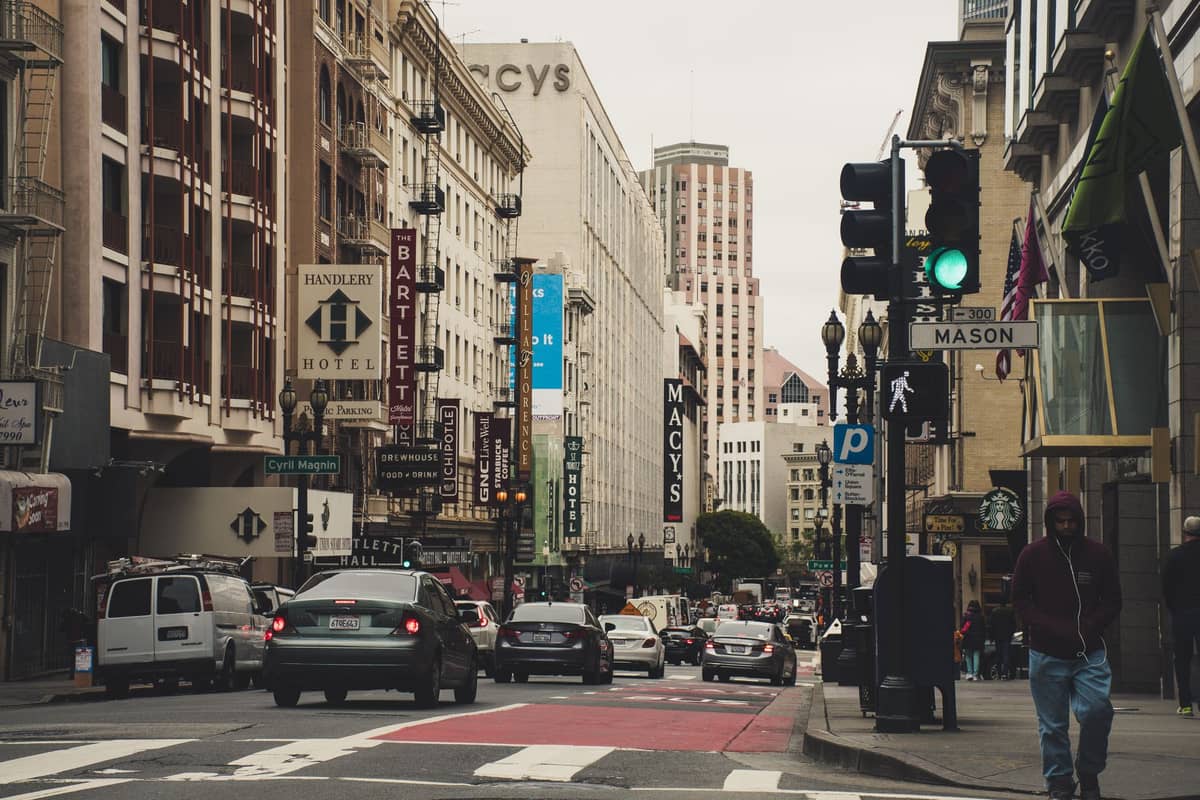
Union Square: The City's Retail Core
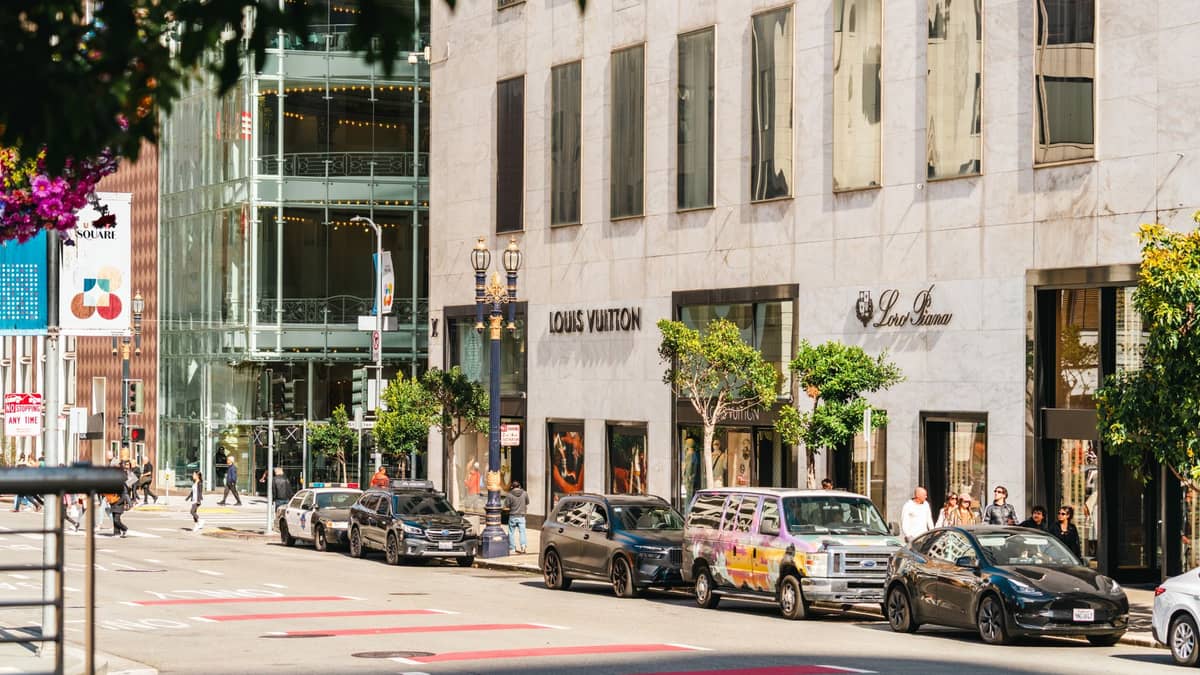
Union Square is San Francisco's most concentrated luxury shopping zone, and it earns that reputation with a density of flagship stores that few American cities outside New York can match. Neiman Marcus, Saks Fifth Avenue, Nordstrom, Macy's, and a string of designer boutiques (Gucci, Louis Vuitton, Tiffany, Burberry) all sit within a few walkable blocks. The square itself is a pedestrian-friendly plaza surrounded by historic Beaux-Arts and mid-century architecture, which makes the experience feel less like a strip mall and more like a proper urban shopping district.
Directly adjacent on Market Street sits the Westfield San Francisco Centre, a multi-level indoor mall filled with mid-range and fast-fashion tenants alongside a substantial food hall.
⚠️ What to skip
Union Square has seen elevated retail vacancy in recent years, with some flagship stores reducing hours or relocating. Before making a special trip for a specific store, check its current status online. The area is still worth visiting, but manage expectations around which brands are physically present.
Weekday mornings between 10:00 and noon are the best window for relatively uncrowded browsing. Weekends, particularly Saturday afternoons, draw heavy foot traffic from both tourists and locals. Holiday shopping season (late November through December) turns the district into one of the busiest retail zones on the West Coast, with extended hours and significant crowds.
Hayes Valley: Independent Boutiques and Design Shops
Hayes Valley, centered on Hayes Street between Franklin and Octavia, is where San Francisco's independent retail scene is at its strongest. The neighborhood built its identity after the 1989 Loma Prieta earthquake led to the demolition of a Central Freeway overpass, opening up a previously blighted corridor that local entrepreneurs turned into a walkable boutique strip. That origin story matters: this is a neighborhood that was deliberately shaped by small business owners rather than developers.
Expect locally designed clothing, contemporary homewares, independent jewelry makers, and concept stores with a design-forward aesthetic. It shares some geographic overlap with SoMa, and the two neighborhoods together give you access to a good cross-section of SF's non-chain retail. Hayes Valley is compact enough to cover on foot in a few hours, and the concentration of coffee shops and restaurants makes it easy to turn a shopping trip into a half-day neighborhood visit.
💡 Local tip
Hayes Valley boutiques tend to keep shorter hours than mall stores, often opening at 11:00 and closing by 18:00 or 19:00. Some are closed Mondays. A quick check of individual store hours before heading over saves frustration.
Haight-Ashbury, Fillmore, and Chestnut: Three Very Different Streets
These three corridors serve distinct shopping personalities and are worth treating separately. Haight-AshburyHaight-Ashbury on Haight Street between Masonic and Stanyan is the city's primary vintage and second-hand corridor. Despite its association with 1960s counterculture tourism, the street functions as a real, working retail district for vintage clothing, used records, head shops, and independent bookstores. Amoeba Music at 1855 Haight Street is one of the country's great independent record stores and worth visiting regardless of whether you plan to buy anything.
Fillmore Street, running through Pacific Heights and Lower Pacific Heights, offers a different register entirely. Think local fashion boutiques, specialty food shops, and a mix of affordable and upscale options in a neighborhood that feels more residential and less touristy than Union Square. It's a solid choice when you want to shop without being in a tourist corridor.
Chestnut Street in the Marina District skews toward a younger, active-lifestyle demographic: athletic wear, outdoor gear, skincare, and contemporary fashion dominate. The street is walkable and lined with good cafes, and it sits close to Crissy Field and the waterfront, making it easy to combine shopping with a walk toward the bay.
Chinatown and the Ferry Building: Food, Culture, and Specialty Goods
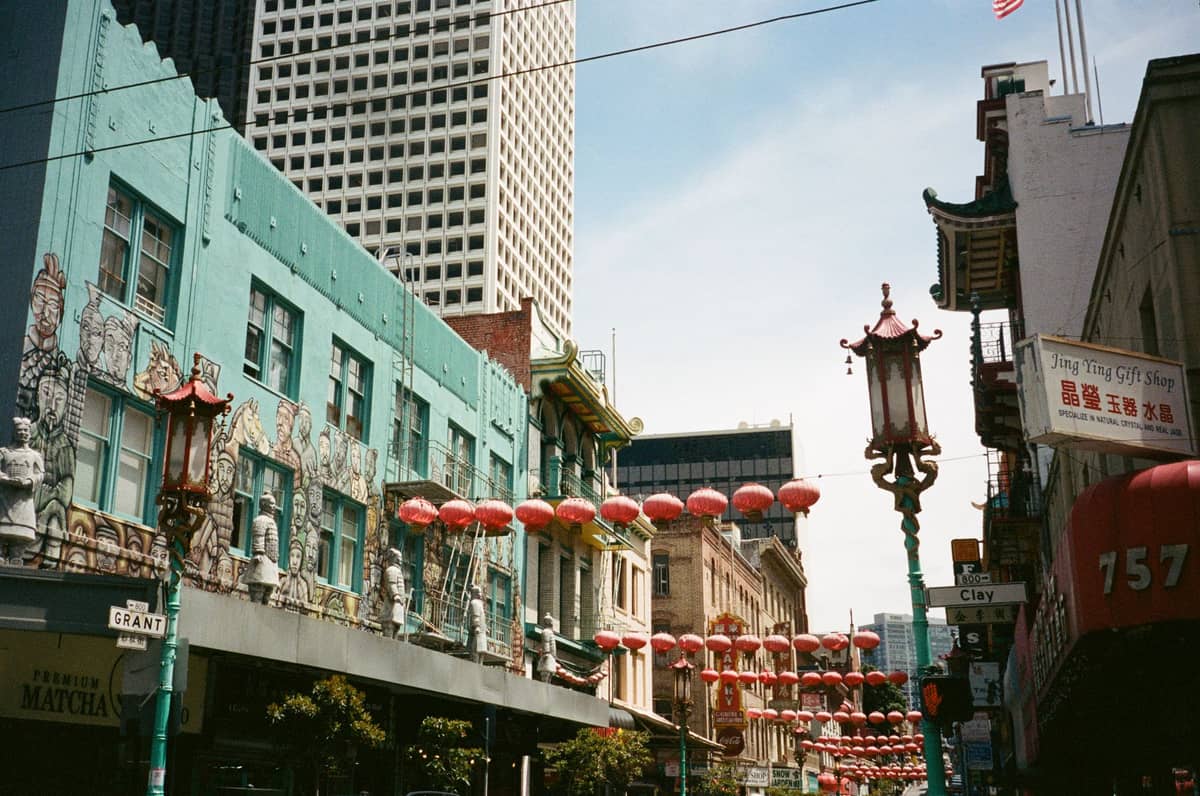
San Francisco's Chinatown is one of the oldest and densest Chinese commercial districts in North America, concentrated along Grant Avenue and Stockton Street. Grant Avenue is the tourist-facing corridor: souvenir shops, imported goods, herbal medicine stores, and tea shops. Stockton Street runs parallel and operates as the neighborhood's everyday grocery and produce market, where locals shop rather than tourists browse. If you want a more authentic Chinatown experience, spend some time on Stockton.
The Ferry Building Marketplace on the Embarcadero is a different kind of shopping destination entirely. It's not a mall: it's a curated collection of local food producers, specialty grocers, and artisan vendors housed in a restored 1898 ferry terminal. Acme Bread, Blue Bottle Coffee, and Recchiuti Confections are among the permanent tenants. On Tuesdays, Thursdays, and Saturdays, the Ferry Plaza Farmers Market lines the front of the building along the Embarcadero, drawing significant crowds from around 8:00 until early afternoon.
✨ Pro tip
Saturday mornings at the Ferry Building Farmers Market are genuinely worth planning around, but arrive before 10:00 if you want to move freely. By 11:00, the waterfront promenade is packed. The market wraps up around 14:00 on most Saturdays.
Beyond the City: Outlet Shopping and Malls
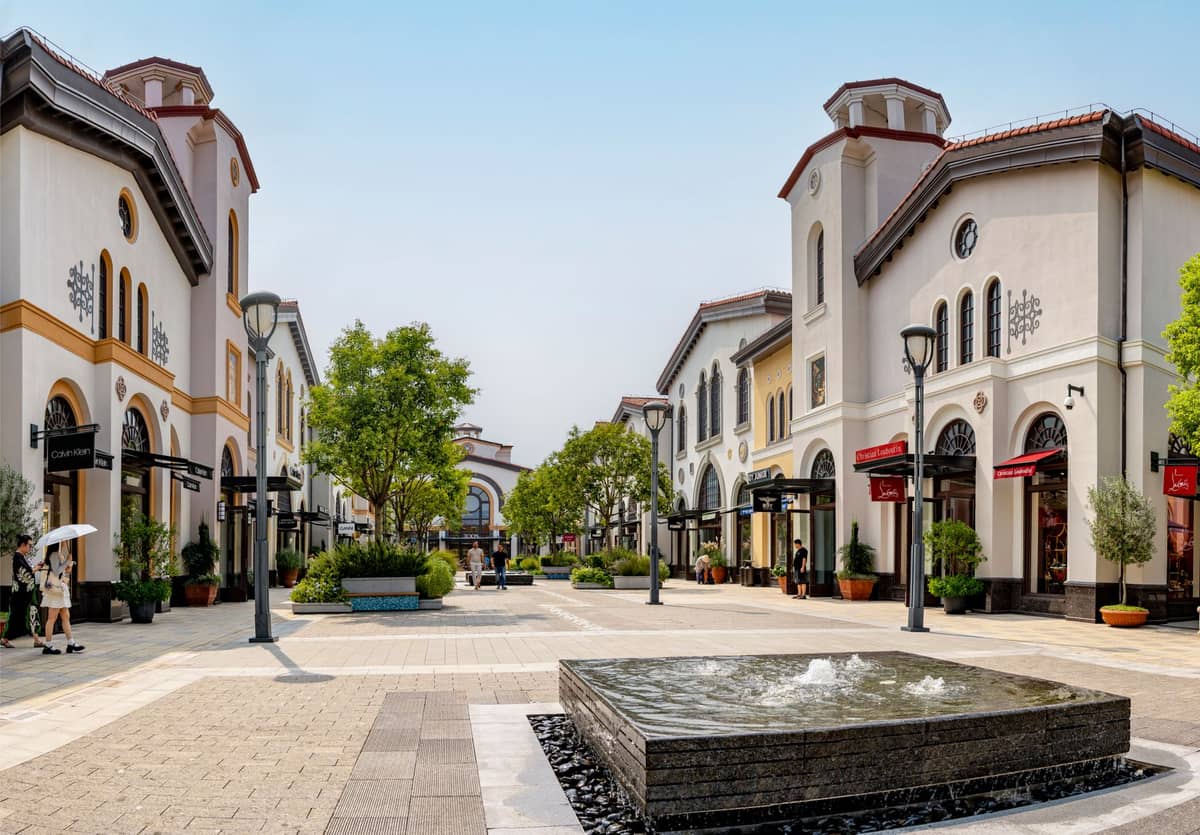
For outlet shopping, San Francisco Premium Outlets in Livermore is the Bay Area's primary destination, with around 180 stores including many luxury and designer brands at discounted prices. Livermore is roughly 45 miles east of downtown SF, about an hour by car without traffic. There is no convenient direct public transit connection from central SF, so this trip is most practical by car or rideshare.
Within the city, Stonestown Galleria near San Francisco State University in the southwest part of the city offers a more traditional suburban-style mall experience with a mix of mid-range chains, a food court, and a Macy's anchor.
- Union Square Luxury flagships, department stores, and designer boutiques in a walkable urban grid. Best for: high-end brands, major retailers.
- Hayes Valley Independent boutiques, design stores, and local fashion in a compact, café-lined neighborhood. Best for: unique finds, non-chain clothing and homewares.
- Haight-Ashbury (Haight Street) Vintage clothing, used records, and counterculture shops. Best for: second-hand fashion, vinyl, and independent bookstores.
- Ferry Building Marketplace Local food producers, artisan grocers, and weekend farmers market. Best for: specialty food, local cheeses, bread, and coffee.
- Chinatown (Grant & Stockton) Souvenirs, imported goods, herbal shops, and local produce. Best for: teas, inexpensive gifts, and authentic food shopping on Stockton.
- Fillmore Street Local boutiques and specialty shops in a less touristy setting. Best for: browsing without crowds, Pacific Heights neighborhood character.
- Chestnut Street (Marina) Active wear, contemporary fashion, and lifestyle shops. Best for: combining shopping with a walk to the waterfront.
Practical Tips: Getting Around, Timing, and Budgeting
San Francisco's shopping districts are geographically spread across the city, and the terrain is hilly enough that walking between them isn't always practical. Muni buses and BART connect most areas, and the guide to getting around San Francisco covers your transit options in detail. For Union Square and the Ferry Building, BART stops at Embarcadero and Powell Street stations are the most direct. Hayes Valley is best reached by Muni bus along Market Street. Haight Street has Muni bus service directly along the corridor.
On the budget side, SF shopping spans every price point. Union Square is genuinely expensive, and browsing there costs nothing but buying adds up fast. Hayes Valley boutiques typically price in the $50-200 range for clothing. Haight Street vintage shops vary enormously: a thrift-store find might cost $10-20, while curated vintage boutiques can charge $80-150 for a single piece. Chinatown is the most affordable option for souvenirs and everyday goods.
- Most street-front stores open around 10:00-11:00 and close by 18:00-19:00, Monday through Saturday. Sunday hours are often shorter.
- Westfield SF Centre and Stonestown Galleria typically run until 20:00-21:00 on weekdays and weekends.
- The Ferry Building's permanent vendors generally operate Tuesday through Sunday from around 10:00-18:00; farmers market days (Tuesday, Thursday, Saturday) start earlier.
- Parking is expensive and scarce in most shopping districts. Budget $3-5 per hour in garages near Union Square. Transit or rideshare is typically more convenient.
- California sales tax applies to most retail purchases; SF's combined rate is around 8.625%, which will be added at checkout.
- International visitors should check whether their home country's VAT refund schemes apply to US purchases. The US does not have a nationwide tourist tax refund program.
If you're visiting in September or October, SF's warmest and clearest months, the outdoor shopping corridors like Hayes Valley and Chestnut Street are at their most pleasant. Summer (June through August) brings the marine fog layer that can make outdoor browsing chilly by mid-afternoon, even if mornings start mild. Check the best time to visit San Francisco for a full seasonal breakdown before planning a longer trip.
ℹ️ Good to know
San Francisco has strong local ordinances around single-use plastic bags. Most retailers will charge $0.10 or more for a bag at checkout. Bringing a reusable tote is practical and standard here, not just an environmental gesture.
FAQ
What is the best shopping area in San Francisco for tourists?
Union Square is the most compact and logistically easy area for first-time visitors, with major department stores and luxury brands within a few walkable blocks of major hotels. But if you want a more local experience, Hayes Valley and the Ferry Building offer a better sense of what makes SF retail distinctive.
Is there a outlet mall near San Francisco?
Yes. San Francisco Premium Outlets in Livermore is the Bay Area's main outlet center, with around 180 stores. It's about 45 miles east of downtown SF and requires a car or rideshare, as there's no convenient direct public transit connection.
Where can I find vintage and second-hand shops in San Francisco?
Haight Street in the Haight-Ashbury neighborhood is the primary vintage corridor, with a mix of thrift stores, curated vintage boutiques, and second-hand record shops. Prices and quality vary widely, so it's worth walking the full stretch between Masonic and Stanyan.
When is the Ferry Building Farmers Market held?
The Ferry Plaza Farmers Market takes place on Tuesdays, Thursdays, and Saturdays along the Embarcadero outside the Ferry Building. Saturday is the largest market day, running roughly 8:00 to 14:00. The Ferry Building's permanent food vendors operate independently of the farmers market.
What are typical store hours for shopping in San Francisco?
Most street-level boutiques and independent stores open around 10:00-11:00 and close by 18:00-19:00. Indoor malls like Westfield SF Centre typically stay open until 20:00-21:00. Always verify hours directly with individual stores, as they vary by day, season, and neighborhood.