Best Time to Visit San Francisco: A Season-by-Season Breakdown
San Francisco's climate defies expectations. Summer is foggy and cool, fall is surprisingly warm, and winter can be a genuine bargain. This guide breaks down every season so you can pick the right time for your trip, your budget, and your tolerance for Karl the Fog.
Plan and book this trip
Tools from our partner Travelpayouts help you compare flights and hotels. If you book through them, we may earn a commission at no extra cost to you.
Flights
Hotels map
TL;DR
- September and October are the best months to visit for warm, clear weather — warmer than June or July by a meaningful margin.
- Summer (June–August) is peak tourist season but also the foggiest, coolest stretch of the year — expect highs around 66–68°F (19–20°C) and chilly evenings.
- Winter (November–March) brings rain and lower hotel rates — good for budget travelers who don't mind overcast skies.
- Spring (April–May) offers mild weather, fewer crowds, and blooming parks — a strong runner-up to fall for most visitors.
- Bring layers regardless of when you go. San Francisco's microclimates mean a sunny morning at the Golden Gate Bridge can turn foggy and cold within hours.
Why San Francisco's Climate Surprises Almost Every First-Time Visitor
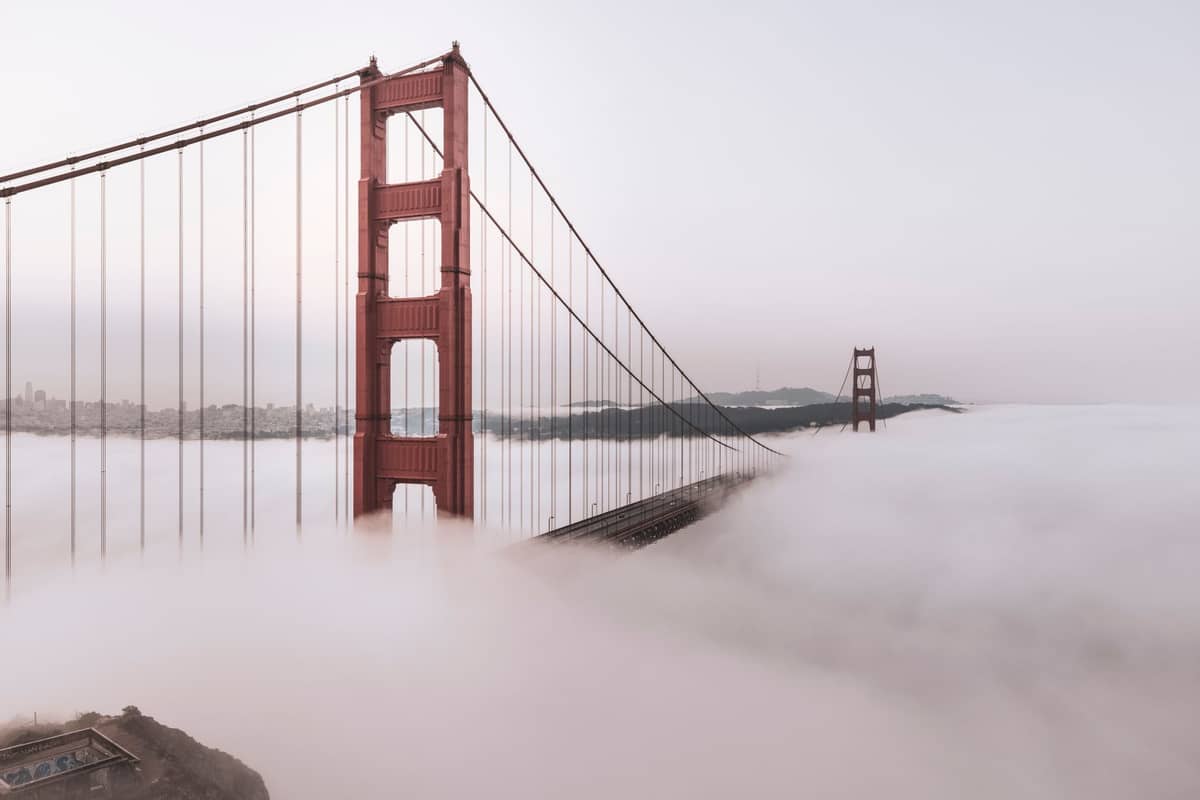
San Francisco has a warm-summer Mediterranean climate (Köppen Csb), which sounds idyllic until you realize that 'warm-summer' is a relative term. The city sits on a peninsula between the Pacific Ocean and San Francisco Bay, and the cold Pacific water fuels a persistent marine layer — the fog that locals have nicknamed Karl. This fog doesn't just look dramatic rolling over the hills. It actively keeps summer temperatures down. This fog doesn't just look dramatic rolling over the hills. It actively keeps summer temperatures down. Average highs in July sit around 67°F (19°C), which is cooler than most of Europe in the same month. Pack a light jacket even for a July trip.
The other thing that catches visitors off guard is neighborhood-level variation. The outer Sunset District, close to Ocean Beach, can be fogged in all day while the Mission District, just a few miles east, basks in sunshine. Nob Hill might be clear while Fisherman's Wharf sits under a grey ceiling. This isn't a quirk — it's a structural feature of the city's topography. When you're planning outdoor activities, check the microclimate for your specific destination, not just a general San Francisco forecast.
ℹ️ Good to know
San Francisco operates on Pacific Time (PT): UTC-8 in standard time and UTC-7 during daylight saving (typically March through early November). Plan international calls and flight arrivals accordingly. Plan international calls and flight arrivals accordingly.
Fall (September–November): The Best Time to Visit San Francisco
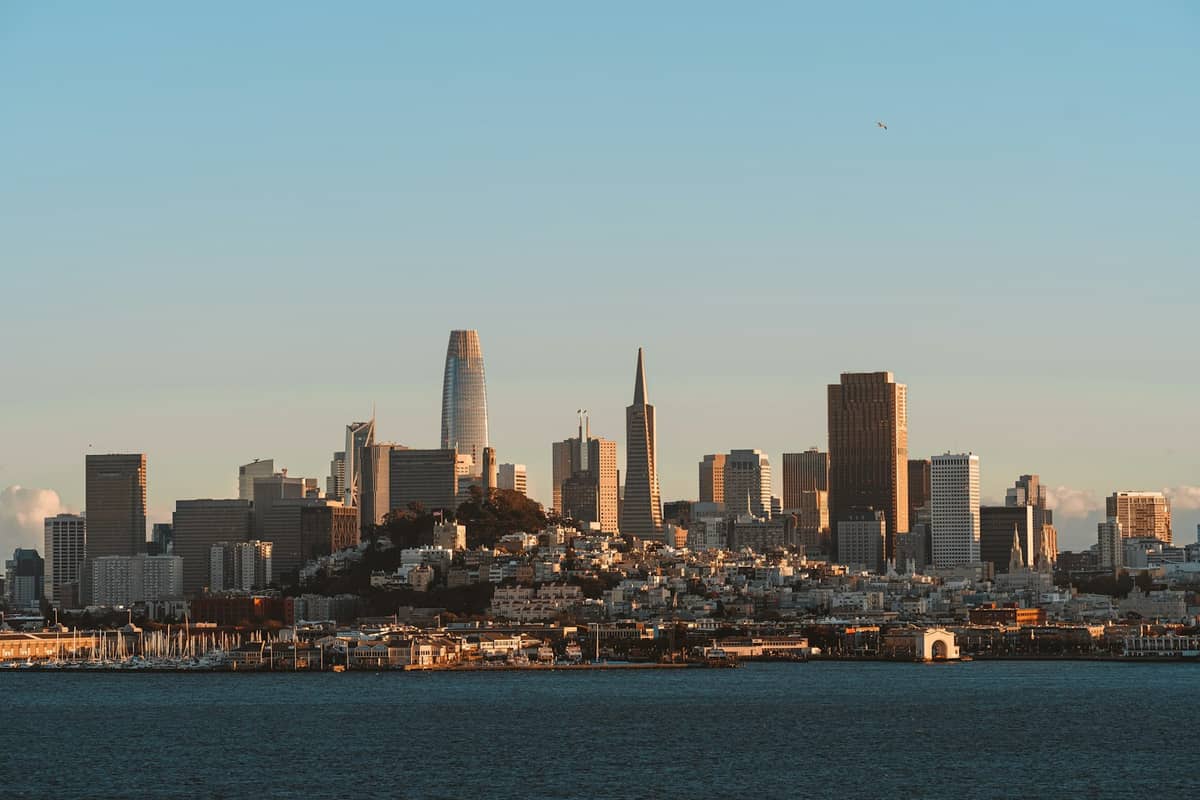
September is statistically San Francisco's warmest month. Average highs climb to around 72°F (22°C), the marine layer recedes, and the skies turn genuinely blue. October maintains much of that warmth before temperatures start edging down in November. For the best combination of weather, manageable crowds, and lower prices than peak summer, aim for mid-September through mid-October. This is the window that delivers the San Francisco most visitors imagine when they book their trip.
Fall is also the right season to make the most of outdoor attractions. The Lands End Trail offers sweeping Bay views without the summer fog obscuring them. Twin Peaks delivers panoramic city views that are genuinely crisp rather than hazy. Even Alcatraz looks more dramatic under a clear sky than it does wrapped in mist — though booking Alcatraz tickets at least two to three weeks ahead remains essential year-round.
Late November brings the first serious rain of the season, and hotel rates begin to soften. If you're visiting after Thanksgiving, you're transitioning into winter travel territory: lower costs, fewer tour groups, but a noticeably wetter experience.
✨ Pro tip
Book accommodation for late September and early October at least 6-8 weeks in advance. This is when corporate conferences and leisure travelers overlap, and the better hotels fill up quickly. Rates can rival peak summer pricing during this window.
Summer (June–August): Peak Season, Cooler Than You'd Expect
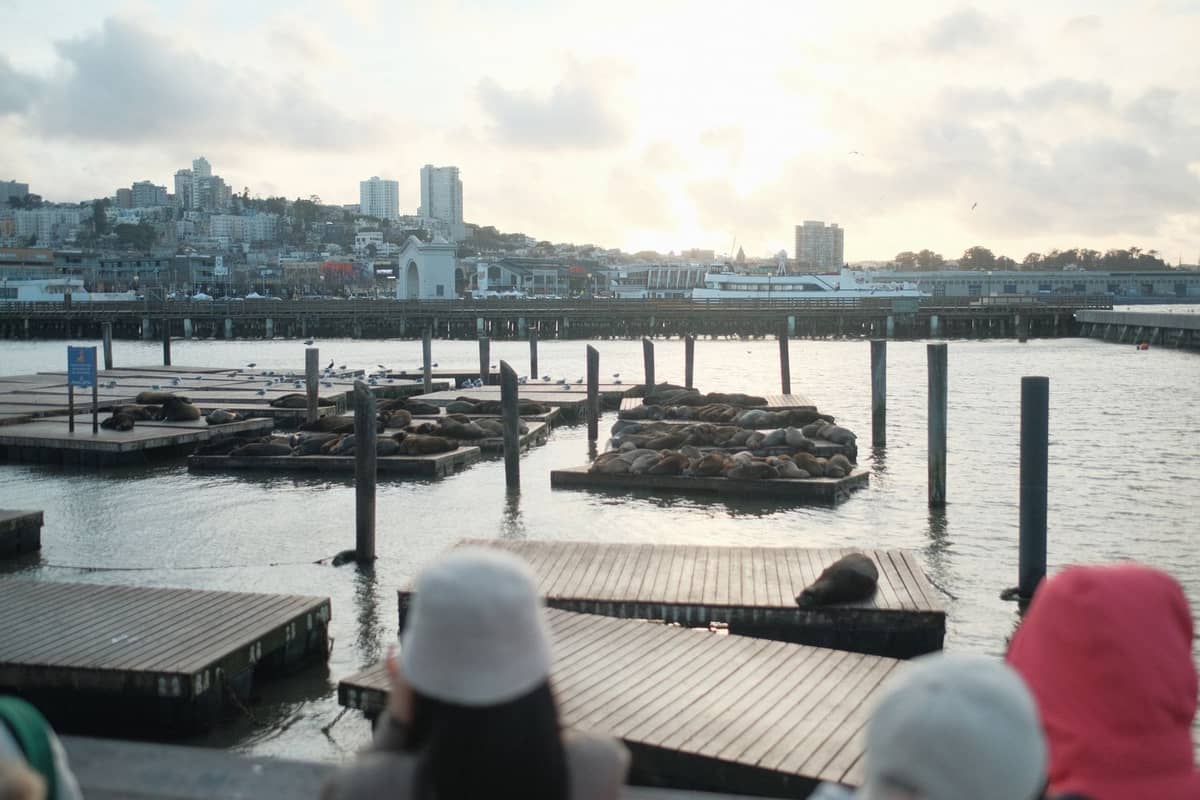
Summer is when most of the world visits San Francisco, which creates a paradox: this is simultaneously the most popular and arguably the least comfortable season for outdoor sightseeing. The marine layer is at its thickest from June through August. Mornings often start gray and stay that way until early afternoon, if they clear at all. June is particularly notorious — locals refer to 'June Gloom' as a reliable seasonal phenomenon. Average highs hover around 66–67°F (19°C), and evenings regularly drop to the mid-50s°F (around 12–13°C).
That said, summer has real advantages. Golden Gate Park hosts free outdoor concerts and events. The city's neighborhoods are alive with activity, and long daylight hours mean you can pack more into each day. The fog also creates its own kind of drama — watching it pour over the Marin Headlands and swallow the Golden Gate Bridge towers is genuinely photogenic if you embrace it rather than fight it.
- What to expect in summer Average highs: 66–68°F (19–20°C). Heavy fog most mornings, especially near the coast and Golden Gate. Peak hotel rates and crowded attractions. Long days with sunset after 8pm in June and July.
- Best summer activities Indoor attractions like SFMOMA, the California Academy of Sciences, and the Exploratorium are ideal fog-day fallbacks. Farmers markets, neighborhood festivals, and waterfront dining work well on sunny afternoons.
- What to pack A proper windproof layer is non-negotiable. The wind chill at the waterfront and on the bridge makes 65°F feel much colder. Locals wear puffy jackets in July — you will too.
Spring (March–May): Underrated and Often Overlooked
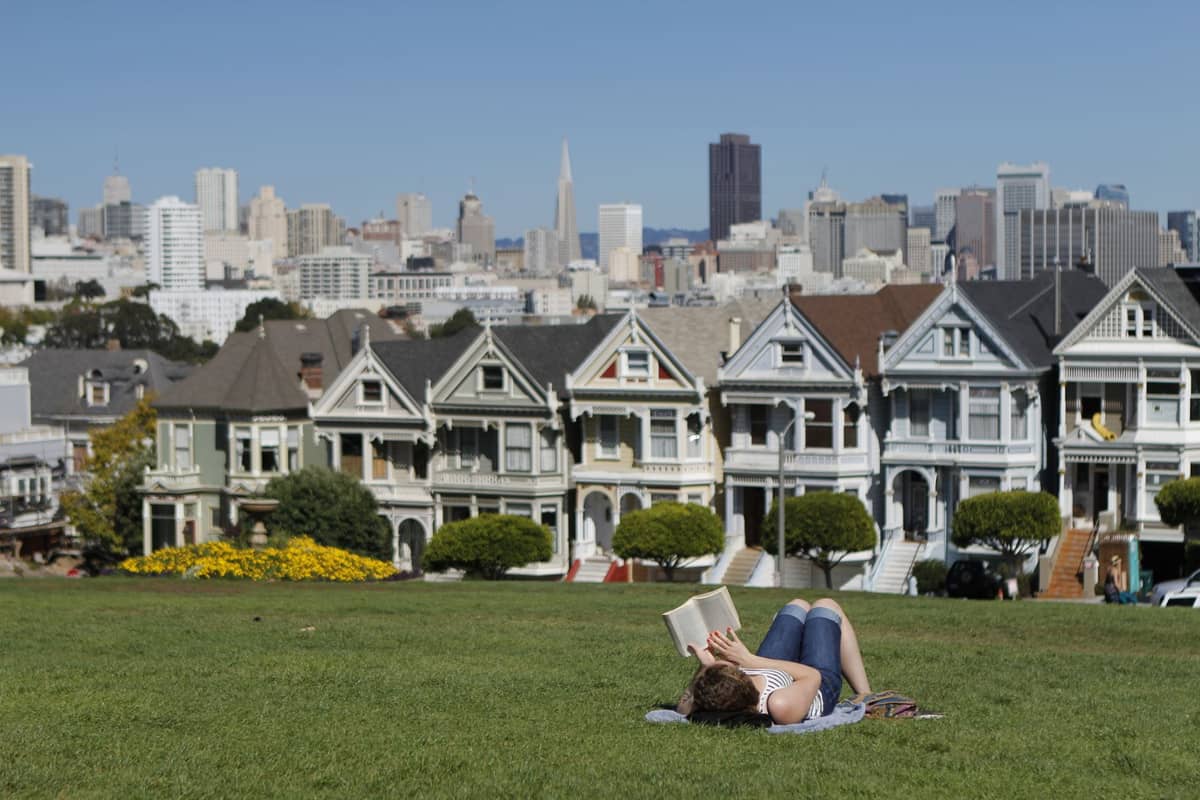
Spring is one of the most underrated times to visit San Francisco. March can still bring rain — the rainy season officially runs November through March — but April and May offer mild temperatures, greener parks, and noticeably thinner crowds than summer. Average highs reach 61–64°F (16–18°C) by May, and the fog hasn't yet established its summer dominance. The Japanese Tea Garden in Golden Gate Park is particularly rewarding in spring, and the Conservatory of Flowers looks its best when the surrounding gardens are in bloom.
Hotel rates in April and May are generally lower than summer or fall peak, and popular attractions like Alcatraz are easier to book on shorter notice. If your priorities are outdoor hiking, park visits, and exploring neighborhoods without fighting through tour groups, spring delivers solid value. The one genuine risk is a late-season rainstorm in March or early April — not unusual, and worth factoring into outdoor plans.
💡 Local tip
For hiking in the Marin Headlands or Muir Woods, spring trails are often at their greenest in March and April. Just check trail conditions after heavy rain, as some paths can become muddy and slippery.
Winter (November–March): Rainy, Cheaper, and Underestimated
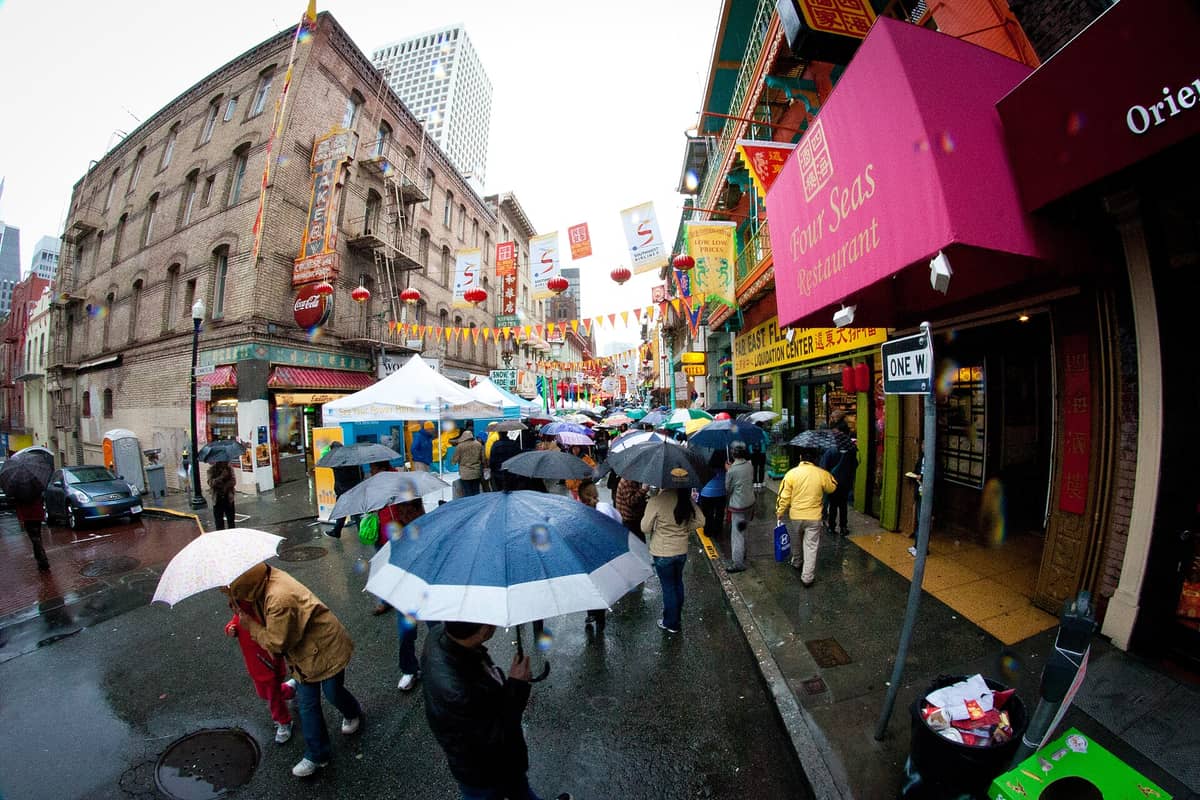
Winter in San Francisco is nothing like winter in Chicago or New York. Temperatures are usually in the 40s and 50s°F (7–16°C), snow is essentially unheard of at street level, and the city remains fully functional and interesting. Average highs sit around 57–61°F (14–16°C) from December through February. The main challenge is rain: most of San Francisco's annual precipitation falls between November and March, and a wet week is a realistic possibility.
The practical upside is real. Hotel rates drop significantly after Thanksgiving, and the city's indoor cultural scene is at its strongest. SFMOMA, the Asian Art Museum, and the de Young Museum are all worth planning around, and winter crowds are thin enough that you can move at your own pace. Chinatown's Lunar New Year celebrations — usually in late January or February — are among the city's most visually spectacular annual events and draw large local crowds without the tourist-season prices.
- Alcatraz tickets are easier to book in winter — sometimes available just a week ahead instead of the usual 2-3 weeks minimum in peak season.
- Restaurant reservations at popular spots are more accessible from November through February.
- Cable car lines are shorter in winter, making the Powell-Hyde and Powell-Mason routes more enjoyable.
- Airfare to San Francisco (SFO, 13 miles south of downtown) is typically at its lowest in January and February.
- Rainy days are best spent in SoMa's museum corridor, the Ferry Building, or neighborhood coffee shops — the city copes with wet weather extremely well.
Practical Planning: What to Know Before You Book
San Francisco's weather changes quickly and varies dramatically by neighborhood. A forecast for 'San Francisco' often reflects conditions at the official weather station, which doesn't capture what's happening at Ocean Beach versus the Mission District. For specific outdoor plans, check the National Weather Service Bay Area forecast for your exact location. For Golden Gate Bridge visits, check the Golden Gate Bridge, Highway and Transportation District site for any alerts or visibility conditions.
Getting around the city is straightforward year-round. BART connects San Francisco International Airport (SFO) to downtown in about 30 minutes, running to stations like Powell Street and Montgomery Street. Within the city, Muni buses, light rail, and the three cable car lines (Powell-Hyde, Powell-Mason, California Street) cover most tourist routes. For a deeper look at navigating the city, the complete guide to getting around San Francisco covers all transport options in detail.
On budget: San Francisco is an expensive city by any measure, but timing your visit right reduces costs meaningfully. Winter and early spring offer the lowest hotel rates. For a practical breakdown of what things actually cost and how to manage them, the San Francisco budget travel guide is worth reading before you finalize your itinerary. If you're planning a first visit, the first-time visitor guide to San Francisco covers the essential logistics alongside the top things to see.
FAQ
What is the best time to visit San Francisco for good weather?
September and October are the most reliable months for warm, clear weather. Average highs reach around 70-71°F (21-22°C) in September, and the marine fog is far less prevalent than in summer. Early October maintains similar conditions before temperatures start to ease off in late October and November.
Is San Francisco foggy in summer?
Yes, significantly so. June and July are typically the foggiest months. The marine layer can sit over the city all morning and sometimes all day, particularly in western neighborhoods near the ocean. This is why locals sometimes say summer feels colder than fall. Pack layers regardless.
What is the cheapest time to visit San Francisco?
January and February offer the lowest hotel rates and airfares of the year. The trade-off is that this is also the wettest period, with most of the city's annual rainfall occurring between November and March. If rain doesn't bother you and indoor activities appeal, winter delivers strong value.
How hot does San Francisco get in summer?
Not very hot by most standards. Average highs in June, July, and August range from about 66-68°F (19-20°C). Occasional heat waves can push temperatures into the 80s°F (27-32°C), but these are short-lived events, not the norm. The city doesn't get the sustained heat that inland California cities experience.
What should I pack for a San Francisco trip?
Layering is the key principle regardless of season. A windproof outer layer is essential even in summer, as waterfront areas and hilltops get genuinely cold with wind chill. Comfortable walking shoes matter more in San Francisco than almost any other city given the hills. In winter, add a waterproof jacket. In fall, a medium-weight jacket works for evenings. Shorts are rarely needed and often impractical.