San Francisco on a Budget: The Practical Guide to Spending Less
San Francisco has a reputation for draining wallets, but that reputation is only partly deserved. With the right approach to accommodation, transport, food, and attractions, a solo traveler can get by on $110–$160 per day without missing the city's best experiences. This guide breaks down exactly where your money goes and where you can cut back.
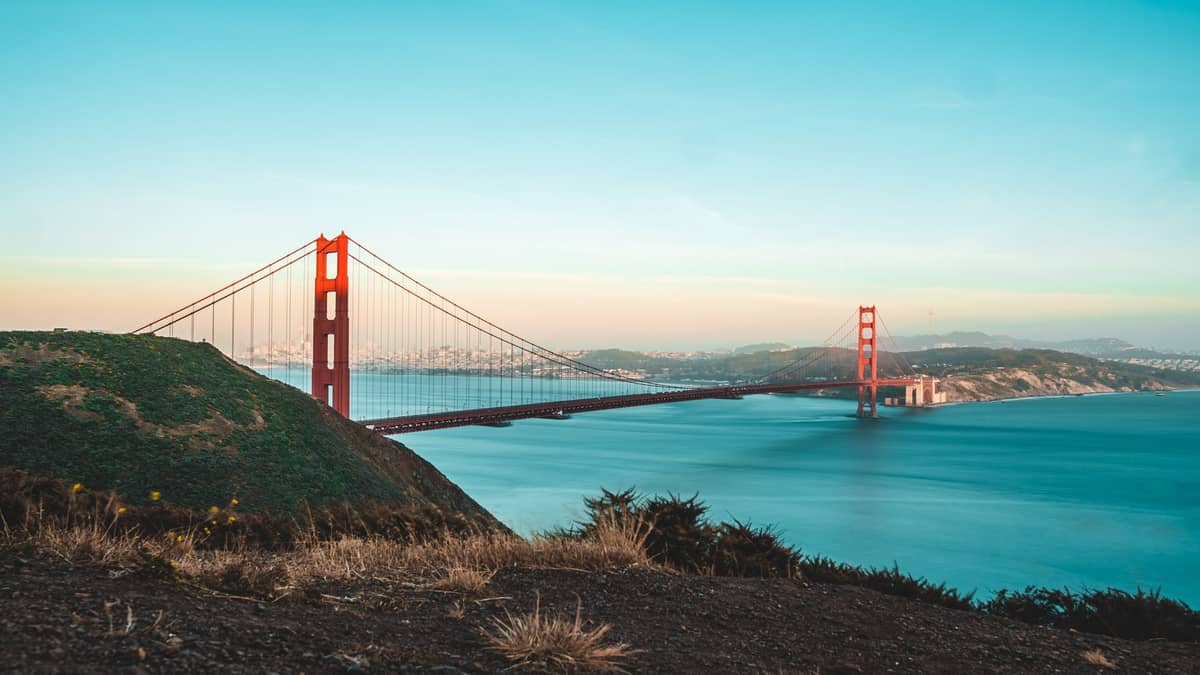
Plan and book this trip
Tools from our partner Travelpayouts help you compare flights and hotels. If you book through them, we may earn a commission at no extra cost to you.
Flights
Hotels map
TL;DR
- Budget travelers can realistically spend $110–$160 per person per day covering a hostel dorm, public transit, cheap meals, and mostly free attractions.
- January through March offers 30–40% lower accommodation rates than peak fall months — the clearest opportunity for budget visitors.
- A Muni Visitor Passport (about $15/day, $35/3-day, $47/7-day) covers buses, streetcars, and cable cars — far cheaper than paying about $9 per cable car ride.
- Major experiences including the Golden Gate Bridge, Golden Gate Park, and the Mission District's mural corridors are completely free.
- See the full guide to free things in San Francisco to plan your no-cost days in detail.
What Does San Francisco Actually Cost?
San Francisco is consistently ranked among the most expensive cities in the United States, but that headline figure refers to the cost of living here, not the cost of visiting. Those are very different numbers. Budget travelers who stay in hostel dorms, eat from taquerias and food halls, use Muni for transit, and lean on the city's extensive free attractions can manage on roughly $110–$160 per person per day. Strict backpackers who cook some meals and skip paid attractions can get closer to $80–$110.
The main categories to plan around: accommodation takes the largest chunk, followed by food, then transport. Paid attractions are surprisingly optional — the free list is long and genuinely good. Here is a realistic daily breakdown for a budget traveler:
- Accommodation Hostel dorm beds run $35–$60 per night. Budget private rooms or basic hotels for two people cost $120–$250+ per night, varying sharply by season.
- Food A Mission-style burrito from a taqueria costs $8–$12 and is genuinely filling. Budget for roughly $25–$40 per day if you mix cheap lunches with a sit-down dinner.
- Transport A single Muni bus or streetcar fare is $3 cash ($2.85 with Clipper). A day pass covering unlimited bus and streetcar rides (not cable cars) costs around $5.70. The Visitor Passport (buses, streetcars, and cable cars) is about $15 for one day, $35 for three days, or $47 for seven days.
- Attractions Many of the best experiences are free. If you plan to do two or three paid attractions, the San Francisco CityPASS (around $90 for up to 9 days of use) or Go City San Francisco can lower the per-attraction cost.
ℹ️ Good to know
The BART train from San Francisco International Airport (SFO) to downtown costs approximately $10–$10.50 one way and takes around 30 minutes. This is almost always cheaper than a taxi or rideshare, which can run $45–$65+ depending on traffic. Start saving before you even leave the airport.
When to Visit for the Best Budget Value
Timing matters more in San Francisco than in most U.S. cities because accommodation prices swing dramatically across seasons. September and October are meteorologically the warmest and clearest months — and also the most expensive. Basic hotels that go for $120–$180 per night in January regularly charge $300–$450 for the same room in fall. If your travel dates are flexible, January through March offers the deepest discounts: expect 30–40% savings on accommodation versus peak season.
Summer (June through August) is counterintuitively cool. The marine fog layer rolls in most mornings, average highs sit around 66–68°F (19–20°C), and visitors who packed for California sunshine end up cold. Hotels still charge peak or near-peak prices because of tourist volume. The practical conclusion: if budget is the priority, visit in late winter or early spring. You get lower prices, passable weather, and far smaller crowds at popular spots.
For a full breakdown of seasonal trade-offs, the best time to visit San Francisco guide covers each month in detail, including event calendars and hotel pricing patterns.
⚠️ What to skip
Fleet Week in October and major conferences (often listed on the Moscone Center calendar) drive hotel prices dramatically higher. Check whether any large events coincide with your dates before booking — the same room can cost twice as much the week a major tech conference is in town.
Getting Around Without Overspending
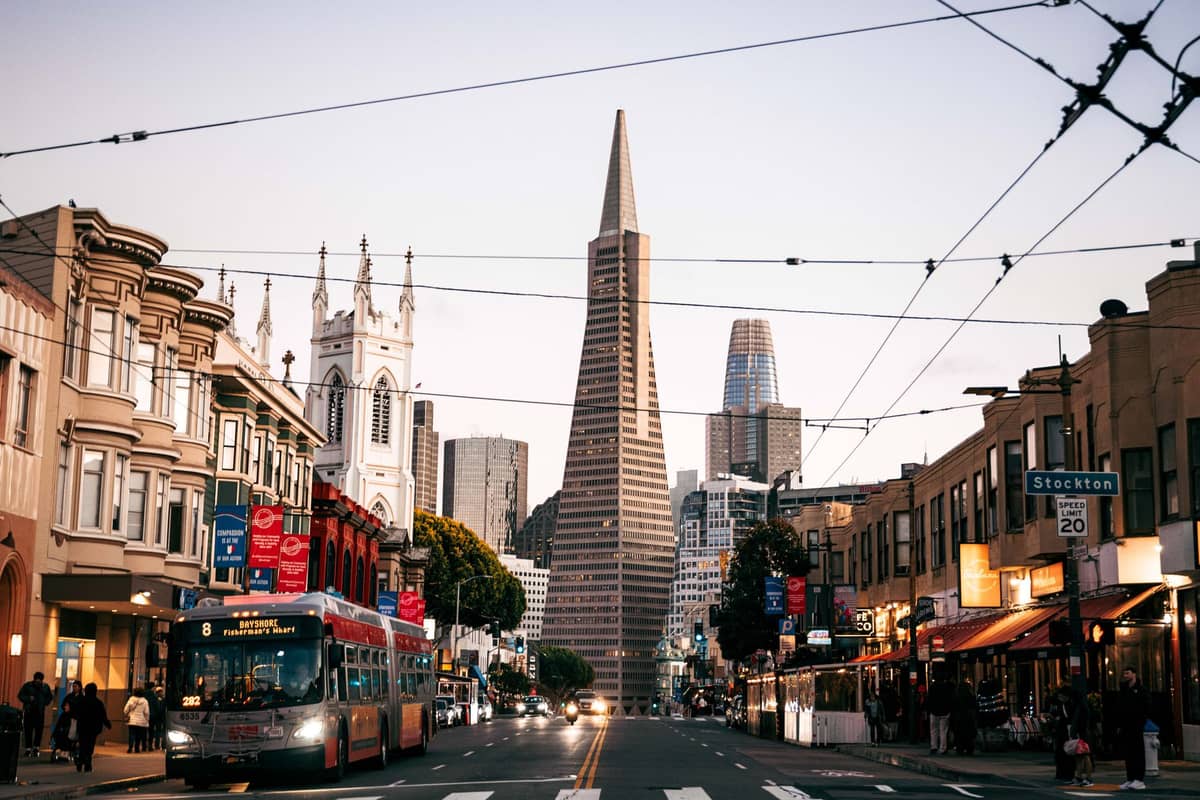
Transport is one area where visitors routinely overspend. The cable cars are photogenic and historically significant, but at about $9 per ride they are expensive if you use them as actual transport. The Muni bus and streetcar network covers the entire city for about $3 per trip, and the Visitor Passport makes even that unnecessary if you plan to ride multiple times per day.
The Muni Visitor Passport — available through the MuniMobile app, Clipper, or at select outlets — covers unlimited rides on buses, streetcars, and cable cars. At about $15 for one day, $35 for three days, and $47 for seven days, it pays for itself after two cable car rides. Load it onto a Clipper card for the fastest boarding. For everything you need to know about the iconic cable car routes, see the San Francisco cable car guide.
- BART (Bay Area Rapid Transit) connects SFO, downtown SF, the Mission, and the East Bay. It is the cheapest and most predictable option for airport transfers.
- Muni buses and the Metro light rail (lines J, K, L, M, N, T) cover neighborhoods that cable cars don't reach — including the Sunset, Richmond, and Mission districts.
- The historic F-line streetcar runs along Market Street and the Embarcadero all the way to Fisherman's Wharf and is covered by the Muni fare — no cable car price required.
- Riders 18 and under ride Muni buses and streetcars free. Seniors and riders with qualifying disabilities receive discounted fares.
- Rideshares (Uber, Lyft) are available everywhere but add up quickly if used regularly. Reserve them for late nights or trips with luggage.
For a complete breakdown of routes, passes, and navigating between neighborhoods, the guide to getting around San Francisco covers all modes in detail.
Free and Low-Cost Attractions Worth Your Time
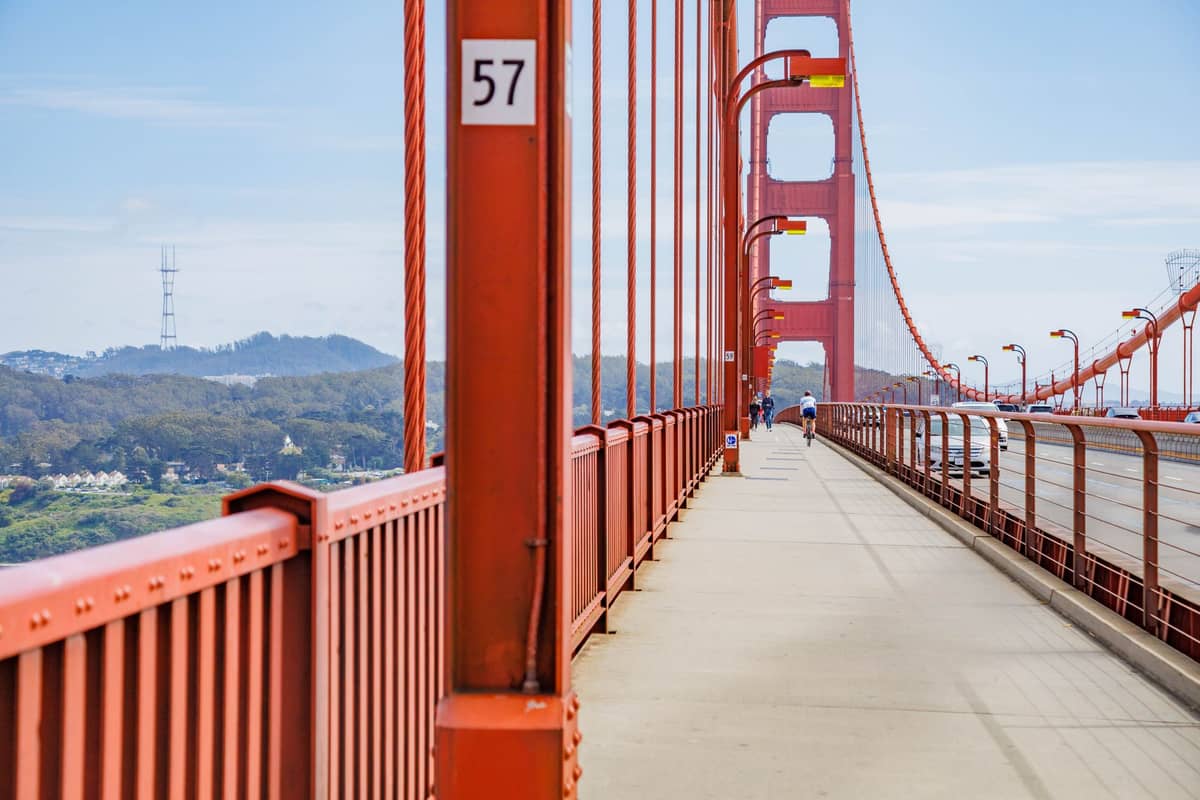
The most common misconception about visiting San Francisco on a budget is that the best experiences cost money. They don't. Walking the Golden Gate Bridge is free. Golden Gate Park — about 1,017 acres of trails, gardens, and open space — charges nothing for general access. The waterfront from the Ferry Building to Crissy Field is free. Chinatown and the Mission District are entirely free to explore.
Specific free highlights worth building into any itinerary: the Ferry Building Marketplace (browse the food stalls even if you don't buy), Crissy Field for bay views and beach access, Clarion Alley and Balmy Alley in the Mission for outdoor murals, and Twin Peaks for a 360-degree city panorama.
For paid attractions, the cost gap between full price and discounted entry is real. The California Academy of Sciences charges around $49–$55 for adults at the door. The de Young Museum and Legion of Honor are about $25 each for adults. If you plan to visit two or three of these, the Go City San Francisco pass or CityPASS (approximately $90 per adult for multi-attraction access over nine days) brings the effective per-attraction cost down significantly. Neither pass includes Alcatraz, which requires a separate advance booking regardless.
💡 Local tip
The San Francisco Botanical Garden in Golden Gate Park is free for San Francisco residents with ID and regular adult admission is around $13 for non-residents. Check each museum’s website for current free days — de Young and Legion of Honor no longer offer automatic free entry to all on the first Tuesday of each month and instead run specific free programs and select free days.
Eating Well Without Spending Much
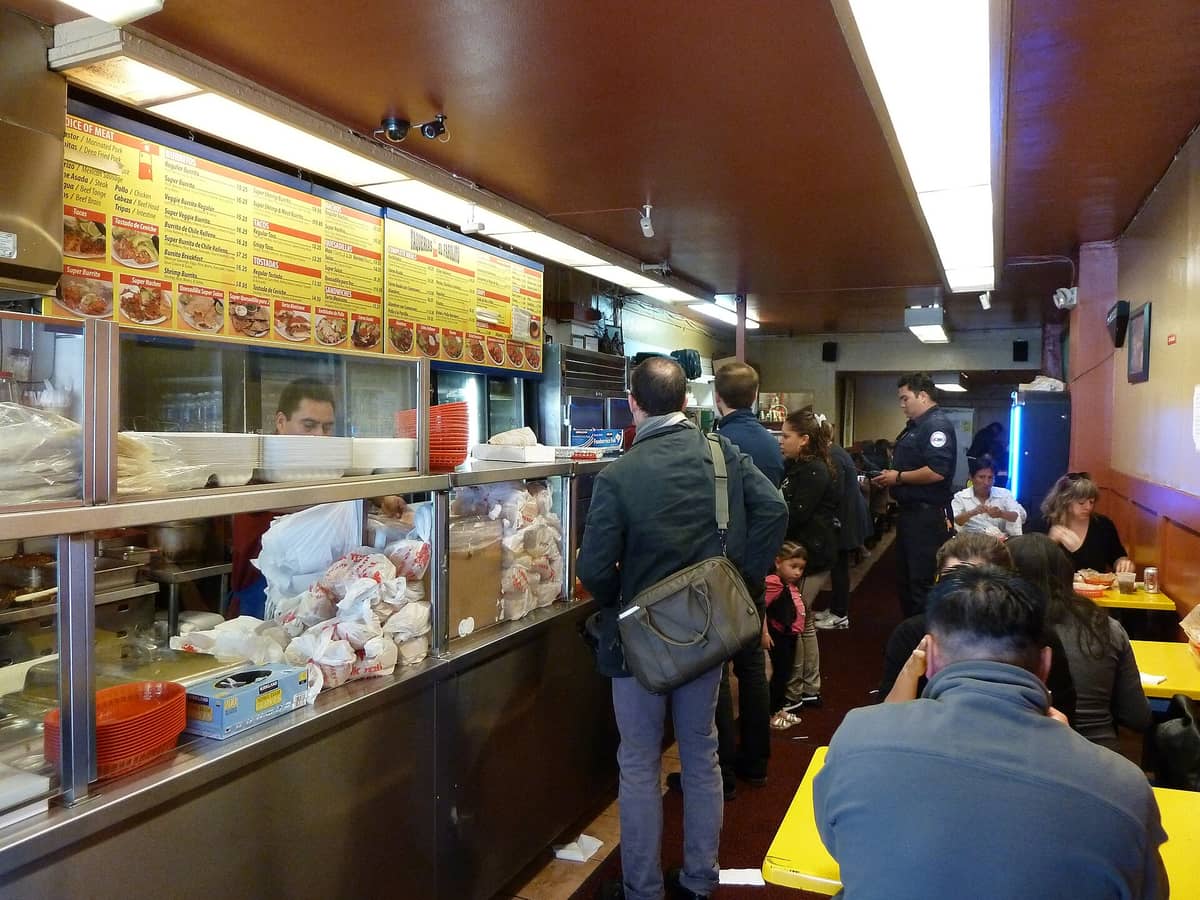
San Francisco's food scene has legitimate budget options alongside its expensive restaurant culture, but you need to know where to look. The Mission District is the clearest example: taquerias along Mission Street sell massive, properly assembled burritos for $8–$12. These are not tourist versions. Spots like these have been feeding the neighborhood for decades and represent one of the best value meals in any American city.
Beyond burritos, Chinatown's restaurants offer some of the cheapest sit-down meals in the city. Dim sum lunch at a no-frills spot along Grant Avenue or Stockton Street can come in under $15 per person. The Chinatown area also has bakeries selling egg tarts and cocktail buns for under $2 each — useful for breakfast on the move.
Avoid eating at Fisherman's Wharf unless you have a specific reason. The seafood there is priced for tourists and the quality rarely justifies the markup. The Ferry Building Marketplace has excellent food, but it leans expensive — treat it as an occasional splurge rather than a daily stop. The real value eating happens in the Mission, Chinatown, the Tenderloin (with caveats around comfort level at night), and the Sunset and Richmond districts, where immigrant communities run affordable restaurants that cater to locals.
✨ Pro tip
Grocery stores in San Francisco — Rainbow Grocery in the Mission, Trader Joe's near Fisherman's Wharf, and Safeway locations across the city — are significantly cheaper than eating out for every meal. Buying breakfast supplies and lunch items for a couple of days of a trip can save $15–$25 per person per day.
Budget Accommodation: What to Expect

Hostel dorm beds in San Francisco typically run $35–$60 per night depending on the property, season, and location. The city has a solid hostel infrastructure by American standards, with several well-reviewed options near Union Square and Fisherman's Wharf. Book at least two weeks in advance during summer and fall — good dorm beds at reputable hostels sell out.
Budget private rooms are harder to find. Basic hotel rooms for two in acceptable locations rarely come in under $120 per night even in the slow season, and the definition of 'acceptable' matters in San Francisco. The Tenderloin, which sits between Union Square and Civic Center, has cheap hotels but involves navigating a neighborhood with visible drug use and homelessness. Whether that is a concern depends on your experience level and comfort. For a detailed rundown of neighborhoods and where different types of travelers should stay, see the guide to where to stay in San Francisco.
- Best value timing January through March consistently offers the lowest nightly rates. Avoid booking during Fleet Week (October), major tech conferences, and holiday weekends.
- Location trade-offs Staying near BART stations in the Mission or near Civic Center gives easy access to the whole city without paying the Union Square or Fisherman's Wharf premium.
- Booking lead time Last-minute bookings in San Francisco are rarely cheaper. Book accommodation at least 2–3 weeks ahead for summer and fall visits.
FAQ
Is San Francisco really that expensive for tourists?
It is expensive by U.S. standards, but manageable with planning. The main costs are accommodation ($35–$60 per night in a hostel dorm, $120–$250 for a private room) and food if you eat in restaurants. Many major attractions are free, and public transit is cheap with the right pass. Budget $110–$160 per person per day for a comfortable budget trip, or $80–$110 if you cook some meals and skip paid attractions.
What is the cheapest way to get from SFO airport to the city?
BART is the cheapest and most reliable option. The BART station is inside the SFO International Terminal (connected via the airport's free AirTrain from other terminals). A one-way fare to downtown San Francisco costs approximately $10 and takes around 30 minutes. Rideshares typically cost $45–$65+ depending on traffic, and the express bus options take longer.
Are cable cars worth it for budget travelers?
At about $9 per single ride, cable cars are a significant expense if used as regular transport. They are worth doing once for the experience — and the Muni Visitor Passport (about $15 for one day, $35 for three days) makes cable car rides cost-neutral since the pass covers unlimited rides on all Muni services including cable cars. If you buy the Visitor Passport primarily to ride cable cars multiple times, it pays for itself quickly.
What are the best free things to do in San Francisco?
Walking across the Golden Gate Bridge, exploring Golden Gate Park (including Stow Lake and the Dutch Windmill), the waterfront walk from the Ferry Building to Crissy Field, the Mission District mural corridors on Balmy and Clarion Alleys, Twin Peaks viewpoint, and wandering Chinatown are all completely free. Check current policies on the de Young Museum and Legion of Honor websites for up-to-date information on free days and programs.
When is the cheapest time to visit San Francisco?
January through March offers the lowest hotel rates, typically 30–40% cheaper than September and October peak pricing. The weather is cooler and rainier during this period (the rainy season runs roughly November through March), but temperatures at night typically sit in the mid-to-upper 40s °F (around 8–9°C). If budget is the priority and the trip is flexible, late January through early March is the sweet spot between low prices and improving weather.