Getting Around San Francisco: The Complete Transit Guide
From BART airport transfers to cable car fares, this guide covers every way to get around San Francisco — with practical advice on what's worth it, what to skip, and how to navigate the city like someone who actually lives there.
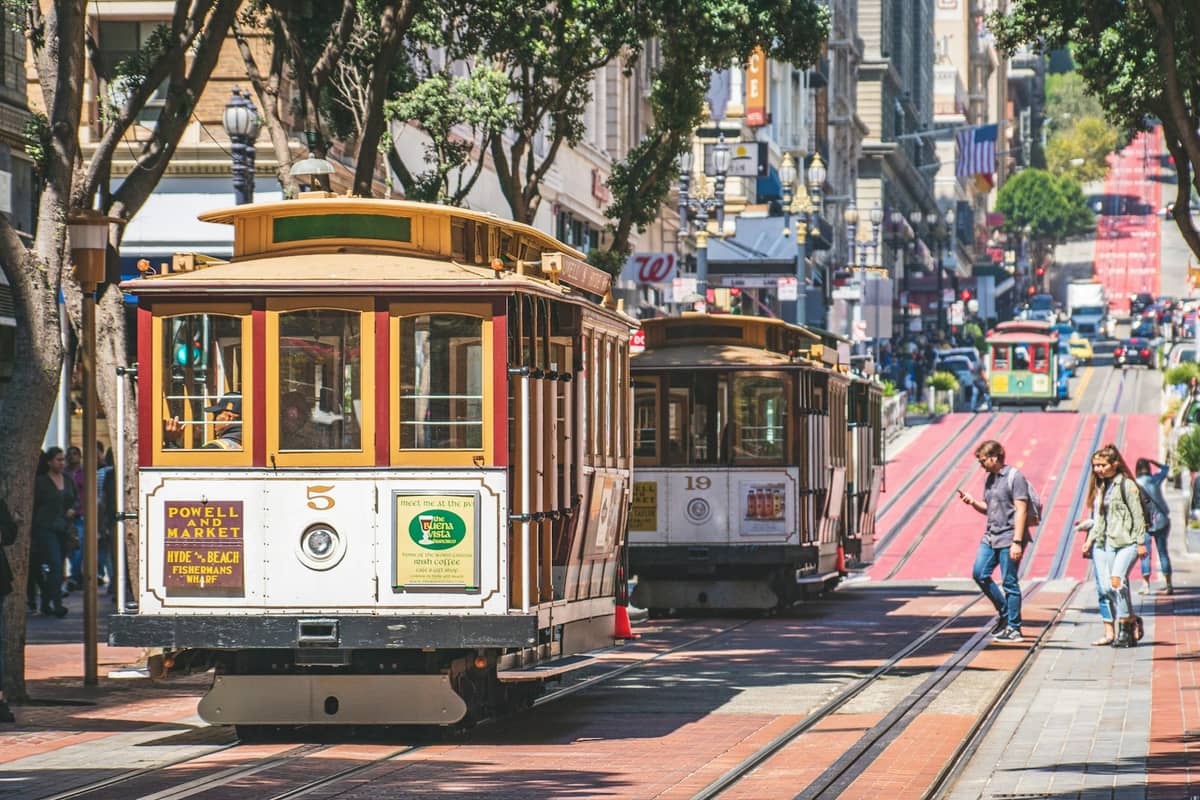
Plan and book this trip
Tools from our partner Travelpayouts help you compare flights and hotels. If you book through them, we may earn a commission at no extra cost to you.
Flights
Hotels map
TL;DR
- Get a Clipper Card immediately — it works on Muni, BART, cable cars, and most Bay Area ferries, and saves you money on every ride compared to cash fares.
- BART is the fastest and cheapest way from SFO to downtown San Francisco — around 30 minutes, versus 45-60+ minutes by car in typical traffic.
- Cable cars are a separate, premium service ($9 per ride) and are not included in standard Muni transfers — they're worth it once for the experience, not as daily transit.
- San Francisco is a small city by land area (under 47 square miles) but extremely hilly — walking between neighborhoods is realistic in flat areas like the Embarcadero or Mission District, but exhausting in others.
- Most Muni bus routes run 5 am to 1 am daily — plan ahead for late-night travel, when ride-hailing becomes the practical default.
Getting from SFO to Downtown San Francisco
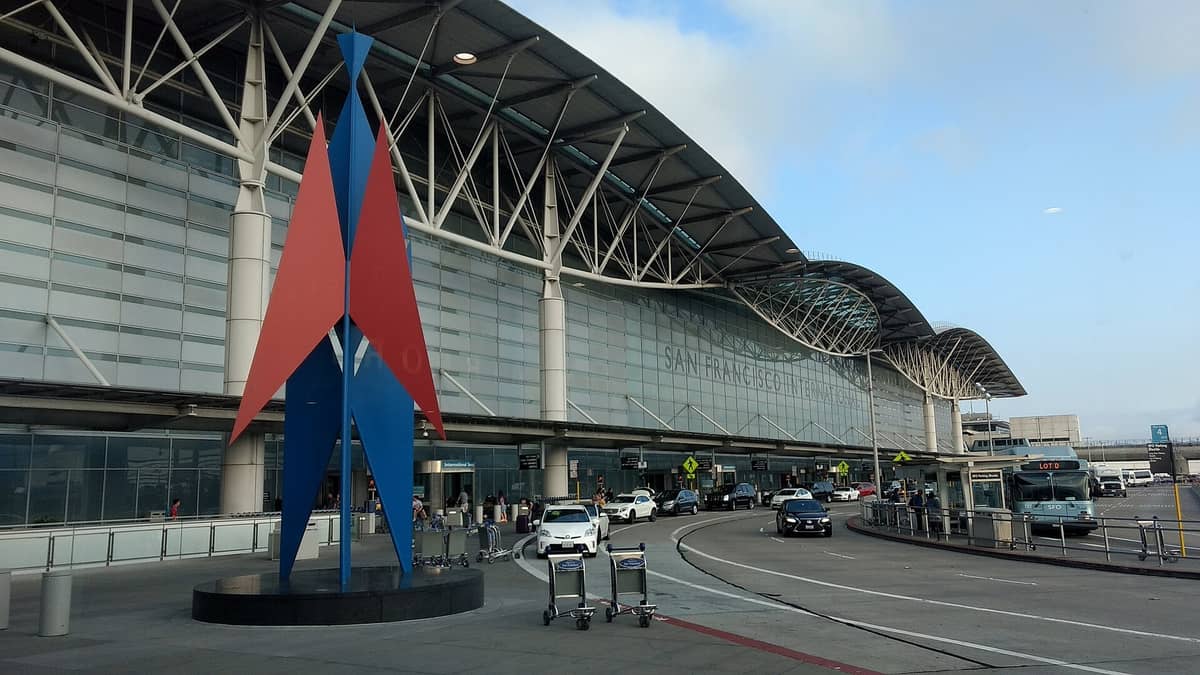
San Francisco International Airport (SFO) sits about 13 miles (21 km) south of downtown, in unincorporated San Mateo County. That detail matters because traffic on US-101 and I-280 can turn a 13-mile drive into a 60-minute slog during peak commute hours (roughly 7-9 am and 4-7 pm on weekdays). For most travelers, BART is the right call.
BART's SFO station is located inside the International Terminal, connected to all other terminals via the free AirTrain. From SFO, BART runs directly to downtown stations including Montgomery Street, Powell Street, and Civic Center, covering the distance in around 30 minutes. Fares are distance-based — expect to pay roughly $10-11 to central San Francisco destinations, payable with a Clipper Card or a paper ticket purchased at station machines. Trains run from approximately 5 am to midnight, with reduced frequency late at night and on weekends.
💡 Local tip
If you're arriving at Oakland International Airport (OAK) instead, take the OAK Airport Connector train to the Coliseum BART station, then BART into San Francisco. It takes roughly 45-50 minutes total to downtown SF and costs less than a rideshare by a wide margin.
Uber and Lyft operate at SFO from designated rideshare pick-up zones — follow airport signage carefully, as the pick-up areas are separate from taxis and have changed in recent years. Typical rideshare fares to downtown SF range from around $35-55 in normal conditions, but surge pricing during busy periods or bad weather can push that significantly higher. Taxis are available at the same curb areas and use metered fares. Neither option has a time advantage over BART unless you're heading somewhere BART doesn't directly serve or traveling with significant luggage.
Muni: The City's Backbone Transit System
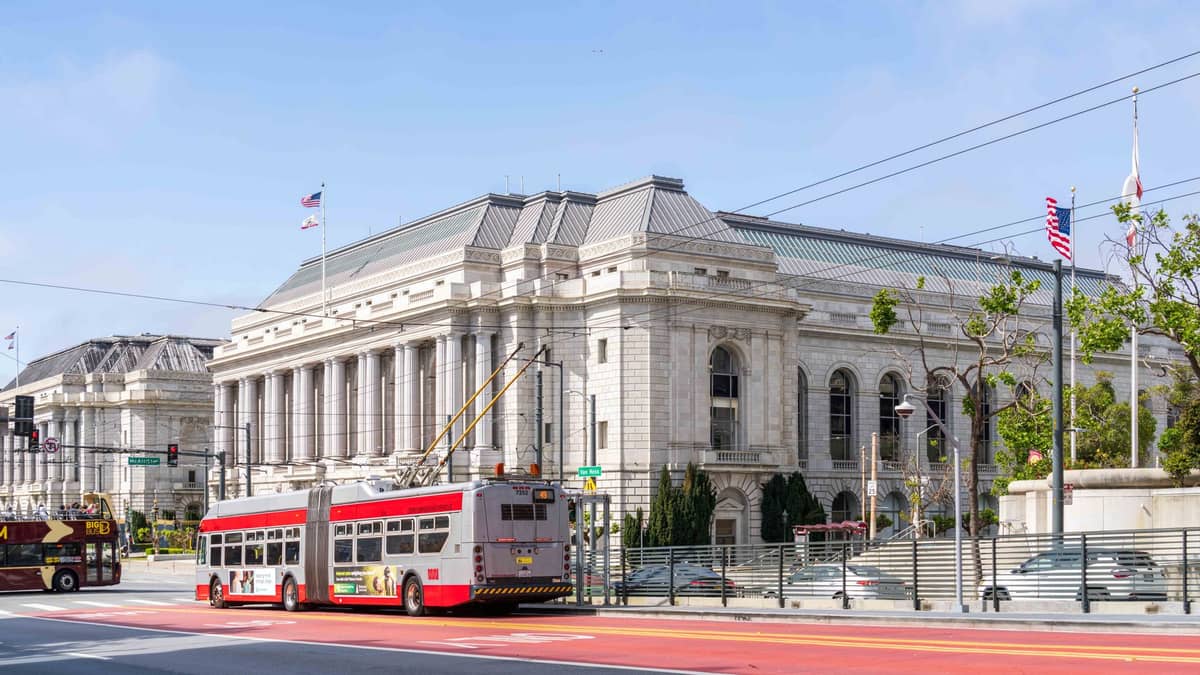
The San Francisco Municipal Transportation Agency (SFMTA) operates Muni, the city's own transit network. It's the system you'll use most for getting around within San Francisco. Muni covers four distinct modes: regular buses, electric trolleybuses, Muni Metro light rail, and the historic F-line streetcars that connect Market Street to Fisherman's Wharf. The F-line is genuinely useful transit, not just a tourist attraction — it runs along the waterfront and is often faster than walking between the Ferry Building and the Wharf.
The standard adult fare on buses and light rail is $3.00 cash, or approximately $2.50 with a Clipper Card or the MuniMobile app. That fare covers transfers within about a 120-minute window on Muni services only. Riders 18 and under ride free on most Muni buses and streetcars. Children under 5 typically ride free on cable cars. Service hours on most routes run roughly 5 am to 1 am daily, though some key routes operate owl (overnight) service.
- Muni Metro (light rail) Six lines (J, K, L, M, N, T) serve Market Street underground and extend into outer neighborhoods including the Sunset, West Portal, Bayview, and Mission Bay. The N-Judah line to Ocean Beach and the T-Third to Caltrain are particularly useful for visitors.
- F Market & Wharves streetcar Historic vintage streetcars running from Castro along Market Street to the Ferry Building and Fisherman's Wharf. Standard Muni fare, included in transfers. Scenic and practical.
- Express and rapid buses The Rapid network (indicated by 'R' suffix) skips stops for faster service on major corridors. The 38R Geary Rapid and 5R Fulton Rapid are worth knowing for cross-city travel.
- Late-night owl buses A limited number of routes (including the 90 and 91) run through the night. Coverage is thin — check the SFMTA website before counting on these.
⚠️ What to skip
Muni reliability varies significantly by route and time of day. The light rail tunnels under Market Street can experience delays due to boarding congestion. Check the MuniMobile app or SFMTA's real-time map before committing to a connection with a tight window.
Cable Cars: Worth It Once, Impractical as Transit
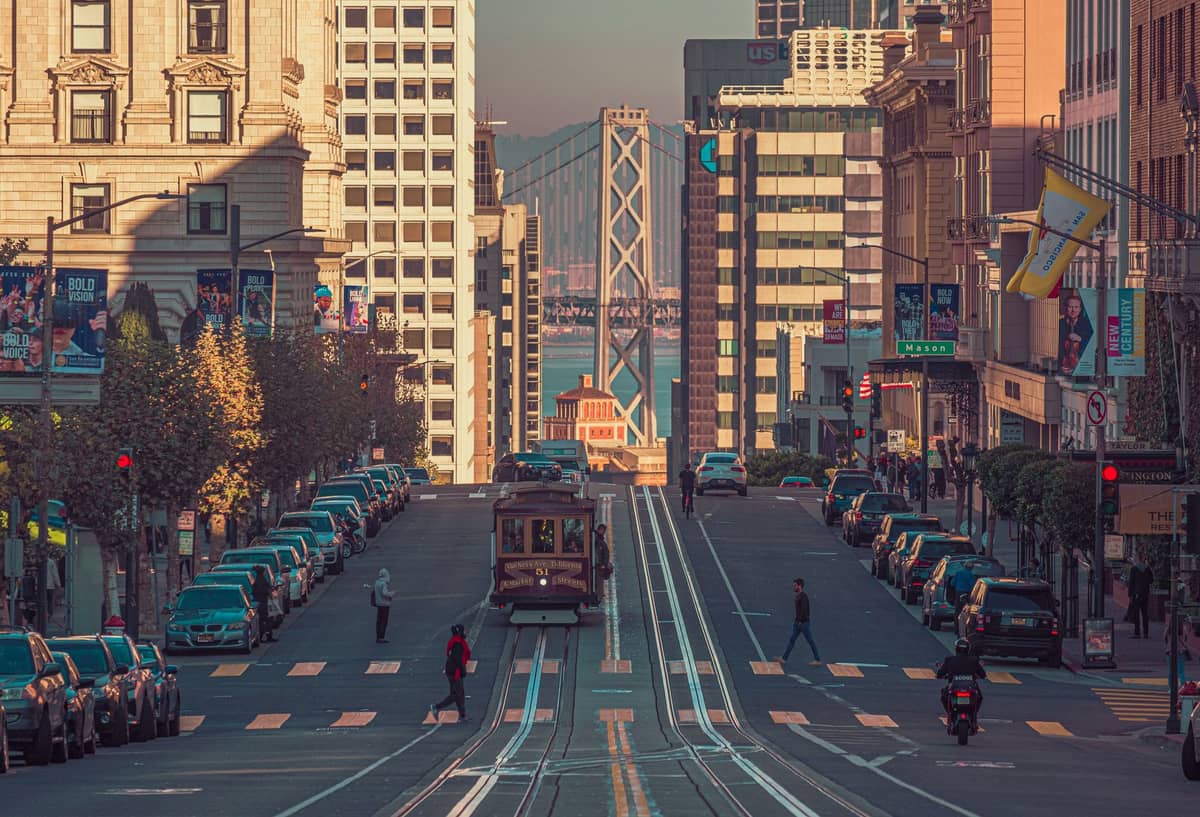
San Francisco's cable cars are one of the city's genuine icons, and the historic cable car system is a National Historic Landmark. Three lines operate: Powell-Hyde (the most scenic, running to Aquatic Park near Ghirardelli Square), Powell-Mason (to Fisherman's Wharf), and California Street (cross-town, less touristed and less crowded). The fare is currently listed at $9 per ride for riders over age 4.
Practical take: cable cars are an experience, not efficient transit. Lines at the Powell Street turnaround at the corner of Market Street regularly stretch for 30-60 minutes during tourist season, particularly on summer weekends. If you want to ride one without the wait, board mid-route (at California and Powell, for example, or at a stop along the California line away from the turnarounds) rather than at the terminus. The California Street line is significantly less crowded than the Powell lines and still offers genuine hills.
For a deeper look at the system's history and mechanics, the Cable Car Museum in Nob Hill is free to enter and shows the actual underground cable machinery in operation. It's one of the better free attractions in the city. For more context on the routes and logistics, see the San Francisco cable car guide.
BART and Getting Across the Bay
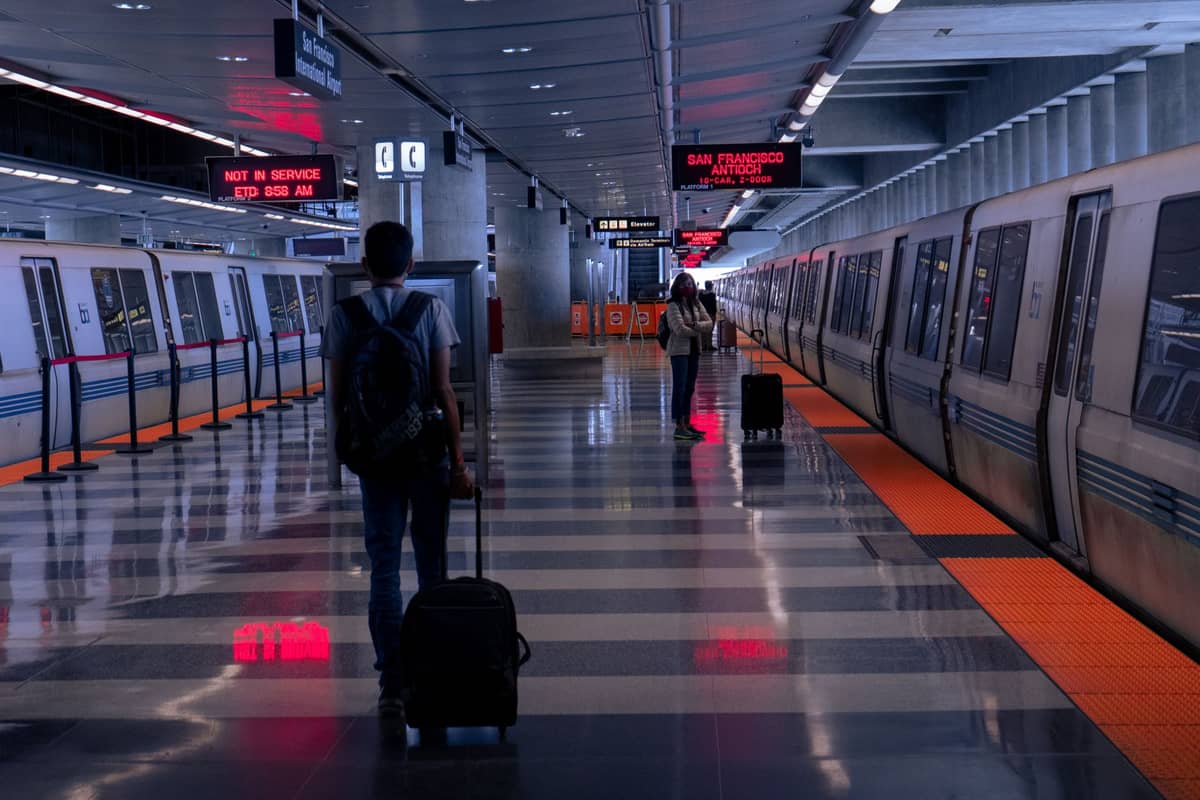
Bay Area Rapid Transit (BART) is a heavy-rail system that operates separately from Muni, with its own fare structure and infrastructure. Within San Francisco, BART runs under Market Street (sharing some stations with Muni Metro but not interchangeable for fare purposes) and serves 8 stations in the city, including Embarcadero, Montgomery, Powell, Civic Center, 16th Street Mission, 24th Street Mission, Glen Park, and Balboa Park.
For travel between San Francisco and Oakland, Berkeley, or other East Bay destinations, BART is far superior to driving or taking a bus across the Bay Bridge. Fares are distance-based: roughly $2-4 for short in-city trips, and $4-6 to Oakland or Berkeley. Trains run from approximately 5 am to midnight on weekdays, with reduced weekend hours (service starts later on Saturdays and Sundays). Use bart.gov or the official BART app for real-time arrivals and fare calculations.
✨ Pro tip
The Clipper Card gives a small discount on BART fares and eliminates the need to handle paper tickets. You can load money onto a Clipper Card online, at station machines, or at many retail locations. A physical card costs $3 to purchase — a digital Clipper through Apple Wallet or Google Pay avoids that fee.
Ferries, Regional Buses, and Other Options
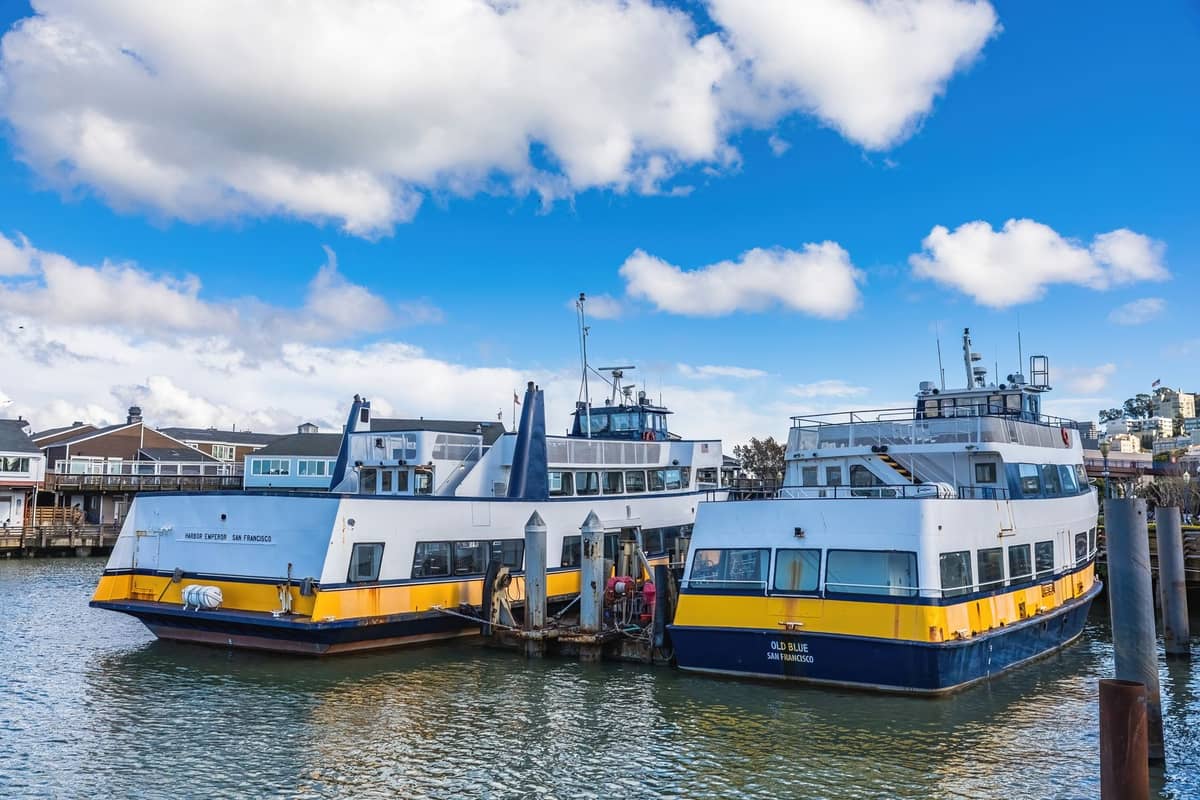
San Francisco's waterfront position makes ferry travel genuinely practical, not just scenic. The San Francisco Bay Ferry and Golden Gate Ferry together serve routes to Sausalito, Larkspur, Alameda, Oakland, and Vallejo, all departing from the Ferry Building at the Embarcadero. The Sausalito ferry is arguably the most enjoyable transit experience in the Bay Area — you get water views of the city, the Bay Bridge, and occasionally sea lions, for roughly $14 each way on a paper ticket, or about $8–$9 with Clipper. Most ferries accept Clipper.
If you're heading to Marin County, Golden Gate Transit buses cross the Golden Gate Bridge and serve towns like San Rafael and Novato. For the Muir Woods trip, note that the Muir Woods Shuttle (operated seasonally) requires advance reservations along with your park entry permit — you cannot simply drive up on a weekend without planning ahead. The free PresidiGo shuttle is worth knowing about if you're spending time in the Presidio; it connects the park to the Transit Center and Embarcadero at no cost.
- Golden Gate Ferry: SF Ferry Building to Sausalito (~30 min) and Larkspur (~60 min). Clipper accepted.
- SF Bay Ferry: Routes to Oakland, Alameda, and Vallejo. Useful for East Bay trips without driving.
- Golden Gate Transit buses: Cross-bay service to Marin County from downtown San Francisco, including the Transbay Transit Center.
- PresidiGo Shuttle: Free service within the Presidio and to downtown on select routes.
- Caltrain: Commuter rail from 4th & King Street to San Jose and beyond. Useful for Silicon Valley day trips.
- AC Transit: East Bay bus network connecting BART stations to neighborhoods in Oakland and Berkeley.
Driving, Parking, and Ride-Hailing
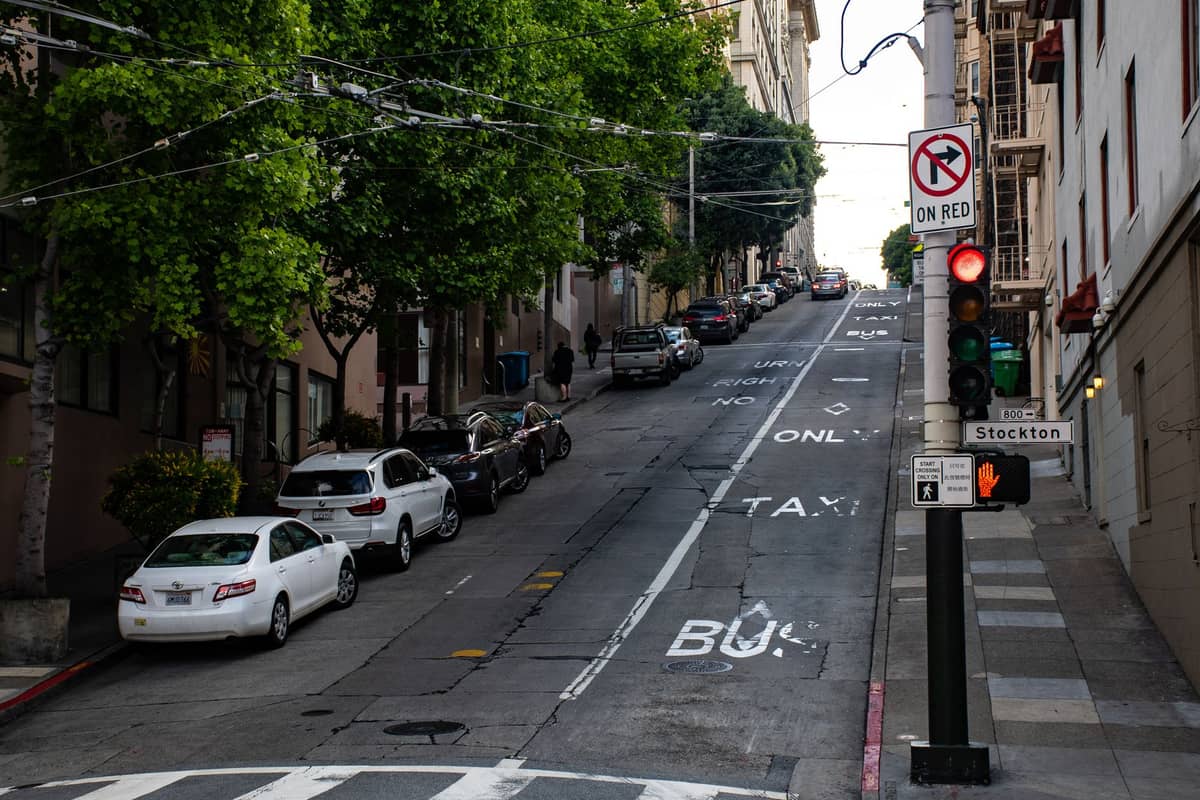
Renting a car in San Francisco for city sightseeing is one of the least efficient choices you can make. Parking is expensive (expect $30-50 per day in garages near tourist areas), street parking is extremely competitive, and hill starts on the city's steeper streets require practice if you're not used to them. Car break-ins are a known issue in certain areas — leaving anything visible in a parked car, including bags in the trunk, is genuinely inadvisable. That said, a car becomes useful if you're doing day trips to Napa, Muir Woods, or the coast.
Uber and Lyft are widely available and work well for late-night travel when Muni is limited. For single trips across town during off-peak hours, they're competitive with the hassle of multiple transit transfers. During peak hours or special events (like Fleet Week or major Giants games at Oracle Park), surge pricing can make rideshares expensive and slow. At those times, BART or Muni will almost always get you there faster and cheaper.
Walking deserves serious consideration in the flatter parts of the city. The stretch from the Ferry Building through North Beach to Fisherman's Wharf is entirely walkable and takes about 30-40 minutes at a relaxed pace. SoMa to Union Square is a 15-minute walk. The hills between neighborhoods like Nob Hill and the Financial District are another matter entirely — save your legs for the flat routes and use transit for the climbs.
FAQ
What is the cheapest way to get from SFO to San Francisco downtown?
BART is the cheapest option at roughly $10-11 to central downtown stations, plus it avoids traffic entirely. The trip takes about 30 minutes. Take the free AirTrain from your terminal to the SFO BART station, then board a train toward Millbrae/San Francisco or Antioch/Pittsburg direction depending on the time of day — check the destination board carefully.
Is the Clipper Card worth getting as a tourist?
Yes, if you're staying more than a couple of days. It saves a small amount per Muni ride compared to cash, eliminates fumbling for exact change, and works across BART, cable cars, and many Bay Area ferries. You can get one at BART station machines, some Muni stations, or online. The physical card costs $3; a digital version via Apple or Google Wallet is free to set up.
Do I need a car to visit San Francisco?
No. The vast majority of tourist attractions are reachable by Muni and BART. A car becomes worth considering only for day trips outside the city, like Napa Valley, Muir Woods on weekdays, or the coastal towns south of SF. Within the city, a car creates more problems (parking costs, break-in risk, traffic) than it solves.
How do I get around San Francisco late at night?
Muni runs limited overnight 'owl' bus routes, but coverage is sparse. After about 1 am, Uber and Lyft are the practical default for most neighborhoods. BART stops running around midnight, so if you're coming back from an East Bay event late, plan accordingly. Taxis can be hailed or called but are less consistently available than app-based rideshares.
Are cable cars included in a regular Muni pass or transfer?
No. Cable cars operate on a separate fare ($9 per ride) and are not included in standard Muni bus/rail transfers. Some multi-day visitor passes do include cable car rides — check the SFMTA website for current pass options if you plan to ride multiple times.