Muir Woods from San Francisco: The Complete Day Trip Guide
Muir Woods National Monument sits just 12-17 miles north of San Francisco, protecting one of the last old-growth coast redwood stands in the Bay Area. This guide covers everything you need to plan a successful day trip: mandatory reservations, transport options, trail choices, seasonal timing, and the common mistakes that catch first-time visitors off guard.
Plan and book this trip
Tools from our partner Travelpayouts help you compare flights and hotels. If you book through them, we may earn a commission at no extra cost to you.
Flights
Hotels map
TL;DR
- Muir Woods is a national monument in Marin County, not a city park — it requires a 30-40 minute drive or shuttle ride across the Golden Gate Bridge.
- Reservations are mandatory for both parking ($10/vehicle) and shuttle access; walk-up entry without a reservation will likely turn you away.
- Entry costs $15 per person (ages 16+); book through the official Go Muir Woods system at gomuirwoods.com.
- Weekdays from September through April offer the fewest crowds — pair with other day trips from San Francisco if you want to extend the adventure.
- Wear layers: the redwood canyon stays cool and damp year-round, even on warm Bay Area days.
What Muir Woods Actually Is (and What It Isn't)
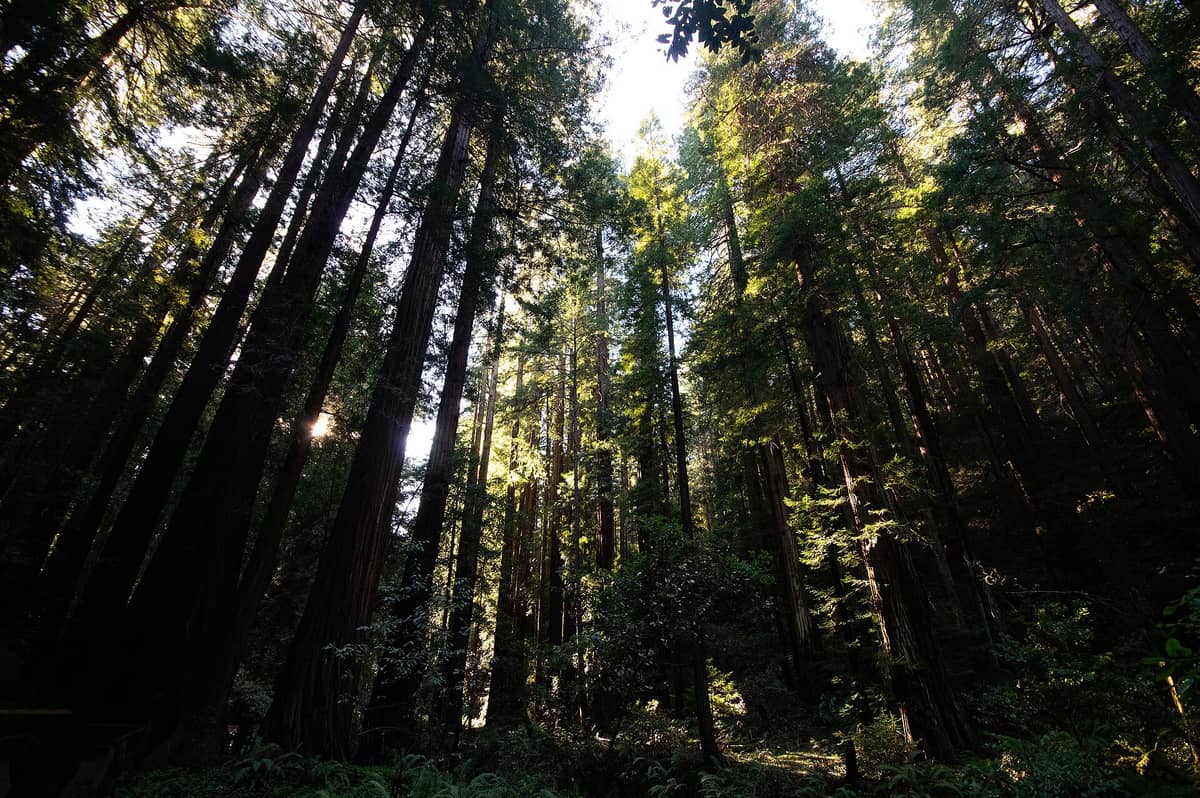
Muir Woods National Monument is a 554-acre preserve in Marin County, part of the Golden Gate National Recreation Area. It protects one of the few remaining old-growth coast redwood (Sequoia sempervirens) stands in the greater Bay Area. The trees here reach up to 258 feet tall, with most estimated to be 500–800 years old and the oldest on record roughly 1,200 years. The U.S. federal government designated it a national monument in 1908, and the National Park Service manages it today.
A point worth stressing: Muir Woods is not inside San Francisco, and it is not a simple urban park you can drop into on a whim. It sits in a narrow canyon below Mount Tamalpais, accessible via winding two-lane roads with no overflow parking. This geography is exactly why the reservation system exists. Showing up without a booking on a weekend is a real risk of being turned away at the gate.
⚠️ What to skip
Do not confuse Muir Woods with Muir Beach or Mount Tamalpais State Park, both nearby. Muir Woods specifically refers to the national monument and its old-growth canyon. The reservation and fee system applies to the monument entrance only.
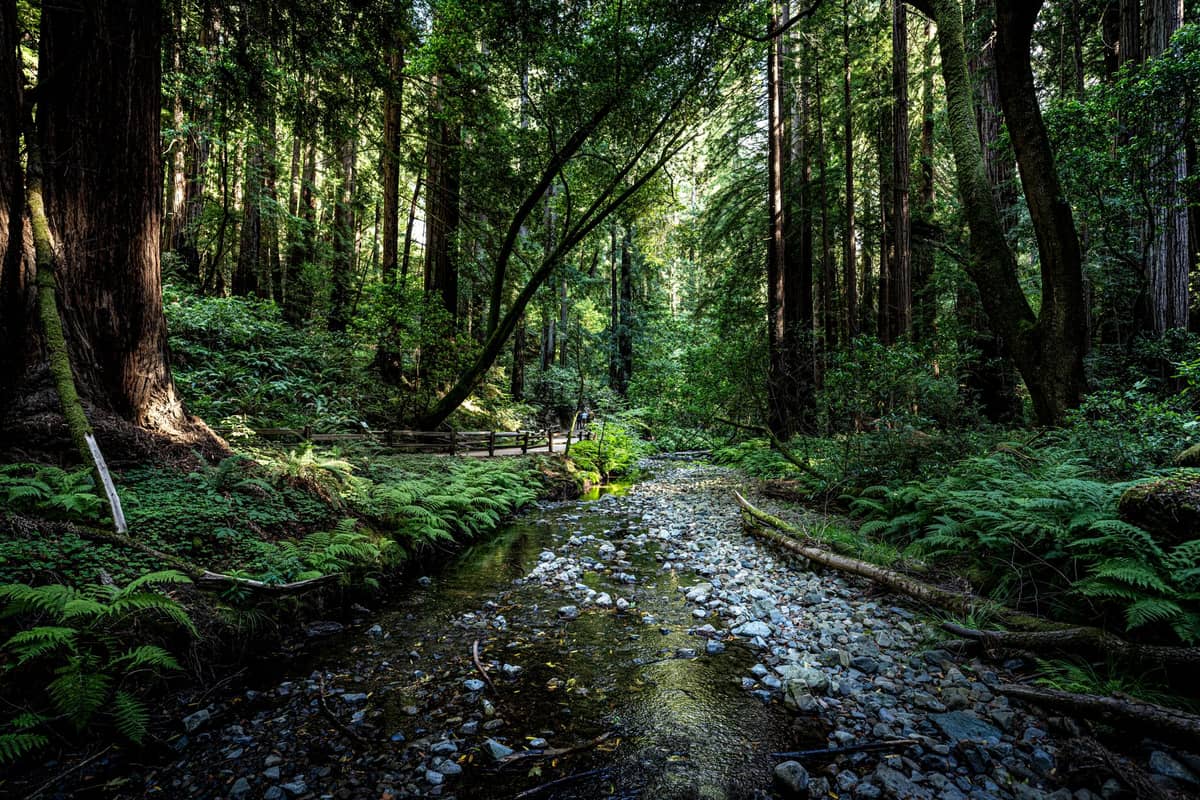
The forest itself is worth the nuance. Six miles of trails wind through the canyon floor and up the hillsides, ranging from a flat, paved main loop accessible to most visitors to steeper backcountry routes that connect to Mount Tamalpais. The canopy is so dense in places that midday sunlight filters down in angled shafts, and the air stays cool and humid even when the rest of the Bay Area bakes. For anyone who hasn't stood next to a 600-year-old tree, the scale is genuinely arresting.
Reservations, Fees, and the Booking System
The single most important logistical fact about Muir Woods: all vehicle parking reservations and Muir Woods Shuttle tickets must be booked in advance through the official Go Muir Woods system (gomuirwoods.com). This isn't advisory — it's enforced. Cars without parking reservations are turned away during busy periods, typically weekends and holidays from spring through fall.
- Park entry fee $15 per person, ages 16 and up. Free for children under 16. A Muir Woods annual pass is $45.
- Parking reservation $10 per standard vehicle (under 17 feet), booked in advance via Go Muir Woods. Spaces are assigned to specific time windows.
- Muir Woods Shuttle ticket $4 per person round-trip for ages 16+ when the shuttle is operating (under 16 free). Must also be reserved in advance.
- America the Beautiful passes Cover the entry fee for pass holders and their passengers. The Senior Lifetime pass costs $80. Parking reservations are still required even with a pass.
✨ Pro tip
Book parking or shuttle tickets as far ahead as possible — popular weekend slots fill weeks out, especially in spring and summer. If your preferred date is sold out, check back: cancellations do open up, and the system releases a small number of same-day slots early each morning.
Hours vary seasonally, so always confirm current opening times on the NPS Muir Woods page (nps.gov/muwo) before your visit. The monument is generally open daily, but shuttle schedules are more limited outside peak season, and early morning and evening access windows can differ from midday hours.
Getting There from San Francisco
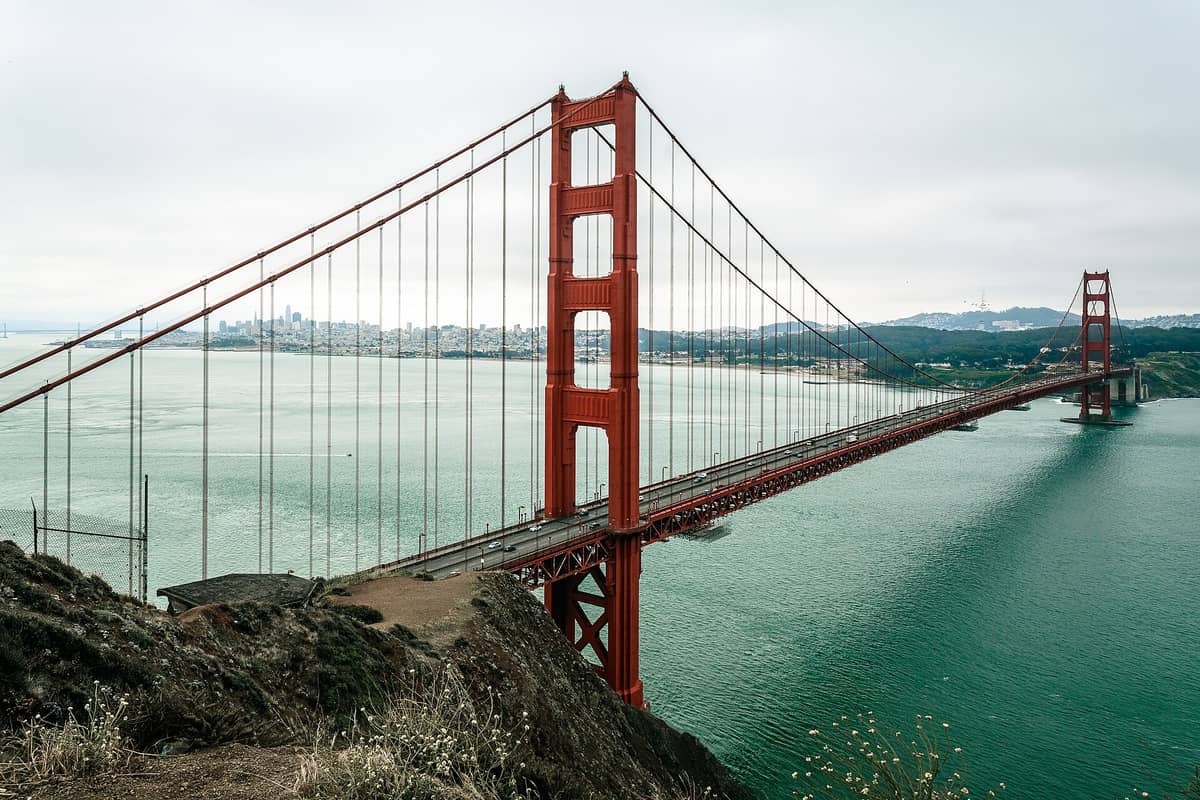
Muir Woods is roughly 12-17 miles north of San Francisco, but the distance is misleading. The drive across the Golden Gate Bridge and through the Marin Headlands takes 30-45 minutes in light traffic and considerably longer on busy weekend mornings. The final stretch on Muir Woods Road is a single-lane switchback — do not expect to make up time at the end.
- By car Take US-101 North across the Golden Gate Bridge, exit at Mill Valley/Stinson Beach (CA-1), follow signs to Muir Woods Road. You must have a parking reservation before you leave San Francisco — GPS will get you there but won't get you a spot.
- Muir Woods Shuttle Seasonal shuttle service runs from Sausalito Ferry Terminal and Marin City. Board the ferry from San Francisco's Ferry Building to Sausalito, then connect to the shuttle. This is the most environmentally low-impact option and avoids parking stress entirely.
- Organized tour Multiple operators run small-group tours from San Francisco that handle transportation and often combine Muir Woods with Sausalito or the Marin Headlands. These cost more (roughly $50-100+ per person) but remove all logistics.
- Rideshare (Uber/Lyft) Technically possible, but the narrow road and limited drop-off area make this impractical on busy days. You'll also face difficulty getting a return pickup from the parking lot.
The shuttle-and-ferry combination deserves more attention than it gets. Take the Golden Gate Ferry from the Ferry Building to Sausalito (about 30 minutes), then board the Muir Woods Shuttle. You arrive at the monument without touching a car, and the ferry crossing itself is a worthwhile experience with views of the bay and the bridge. Check current shuttle schedules on gomuirwoods.com, as the service doesn't run year-round.
Trails: What to Walk and How Long It Takes
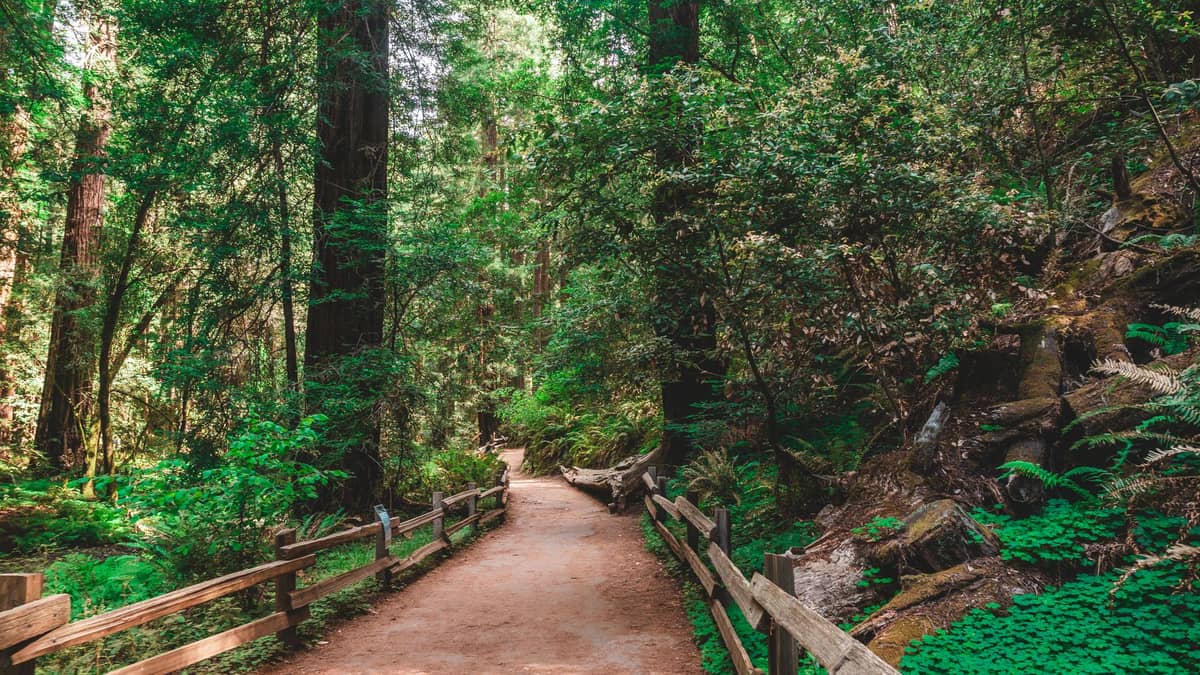
Muir Woods has roughly six miles of trails total, but the heart of any visit is the flat, paved Main Trail that runs along Redwood Creek through the canyon floor. This is the 0.7-mile loop that most day-trippers walk, passing Cathedral Grove where the tallest trees cluster. It's fully accessible and takes about 45 minutes at a relaxed pace. For most first-time visitors, this loop alone justifies the trip.
Beyond the main loop, the Hillside Trail offers a slightly elevated perspective above the canyon and connects to the Fern Creek Trail. More serious hikers can extend their route onto the Mount Tamalpais trail network, climbing out of the redwood canyon into open chaparral with sweeping views of the Marin coast. These connections add 2-4 hours and several hundred feet of elevation, so gear and fitness expectations should adjust accordingly.
- Main Trail loop (mostly flat boardwalk and hardpacked surface): 0.7 miles, about 45 minutes, largely wheelchair accessible along key sections
- Bootjack Loop via Hillside Trail: roughly 2 miles, 1-1.5 hours, moderate elevation
- Ben Johnson Trail to Mount Tamalpais connection: 4+ miles round trip, 3-4 hours, strenuous
- No dogs, no bicycles, no picnicking inside the monument (picnic areas are near the parking lot)
💡 Local tip
The canyon floor stays noticeably cooler and darker than the surrounding hillsides. Even on a warm San Francisco day in September or October, bring a light jacket for the trail. Mornings can be misty, which makes for atmospheric photography but also slippery wooden boardwalks — wear shoes with grip.
Best Time to Visit: Seasons, Crowds, and Weather
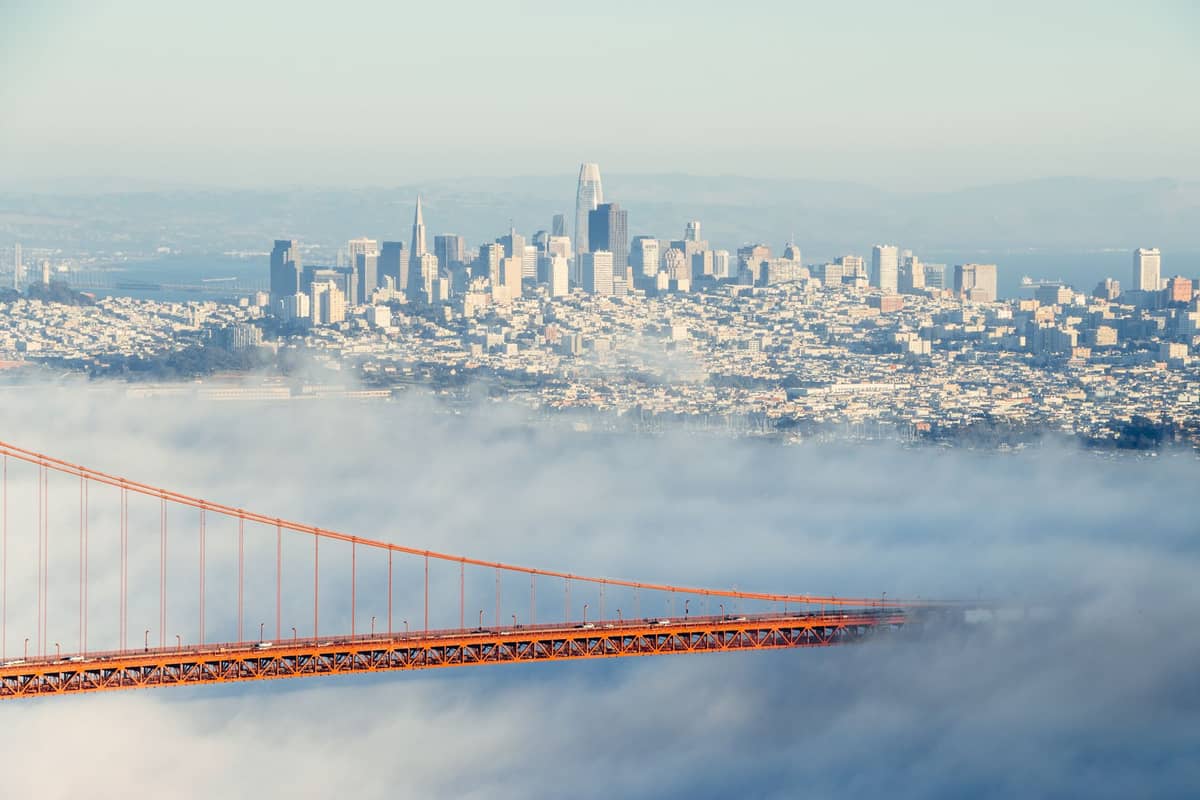
September and October are the sweet spot for this day trip. San Francisco's warmest, clearest months fall in late summer and early fall, and by September the summer tourist peak has dropped enough that weekday visits become genuinely comfortable. The redwood canyon doesn't change dramatically with the seasons the way deciduous forests do, but autumn light filtering through the canopy is particularly good for photography.
Spring (March through May) brings lush ferns, higher creek levels, and the brightest greens in the forest floor. It's popular, especially on weekends, so book early. Summer weekends from June through August are the busiest period by far: expect families, tour groups, and shuttle queues. The marine layer that keeps San Francisco cool in summer also keeps the canyon misty, which is atmospheric but means you won't necessarily get bright sunshine.
Winter visits (November through February) are underrated. Crowds drop significantly on weekdays, the light inside the canyon takes on a moody quality, and rainfall actually benefits the forest aesthetically. The rainy season means some trails can be muddy, and the shuttle may not operate, so you'll need a car reservation. But if you can tolerate the weather, January or February weekday visits are some of the most peaceful the monument offers.
Combining Muir Woods with Other Nearby Stops
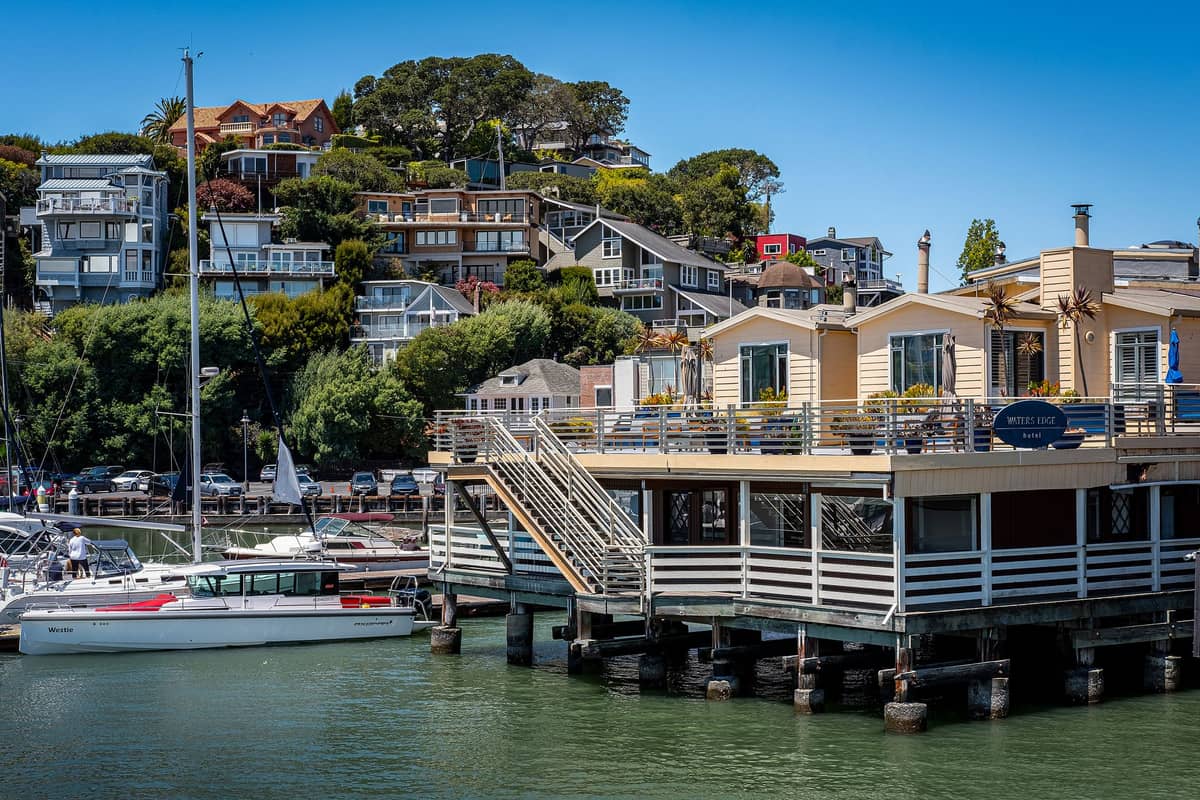
Muir Woods pairs naturally with Sausalito, especially if you take the ferry route. Sausalito is a small waterfront town with galleries, restaurants, and the kind of harbor views that reward a slow afternoon lunch. Spending a morning at Muir Woods and the afternoon in Sausalito is a very manageable day from San Francisco.
The Marin Headlands lie between San Francisco and Muir Woods and offer some of the best views of the Golden Gate Bridge from the north side. Stopping here on the drive to or from Muir Woods adds 30-60 minutes and requires only a brief detour off US-101. If you're already driving across the bridge, this stop costs nothing extra and delivers a perspective of the bridge that most visitors miss entirely.
For a longer circuit, Mount Tamalpais State Park surrounds the monument and its summit at 2,571 feet provides panoramic views stretching from the Bay Area to the Pacific. This extends a half-day Muir Woods visit into a full day in Marin County. Stinson Beach is another 20 minutes west and offers a rare stretch of swimmable Pacific coast, though water temperatures stay cold year-round. See the broader day trips from San Francisco guide for how to sequence these destinations efficiently.
ℹ️ Good to know
Muir Woods has a visitor center, a cafe, and a gift shop near the entrance. The cafe serves sandwiches, snacks, and hot drinks — useful if you didn't pack lunch. There are no restaurants inside the monument, and eating on the trails is not permitted. Plan to eat at the entrance area or wait until Sausalito.
FAQ
Do I need a reservation to visit Muir Woods?
Yes. All vehicle parking and Muir Woods Shuttle tickets must be reserved in advance through the official Go Muir Woods system at gomuirwoods.com. Walk-in access is not guaranteed and vehicles without reservations are routinely turned away during busy periods. Book as far ahead as possible for weekends and holidays.
How long does a Muir Woods day trip from San Francisco take?
Allow at least half a day. The drive takes 30-45 minutes each way in good traffic. Walking the main trail loop takes 45-60 minutes; more extensive hiking adds 2-3 hours. Factor in shuttle wait times if you're not driving. A comfortable trip including travel and a reasonable amount of time in the forest runs 4-6 hours total.
Can I get to Muir Woods without a car?
Yes. The Muir Woods Shuttle operates seasonally from Sausalito and Marin City, and Sausalito is reachable by ferry from San Francisco's Ferry Building. Shuttle tickets must also be reserved in advance via Go Muir Woods. Check current seasonal schedules before planning your trip, as the shuttle doesn't run year-round.
What is the entry fee for Muir Woods?
The entry fee is $15 per person for visitors aged 16 and older. Children under 16 enter free. A Muir Woods-only annual pass for unlimited visits is $45. America the Beautiful passes (including the $80 Senior Lifetime pass) cover the entry fee for the pass holder and accompanying adults, but parking reservations still require a separate fee of $10 per standard vehicle.
What should I wear and bring to Muir Woods?
Wear layers regardless of the weather forecast in San Francisco — the redwood canyon is consistently cooler and damper than the surrounding area. Sturdy, closed-toe shoes with grip are strongly recommended, as wooden boardwalks can be slippery when wet. Bring water and snacks; food is available near the entrance but not on the trails. Dogs and bicycles are not permitted inside the monument.