San Francisco Ferry Guide: Routes, Schedules, Fares & Practical Tips
San Francisco's ferry network spans two separate operators, multiple terminals, and fares that vary by route and payment method. This guide breaks down every major route, current pricing, and how to avoid the most common mistakes first-time riders make.
Plan and book this trip
Tools from our partner Travelpayouts help you compare flights and hotels. If you book through them, we may earn a commission at no extra cost to you.
Flights
Hotels map
TL;DR
- San Francisco ferry service is split between two operators: San Francisco Bay Ferry and Golden Gate Ferry. Routes, fares, and schedules differ between them.
- The main hub for both operators is the Ferry Building Marketplace on the Embarcadero. Some routes also depart from Pier 41 near Fisherman's Wharf.
- Fares vary by route, operator, and payment method. Using a Clipper card or contactless payment typically costs less than single-ride paper or prepaid tickets on Golden Gate Ferry.
- Children under 4 or 5 ride free depending on the operator. Always verify the current fare on the specific route page before departure.
- Schedules change for holidays and special events. Check both operator websites directly for up-to-date information before you travel.
The Basics: Two Operators, One Bay
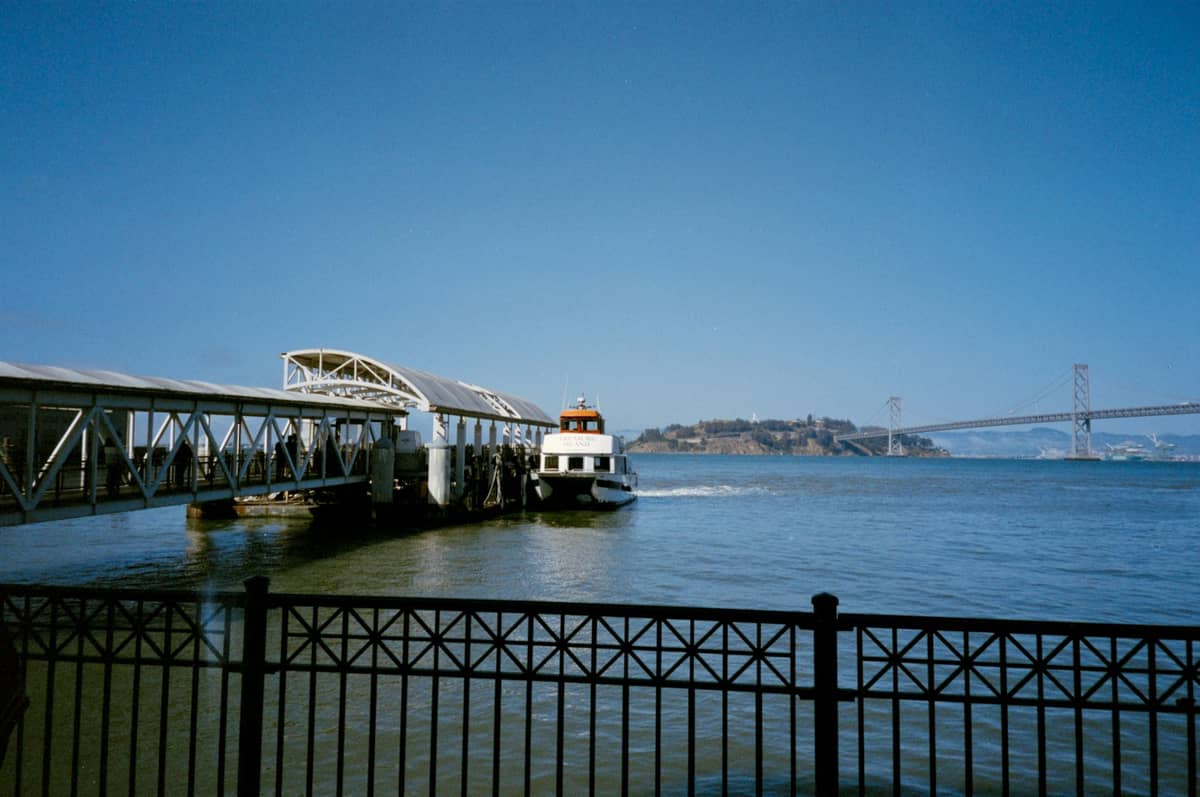
The single biggest source of confusion around the San Francisco ferry system is that it is not one unified network. Two separate agencies run ferry service across the Bay, each with its own terminals, ticketing, schedules, and fare structures. If you bought a ticket through the wrong operator's app or showed up at the wrong pier, you have plenty of company. The Embarcadero is the geographic anchor for both, but the routes they serve and how you pay are entirely different.
San Francisco Bay Ferry, administered by the Water Emergency Transportation Authority (WETA), runs commuter and regional routes connecting San Francisco to the East Bay and North Bay: Oakland, Alameda, Richmond, Vallejo, and South San Francisco. Golden Gate Ferry, operated by the Golden Gate Bridge Highway and Transportation District, handles routes to Marin County: Larkspur, Sausalito, and Tiburon, plus seasonal service to Angel Island.
⚠️ What to skip
Do not assume ferry service from Pier 41 and ferry service from the Ferry Building are interchangeable. Pier 41, near Fisherman's Wharf, primarily serves Blue & Gold Fleet tourist routes and some Alcatraz-related services. The Ferry Building, about 1.5 miles south on the Embarcadero, is the main hub for Golden Gate Ferry departures and all regular San Francisco Bay Ferry routes. Always check your departure terminal before arriving.
San Francisco Bay Ferry: East Bay and Beyond
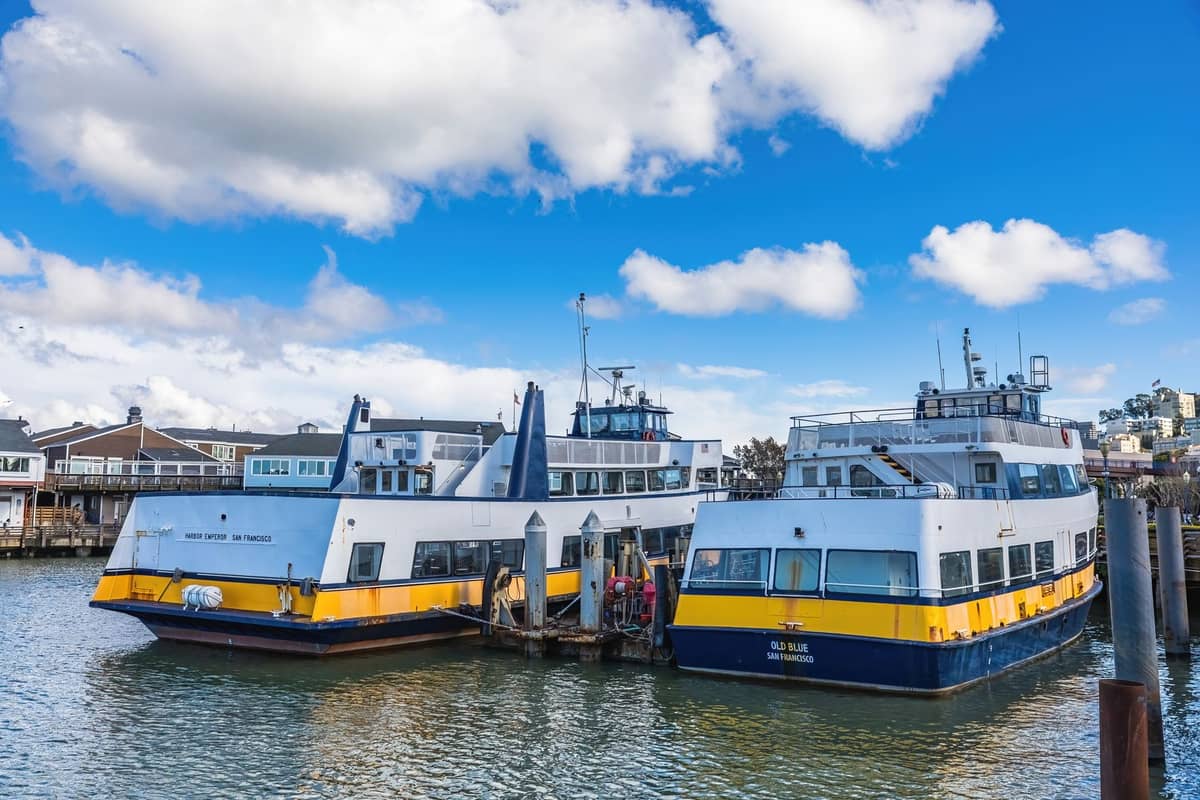
San Francisco Bay Ferry covers the most geographically diverse set of routes in the network. The core routes serve Oakland and Alameda, Richmond, Vallejo, and South San Francisco. Weekday service is more frequent on most routes, reflecting their commuter focus. Several routes operate weekends as well, but the timetable thins considerably, so check the schedule if you are traveling on a Saturday or Sunday.
- Oakland and Alameda The most frequent Bay Ferry route, connecting downtown San Francisco to Jack London Square in Oakland and the Alameda Main Street terminal. Post July 2026 fare: around $5.10 adult, with some route pages listing $4.90. Verify the current fare on the Bay Ferry website before travel.
- Richmond Connects San Francisco to the Richmond Ferry Terminal. Similar pricing to Oakland/Alameda, around $5.10-$5.20 adult. Weekday-focused service.
- South San Francisco Serves the South San Francisco Ferry Terminal, useful for travelers heading to the biotech corridor. Fare around $7.60 adult. Less frequent than East Bay routes.
- Vallejo The longest Bay Ferry route, running roughly 26 nautical miles north. Adult fare around $10.00. Vallejo service is a practical alternative to driving I-80 during peak commute hours and also used by visitors heading to Six Flags Discovery Kingdom.
- Oakland Alameda Water Shuttle A short-hop connector between Oakland and Alameda terminals. Currently listed as free. Verify current status on the Bay Ferry website.
💡 Local tip
Bay Ferry fares are subject to periodic updates. A fare change took effect July 1, 2026. Always check the specific route page on sanfranciscobayferry.com for the latest posted fares, as individual route pages sometimes show different figures than the general fare change announcement.
Bay Ferry also provides extra service during major events. During Fleet Week, for example, the operator runs additional departures and has offered free weekend trips between the Ferry Building and Pier 41. If you are planning to attend a large event on the waterfront, check the Bay Ferry website for any special timetables, which are usually posted a week or two in advance.
Golden Gate Ferry: Marin County Routes
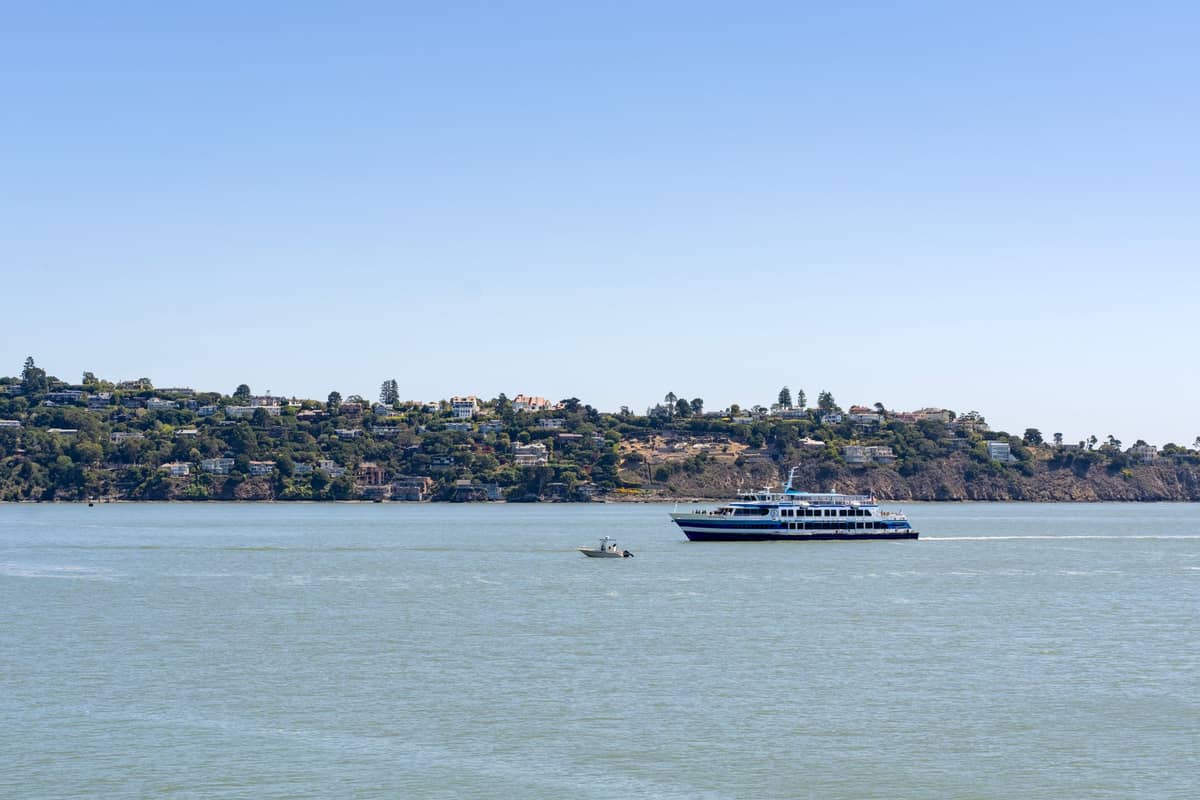
Golden Gate Ferry operates three main routes across the Bay to Marin County: Larkspur, Sausalito, and Tiburon. All currently depart from the Ferry Building. Larkspur is the primary commuter route, connecting San Francisco to a transit hub in Central Marin where passengers can connect to regional buses. Sausalito and Tiburon are the routes most visitors use, offering scenic Bay crossings with views of the Golden Gate Bridge and downtown skyline.
The fare difference between payment methods on Golden Gate Ferry is significant enough to matter. A paper ticket on Larkspur, Sausalito, or Tiburon costs around $14.00 adult. Using a Clipper card or contactless payment drops that to $8.25-$9.25 depending on the route. If you are traveling with any frequency, loading a Clipper card before you travel will save money across multiple Bay Area transit systems, not just the ferry.
- Sausalito The most popular tourist route. The crossing takes about 30 minutes from the Ferry Building, arriving in the waterfront town of Sausalito. Many visitors ride the ferry one way, rent a bike or explore on foot, then return by ferry or bus. Strong demand on weekends and summer afternoons means the boat can fill up. Arrive early.
- Tiburon Slightly less crowded than Sausalito and equally scenic. The town has a quieter waterfront with restaurants and boutiques. Angel Island State Park is accessible by ferry from Tiburon as well.
- Larkspur Primarily a commuter route serving downtown Larkspur and Marin County's transit center. Less useful for sightseeing, but the crossing offers excellent Bay views regardless. Weekday service is much more frequent than weekends.
- Angel Island Golden Gate Ferry offers seasonal service to Angel Island State Park. Fares are higher than the standard routes and vary by season. Angel Island access is also possible from Tiburon via a separate short ferry. Confirm schedules and fares directly with Golden Gate Ferry.
✨ Pro tip
For the best views on a Golden Gate Ferry crossing, position yourself on the upper outdoor deck on the port (left) side when heading toward Sausalito. You will have a clear sightline to the Golden Gate Bridge for most of the crossing. On foggy summer mornings, the bridge may be partially obscured, but the Bay itself is rarely dull to look at.
Ferry Building: The Hub You Need to Know
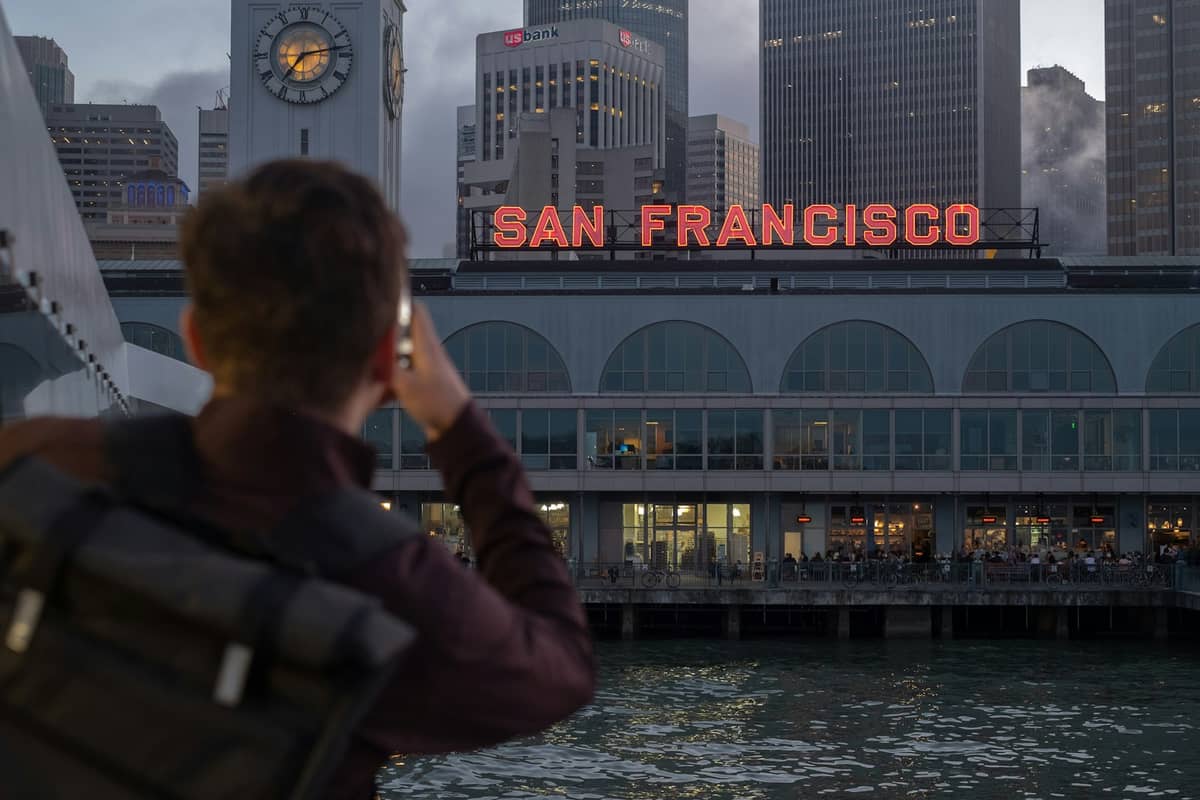
The Ferry Building Marketplace at the foot of Market Street is the central terminal for San Francisco's ferry network and one of the city's most worthwhile destinations in its own right. The building dates from 1898 and underwent a major renovation in 2003 that transformed it into a food hall anchored by the Saturday Ferry Plaza Farmers Market, considered one of the best in California. Arriving by ferry and spending an hour in the building before or after your crossing adds real value to the trip.
The Farmers Market runs Tuesdays, Thursdays, and Saturdays, with Saturday being the largest. The indoor hall operates daily with a range of food vendors, specialty grocery, and restaurant stalls. The building faces the Bay, so even the plaza outside is worth walking for the views of the Bay Bridge and the water. Ferries dock at the outer terminal directly adjacent to the building, making the logistics simple: arrive, board, or disembark and walk straight in.
Practical Ticketing and Payment
Each operator handles ticketing independently. San Francisco Bay Ferry accepts Clipper cards, mobile tickets through their app, and tickets purchased at terminal kiosks. Golden Gate Ferry accepts Clipper, contactless bank cards, and paper or mobile tickets purchased at terminals or online. The systems do not cross-accept: a Bay Ferry mobile ticket will not get you onto a Golden Gate departure.
The Clipper card is the most versatile payment option for anyone using multiple Bay Area transit systems. It works on Muni, BART, Caltrain, both ferry operators, and most regional bus networks. Cards are available at Walgreens locations throughout the city, BART station machines, and the Clipper website. Loading value can be done online or at retail locations. There is a small card fee to obtain one.
- Children under 5 ride free on San Francisco Bay Ferry routes. Children 4 and under ride free on Golden Gate Ferry. Age cutoffs differ slightly between operators.
- Discounts are available for seniors, riders with disabilities, and low-income riders through programs like Clipper START. Eligibility requirements apply.
- Bikes are allowed on most ferries at no additional charge, subject to space availability. During peak commute hours on weekday departures, bike capacity fills quickly.
- Alcohol is permitted and sold on some Golden Gate Ferry departures. Bay Ferry vessels vary. Check the specific vessel policy if this matters to your plans.
- Pets in carriers are allowed on most routes. Golden Gate Ferry allows leashed dogs on outdoor decks on some routes. Confirm current pet policies before bringing animals aboard.
When to Take the Ferry and What to Expect
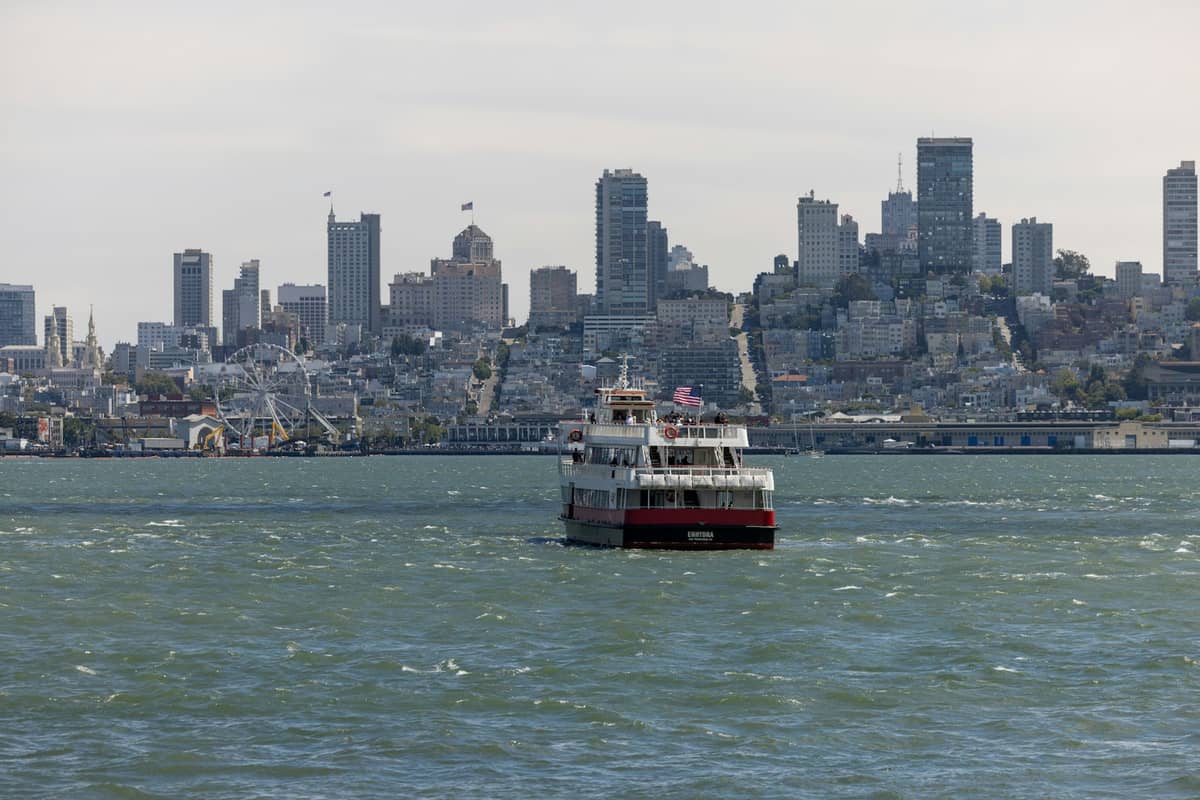
The ferry is genuinely one of the more pleasant ways to move around the Bay. On a clear day, the approach to San Francisco from the East Bay or Marin gives you a panoramic view of the skyline that you simply cannot replicate from a car or BART train. September and October are the best months for clear Bay crossings. San Francisco's summer, from June through August, is often cool and foggy, and the marine layer can reduce visibility significantly. For more context on planning around the city's climate and crowd patterns, see the best time to visit San Francisco guide.
Weekday morning and evening departures carry mostly commuters and tend to be crowded but efficient. Weekend departures to Sausalito and Tiburon attract more tourists and fill up fast in summer. If you are planning a weekend crossing to Marin, the first or second departure of the morning is significantly less congested than midday sailings. Afternoon return trips from Sausalito on summer weekends can have lines extending outside the terminal, so factor in extra time.
The ferry is also a practical option for reaching Angel Island State Park, though this usually involves a connection at Tiburon. Angel Island offers hiking, historic military installations, and exceptional 360-degree Bay views. A day trip by ferry to the island and back, stopping in either Sausalito or Tiburon, makes for a full and well-structured day. For broader ideas on how to structure your time across the Bay, the day trips from San Francisco guide covers the logistics in detail.
ℹ️ Good to know
The Sausalito crossing is often used as a scenic detour rather than a pure transit option. Many visitors take the ferry one way to Sausalito, walk the waterfront, grab lunch, and return by Golden Gate Transit bus through the Waldo Tunnel and over the bridge approach. The bus ride back through the Marin Headlands is scenic in its own right and costs significantly less than a round-trip ferry ticket.
If you are spending multiple days in the city and want to build an efficient itinerary, incorporating a ferry crossing works well on day two or three rather than day one. Get your Bay Area transit legs on day one, then use the ferry with confidence once you understand the Embarcadero layout. The 3-day San Francisco itinerary incorporates waterfront time and suggests where the ferry fits most naturally.
FAQ
What is the San Francisco ferry schedule?
There is no single ferry schedule for San Francisco because two separate operators run the network. San Francisco Bay Ferry publishes its timetables at sanfranciscobayferry.com. Golden Gate Ferry schedules are at goldengate.org. Both sites post current departures by route, including any holiday or special event adjustments. Schedules change seasonally, so always check the specific route page rather than relying on a third-party source.
How much does the San Francisco ferry cost?
Fares vary by operator, route, and payment method. As a general guide after the July 1, 2026 Bay Ferry update: Oakland/Alameda adult fares are about $5.10, Richmond about $5.20, South San Francisco about $7.60, and Vallejo about $10.00. Golden Gate Ferry adult fares are about $8.25–$9.25 with Clipper or contactless payment, or about $13.00–$14.00 with a regular paper or online ticket on Larkspur, Sausalito, and Tiburon routes. Children under 4–5 (age cutoff differs by operator) ride free. Always verify current fares on each operator's official website before traveling.
Where does the San Francisco ferry depart from?
The primary hub for both operators is the Ferry Building at the foot of Market Street on the Embarcadero. Golden Gate Ferry (Sausalito, Tiburon, Larkspur, Angel Island) departs from the Ferry Building. San Francisco Bay Ferry also uses the Ferry Building for its regular routes and operates special event service to Pier 41 near Fisherman's Wharf for certain departures. Check the terminal listed on your specific route.
Can I bring my bike on the San Francisco ferry?
Yes, bikes are permitted on most San Francisco Bay Ferry and Golden Gate Ferry departures at no extra charge, subject to space availability. Bike capacity is limited, and weekday commute departures fill their bike racks quickly. If you plan to bring a bike, aim for off-peak sailings or arrive early. Some special event sailings may have different policies, so confirm with the operator if you are traveling during a major event.
Is the San Francisco Bay Ferry the same as the Golden Gate Ferry?
No. They are two completely separate transit agencies with different routes, fares, ticketing systems, and vessels. San Francisco Bay Ferry (administered by WETA) serves the East Bay and North Bay: Oakland, Alameda, Richmond, Vallejo/Mare Island, and South San Francisco. Golden Gate Ferry (operated by the Golden Gate Bridge District) serves Marin County: Sausalito, Tiburon, Larkspur, and Angel Island. A ticket from one operator is not valid on the other.