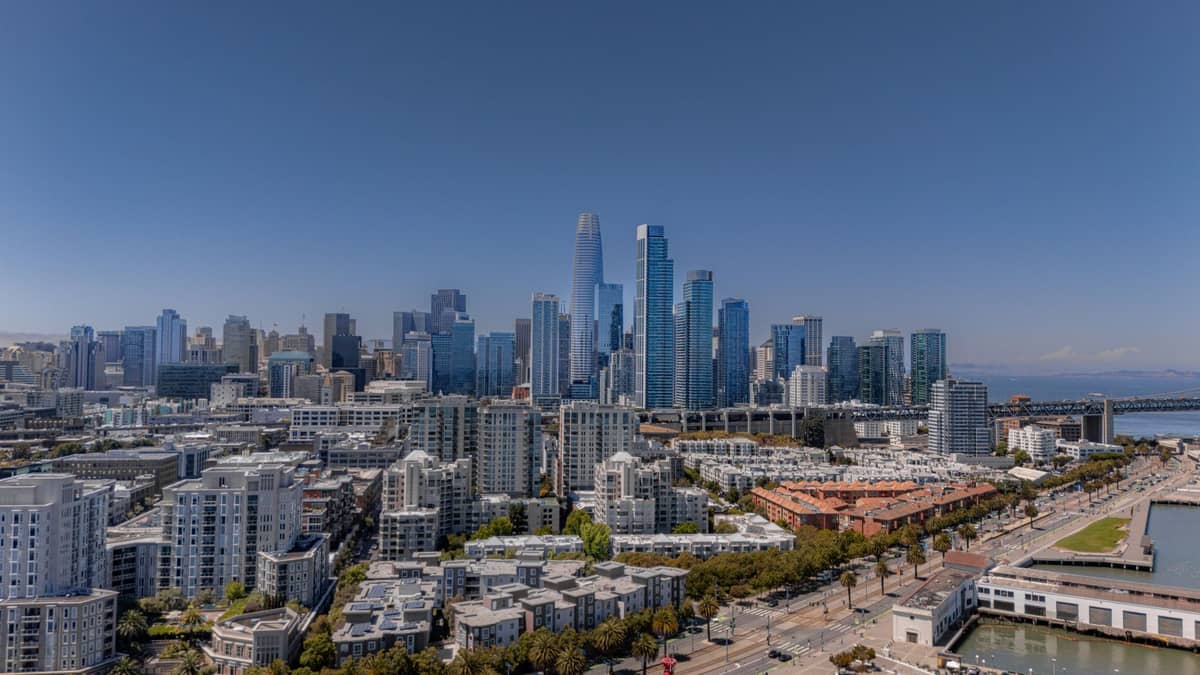
SoMa stretches south of Market Street from the Financial District edge to Mission Creek, packing in world-class art museums, the Moscone Convention Center, tech campuses, and some of San Francisco's most serious nightlife into a neighborhood that still shows its industrial bones. It's one of the city's most layered districts, with sub-areas that feel almost nothing like each other.
SoMa (South of Market) is San Francisco's most architecturally and culturally mixed district: a place where a converted warehouse sits across from a gleaming tech campus, and a world-class art museum faces a block that has barely changed since the 1980s. It lacks the postcard charm of North Beach or the Castro, but it rewards visitors who want museums, serious food, and a nightlife scene built for adults rather than tourists.
Orientation: Where SoMa Sits in San Francisco
SoMa is defined by its position south of Market Street, the diagonal artery that cuts across the city's grid. To the north, Market Street separates SoMa from Union Square and the Financial District. To the northeast, the neighborhood runs to the San Francisco Bay, merging into the sub-areas of South Beach and Rincon Hill near the waterfront. To the south, Division Street and the Central Freeway (U.S. Route 101) mark the rough boundary with the Mission District, though exact edges vary depending on the source. Mission Creek forms the southeastern limit before the neighborhood transitions toward Mission Bay.
Because SoMa covers a large footprint, it helps to think of it in sub-zones. The Yerba Buena corridor, centered on 3rd and 4th Streets between Market and Folsom, is where the museums, the Moscone Center, and most visitor infrastructure cluster. This is the SoMa that most first-time travelers encounter. Moving east along the waterfront, South Beach feels like a different city entirely: newer residential towers, Oracle Park, and a calmer, more residential pace. Push west toward 7th and 8th Streets and the streets become more industrial, with warehouse spaces, auto shops, and a grittier atmosphere.
Understanding SoMa's position is also useful for logistics. It sits directly south of the downtown BART corridor, which means the rest of San Francisco is very accessible. The Embarcadero waterfront is a 15-minute walk northeast, while the Mission District starts just across Division Street to the south. This central position makes SoMa a practical base for exploring the wider city.
Character and Atmosphere
In the early morning, SoMa is a different neighborhood from what it becomes by evening. Between 7 and 9 AM, the streets around 4th and Howard fill with commuters heading to tech offices, and the cafes along Folsom and Howard are doing serious business. The light hits the glass towers on the Rincon Hill side with a particular flatness, while the older brick warehouses on Brannan or Townsend hold a quieter, matte character. There is very little street life in the residential sense: no corner markets doing a lunchtime trade, no school runs, no old men playing chess in a small park.
By midday on a weekday, SoMa hums with the rhythms of office work. The plaza around Yerba Buena Gardens fills with lunch crowds from nearby offices and the convention center. The area around 3rd Street and Howard has the density of foot traffic you'd expect from a major museum and convention district. It feels professional and purposeful, not residential.
After dark is when SoMa reveals its other identity. The stretch of Folsom Street between 7th and 11th has long been central to San Francisco's leather and LGBTQ+ nightlife scene. The club district around 11th Street is one of the city's most concentrated: large venues with late licenses draw significant crowds on weekends. This is not the place for an early night. The noise and activity along the western end of SoMa can run past 2 AM, particularly on Fridays and Saturdays.
⚠️ What to skip
SoMa's western blocks, particularly west of 7th Street, can feel isolated and uncomfortable late at night, especially if you're unfamiliar with the area. Stick to the more active corridors around 4th Street, Folsom, and the 11th Street club zone if you're out after midnight.
What to See and Do
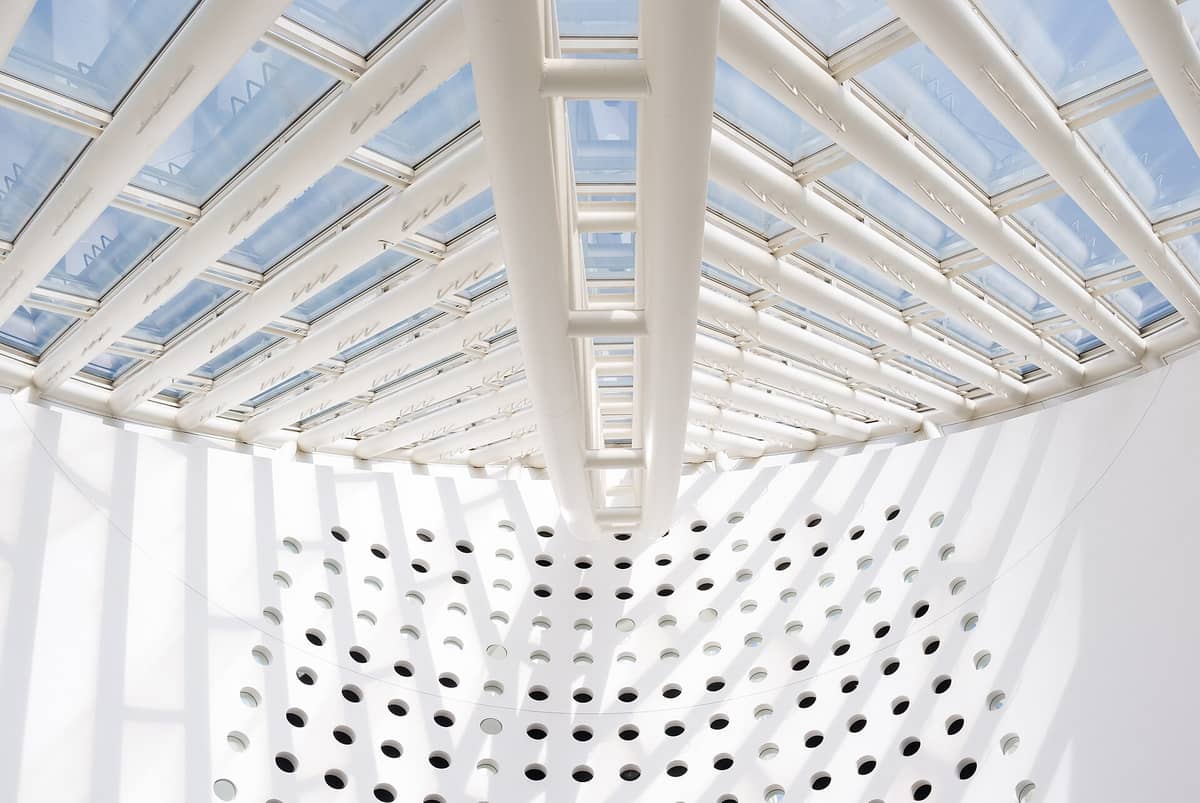
The cultural centerpiece of SoMa is SFMOMA, the San Francisco Museum of Modern Art on 3rd Street. It is one of the largest modern art museums in the United States, with a permanent collection spanning painting, photography, media arts, and design that justifies a half-day on its own. The building itself, expanded in 2016 with a distinctive white fiber-reinforced concrete facade, has become a piece of the city's visual identity.
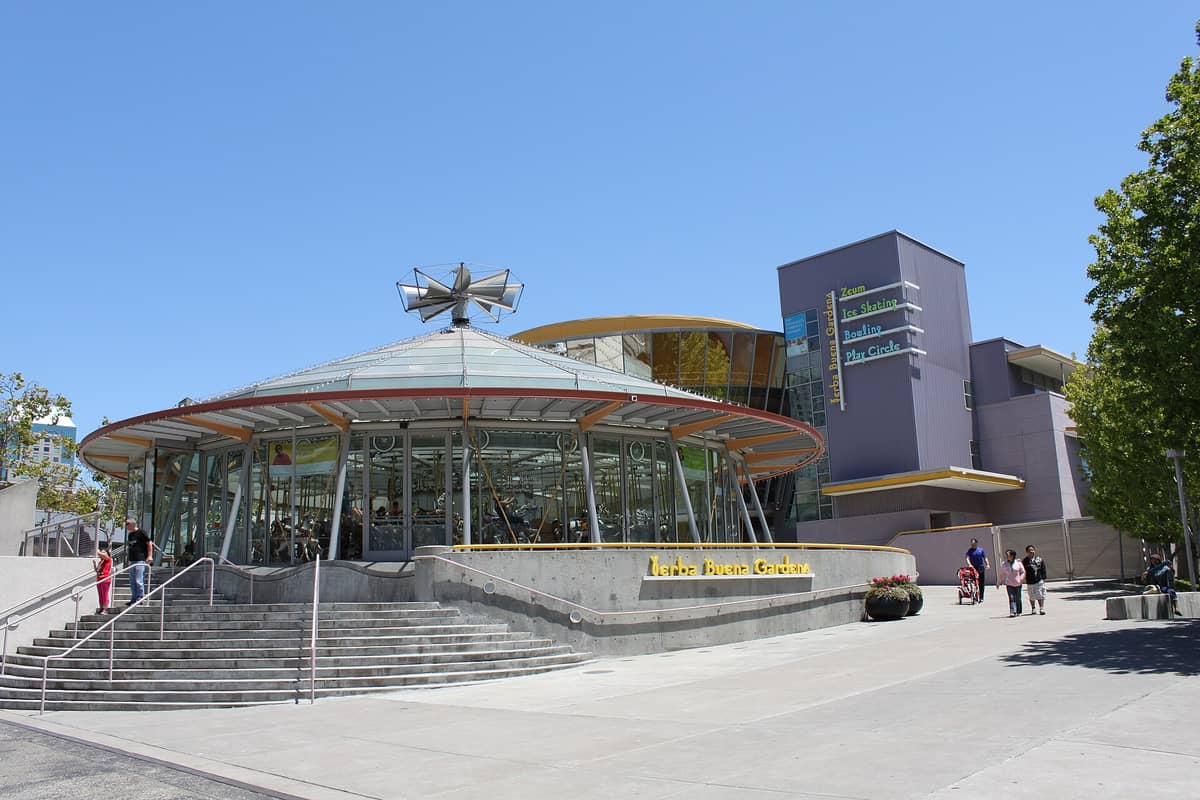
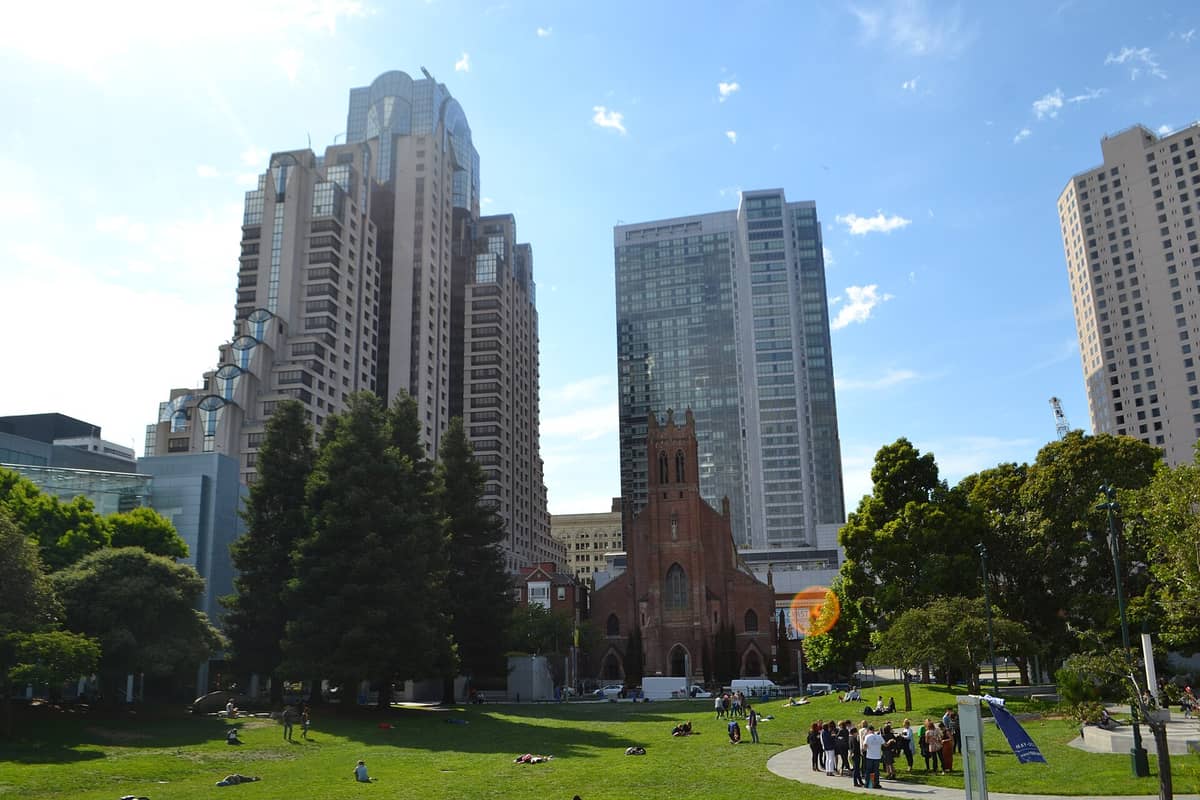
Directly across from SFMOMA, Yerba Buena Gardens provides the neighborhood's main outdoor breathing space. The gardens sit above the Moscone Center's underground halls and offer a genuinely useful green space: an artificial waterfall memorial to Martin Luther King Jr., a rooftop ice rink and bowling alley in the complex above, and rotating public art installations. It's one of the few places in SoMa where you'll see families, tourists, and office workers sharing the same patch of grass.
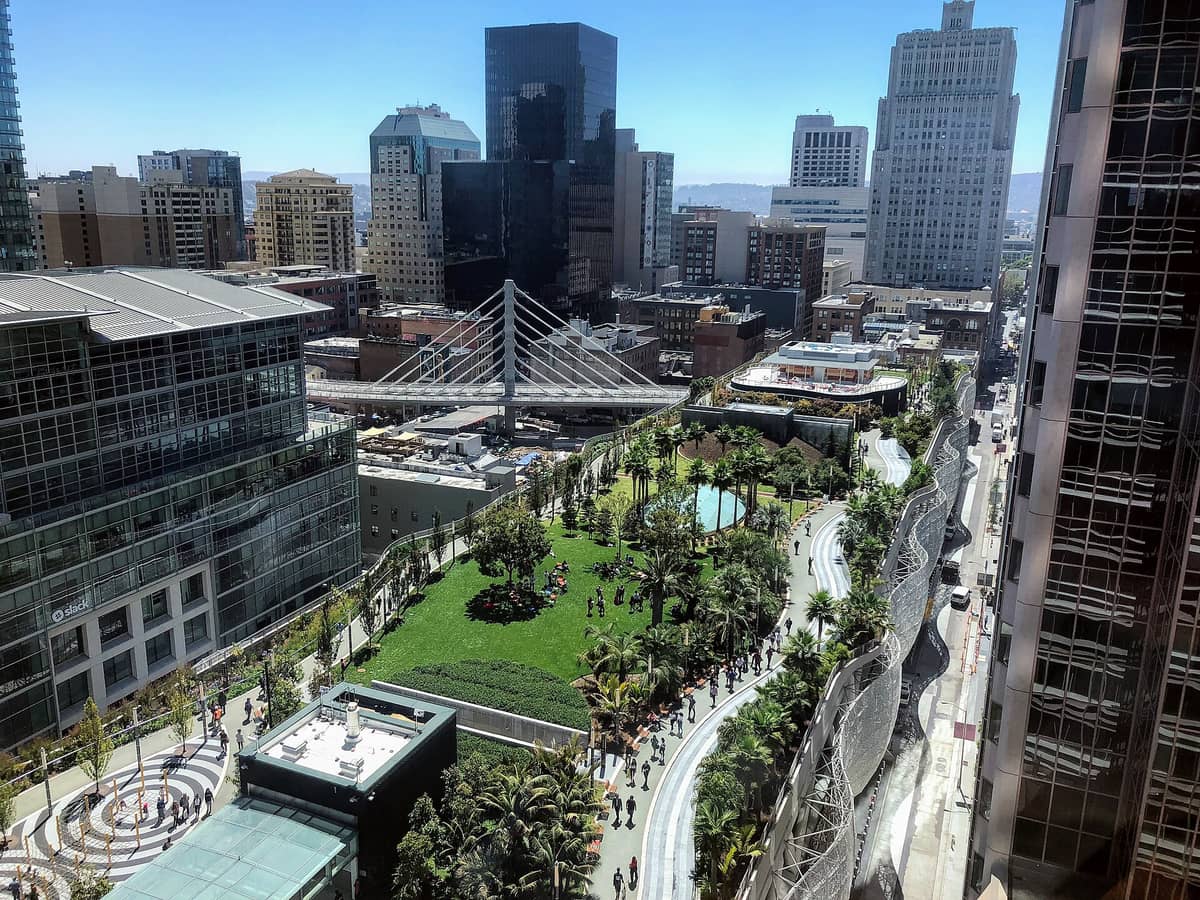
For families, the Children's Creativity Museum sits at the north end of the gardens and focuses on technology and arts-based learning for children aged 2 to 12. The Salesforce Park to the northeast is a more unusual attraction: a 5.4-acre public park built on a transit center rooftop, with lawns, a performance pavilion, and views over the surrounding downtown skyline. It's free to enter and surprisingly well-maintained.
SFMOMA: One of North America's premier modern art collections, on 3rd Street between Howard and Mission
Yerba Buena Gardens: Public green space with the MLK memorial waterfall and rooftop entertainment complex
Salesforce Park: Rooftop park above the Salesforce Transit Center, free entry, good skyline views
Moscone Convention Center: Major events and conferences year-round; check the calendar before visiting
Children's Creativity Museum: Hands-on arts and technology museum for children, adjacent to the gardens
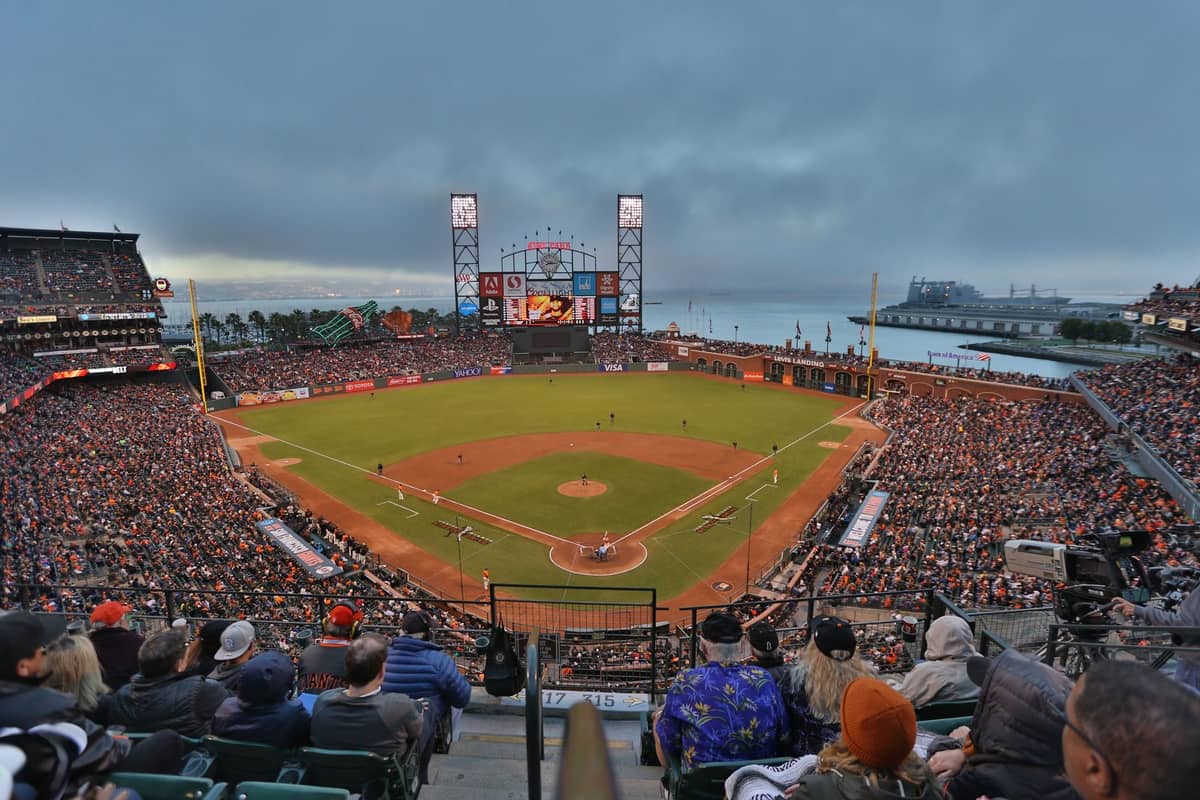
Oracle Park: Home of the San Francisco Giants, on the South Beach waterfront near King Street
11th Street nightlife corridor: San Francisco's main late-night club district, centered on Folsom and 11th
If you're interested in the broader San Francisco museum scene, the best museums in San Francisco guide puts SFMOMA in context alongside institutions in other neighborhoods. For those interested in architecture, SoMa's mix of 19th-century brick warehouses, postmodern civic buildings, and contemporary towers makes it one of the more interesting areas in the city from a built-environment perspective. The San Francisco architecture guide covers several SoMa structures in detail.
Eating and Drinking
SoMa's food scene is less neighborhood-rooted than it is office-driven, which means the quality ceiling is high but the character is often impersonal. The area around 3rd and 4th Streets near the museums has a reliable cluster of mid-range restaurants, cafes, and quick-service spots that cater to the convention and museum crowd. Prices here run higher than you'd pay for equivalent food elsewhere in the city, reflecting the captive audience.
Moving toward the South Beach end of SoMa, the restaurants along the Embarcadero and near Oracle Park skew toward larger, louder American sports-bar dining, with some genuinely good spots mixed in among the tourist traps. Game days at Oracle Park turn this end of SoMa into a very different place: crowded, festive, and loud. If you're not going to the game, it's worth timing your visit to avoid peak pre-game hours.
The more interesting eating in SoMa happens on the side streets. Folsom, Howard, and Brannan between 3rd and 7th have a range of restaurants that serve the local office population, with better value and more variety. You'll find good Japanese, Korean, and South Asian options in this stretch, along with some well-regarded cocktail bars that function as after-work institutions.
💡 Local tip
If you're visiting SFMOMA on a weekend, the area around 3rd and Howard gets busy at lunchtime. Consider walking two blocks south to Howard or Folsom for better options at lower prices, rather than eating at the museum cafe or the immediate surrounding spots.
The nightlife drinking scene is largely concentrated along Folsom Street and the 11th Street corridor. These are not tourist bars: they tend to be late-opening, cover-charging venues with a specific identity (predominantly queer and leather-oriented on Folsom, more mixed-format club nights on 11th). If this is what you're looking for, SoMa is one of the best places in California for it. If you're looking for a casual neighborhood wine bar or a low-key cocktail spot, you'll be better served heading to the Mission or Hayes Valley.
Getting There and Around
SoMa is one of San Francisco's most transit-accessible neighborhoods by virtue of its adjacency to Market Street, which carries the city's main BART and Muni corridors. The Powell Street and Montgomery Street BART stations sit on Market just at SoMa's northern boundary, and BART trains from these stations connect to the East Bay, SFO Airport, and the rest of the BART network. From Powell Street, it is a short walk south across Market to reach the Yerba Buena/SFMOMA area on 3rd Street.
The Muni Metro lines (K, L, M, N, T, plus the S shuttle) run beneath Market Street and surface at various points. The T Third Street line is particularly useful for SoMa, running along King Street to the south and connecting South Beach and Mission Bay to downtown. The Caltrain terminus at 4th and King puts SoMa at the arrival point for regional rail from the Peninsula and San Jose, which is useful for day-trippers and those arriving from the airport area.
For visitors unfamiliar with the full transit network, the getting around San Francisco guide explains the BART and Muni systems in detail. Within SoMa itself, walking is practical in the Yerba Buena and South Beach sub-areas, but the neighborhood is large enough that distances between western SoMa and the waterfront can add up to 30 minutes on foot. The Muni 12, 27, and 47 bus lines serve various internal SoMa corridors.
ℹ️ Good to know
Ride-hailing pickup in SoMa can be slow during large Moscone Center events, when thousands of conference attendees request rides simultaneously. If a major convention is in town, walk to a BART station rather than waiting for Uber or Lyft.
Where to Stay
SoMa has a solid hotel supply, concentrated primarily around the Moscone Center and Yerba Buena corridor. The area between 3rd and 5th Streets, between Howard and Mission, has the highest density of accommodation options, including several full-service hotels that primarily serve the convention business. Rates in this corridor reflect the corporate demand: competitive on weekends, expensive during major convention weeks.
For leisure travelers, staying in SoMa makes most sense if the museums, Giants baseball, or the nightlife scene are priorities. The location gives easy access to downtown and the BART network, which means the rest of the city is reachable without a car. The drawback is that SoMa lacks the walkable neighborhood character of the Mission or North Beach: there are few corner coffee shops, weekend farmers markets, or quiet residential streets. Mornings in the Yerba Buena end of SoMa, particularly on weekends, can feel deserted.
If you're a first-time visitor deciding between SoMa and other neighborhoods, the where to stay in San Francisco guide compares SoMa against Union Square, the Mission, and other base options. Union Square, just across Market Street, offers a similar transit advantage with more walkable daytime amenity.
Safety and Practical Considerations
SoMa is not a uniform neighborhood in terms of on-the-ground conditions, and it's worth being specific rather than issuing a blanket assessment. The Yerba Buena and South Beach sub-areas see heavy foot traffic during the day and are comparable in feel to other central San Francisco neighborhoods. The streets around SFMOMA, Yerba Buena Gardens, and the Embarcadero waterfront are well-lit and active through the evening.
The western blocks, roughly west of 7th Street and south of Howard, are a different matter. These blocks have a mix of SRO hotels, light industrial uses, and very low nighttime foot traffic outside the club zone. This does not make them inherently dangerous, but solo travelers unfamiliar with the area should be aware that these streets can feel isolated, particularly late at night. Standard urban precautions apply: stay on well-lit streets, be aware of your surroundings, and use a rideshare if you're moving between areas late at night.
For a broader overview of how to navigate San Francisco neighborhoods safely, the San Francisco safety tips guide covers the practical detail most visitors need.
TL;DR
SoMa is best for visitors who prioritize world-class art museums (SFMOMA), major events at the Moscone Center, Giants games at Oracle Park, or San Francisco's serious nightlife scene.
The Yerba Buena corridor near 3rd and 4th Streets is the most visitor-friendly part of the neighborhood, with museums, gardens, and transit access within a compact walking distance.
Transit access is excellent: Powell and Montgomery BART stations sit on the northern boundary, and the Caltrain terminus at 4th and King is in the neighborhood itself.
SoMa lacks the walkable residential character of neighborhoods like the Mission or North Beach. It works better as a destination than as a base, unless you have a specific reason to be here.
Conditions vary significantly by sub-area. The eastern and central blocks are lively and safe during the day; western blocks past 7th Street are quieter and less recommended for evening walks without familiarity.
San Francisco's beaches are unlike anywhere else in California. Cold water, dramatic fog, and powerful Pacific surf define the city's coastline, but the scenery is extraordinary. This guide covers the best beaches in San Francisco for sunset walks, surfing, coastal hikes, and day trips beyond the city.
San Francisco packs an unusually deep museum scene for a city of its size. This guide covers the city's finest institutions across art, science, history, and culture, with practical tips on pricing, free days, and how to plan your visit.
San Francisco's climate defies expectations. Summer is foggy and cool, fall is surprisingly warm, and winter can be a genuine bargain. This guide breaks down every season so you can pick the right time for your trip, your budget, and your tolerance for Karl the Fog.
San Francisco is one of the most visually dramatic cities in America, built on hills that frame the bay, the bridges, and the Pacific at every turn. This guide covers the best viewpoints in the city and beyond, from free hilltop parks to lesser-known coastal perches that most visitors never find.
San Francisco sits at the gateway to one of the most varied day-trip landscapes in America. Within two hours you can be walking among thousand-year-old redwoods, tasting Cabernet in Napa, hiking coastal bluffs in Point Reyes, or exploring a former federal prison on a rocky bay island.
San Francisco is one of America's most spectacular cities, and you don't need a big budget to experience it. From iconic bridges and coastal trails to free museum days and world-class public art, this guide covers the best free things to do in San Francisco.
From BART airport transfers to cable car fares, this guide covers every way to get around San Francisco — with practical advice on what's worth it, what to skip, and how to navigate the city like someone who actually lives there.
San Francisco offers a deep luxury travel scene for a city of its size. This guide covers where to stay, what to eat, which experiences justify the price, and how to time your visit to get the best value on high-end accommodations.
San Francisco International Airport sits 13-15 miles south of downtown, and getting into the city is straightforward once you know your options. This guide breaks down every transport method from SFO, including real costs, travel times, and the mistakes most first-timers make.
San Francisco's built environment spans Victorian row houses, Edwardian flats, Beaux-Arts civic monuments, and bold modernist towers. This guide breaks down the key styles, landmark buildings, and best neighborhoods to explore on foot, with practical advice for architecture walks in any season.
San Francisco's cable car system is one of the most recognizable transit networks in the world — and also one of the most misunderstood. This guide covers all three operating lines, how fares and passes work, the best times to ride, and clear guidance on avoiding the worst queues.
San Francisco's ferry network spans two separate operators, multiple terminals, and fares that vary by route and payment method. This guide breaks down every major route, current pricing, and how to avoid the most common mistakes first-time riders make.
San Francisco packs an enormous amount into 47 square miles of land. This guide covers everything a first-time visitor needs to know: how to arrive, where to stay, what to prioritize, and the common mistakes that waste time and money.
San Francisco Fleet Week is one of the largest free public events in the United States, drawing hundreds of thousands of visitors to the Bay waterfront each October. This guide covers the Blue Angels air show schedule, the best free viewing spots, ship tour logistics, VIP ticket options, and practical advice for navigating the crowds.
San Francisco is one of California's most naturally romantic cities. Bay views, foggy evenings, world-class food, and historic neighborhoods create an atmosphere that pairs well with almost any travel style. This guide covers where to go, what to spend, when to visit, and how to make the most of a couples trip to the City and County of San Francisco.
At 1,017 acres, Golden Gate Park is one of the great urban parks in the United States, and most visitors only scratch the surface. This guide covers the top attractions, practical logistics, seasonal timing, and the spots worth seeking out beyond the obvious.
San Francisco rewards the curious. Beyond the Golden Gate Bridge and Alcatraz, the city hides mosaic staircases, acoustic sculptures, Victorian cemeteries, and rooftop gardens that most visitors never find. This guide points you to the spots locals actually love.
San Francisco is one of America's most walkable cities, but its hiking scene goes far beyond neighborhood strolls. These trails deliver coastal cliffs, forested ridgelines, panoramic summits, and wild Pacific shorelines all within city limits or a short drive away.
San Francisco in summer is nothing like a Southern California beach vacation. Expect cool temperatures in the mid-60s°F, morning fog that can linger well past noon, and a packed event calendar from June through August. This guide breaks down exactly what you'll encounter and how to prepare.
Three days is enough to hit San Francisco's iconic landmarks, explore distinct neighborhoods, and get a real feel for the city. This itinerary routes each day logically so you spend less time in transit and more time actually experiencing the city.
The Mission burrito is not just a meal. It is a San Francisco institution with a disputed origin, a precise construction method, and a handful of taquerias that have been perfecting it for decades. This guide covers the history, the key ingredients, where to find the best version, and what separates the real thing from a pale imitation.
Muir Woods National Monument sits just 12-17 miles north of San Francisco, protecting one of the last old-growth coast redwood stands in the Bay Area. This guide covers everything you need to plan a successful day trip: mandatory reservations, transport options, trail choices, seasonal timing, and the common mistakes that catch first-time visitors off guard.
Napa Valley sits just 50-60 miles north of San Francisco, making it one of the Bay Area's most rewarding day trips. This guide covers every logistic: how to get there, what tastings cost, when to book, and how to pace a single day without burning out before the third pour.
San Francisco packs an extraordinary range of distinct neighborhoods into just 47 square miles of land. From the foggy avenues of the Outer Sunset to the sunny slopes of the Mission, this guide breaks down what each district is actually like, who it suits, and how to navigate between them.
San Francisco's nightlife runs deeper than most visitors expect. This guide breaks down the best neighborhoods for a night out, what to expect at live music venues, how late things actually run, and which parts of the city suit your style — from craft cocktail bars to late-night dance floors.
San Francisco has a reputation for draining wallets, but that reputation is only partly deserved. With the right approach to accommodation, transport, food, and attractions, a solo traveler can get by on $110–$160 per day without missing the city's best experiences. This guide breaks down exactly where your money goes and where you can cut back.
Twenty-four hours in San Francisco is enough to walk an iconic bridge, eat world-class food, explore historic neighborhoods, and watch the sun set over the Pacific. This itinerary is built around geography so you spend less time in transit and more time actually experiencing the city.
San Francisco is one of America's most rewarding cities to visit, but it rewards prepared travelers. This guide covers the real safety picture: car break-ins, petty theft hotspots, neighborhoods to navigate carefully, and practical strategies to keep your trip trouble-free.
San Francisco's shopping scene spans far more than one famous square. This guide breaks down every major retail district, from luxury flagships around Union Square to independent boutiques in Hayes Valley, vintage shops on Haight Street, and specialty food at the Ferry Building, with practical advice on getting there, what to expect, and where to skip.
The San Francisco to Los Angeles corridor is one of the most-traveled routes in the United States, with options ranging from a 90-minute flight to a two-day Pacific Coast Highway road trip. This guide breaks down every realistic method by cost, time, and comfort so you can choose the right one for your trip.
San Francisco is one of the world's great walking cities, built for exploration on foot. These 20 self-guided stops span the city's most rewarding routes, from waterfront promenades and Victorian hilltops to mural-filled alleys and coastal cliffs.
Forty-eight hours is enough time to hit San Francisco's greatest hits and still feel like you've gone beyond the surface. This guide covers the essential waterfront, neighborhoods, parks, and cultural stops to build a memorable weekend in one of America's most compelling cities.
San Francisco is one of the most family-friendly cities in the United States, with world-class science museums, free outdoor spaces, bay cruises, and a compact layout that keeps logistics manageable. This guide covers the best attractions for children, how to save on tickets, when to visit, and how to get around without a car.
San Francisco packs an extraordinary range of experiences into about 47 square miles of land. From the Golden Gate Bridge and Alcatraz to neighborhood walks through Chinatown and the Mission, this guide covers the top things to do in San Francisco with clear, practical detail to help you spend your time well.
San Francisco has one of the most serious food cultures in the United States, with about 30 Michelin-starred restaurants according to the 2026 Michelin Guide, roughly 4,400 restaurants packed into about 47 square miles, and an obsessive commitment to local, seasonal ingredients. This guide covers the iconic dishes, the neighborhoods where each food culture lives, what things actually cost, and where visitors consistently go wrong.
Choosing where to stay in San Francisco shapes your entire trip. This guide breaks down the city's most practical neighborhoods by price, transit access, safety, and atmosphere, so you can book with confidence rather than guesswork.