Napa Valley Day Trip from San Francisco: The Complete Practical Guide
Napa Valley sits just 50-60 miles north of San Francisco, making it one of the Bay Area's most rewarding day trips. This guide covers every logistic: how to get there, what tastings cost, when to book, and how to pace a single day without burning out before the third pour.
Plan and book this trip
Tools from our partner Travelpayouts help you compare flights and hotels. If you book through them, we may earn a commission at no extra cost to you.
Flights
Hotels map
TL;DR
- Napa Valley is 50-60 miles from San Francisco, about 1 hour by car on weekdays and up to 2 hours on weekend mornings.
- Most wineries require advance reservations, especially on weekends and during harvest season (September-October). Walk-ins are rarely guaranteed.
- Guided group tours run around $89-199 per person all-in; self-driving gives you more flexibility. See other day trips from San Francisco if Napa doesn't suit your budget or style.
- Keep your winery count to 3-4 maximum. Tasting appointments run 60-90 minutes each, and driving between appellations adds up fast.
- Spring (March-May) and early fall (September) offer the best conditions. Peak harvest (late September-October) is spectacular but demands bookings months ahead.
Getting to Napa Valley from San Francisco
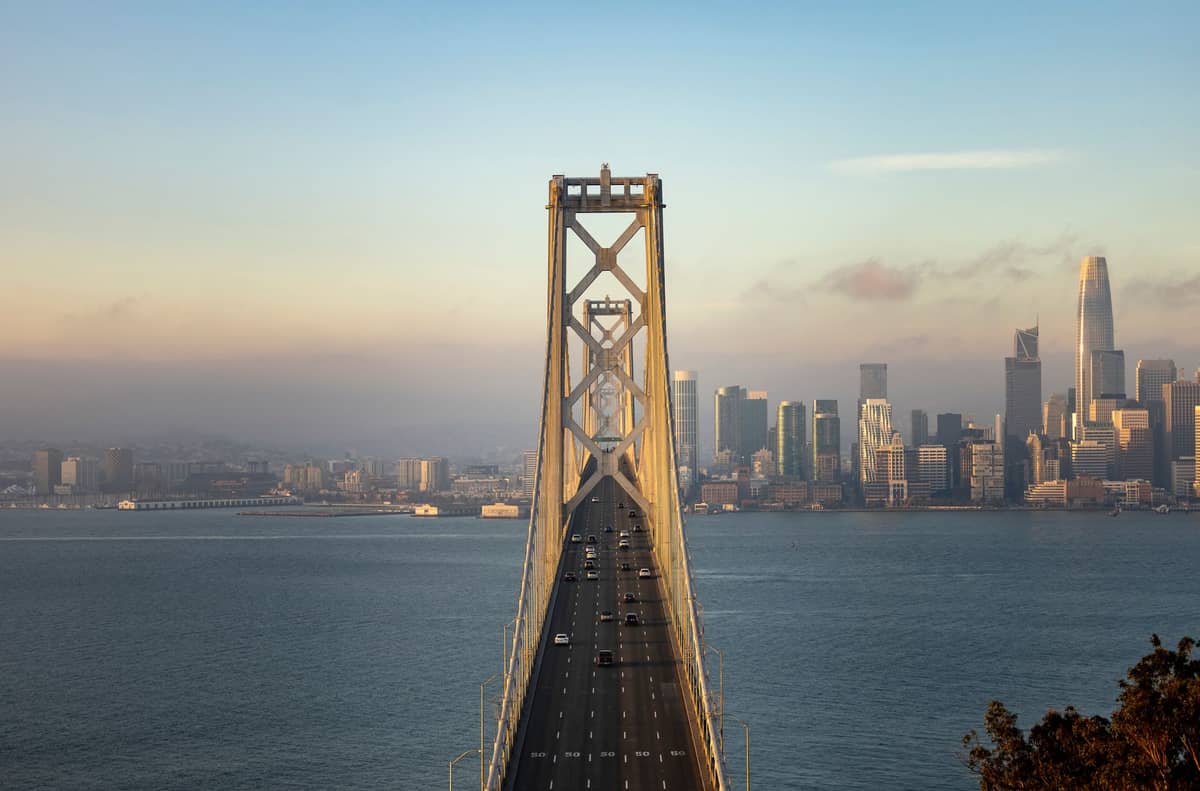
The most practical route is self-driving east on I-80, then connecting to CA-29 north through the city of Napa and into the valley. From downtown San Francisco, downtown Napa is roughly 55 miles. On a clear weekday morning you can be pulling into your first tasting appointment in under an hour. On Saturday mornings, the same drive can stretch to 90 minutes. On busy holiday weekends, give yourself a full two hours.
CA-29 is the main artery running the length of the valley through Napa, Yountville, Oakville, Rutherford, St. Helena, and up to Calistoga, a span of about 35 miles. The Silverado Trail runs parallel on the eastern side and is significantly less congested on weekends. If you're planning to visit wineries in the northern half of the valley, consider taking the Trail north and CA-29 back south.
💡 Local tip
Leave San Francisco before 8:30 AM on weekends to avoid Bay Bridge and Highway 37 congestion. Arriving at your first winery right at their 10:00 AM opening means you'll get full attention from staff and often better pours before the rush hits.
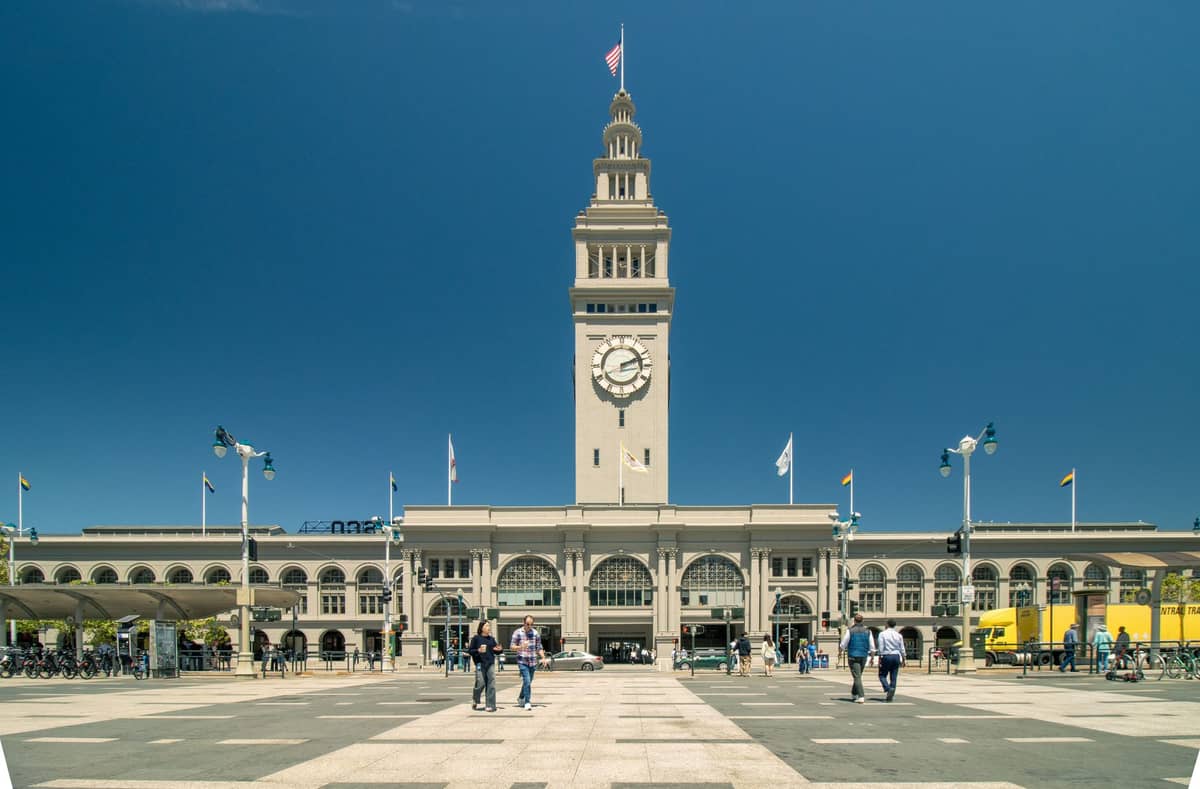
If you'd rather not drive, there is a public transit option: take the San Francisco Bay Ferry to Vallejo, then connect via VINE Transit bus into Napa. This route is slower and less flexible than driving, but it's a legitimate car-free option. The ferry ride itself takes about 1 hour from the Ferry Building, and the total journey to Napa will be 2-2.5 hours each way. Budget the time accordingly and note that return schedules will limit your afternoon.
- Self-Drive Most flexible option. Rent a car or use your own. Parking is generally free at wineries. Use the Silverado Trail to avoid CA-29 weekend traffic.
- Guided Group Tour from SF Costs around $89-199 per person. Includes round-trip transport and visits to 2-4 wineries. No driving stress, but you're on someone else's schedule. Best for solo travelers or groups who want to drink without a designated driver.
- Private Tour / Driver Higher cost, but you set the itinerary. Good for groups of 4+ splitting the bill, or special occasions. Many SF-based tour operators offer this.
- Ferry + VINE Transit Car-free and scenic. Ferry from SF Ferry Building to Vallejo, then VINE bus to Napa. Slower and less flexible, but works if you plan around the schedules.
What Winery Tastings Actually Cost
Napa is not a cheap wine region, and tasting fees have risen considerably over the past decade. That said, the range is wide. Budget-tier tastings at smaller or lesser-known producers run $25-35 per person for a standard flight of 4-5 wines. Mid-range tastings at well-regarded estates typically cost $40-60. Premium or reserve experiences, which often include library wines, cave tours, or food pairings, land at $75-125 or more per person per winery.
Some wineries waive the tasting fee if you purchase a bottle or join their wine club, so it's worth asking when you book. At three wineries in a day, even choosing mid-range experiences, budget $120-180 per person in tasting fees alone before lunch, dinner, or any purchases. This is a trip where costs compound quickly if you're not tracking them.
⚠️ What to skip
Do not plan to visit more than 3-4 wineries in a single day trip. Each appointment runs 60-90 minutes, and driving time between properties adds up, especially if you're covering both the Stags Leap District in the south and Calistoga in the north. Overloading the itinerary leads to rushed tastings and fatigued palates by winery number three.
Reservations: What Changed and Why It Matters
The single most common mistake first-time visitors make is assuming Napa operates like a casual winery region where you can drop in anywhere. That model largely no longer exists in Napa Valley. Advance reservations are now standard practice at the vast majority of producers, particularly for weekend visits. Without a booking, you may find yourself turned away at the gate at well-known estates, or relegated to a rushed counter tasting at places that haven't fully moved to appointment-only yet.
For weekday visits in the off-season (January-February, and mid-November through December), same-week bookings are often fine. For weekends in spring and fall, book 2-3 weeks out. For harvest season, specifically late September through mid-October, the most popular wineries fill up months in advance. If you have a specific estate on your list, check their website the moment you know your travel dates.
✨ Pro tip
The Napa Valley Wine Train offers a ready-made day-tripper experience that bypasses the reservation scramble. The scenic train runs from downtown Napa to St. Helena and back, with food and wine service on board. It's not cheap, but it handles all the logistics. Worth considering if coordinating multiple winery bookings feels overwhelming.
Best Time to Visit: Seasons and Crowds
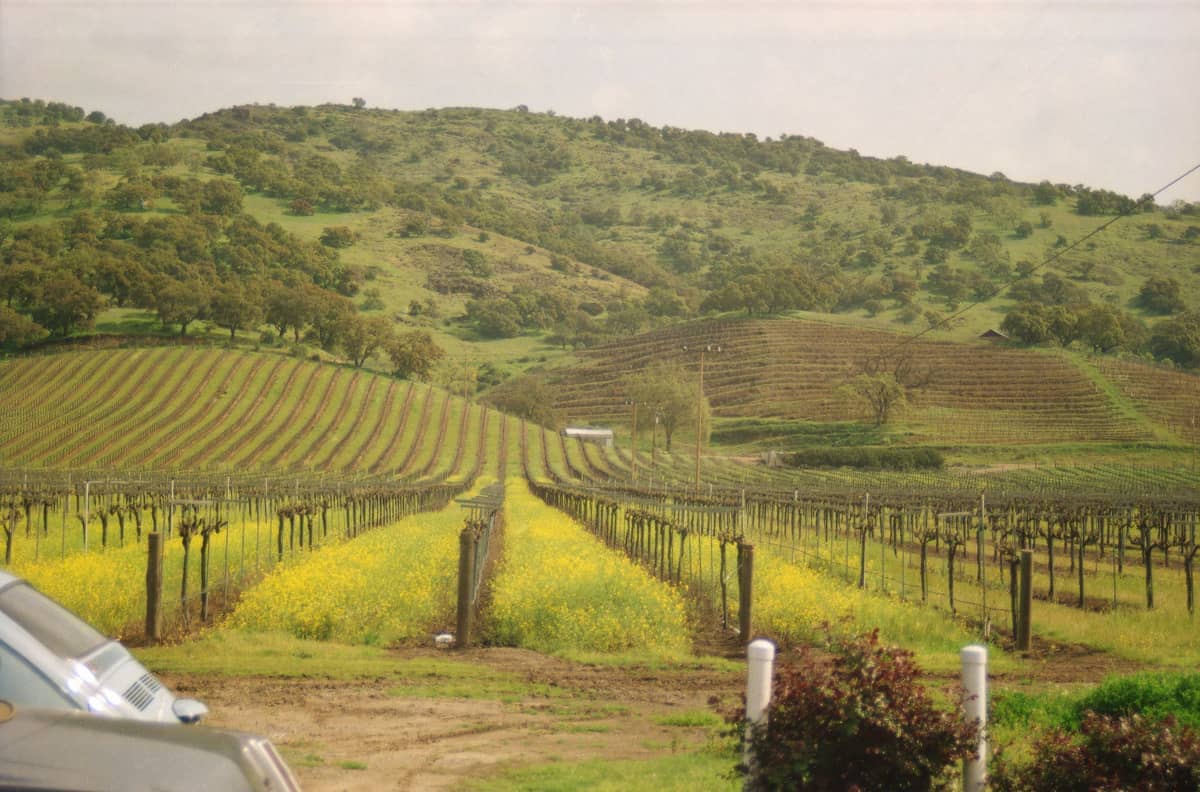
Spring (March through May) is arguably the most photogenic time in the valley. Mustard flowers bloom between the vine rows in February and March before the canopy fills in. Temperatures are mild, typically 60-75°F (15-24°C) in the valley, which is warmer and sunnier than San Francisco due to the geography. Crowd levels are moderate, and reservations are easier to secure. This is also a good time to combine the trip with other outdoor plans. San Francisco's weather in spring is cool and often foggy, so the contrast when you drop into the warmer inland valley is noticeable. For context on planning your overall trip, the best time to visit San Francisco guide covers the city's seasonal patterns in detail.
Summer (June-August) is peak tourist season in Napa despite being the warmest period, with valley temperatures regularly exceeding 90°F (32°C). The vineyards are lush and green, and there's a full calendar of events. The trade-off is high demand, premium pricing on tours, and the need to book well in advance. Note that while San Francisco itself stays cool and foggy in summer, Napa Valley heats up considerably as it sits inland past the fog line.
Harvest season, roughly mid-September through October, is when the valley is most alive with activity. Grapes are being picked, crush is underway at the wineries, and the scenery transitions from green to gold and red. It's genuinely spectacular, and for anyone interested in how wine is actually made, there's no better time to visit. The significant caveat: this is the hardest time to get a reservation, and tour prices spike. Book 2-3 months out for popular estates. Early September, before the main crush begins, often offers the best balance of harvest atmosphere and availability.
- Spring (March-May): Mustard blooms, mild temperatures, moderate crowds. Easiest season to secure bookings with 1-2 weeks notice.
- Summer (June-August): Hottest and most crowded. Book 3-4 weeks ahead for weekends. Valley temperatures can exceed 90°F while SF stays cool.
- Harvest (September-October): Best winery atmosphere, most demand. Book the most popular estates 2-3 months in advance. Early September is the sweet spot.
- Winter (November-February): Quietest and cheapest. Some facilities have reduced hours. Rain is possible but storms are rare. Great for serious wine buyers who want unhurried appointments.
Planning Your Day: A Realistic Itinerary Framework
A successful Napa day trip from San Francisco runs on a tight but manageable schedule. Depart the city by 8:00-8:30 AM. Your first tasting appointment should be at 10:00 AM, which gives you time for the drive and a coffee stop in downtown Napa if needed. Schedule a second winery around 12:00-12:30 PM, then take a proper lunch break rather than skipping it. Yountville is the valley's culinary anchor with a range of options at multiple price points. A third winery at 2:30-3:00 PM keeps you well within the typical 4:00-5:00 PM closing window that most Napa wineries maintain. Aim to start your drive back to San Francisco by 5:00-5:30 PM to avoid the worst of the evening commute traffic. For a deeper look at structuring your broader San Francisco visit around day trips like this, the 3-day San Francisco itinerary shows how to slot Napa into a longer trip.
In terms of geography, don't try to cover the entire 30-mile length of the valley in a single day. Pick a zone and commit to it. The southern portion around Napa and Stags Leap District is known for Cabernet Sauvignon and Merlot. The middle valley around Oakville and Rutherford produces some of the most acclaimed Cabernets in the country. The north around St. Helena and Calistoga is more mixed and slightly wilder in character. Choosing one zone keeps driving to a minimum and gives you more time at each property.
ℹ️ Good to know
Napa Valley is not a public transit-friendly destination once you're in the valley. VINE Transit does connect some towns, but winery-to-winery movement by bus is impractical. If your group wants to drink freely without a designated driver, a guided tour or the Wine Train are the only practical solutions.
Practical Tips Before You Go
Budget carefully. A mid-range Napa day trip for two, including a rental car, three winery tastings, lunch, and a bottle or two to take home, will typically run $300-500 total. It's not a budget San Francisco activity, but knowing the full cost upfront helps avoid sticker shock. Guided tours in the $89-199 range often look expensive until you add up tasting fees, gas, and parking on your own.
Bring layers. Napa Valley mornings can be cool even in summer, while afternoon temperatures rise quickly. If you're visiting during the rainy season (November-March), a light waterproof jacket is practical rather than optional. Wear comfortable shoes since many wineries involve walking through cave systems or around outdoor estate grounds.
Drink water consistently throughout the day. Tasting wines across multiple wineries without adequate hydration is the fastest route to a headache before you've even left the valley. Most tasting rooms will provide water without you needing to ask, but it helps to carry a bottle. Eating something substantial before or during the first tasting sets a much better foundation than arriving on an empty stomach.
If Napa doesn't align with your preferences or budget, the Sonoma wine country to the west offers a similar experience with a notably more relaxed atmosphere and generally lower tasting fees. It's also accessible from San Francisco, roughly in the same direction. For broader inspiration on getting out of the city, the complete day trips from San Francisco guide covers Muir Woods, Point Reyes, Sausalito, and other options across the Bay Area.
FAQ
How far is Napa Valley from San Francisco?
Downtown Napa is approximately 50-55 miles from San Francisco. The drive takes about 1 hour on weekday mornings and up to 1.5-2 hours on weekend mornings or during peak traffic. The route typically runs via I-80 east then CA-29 north into Napa.
Do you need a car to visit Napa Valley from San Francisco?
A car is by far the most practical option. The car-free alternative is the San Francisco Bay Ferry to Vallejo combined with VINE Transit buses, but this is slower and limits where you can go once in the valley. Guided tours from San Francisco are another option that eliminates driving entirely.
Do Napa Valley wineries require reservations?
Yes, the vast majority of Napa Valley wineries now require advance reservations for tastings, particularly on weekends and during harvest season (September-October). Walk-ins are increasingly rare and often turned away at popular estates. Book at least 2-3 weeks ahead for weekend visits, and 2-3 months ahead for harvest season.
How much does a Napa Valley day trip from San Francisco cost?
Costs vary widely. Guided tours with transport typically run $89-199 per person. If you drive yourself, tasting fees are $25-35 at budget wineries, $40-60 at mid-range estates, and $75-125+ at premium or reserve experiences. A realistic total for a self-drive day for two people, including three tastings, lunch, and a bottle of wine, is around $300-500.
What is the best time of year to visit Napa Valley?
Spring (March-May) and early fall (September) offer the best balance of good weather, vineyard scenery, and manageable crowds. Harvest season (late September-October) is the most dramatic but requires bookings well in advance. Summer is busy and hot in the valley. Winter is the quietest period with the lowest prices and easiest reservations.