San Francisco Nightlife: The Complete Guide to Bars, Clubs & Live Music
San Francisco's nightlife runs deeper than most visitors expect. This guide breaks down the best neighborhoods for a night out, what to expect at live music venues, how late things actually run, and which parts of the city suit your style — from craft cocktail bars to late-night dance floors.
Plan and book this trip
Tools from our partner Travelpayouts help you compare flights and hotels. If you book through them, we may earn a commission at no extra cost to you.
Flights
Hotels map
TL;DR
- Bars and clubs close at 2:00 AM citywide, so the night starts earlier than in cities like New York or Las Vegas.
- The best neighborhoods for things to do in San Francisco at night are SoMa, the Mission, North Beach, the Castro, and the Fillmore corridor.
- Live music is everywhere: the Fillmore, the Independent, and dozens of bars offer nightly shows. See our things to do in San Francisco guide for daytime context.
- Weekend cover charges typically run $10–$30 at clubs; many bars waive cover before 10 PM.
- SF nights are cold year-round — even in summer. Bring a layer, especially near the waterfront.
How San Francisco Nightlife Actually Works
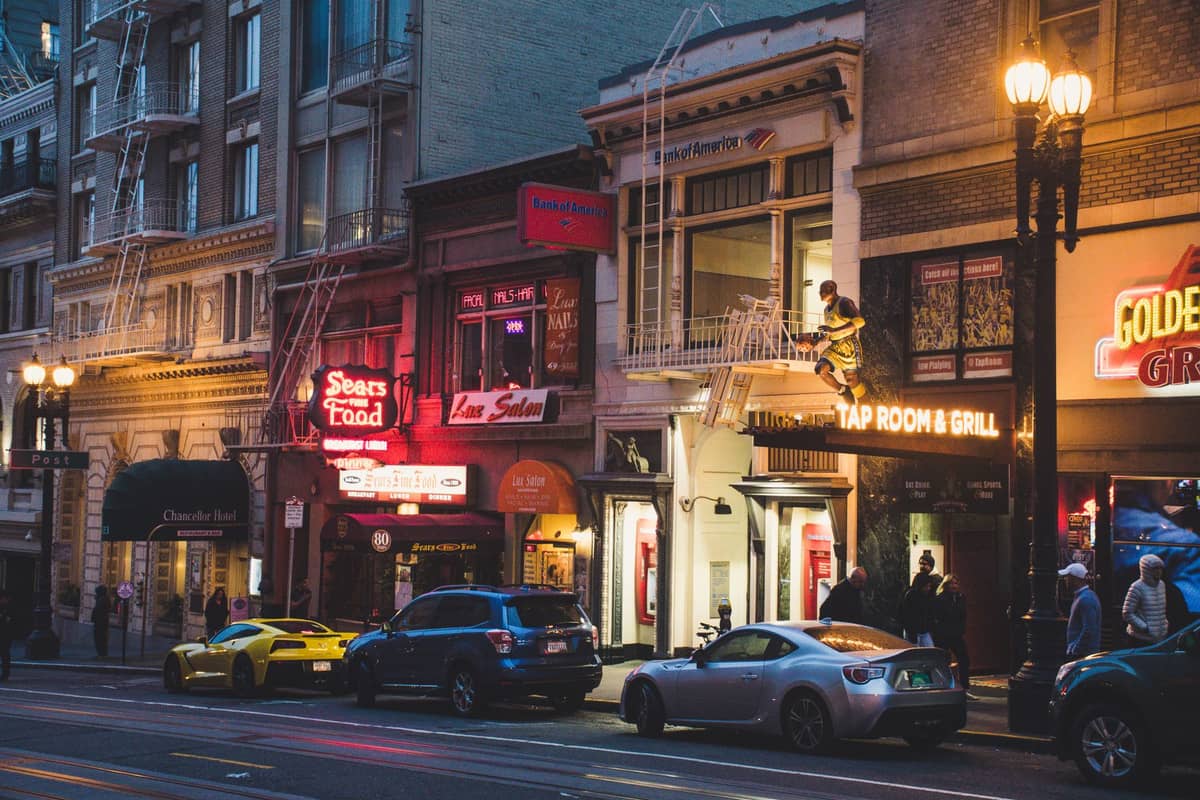
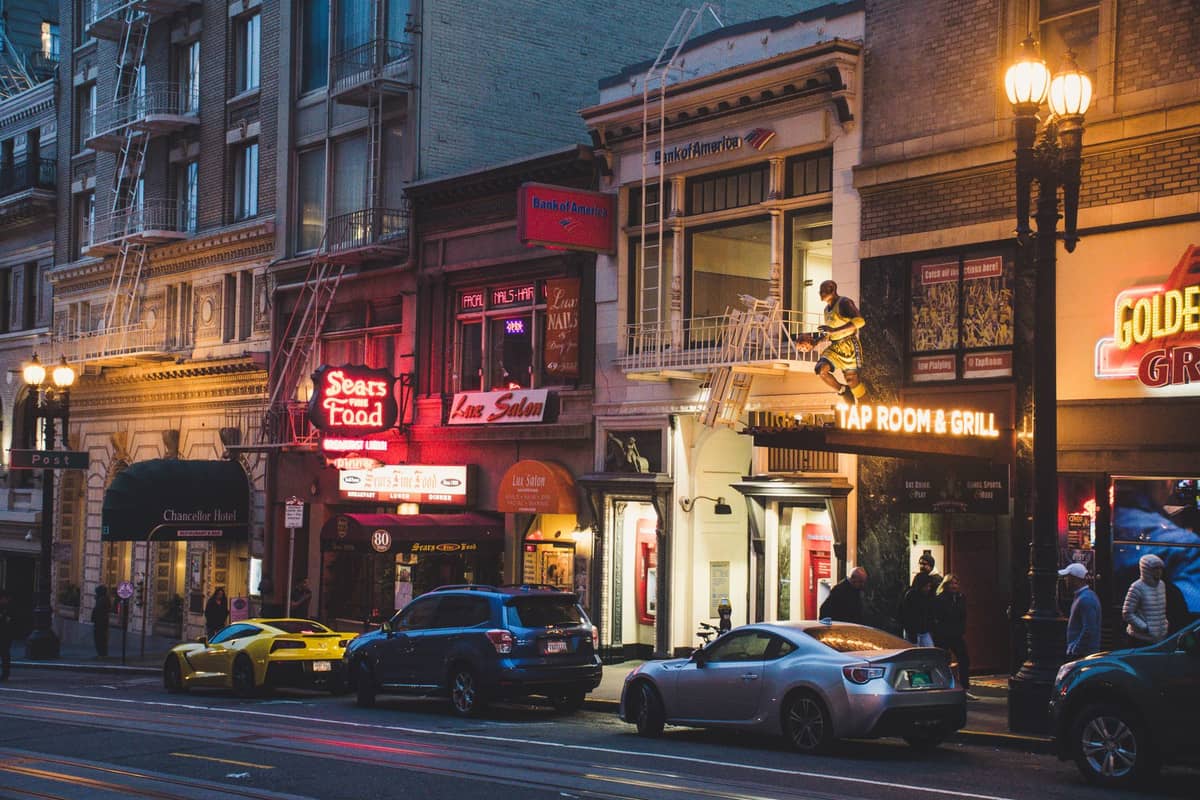
One thing surprises almost every first-time visitor: San Francisco operates on an earlier clock than you'd expect from a major American city. California law caps alcohol service at 2:00 AM, and most bars stop serving well before that. Clubs get going around 10 PM and peak between midnight and 1:30 AM. If you're used to New York or Miami nightlife rhythms, recalibrate accordingly.
The city's nightlife identity leans heavily toward live music, craft cocktail bars, and neighborhood pubs rather than a sprawling club scene. San Francisco has produced some of the most storied music venues in North America, and that legacy shapes what the nights here actually feel like. Expect more intimate rooms, more eclectic programming, and more local regulars than a purely tourist-facing scene.
ℹ️ Good to know
San Francisco became the first city in California to pilot official Entertainment Zones — beginning with corridors like Broadway in North Beach and expanding to multiple locations by 2024. These zones allow extended outdoor activity and foot traffic, giving certain corridors a livelier street-level energy on weekend nights.
Weather is a real factor. Even in July and August, temperatures at night routinely drop into the low 50s Fahrenheit (around 11°C), and Karl the Fog rolls in off the Pacific without warning. September and October are actually the warmest and clearest months in San Francisco — often the best time for outdoor evening events. Check venue websites for weather-dependent outdoor programming before you go.
The Best Neighborhoods for a Night Out
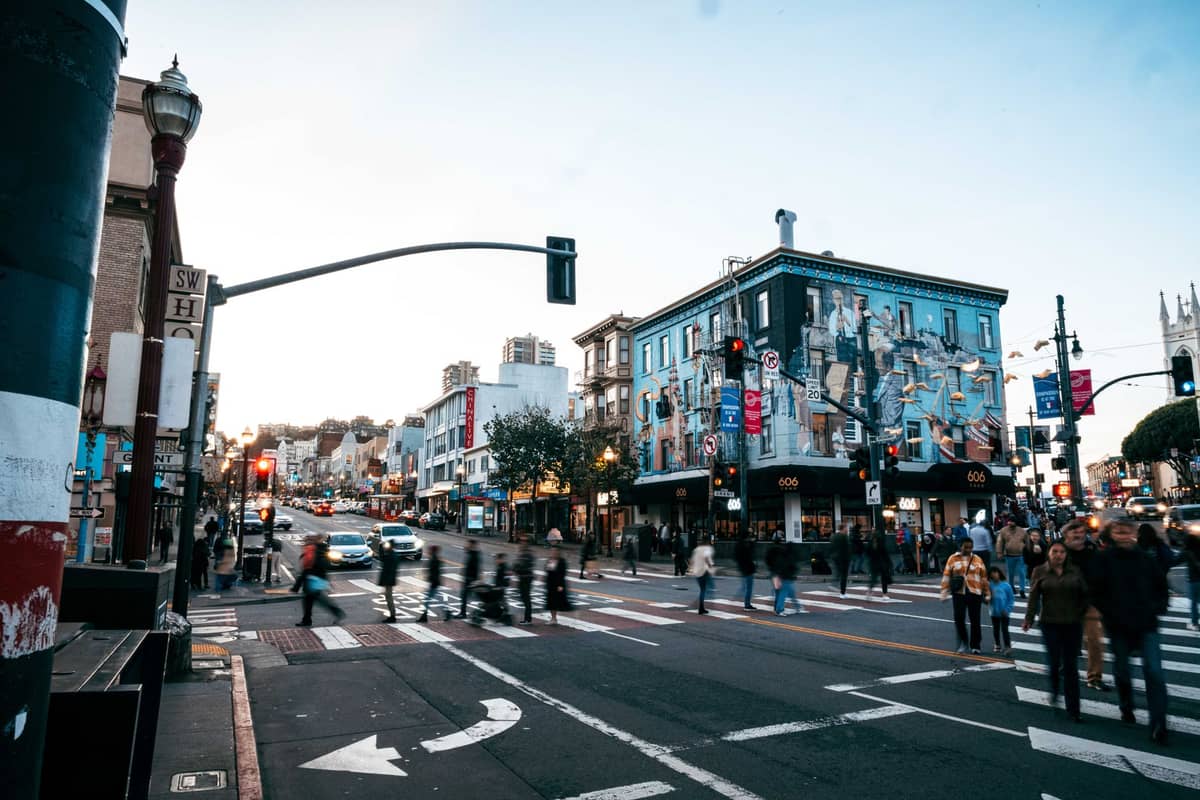
Nightlife in San Francisco clusters by neighborhood more than in most cities. Each area has a distinct personality. For a full orientation, the San Francisco neighborhoods guide gives useful context before you plan your evening.
- SoMa (South of Market) The densest concentration of clubs, LGBTQ+ bars, warehouse venues, and late-night spaces. This is where you'll find the biggest dance floors and most of the city's electronic music scene. Roughly bounded by Market Street to the north and the freeway to the south.
- Mission District Dive bars, Latin clubs, craft beer spots, and some of the city's best live music in smaller rooms. Valencia Street and 16th/24th Street BART corridors are the main arteries. More locals, lower prices, and a looser atmosphere than downtown.
- North Beach The historic Italian-American neighborhood and Beat Generation heartland. Jazz bars, old-school cocktail lounges, and wine bars around Columbus Avenue and Broadway. Less frenetic than SoMa — better for a slower, conversation-friendly night out.
- The Castro SF's LGBTQ+ cultural anchor, with bars and clubs that range from neighborhood pubs to high-energy dance spots. The stretch of Castro Street between Market and 19th is the core. Lively on weekends; quieter but welcoming mid-week.
- Fillmore / Western Addition Home to the legendary Fillmore Auditorium and several smaller music venues. The neighborhood has deep roots in jazz and blues history. Not a bar-hopping corridor, but essential for anyone serious about live music.
- Hayes Valley Upscale cocktail bars and wine lounges catering to a post-symphony or pre-opera crowd. Quieter and more polished than the Mission, with earlier last calls at most spots.
Live Music Venues Worth Planning Around
San Francisco's live music infrastructure is genuinely world-class. The Fillmore Auditorium on Geary Boulevard is probably the most famous rock and pop venue in the city's history — a roughly 1,200-capacity room that has hosted nearly every major act since the 1960s. Tickets typically range from around $30 to well over $100 depending on the artist, and shows sell out frequently. Check the Fillmore's official calendar well in advance.
For smaller rooms, the Independent in the Lower Haight holds around 500 people and books an excellent mix of indie, alternative, and hip-hop acts. F8 on Folsom Street in SoMa (capacity around 400) skews toward rock, electronic, and DJ-driven nights. Both are standing-room venues with decent sightlines and good sound systems.
Jazz is woven into the city's fabric. North Beach has several bars offering live jazz Thursday through Saturday starting around 9 PM, with some smaller spots running Tuesday through Friday sets from around 5 to 7 PM — ideal for an early-evening drink rather than a late night. For a full evening around North Beach, pair a jazz set with dinner at one of the neighborhood's Italian restaurants beforehand.
✨ Pro tip
For free or cheap live music, check bars in the Mission and Richmond districts that host local bands on weekends with no cover charge. The SF Travel nightlife calendar and local outlets like the SF Weekly list free music nights. Some bars in SoMa also waive cover charges before 10 PM on Fridays and Saturdays.
Clubs, Cover Charges, and What to Expect
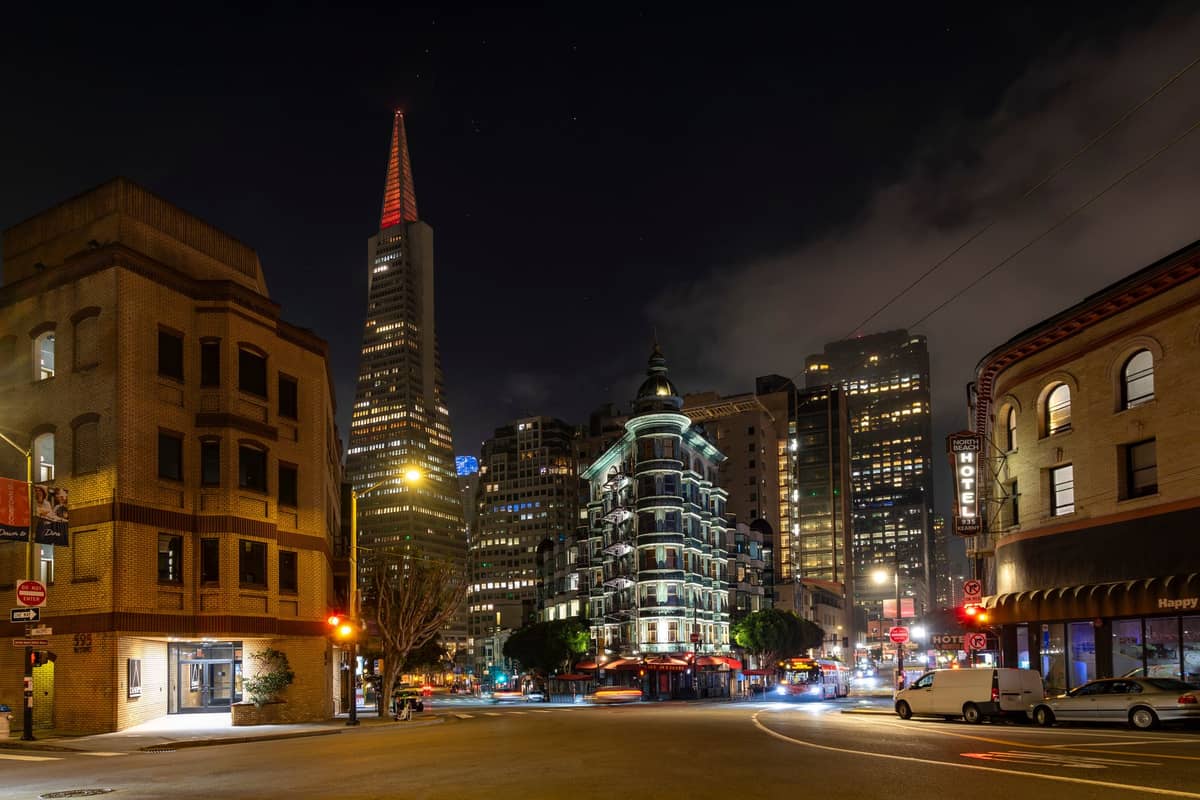
San Francisco's club scene is concentrated in SoMa, with a secondary cluster in the Castro. Weekend cover charges at clubs generally run $10–$30, though high-profile DJ nights and special events can push higher. Most clubs don't hit their stride until 11 PM or later, which leaves you roughly two hours before last call — a compressed window by global standards.
Dress codes exist but are rarely severe. A handful of upscale venues in SoMa enforce smart-casual requirements (no athletic wear, clean footwear), but the vast majority of SF bars and clubs are genuinely casual. The city doesn't have the bottle-service gatekeeping culture you'd encounter in LA or Las Vegas. That said, showing up in beach clothes to a 300-capacity electronic music room will still get you looks.
- Arrive before 10 PM at clubs to avoid the longest lines and sometimes catch a waived or reduced cover.
- Most venues accept cards, but carry $20–$40 cash for covers at smaller bars that don't use card readers at the door.
- Rideshares surge dramatically at 2 AM citywide when everyone leaves at once — order your Uber or Lyft at 1:30 AM to avoid a 20-minute wait and higher pricing.
- BART runs until roughly midnight on weeknights and until around 1 AM on Fridays and Saturdays (check sfbart.com for current schedules). It's the fastest way home from SoMa and the Mission.
- Tipping at bars follows standard US practice: $1–$2 per drink is customary, or around 18–20% on a tab.
Cocktail Bars, Speakeasies, and the Craft Drinking Scene
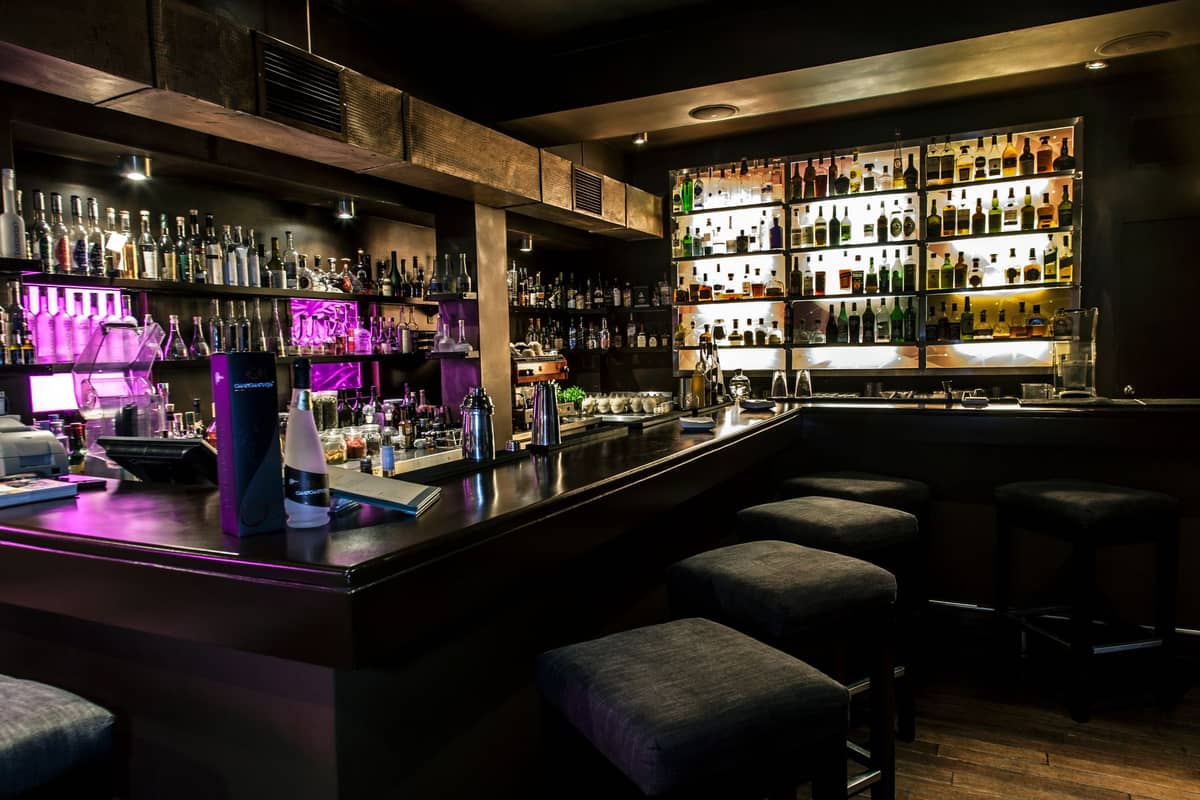
San Francisco has one of the strongest craft cocktail cultures in the United States, rooted in the same food-obsessive, locally-sourced ethos that drives its restaurant scene. The Tenderloin, Hayes Valley, and the Mission have the highest density of serious cocktail bars. Expect to pay $16–$22 for a well-crafted drink at a top bar, which is in line with (or slightly below) comparable venues in New York or Los Angeles.
The speakeasy format, with hidden entrances or unmarked doors, has found a natural home in SF's older building stock. Several bars in the Tenderloin and SoMa operate on this model, worth seeking out if you're interested in the city's architectural character as much as the drinks. Combine a cocktail bar crawl with a walk through SoMa to see how the neighborhood blends tech-era renovations with older industrial spaces.
Wine bars are another strong category, especially around Hayes Valley near the San Francisco Symphony and Opera. Pre-show drinks here lean toward California natural wines and small producers from Sonoma and Napa. The crowd is older and quieter, making it a legitimate alternative if loud bars aren't your preference.
⚠️ What to skip
Fisherman's Wharf and Pier 39 have very limited genuine nightlife options. The bars there close early and cater almost exclusively to tourists. If you're staying near the waterfront and want a real night out, take an Uber or BART into the Mission or SoMa — it's worth the 15–20-minute ride.
Planning Your Night: Practical Logistics
Getting around San Francisco at night is straightforward if you plan ahead. BART is your best bet for reaching SoMa and the Mission from downtown or from neighborhoods along the Market Street corridor. Muni buses run throughout the night on key routes. For a full breakdown of transit options, see the getting around San Francisco guide.
If you're visiting in summer, pack a jacket regardless of how warm the afternoon felt. San Francisco's evening temperatures average in the low-to-mid 50s°F (11–13°C) in June through August due to the Pacific marine layer — the same fog that rolls over Twin Peaks by 9 PM is the same one that will make a t-shirt feel entirely insufficient. For more on seasonal planning, the best time to visit San Francisco guide covers month-by-month conditions.
For couples looking for a more romantic evening angle, the San Francisco for couples guide covers rooftop bars, late-night views, and quieter options alongside the louder nightlife. If budget is a concern, the San Francisco on a budget guide lists free music nights and happy hour strategies.
- Book tickets for the Fillmore, the Independent, and other major venues in advance — sold-out shows are common on weekends.
- Check SF Travel's nightlife calendar (sftravel.com) for current events; venue websites and local press are more reliable than generic travel aggregators.
- The Mission is the best neighborhood for a pre-night-out dinner: burritos, tacos, and Vietnamese spots are open late and reasonably priced compared to downtown.
- Designated driver or sober? Lyft and Uber are the most practical options after midnight, but order early to avoid post-2-AM surge pricing.
- The San Francisco night market scene is limited compared to Asian cities, but occasional pop-up night markets appear in SoMa and the Mission — check event listings seasonally.
FAQ
What time do bars close in San Francisco?
All bars and clubs in San Francisco must stop serving alcohol by 2:00 AM under California state law. Most venues wind down noticeably before that. Plan your night to start by 9–10 PM if you want a full evening.
What are the best neighborhoods for nightlife in San Francisco?
SoMa is the hub for clubs and dance venues. The Mission has the best mix of dive bars, live music, and Latin nightlife. North Beach is ideal for jazz and cocktail bars. The Castro is the center of LGBTQ+ nightlife. The Fillmore corridor is essential for live music.
Is there a San Francisco night market?
San Francisco doesn't have a permanent, large-scale night market like those in Asian cities, but seasonal and pop-up night markets do appear in SoMa, the Mission, and Chinatown. Check local event listings through SF Travel or community sites for current schedules.
How much does it cost to get into clubs in San Francisco?
Weekend cover charges at most clubs run $10–$30. Some venues waive the cover before 10 PM. High-profile DJ nights and special events can cost more. Many bars have no cover at all, particularly in the Mission and North Beach.
Is San Francisco nightlife safe?
Most nightlife areas, including SoMa, the Mission, North Beach, and the Castro, are well-trafficked and reasonably safe on weekend nights. The Tenderloin, which sits between downtown and some nightlife corridors, requires more caution — stay on busier streets and be aware of your surroundings. Use rideshares rather than walking long distances late at night in unfamiliar areas.