Things to Do in San Francisco: The Definitive Guide
San Francisco packs an extraordinary range of experiences into about 47 square miles of land. From the Golden Gate Bridge and Alcatraz to neighborhood walks through Chinatown and the Mission, this guide covers the top things to do in San Francisco with clear, practical detail to help you spend your time well.
Plan and book this trip
Tools from our partner Travelpayouts help you compare flights and hotels. If you book through them, we may earn a commission at no extra cost to you.
Flights
Hotels map
TL;DR
- The Golden Gate Bridge, Alcatraz, and the cable cars are the non-negotiable landmarks. Book Alcatraz tours at least a week ahead since they sell out fast.
- San Francisco's land area is only about 7 by 7 miles, so many major sights are walkable or a short Muni ride apart.
- Summer (June through August) is peak tourist season but also the foggiest and coolest period. September and October are statistically the warmest and clearest months.
- Beyond the waterfront, Golden Gate Park, the Mission District, and North Beach reward slower exploration and tend to be far less crowded.
- Walking across the Golden Gate Bridge and visiting most city parks is free. Budget travelers can cover a lot of ground without spending much at all.
The Iconic Landmarks: What You Actually Need to See
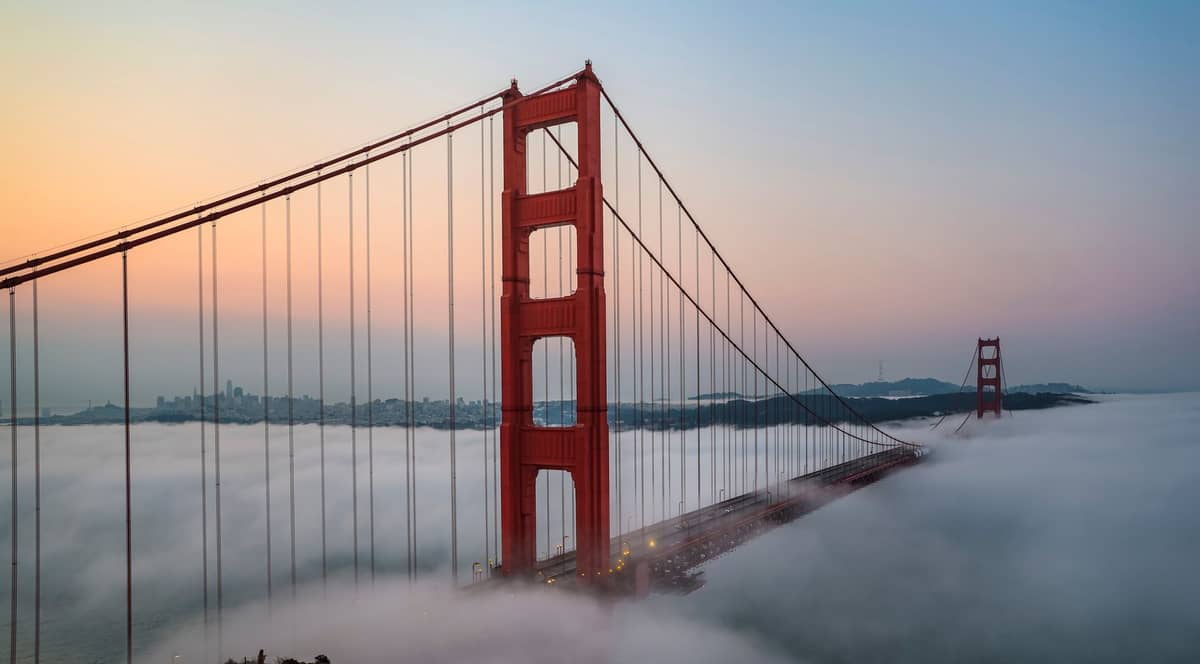
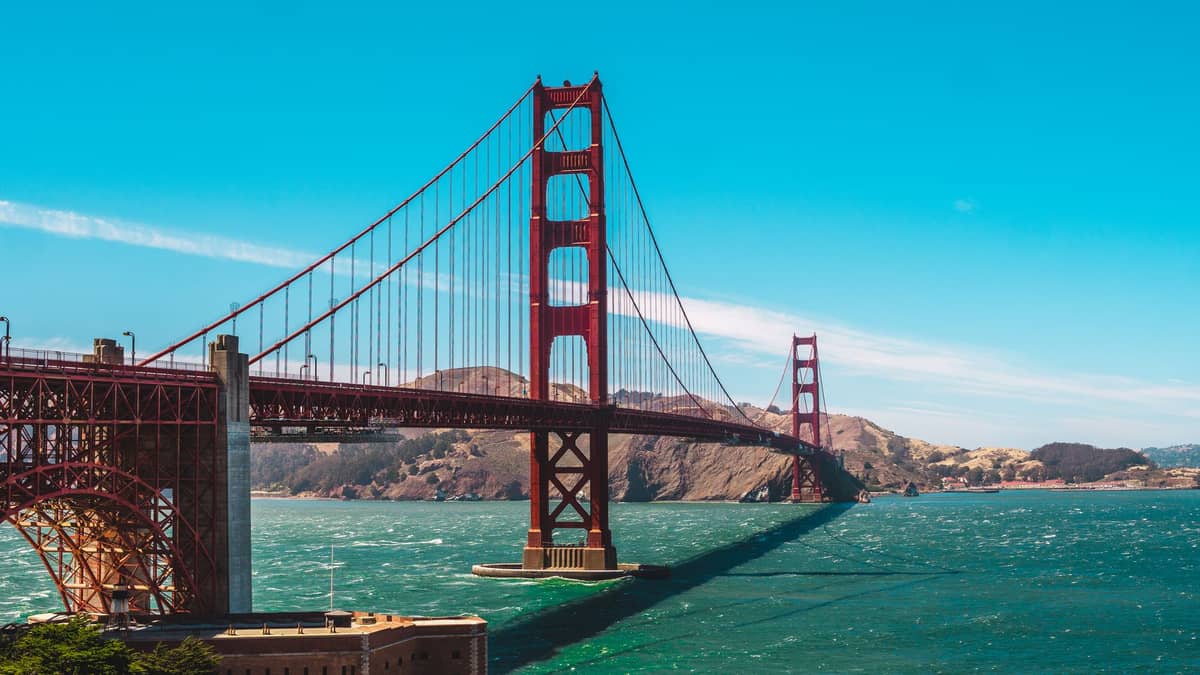
The things to do in San Francisco that belong on every first-time list are genuinely worth the effort, but each requires a different approach. Start with the Golden Gate Bridge. Opened in 1937, the bridge stretches 1.7 miles across the mouth of the bay and was, at the time, the longest and tallest suspension bridge in the world. Walking or cycling across is free, takes about 30 to 45 minutes one way, and gives you a perspective no car window or tour photo can replicate. The southern vista point on the San Francisco side fills up by mid-morning on weekends; arrive before 9 a.m. or after 4 p.m. to get decent photos without a crowd.
Alcatraz is a different kind of experience. The island operated as a federal penitentiary from 1934 to 1963 and also holds the oldest operating lighthouse on the U.S. West Coast. Ferries depart from Pier 33 and are run by Alcatraz City Cruises, the National Park Service's official concessioner. Tickets include the award-winning audio tour narrated by former guards and inmates. Book at least 5 to 10 days in advance in summer; last-minute availability is rare. The evening tours, which run select nights, are worth considering for smaller crowds and dramatic light on the bay.
⚠️ What to skip
Alcatraz tickets sell out weeks in advance during peak summer months (June through August) and over holiday weekends. The only official booking channel is Alcatraz City Cruises. Any third-party reseller charging a premium is not affiliated with the National Park Service.
The cable cars complete the trinity of unmissable San Francisco icons. The city operates three lines: Powell-Hyde, Powell-Mason, and California Street. The system is the last manually operated cable car network in the world and is a National Historic Landmark in its entirety. The Powell-Hyde line is the most scenic, cresting Nob Hill before descending steeply toward Fisherman's Wharf. Fares and Muni passes are managed by SFMTA. To avoid the notorious queues at Powell and Market, board at a mid-route stop such as California and Powell, or ride early on weekday mornings.
Golden Gate Park and the City's Great Outdoors
At 1,017 acres, Golden Gate Park is slightly larger than New York's Central Park, and it contains more distinct attractions than most visitors realize. A single visit can reasonably include the California Academy of Sciences (a science museum that combines a natural history museum, aquarium, and planetarium under one living roof), the de Young Museum with its free observation tower, and the Japanese Tea Garden, the oldest public Japanese garden in the United States. The Tea Garden offers free entry during the first hour on Mondays, Wednesdays, and Fridays, and San Francisco residents enter free at all times.
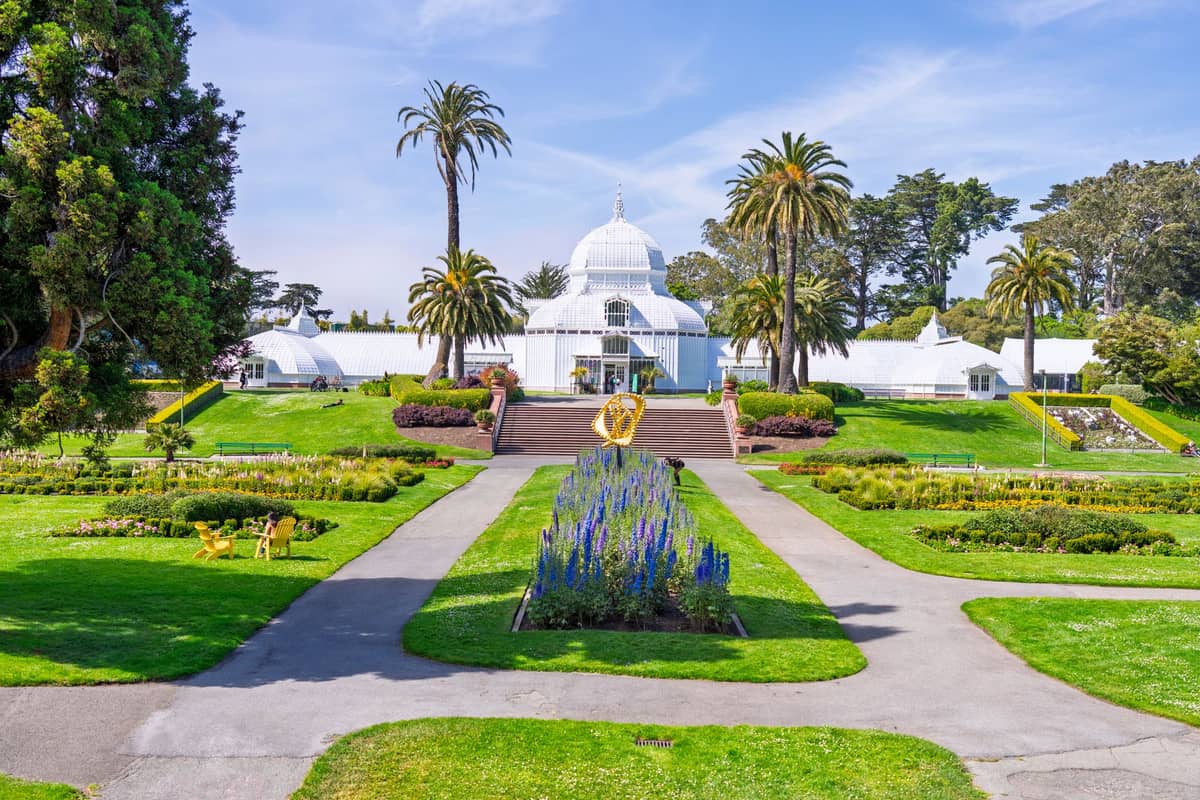
Beyond the main museums, the park rewards aimless walking. The Conservatory of Flowers, a Victorian glass greenhouse built in 1878, sits near the eastern entrance. The Dutch Windmills at the park's western edge are easy to miss but historically significant. On Sundays, the main road through the park closes to cars, and the entire stretch fills with cyclists, skaters, and families.
For views over the city and bay, Twin Peaks sits at 922 feet and offers a 360-degree panorama. It is accessible by car or a steep uphill walk. The Marin Headlands on the north side of the Golden Gate offer some of the best angles for photographing the bridge, and the Lands End Trail along the northwestern shoreline combines coastal views with the ruins of the Sutro Baths, an enormous 19th-century saltwater swimming complex.
💡 Local tip
San Francisco's summer fog is not a rumor. June and July mornings at the Golden Gate Bridge are frequently socked in until noon. If you want clear bridge photos, visit in September or October, or come in the late afternoon when the fog often retreats for a few hours.
Neighborhoods Worth a Full Afternoon
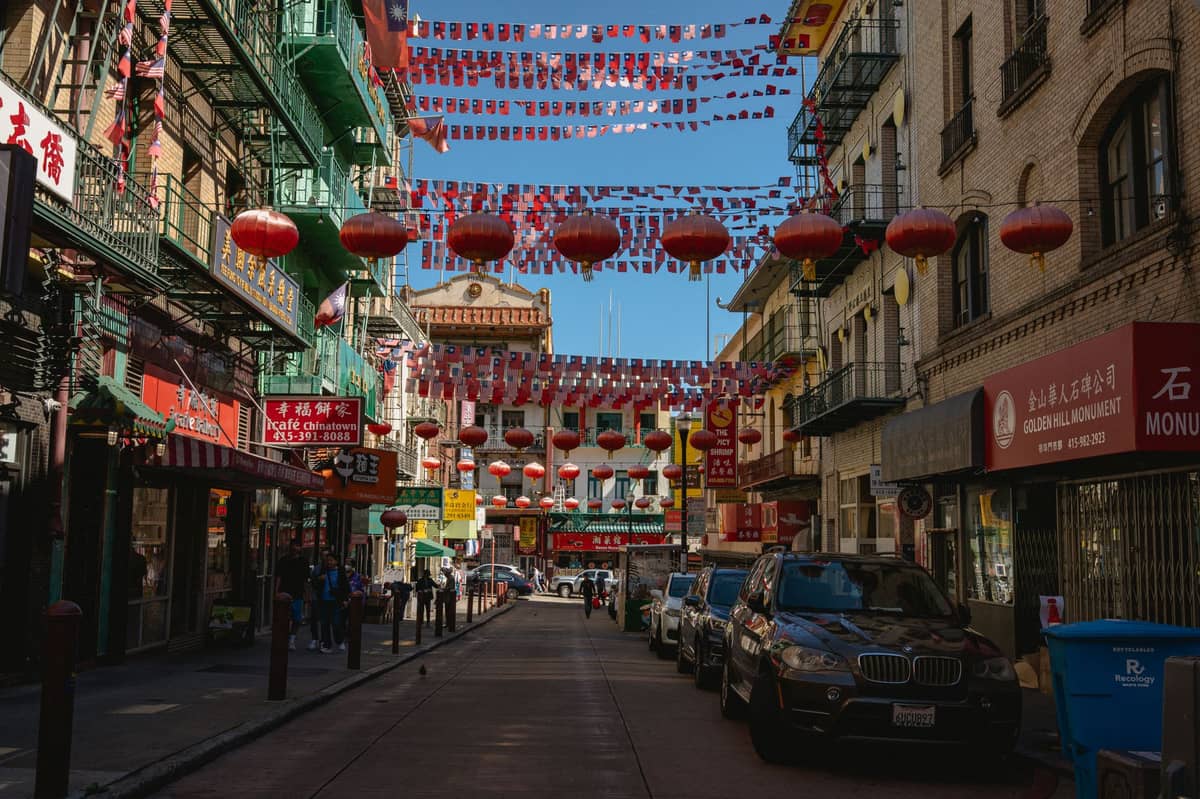
San Francisco's neighborhoods are genuinely distinct in character, and exploring them is one of the top things to do in San Francisco that doesn't require buying a ticket. Chinatown is the oldest in North America, established in 1848 and covering about 24 dense square blocks. Despite its reputation as a tourist draw, it remains one of the most densely populated residential neighborhoods in the city. Walk through the Dragon's Gate on Grant Avenue, visit the Golden Gate Fortune Cookie Factory on Ross Alley (one of the city's oldest alleyways), and look into the Chinese Historical Society of America Museum for context that most visitors skip.
North Beach, directly adjacent to Chinatown, developed as an Italian American neighborhood and later became the epicenter of the Beat Generation in the 1950s. City Lights Bookstore on Columbus Avenue is still a functioning independent bookshop and a genuine piece of literary history. Washington Square Park nearby is the neighborhood's living room, with tai chi practitioners in the morning and families in the afternoon.
The Mission District is the city's best neighborhood for food. The stretch of 24th Street and Valencia Street contains some of the best taquerias in California. The Mission also has a strong mural tradition: Balmy Alley and Clarion Alley are outdoor galleries covering entire block-long stretches of garage doors and walls. Mission Dolores, the oldest intact building in San Francisco (founded 1776), sits quietly at Dolores and 16th Streets and is often overlooked by visitors fixated on the waterfront.
- Chinatown Oldest in North America. Best on weekday mornings before tour groups arrive. Don't skip Ross Alley and the fortune cookie factory.
- North Beach Coffee, bookshops, and Beat history. City Lights is a must. Pair with a walk up the Filbert Steps to Coit Tower.
- Mission District Best food neighborhood in the city. Mural walks on Balmy and Clarion Alleys are free. Dolores Park on a sunny weekend is peak SF culture.
- Haight-Ashbury The 1960s counterculture backdrop is still visible in the architecture and independent shops. More residential than its reputation suggests.
- The Castro Historic center of LGBTQ+ life in San Francisco. The Castro Theatre is a working cinema with extraordinary architecture worth seeing even without a film.
Museums, Culture, and Indoor Rainy-Day Options
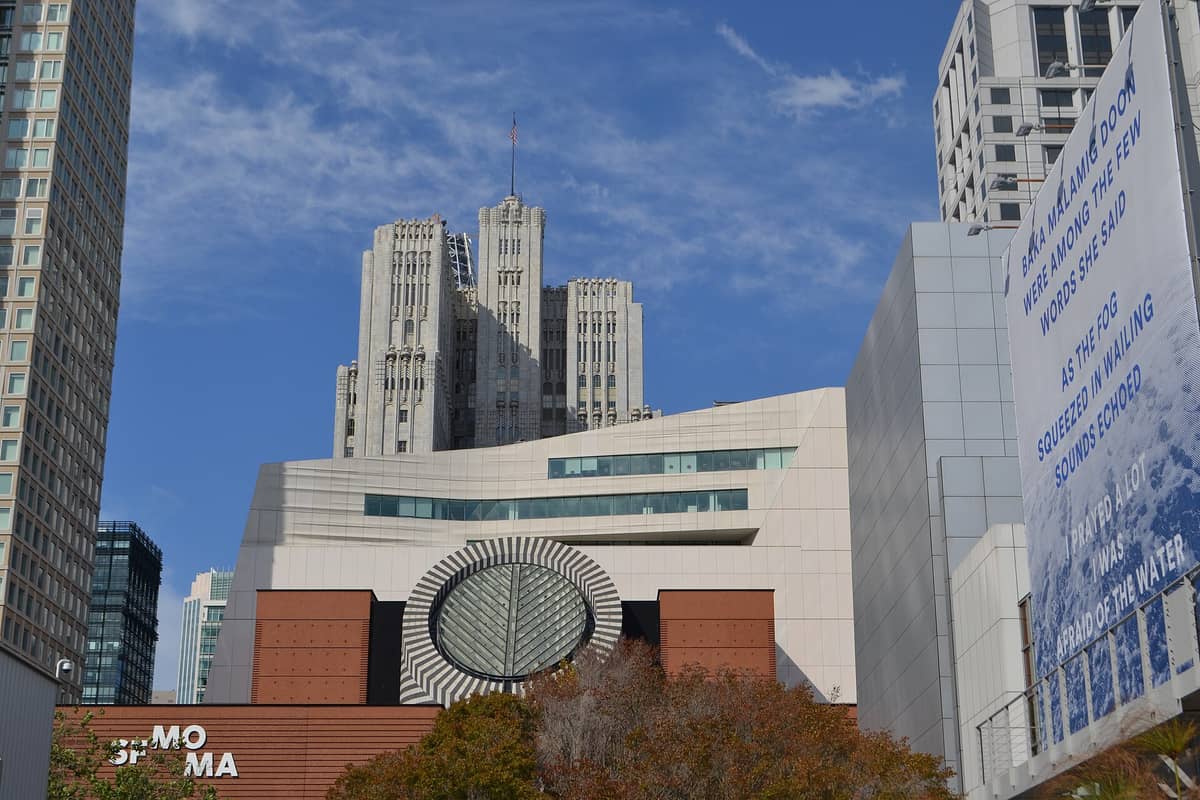
San Francisco has a serious museum scene, and it goes well beyond the obvious choices. SFMOMA in SoMa is one of the largest modern art museums in the United States, with permanent collections spanning painting, photography, design, and media arts. The Asian Art Museum near City Hall houses one of the most comprehensive collections of Asian art outside Asia, with over 18,000 objects spanning 6,000 years.
For families and anyone curious about science and technology, the Exploratorium on the Embarcadero is a hands-on science museum built specifically around experimentation. It is genuinely engaging for adults, not just children. The California Academy of Sciences in Golden Gate Park includes a four-story rainforest dome, a living roof, and one of the world's deepest indoor coral reef tanks.
Some museums still run free or reduced-admission days, but policies vary and change — the de Young and Legion of Honor, for example, no longer offer automatic free entry for all visitors on the first Tuesday. Check each museum's website for current free programs before visiting.
✨ Pro tip
The Ferry Building on the Embarcadero is not just a transit hub. The ground-floor marketplace houses some of the city's best specialty food producers, including Acme Bread, Recchiuti Confections, and Blue Bottle Coffee. The Saturday farmers market outside (roughly 8 a.m. to 2 p.m.) is one of the best in California and is genuinely local, not a tourist production.
Practical Logistics: Getting Around and Timing Your Visit
San Francisco's land area is about 46.9 square miles, and the city's walkability is real. A fit visitor can walk from the Ferry Building to Golden Gate Park in about an hour and a half. That said, the hills are steep and unevenly distributed. Nob Hill, Russian Hill, and Twin Peaks involve serious elevation changes; the difference between walking a flat route and a hilly one is significant.
The SFMTA operates Muni buses, Muni Metro light rail, the historic F-Market streetcar line (which connects Market Street to Fisherman's Wharf), and the cable cars. BART (Bay Area Rapid Transit) runs under Market Street and connects to Oakland, Berkeley, and San Francisco International Airport (SFO), which sits 13 miles south of downtown. From SFO, BART reaches downtown stations like Powell Street in about 30 minutes. For full transit options, see the guide to getting around San Francisco.
- Drive or take a rideshare to Twin Peaks and the Marin Headlands. Muni does not serve these efficiently.
- Use BART between the Mission District, SoMa, and downtown. It is faster and more reliable than Muni buses on those corridors.
- Avoid driving to Fisherman's Wharf or Golden Gate Park on weekends. Parking is genuinely difficult and often expensive.
- The F-Market historic streetcar line runs every 10 to 15 minutes and is often faster than Muni buses along the Embarcadero.
- Uber and Lyft operate citywide and have designated pickup zones at SFO. Surge pricing is common during large events and late nights.
On timing: September and October are statistically the warmest and clearest months in San Francisco, with average high temperatures reaching 67 to 71°F (19 to 22°C). Summer (June through August) is peak tourist season but also the foggiest period, with average highs only reaching 66 to 68°F (19 to 20°C). If you have flexibility, late September is the sweet spot for both weather and slightly thinner crowds. For a fuller breakdown of seasonal trade-offs, see the guide on the best time to visit San Francisco.
Day Trips and Getting Out of the City
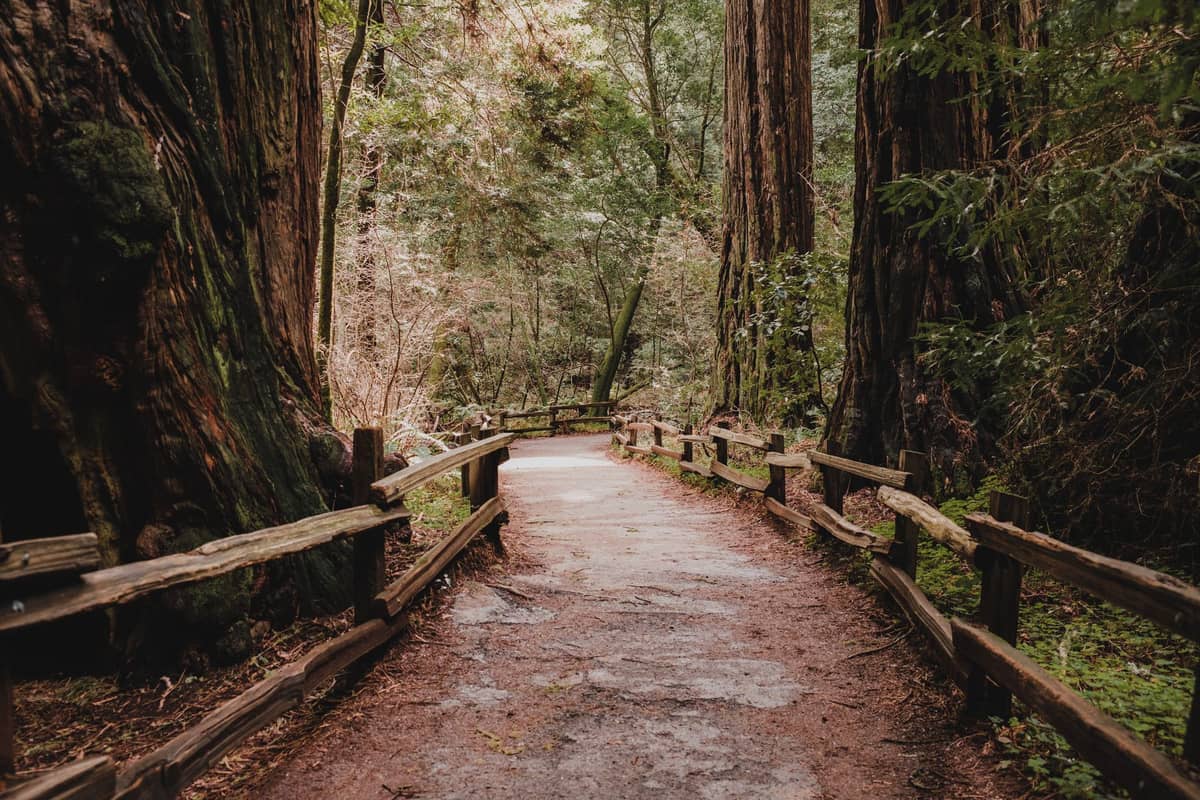
San Francisco's location on a peninsula surrounded by the bay and the Pacific makes it an unusually good base for day trips. Muir Woods National Monument, 12 miles north of the city, contains old-growth coastal redwoods with some trees over 250 feet tall. Parking at the monument itself is limited and requires advance reservation; taking the ferry from the Ferry Building to Sausalito and cycling or busing the rest of the way is a genuinely better option. See the Muir Woods day trip guide for route details.
Napa Valley is about 55 miles northeast of San Francisco and is reachable by a combination of ferry and bus or by car in around 90 minutes without traffic. Point Reyes National Seashore, about 40 miles northwest, offers dramatic coastal cliffs, elephant seal colonies (in season), and one of the last intact examples of California coastal prairie. For a broader overview of options, the day trips from San Francisco guide covers distances, transport logistics, and what each destination is actually worth.
FAQ
What are the best free things to do in San Francisco?
Walking across the Golden Gate Bridge, exploring Golden Gate Park, and wandering the Chinatown, Mission, and North Beach neighborhoods are all free. The Embarcadero waterfront, Crissy Field, Baker Beach, and most city parks also cost nothing. Many museums offer one free day per month. See our guide to free things to do in San Francisco for a complete list.
How far in advance do I need to book Alcatraz tickets?
During summer (June through August) and over major holidays, Alcatraz tickets typically sell out 1 to 3 weeks in advance. In the shoulder season (March through May, September through November), booking 5 to 7 days ahead is usually sufficient. Always book through Alcatraz City Cruises, the official National Park Service concessioner.
Is San Francisco worth visiting in summer despite the fog?
Yes, but with realistic expectations. The marine layer typically burns off by early afternoon in many neighborhoods, and areas east of the hills (Mission District, Downtown, SoMa) tend to be clearer than the western side of the city. Pack layers regardless of season; temperatures in summer rarely exceed 68°F (20°C) even on warm days.
What are the top things to do in San Francisco for first-time visitors?
Prioritize the Golden Gate Bridge (walk across it), Alcatraz Island, a cable car ride on the Powell-Hyde line, and a few hours in Golden Gate Park. Add a neighborhood walk through Chinatown and North Beach, and a meal in the Mission District. Three days covers the major sights comfortably without rushing.
How do I get from San Francisco Airport (SFO) to downtown?
BART is the most reliable option. The SFO BART station is in the International Terminal, connected by AirTrain from other terminals. Trains reach downtown stations (Powell Street, Montgomery Street, Civic Center) in approximately 30 minutes. Uber and Lyft are also widely available from designated pickup zones, with travel time depending on traffic, typically 25 to 45 minutes.