San Francisco for First-Time Visitors: The Essential Guide
San Francisco packs an enormous amount into 47 square miles of land. This guide covers everything a first-time visitor needs to know: how to arrive, where to stay, what to prioritize, and the common mistakes that waste time and money.
Plan and book this trip
Tools from our partner Travelpayouts help you compare flights and hotels. If you book through them, we may earn a commission at no extra cost to you.
Flights
Hotels map
TL;DR
- San Francisco sits on a peninsula between the Pacific Ocean and San Francisco Bay in Northern California, and most top attractions are reachable by public transit and walking.
- Book Alcatraz Island tickets weeks in advance — they genuinely sell out, especially from May through October.
- September and October are the warmest, clearest months. June through August is often foggy and cool, despite being peak season.
- Skip the rental car. Parking costs $40–$100 per night at most central hotels, and car break-ins are a real problem. Muni, BART, and rideshare handle everything you need.
- Layer up year-round. Even on warm days, temperatures can drop 15°F once fog rolls in — check the best time to visit San Francisco guide for seasonal breakdowns.
Arriving in San Francisco: Airports and Getting to the City
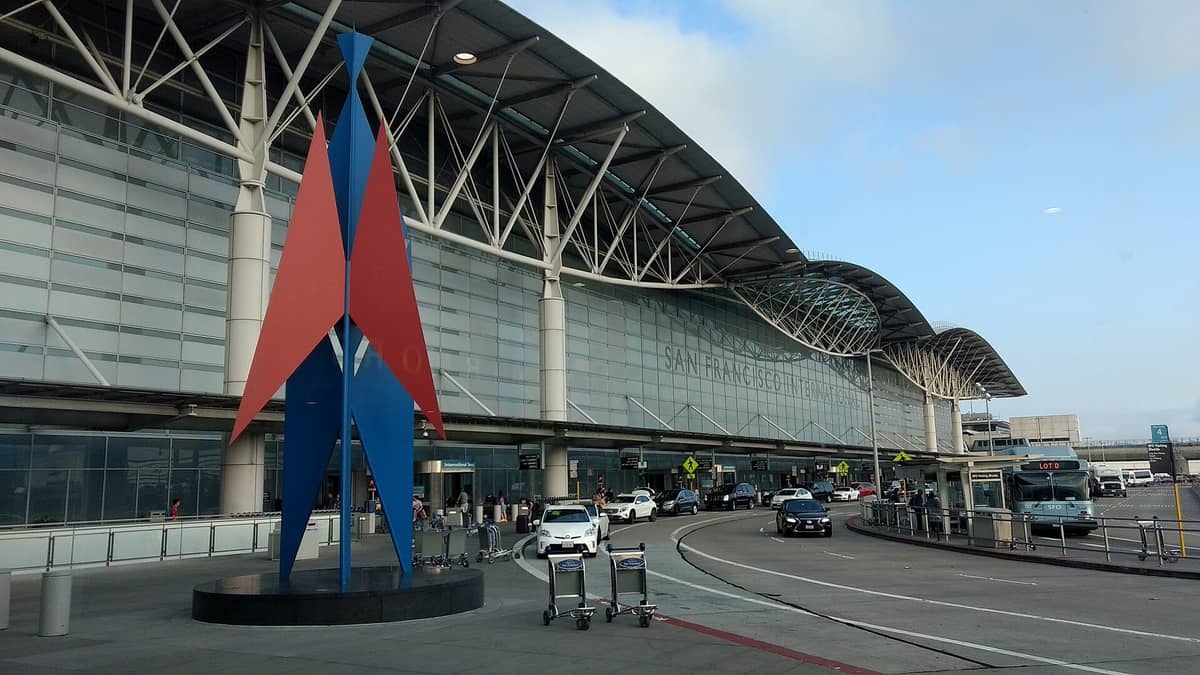
Most international and domestic flights land at San Francisco International Airport (SFO), located about 13 miles (21 km) south of downtown. Travel time to the city center runs around 25 minutes in light traffic, but can stretch to 45–60 minutes during weekday rush hours.
The cheapest and most reliable option is BART (Bay Area Rapid Transit). The SFO BART station sits inside the International Terminal, connected to other terminals via the free AirTrain. Trains run to downtown stations including Powell Street, Montgomery Street, and Civic Center in about 30 minutes. Fares are distance-based and typically run around $11–$12 per person to central San Francisco. Check the San Francisco airport guide for current fares and step-by-step transit directions.
- BART from SFO Around $11–$12 to downtown. ~30 minutes. Most reliable option regardless of traffic.
- Uber / Lyft Designated pick-up zones at SFO. Typically $35–$65 depending on time of day and surge pricing.
- SamTrans Bus 292 Budget option at around $2.25. Slower but functional for travelers with time and no luggage issues.
- Shared shuttle Door-to-door service, but multiple stops add significant time. Best for hotels far from BART.
⚠️ What to skip
Two other Bay Area airports serve the region: Oakland International (OAK) and San Jose International (SJC). Both are sometimes cheaper, but factor in ground transport time. OAK requires a bus connection to BART. Neither is walking distance from San Francisco.
Getting Around San Francisco Without a Car
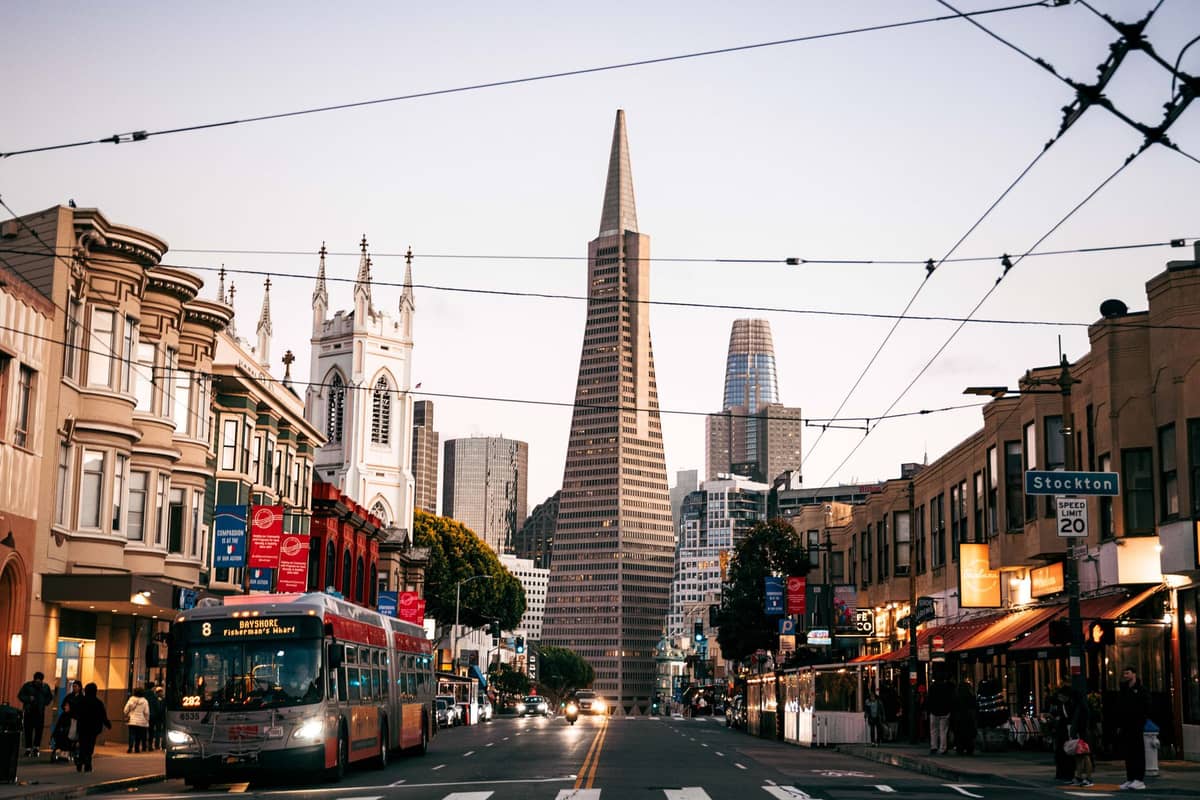
San Francisco's land area is just under 47 square miles, which sounds compact until you factor in the hills. The city has over 50 named hills, and several of the most popular neighborhoods sit on steep grades. A combination of Muni, BART, and occasional rideshare handles virtually everything a first-time visitor needs.
The San Francisco Municipal Transportation Agency (SFMTA) operates Muni, which includes buses, light rail (Muni Metro), historic F-line streetcars, and the three cable car lines. The Clipper Card is a rechargeable transit card accepted across Muni, BART, Caltrain, and ferries — load it at any BART station or online. If you plan to ride Muni frequently, check current day pass options, which can offer real savings. For a deeper breakdown of routes and tips, the getting around San Francisco guide covers every option in detail.
✨ Pro tip
The historic F-line streetcars run along Market Street and the Embarcadero all the way to Fisherman's Wharf. They're legitimate public transit (same Muni fare applies), not a tourist-only ride, and one of the most useful routes for first-timers covering multiple waterfront sights in one direction.
Cable cars deserve a mention because the reality differs from the postcard version. The three lines (Powell-Hyde, Powell-Mason, and California Street) are real public transit, but they move slowly and the queues at popular terminals like Powell & Market can run 30–45 minutes on weekends. Board mid-route to skip the wait. For the full picture on routes, schedules, and strategy, see the San Francisco cable car guide.
What the Weather Actually Does (And Why It Matters)
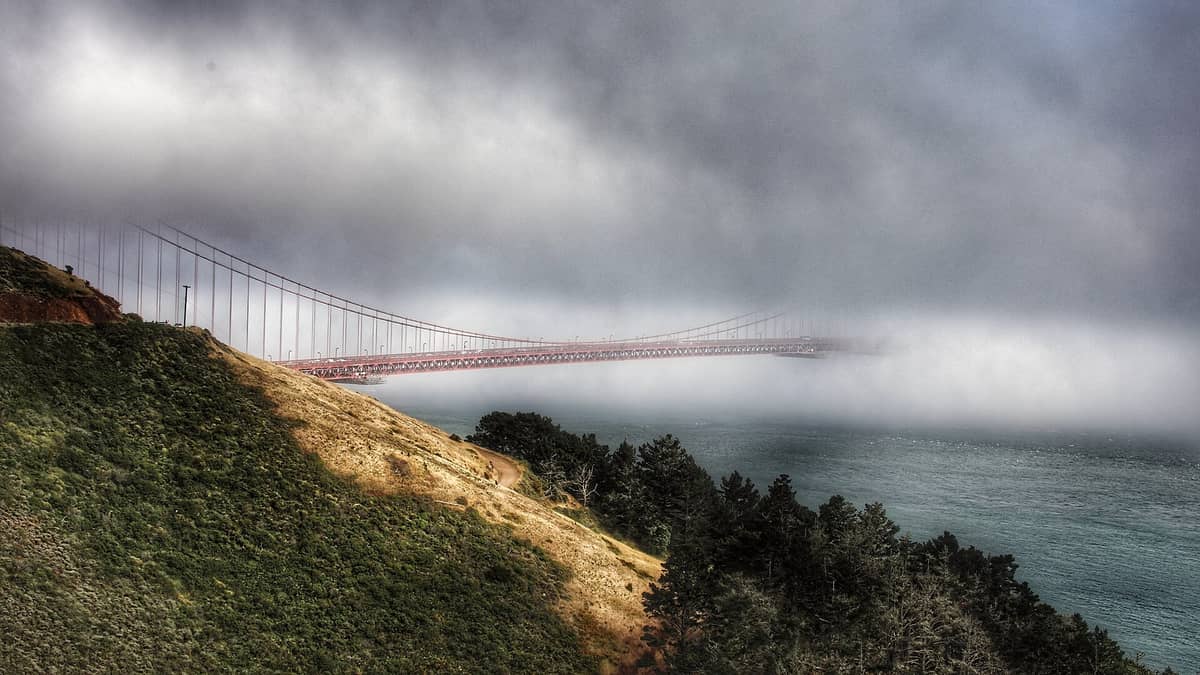
San Francisco has a warm-summer Mediterranean climate, classified as Köppen Csb, heavily shaped by cold Pacific Ocean currents and the marine fog layer. This produces one of the more counterintuitive weather patterns for visitors: summer is the coolest, foggiest season, while fall is the warmest and clearest.
- September–October Typically the warmest months. Average highs reach 67–71°F (19–22°C), less fog, and clearer skies. Best overall window for a first visit.
- June–August Peak tourism season, but average highs only reach 66–68°F (19–20°C). The marine layer often keeps neighborhoods like the Sunset and Richmond under fog until midday.
- April–May Mild, relatively dry, and less crowded than summer. Good shoulder-season option with average highs around 61–64°F (16–18°C).
- November–March Rainy season. Most precipitation falls in this window, but storms are rarely severe. Temperatures stay moderate (highs 57–61°F / 14–16°C). Crowds are lowest.
💡 Local tip
Pack layers regardless of when you visit. A morning in the Mission District at 65°F can become a cold, windy 50°F afternoon at the Golden Gate Bridge. Light merino wool or a packable down jacket earns its weight in your bag.
Top Attractions: What to Prioritize on Your First Visit
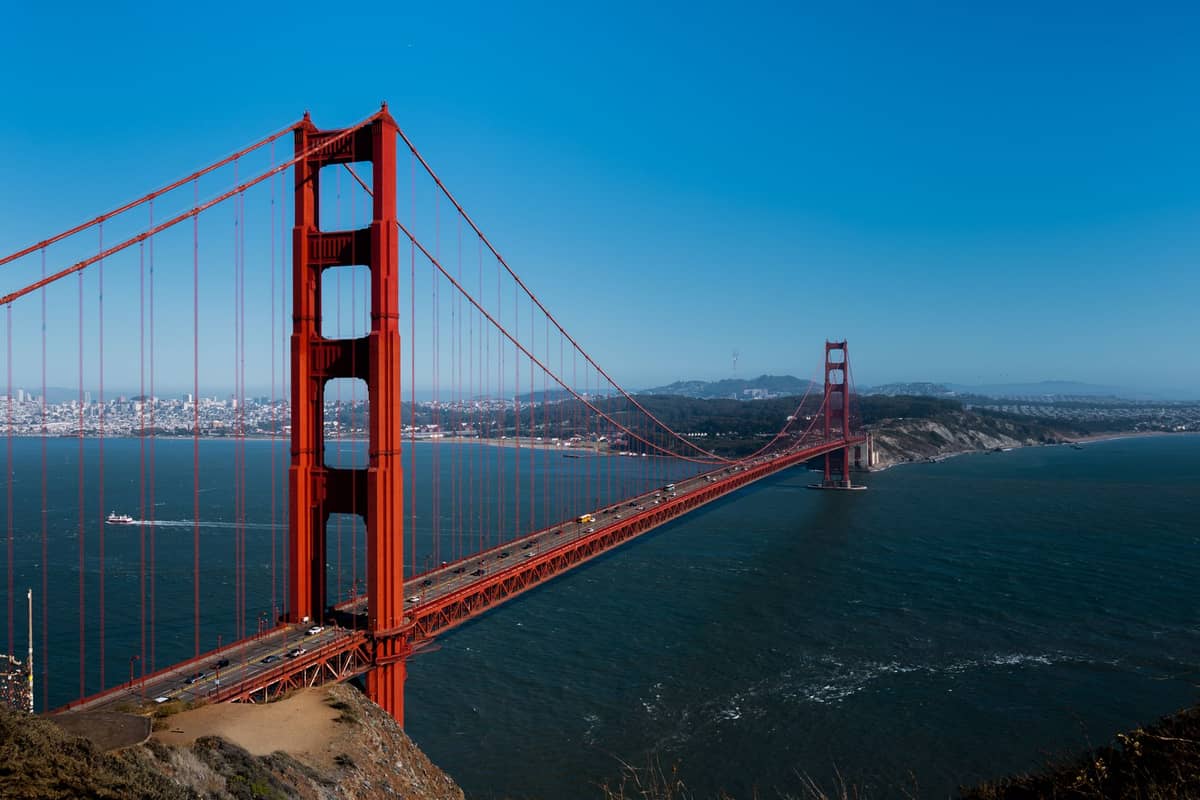
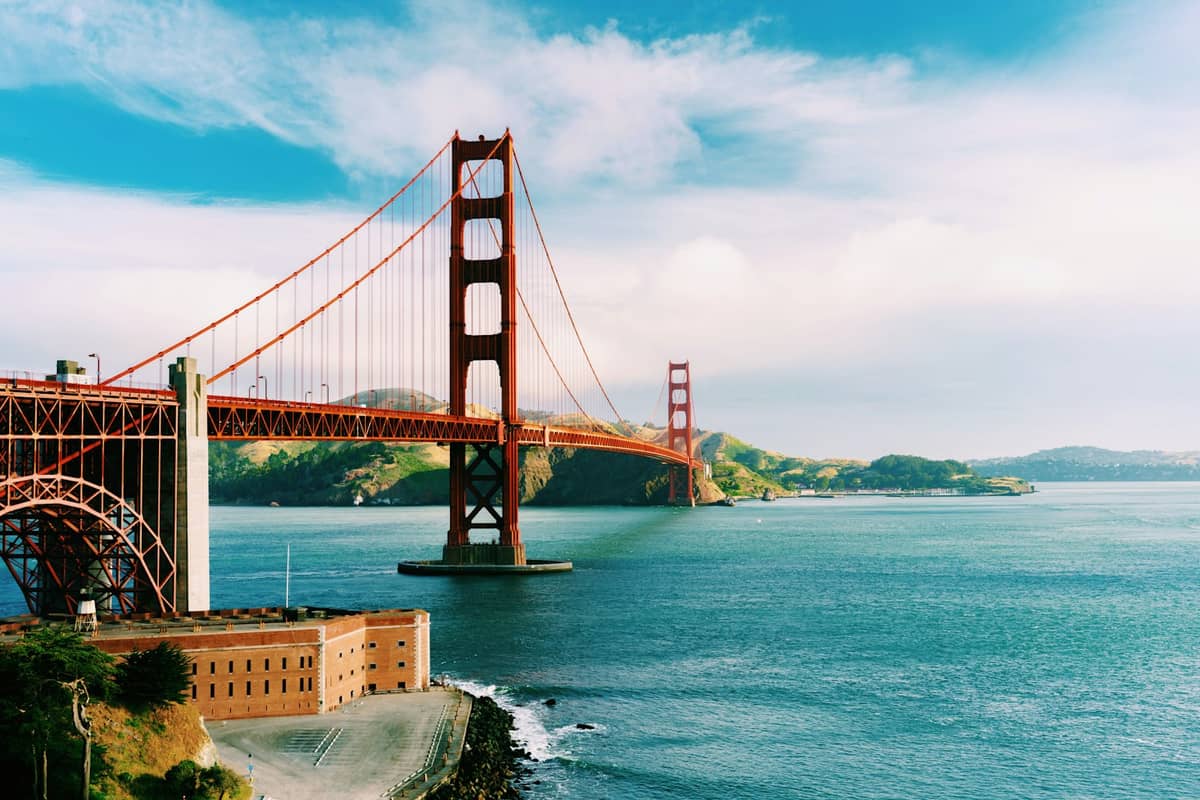
The Golden Gate Bridge is the non-negotiable landmark. Walking or cycling across it takes about 30–45 minutes each way, costs nothing (pedestrian access is free), and delivers views over the Bay and Marin Headlands that photographs barely capture. The best angles for photography are from the Marin side lookout or from Fort Point below the south anchorage. Morning fog can make the experience genuinely dramatic rather than disappointing.
Alcatraz requires advance planning, full stop. Ferry tours depart from Pier 33 near Fisherman's Wharf and include the award-winning audio tour on the island. Tickets sell out weeks ahead during spring and summer. Book directly through Alcatraz City Cruises (the official operator) as soon as your dates are confirmed. The night tour, if available, is a genuinely different experience and worth the slight premium.
Beyond the iconic two, first-timers often underestimate Golden Gate Park. At 1,017 acres, it's larger than Central Park and contains the de Young Museum, the California Academy of Sciences, the Japanese Tea Garden, and miles of paths. Budget at least half a day. The park is also completely free to walk through.
- Chinatown One of the oldest and most densely populated Chinese communities in North America. Enter through Dragons Gate on Grant Avenue. Free to explore; best on weekday mornings before crowds build.
- Lombard Street (the crooked block) The famous one-block zigzag on Russian Hill is worth seeing, but it's a short stop. Walk down rather than driving — the vehicle queue can back up significantly in summer.
- Painted Ladies The Victorian rowhouses at Alamo Square are best photographed from the park in the morning, with downtown skyline behind them. Arrive before 10am on weekends.
- Ferry Building Marketplace A working ferry terminal and food hall with local vendors. The Saturday farmers market (year-round, 8am–2pm) is one of the city's best. Not a tourist trap.
Neighborhoods: Where to Base Yourself and What to Expect
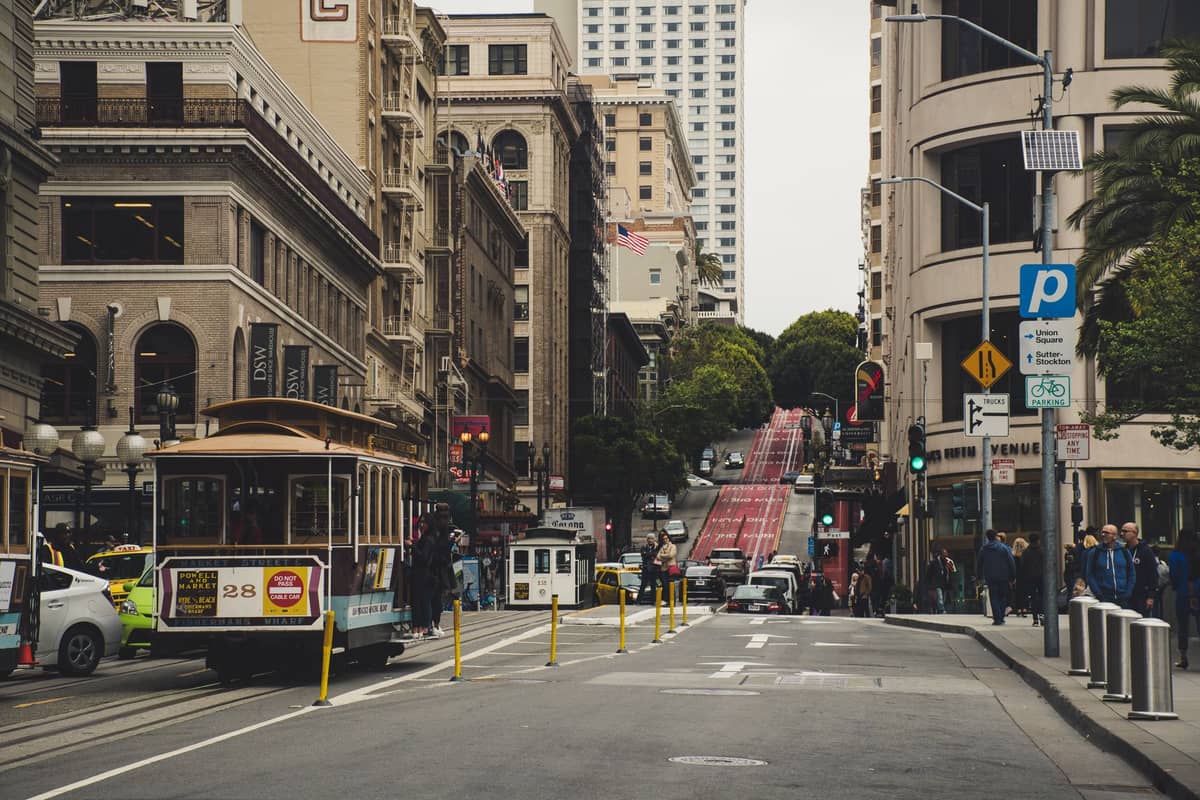
Where you stay shapes your entire experience. Union Square is the traditional first-timer base: central, walkable to major transit, surrounded by hotels at various price points. It's convenient but not particularly characterful. For a more atmospheric alternative, North Beach puts you close to the waterfront and Chinatown, with good independent restaurants and the literary history of City Lights Bookstore. The where to stay in San Francisco guide breaks down every major neighborhood by budget and travel style.
The Mission District is the city's best neighborhood for food and street art, with Balmy Alley murals and the best burritos in California. It's further from the waterfront sights but sits on BART, making it practical. Nob Hill offers iconic hotels and cable car access but comes at a premium. Avoid basing yourself in SoMa unless you have a specific reason — it's less walkable and less scenic for leisure visitors.
Practical Logistics: Money, Safety, and the Basics
The currency is the US Dollar (USD). San Francisco's local sales tax is 8.625%, added at the register to most purchases — prices on menus and tags typically exclude it. Tipping at sit-down restaurants runs 18–20% of the pre-tax bill; it is a genuine expectation in American dining culture, not optional. Most venues accept credit and debit cards; carrying some cash is useful for street food, farmers markets, and the occasional cash-only spot.
Electricity runs at 120V / 60Hz with Type A and Type B plugs (two flat pins, sometimes with a grounding pin). Visitors from Europe, the UK, Australia, and most of Asia will need an adapter and possibly a voltage converter for older appliances. San Francisco tap water is supplied from the Hetch Hetchy Reservoir and meets federal and state drinking water standards. It is safe to drink from the tap.
On safety: San Francisco has visible homelessness and street disorder in specific areas, most concentrated around the Tenderloin, parts of SoMa, and near Civic Center. These are real conditions to be aware of, not exaggerated. The neighborhoods most first-timers visit (Fisherman's Wharf, North Beach, Chinatown, the Mission, Haight-Ashbury, the Castro) are generally fine for walking during the day and evening. Car break-ins are a persistent issue across the city — never leave anything visible in a parked car, including in parking garages. The San Francisco safety tips guide covers this in full detail.
ℹ️ Good to know
Emergency services: dial 911 for police, fire, or medical emergencies. For non-emergency city services and information, dial 311 within San Francisco (or +1-415-701-2311 from outside the city). The city's 311 service operates in over 160 languages.
Visa requirements depend on your nationality. Visitors from eligible countries can use the Visa Waiver Program (VWP) with an approved ESTA for stays up to 90 days. Others require a B-1/B-2 visitor visa. Always verify current requirements directly with the U.S. Department of State before booking. For everything else about planning your time and budget, the 3-day San Francisco itinerary and the San Francisco on a budget guide give you a practical framework to build from.
FAQ
Do I need to book Alcatraz tickets in advance?
Yes, and the earlier the better. Alcatraz tours regularly sell out two to four weeks ahead during spring and summer. Book directly through Alcatraz City Cruises (the official operator). If your first-choice date is gone, check for cancellations or consider the night tour, which sometimes has more availability.
Is San Francisco expensive for first-time visitors?
It is one of the more expensive US cities. Budget accommodation starts around $120–$160 per night; mid-range hotels typically run $200–$350. Restaurant meals average $20–$35 per person at sit-down places. That said, several major sights cost nothing: walking the Golden Gate Bridge, exploring Golden Gate Park, Chinatown, Crissy Field, and many public viewpoints are all free.
What is the best time of year to visit San Francisco for the first time?
September and October offer the best combination of warm temperatures, clear skies, and lower crowds than summer. April and May are a solid second choice. Avoid June through August if fog-free weather is a priority — these are climatologically the coolest, foggiest months despite being peak tourist season.
Do I need a car to visit San Francisco?
No, and most experienced visitors actively recommend against renting one. Muni buses, light rail, cable cars, BART, and rideshare apps cover every major sight. Parking at central hotels often costs $40–$100 per night, and car break-ins are common across the city. A Clipper Card loaded with transit funds handles most of your ground transport needs.
How many days do I need in San Francisco?
Three days is a practical minimum to cover the main sights without feeling rushed: one day for the waterfront (Golden Gate Bridge, Alcatraz, Fisherman's Wharf), one for neighborhoods (Chinatown, North Beach, Mission, Castro or Haight), and one for Golden Gate Park and any museums. Five to seven days allows for day trips to Muir Woods, Sausalito, or Napa Valley.