San Francisco Airport (SFO): The Complete Guide to Getting Into the City
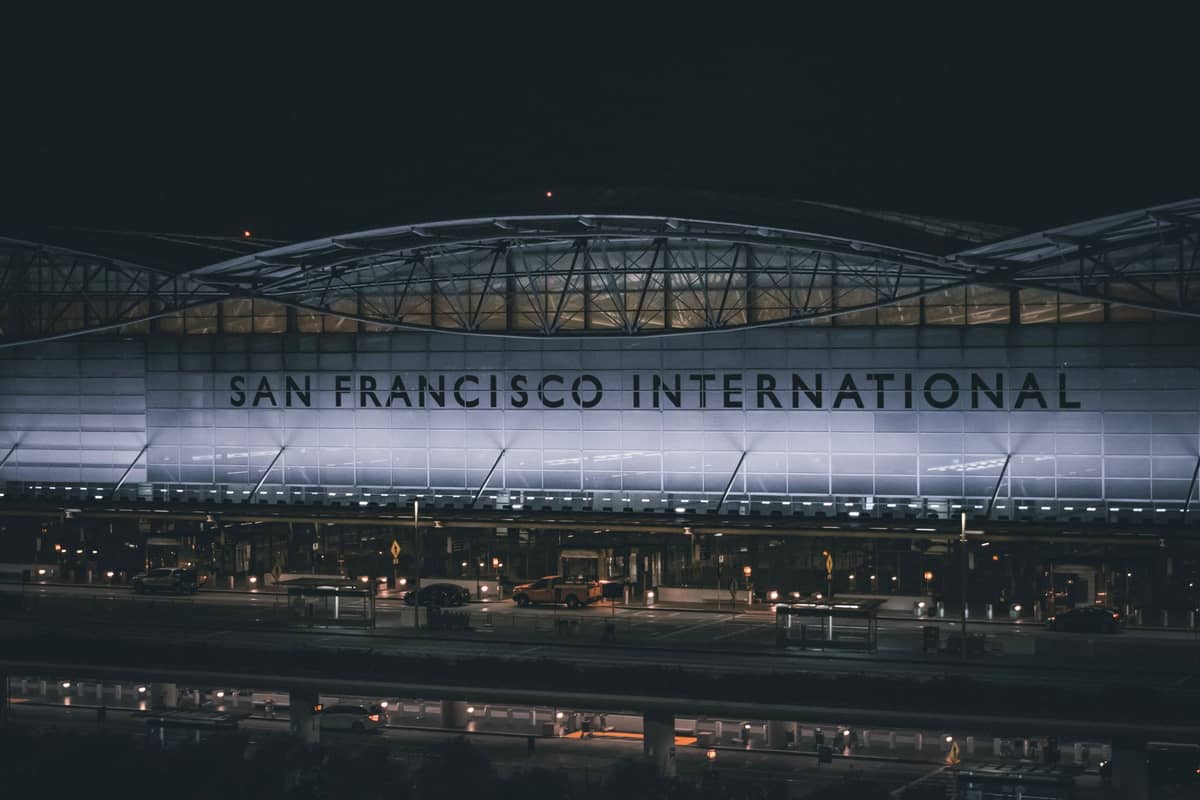
San Francisco International Airport sits 13-15 miles south of downtown, and getting into the city is straightforward once you know your options. This guide breaks down every transport method from SFO, including real costs, travel times, and the mistakes most first-timers make.
Plan and book this trip
Tools from our partner Travelpayouts help you compare flights and hotels. If you book through them, we may earn a commission at no extra cost to you.
Flights
Hotels map
TL;DR
- San Francisco International Airport (SFO) is 13-15 miles south of downtown, typically 25-40 minutes by car or BART depending on traffic.
- BART is the fastest and cheapest option at around US$10-11 each way, running directly from the International Terminal to downtown stations in about 30 minutes. Check the full getting around San Francisco guide for city transit beyond the airport.
- Rideshare (Uber/Lyft) costs around US$35-50 depending on surge pricing and traffic; taxis run US$60-80.
- The AirTrain is free but only connects terminals inside SFO — it does not go to the city.
- BART stops running around midnight, so late-night arrivals generally need a rideshare or taxi; limited SamTrans night buses (such as route 397) still operate but with infrequent service.
SFO Airport: The Basics
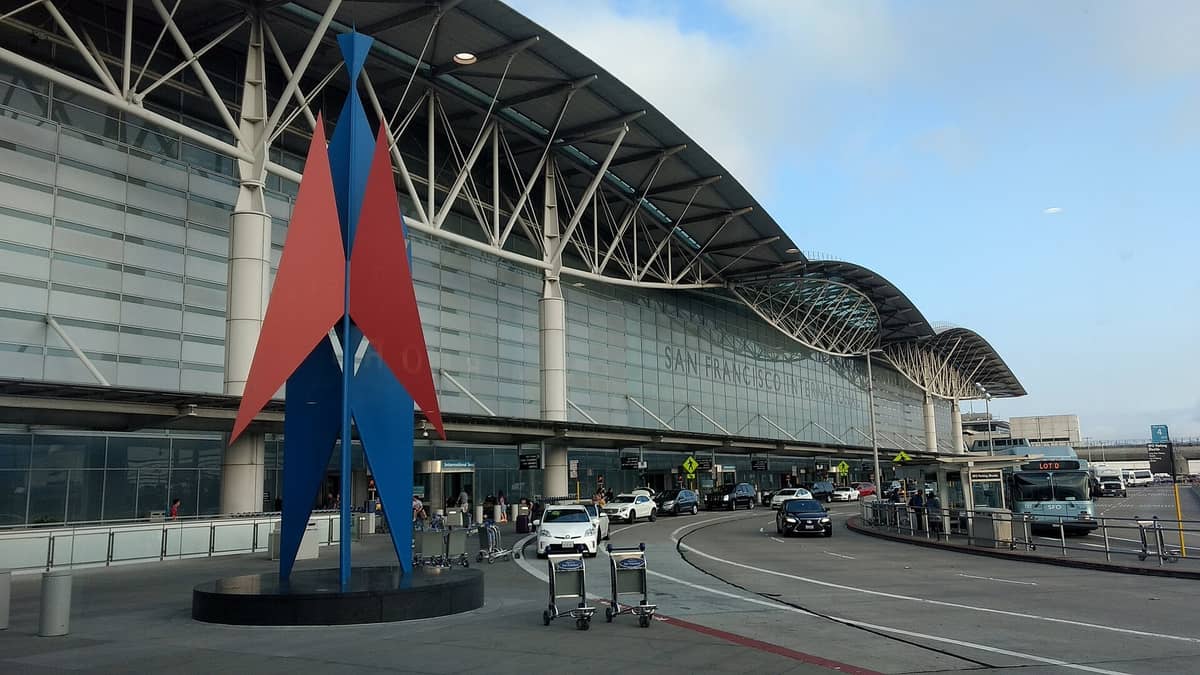
San Francisco International Airport (IATA: SFO) is one of the busiest airports on the US West Coast and the closest major airport to downtown San Francisco. It sits in unincorporated San Mateo County, not within San Francisco city limits, approximately 13-15 miles south of downtown along the bay. That distinction matters: ground transport pricing and timing is set by the airport and its partner agencies, not the City and County of San Francisco.
The airport has four terminals: Terminal 1, Terminal 2, Terminal 3, and the International Terminal (ITN), which handles the majority of international arrivals and departures. The terminals are connected by the free AirTrain automated people mover, which also links to the BART station, rental car center, and long-term parking garages. If you have a domestic connection or need to reach a different terminal after landing, AirTrain is how you get there — it loops continuously and takes just a few minutes between stops.
⚠️ What to skip
The AirTrain does NOT go to San Francisco. It is a terminal connector only, operating entirely within SFO's campus. You must take BART, a bus, taxi, or rideshare to actually reach the city. This confuses a surprising number of first-time visitors.
BART: The Fastest Way Into Downtown
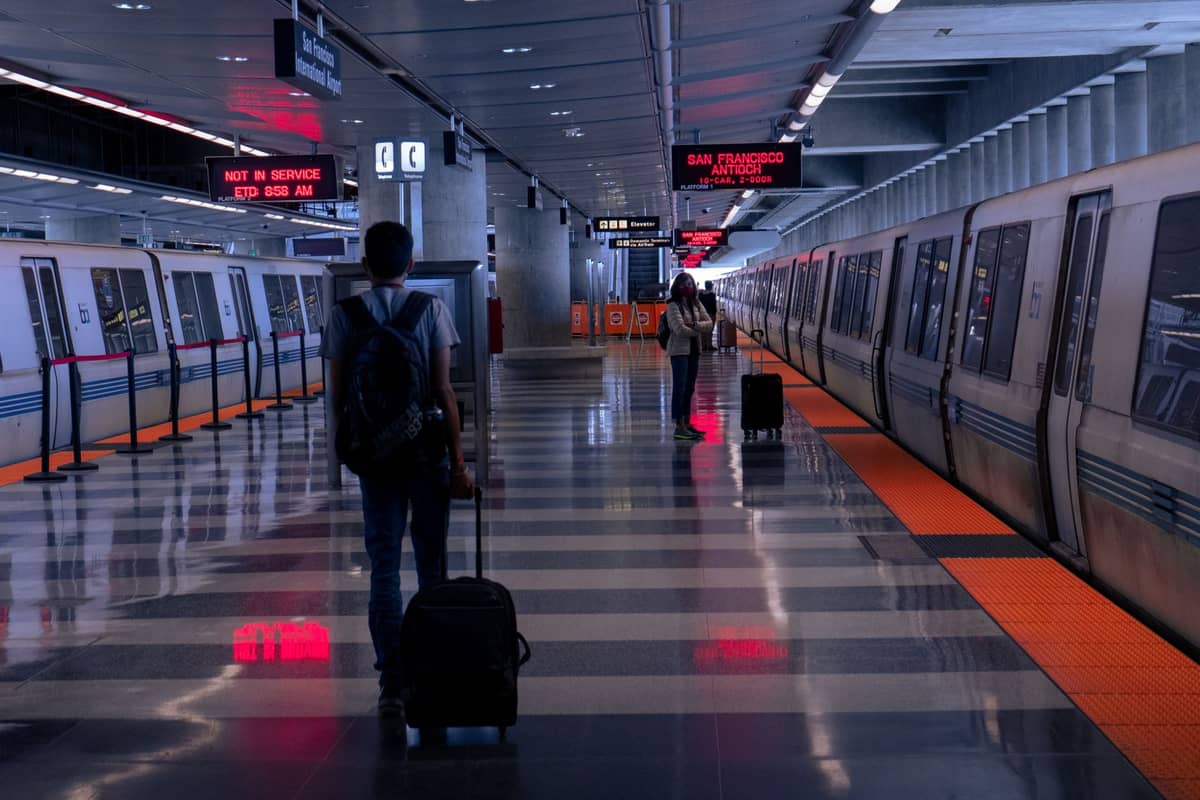
BART (Bay Area Rapid Transit) is the single best option for most travelers getting from SFO to central San Francisco. The dedicated SFO BART station sits inside the International Terminal building. From domestic terminals, take the AirTrain (free, a few minutes) to reach it. Trains on the SFO/Millbrae line run directly to core downtown stations: Embarcadero, Montgomery Street, Powell Street, and Civic Center. Travel time is around 25-30 minutes to Powell Street, which puts you close to Union Square and a short walk or Muni ride from most hotels.
- Fare Around US$10-11 one way from SFO to downtown stations (distance-based; verify current fares at bart.gov before travel).
- Travel time Approximately 25-30 minutes to Powell Street or Embarcadero stations.
- Service hours Roughly 5:00am to midnight on weekdays, 6:00am to midnight on weekends. No overnight service.
- Frequency Trains typically run every 15-20 minutes during off-peak hours, more frequently during rush hour.
- Payment Clipper card or BART ticket purchased at station vending machines (credit/debit cards accepted).
✨ Pro tip
Load a Clipper card at the vending machines inside SFO's BART station before you board. Clipper is the regional transit card accepted on BART, Muni, and most Bay Area transit systems, so it will serve you well beyond just the airport trip.
BART drops you directly in the heart of San Francisco. If your hotel is in SoMa, near Union Square, the Embarcadero, or the Financial District, you may not need any additional transport. For neighborhoods further afield like the Mission or Haight-Ashbury, BART gets you downtown and then Muni buses or light rail cover the rest.
Rideshare, Taxis, and Shared Shuttles
Uber and Lyft are widely available at SFO with designated pickup zones on the departure level of each terminal (check the SFO app or signage for current pickup locations, as these have shifted over the years). Standard UberX fares run around US$35-50 for a typical downtown drop-off, though surge pricing during peak hours, holidays, or after large events can push that significantly higher. Budget for 35-50 minutes in normal traffic; during Friday afternoon rush hour or after a Giants game at Oracle Park, 60+ minutes is realistic.
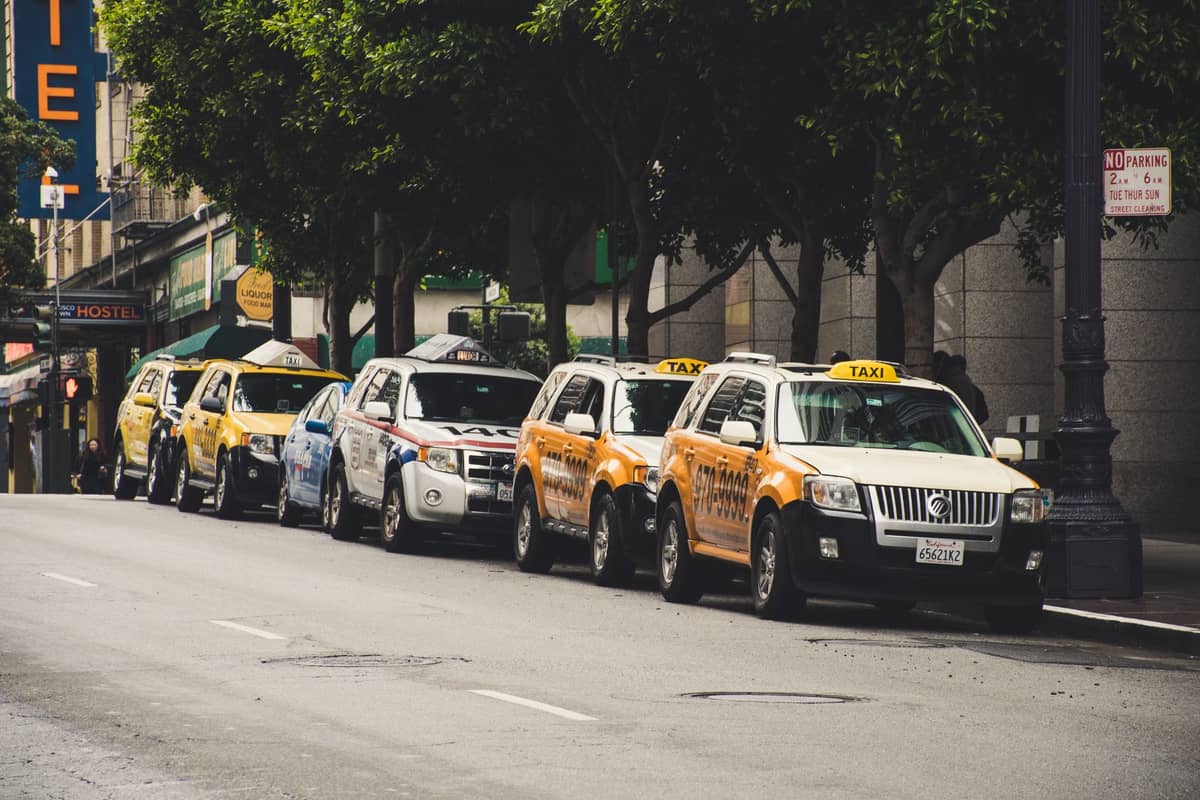
Traditional taxis queue at the arrivals level outside baggage claim and are metered. Expect to pay roughly US$60-80 to downtown depending on traffic and exact destination, plus a standard tip of 15-20%. Taxis do not surge price, which makes them more predictable than rideshare during busy periods, though they are consistently more expensive than BART and often more expensive than rideshare in normal conditions.
Shared shuttle vans operate from SFO to various San Francisco neighborhoods at around US$20 per person. They are cheaper than a private rideshare but significantly slower, since the van makes multiple stops across the city before reaching yours. If you have heavy luggage and a flexible schedule, a shuttle is a reasonable budget option. If you are arriving late at night or have an early morning departure, the timing uncertainty makes shuttles a poor choice.
💡 Local tip
If you are traveling with 3 or more people sharing a single fare, a rideshare often ends up cheaper per person than BART once you factor in convenience and no luggage hassle. Run the numbers before you queue for the train.
SamTrans Buses: The Budget Option Worth Knowing
SamTrans operates several bus routes between SFO and San Francisco, and they are significantly cheaper than any other option. Routes 292 and 397 serve different parts of the Peninsula and connect to the Transbay Terminal and Market Street area in San Francisco. Fares run around US$2.25-5.00 one way, making this the lowest-cost ground transport from the airport. The trade-off is travel time: bus routes take longer than BART and run less frequently, especially on weekends and evenings.
SamTrans buses are a practical choice if you are traveling light, have time to spare, and want to minimize spend. They are less practical if you arrive during evening hours (limited schedule) or have significant luggage. Check current routes and timetables at samtrans.com before you travel, as schedules change seasonally.
San Francisco Airport Parking
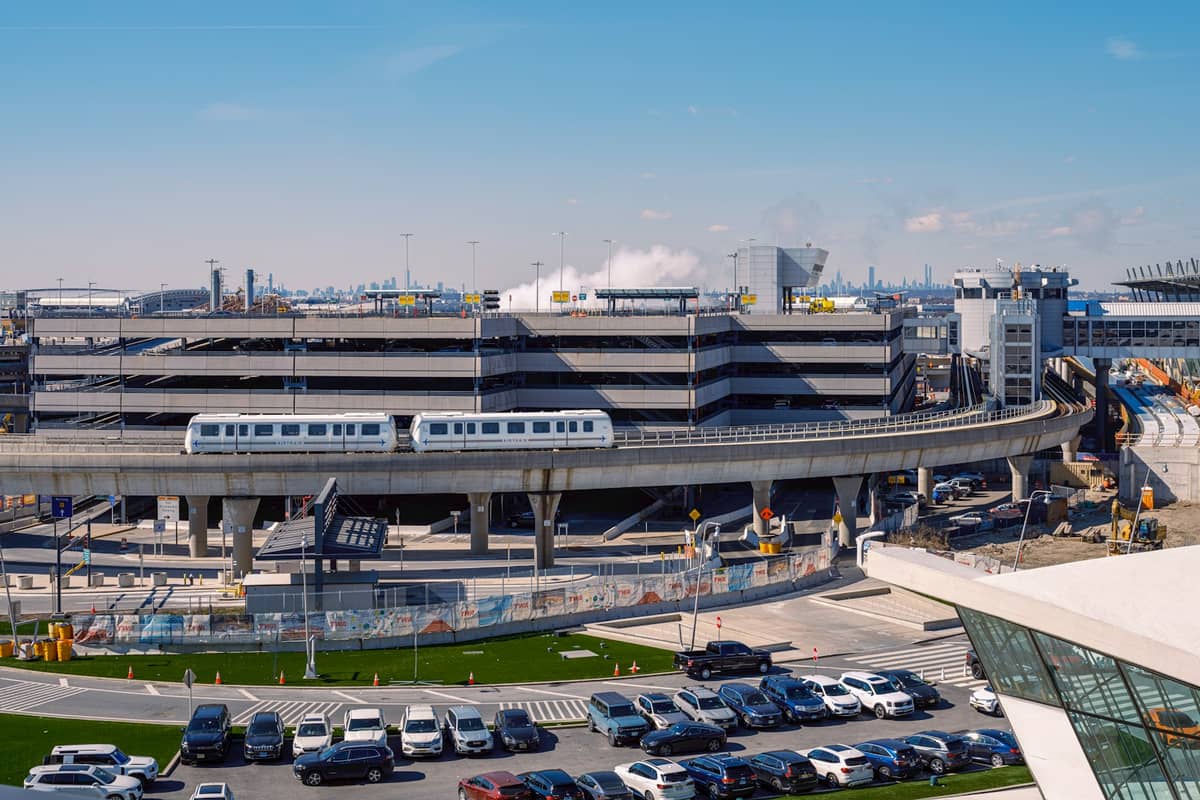
SFO offers multiple parking options ranging from short-term garages directly connected to terminals to remote economy lots served by the AirTrain. San Francisco airport parking rates vary considerably by garage and duration: short-term garage rates are designed for quick pickups and drop-offs, while daily rates in the economy lots are lower for multi-day trips. The official SFO parking reservation system (flysfo.com) allows you to book and prepay, which is worth doing during peak summer and holiday travel periods when the closest garages fill quickly.
- Short-term garage Adjacent to each terminal. Convenient for quick pickups but the most expensive option per day. Best for trips under 2 hours.
- Long-term parking (Daily garage) A step down in price from short-term. Connected via AirTrain. Good for trips of 1-3 days.
- Economy lot (Lot A) Lowest daily rate at SFO. Accessed via AirTrain from the garage/BART station. Best value for trips of 4+ days.
- Off-airport private lots Several third-party lots near SFO offer rates below official airport pricing, with shuttle service to terminals. Book in advance online for the best rates.
For most city visitors who live elsewhere in the Bay Area and are driving to catch a flight, the economy lot is the practical choice. For visitors flying into SFO who plan to rent a car for day trips around Northern California, the rental car center is connected directly via AirTrain from any terminal and takes about 5 minutes. All major rental car companies operate from the consolidated facility.
Timing, Delays, and What to Expect on Arrival
SFO has a well-documented reputation for fog-related delays, particularly from late May through early August when San Francisco's marine layer is at its thickest. If you are flying in during summer, build buffer time into any onward plans. The summer travel patterns at SFO mean morning flights frequently arrive late due to low visibility approaches, which ripples through the schedule for the rest of the day. September and October, which are also San Francisco's warmest months, tend to be clearer with fewer weather delays.
International arrivals clear customs and immigration in the International Terminal. CBP (US Customs and Border Protection) wait times at SFO vary enormously: a quiet Tuesday afternoon might mean 15 minutes, while a busy Saturday evening with multiple wide-body international flights arriving simultaneously can mean 60-90 minutes or more. Mobile Passport Control and Global Entry expedite the process significantly if you are eligible. Factor this into pickup timing if someone is collecting you, or just head to BART once you clear.
Once in the city, your options for getting around open up considerably. The BART network connects you to most major transfer points, and from there Muni buses and light rail cover the rest. For a detailed breakdown of how to navigate San Francisco beyond the airport, see the guide to getting around San Francisco. If this is your first time in the city, the San Francisco first-time visitor guide covers neighborhood orientation, transport cards, and practical city logistics.
ℹ️ Good to know
SFO operates on Pacific Time (PT): UTC-8 in standard time (Pacific Standard Time) and UTC-7 during daylight saving (Pacific Daylight Time). If you are arriving from the East Coast or internationally, adjust your arrival expectations and any hotel check-in communications accordingly.
Nearby Airports: OAK and SJC as Alternatives
SFO is not the only airport serving San Francisco. Oakland International Airport (OAK) sits across the bay and often has cheaper fares from budget carriers. Getting from OAK to San Francisco requires a different approach: BART serves Oakland Coliseum station, reachable via the Oakland Airport Connector in about 8 minutes from the terminal, then about 20-25 minutes by train under the bay to downtown SF. Total door-to-door time is comparable to SFO, but the connection adds a transfer step.
Norman Y. Mineta San Jose International Airport (SJC) is further south in the South Bay and is a reasonable option only if your itinerary includes the Silicon Valley area or you are prepared for a longer ground transfer. Getting from SJC to San Francisco by Caltrain (from Santa Clara station, a short ride from the airport) takes around 60-90 minutes plus the connection. By car or rideshare it is roughly 45-60 minutes in light traffic, but Bay Area traffic makes that wildly variable.
For most visitors, SFO is the right airport for San Francisco. The BART direct connection makes it genuinely convenient, and terminal quality at SFO is higher than OAK. If you are weighing accommodation locations, the where to stay in San Francisco guide can help you pick a neighborhood that minimizes your transit burden from whichever airport you use.
FAQ
How long does it take to get from SFO to downtown San Francisco?
By BART, expect around 25-30 minutes from the SFO station to Powell Street or Embarcadero in downtown. By rideshare or taxi in normal traffic, the 13-15 mile drive takes about 25-40 minutes. During rush hour (roughly 7-9am and 4-7pm weekdays) or after major events, road travel can easily take 60 minutes or more. BART is immune to traffic and is generally the most reliable option.
How much does it cost to get from SFO to San Francisco?
BART is cheapest at around US$10-11 one way. SamTrans buses cost US$2.25-5.00 but take longer. Shared shuttles run around US$20 per person. Uber or Lyft typically cost US$35-50 in normal conditions, with surge pricing possible. Traditional taxis run US$60-80 plus tip. Always check current fares directly with BART (bart.gov) and SamTrans (samtrans.com) before travel.
Is there a free shuttle from SFO to San Francisco?
No free public shuttle exists from SFO to the city. The AirTrain is free but only connects terminals and facilities within the airport campus. Some hotels offer complimentary shuttles for their guests — check with your specific hotel before arrival. All public transport to the city (BART, SamTrans buses) has a fare.
Does BART run 24 hours from SFO?
No. BART service from SFO runs roughly from 5:00am to midnight on weekdays and 6:00am to midnight on weekends. There is no overnight BART service. If you arrive after midnight, your options are Uber, Lyft, a traditional taxi, or a pre-arranged private transfer.
Where do Uber and Lyft pick up at SFO?
Rideshare pickup locations at SFO are on the departures level (upper roadway) of each terminal, not at the arrivals level where most passengers exit. Follow the rideshare signage inside the terminal or use the Uber/Lyft app to confirm your designated pickup zone — these have changed over time and the app will show the current location. Allow 5-10 minutes to walk from baggage claim to the pickup area.