San Francisco in Summer: What to Really Expect (Weather, Crowds & Tips)
San Francisco in summer is nothing like a Southern California beach vacation. Expect cool temperatures in the mid-60s°F, morning fog that can linger well past noon, and a packed event calendar from June through August. This guide breaks down exactly what you'll encounter and how to prepare.
Plan and book this trip
Tools from our partner Travelpayouts help you compare flights and hotels. If you book through them, we may earn a commission at no extra cost to you.
Flights
Hotels map
TL;DR
- Summer highs average 66–69°F (19–21°C) — bring a jacket, not just sunscreen.
- The famous marine fog (locally called 'Karl the Fog') peaks in June and July, especially in western neighborhoods and near the Golden Gate.
- September and October are actually warmer and clearer than June–August — worth knowing if you're flexible. See the best time to visit San Francisco for the full seasonal breakdown.
- Summer is peak tourist season: Alcatraz, the cable cars, and Fisherman's Wharf see maximum crowds from late June through Labor Day.
- Rain is essentially zero from June through August — July averages around 0.1 inches total. No rain gear needed, but layers are non-negotiable.
The Summer Weather Reality: Cool, Dry, and Foggy
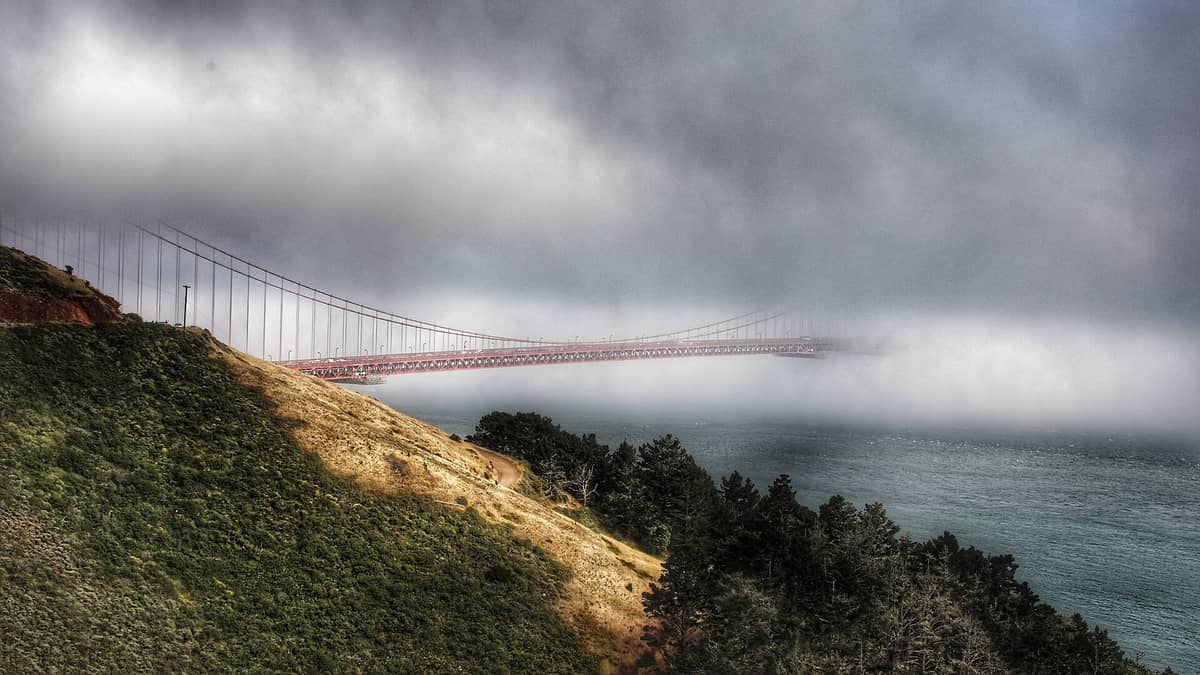
San Francisco's summer climate is classified as a warm-summer Mediterranean (Köppen Csb), which in plain terms means mild, dry, and heavily influenced by cold Pacific Ocean currents. June, July, and August are the driest months of the year, but they are not the warmest. Average daytime highs sit at 66–69°F (19–21°C), while overnight lows drop to around 53–56°F (12–13°C). Compare that to Los Angeles, which averages 84°F in July, and you start to understand why visitors arrive in shorts and leave hunting for a sweatshirt.
The pattern is consistent throughout summer: cool, foggy mornings often in the mid-50s°F, partial clearing by midday, then strong northwest winds (commonly 25–30 mph) pushing the fog back in by late afternoon. By 5pm, areas near the waterfront or Golden Gate can feel more like early October than July. Evenings are reliably cool. Budget travelers who pack only summer clothes often regret it by day two.
⚠️ What to skip
June is nicknamed 'Junuary' by locals for a reason. It is statistically the foggiest month of the year. If clear blue skies are important to your experience, September and October offer significantly better odds — warmer average highs of 67–71°F and far less marine layer.
Microclimates matter more in San Francisco than in almost any other American city. The western neighborhoods — Sunset District, Richmond, Ocean Beach, the area around the Golden Gate Bridge — sit directly in the fog's path and can be 8–10°F cooler than neighborhoods on the eastern bay side. If you're staying in the Mission District or SoMa, you may experience genuinely pleasant summer afternoons. Cross to the Pacific side and it's a different story. Checking a neighborhood-specific weather app rather than a generic 'San Francisco' forecast is a worthwhile habit.
Packing for San Francisco Summer: What Actually Works
The single most common packing mistake is treating this like a summer beach trip. The dress code is casual to business-casual depending on the venue, but the climate demands layers regardless of the season. A light down jacket or a medium-weight fleece works better than a thin cardigan. Wind-resistant outer layers are worth more than waterproof ones in summer, since rain is negligible but wind off the bay is constant.
- Layer up, not down A t-shirt under a long-sleeve layer under a wind-resistant jacket covers 90% of summer conditions in SF. Add or remove as the day progresses.
- Comfortable walking shoes are non-negotiable San Francisco's hills and uneven sidewalks will destroy fashion sneakers within two days. Proper walking shoes or trail runners are the practical choice.
- Sunscreen still matters Fog diffuses but doesn't block UV radiation. Clear summer days bring intense sun at this latitude. SPF 30+ is recommended even on overcast days.
- Skip the umbrella July averages 0.1 inches of rainfall total. An umbrella takes up valuable bag space for zero practical benefit between June and September.
- Evenings require a real jacket Restaurant patios, outdoor bars, and evening walks along the Embarcadero drop to the low 50s°F. A jacket that fits over your layers is essential for any evening plans.
Summer Crowds: What Gets Packed and What Doesn't
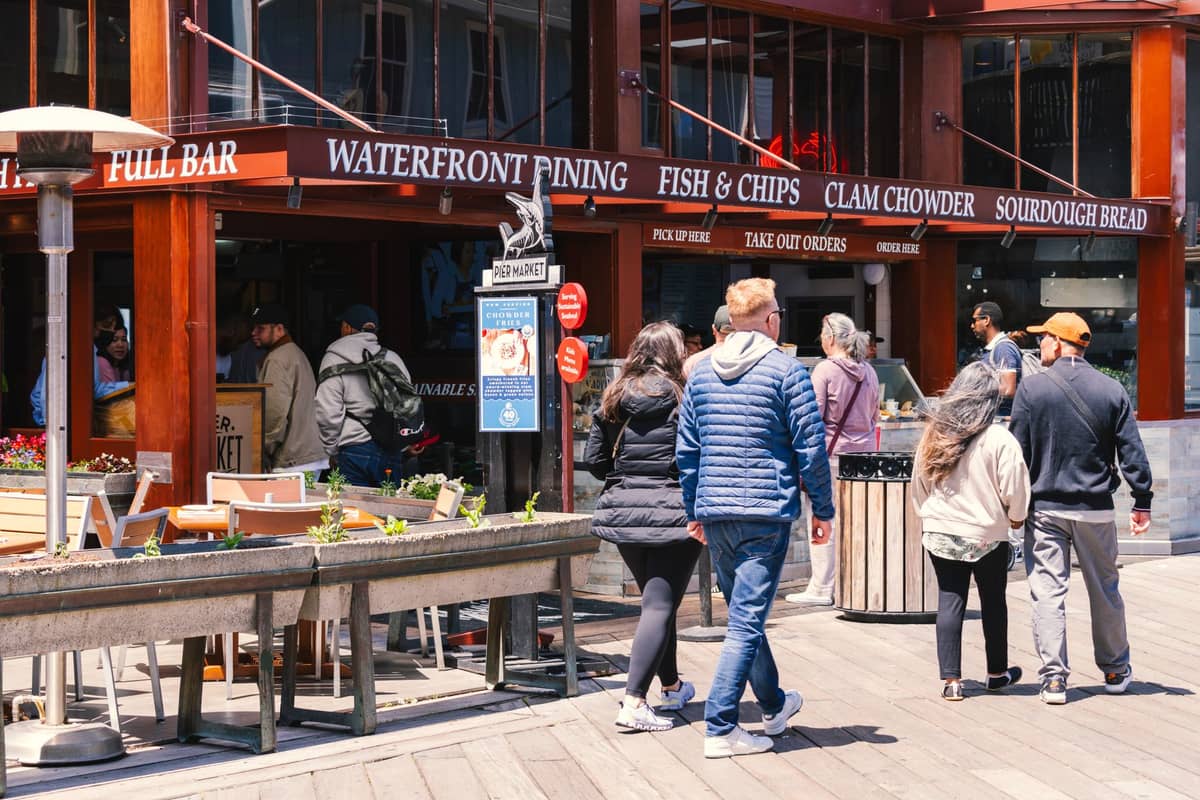
Summer is peak tourism season in San Francisco, running from roughly Memorial Day weekend through Labor Day (late May to early September). The waterfront corridor is the most affected: Pier 39, Fisherman's Wharf, and the Alcatraz Island ferries are at maximum capacity. Alcatraz in particular books out weeks in advance during July and August. If you haven't reserved tickets before arriving, you are very likely to miss it.
The cable cars also operate at peak demand in summer. Lines at Powell and Market can stretch 30–45 minutes during midday and afternoons. A practical alternative is the historic F-line streetcar along Market Street to the Embarcadero, or simply walking routes that give you more of the city. For a deeper dive into using the cable car system strategically, the cable car guide covers the best boarding spots and timing.
The good news: Golden Gate Park absorbs crowds well given its 1,017-acre size. Museums like the de Young Museum and the California Academy of Sciences get busy on weekends but are manageable on weekday mornings. Neighborhoods like the Mission District, North Beach, and Japantown see tourist traffic but never reach the congestion of the waterfront. Planning one waterfront day and mixing in neighborhood exploration on other days is the most effective approach.
💡 Local tip
Book Alcatraz ferry tickets at least 2–3 weeks in advance for July or August visits, ideally more. The official booking site is AlcatrazCityCruises.com. Morning departures tend to have slightly better availability than peak afternoon slots, and the fog sometimes clears by mid-morning, giving you better views of the bay.
Summer Events and What's Worth Your Time
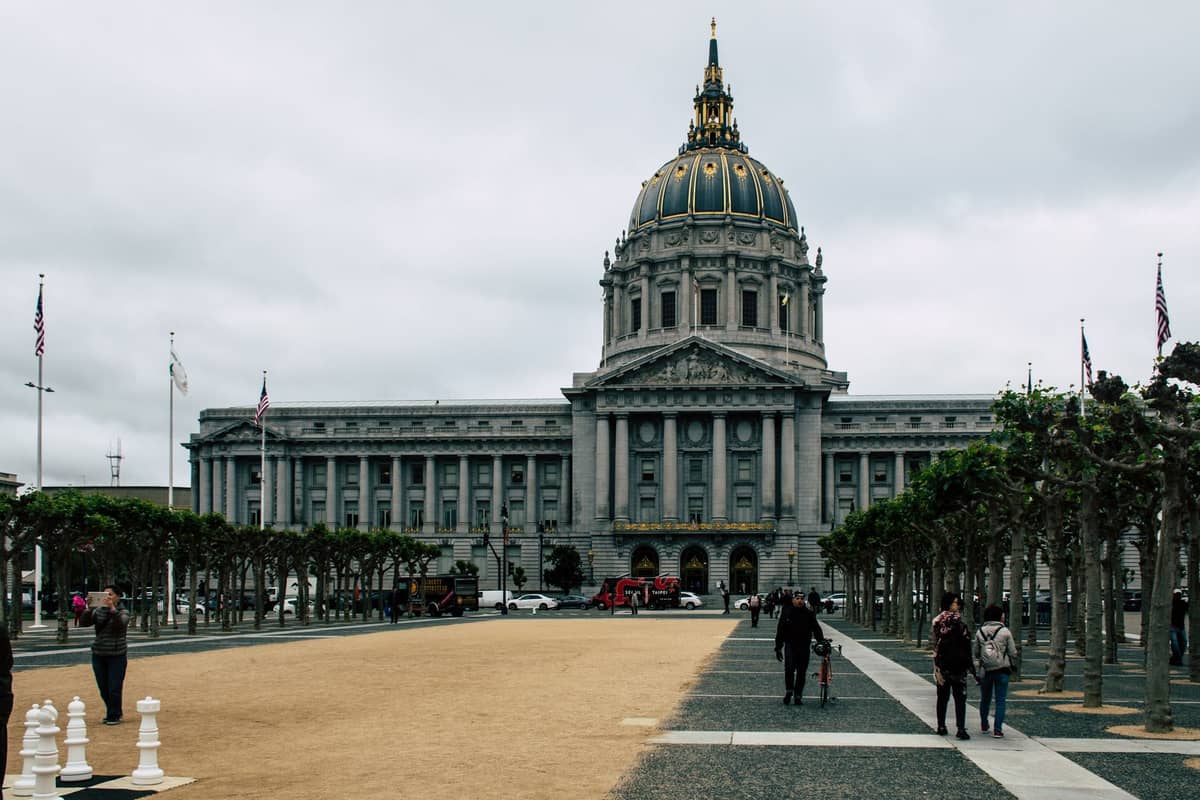
San Francisco's event calendar is densely packed between June and August. The SF Pride Parade and Celebration (typically late June) is one of the largest Pride events in the United States, drawing hundreds of thousands of participants and spectators to the Civic Center area. The Castro neighbourhood hosts related events throughout the month. If you're visiting that weekend, book accommodation many months in advance and expect significantly elevated hotel rates.
Outside of major events, the Ferry Building Marketplace runs its popular farmers market on Tuesdays, Thursdays, and Saturdays year-round, but summer brings the best produce variety. Free summer concerts occur regularly in Dolores Park, Stern Grove (a genuine local institution for free performances since 1938), and various plazas downtown. These are worth seeking out: they're well-attended by locals rather than tourists and give you a genuine sense of the city.
- SF Pride (late June): Major LGBTQ+ celebration centered at Civic Center Plaza. Expect street closures and hotel surcharges city-wide.
- Stern Grove Festival (June–August, Sundays): Free outdoor concerts in a eucalyptus grove in the Sunset District. Arrive early for lawn space.
- Outside Lands (typically August): Major music festival in Golden Gate Park. Tickets sell out well in advance; surrounding streets get congested.
- Ferry Plaza Farmers Market (Tuesdays, Thursdays, Saturdays): Year-round, but summer is peak for California produce. Saturday is the largest and most crowded.
- SF Fleet Week (early October, technically early fall): Air show over the bay with the Blue Angels. Crowds along the waterfront are intense but the spectacle is genuine.
Getting Around in Summer: Practical Logistics
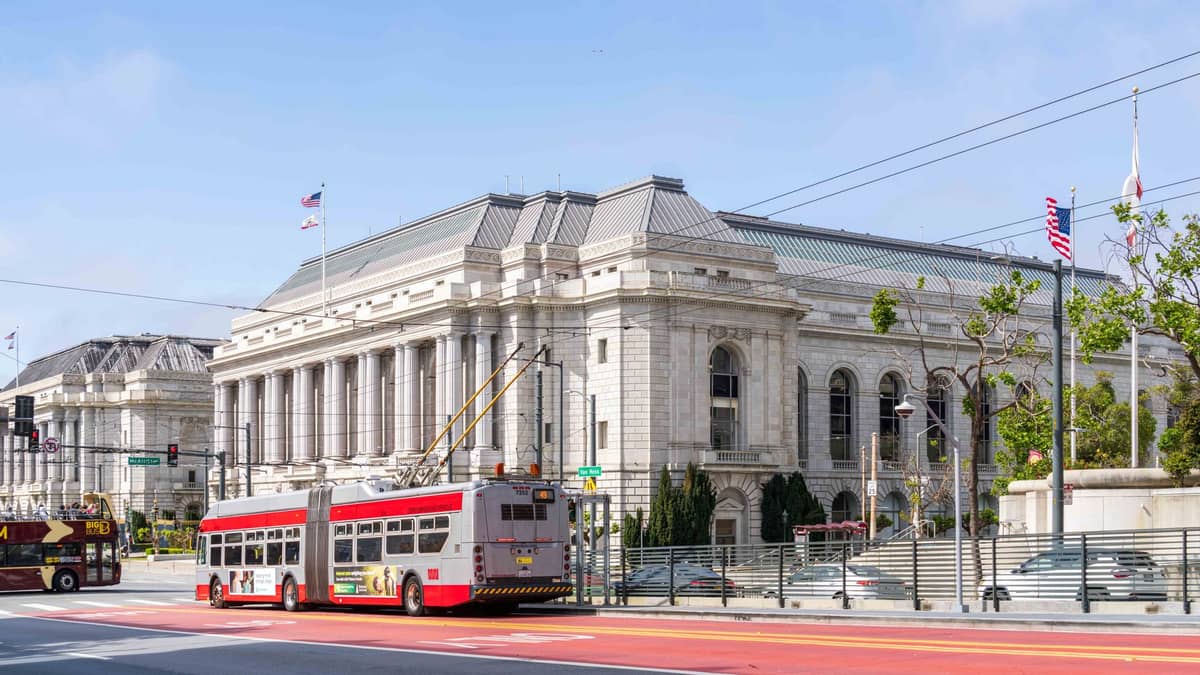
San Francisco's public transit is operated by the SFMTA under the Muni brand, covering buses, light rail (Muni Metro), historic streetcars, and cable cars. For airport arrivals, BART (Bay Area Rapid Transit) connects San Francisco International Airport (SFO, located 13 miles south of downtown) directly to the city center in around 30 minutes. The BART station is inside the International Terminal, accessible via the AirTrain from other terminals. It is consistently the fastest and cheapest option from SFO on a per-mile basis. For full transport options from the airport, the SFO airport guide covers all the current options in detail.
Within the city, Muni's day pass offers good value if you're making more than 3–4 transit trips in a day. Uber and Lyft are both widely available and reliable, though surge pricing during major events can make them expensive. For exploring Marin County or reaching Sausalito, the Golden Gate Ferry is a genuinely scenic option that bypasses traffic on the Golden Gate Bridge entirely. Summer ferry services typically have expanded schedules, but verify current timetables directly with Golden Gate Ferry before your trip.
✨ Pro tip
The Clipper card is San Francisco's reloadable transit card, accepted on Muni, BART, Caltrain, and the ferries. Loading it before arrival (it can be ordered online) saves time at station kiosks during peak summer crowds. Cash fares on many Muni routes require exact change.
What Summer in San Francisco Gets Wrong
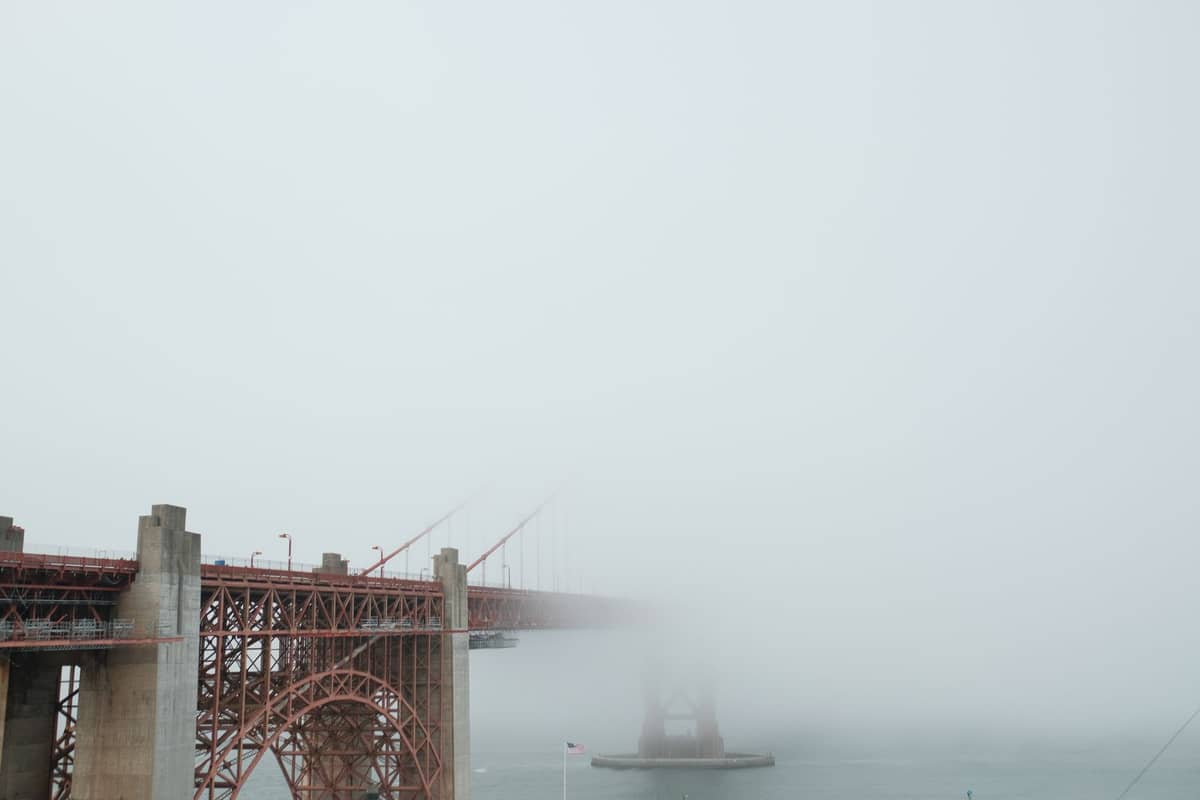
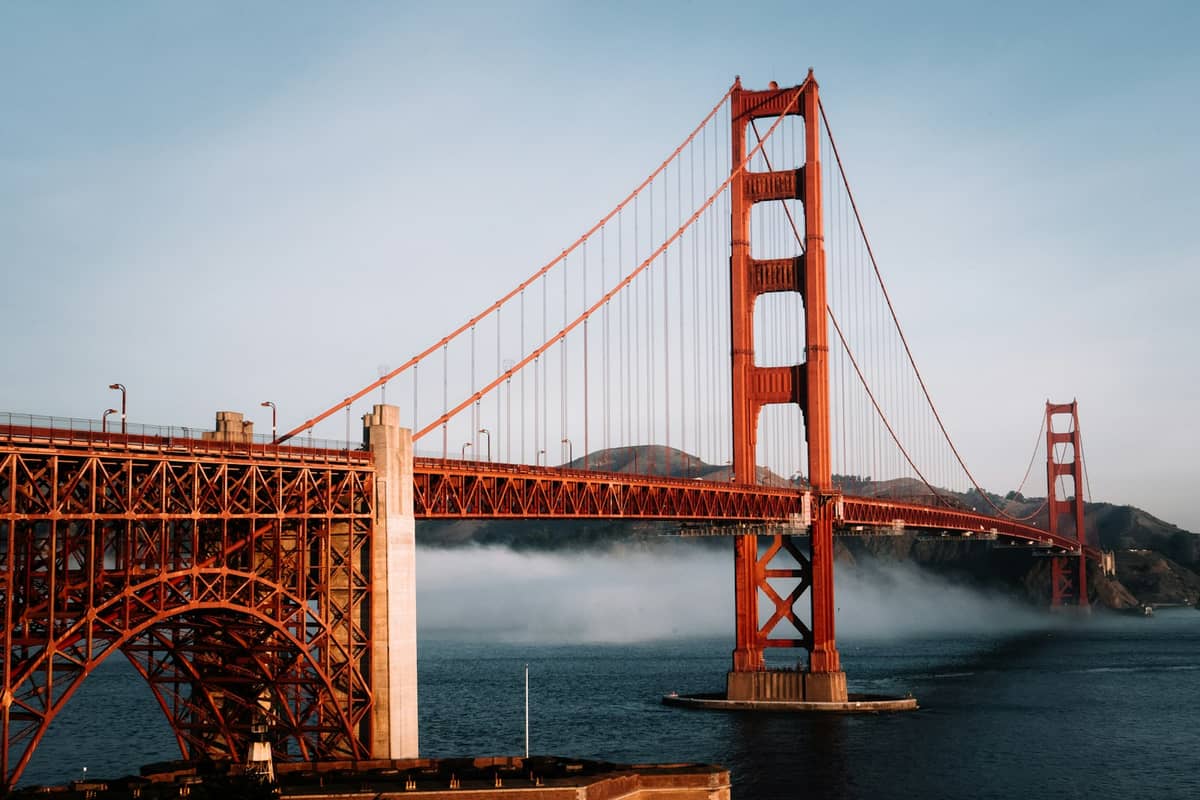
Summer is not the best season meteorologically to visit San Francisco, and it's worth being direct about that. If you're coming primarily for outdoor sightseeing, warm weather, and clear photography of the Golden Gate Bridge, early September through October will serve you far better. The bridge spends a notable portion of June and July partially or fully obscured by fog. Sunrise conditions at popular viewpoints like Battery Spencer in the Marin Headlands can be especially unpredictable.
Summer is also the most expensive period for accommodation. Hotel rates and short-term rental prices peak in July and August, particularly around major events. If budget is a concern, visiting in spring (April–May) or early fall offers comparable or better weather at lower prices. That said, summer brings the fullest event calendar, the longest daylight hours (sunset around 8:30pm in late June), and the city's most energetic street life. The trade-offs are real in both directions.
One underrated option for visitors who want genuinely warm summer weather without leaving the Bay Area: the East Bay. Cities like Oakland and Berkeley sit on the warmer, sunnier side of the hills and often reach 75–80°F on days when San Francisco is socked in fog. Day trips from San Francisco can also take you to wine country or the coast where summer conditions differ significantly from the city itself.
FAQ
Is San Francisco cold in summer?
Not exactly cold, but significantly cooler than most visitors expect. Average highs in June through August are 66–69°F (19–21°C), with overnight lows around 53–56°F (12–13°C). The combination of morning fog and afternoon winds makes it feel colder than the numbers suggest. Pack layers rather than summer-only clothing.
Does it rain in San Francisco in summer?
Almost never. July is the driest month, averaging around 0.1 inches of rain total. June and August are similarly dry. The rainy season runs November through March. You do not need a rain jacket in summer, but a windproof layer is useful for bay-side areas.
When is summer fog worst in San Francisco?
June is statistically the foggiest month. The marine layer (locally nicknamed 'Karl the Fog') tends to be thickest in the early morning and returns in the late afternoon. Western neighborhoods like the Sunset and Richmond districts, and the area around the Golden Gate Bridge, see the most fog. The Mission District and SoMa are typically clearer.
How far in advance should I book Alcatraz tickets for summer?
At minimum 2–3 weeks ahead for July and August, and preferably longer. Weekends in peak summer book out fastest. Check the official Alcatraz Cruises website (alcatrazcruises.com) for current availability. Morning departures often have marginally better availability than afternoon ones.
What should I wear to San Francisco in summer?
Layers are the key word. A t-shirt, a long-sleeve layer, and a wind-resistant jacket or medium fleece covers most situations. Comfortable walking shoes are essential given the hills. Skip the umbrella — rain is effectively zero in summer. Add a real jacket for evenings, especially near the waterfront or at outdoor events.