San Francisco Weekend Guide: 48 Hours in the City
Forty-eight hours is enough time to hit San Francisco's greatest hits and still feel like you've gone beyond the surface. This guide covers the essential waterfront, neighborhoods, parks, and cultural stops to build a memorable weekend in one of America's most compelling cities.
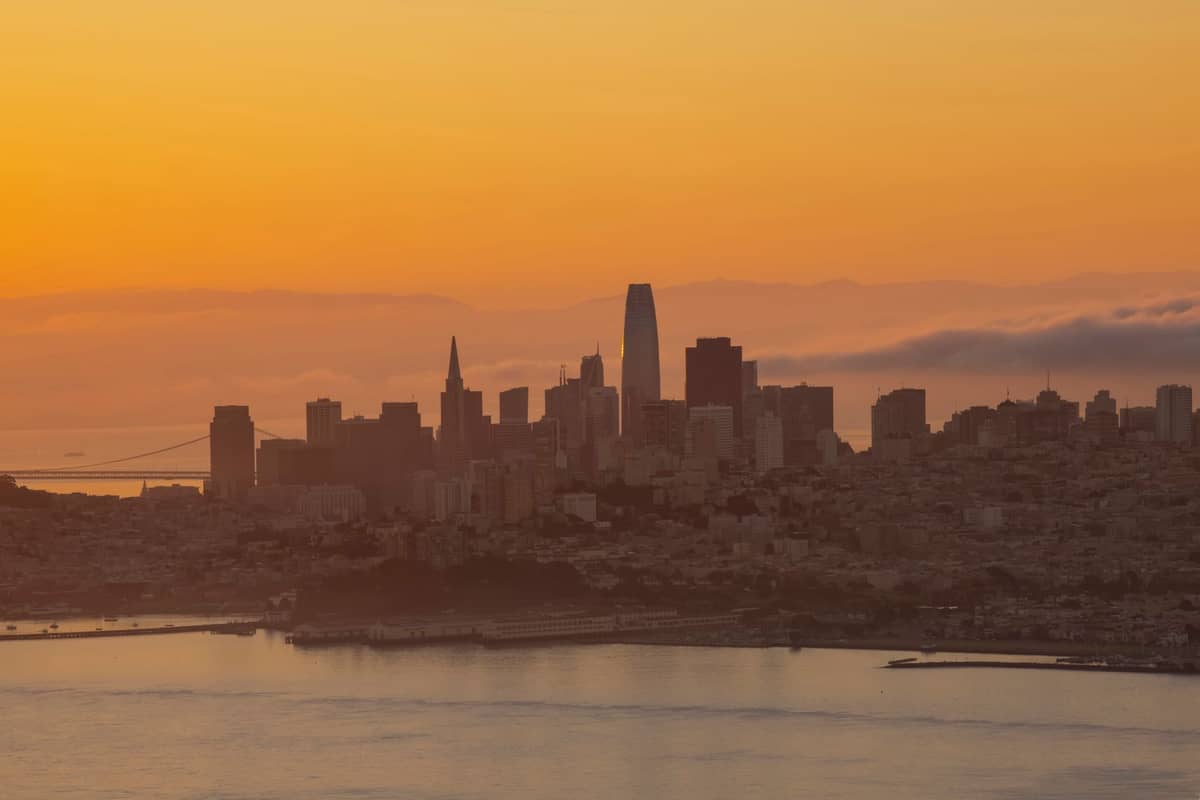
Plan and book this trip
Tools from our partner Travelpayouts help you compare flights and hotels. If you book through them, we may earn a commission at no extra cost to you.
Flights
Hotels map
San Francisco rewards weekend visitors who plan ahead and move efficiently. The city is compact at just under 47 square miles of land, but its hills, neighborhoods, and bay mean you'll want a logical route rather than criss-crossing town. A solid 48-hour visit typically anchors around the waterfront on day one, then pivots to neighborhoods, parks, and viewpoints on day two. If you want the full picture before you arrive, the San Francisco first-time visitor guide covers logistics in depth. One critical note: book Alcatraz tickets weeks in advance for weekend dates, as ferries routinely sell out. For getting between sights, skip renting a car entirely. Muni, BART, and the occasional rideshare will handle everything, and parking in the city is both expensive and scarce. The guide to getting around San Francisco breaks down every transit option clearly.
✨ Pro tip
September and October are San Francisco's warmest and clearest months, with temperatures around 65-72°F. Summer (June-August) is frequently foggy and cool, especially near the waterfront and Golden Gate Bridge.
Day One Morning: The Waterfront & Ferry Building
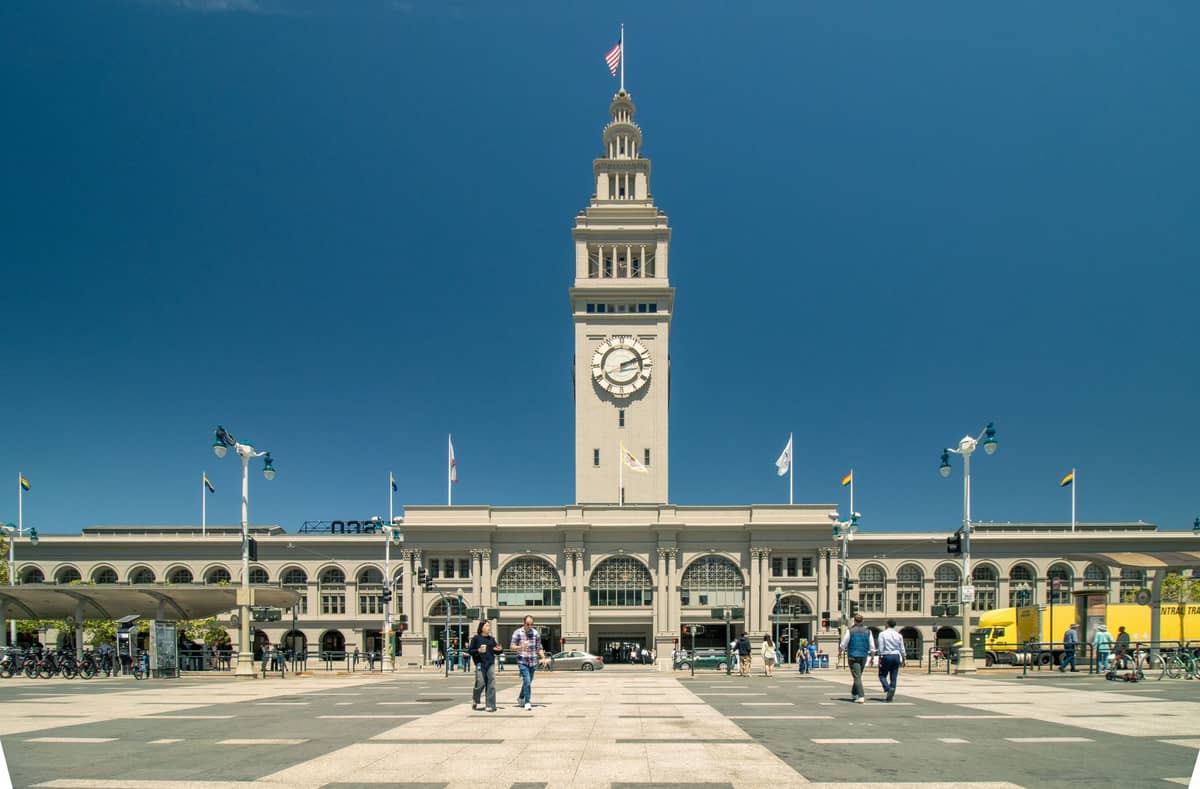
Start your weekend at the Embarcadero, San Francisco's grand waterfront boulevard. The Ferry Building anchors the southern end, and from there you can work your way north toward Fisherman's Wharf on foot or via the historic F-line streetcar. This stretch of the city combines architecture, food, history, and bay views in a walkable sequence that sets the tone for everything else. For a deeper look at the food culture along this corridor, the guide to what to eat in San Francisco is worth reading before you go.
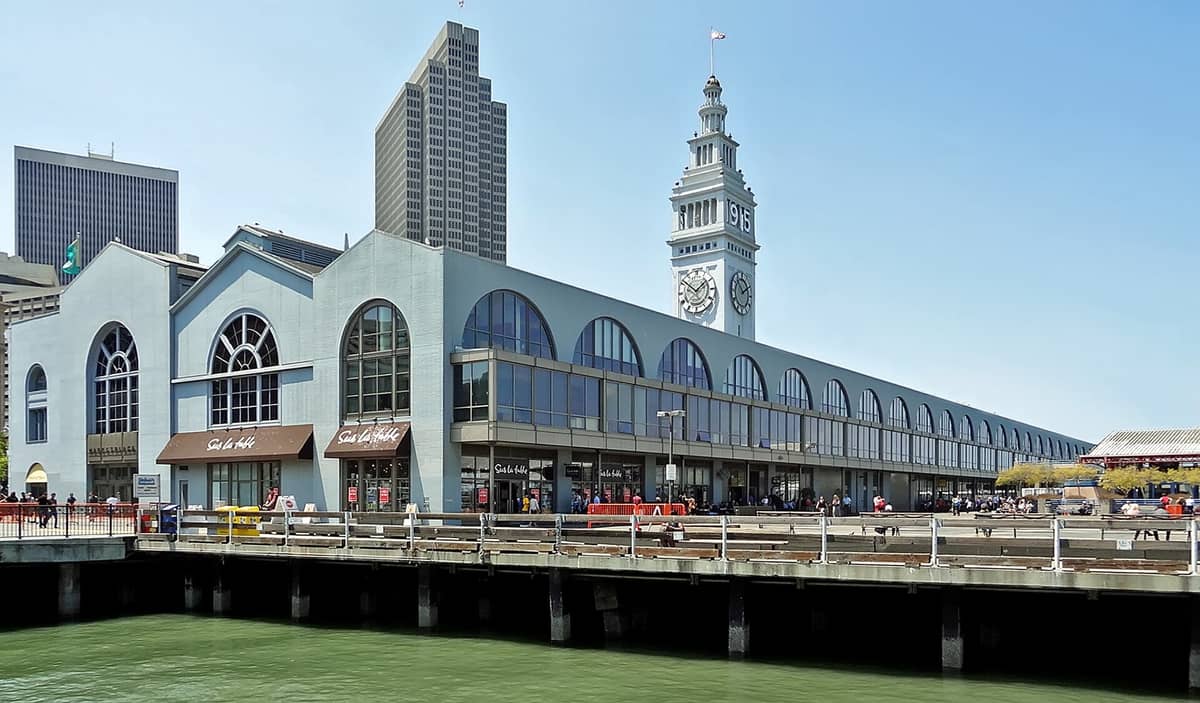
1. Start the Weekend at the Ferry Building Marketplace
Arrive by 9am when the artisan coffee roasters and cheese vendors are freshest. On Saturdays, the Ferry Plaza Farmers Market runs outside 8am-2pm, showcasing Northern California's best produce. Budget 45-60 minutes to graze properly.
Explore1. Start the Weekend at the Ferry Building Marketplace
Arrive by 9am when the artisan coffee roasters and cheese vendors are freshest. On Saturdays, the Ferry Plaza Farmers Market runs outside 8am-2pm, showcasing Northern California's best produce. Budget 45-60 minutes to graze properly.
Explore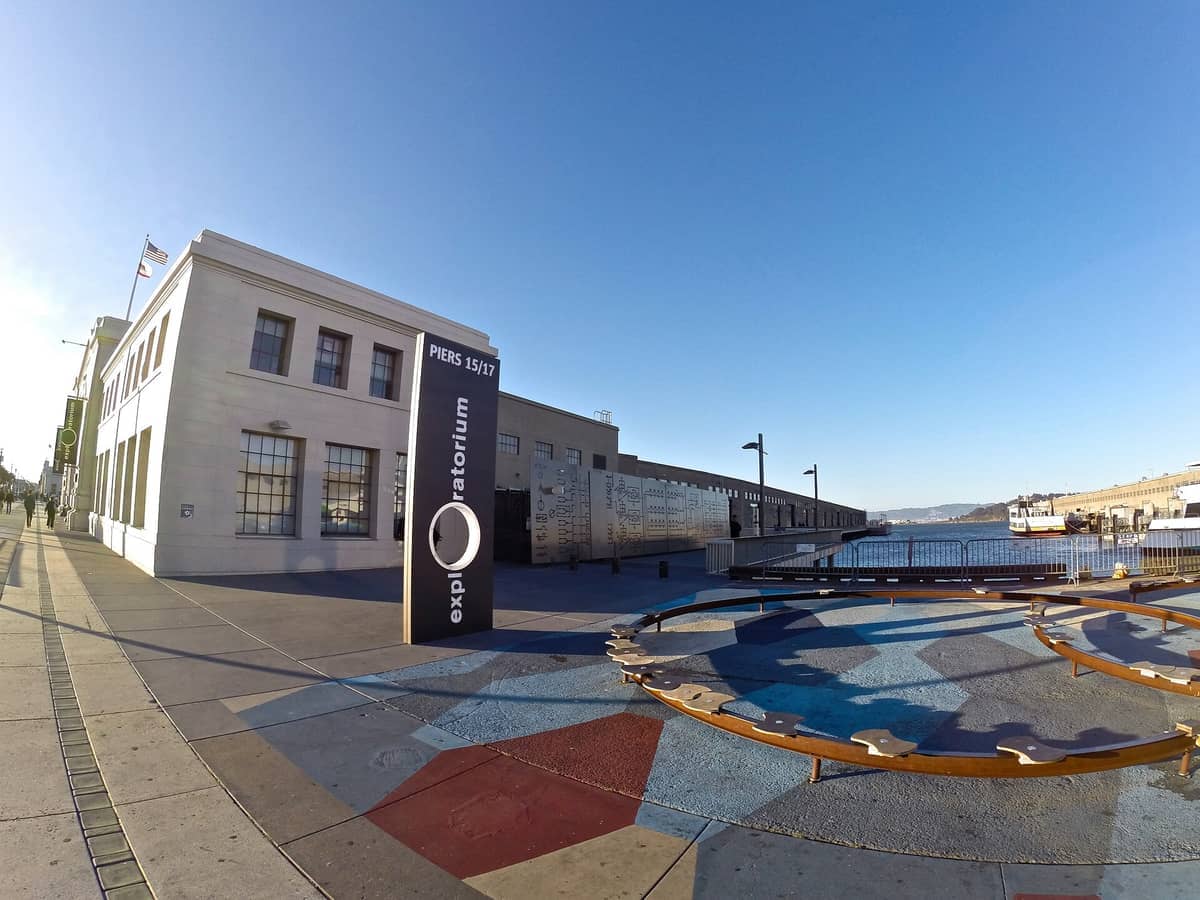
2. Spend a Fascinating Hour at the Exploratorium on Pier 15
This waterfront science museum is genuinely absorbing for adults, not just families. Over 600 hands-on exhibits explore perception and physics in ways that consistently surprise. Allow at least 90 minutes and book tickets online to skip the queue.
Explore2. Spend a Fascinating Hour at the Exploratorium on Pier 15
This waterfront science museum is genuinely absorbing for adults, not just families. Over 600 hands-on exhibits explore perception and physics in ways that consistently surprise. Allow at least 90 minutes and book tickets online to skip the queue.
Explore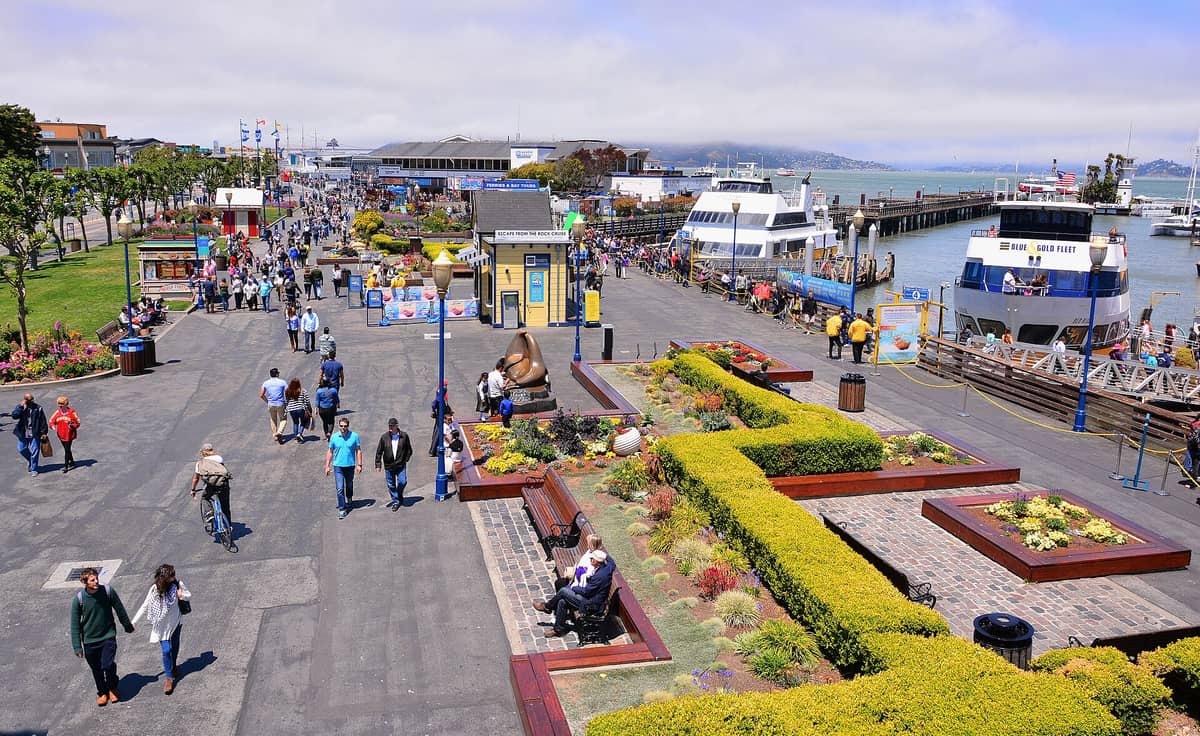
3. Watch the Sea Lions at Pier 39's K-Dock
Skip the shops but walk to the western side of Pier 39 where dozens to hundreds of California sea lions haul out on floating docks year-round. It's free, takes 15 minutes, and the spectacle is genuinely entertaining. Numbers peak in winter months.
Explore3. Watch the Sea Lions at Pier 39's K-Dock
Skip the shops but walk to the western side of Pier 39 where dozens to hundreds of California sea lions haul out on floating docks year-round. It's free, takes 15 minutes, and the spectacle is genuinely entertaining. Numbers peak in winter months.
Explore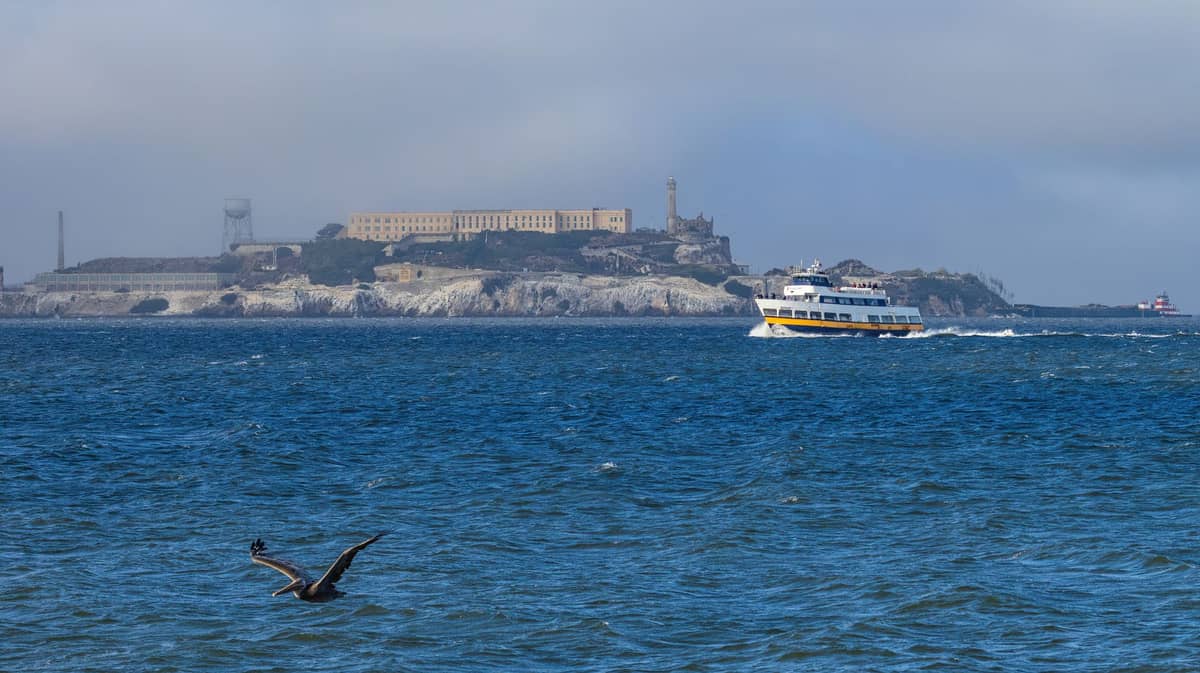
4. Take the Ferry to Alcatraz Island
The audio-guided cell house tour is one of the best museum experiences in America, with narration by former inmates and guards. Ferries leave from Pier 33. The round trip plus tour takes about 3 hours. Book tickets weeks ahead for weekends.
Explore4. Take the Ferry to Alcatraz Island
The audio-guided cell house tour is one of the best museum experiences in America, with narration by former inmates and guards. Ferries leave from Pier 33. The round trip plus tour takes about 3 hours. Book tickets weeks ahead for weekends.
ExploreDay One Afternoon: North Beach, Chinatown & Nob Hill
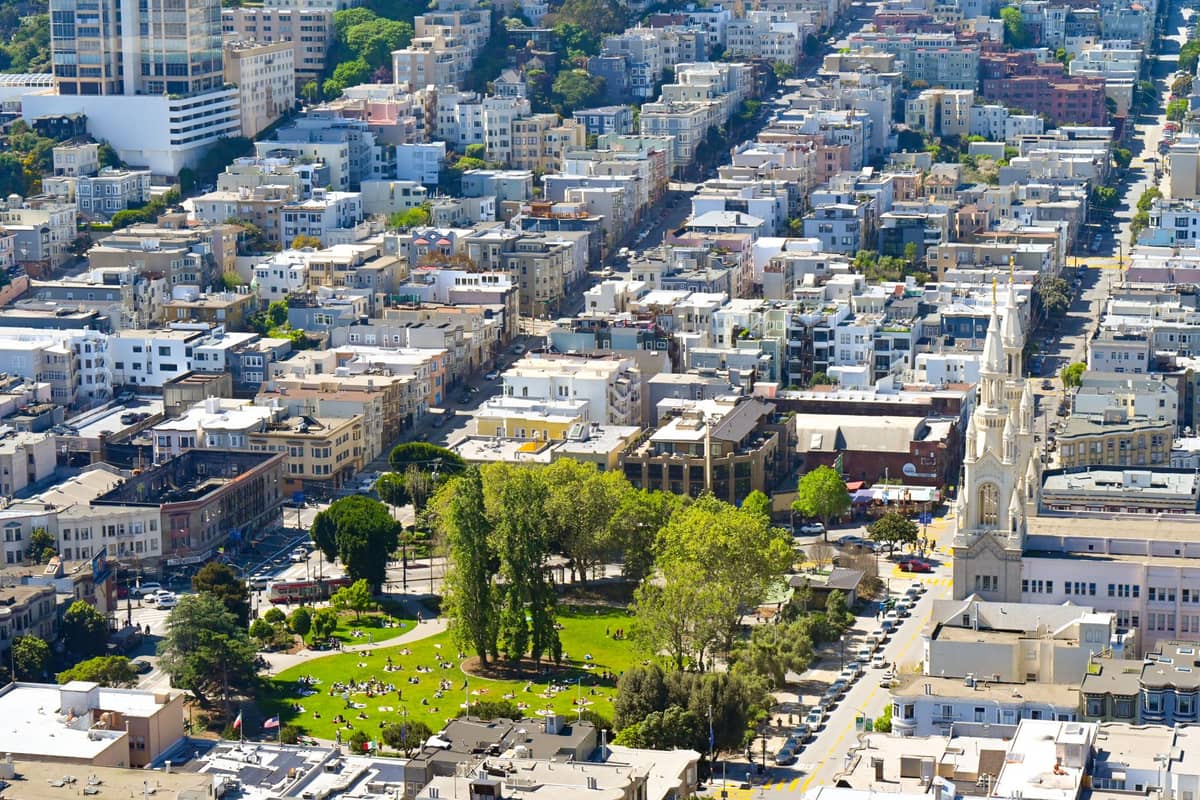
After returning from Alcatraz, walk uphill into North Beach for lunch at one of the Italian-American cafes around Washington Square, then work your way into Chinatown before climbing to Nob Hill. This cluster of neighborhoods covers San Francisco's literary history, immigrant heritage, and Victorian grandeur in a compact area. The North Beach neighborhood and Chinatown are best explored on foot at an unhurried pace.
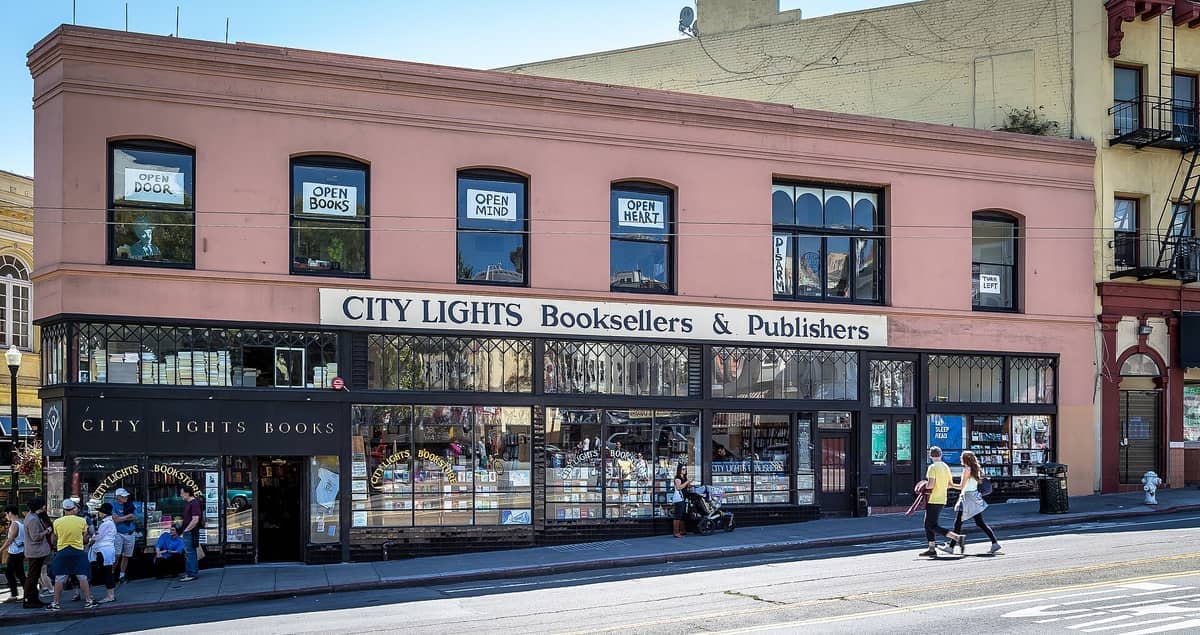
5. Browse the Shelves at City Lights Bookstore
Lawrence Ferlinghetti's legendary independent bookstore has been open since 1953 and still feels essential. The basement poetry room and the upstairs literature section reward slow browsing. Even non-readers find the cultural weight of this place palpable.
Explore5. Browse the Shelves at City Lights Bookstore
Lawrence Ferlinghetti's legendary independent bookstore has been open since 1953 and still feels essential. The basement poetry room and the upstairs literature section reward slow browsing. Even non-readers find the cultural weight of this place palpable.
Explore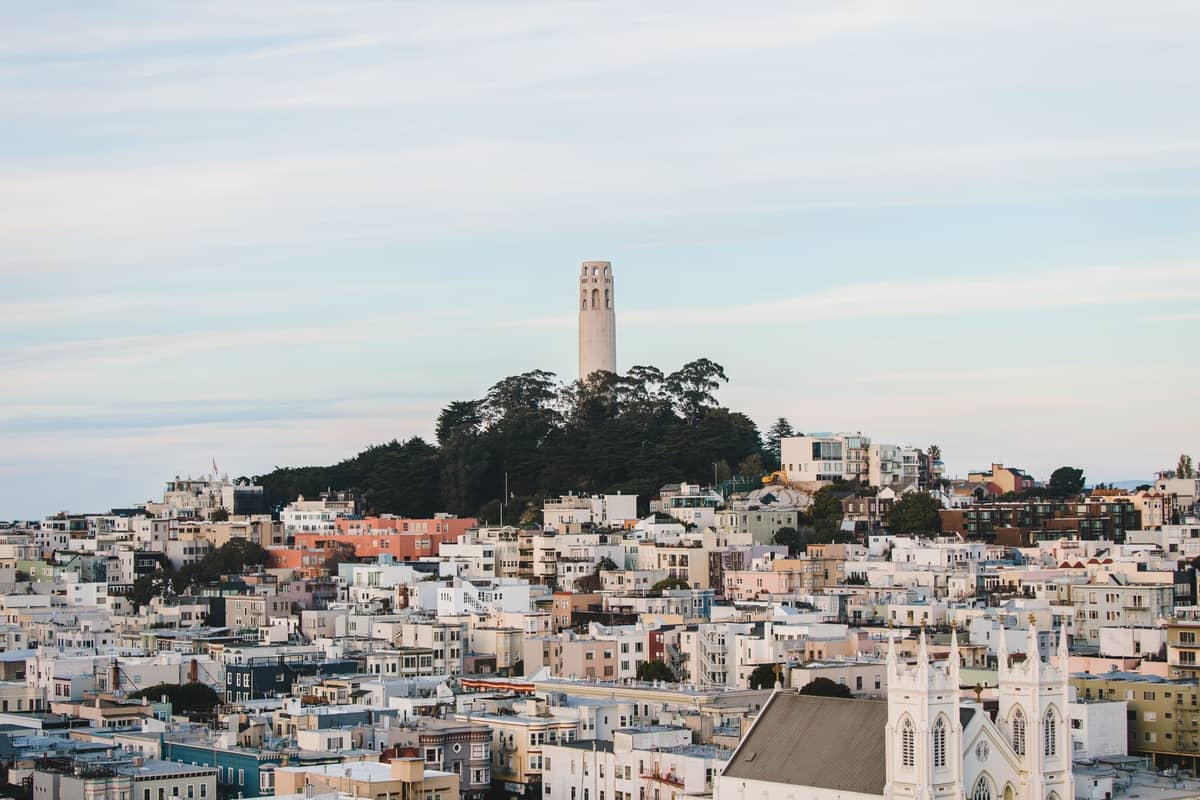
6. Climb to Coit Tower for 360-Degree Bay Views
The views from the top of Telegraph Hill are among the best in the city, taking in the bay, both bridges, and the skyline. The 1930s WPA murals inside the base are worth seeing even if you skip the elevator. Arrive early to beat midday crowds.
Explore6. Climb to Coit Tower for 360-Degree Bay Views
The views from the top of Telegraph Hill are among the best in the city, taking in the bay, both bridges, and the skyline. The 1930s WPA murals inside the base are worth seeing even if you skip the elevator. Arrive early to beat midday crowds.
Explore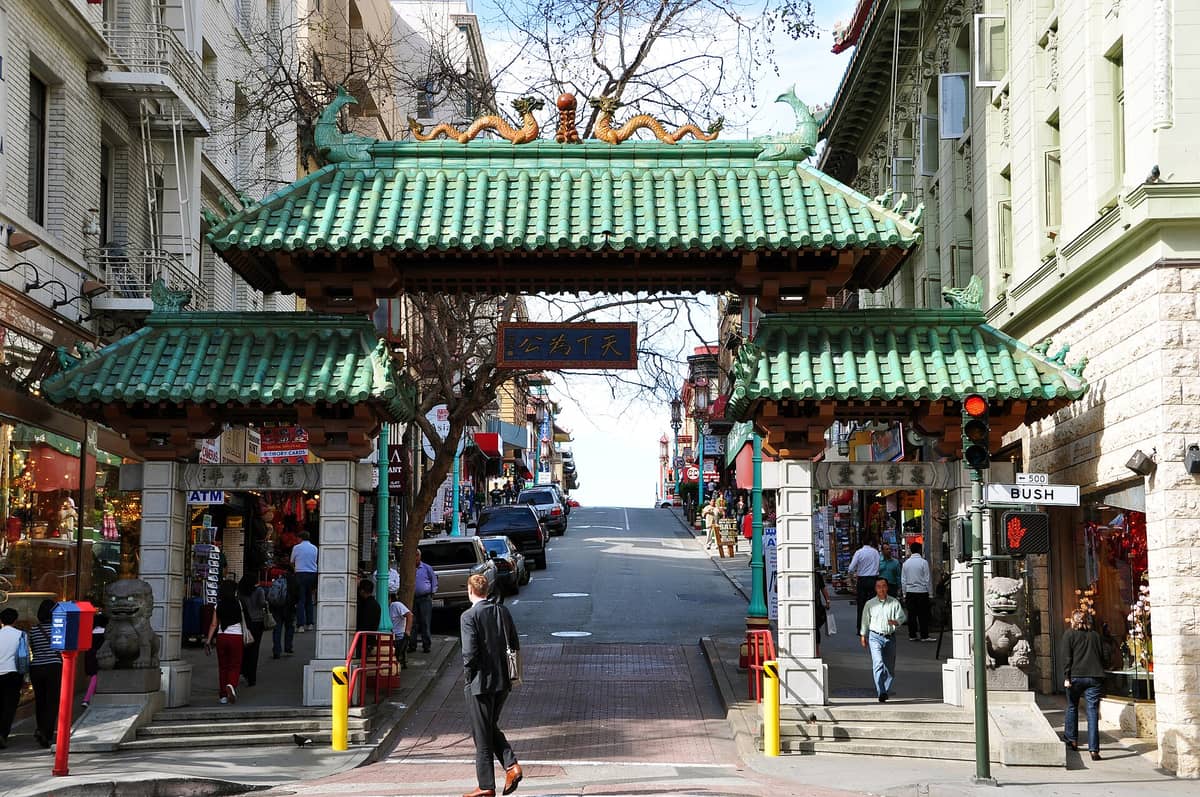
7. Enter Chinatown Through the Dragon's Gate on Grant Avenue
The ornate green-tiled gateway at Grant and Bush is the starting point for exploring America's oldest Chinatown. Walk north through the main commercial corridor, then cut east onto Waverly Place for the more atmospheric temple buildings and alleyways.
Explore7. Enter Chinatown Through the Dragon's Gate on Grant Avenue
The ornate green-tiled gateway at Grant and Bush is the starting point for exploring America's oldest Chinatown. Walk north through the main commercial corridor, then cut east onto Waverly Place for the more atmospheric temple buildings and alleyways.
Explore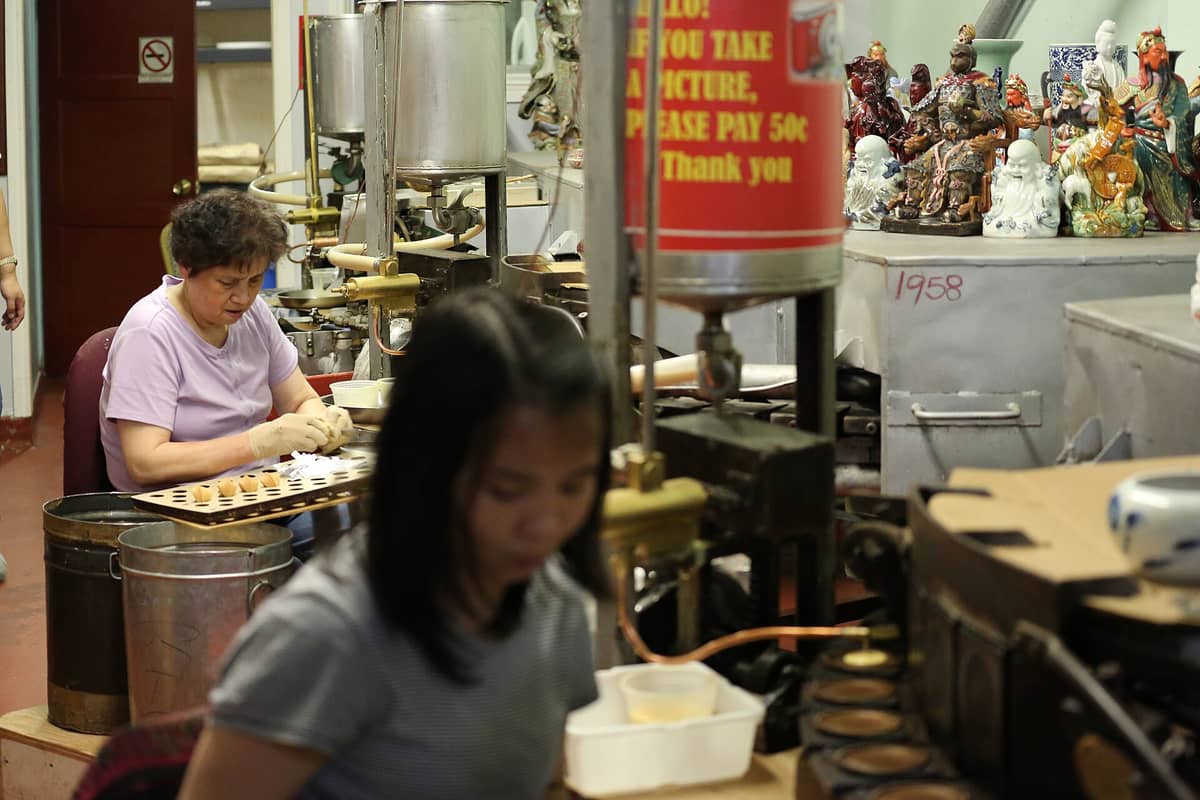
8. Watch Fortune Cookies Being Made at the Ross Alley Factory
This tiny Chinatown factory folds fortune cookies by hand on flat iron presses, exactly as it has since 1962. It takes five minutes to watch the whole process, samples are offered, and custom fortunes cost a dollar. Easy to combine with Waverly Place.
Explore8. Watch Fortune Cookies Being Made at the Ross Alley Factory
This tiny Chinatown factory folds fortune cookies by hand on flat iron presses, exactly as it has since 1962. It takes five minutes to watch the whole process, samples are offered, and custom fortunes cost a dollar. Easy to combine with Waverly Place.
Explore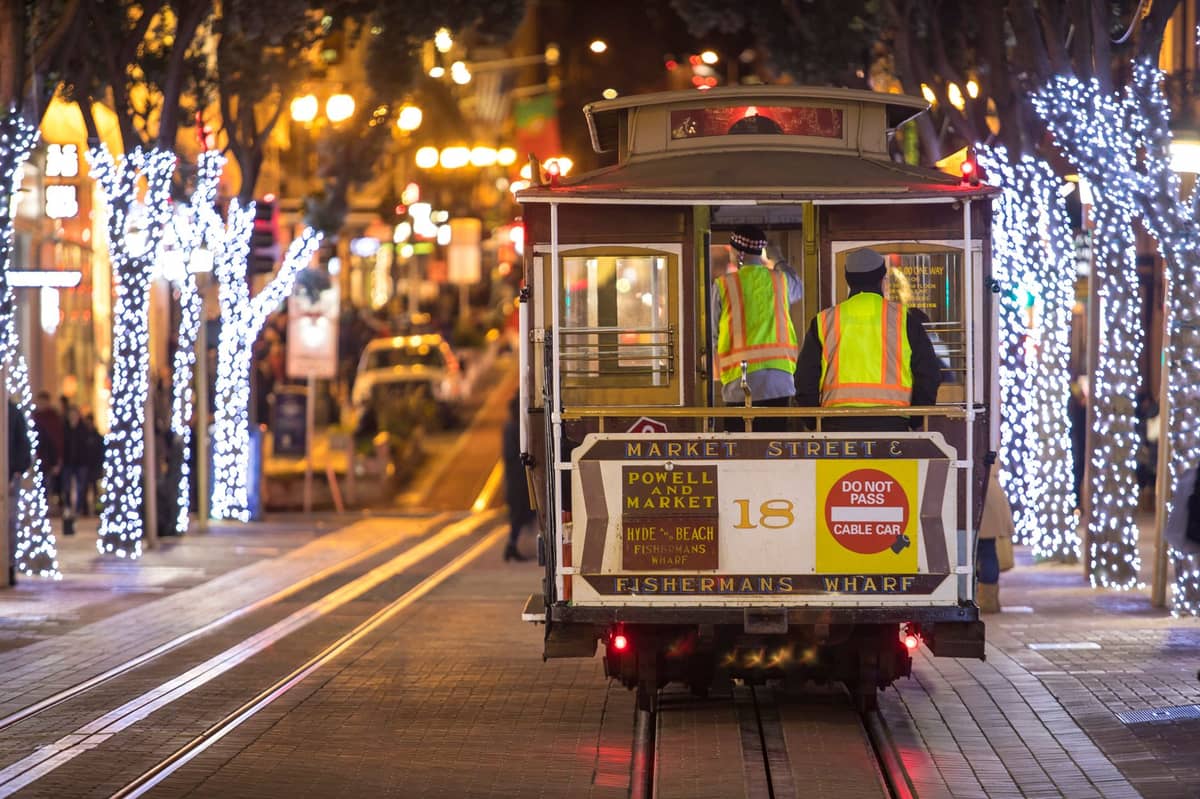
9. Ride the Powell-Hyde Cable Car Over Nob Hill
At about $9 per ride, the Powell-Hyde line is both transport and experience, grinding up and over Nob Hill with views of the bay and the city spread below. Board at the Powell Street turnaround and ride to Fisherman's Wharf or vice versa for the full effect.
Explore9. Ride the Powell-Hyde Cable Car Over Nob Hill
At about $9 per ride, the Powell-Hyde line is both transport and experience, grinding up and over Nob Hill with views of the bay and the city spread below. Board at the Powell Street turnaround and ride to Fisherman's Wharf or vice versa for the full effect.
Explore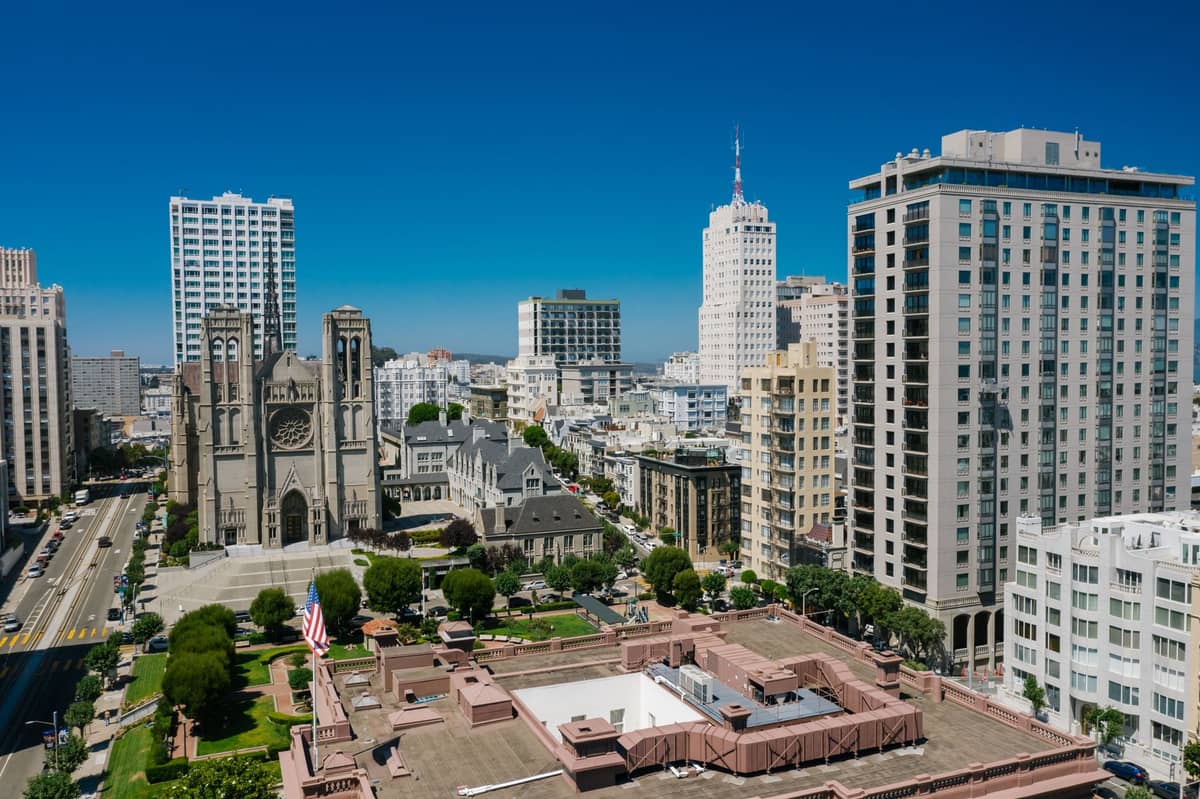
10. Step Inside Grace Cathedral on Nob Hill
San Francisco's Gothic Episcopal cathedral is open to visitors and takes about 30 minutes to explore properly. The outdoor labyrinth, the Ghiberti Door casts, and the Keith Haring altarpiece make it one of the most architecturally layered churches in the US.
Explore10. Step Inside Grace Cathedral on Nob Hill
San Francisco's Gothic Episcopal cathedral is open to visitors and takes about 30 minutes to explore properly. The outdoor labyrinth, the Ghiberti Door casts, and the Keith Haring altarpiece make it one of the most architecturally layered churches in the US.
ExploreDay One Evening: The Painted Ladies & Haight-Ashbury
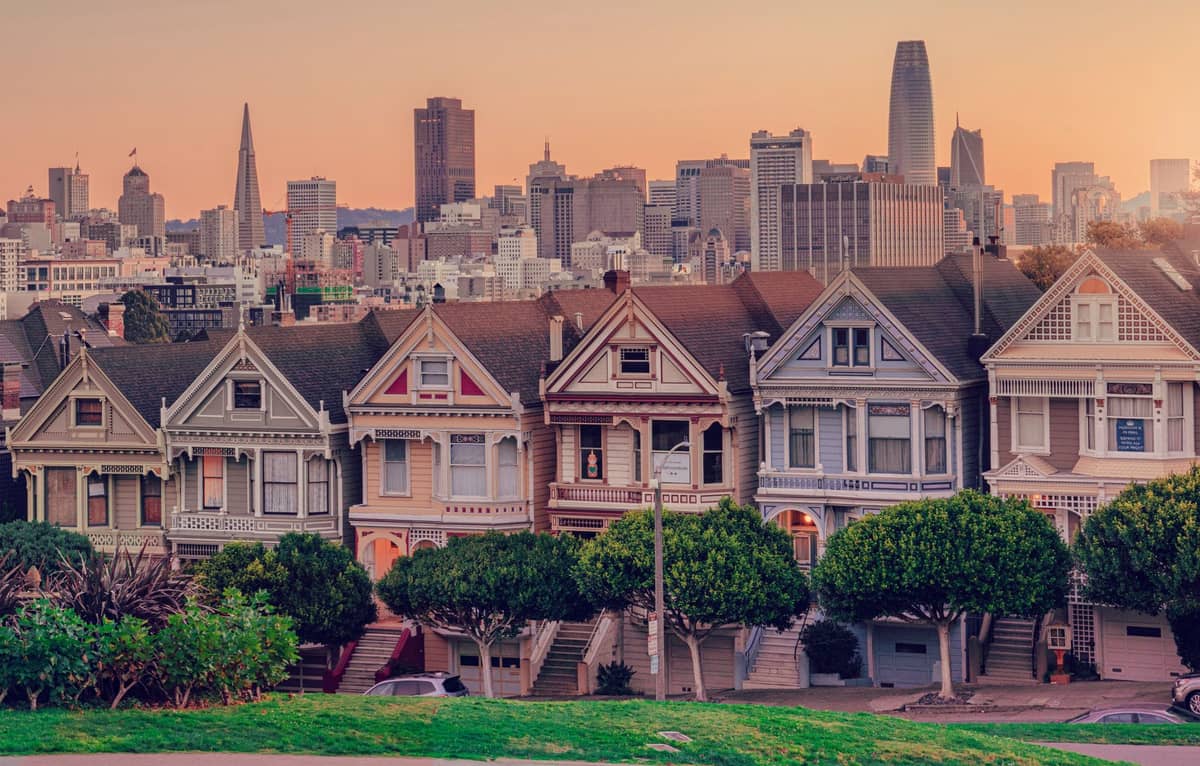
End your first day by heading west to Alamo Square and the Mission for dinner. The late afternoon light on the Painted Ladies is exceptional, and the Mission District's restaurants offer some of the best value eating in the city.
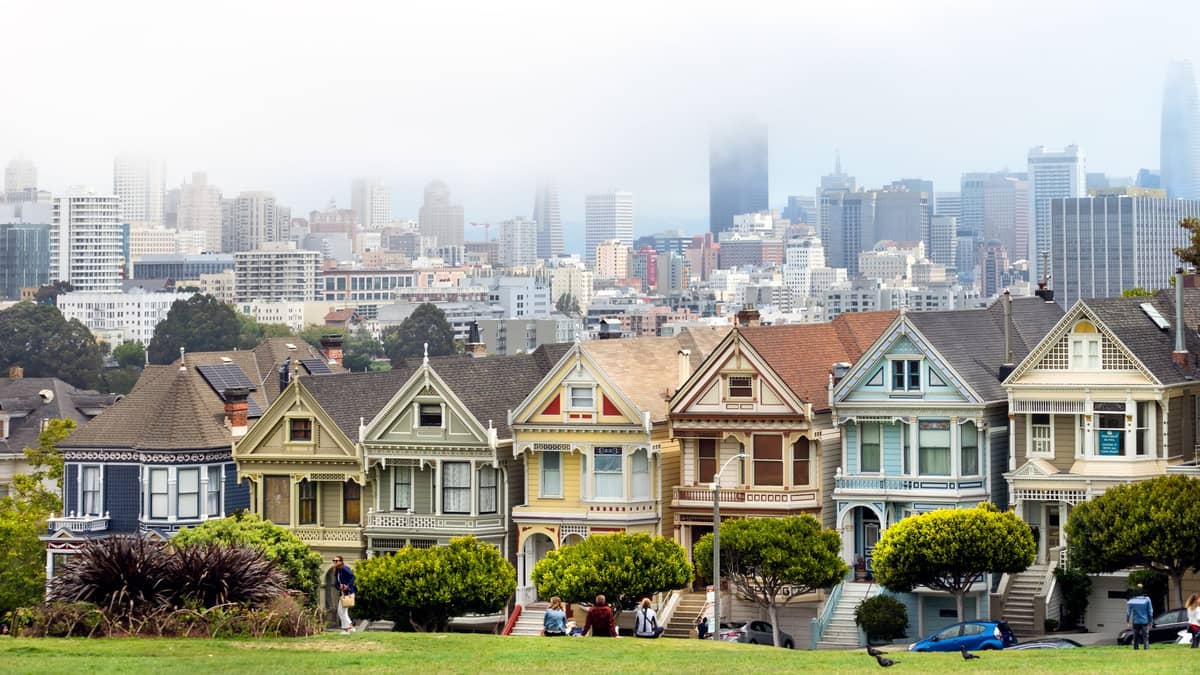
11. Photograph the Painted Ladies at Golden Hour
The six Victorian houses on Steiner Street facing Alamo Square Park glow in late afternoon light between 4-6pm. Arrive 30 minutes before sunset for the best angle from the park's upper slope, with the downtown skyline rising behind the rooftops.
Explore11. Photograph the Painted Ladies at Golden Hour
The six Victorian houses on Steiner Street facing Alamo Square Park glow in late afternoon light between 4-6pm. Arrive 30 minutes before sunset for the best angle from the park's upper slope, with the downtown skyline rising behind the rooftops.
Explore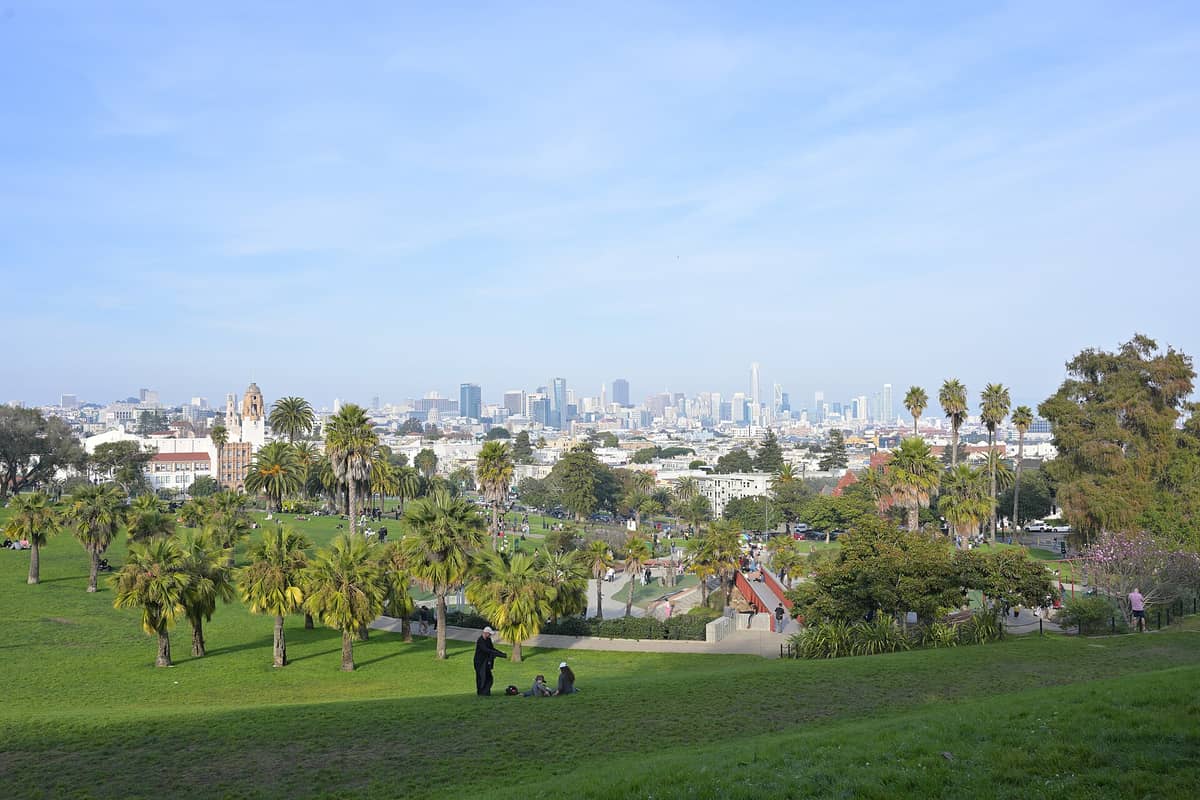
12. Catch Sunset Views from Mission Dolores Park
The upper hillside of Dolores Park faces northwest toward the downtown skyline and offers one of the most social sunset spots in the city. On warm evenings the grass fills with locals. Grab food from nearby 18th Street restaurants and picnic here before dinner.
Explore12. Catch Sunset Views from Mission Dolores Park
The upper hillside of Dolores Park faces northwest toward the downtown skyline and offers one of the most social sunset spots in the city. On warm evenings the grass fills with locals. Grab food from nearby 18th Street restaurants and picnic here before dinner.
Explore💡 Local tip
For dinner in the Mission, the stretch of 18th Street between Valencia and Guerrero has some of the city's best and most affordable restaurants. Cash is welcome at most spots and lines move fast.
Day Two Morning: The Golden Gate & Presidio
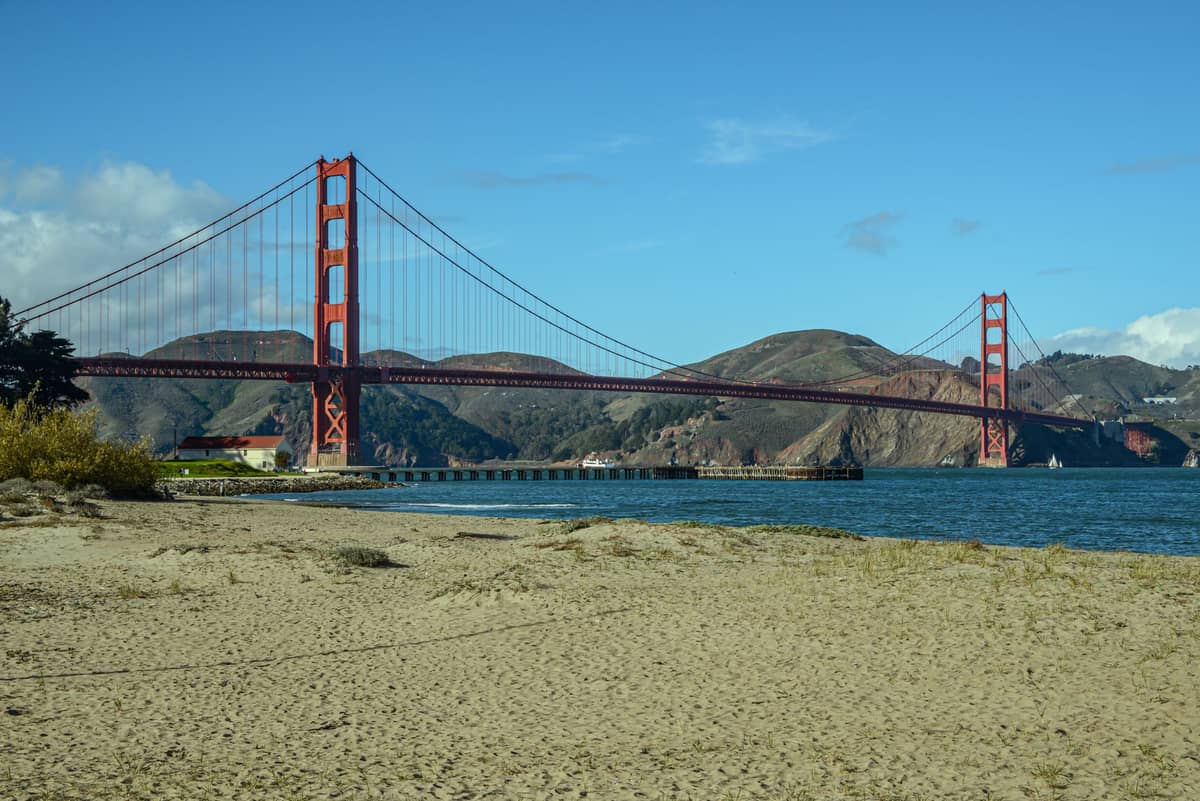
Dedicate your second morning to the Golden Gate Bridge and the Presidio. This is the part of the trip that most clearly justifies the journey to San Francisco. Go early, before 9am if possible, to beat tour buses and catch the bridge in morning light. The best viewpoints in San Francisco guide covers every angle of the bridge if you want to plan your shots.
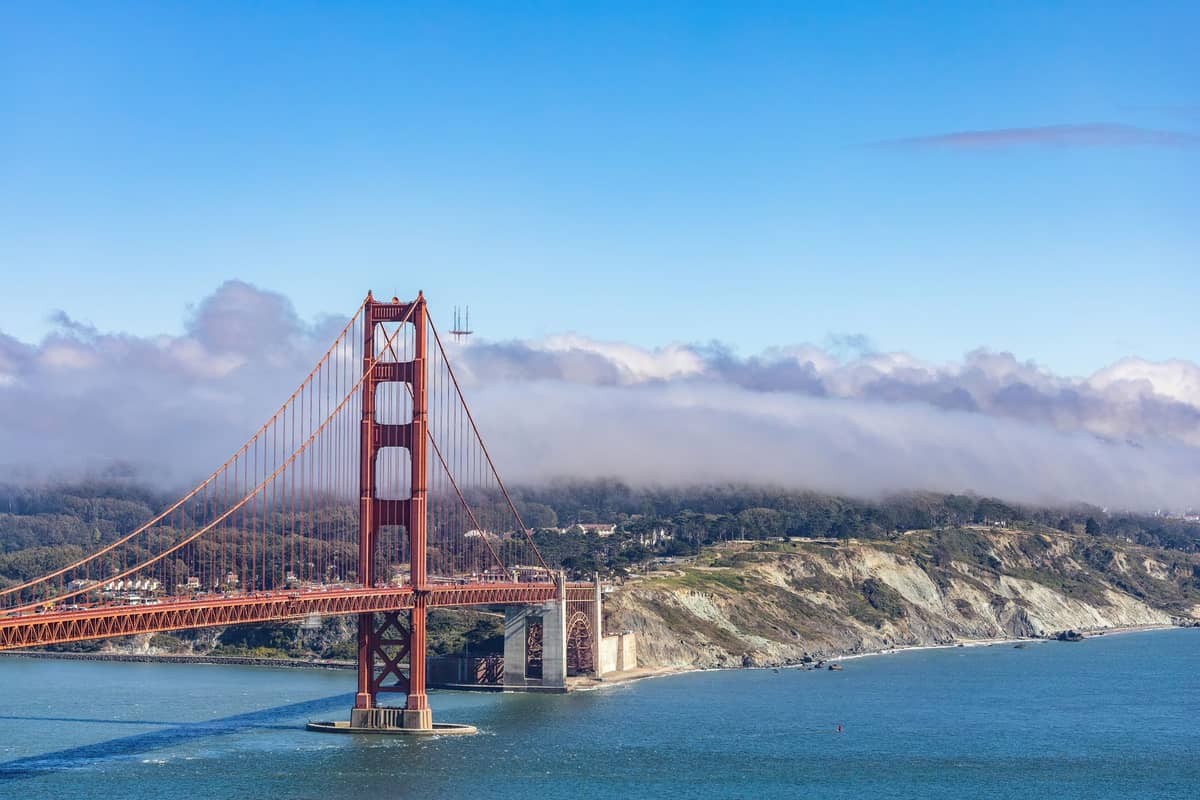
13. Walk Across the Golden Gate Bridge at Dawn
Pedestrian access is free and open daily. Walking the 1.7-mile span takes about 45 minutes one way. The eastern sidewalk faces the city and bay; the western side looks toward the Pacific. Wear layers regardless of season as the bridge is almost always cold and windy.
Explore13. Walk Across the Golden Gate Bridge at Dawn
Pedestrian access is free and open daily. Walking the 1.7-mile span takes about 45 minutes one way. The eastern sidewalk faces the city and bay; the western side looks toward the Pacific. Wear layers regardless of season as the bridge is almost always cold and windy.
Explore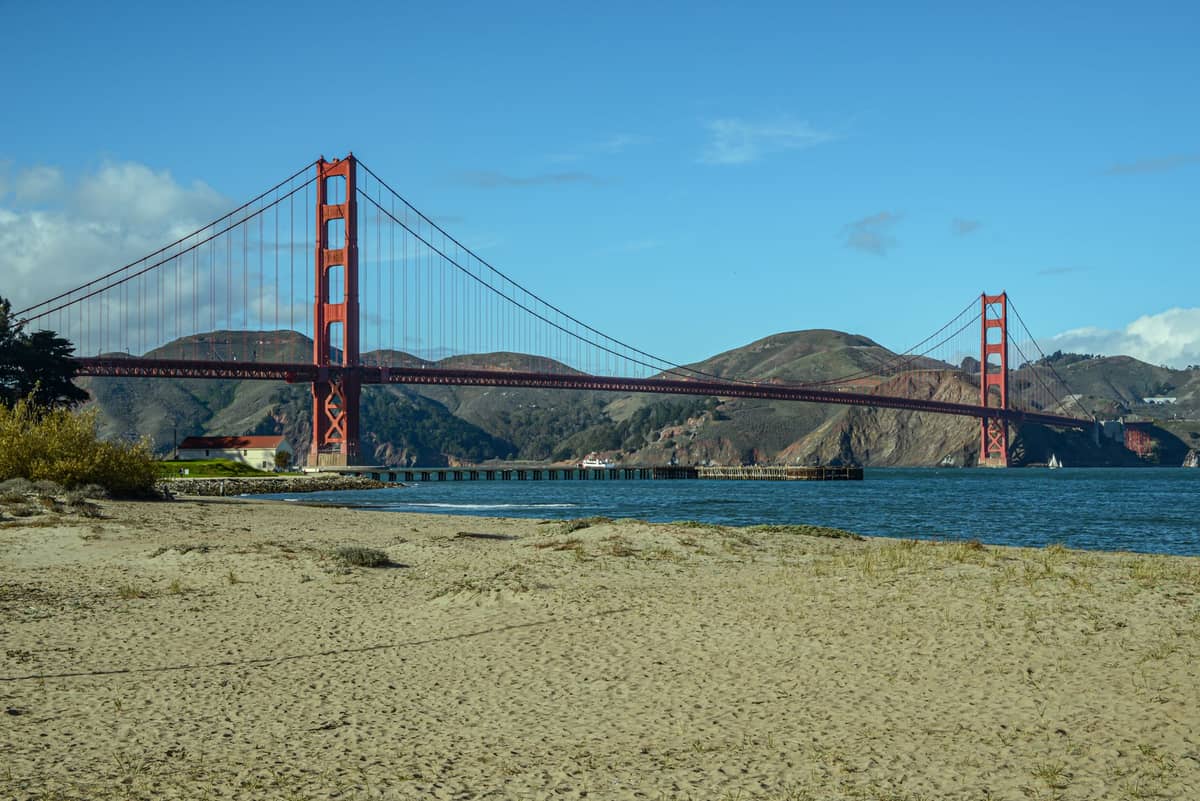
14. Walk the Crissy Field Promenade Toward the Bridge
This restored tidal marsh and waterfront path offers a straight-on view of the Golden Gate from a distance that few other spots match. The walk from the Marina to Fort Point takes about 30 minutes each way and passes the Warming Hut cafe at the western end.
Explore14. Walk the Crissy Field Promenade Toward the Bridge
This restored tidal marsh and waterfront path offers a straight-on view of the Golden Gate from a distance that few other spots match. The walk from the Marina to Fort Point takes about 30 minutes each way and passes the Warming Hut cafe at the western end.
Explore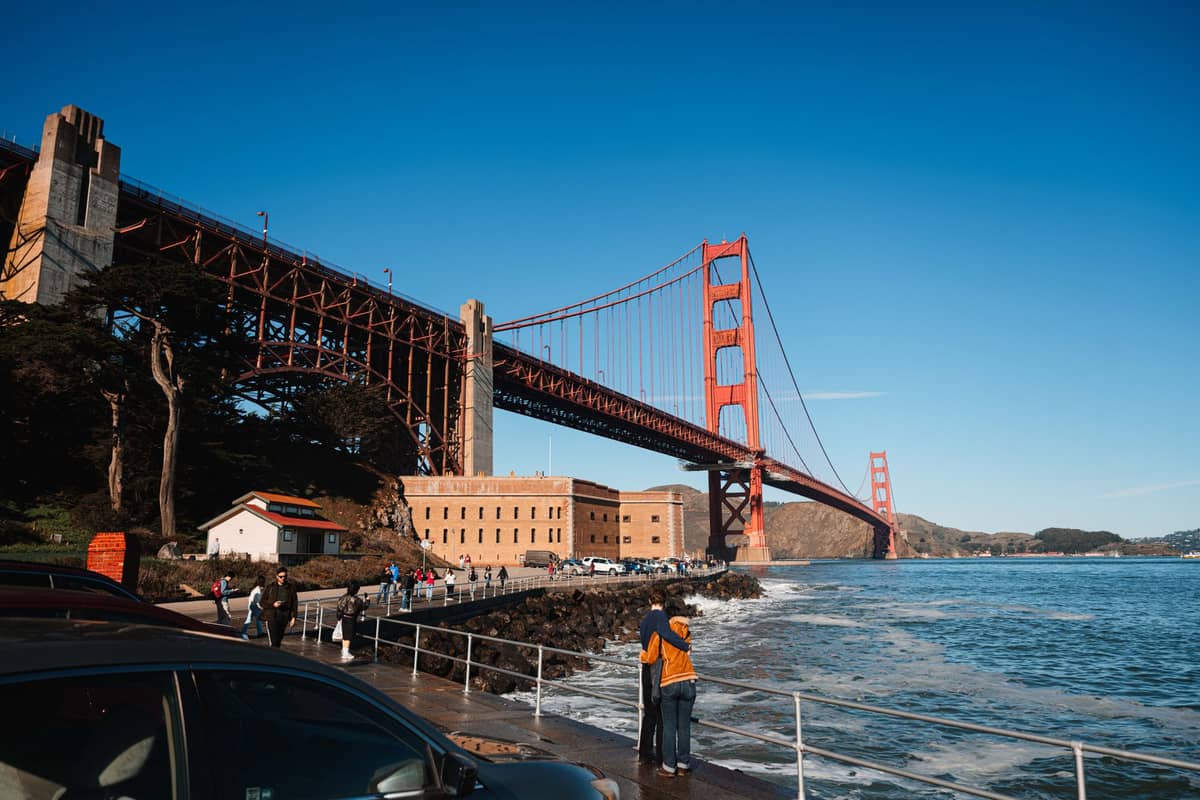
15. Stand Directly Beneath the Bridge at Fort Point
This Civil War-era brick fort sits at the base of the south tower, giving you an angle on the bridge that no photo truly prepares you for. The interior casements and views back toward the city are excellent. Entry to the historic site is free.
Explore15. Stand Directly Beneath the Bridge at Fort Point
This Civil War-era brick fort sits at the base of the south tower, giving you an angle on the bridge that no photo truly prepares you for. The interior casements and views back toward the city are excellent. Entry to the historic site is free.
Explore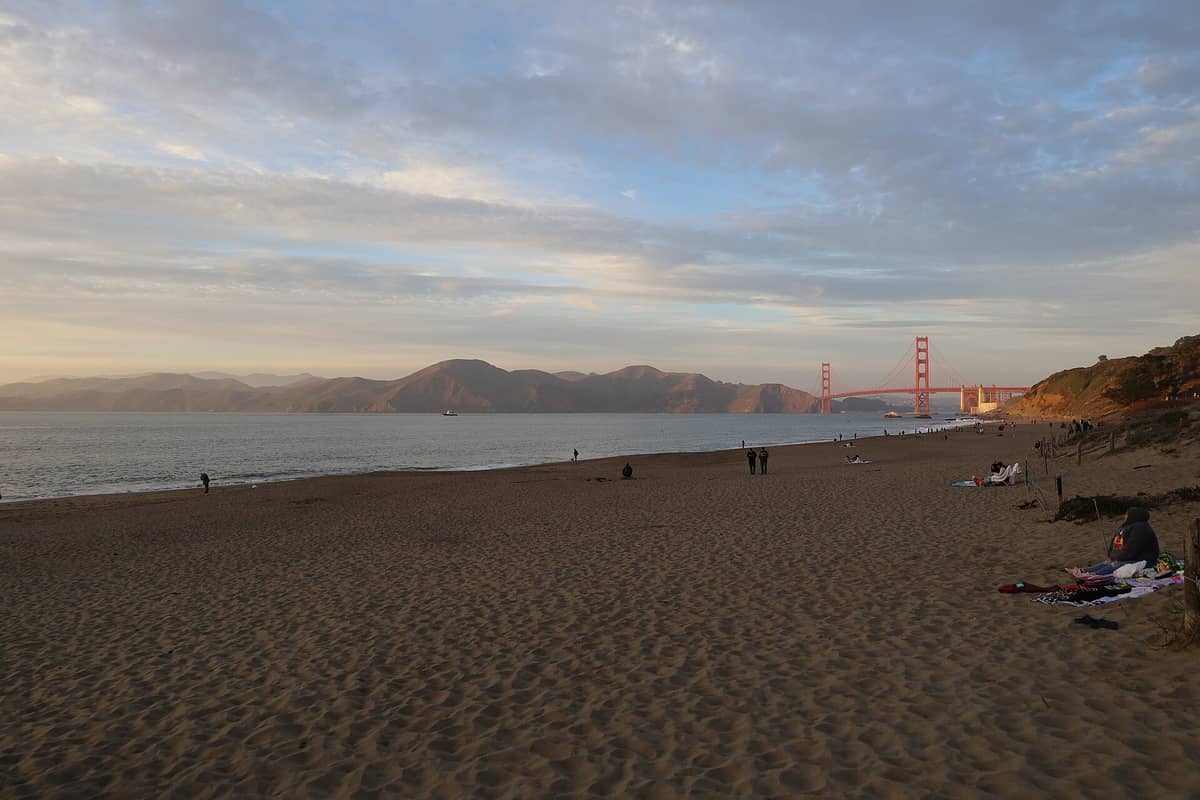
16. Walk Baker Beach for Close-Up Bridge Views
The northern end of this mile-long sandy beach sits almost directly below the south anchorage of the Golden Gate Bridge. At low tide you can walk right up to the rocks beneath the span. Morning visits before the fog burns off have their own dramatic quality.
Explore16. Walk Baker Beach for Close-Up Bridge Views
The northern end of this mile-long sandy beach sits almost directly below the south anchorage of the Golden Gate Bridge. At low tide you can walk right up to the rocks beneath the span. Morning visits before the fog burns off have their own dramatic quality.
ExploreDay Two: Golden Gate Park & Museum Row
Golden Gate Park is one of the great urban parks in the world, and a half-day here covers museums, gardens, and green space that would take days to exhaust fully. Focus on the museum complex at the eastern end of the park and save the western half for a slower visit. The complete Golden Gate Park guide maps out the best routes through the park's many attractions.
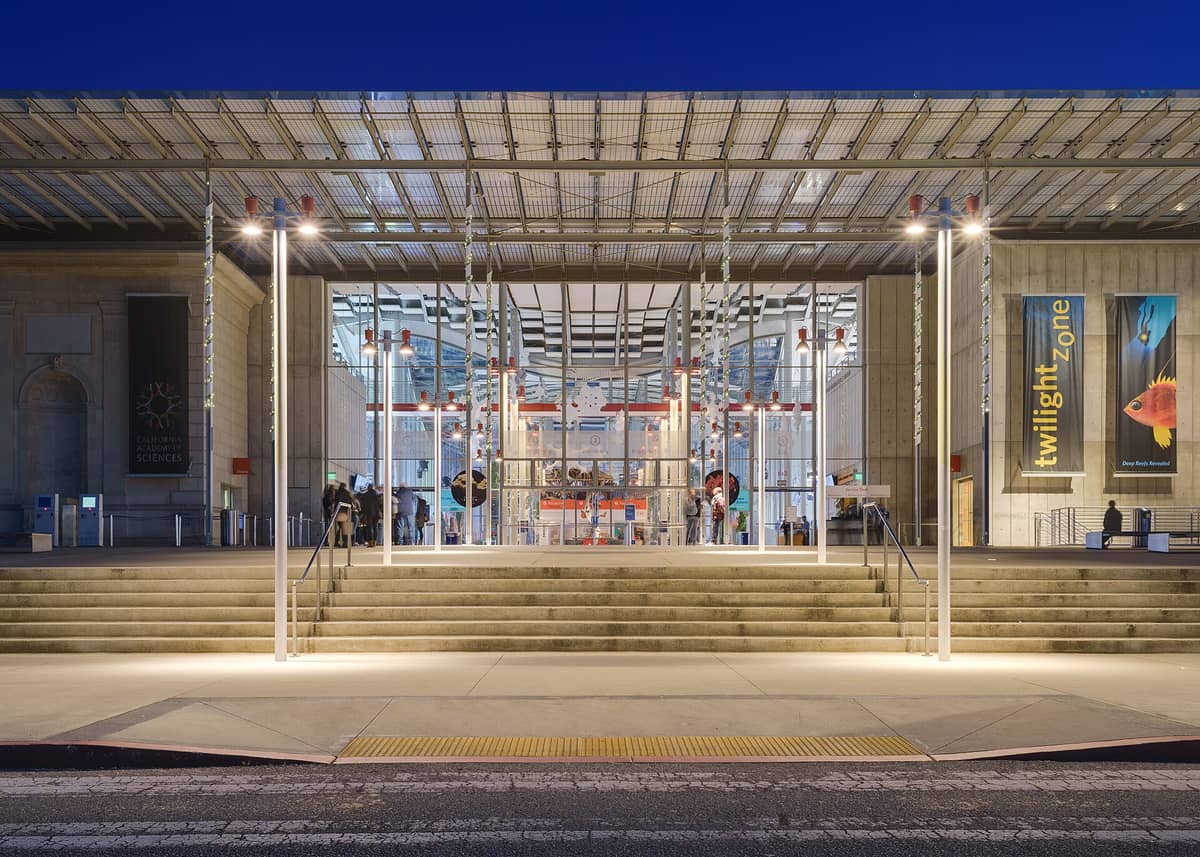
17. Explore the California Academy of Sciences Living Roof
The four-story rainforest dome, living coral reef aquarium, and Planetarium are the headline draws, but the 2.5-acre living roof planted with native California species is itself extraordinary. Budget two to three hours minimum. Book tickets online to avoid weekend lines.
Explore17. Explore the California Academy of Sciences Living Roof
The four-story rainforest dome, living coral reef aquarium, and Planetarium are the headline draws, but the 2.5-acre living roof planted with native California species is itself extraordinary. Budget two to three hours minimum. Book tickets online to avoid weekend lines.
Explore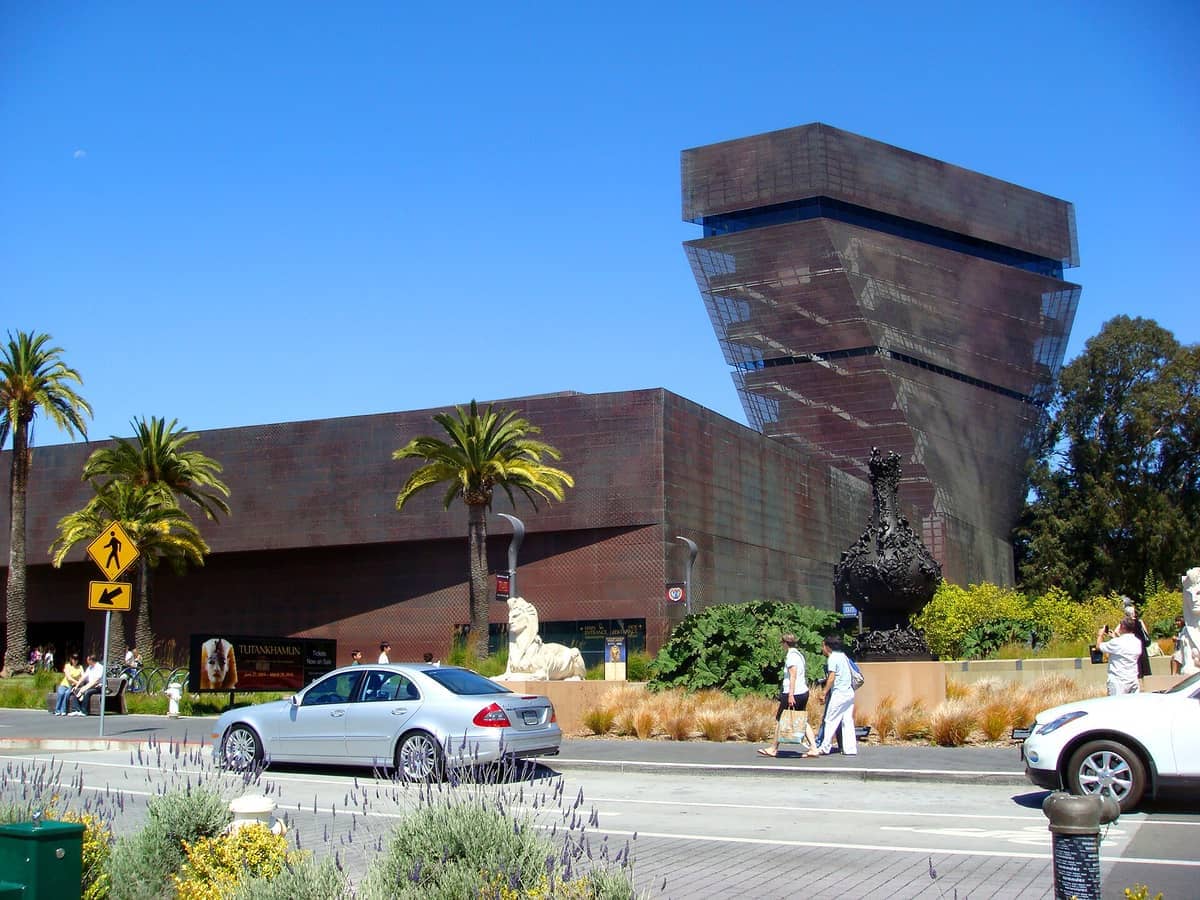
18. Visit the de Young Museum and Climb the Free Observation Tower
The de Young's copper-clad facade weathers to a green that blends with the park around it. Its American art collection is among the finest on the West Coast. The 144-foot observation tower is free to access separately and gives a panoramic view over the park and city.
Explore18. Visit the de Young Museum and Climb the Free Observation Tower
The de Young's copper-clad facade weathers to a green that blends with the park around it. Its American art collection is among the finest on the West Coast. The 144-foot observation tower is free to access separately and gives a panoramic view over the park and city.
Explore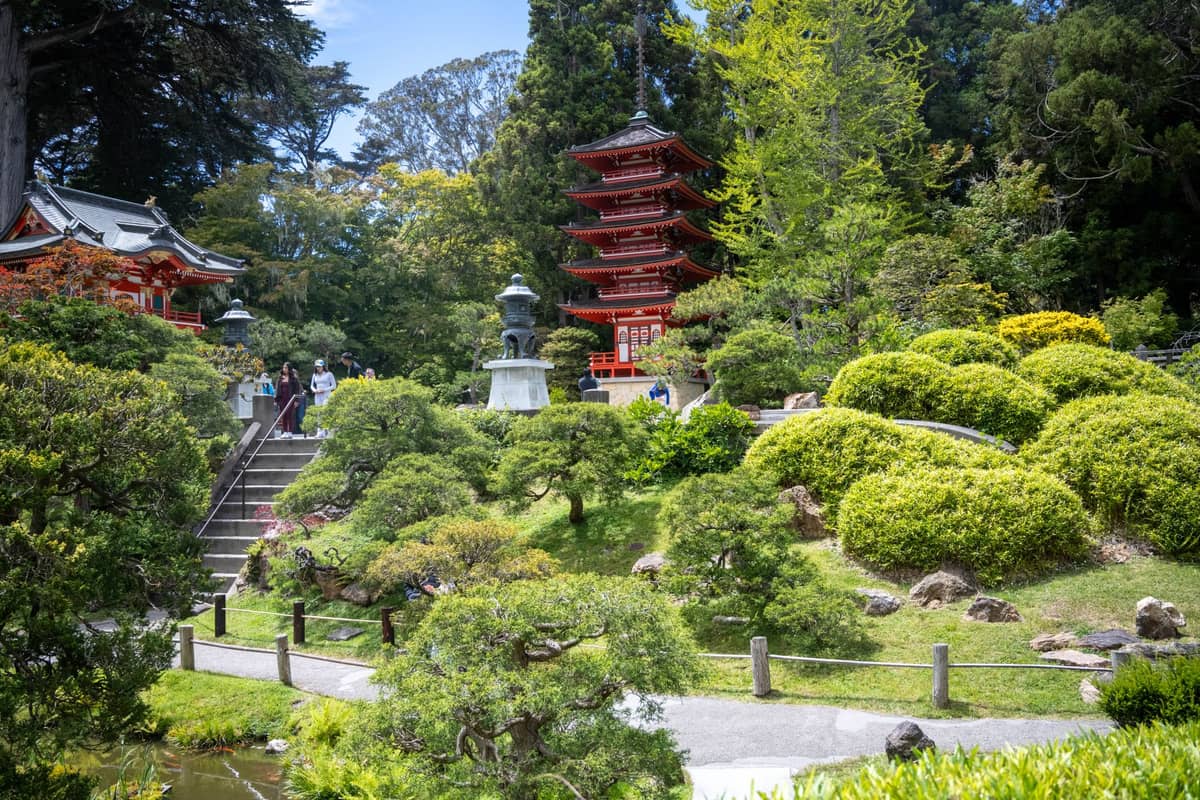
19. Take a 30-Minute Break in the Japanese Tea Garden
America's oldest public Japanese garden is a quiet counterpoint to the busier museums nearby. The drum bridge, koi ponds, and traditional teahouse serving matcha and fortune cookies make it a genuine pause in the day. Visit on a weekday or arrive at opening on weekends.
Explore19. Take a 30-Minute Break in the Japanese Tea Garden
America's oldest public Japanese garden is a quiet counterpoint to the busier museums nearby. The drum bridge, koi ponds, and traditional teahouse serving matcha and fortune cookies make it a genuine pause in the day. Visit on a weekday or arrive at opening on weekends.
Explore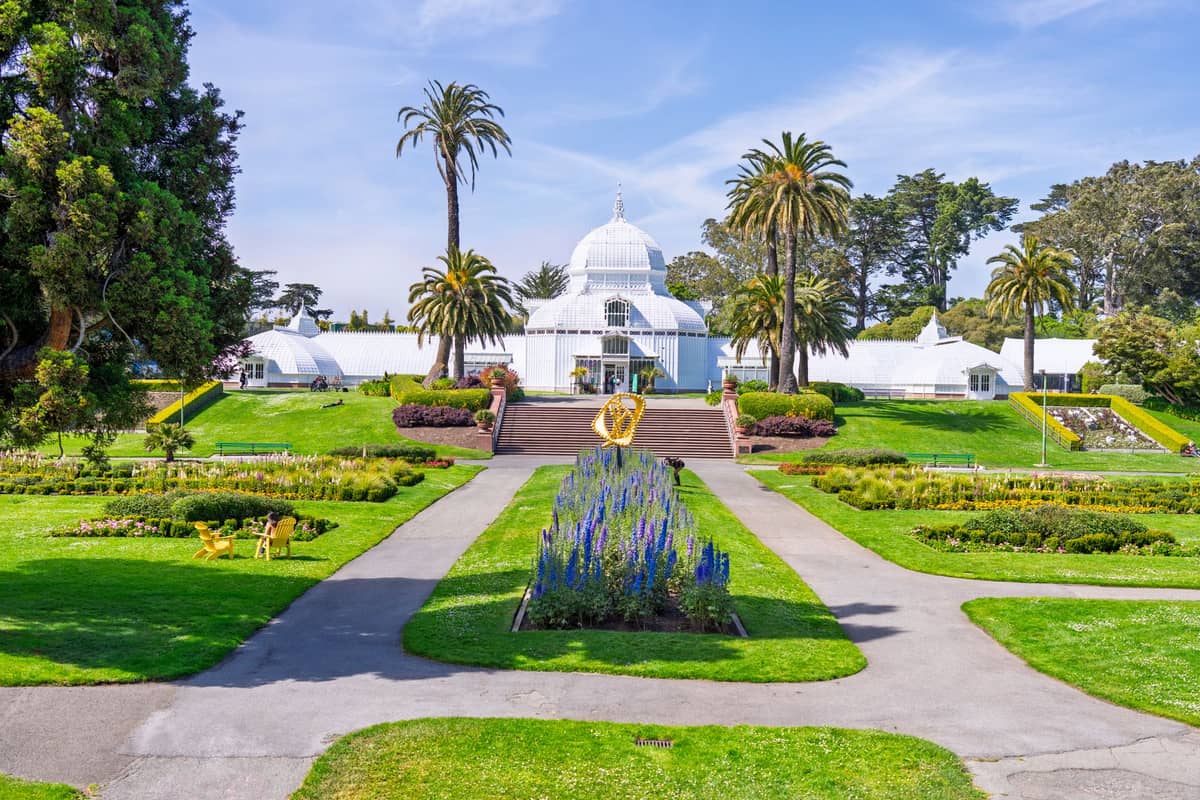
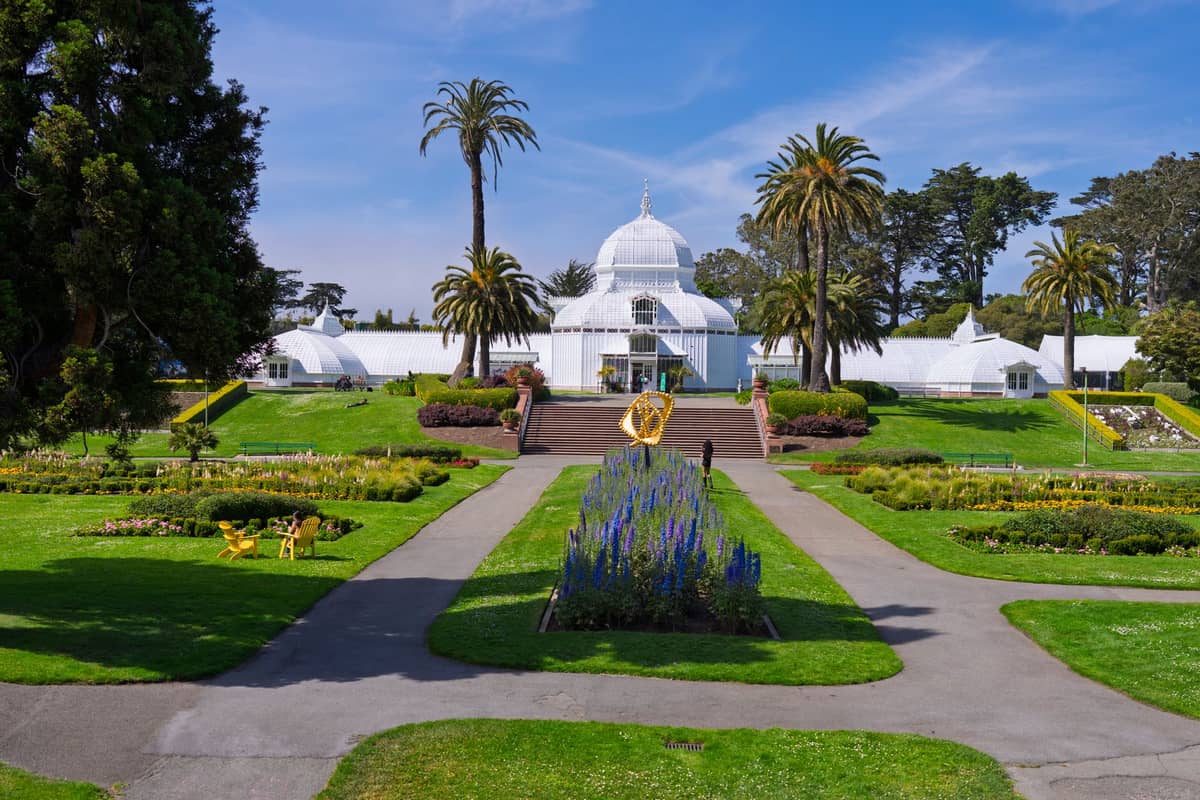
20. See the Victorian Conservatory of Flowers Near the Park Entrance
This 1879 wood-and-glass greenhouse is one of the oldest surviving structures of its kind in the Western Hemisphere. Inside, a collection of carnivorous plants, tropical orchids, and aquatic species thrives in controlled humidity. A 30-minute stop that rewards close attention.
Explore20. See the Victorian Conservatory of Flowers Near the Park Entrance
This 1879 wood-and-glass greenhouse is one of the oldest surviving structures of its kind in the Western Hemisphere. Inside, a collection of carnivorous plants, tropical orchids, and aquatic species thrives in controlled humidity. A 30-minute stop that rewards close attention.
ExploreDay Two Afternoon: Iconic Views & Last Stops
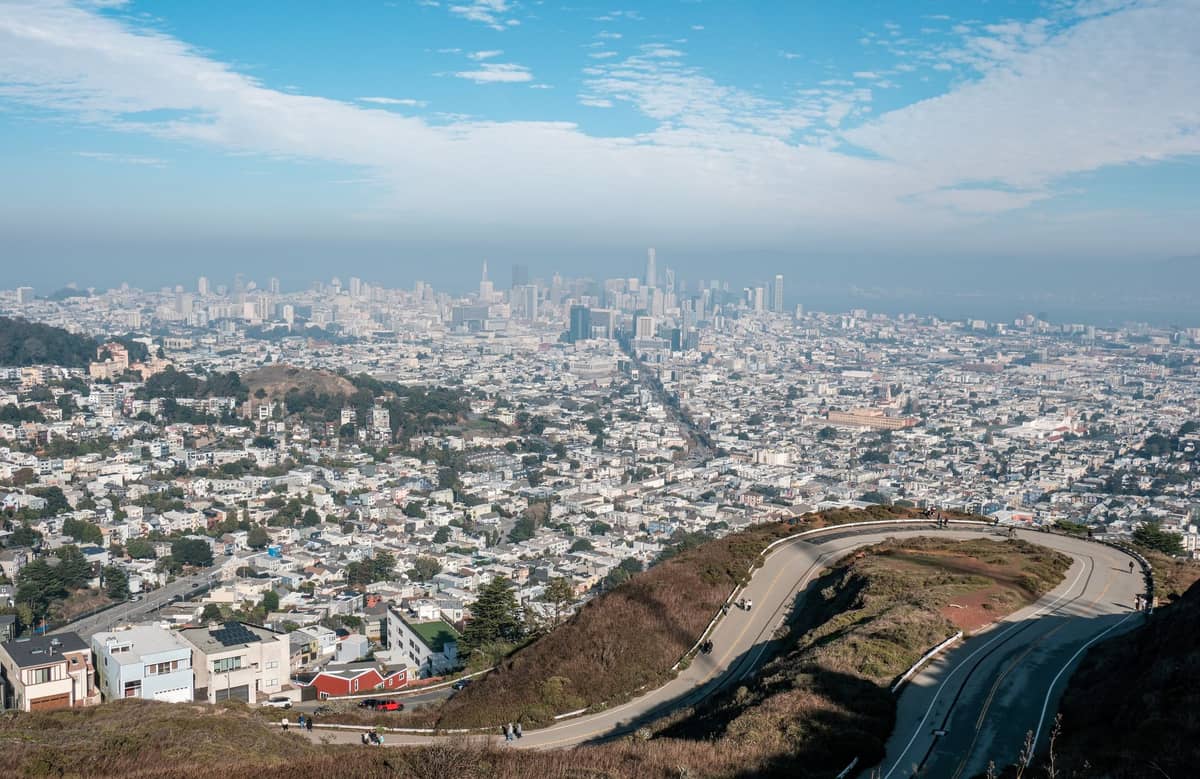
Round out the weekend with a pair of viewpoint stops and a walk through one of the city's most distinctive neighborhoods. Twin Peaks and the Palace of Fine Arts are close enough to combine efficiently, and both reward the effort considerably.
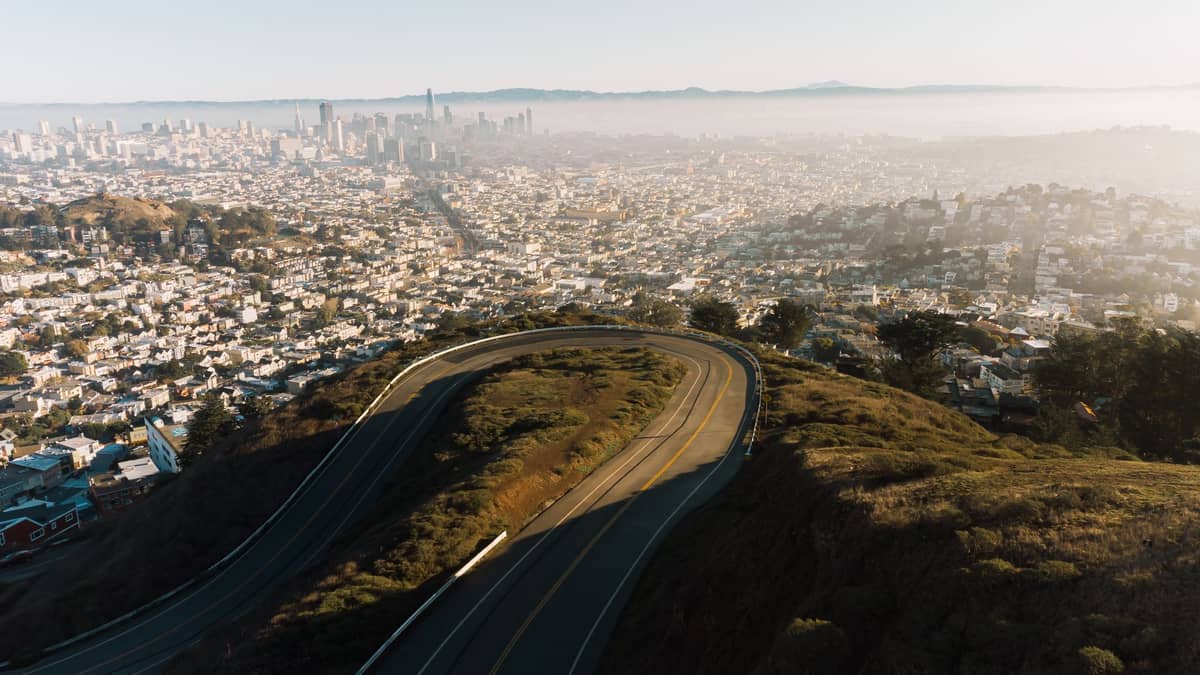
21. Drive or Hike to Twin Peaks for a 360-Degree Panorama
From the saddle between the two 922-foot summits, you get a full 360-degree view of the city, bay, and surrounding hills with nothing blocking the sight lines. Clear September and October afternoons offer views stretching to the Sierra Nevada on exceptional days.
Explore21. Drive or Hike to Twin Peaks for a 360-Degree Panorama
From the saddle between the two 922-foot summits, you get a full 360-degree view of the city, bay, and surrounding hills with nothing blocking the sight lines. Clear September and October afternoons offer views stretching to the Sierra Nevada on exceptional days.
Explore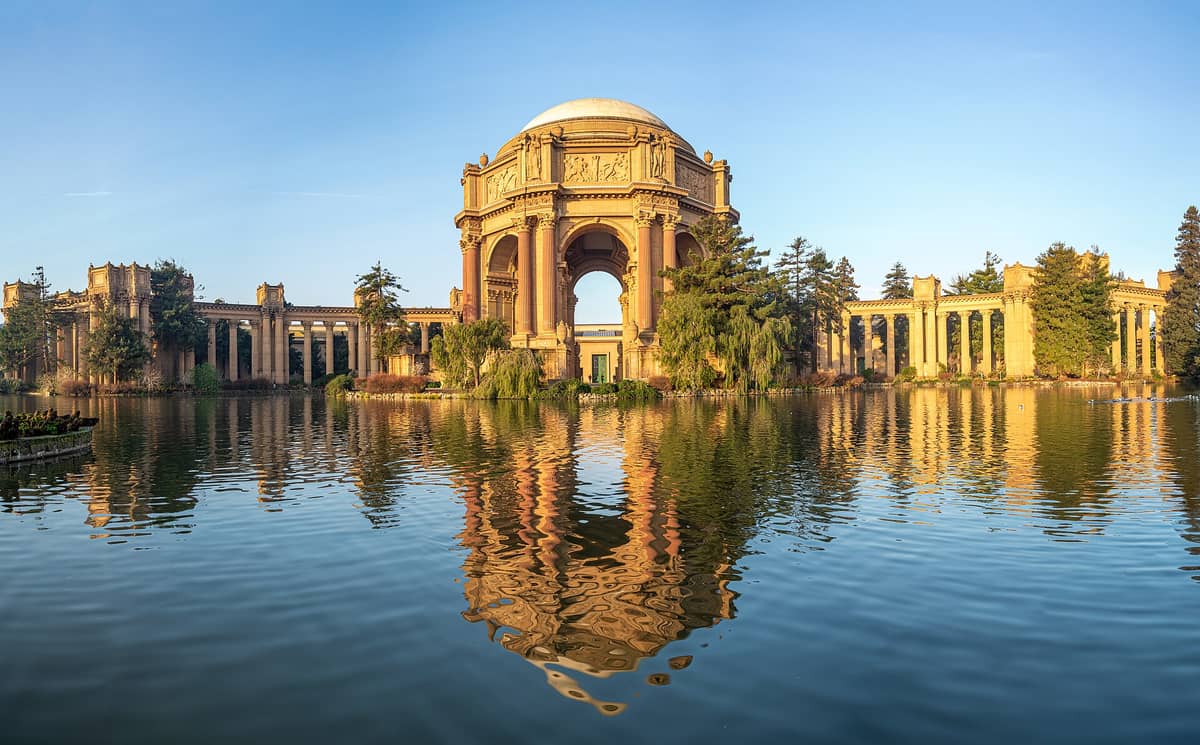
22. Walk the Lagoon at the Palace of Fine Arts
This Roman rotunda and its colonnaded lagoon were built for the 1915 Panama-Pacific Exposition and remain one of SF's most photogenic spots. The reflecting pool, resident swans, and Marin Hills backdrop make it ideal for late-afternoon photography. Free to visit anytime.
Explore22. Walk the Lagoon at the Palace of Fine Arts
This Roman rotunda and its colonnaded lagoon were built for the 1915 Panama-Pacific Exposition and remain one of SF's most photogenic spots. The reflecting pool, resident swans, and Marin Hills backdrop make it ideal for late-afternoon photography. Free to visit anytime.
Explore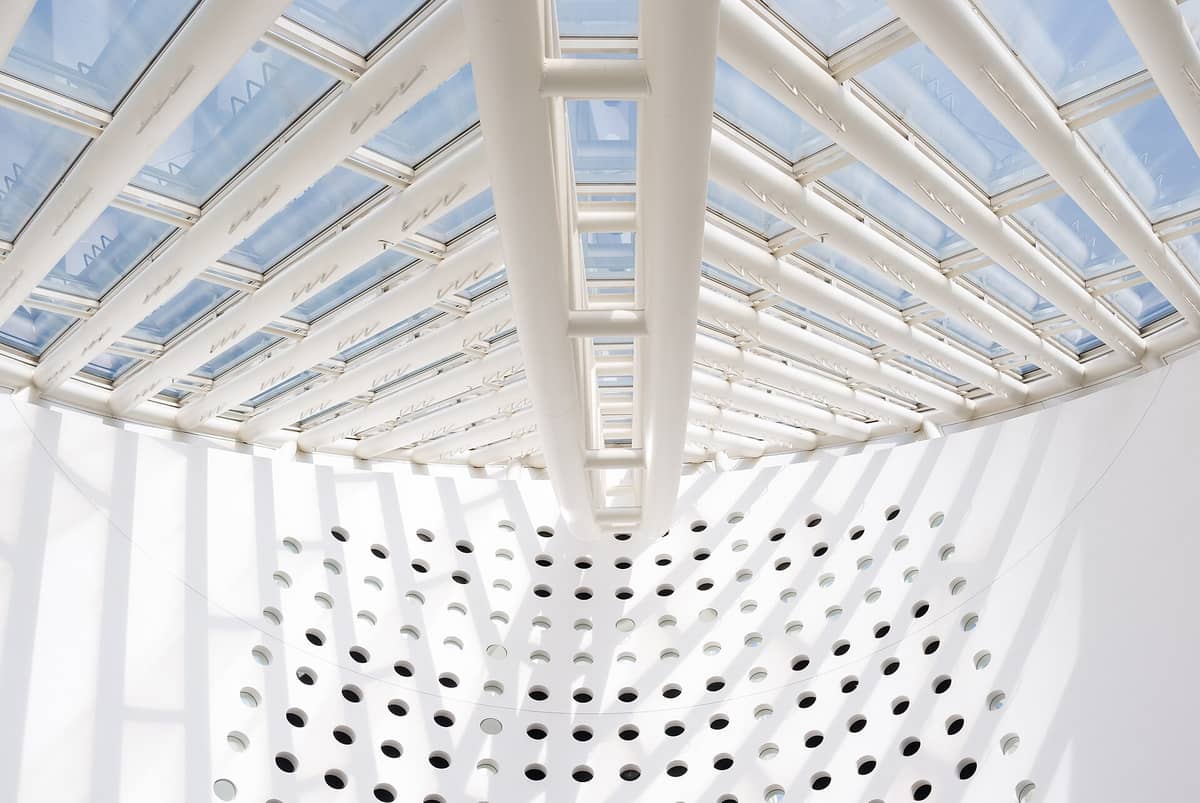
23. End the Weekend with Contemporary Art at SFMOMA
San Francisco's modern art museum holds over 35,000 works across seven floors, including major holdings of Matisse, Calder, and a world-class photography collection. The expanded building is itself worth seeing. The rooftop sculpture garden closes at dusk, so arrive by 3pm.
Explore23. End the Weekend with Contemporary Art at SFMOMA
San Francisco's modern art museum holds over 35,000 works across seven floors, including major holdings of Matisse, Calder, and a world-class photography collection. The expanded building is itself worth seeing. The rooftop sculpture garden closes at dusk, so arrive by 3pm.
Explore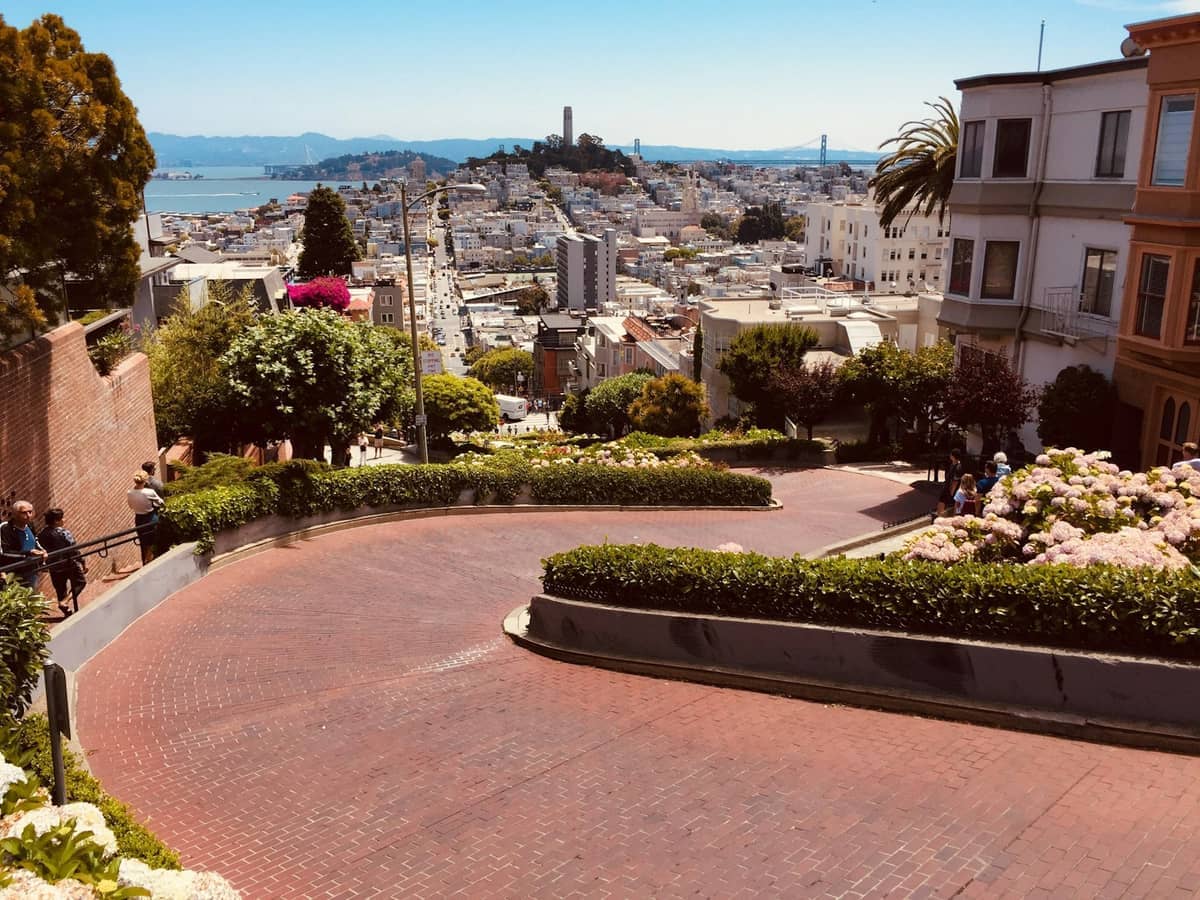
24. Walk Down Lombard Street's Eight Hairpin Turns
The famously crooked block on Russian Hill is best experienced as a pedestrian walking downhill, not as a driver queuing on the one-way road. The hydrangea borders are at their best in late spring. Takes five minutes but earns its place on a first-time itinerary.
Explore24. Walk Down Lombard Street's Eight Hairpin Turns
The famously crooked block on Russian Hill is best experienced as a pedestrian walking downhill, not as a driver queuing on the one-way road. The hydrangea borders are at their best in late spring. Takes five minutes but earns its place on a first-time itinerary.
Exploreℹ️ Good to know
Most San Francisco restaurants stop seating by 9:30pm and many kitchens close at 10pm. Make dinner reservations before 7pm if you want table service at popular spots, especially on weekends.
FAQ
How far in advance should I book Alcatraz tickets for a weekend visit?
At least two to three weeks in advance, and often more in summer and during school holidays. Weekend departures regularly sell out. Book directly through Alcatraz City Cruises at cityexperiences.com. If you miss the window, check for cancellations the morning of your visit.
Is a car necessary for a 48-hour visit to San Francisco?
No. Most guides and local residents recommend against driving for a short city visit. Muni buses, the F-line streetcar, BART, cable cars, and rideshare apps cover all the main sights efficiently. Parking is expensive, spaces are scarce, and hills make navigation stressful. Leave the car at your hotel or skip it entirely.
What should I wear for a San Francisco weekend?
Layers are essential year-round. Even in September and October, mornings can start around 55°F and evenings drop to the low 60s. Near the Golden Gate Bridge and Ocean Beach, add wind to the equation. A light jacket, comfortable walking shoes for hills, and a scarf will serve you in any season.
Can I see the Golden Gate Bridge without going to the Presidio?
Yes, from several spots across the city. Crissy Field and Fort Point give the closest ground-level views. Marin Headlands (just across the bridge) offer the classic panoramic angle. Baker Beach shows the bridge from below. Twin Peaks provides a distant citywide perspective that includes the bridge. Each is worth choosing for different reasons.
What is the best time of year for a San Francisco weekend trip?
September and October are consistently the warmest and clearest months, with average highs reaching 67-72°F and far less marine fog than summer. June through August is peak tourist season but often cool and overcast, especially near the ocean and bridge. Spring (March-May) offers green parks and moderate crowds. Winter weekends are mild by national standards but bring the most rain.