What to Eat in San Francisco: A Complete Food Culture Guide
San Francisco has one of the most serious food cultures in the United States, with about 30 Michelin-starred restaurants according to the 2026 Michelin Guide, roughly 4,400 restaurants packed into about 47 square miles, and an obsessive commitment to local, seasonal ingredients. This guide covers the iconic dishes, the neighborhoods where each food culture lives, what things actually cost, and where visitors consistently go wrong.
Plan and book this trip
Tools from our partner Travelpayouts help you compare flights and hotels. If you book through them, we may earn a commission at no extra cost to you.
Flights
Hotels map
TL;DR
- San Francisco's signature dishes include sourdough bread, Mission-style burritos, cioppino, Dungeness crab, and dim sum — each tied to a specific neighborhood.
- The city holds about 30 Michelin-starred restaurants, the highest concentration per capita among major U.S. cities, but great food is just as available at a Mission District taqueria for under $15.
- Dungeness crab season typically runs November through June — timing a visit around this is worthwhile for serious seafood eaters.
- Expect to spend $10–$18 for casual meals, $20–$35 at mid-range restaurants, and considerably more at destination dining spots.
- The food scene is deeply multicultural — Chinatown, North Beach, and the Mission each have distinct food identities that reward focused exploration.
The Dishes San Francisco Is Actually Known For
San Francisco's food identity is more specific than most cities. These aren't vague regional generalizations — each dish has a documented origin or deep local tradition, and eating them in context, in the right neighborhood, is a genuinely different experience from finding a version elsewhere.
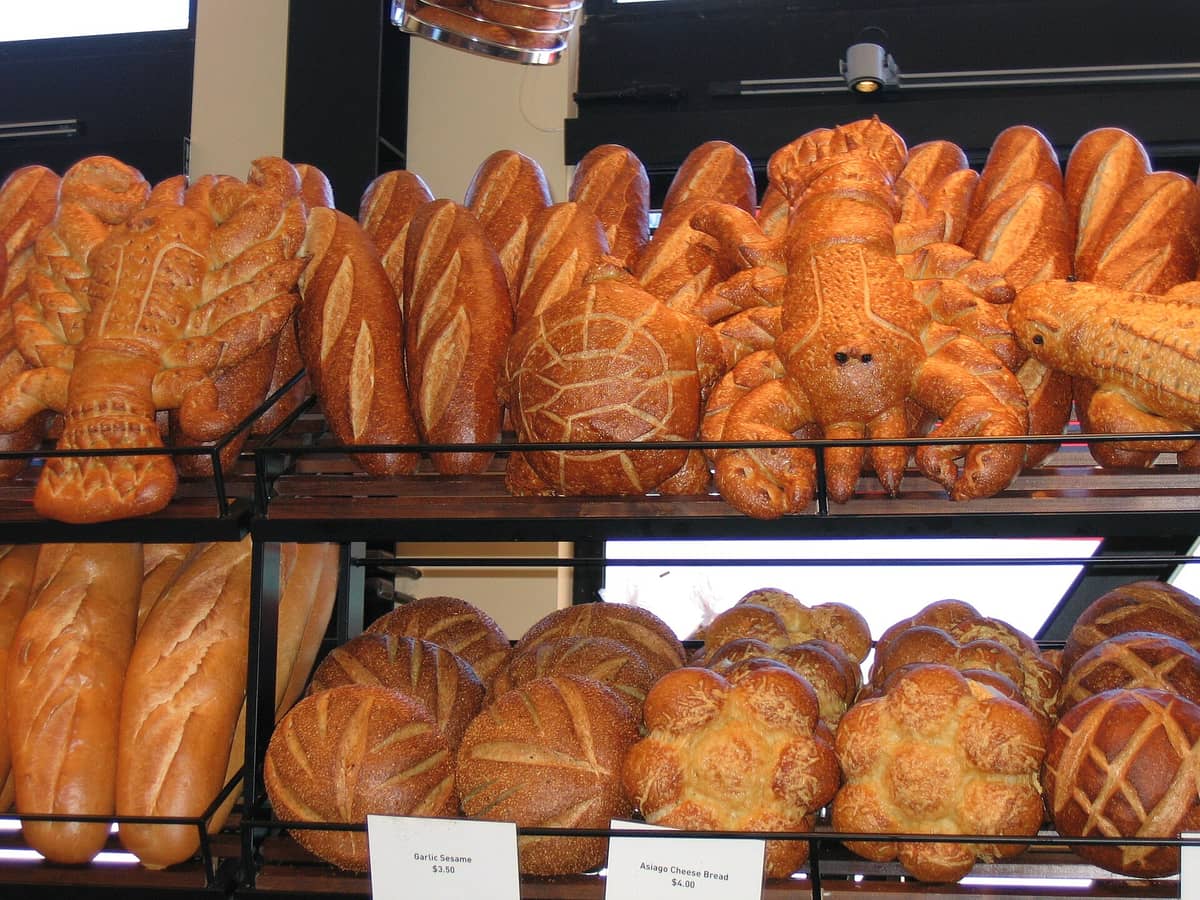
- Sourdough Bread San Francisco sourdough has a distinct tang linked to Lactobacillus sanfranciscensis, a wild yeast strain thriving in the Bay Area's cool, foggy climate. Boudin Bakery at Fisherman's Wharf has been making it since 1849, but newer artisan bakeries like Tartine in the Mission have elevated the craft considerably.
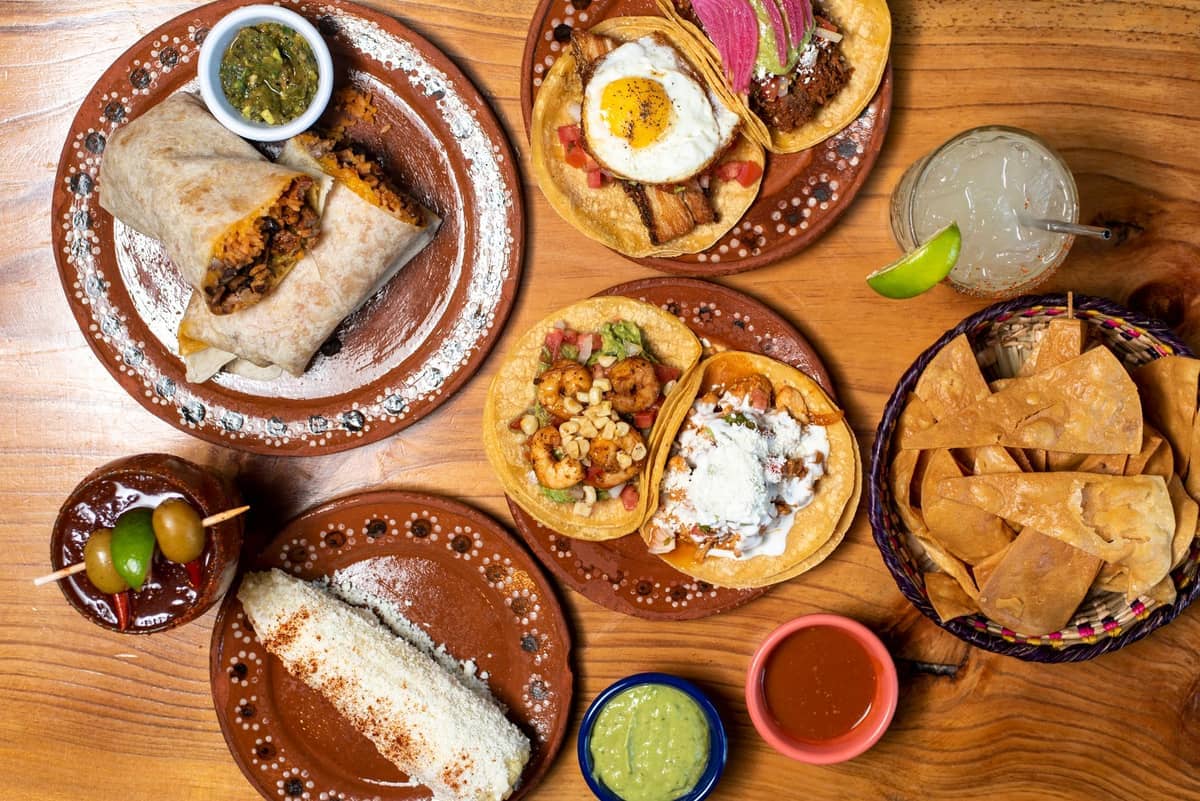
- Mission-Style Burrito This is a San Francisco invention, not a Tex-Mex import. A large flour tortilla, steamed to pliability, then packed with rice, beans, meat, salsa, sour cream, and guacamole, then wrapped tightly in foil. The format was pioneered in the Mission District in the late 1960s. La Taqueria and El Farolito are the two most argued-over institutions.
- Cioppino A tomato-based seafood stew invented by Italian-American fishermen at Fisherman's Wharf in the late 19th century. A proper bowl contains Dungeness crab, clams, shrimp, scallops, and fish. Avoid tourist-trap versions that substitute frozen shellfish — ask specifically about the crab.
- Dungeness Crab The crab season officially opens each November (exact dates vary by California Department of Fish and Wildlife regulations) and runs through June. Whole cracked crab served at the wharf, chilled or hot, with sourdough on the side, is as close to a defining San Francisco meal as it gets.
- Dim Sum San Francisco Chinatown and the Richmond District's Clement Street both host serious dim sum. The Richmond District spots, particularly on Clement Street between 2nd and 10th Avenues, tend to have shorter waits and are preferred by local Chinese-American families over the more tourist-facing Chinatown restaurants.
- Fortune Cookies Widely believed to be Chinese, fortune cookies are actually a Japanese-American Bay Area creation, popularized in San Francisco. The Golden Gate Fortune Cookie Factory in Chinatown still makes them by hand and is one of the few genuinely interesting small-production food stops in the neighborhood.
ℹ️ Good to know
Dungeness crab availability is regulated by California state authorities and opening dates shift year to year based on crab health assessments. If you're visiting specifically for crab, check the California Department of Fish and Wildlife website for the current season status before you book.
Neighborhood Food Cultures Worth Knowing
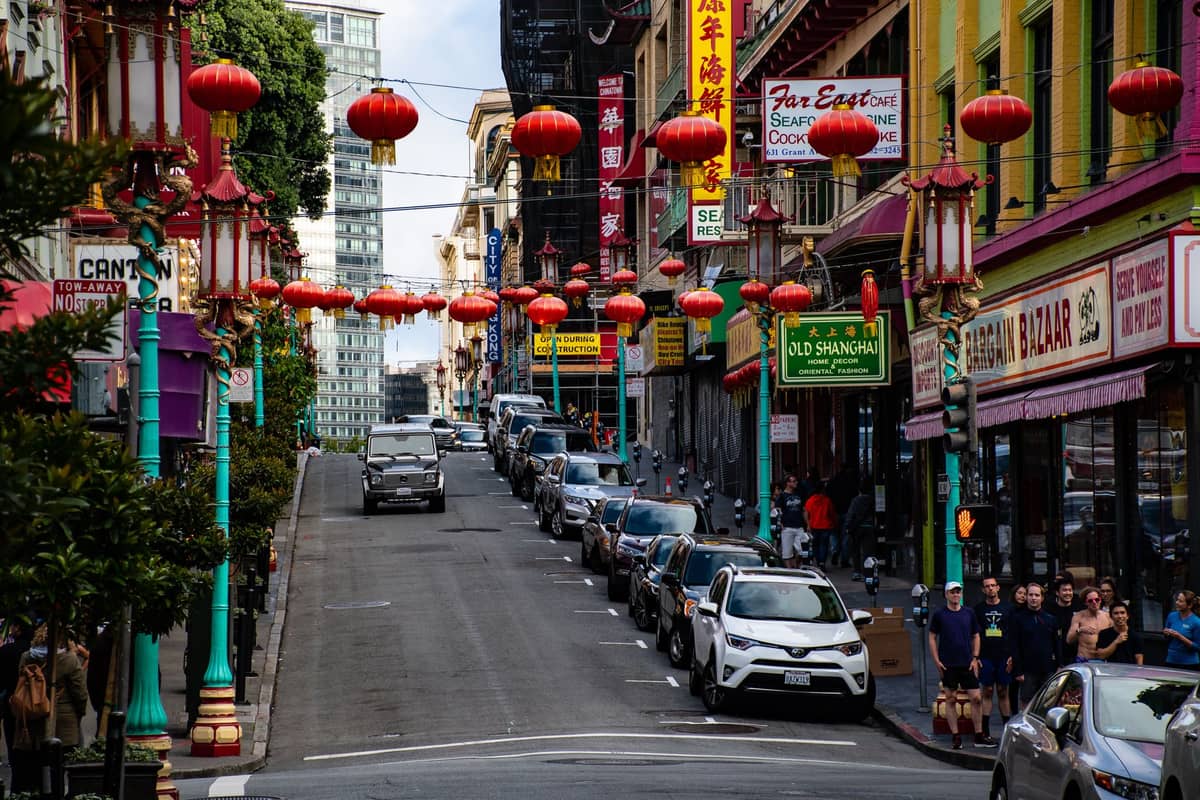
San Francisco's food scene is fundamentally organized by neighborhood, not by restaurant type. Understanding which district to go to for what cuisine saves time and usually means better food. The city's neighborhoods each have distinct culinary identities that reflect decades of immigration, community-building, and local economics.
The Mission District is where you go for burritos, tacos, and the broader Latin American food culture that has defined this neighborhood since the mid-20th century. Valencia Street has since diversified into upscale California cuisine restaurants and wine bars, but the core taqueria culture on 24th Street and Mission Street remains intact and affordable.
North Beach is San Francisco's Italian-American neighborhood, and while the community itself has thinned over the decades, the culinary infrastructure remains. Old-school Italian-American restaurants line Columbus Avenue. The neighborhood also anchors the city's cafe culture — Caffe Trieste, open since 1956, claims to be the first espresso coffeehouse on the West Coast. For anyone researching san francisco italian restaurants, North Beach is the primary reference point, though several highly regarded contemporary Italian spots have opened in Hayes Valley and SoMa in recent years.
The Richmond District, specifically Clement Street, is what food-focused locals call the city's 'second Chinatown.' It has dense concentrations of Cantonese, Shanghainese, and Vietnamese restaurants, and the crowds skew local rather than tourist. The official Chinatown around Grant Avenue and Stockton Street is more tourist-facing but still has legitimate old-school spots, particularly along Stockton, where the grocery markets are worth a walk regardless of whether you eat there.
⚠️ What to skip
Fisherman's Wharf restaurants along the pier face directly onto tourist foot traffic, and pricing reflects that. Expect to pay significantly more for equivalent seafood compared to a few blocks inland. The clam chowder bread bowls at the wharf are a genuine local tradition, but the crab quality varies. If you want excellent cioppino or fresh Dungeness, ask a local for their current recommendation rather than defaulting to the most visible waterfront spots.
The Farm-to-Table Culture and What It Actually Means Here
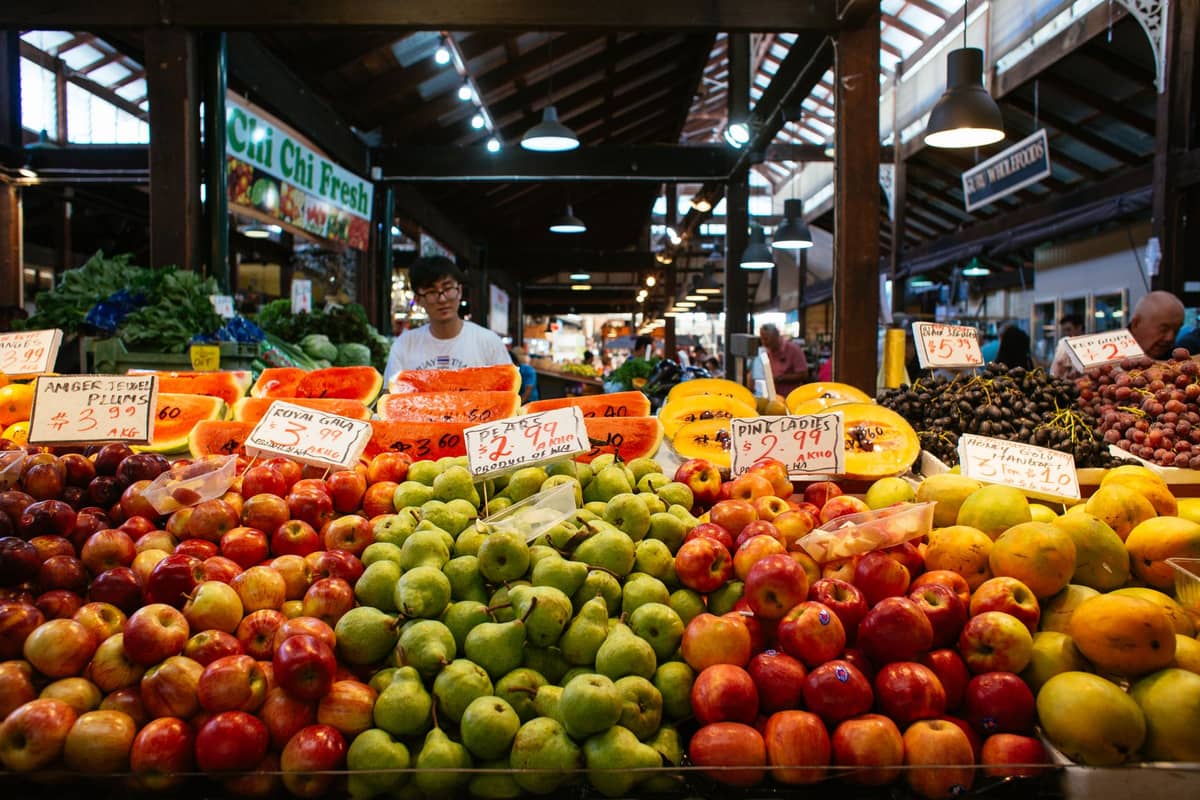
San Francisco sits at the center of California's agricultural production zones. The Central Valley, the Sonoma and Marin coast, and the farms of Santa Cruz County are all within roughly a two-hour drive in normal traffic, and the Ferry Building Marketplace on the Embarcadero operates one of the most serious farmers' markets in the country every Tuesday, Thursday, and Saturday morning.
The Ferry Building Marketplace is the physical expression of San Francisco's farm-to-table identity. The Saturday market draws serious producers, and several of the city's top chefs shop there personally or send their cooks. It is also genuinely enjoyable as a food experience, not just a shopping errand — oysters from Hog Island Oyster Co., coffee from Blue Bottle, bread from Acme, and local stone fruit in season.
This emphasis on sourcing shapes how restaurant menus work. Expect seasonal rotations at better restaurants, dishes that lean on whatever is peaking in the local growing cycle, and wine lists that prioritize California producers, often from Sonoma and Napa. It is not marketing language here — it reflects a genuine cooking philosophy that has been embedded in the city's restaurant culture since Alice Waters opened Chez Panisse in nearby Berkeley in 1971.
What Things Cost and How to Eat Well on Any Budget
San Francisco is an expensive city to eat in. Citywide studies have put the average restaurant meal around $71.67 per person when accounting for full table-service dining with drinks, tax, and the customary 18–20% tip. That figure includes high-end restaurants and skews the average up, but it is not misleading about the direction of pricing.
- Under $15: Taquerias, ramen, dim sum, banh mi The Mission District taquerias, Richmond District Vietnamese spots, and Chinatown dim sum houses all deliver full meals in this range. A Mission burrito at most taquerias runs $10–$14. Banh mi sandwiches in the Tenderloin's Little Saigon cluster are typically $6–$9.
- $15–$35: Casual sit-down, izakayas, pizza, Chinese-American This is the working range for a solo lunch or dinner without drinks at a neighborhood restaurant. North Beach Italian trattorias, Hayes Valley wine bars with small plates, and the better ramen shops in Japantown fall here.
- $35–$75: Mid-range with drinks A proper dinner with a glass of California wine at a contemporary California cuisine restaurant. This is where the bulk of the city's interesting mid-range dining lives. Nopa in the Western Addition is a reference point for this tier — not cheap, not a special occasion, but serious food.
- $100+: Destination dining, Michelin-starred San Francisco's roughly 30 Michelin-starred restaurants range from tasting-menu destinations charging $250+ per person to Bib Gourmand-recognized spots where a full meal lands around $40. Check the current Michelin Guide Bay Area listing for the Bib Gourmand category if budget matters — these are vetted quality restaurants at moderate prices.
For a practical budget-eating strategy, see the San Francisco on a budget guide, which covers free and low-cost options across the city. The free things to do in San Francisco guide is also worth reading alongside this one — the city's outdoor food markets and neighborhood food streets cost nothing to explore.
✨ Pro tip
Lunch is the best value window at higher-end restaurants. Several spots that charge $90+ for dinner prix fixe offer abbreviated lunch menus in the $25–$45 range. If you want to try a notable restaurant without the full outlay, weekday lunch is the practical approach. Reservations on platforms like Resy or OpenTable are still strongly recommended for anything above the casual tier, especially Thursday through Saturday.
San Francisco Restaurants with a View: The Honest Assessment
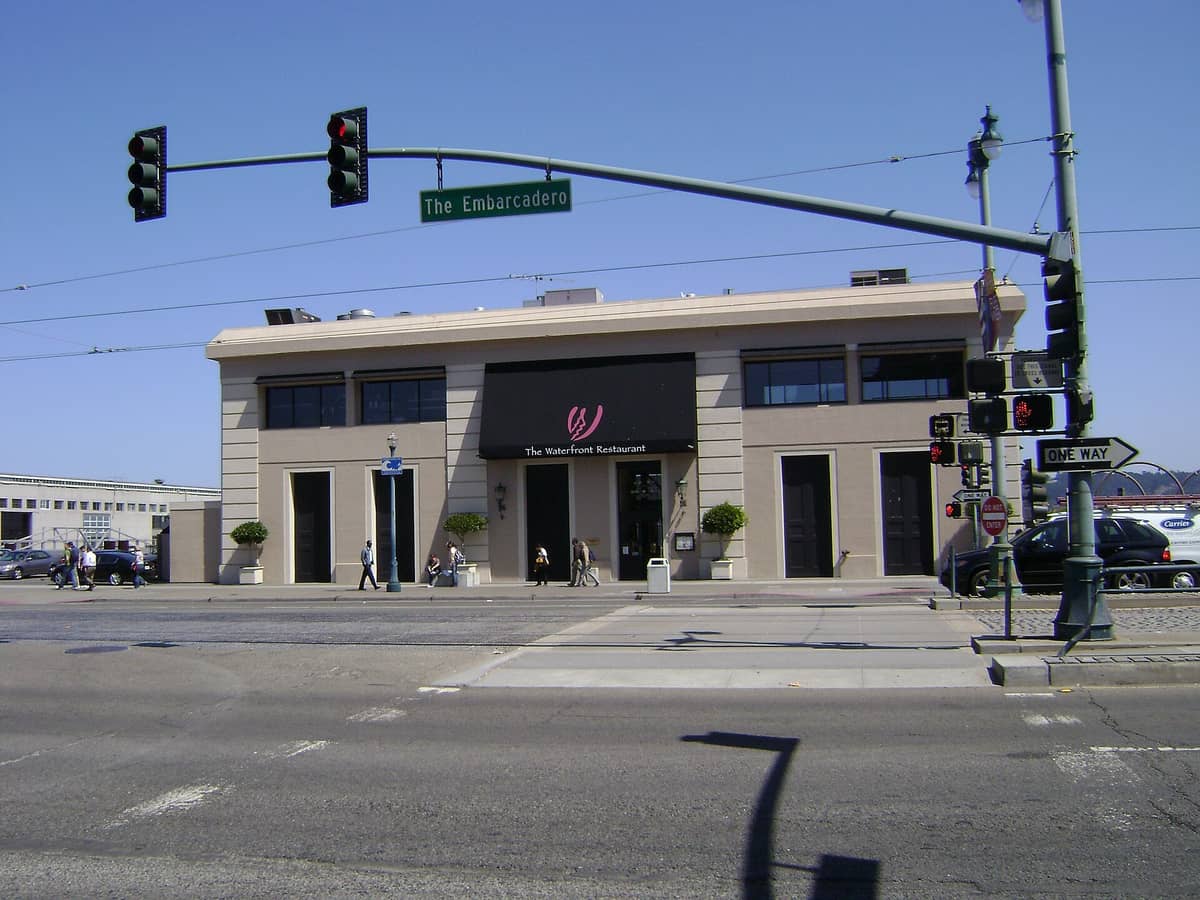
San Francisco restaurants with a view tend to trade on location, and the food quality does not always match the setting. That is not a universal rule, but it is a consistent enough pattern that it is worth naming. The waterfront restaurants along the Embarcadero, the rooftop bars in SoMa and Union Square, and the hilltop spots near Twin Peaks often attract diners for the panorama first and deliver mediocre food at premium prices.
The exceptions are worth knowing. The Ferry Building has genuine views of the Bay Bridge and houses serious food producers. Fog Harbor Fish House at Pier 39 has direct bay views and consistently decent seafood — it is a tourist spot, but not a cynical one. For the full panoramic city view paired with food, the restaurants near Twin Peaks and Bernal Heights Park skew neighborhood-local rather than tourist-facing, which usually means better value. See our guide to the best views in San Francisco for the full breakdown of where the vistas are and what surrounds them.
Practical Logistics for Eating in San Francisco
Tipping is standard in San Francisco restaurants: 18% is considered the baseline for table service, 20% is common, and some restaurants now embed service charges into the bill. Read the check carefully — a 'service charge' or 'SF surcharge' (many restaurants pass on a portion of the city's employer mandates to customers) may already be included, and adding a full tip on top is not expected but does happen by accident.
The city's food culture is heavily concentrated in walkable neighborhoods. If you are staying near Union Square or SoMa, the Mission District is a 20-minute BART ride away. North Beach and Chinatown are walkable from most downtown hotels. For getting between food neighborhoods efficiently, the guide to getting around San Francisco covers Muni, BART, and the cable car system, which serves Nob Hill and connects the Financial District to Fisherman's Wharf.
Reservations at serious restaurants book out weeks in advance, particularly for Friday and Saturday dinner. For same-week dining at popular spots, check Resy and OpenTable for cancellations — Thursday releases tend to see cancellation windows open up. Walk-in bar seating is available at many restaurants that otherwise require reservations, which is a reliable strategy for solo diners or couples willing to eat at the bar.
FAQ
What food is San Francisco most famous for?
San Francisco is most closely associated with sourdough bread, Mission-style burritos, cioppino, Dungeness crab, and dim sum. Each has a specific neighborhood context: sourdough ties to Fisherman's Wharf and the Mission, burritos to the Mission District, cioppino and crab to Fisherman's Wharf, and dim sum to Chinatown and the Richmond District.
Are there good San Francisco Italian restaurants?
Yes. North Beach is the city's historic Italian-American neighborhood, with restaurants along Columbus Avenue that have been operating for decades. For more contemporary Italian cooking, Hayes Valley and the broader downtown area have newer spots. Quality varies significantly, so checking current Michelin Guide listings or local food publications for specific recommendations before visiting is advisable.
What are the best San Francisco restaurants with a view?
Most view restaurants in San Francisco charge a premium and deliver uneven food quality. The Ferry Building Marketplace has genuine bay views with high-quality food vendors. Fog Harbor Fish House at Pier 39 is a workable combination of views and decent seafood. For the best panoramic city views, the hilltop neighborhoods like Bernal Heights and Twin Peaks have neighborhood restaurants that offer the vista without the tourist markup.
When is Dungeness crab season in San Francisco?
The commercial Dungeness crab season in California typically opens in November and runs through June, but exact dates are set annually by the California Department of Fish and Wildlife based on crab health assessments. Check current season status before your trip if crab is a priority. When in season, whole cracked crab at Fisherman's Wharf or in a cioppino at a North Beach restaurant is the definitive way to eat it.
How much should I budget for food in San Francisco?
Budget $10–$18 per person for casual meals at taquerias, dim sum, and noodle spots. Mid-range sit-down restaurants with drinks run $30–$60 per person. Full table-service dinners at notable restaurants average around $70+ per person including drinks, tax, and an 18–20% tip. Lunch at higher-end spots is often 40–50% cheaper than dinner for comparable food quality.