Golden Gate Park: The Complete Visitor Guide
At 1,017 acres, Golden Gate Park is one of the great urban parks in the United States, and most visitors only scratch the surface. This guide covers the top attractions, practical logistics, seasonal timing, and the spots worth seeking out beyond the obvious.
Plan and book this trip
Tools from our partner Travelpayouts help you compare flights and hotels. If you book through them, we may earn a commission at no extra cost to you.
Flights
Hotels map
TL;DR
- Golden Gate Park spans 1,017 acres across western San Francisco, roughly 3 miles long and half a mile wide, open 24 hours year-round and free to enter.
- The park's anchor attractions, the de Young Museum, California Academy of Sciences, Japanese Tea Garden, and Conservatory of Flowers, all charge admission and benefit from advance booking on weekends.
- September and October offer the best visiting conditions: warmer temperatures (highs around 67-71°F / 19-22°C), less fog, and thinner crowds than peak summer. See our guide on the best time to visit San Francisco for broader context.
- Muni routes 5/5R, 7, 18, 28, 33, 43, and 44 all serve the park; cycling is one of the best ways to cover the interior once you arrive.
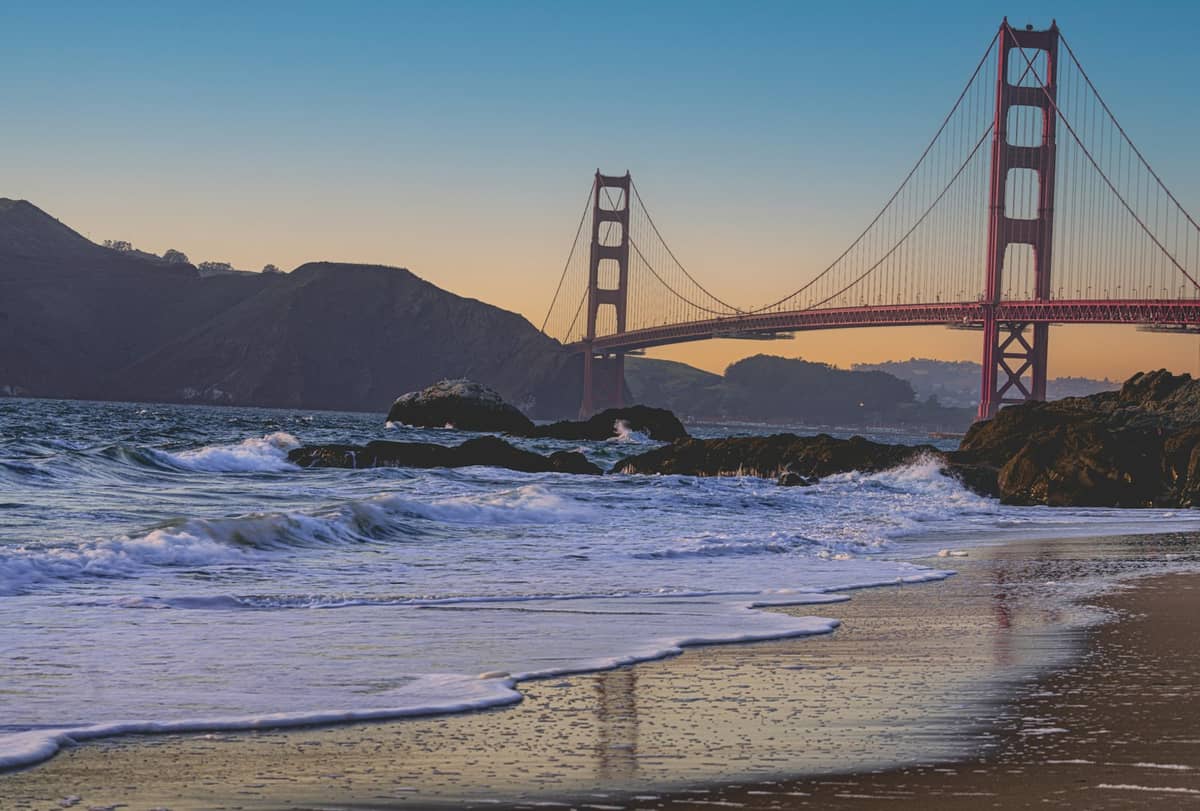
- The park is not near the Golden Gate Bridge, a common confusion. It sits in the western half of the city, bordered by the Richmond District to the north and the Sunset District to the south.
What Golden Gate Park Actually Is (and Why It Surprises Most Visitors)
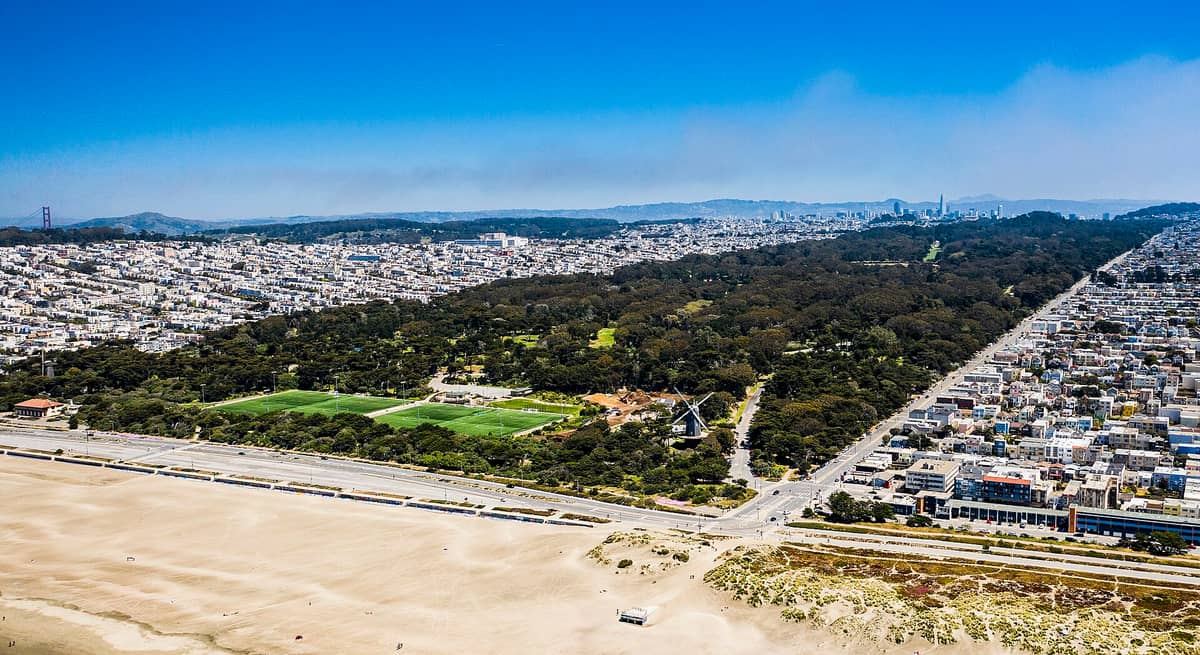
Most people arrive expecting a pleasant city park and leave astonished by the scale. Golden Gate Park is approximately 20% larger than New York's Central Park, covering 1,017 acres of land that includes around 680 forested acres, 130 acres of meadows, 33 acres of lakes, and roughly 15 miles of internal roads. It was built on what was once windswept sand dunes in the 1870s, and the engineering effort required to transform that landscape into a functioning park is one of San Francisco's less-told civic achievements.
The park draws an estimated 24 to 25 million visits per year, placing it among the most-visited urban parks in the country. That number helps explain both why it feels so alive on a weekend afternoon and why some corners of it, especially near the Polo Fields and the quieter western end near Ocean Beach, can feel almost deserted on a weekday morning. The park is owned and operated by the San Francisco Recreation and Parks Department, and its full official address runs from Stanyan Street in the east to the Great Highway in the west, with Fulton Street to the north and Lincoln Way to the south.
ℹ️ Good to know
The name 'Golden Gate Park' refers to the Golden Gate strait, not the Golden Gate Bridge. The bridge didn't open until 1937, more than 60 years after the park was established. The park is located about 3 miles south of the bridge and is not visible from it.
The Major Attractions: What to Prioritize
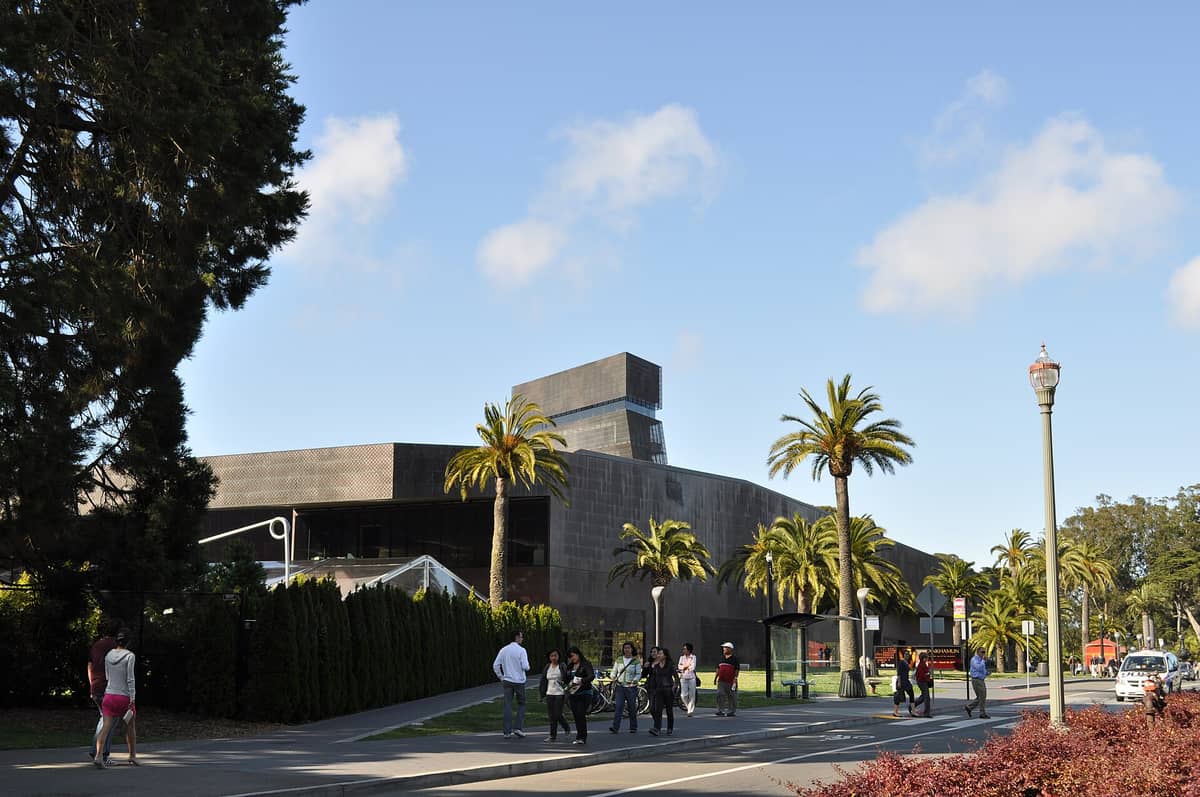
The park's cultural core sits in the eastern third, roughly centered on Music Concourse Drive. This is where you'll find the de Young Museum, the California Academy of Sciences, the Japanese Tea Garden, and the Conservatory of Flowers. These four venues alone can fill a full day, and that is not an exaggeration.
- de Young Museum San Francisco's premier fine art museum, with a collection spanning American art, textiles, and international contemporary works. The observation tower offers a free panoramic view of the park and city. Adult general admission is about $25 (seniors $22, students $10, ages 17 and under free); special exhibitions may cost more—check the official site before visiting.
- California Academy of Sciences A genuinely excellent natural history museum, aquarium, and planetarium under one roof, including a living rainforest dome. Adult tickets typically run about $49, or $55 at peak periods. Timed-entry tickets on weekends and during school holidays are strongly recommended. Thursday evenings feature NightLife, an adults-only event (21+).
- Japanese Tea Garden The oldest Japanese garden in the United States, dating to 1894. Admission is modest (around $8-12 for adults, less for early arrivals before 10am). Crowds thin out significantly before 9:30am or after 3:30pm. The tea house serves matcha and sweets in a setting that feels genuinely tranquil if you time your visit right.
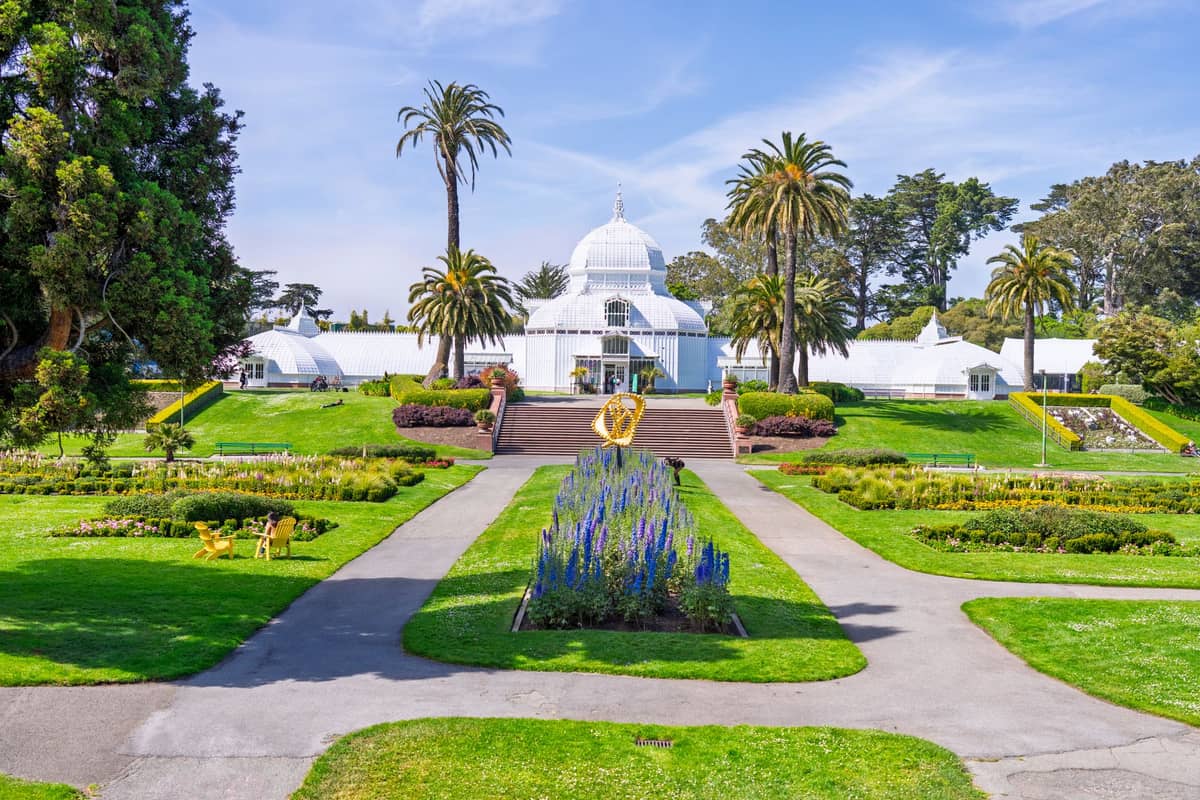
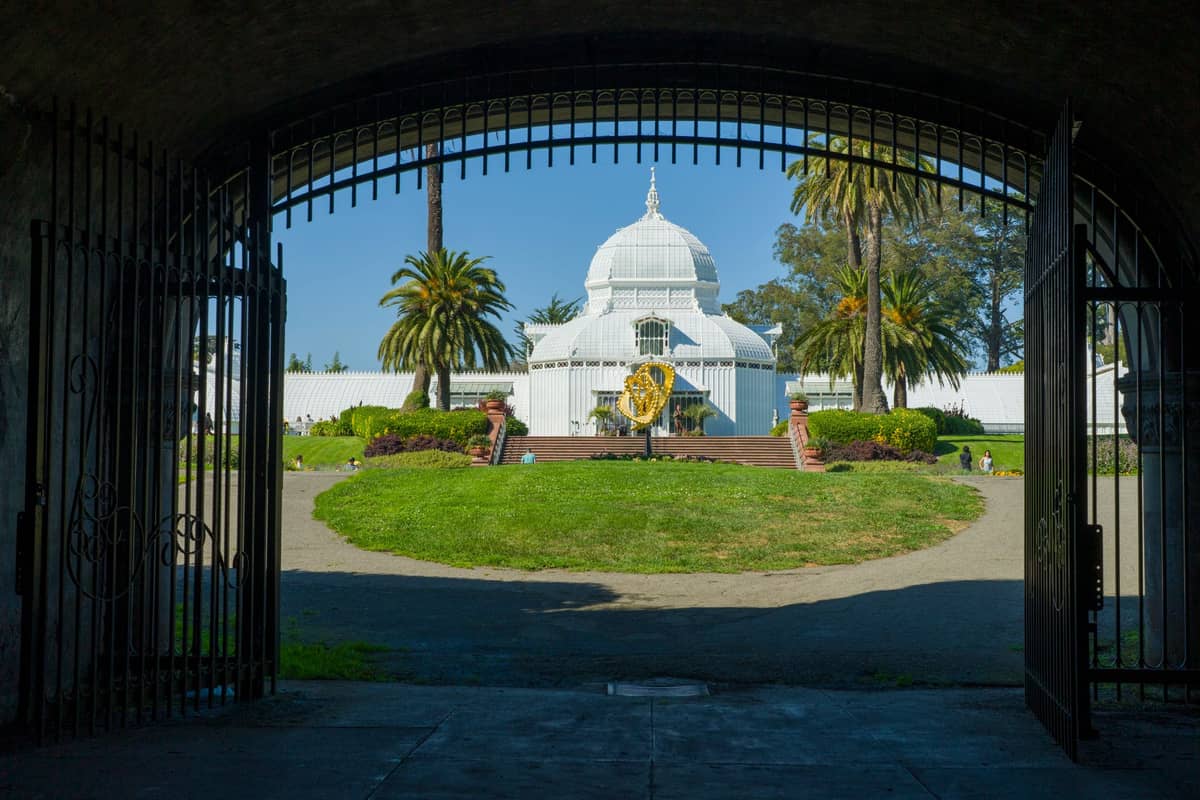
- Conservatory of Flowers A Victorian glass greenhouse built in 1878 and one of the oldest of its kind in the Western Hemisphere. The orchid and aquatic plant collections are exceptional. Admission is around $9-13 for adults. Worth visiting even in the rain, when the steamy interior makes a strong contrast to the weather outside.
- San Francisco Botanical Garden 55 acres of plant collections from around the world, including a California native plant section and a moon-viewing garden. Free for San Francisco residents with ID; non-resident adults pay around $10-15. A quieter alternative to the Japanese Tea Garden for those who prefer to wander without a set route.
⚠️ What to skip
Attempting to visit the de Young and the California Academy of Sciences in the same afternoon is technically possible but leaves both feeling rushed. These are serious museums with world-class collections. Pick one per visit if depth matters to you.
Beyond the Museum District: The Rest of the Park
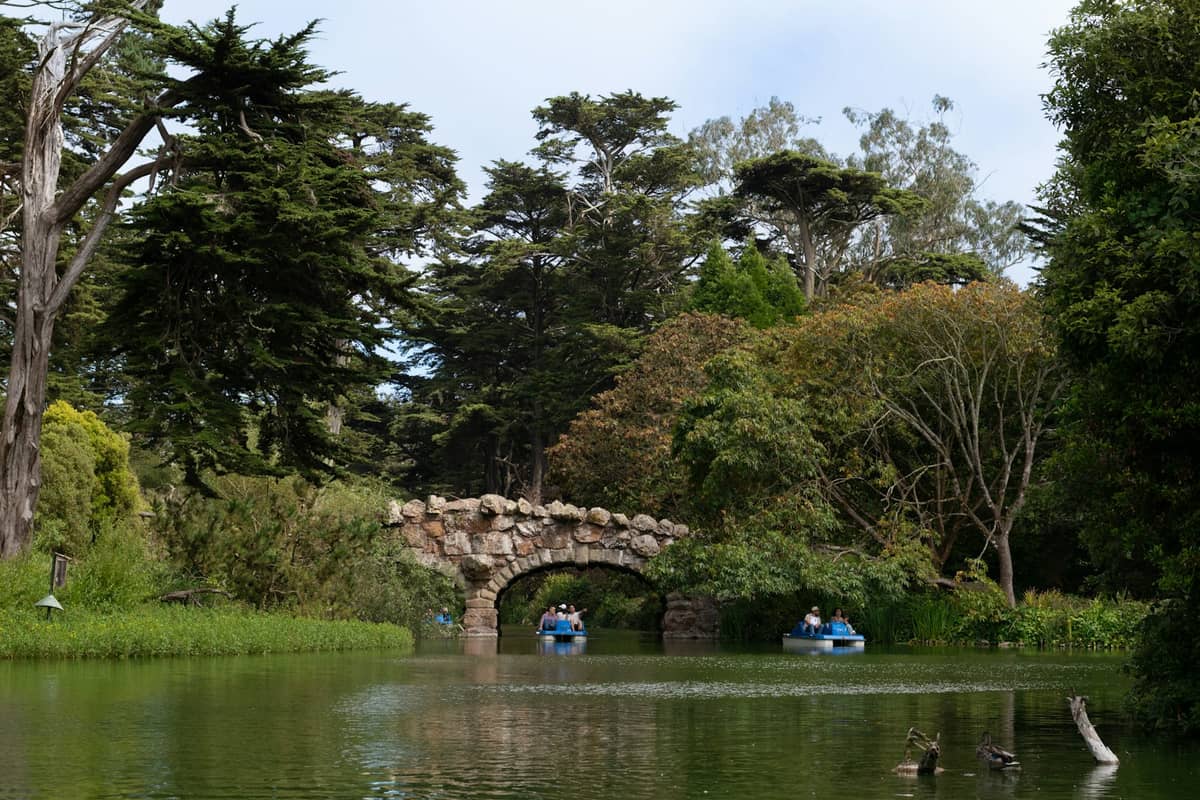
The western two-thirds of the park see far fewer visitors, and they hold some of its best features. Stow LakeStow Lake is the park's largest lake, with a small island at its center (Strawberry Hill) accessible by two bridges. You can rent rowboats, pedal boats, or electric boats from the boathouse. The loop trail around the lake takes about 30 to 40 minutes on foot and offers consistent shade, making it a reasonable option even on warmer days.
The Buffalo Paddock, located in the park's western section near Chain of Lakes Drive, has housed a small herd of American bison since 1891. It is not heavily signposted, which means most tourists never find it. The paddock is free to view from the surrounding fence, and the animals are usually visible in the early morning or late afternoon.
At the far western end of the park, the Dutch Windmill and its companion Queen Wilhelmina Tulip Garden mark the boundary with Ocean Beach. The windmills were originally functional, pumping water for the park's irrigation in the early 1900s. The northern windmill has been restored; the tulip garden blooms in spring (roughly March through May), which is one of the most photogenic and undervisited moments in the park's annual calendar.
Getting to Golden Gate Park and Getting Around Inside It
Driving to the park is straightforward but parking inside it, particularly near the museums and the Japanese Tea Garden, is genuinely competitive on weekends and throughout summer. The Music Concourse garage beneath the main attraction cluster offers structured parking, but it fills up by mid-morning on busy weekends. Street parking along Fulton Street and Lincoln Way is free but requires patience. Rideshare drop-off near the park's eastern entrance works well for one-way trips.
Muni provides solid access. The 5 and 5R (Fulton) buses run along the park's northern edge; the N-Judah Metro line (Muni Metro) runs along Judah Street just one block south of Lincoln Way and is one of the more reliable transit connections from downtown. The 44 O'Shaughnessy and 7 Haight buses also serve the eastern edge. For full transit planning, the guide to getting around San Francisco covers Muni fares and passes in detail.
Cycling is arguably the best way to move around the park's interior. The main east-west road, John F. Kennedy Drive, was permanently closed to cars in its main section after a pandemic-era pilot proved popular, creating a continuous cycling and pedestrian path. Bike rentals are available from vendors near Stanyan Street at the eastern entrance and near Stow Lake. The full length of the park from Stanyan to Ocean Beach is about 3 miles, making a round trip a comfortable 60 to 90-minute ride at a casual pace.
✨ Pro tip
Sunday mornings before 10am are the best time to experience the park: the roads are quiet, the light is clear, the Japanese Tea Garden is at its least crowded, and you can often get a spot at the Stow Lake boathouse without waiting. Arrive by 8:30am if you want a peaceful first hour.
Seasonal Conditions: When to Go and What to Expect
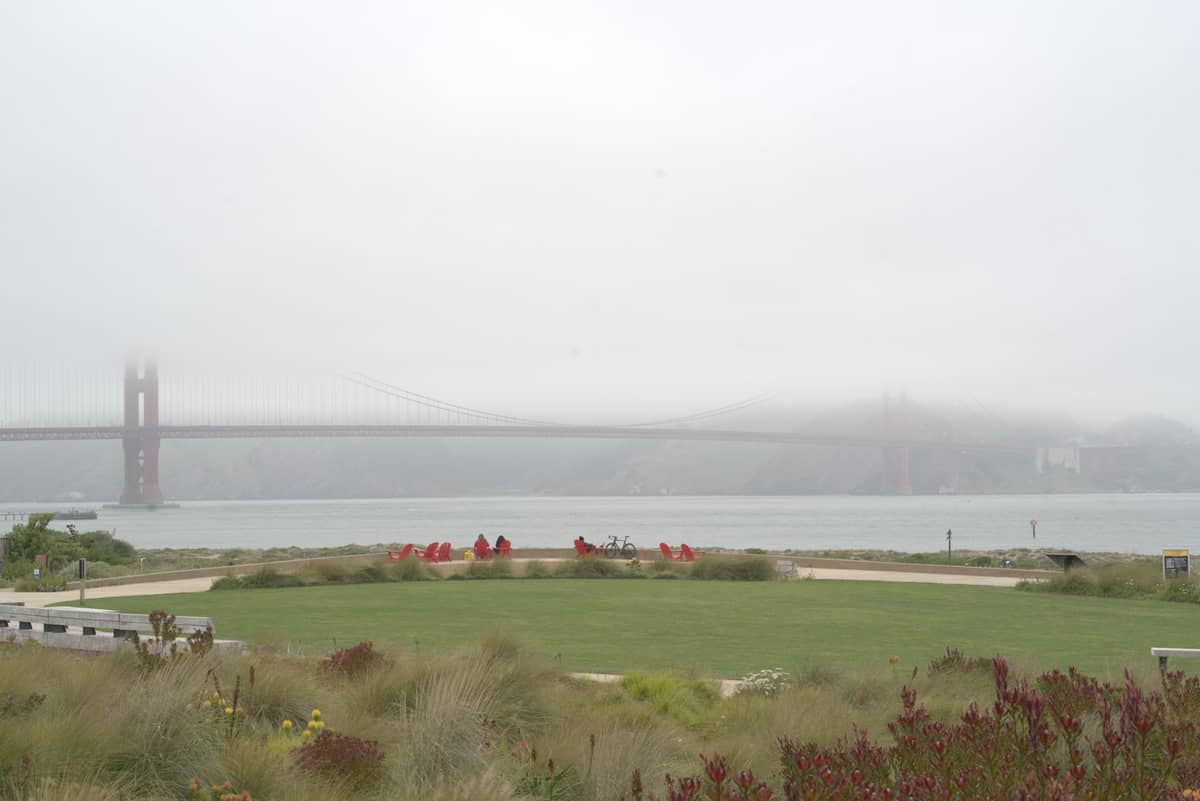
Golden Gate Park's microclimate runs cooler and foggier than downtown San Francisco, and noticeably cooler and windier near the ocean end. In summer (June through August), the marine layer frequently keeps the western half of the park overcast until early afternoon. Average summer highs in San Francisco sit around 66 to 68°F (19 to 20°C), but wind chill near the Polo Fields and Ocean Beach can make it feel considerably colder. Pack a layer regardless of the date on the calendar.
September and October are consistently the warmest and clearest months, with average highs of 67 to 71°F (19 to 22°C) and significantly less fog. The park sees heavy visitor traffic during the Outside Lands music festival, typically held in August in the park's western Polo Fields area, which draws over 200,000 attendees over three days and affects parking and transit access across the surrounding neighborhoods for the duration.
- Spring (March-May): Tulip garden blooms near the Dutch Windmill; cherry blossoms in the Japanese Tea Garden peak in late March to mid-April. Crowds are moderate and weather is mild.
- Summer (June-August): Peak tourist season, but the foggiest period for the western park. Outside Lands festival typically in August causes major congestion. Book museum tickets well ahead.
- Fall (September-October): Best overall conditions. Warm, clear, and less crowded than summer. The park's tree canopy shows some color change by late October.
- Winter (November-February): Rainy season brings lush greenery and near-empty paths. The Conservatory of Flowers and California Academy of Sciences are good wet-weather options. Some free concerts and outdoor events pause until spring.
Free Things to Do in Golden Gate Park
Admission to the park itself is free, and a surprising number of its best experiences cost nothing. The San Francisco Botanical Garden is free for San Francisco residents, and while non-residents pay a small fee, it's one of the more affordable options in the park. The Sunday afternoon concerts at the Spreckels Temple of Music (the bandshell in Music Concourse) run from April through October, typically on Sunday afternoons at 1pm, and are free to attend.
Bison viewing at the Buffalo Paddock costs nothing. The Panhandle, a narrow finger of parkland extending eight blocks east of the main park body toward Haight-Ashbury, is popular with locals for running and dog walking and offers a street-level introduction to the park without the crowds of the museum zone. The de Young Museum tower observation deck is free even without a museum ticket, one of the best kept non-secrets in San Francisco for views. For more options across the city, the free things to do in San Francisco guide covers additional no-cost experiences.
FAQ
Is Golden Gate Park free to visit?
The park itself has no entry fee and is open 24 hours a day, year-round. However, the major attractions inside, including the de Young Museum, California Academy of Sciences, Japanese Tea Garden, and Conservatory of Flowers, all charge separate admission. The de Young's observation tower, the Botanical Garden (for SF residents), and the bison paddock are among the genuinely free highlights.
How long does it take to see Golden Gate Park?
A half-day gives you time for one or two major attractions plus a walk around the eastern section. A full day lets you combine two museums, the Japanese Tea Garden, a Stow Lake loop, and lunch at the café in the de Young or near the Academy. To see the entire park from Stanyan Street to Ocean Beach at a relaxed pace, allow a full day on foot or two to three hours on a bike.
What is the best way to get to Golden Gate Park from downtown San Francisco?
The N-Judah Muni Metro line is one of the most reliable options from downtown, running along Judah Street just south of the park. The 5 and 5R Fulton buses run along the northern edge. Rideshare to the eastern entrance near Stanyan Street and 8th Avenue works well. Driving is possible but parking near the museums fills quickly on weekends.
Is Golden Gate Park safe to visit?
The park is generally safe during daylight hours throughout its length. The areas near the panhandle and the park's eastern edge near Haight Street have seen incidents of petty theft and drug use, particularly after dark. The western sections near Ocean Beach are quieter and see fewer issues but are also more isolated. Standard urban park precautions apply: keep valuables out of sight, stay on main paths after dark, and travel in groups at night.
Can you see Golden Gate Park and the Golden Gate Bridge on the same day?
Yes, but they are not adjacent. The bridge is roughly 3 to 4 miles north of the park. A reasonable itinerary would be to start at the park in the morning, then travel north to the Presidio and the bridge in the afternoon. The drive or rideshare takes about 15 to 20 minutes depending on traffic. Our guide to a three-day San Francisco itinerary covers how to sequence both visits efficiently.