Best Self-Guided Walking Tours in San Francisco: 20 Stops Across the City's Greatest Neighborhoods
San Francisco is one of the world's great walking cities, built for exploration on foot. These 20 self-guided stops span the city's most rewarding routes, from waterfront promenades and Victorian hilltops to mural-filled alleys and coastal cliffs.
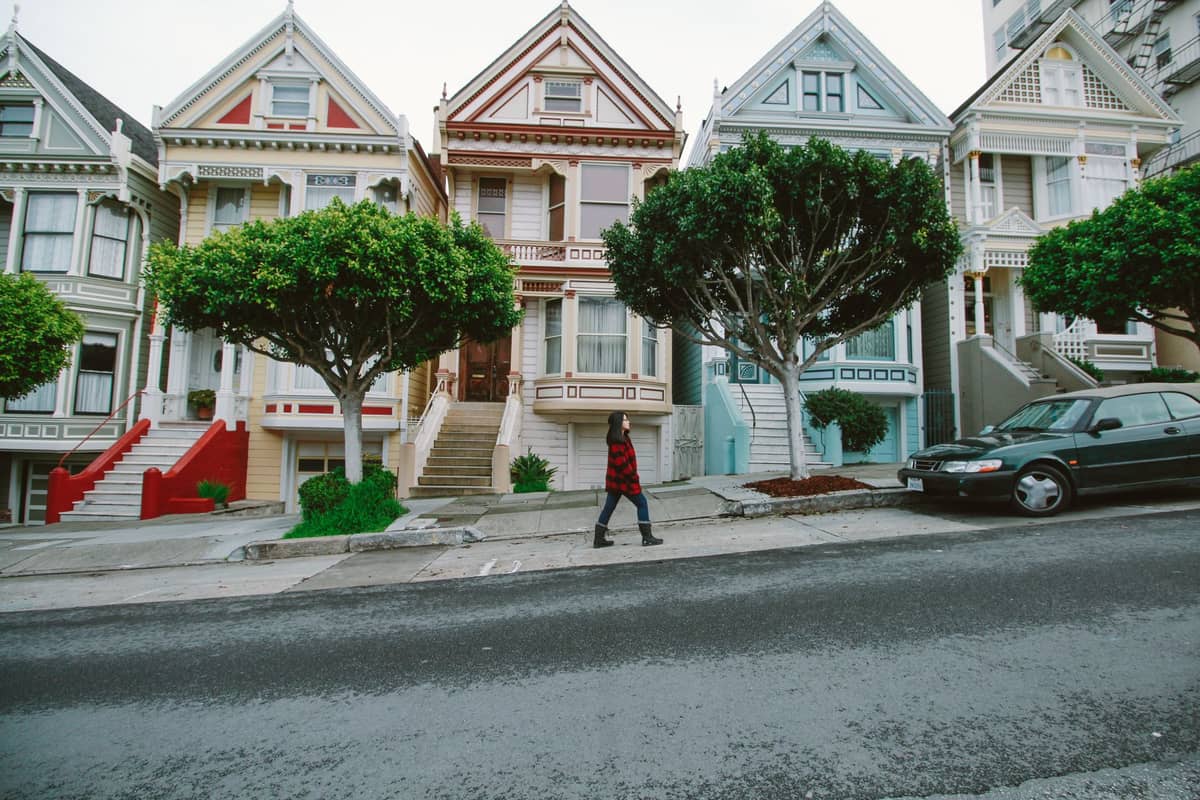
Plan and book this trip
Tools from our partner Travelpayouts help you compare flights and hotels. If you book through them, we may earn a commission at no extra cost to you.
Flights
Hotels map
San Francisco rewards walkers like few other American cities. Its 47 square miles contain an extraordinary density of historic architecture, public art, wild coastline, and distinct neighborhoods, each worth an afternoon of unhurried exploration. Whether you follow a published route from a first-timer's itinerary or build your own, the city's hills and staircases are half the experience. The 20 stops below are organized into five thematic routes you can mix, match, or walk in full. Most are free to access. Wear layers: San Francisco's marine fog can drop temperatures quickly, even in summer, and September and October offer the clearest, warmest walking weather of the year.
💡 Local tip
Download offline maps before you head out. Many of San Francisco's best walking areas, including Lands End and the Presidio, have patchy cell coverage. Google Maps and AllTrails both work well offline.
The Waterfront Walk: Embarcadero to Fort Point
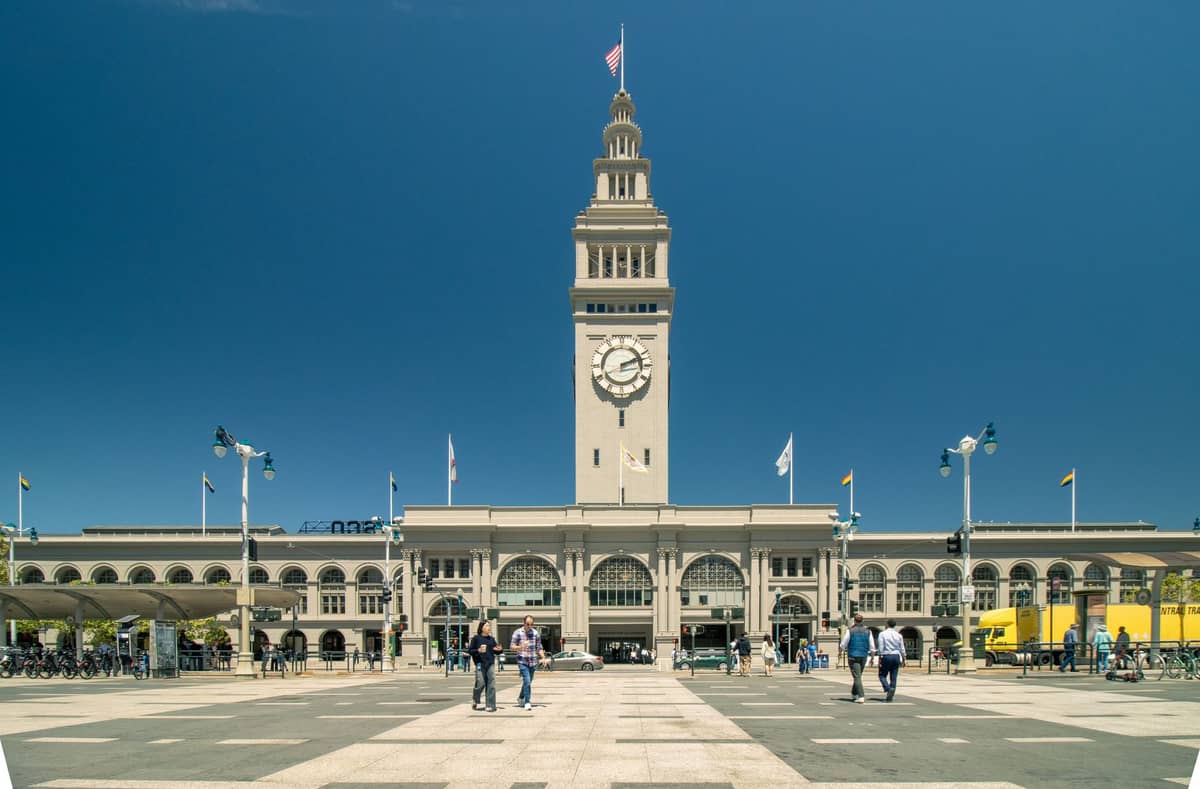
San Francisco's northern waterfront offers one of the most scenic urban walks in America. Starting at the Embarcadero, you can walk continuously west through the Marina District and into the Presidio, with the Golden Gate Bridge growing larger with every block. This route takes 3 to 5 hours at a comfortable pace and is almost entirely flat until Fort Point. The Ferry Building makes an ideal starting point with coffee and provisions from the farmers market before you set off.
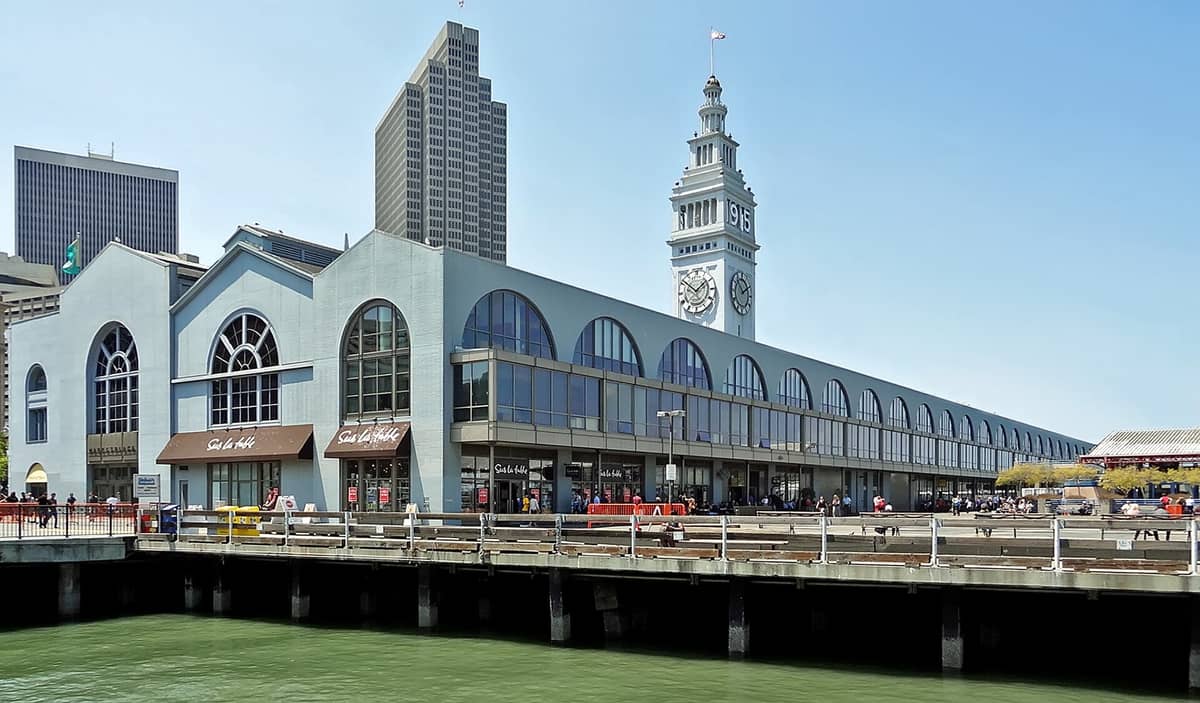
1. Start Your Walk at the Ferry Building Marketplace
Fuel up before a long waterfront walk at this 1898 Beaux-Arts food hall. The Saturday farmers market (8am-2pm) is Northern California's finest. Grab a coffee, a pastry, and a sense of how seriously San Francisco takes its food.
Explore1. Start Your Walk at the Ferry Building Marketplace
Fuel up before a long waterfront walk at this 1898 Beaux-Arts food hall. The Saturday farmers market (8am-2pm) is Northern California's finest. Grab a coffee, a pastry, and a sense of how seriously San Francisco takes its food.
Explore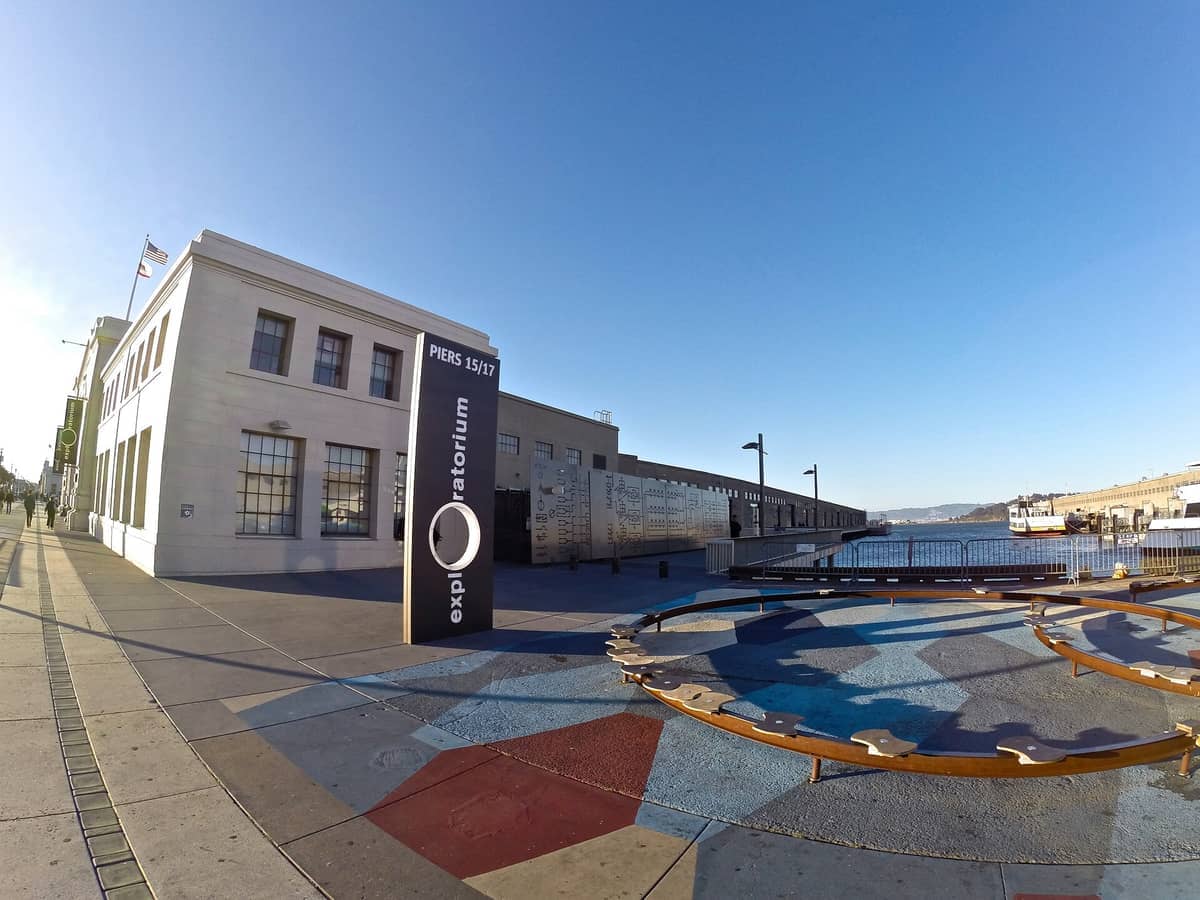
2. Pass Pier 15 and the Exploratorium
The Exploratorium's waterfront building at Pier 15 is worth noting even if you skip the interior. Its public plaza offers bay views and a taste of the architecture. If you have kids in tow, budget 2-3 hours inside for 600-plus hands-on exhibits.
Explore2. Pass Pier 15 and the Exploratorium
The Exploratorium's waterfront building at Pier 15 is worth noting even if you skip the interior. Its public plaza offers bay views and a taste of the architecture. If you have kids in tow, budget 2-3 hours inside for 600-plus hands-on exhibits.
Explore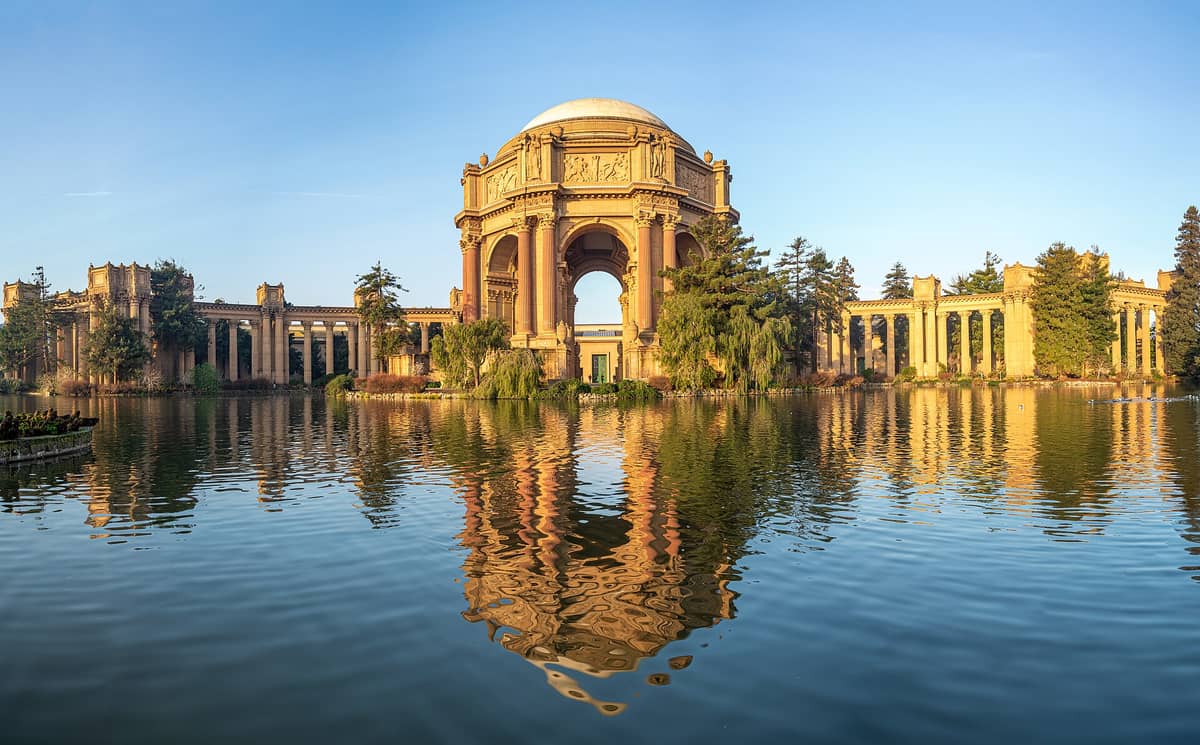
3. Photograph the Palace of Fine Arts in the Marina
This 1915 Greco-Roman rotunda is one of the most photogenic stops on any Marina walk. The lagoon reflects the columns perfectly on calm mornings. Walk the full colonnade loop, about 10 minutes, then continue west toward Crissy Field.
Explore3. Photograph the Palace of Fine Arts in the Marina
This 1915 Greco-Roman rotunda is one of the most photogenic stops on any Marina walk. The lagoon reflects the columns perfectly on calm mornings. Walk the full colonnade loop, about 10 minutes, then continue west toward Crissy Field.
Explore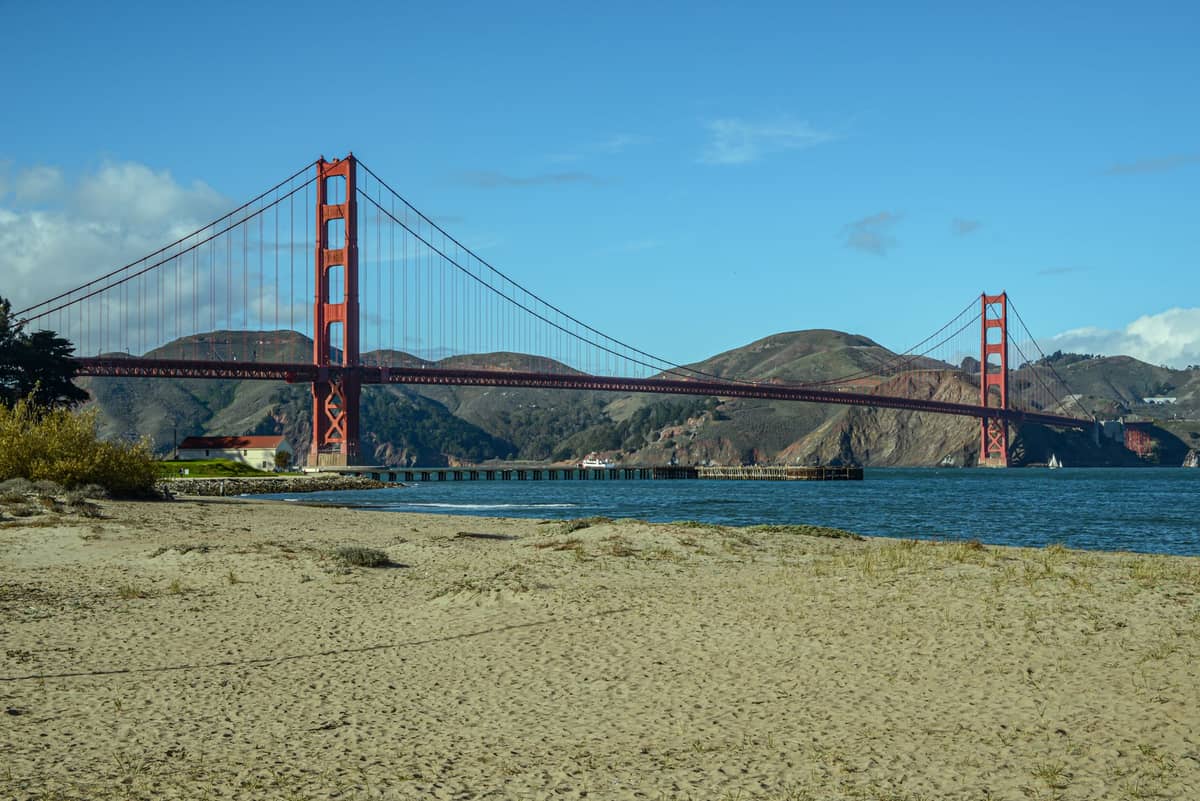
4. Walk the Crissy Field Promenade for Golden Gate Views
The restored tidal marsh promenade is one of the best Golden Gate Bridge approaches on foot. Walk the full 1.5-mile stretch from the Marina to the Warming Hut, where the bridge towers come into full view. Best on clear mornings before the fog rolls in.
Explore4. Walk the Crissy Field Promenade for Golden Gate Views
The restored tidal marsh promenade is one of the best Golden Gate Bridge approaches on foot. Walk the full 1.5-mile stretch from the Marina to the Warming Hut, where the bridge towers come into full view. Best on clear mornings before the fog rolls in.
Explore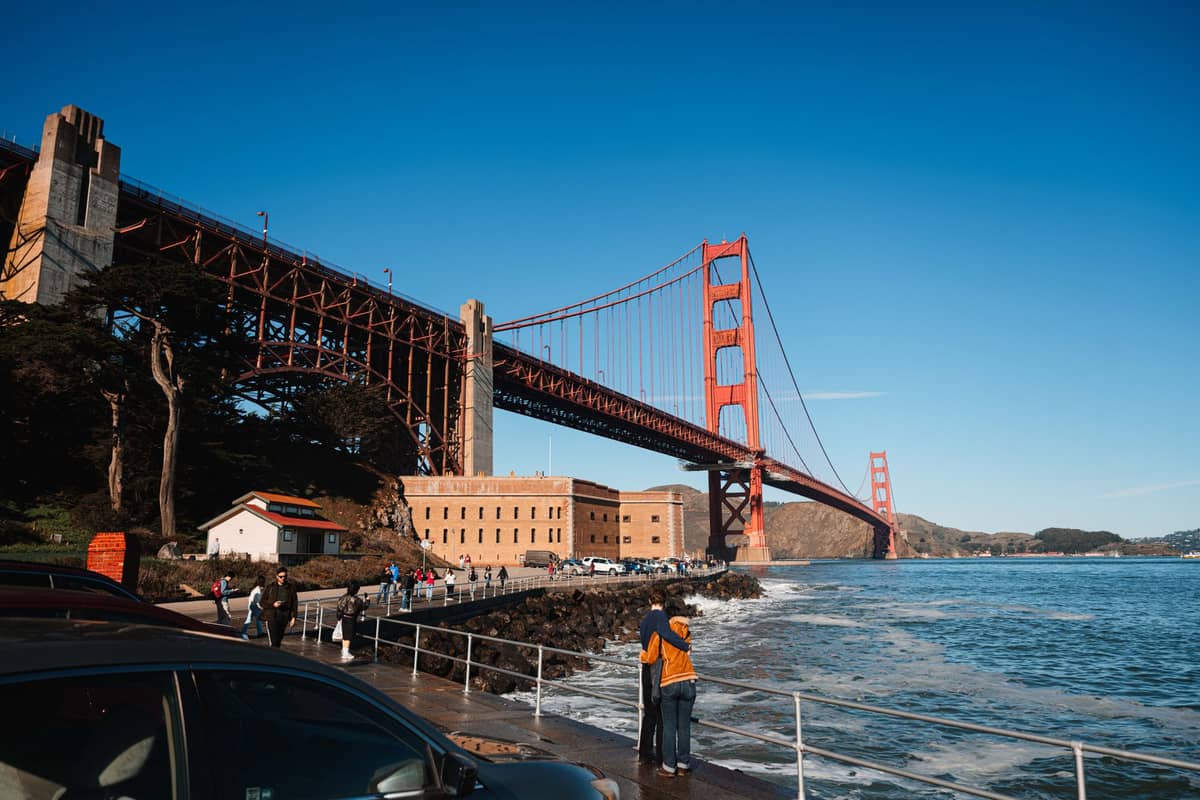
5. Walk Beneath the Golden Gate Bridge at Fort Point
Standing directly beneath the Golden Gate Bridge's south anchorage is a perspective most visitors miss entirely. The 1861 brick fort is open for self-guided exploration. The view looking straight up at the bridge deck from the seawall is genuinely dramatic.
Explore5. Walk Beneath the Golden Gate Bridge at Fort Point
Standing directly beneath the Golden Gate Bridge's south anchorage is a perspective most visitors miss entirely. The 1861 brick fort is open for self-guided exploration. The view looking straight up at the bridge deck from the seawall is genuinely dramatic.
ExploreNorth Beach and Chinatown: The Literary and Historic Core
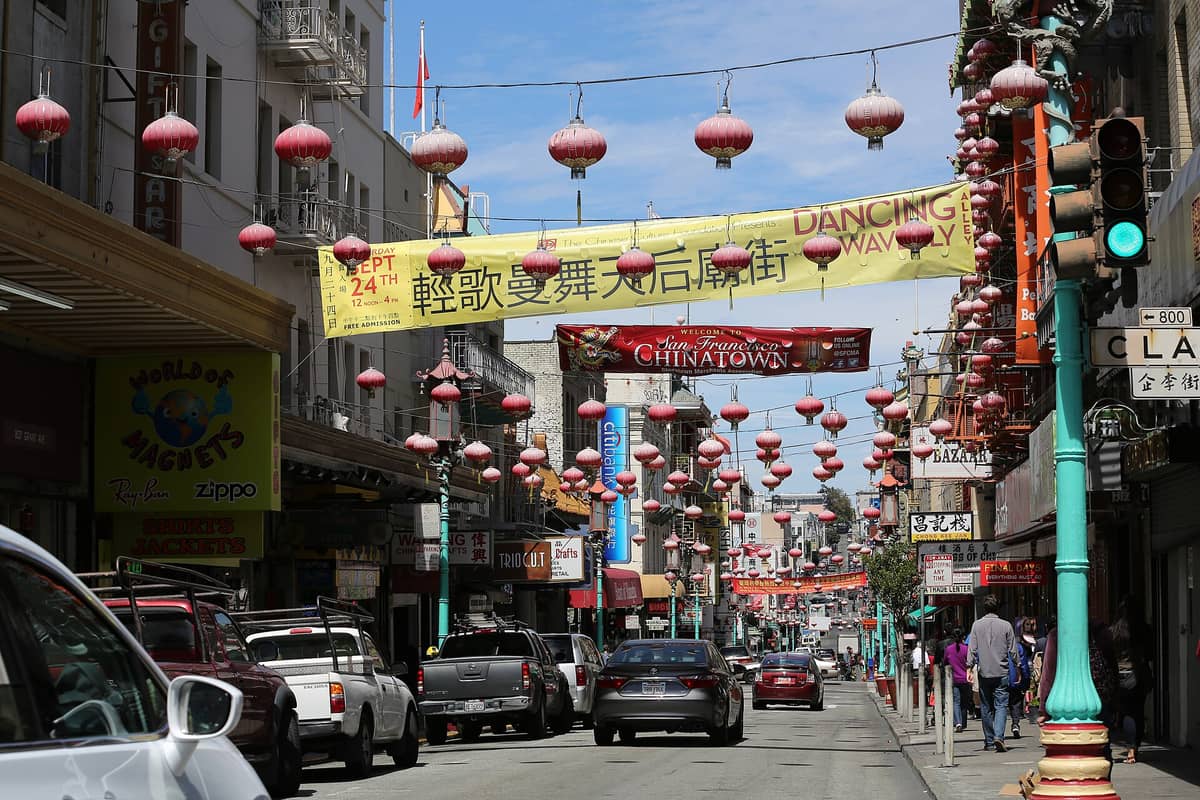
This compact walking route through North Beach and Chinatown packs more history per block than almost anywhere else in San Francisco. You can cover the core sights in two to three hours, though it deserves a half-day if you stop to eat, browse City Lights, and climb Telegraph Hill. The neighborhoods flow directly into each other, making this one of the city's most natural self-guided loops.
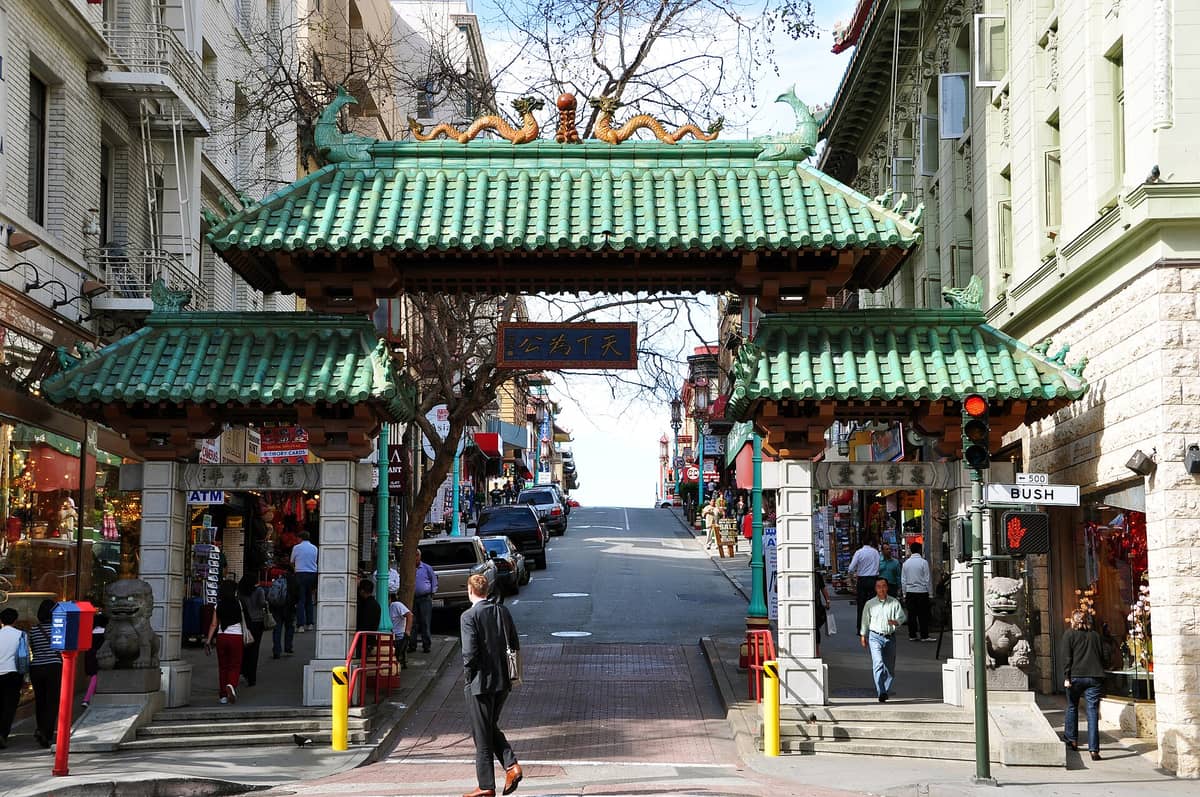
6. Enter Chinatown Through the Dragon's Gate on Grant Avenue
The ornate green-tiled gateway at Grant Avenue and Bush Street is the official entrance to America's oldest Chinatown, established in 1848. Walk north up Grant through the dense commercial strip before turning into the residential alleys for a quieter look at neighborhood life.
Explore6. Enter Chinatown Through the Dragon's Gate on Grant Avenue
The ornate green-tiled gateway at Grant Avenue and Bush Street is the official entrance to America's oldest Chinatown, established in 1848. Walk north up Grant through the dense commercial strip before turning into the residential alleys for a quieter look at neighborhood life.
Explore
7. Watch Fortune Cookies Being Hand-Folded in Ross Alley
Ross Alley is one of Chinatown's oldest lanes, and this tiny factory has been folding fortune cookies by hand since 1962. Watch the process up close, buy a bag of fresh cookies still warm from the machine. Takes about 10 minutes but is genuinely memorable.
Explore7. Watch Fortune Cookies Being Hand-Folded in Ross Alley
Ross Alley is one of Chinatown's oldest lanes, and this tiny factory has been folding fortune cookies by hand since 1962. Watch the process up close, buy a bag of fresh cookies still warm from the machine. Takes about 10 minutes but is genuinely memorable.
Explore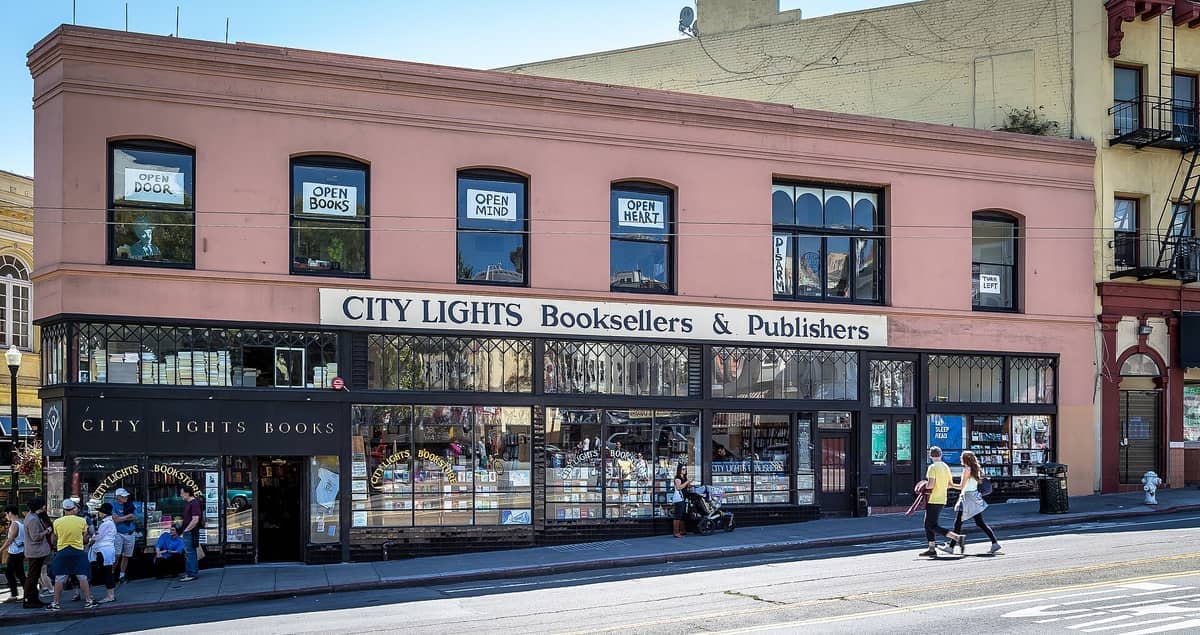
8. Browse City Lights Bookstore, the Beat Generation's Home Base
Founded in 1953 by poet Lawrence Ferlinghetti, City Lights is a working bookstore and a literary landmark. The basement poetry room — part of the City Lights Press legacy that published Allen Ginsberg's Howl — is small but atmospheric. Browse the shelves, then step out onto Columbus Avenue for a coffee at a nearby Italian cafe.
Explore8. Browse City Lights Bookstore, the Beat Generation's Home Base
Founded in 1953 by poet Lawrence Ferlinghetti, City Lights is a working bookstore and a literary landmark. The basement poetry room — part of the City Lights Press legacy that published Allen Ginsberg's Howl — is small but atmospheric. Browse the shelves, then step out onto Columbus Avenue for a coffee at a nearby Italian cafe.
Explore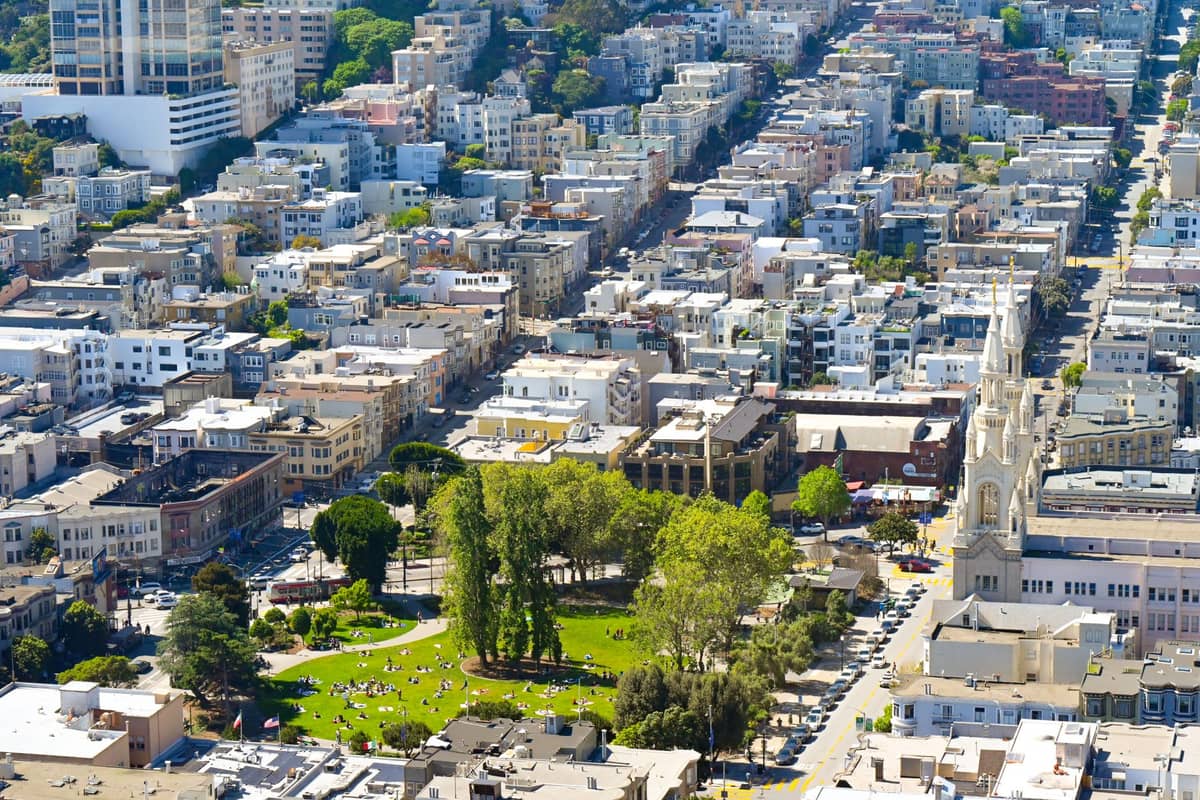
9. Rest at Washington Square Park, North Beach's Village Green
This tree-lined park has been North Beach's social anchor for over 150 years. Arrive before 9am to watch tai chi groups practicing across the grass. Saints Peter and Paul Church frames the northern edge. Benches, good people-watching, and Italian cafes on every surrounding block.
Explore9. Rest at Washington Square Park, North Beach's Village Green
This tree-lined park has been North Beach's social anchor for over 150 years. Arrive before 9am to watch tai chi groups practicing across the grass. Saints Peter and Paul Church frames the northern edge. Benches, good people-watching, and Italian cafes on every surrounding block.
Explore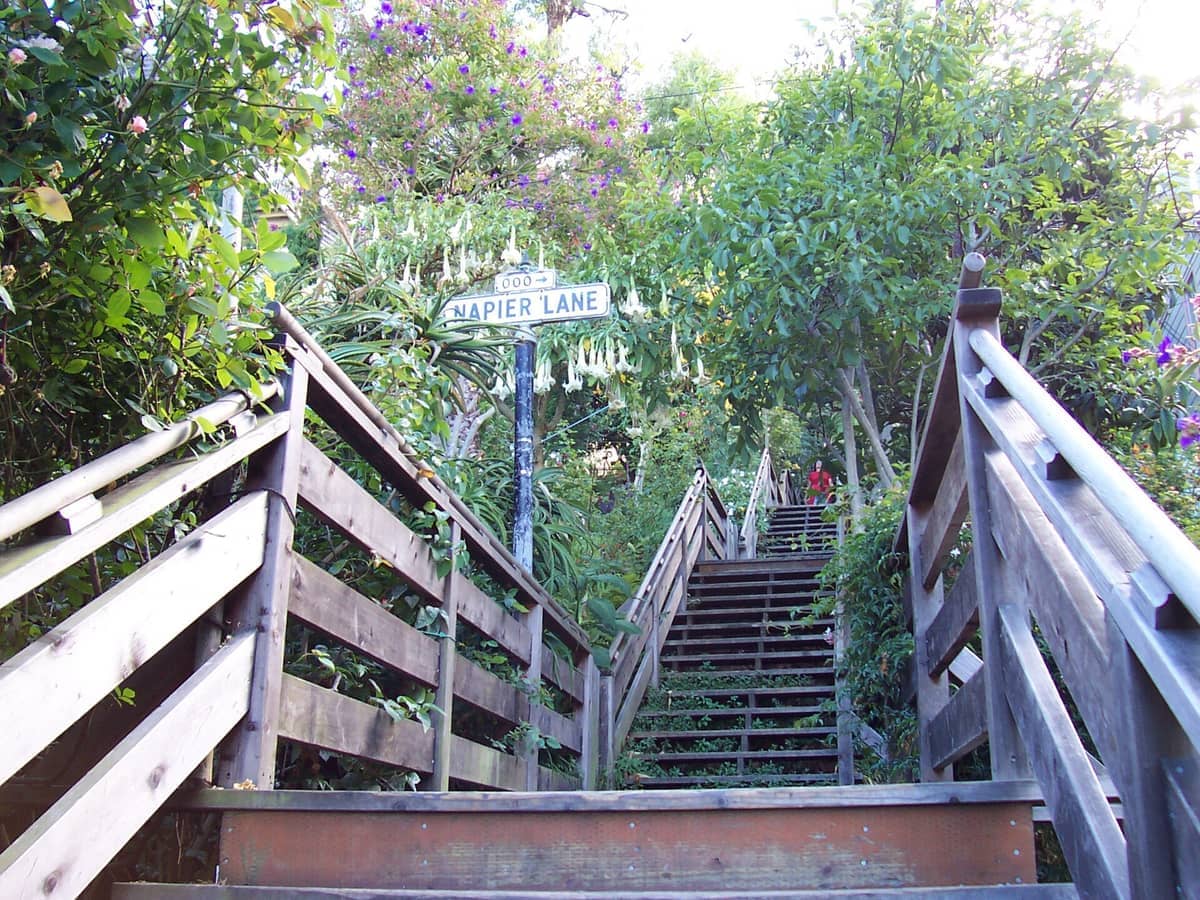
10. Climb the Filbert Steps Through Telegraph Hill's Secret Gardens
The wooden staircase on Telegraph Hill's eastern face passes Victorian cottages half-hidden in gardens maintained by volunteers for decades. Wild parrots, descendants of escaped pets, nest in the Canary Island date palms overhead. Allow 20-30 minutes up and down; the views at the top are exceptional.
Explore10. Climb the Filbert Steps Through Telegraph Hill's Secret Gardens
The wooden staircase on Telegraph Hill's eastern face passes Victorian cottages half-hidden in gardens maintained by volunteers for decades. Wild parrots, descendants of escaped pets, nest in the Canary Island date palms overhead. Allow 20-30 minutes up and down; the views at the top are exceptional.
Explore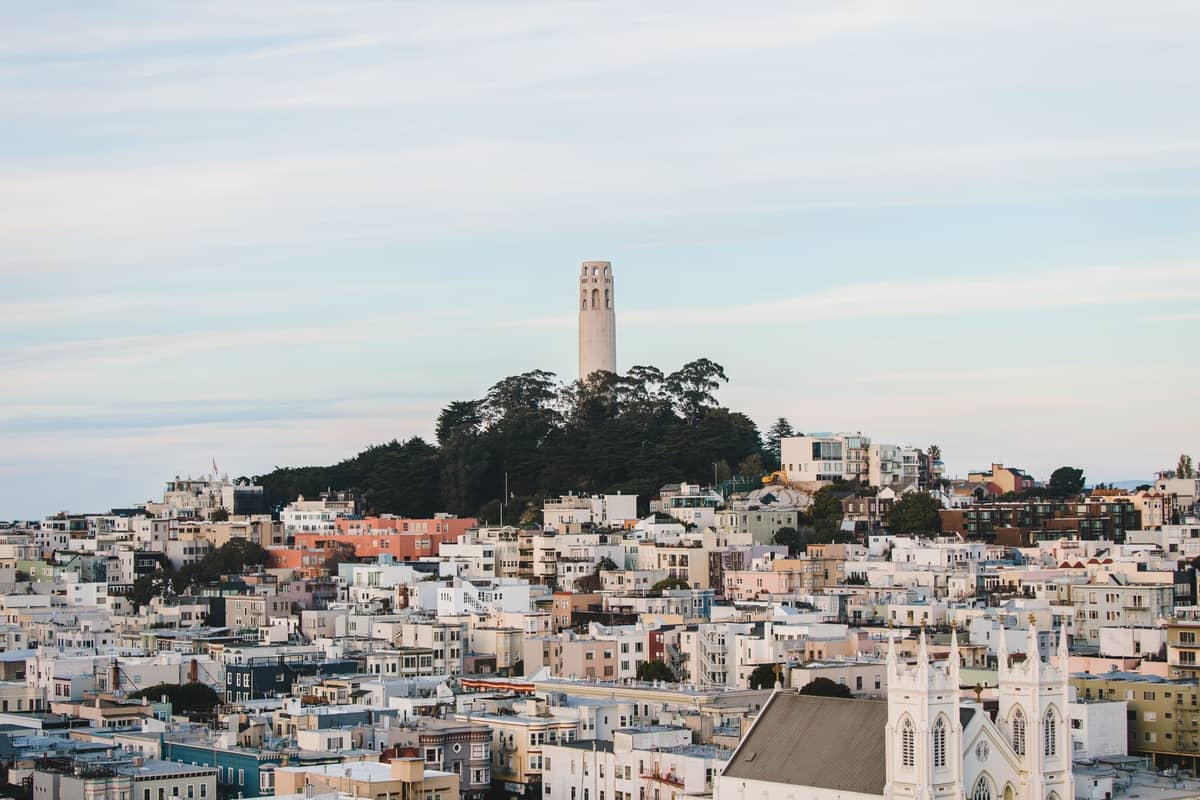
11. Climb Coit Tower for 360-Degree Bay Views and WPA Murals
The 1933 concrete column atop Telegraph Hill offers panoramic views of the bay, Alcatraz, and both bridges from its observation deck. The ground-floor WPA murals depicting 1930s California workers are free to view. The climb from Washington Square takes about 20 steep minutes on foot.
Explore11. Climb Coit Tower for 360-Degree Bay Views and WPA Murals
The 1933 concrete column atop Telegraph Hill offers panoramic views of the bay, Alcatraz, and both bridges from its observation deck. The ground-floor WPA murals depicting 1930s California workers are free to view. The climb from Washington Square takes about 20 steep minutes on foot.
ExploreVictorian San Francisco: Nob Hill to Alamo Square
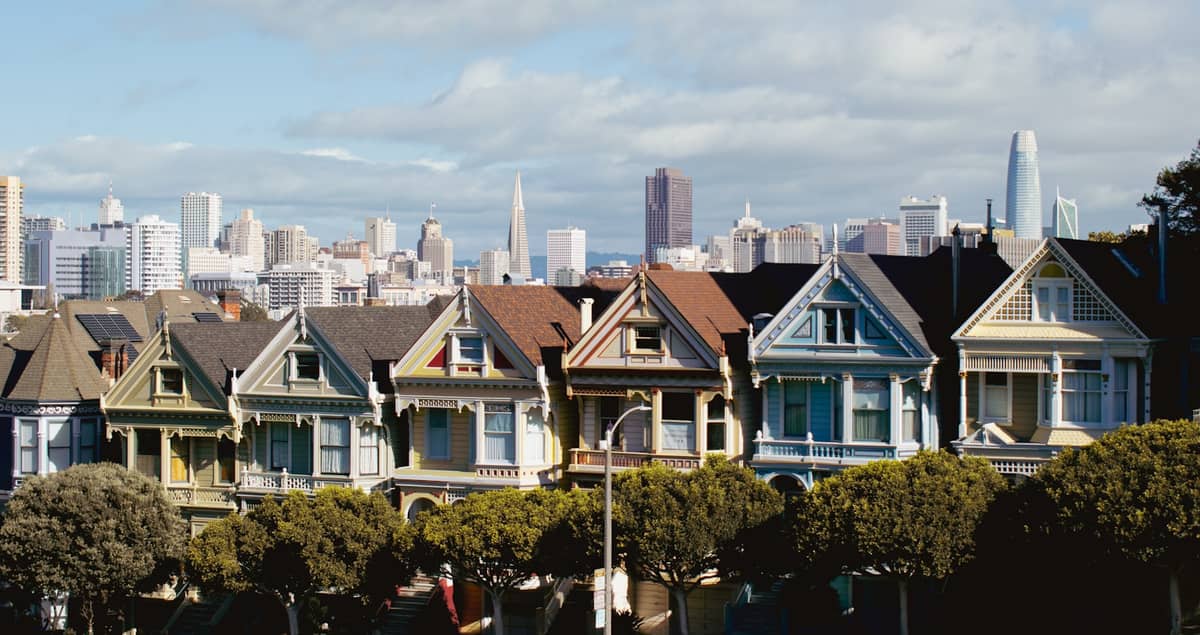
This route traces San Francisco's Victorian and Edwardian architectural heritage across Nob Hill and into the neighborhoods framing Haight-Ashbury. The walk is hilly by design. The reward is a concentrated dose of painted Victorians, grand churches, and hilltop parks. For a deeper look at the city's architectural layers, the San Francisco architecture guide covers dozens of additional stops across the city.
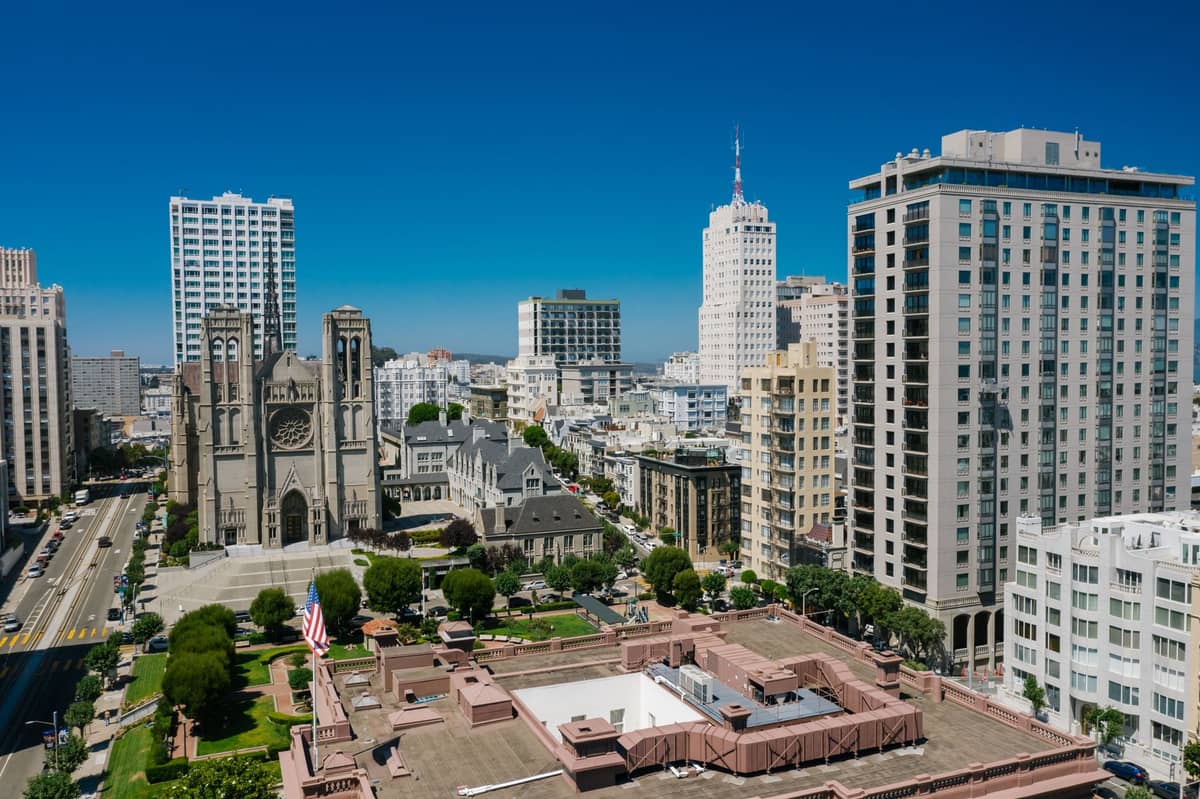
12. Walk the Labyrinth at Grace Cathedral on Nob Hill
San Francisco's Episcopal cathedral has two outdoor labyrinths on its forecourt, free to walk at any time. Inside, the cast bronze Ghiberti Doors and Keith Haring AIDS altar triptych make this one of the most layered sacred spaces in the city. Allow 20-30 minutes for a self-guided interior visit.
Explore12. Walk the Labyrinth at Grace Cathedral on Nob Hill
San Francisco's Episcopal cathedral has two outdoor labyrinths on its forecourt, free to walk at any time. Inside, the cast bronze Ghiberti Doors and Keith Haring AIDS altar triptych make this one of the most layered sacred spaces in the city. Allow 20-30 minutes for a self-guided interior visit.
Explore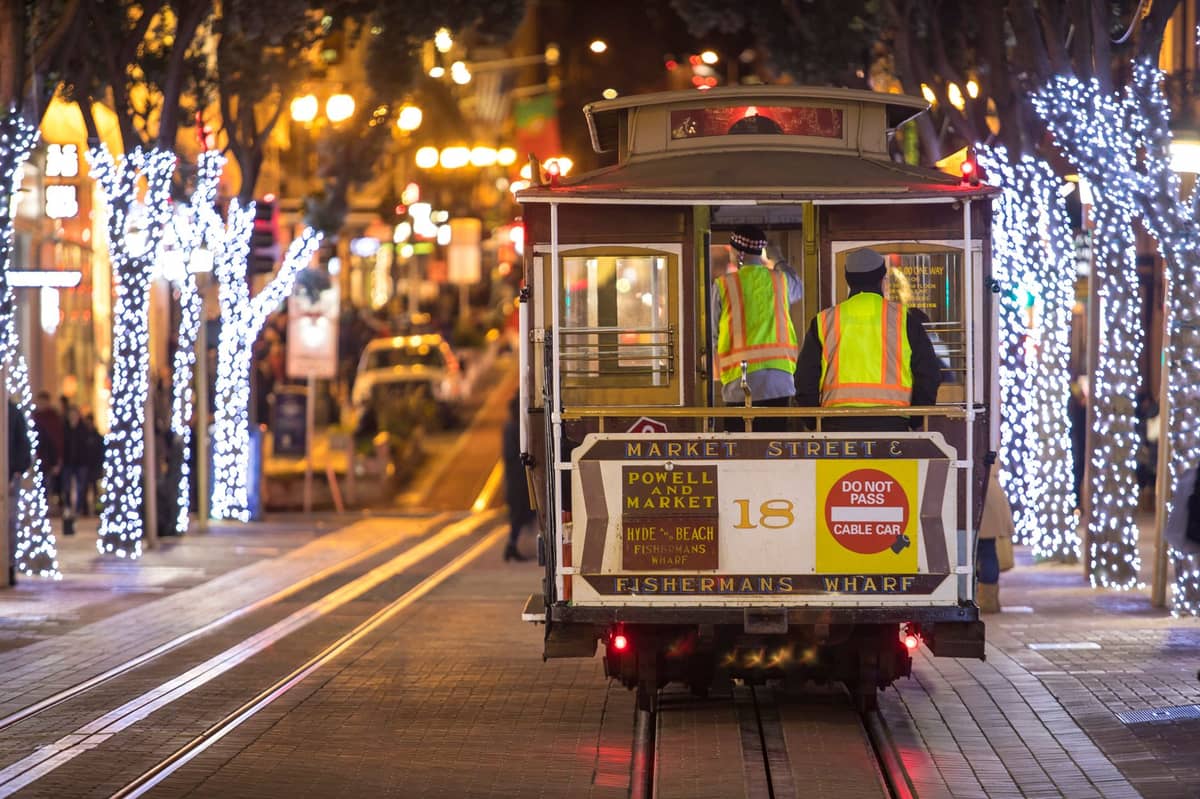
13. Ride the Powell-Hyde Cable Car Over Nob Hill
The Powell-Hyde line crests the steepest hills in the city and offers a moving viewpoint over rooftops and the bay. Ride it at least one way rather than both, ideally downhill toward Fisherman's Wharf. Buy a single fare rather than an all-day pass if you only ride once.
Explore13. Ride the Powell-Hyde Cable Car Over Nob Hill
The Powell-Hyde line crests the steepest hills in the city and offers a moving viewpoint over rooftops and the bay. Ride it at least one way rather than both, ideally downhill toward Fisherman's Wharf. Buy a single fare rather than an all-day pass if you only ride once.
Explore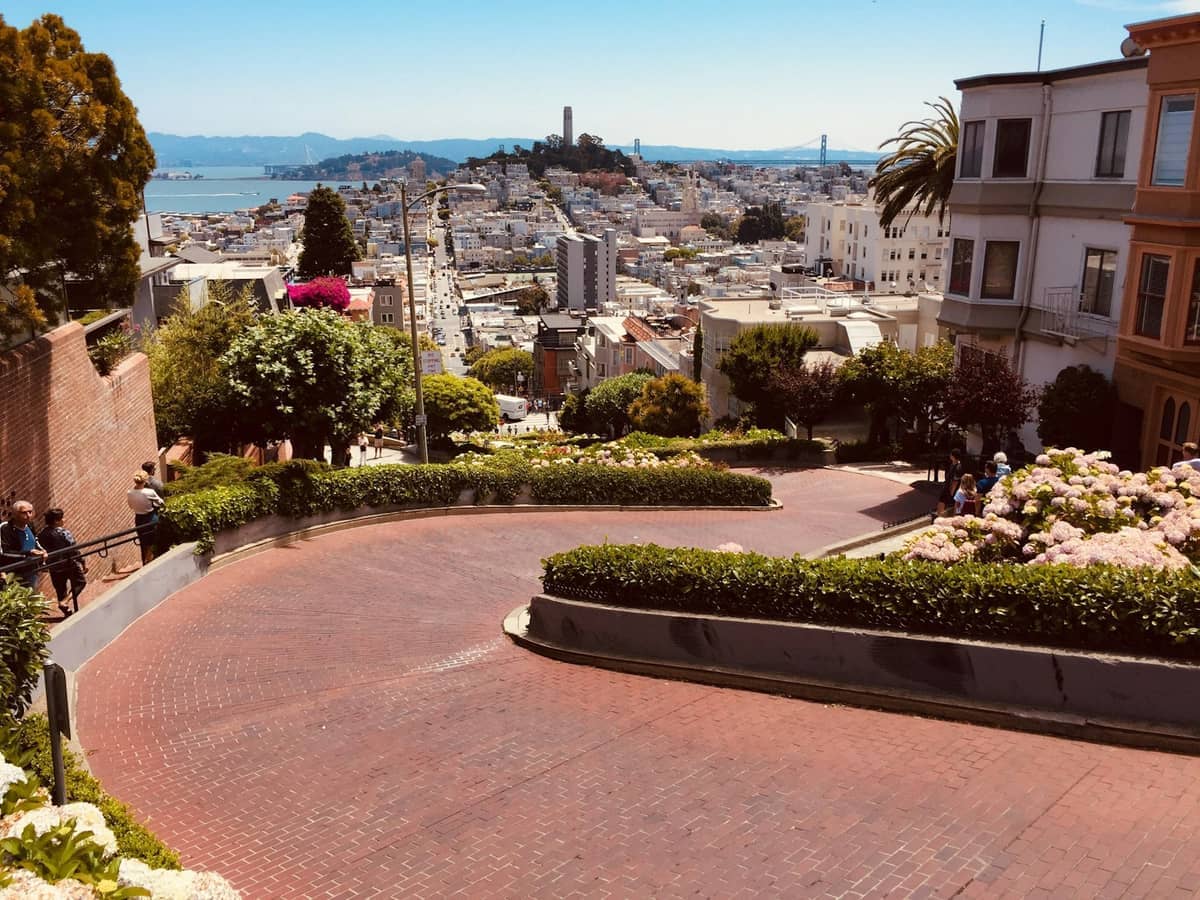
14. Walk Down the Famously Crooked Block of Lombard Street
The eight hairpin turns through hydrangea beds are best experienced on foot walking downhill, not by car. Arrive before 9am to avoid crowds. The view back up from the bottom, with the bay framed between Victorian houses, explains exactly why this became one of San Francisco's most iconic images.
Explore14. Walk Down the Famously Crooked Block of Lombard Street
The eight hairpin turns through hydrangea beds are best experienced on foot walking downhill, not by car. Arrive before 9am to avoid crowds. The view back up from the bottom, with the bay framed between Victorian houses, explains exactly why this became one of San Francisco's most iconic images.
Explore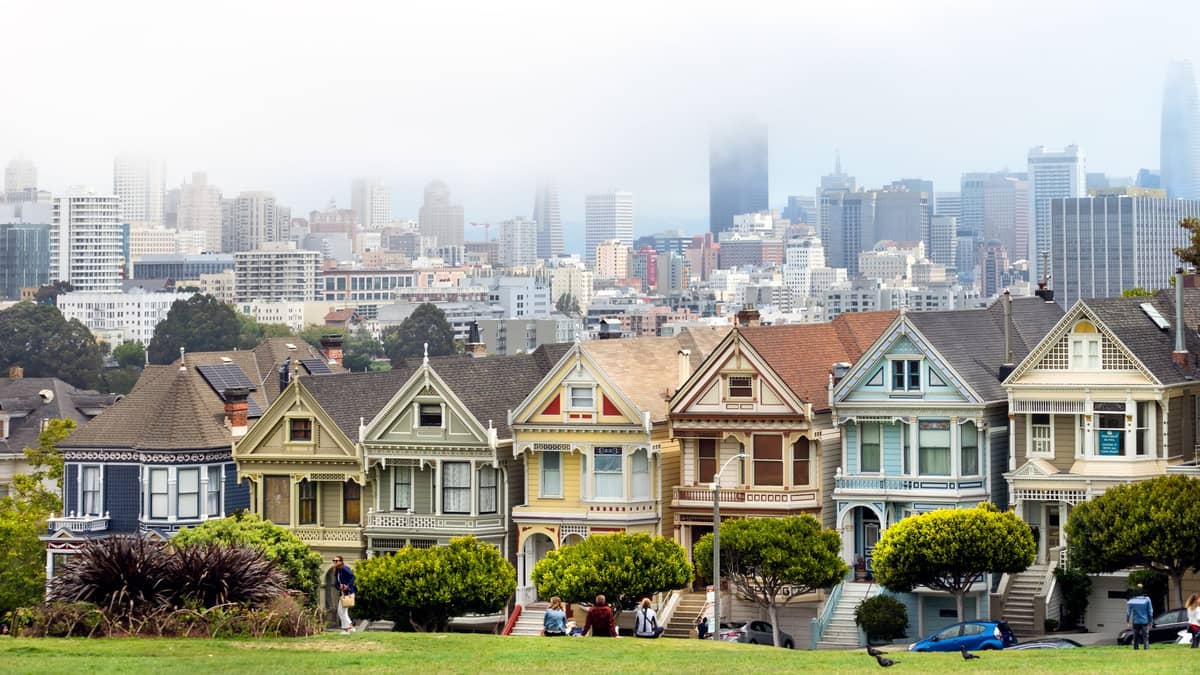
15. See the Painted Ladies from Alamo Square Park
The six Italianate Victorians on Steiner Street are best viewed from the hilltop park bench slightly to the right of center, which frames all six houses against the downtown skyline. Visit on a clear morning for the best light. The park itself is a good spot to rest before continuing toward Haight-Ashbury.
Explore15. See the Painted Ladies from Alamo Square Park
The six Italianate Victorians on Steiner Street are best viewed from the hilltop park bench slightly to the right of center, which frames all six houses against the downtown skyline. Visit on a clear morning for the best light. The park itself is a good spot to rest before continuing toward Haight-Ashbury.
ExploreThe Mission Mural Walk
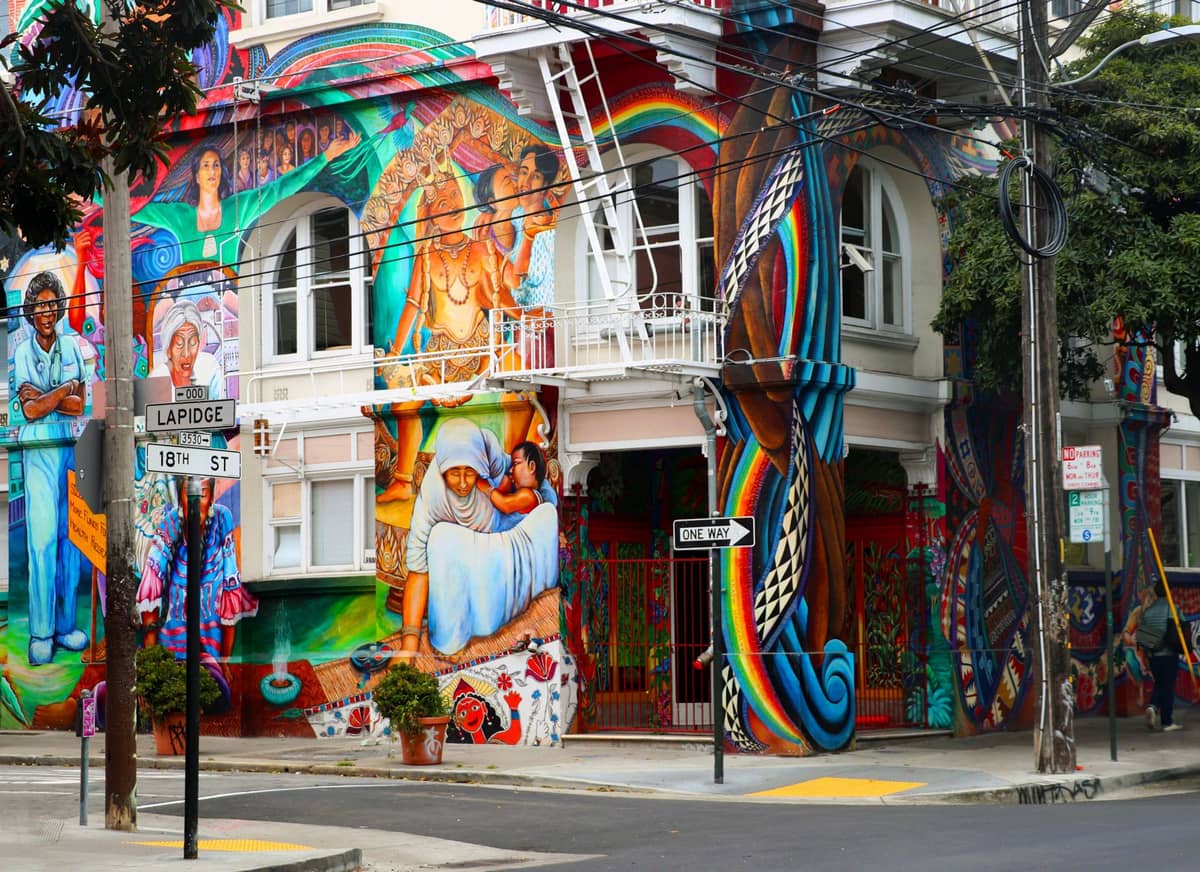
The Mission District contains the densest concentration of outdoor murals in the United States. This self-guided walk through its alleys and main streets can be done in two hours or stretched to a full afternoon with stops for food. The murals change regularly as new works replace old ones, making every visit different. Pair this route with the Mission burrito guide for a complete neighborhood day.
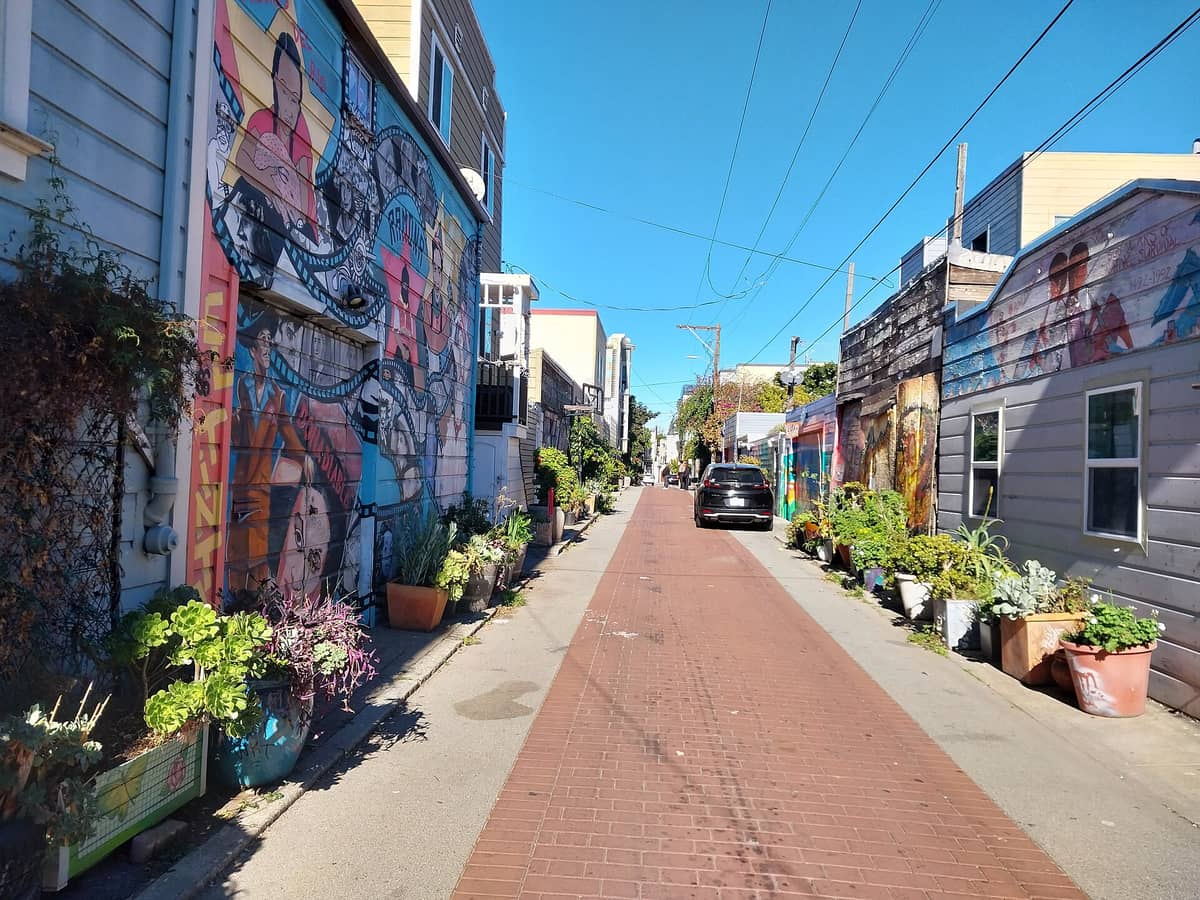
16. Walk Balmy Alley, the Mission's Most Famous Mural Corridor
Every garage door and wall on this one-block alley between 24th and 25th Streets is painted with works rooted in Chicano and Latin American political art traditions going back to the 1970s. Walk slowly and read the detail. Allow 15-20 minutes for the alley alone.
Explore16. Walk Balmy Alley, the Mission's Most Famous Mural Corridor
Every garage door and wall on this one-block alley between 24th and 25th Streets is painted with works rooted in Chicano and Latin American political art traditions going back to the 1970s. Walk slowly and read the detail. Allow 15-20 minutes for the alley alone.
Explore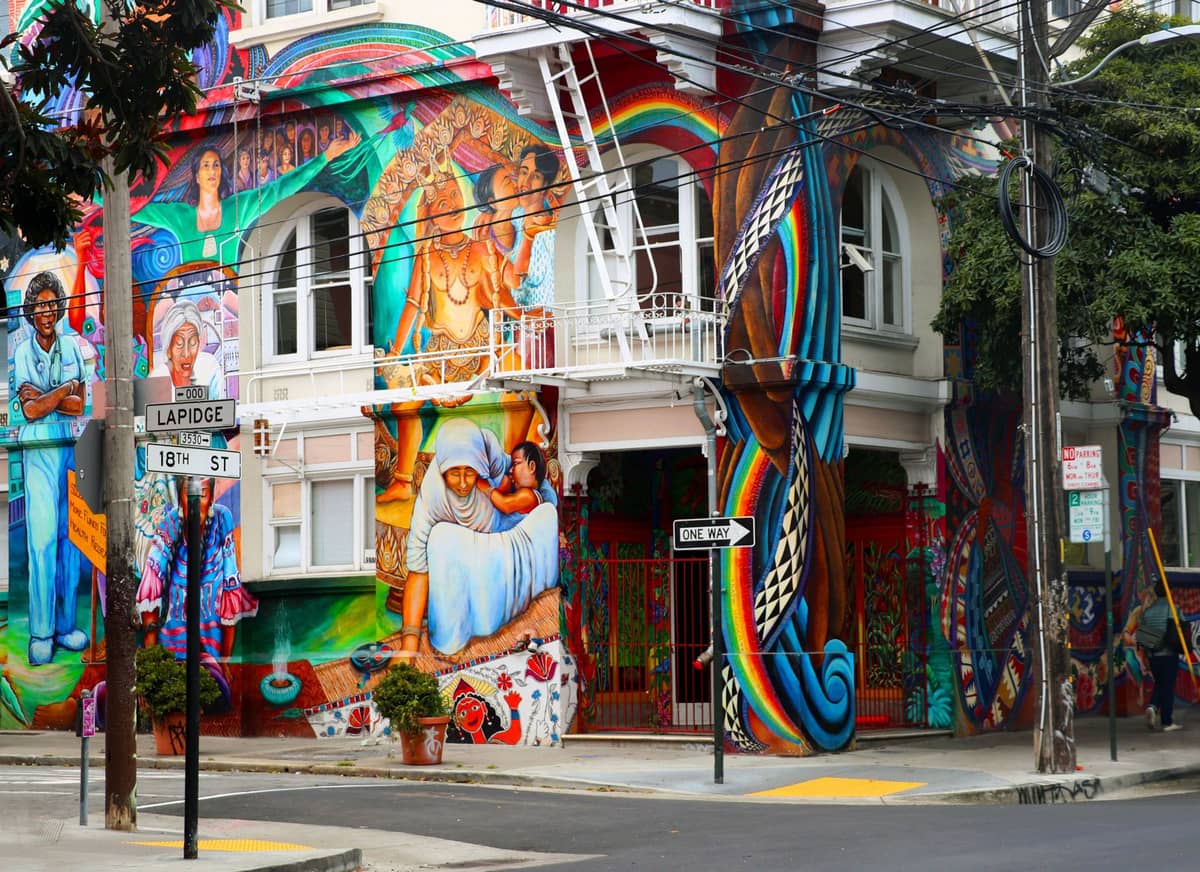
17. Continue to Clarion Alley for the Mission's Rawest Street Art
Between Mission and Valencia Streets near 17th, Clarion Alley shows a more urgent and frequently updated mural scene than Balmy. Works here respond directly to current events in the neighborhood. No two visits look alike. The alley takes about 10 minutes to walk through attentively.
Explore17. Continue to Clarion Alley for the Mission's Rawest Street Art
Between Mission and Valencia Streets near 17th, Clarion Alley shows a more urgent and frequently updated mural scene than Balmy. Works here respond directly to current events in the neighborhood. No two visits look alike. The alley takes about 10 minutes to walk through attentively.
Explore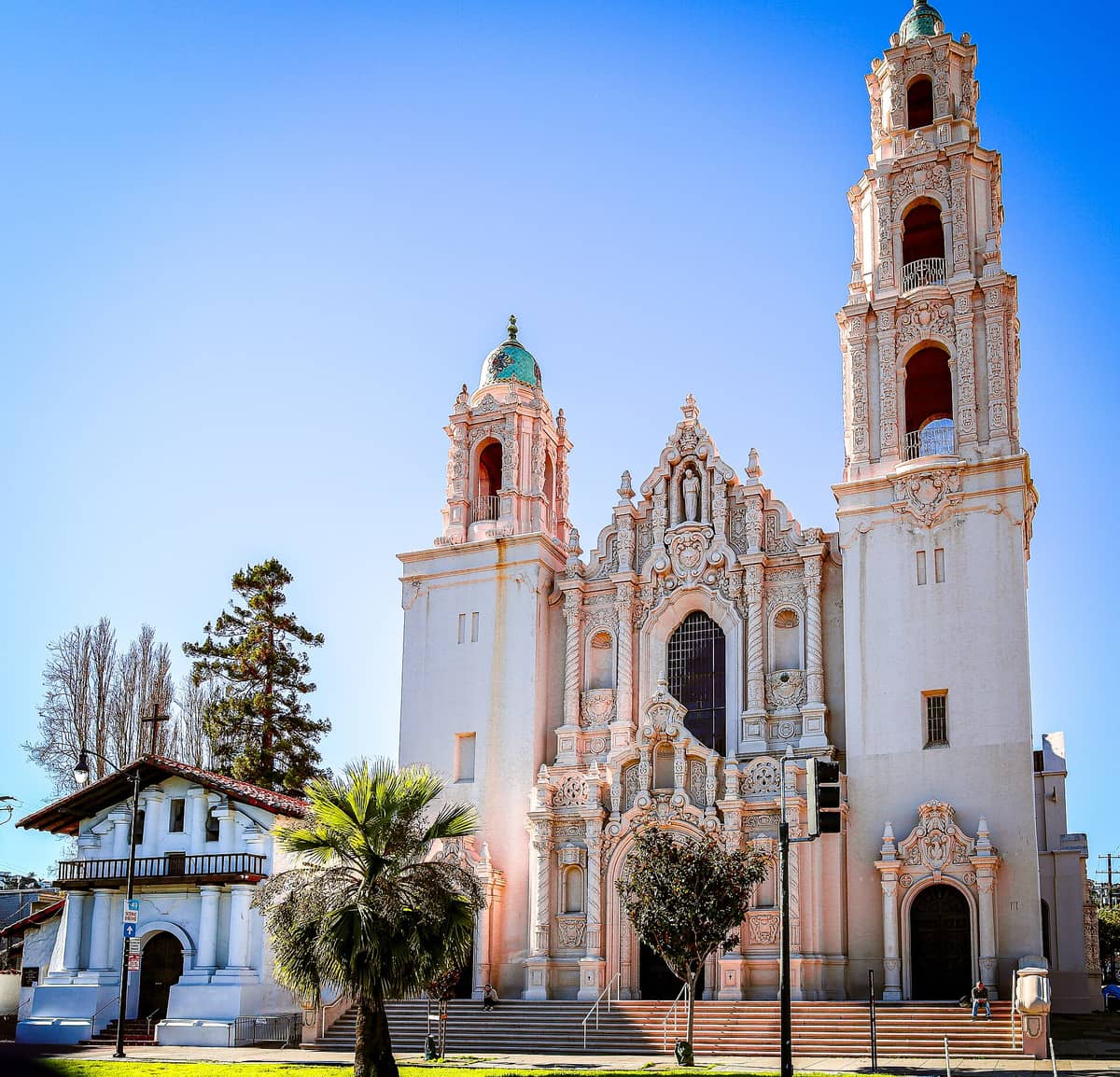
18. Visit Mission Dolores, San Francisco's Oldest Building
Founded in 1776, the original adobe mission church predates the United States itself. Its cemetery, where early San Franciscans including victims of the 1906 earthquake are buried, is accessible on a self-guided tour. The painted ceiling, reproduced from original Ohlone geometric designs, is the highlight inside.
Explore18. Visit Mission Dolores, San Francisco's Oldest Building
Founded in 1776, the original adobe mission church predates the United States itself. Its cemetery, where early San Franciscans including victims of the 1906 earthquake are buried, is accessible on a self-guided tour. The painted ceiling, reproduced from original Ohlone geometric designs, is the highlight inside.
Explore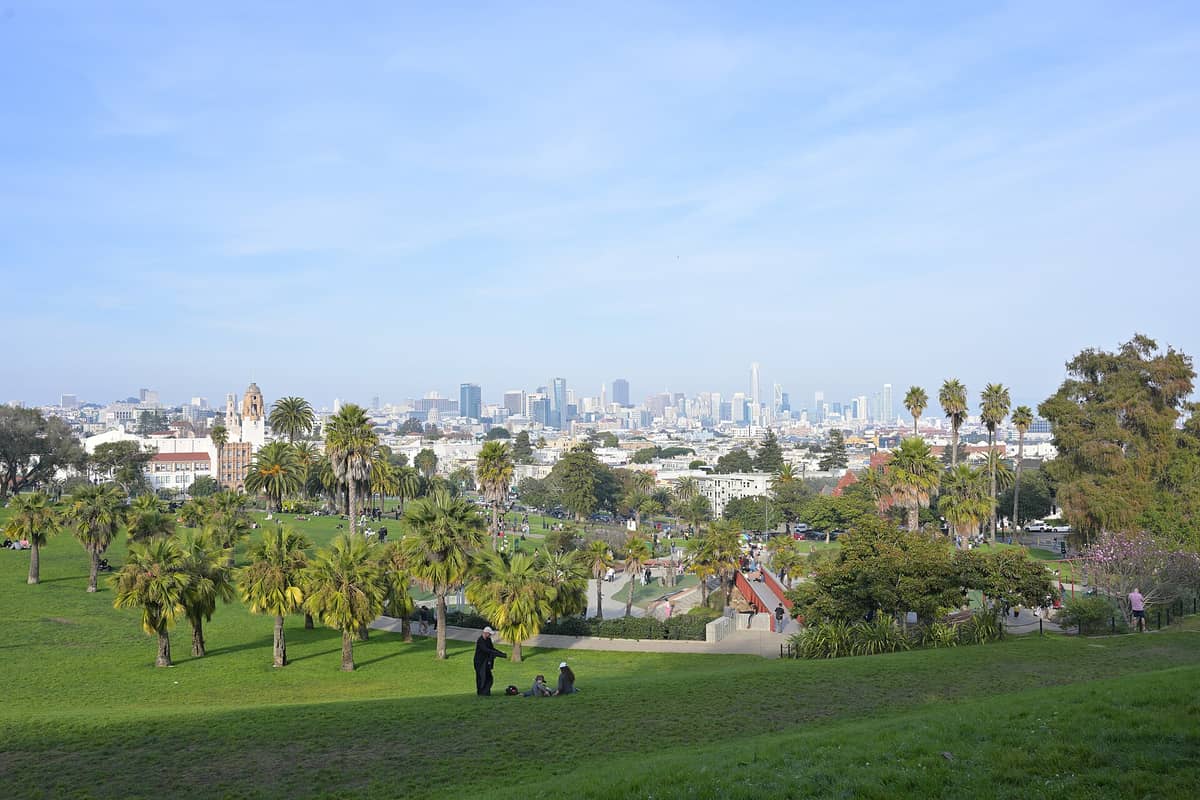
19. Finish the Mission Walk at Dolores Park's Hilltop Viewpoint
The upper terrace of Dolores Park offers a framed view of the downtown skyline with Sutro Tower rising behind it. The park is the social center of the Mission and Castro on any sunny afternoon. It's an ideal place to end the mural walk with a snack from the park's food vendors.
Explore19. Finish the Mission Walk at Dolores Park's Hilltop Viewpoint
The upper terrace of Dolores Park offers a framed view of the downtown skyline with Sutro Tower rising behind it. The park is the social center of the Mission and Castro on any sunny afternoon. It's an ideal place to end the mural walk with a snack from the park's food vendors.
ExploreCoastal Cliffs and Staircase Walks
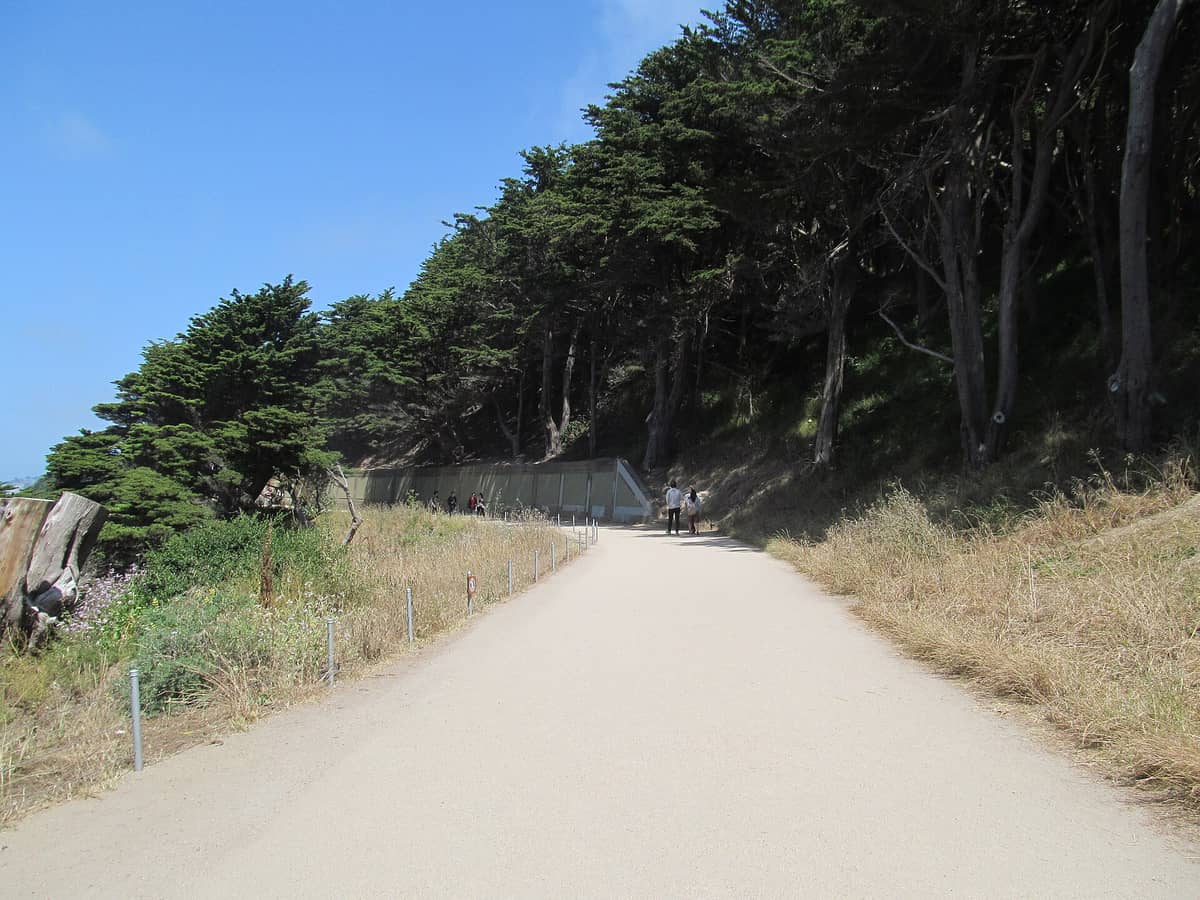
San Francisco's western edge offers some of the most dramatic self-guided walking in the city, combining coastal scenery with public art and unexpected staircase discoveries. The San Francisco hiking guide covers longer multi-hour routes in detail, but the stops below can be combined into a single half-day exploring the city's wild Pacific side.
20. Hike the Lands End Coastal Trail Above the Pacific
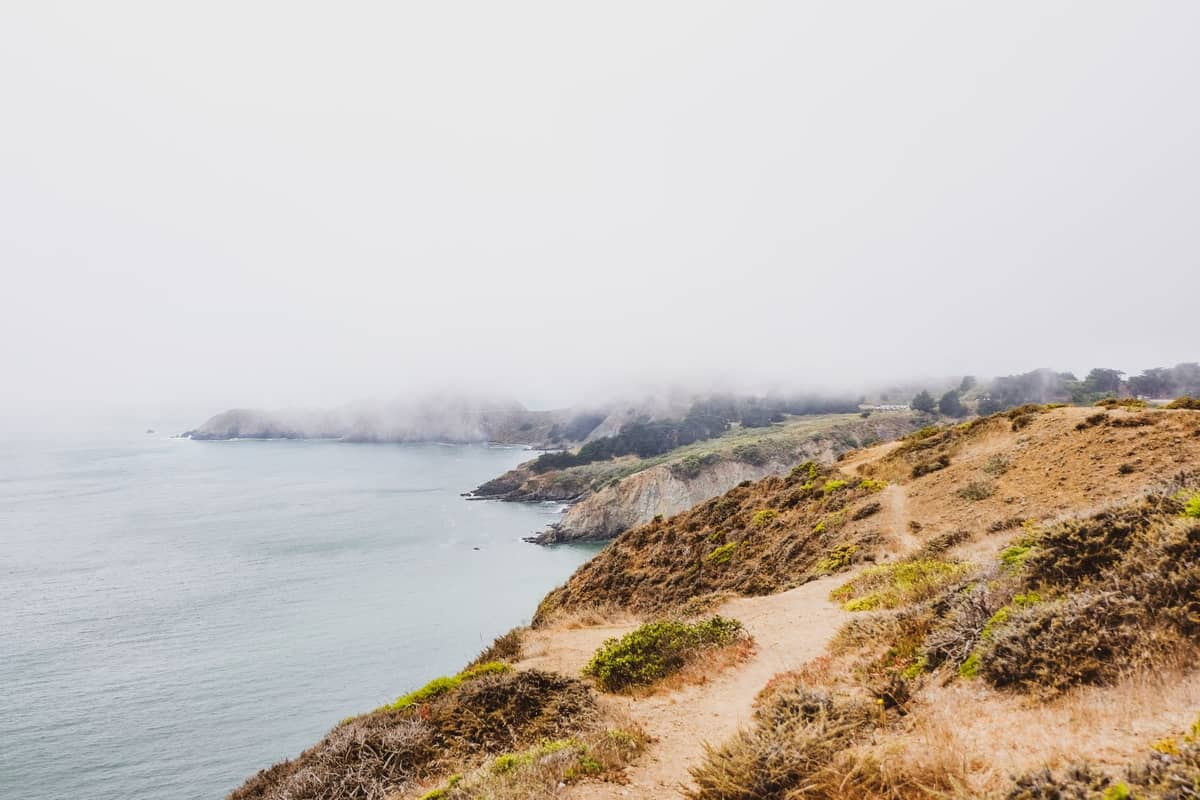
The roughly 3.4-mile out-and-back trail through wind-sculpted cypress forest along the cliffs at San Francisco's western tip passes a labyrinth and viewpoints with shipwreck remains visible at low tide. Start from the Lands End Lookout visitor center. The full out-and-back takes about 2 hours at a moderate pace.
Explore20. Hike the Lands End Coastal Trail Above the Pacific
The roughly 3.4-mile out-and-back trail through wind-sculpted cypress forest along the cliffs at San Francisco's western tip passes a labyrinth and viewpoints with shipwreck remains visible at low tide. Start from the Lands End Lookout visitor center. The full out-and-back takes about 2 hours at a moderate pace.
Explore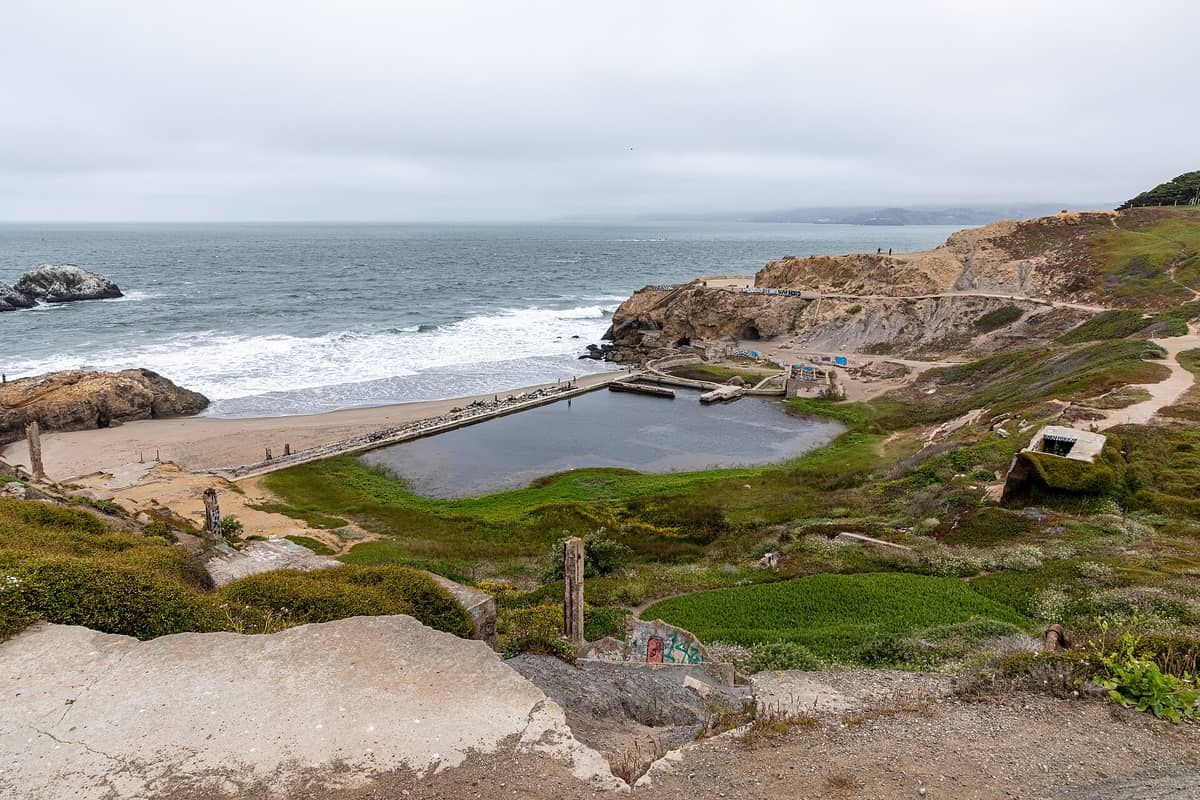
21. Explore the Atmospheric Ruins of Sutro Baths at Lands End
The concrete ruins of the 1896 public swimming palace cling to the rocks where the trail meets the sea. At high tide, the remaining pools fill with seawater. Walk down from the trail to the water's edge for the best perspective on the scale of what was once here. Free, no ticket needed.
Explore21. Explore the Atmospheric Ruins of Sutro Baths at Lands End
The concrete ruins of the 1896 public swimming palace cling to the rocks where the trail meets the sea. At high tide, the remaining pools fill with seawater. Walk down from the trail to the water's edge for the best perspective on the scale of what was once here. Free, no ticket needed.
Explore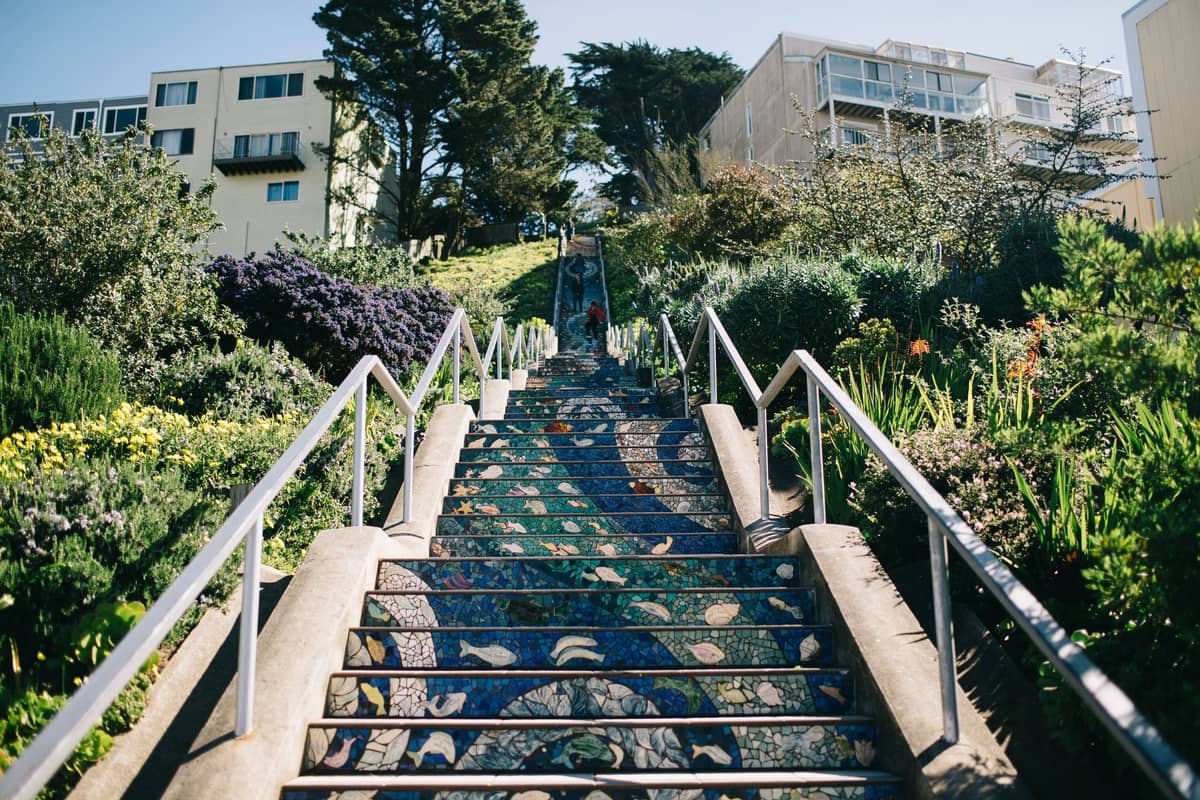
22. Climb the 16th Avenue Tiled Steps in the Inner Sunset
These 163 steps are covered in hand-crafted ceramic mosaics depicting an ocean-to-sky nature scene, assembled by over 300 neighborhood volunteers. Climb to the top for a sweeping westward view toward the ocean. Best in morning light. The surrounding residential streets are quintessentially local San Francisco.
Explore22. Climb the 16th Avenue Tiled Steps in the Inner Sunset
These 163 steps are covered in hand-crafted ceramic mosaics depicting an ocean-to-sky nature scene, assembled by over 300 neighborhood volunteers. Climb to the top for a sweeping westward view toward the ocean. Best in morning light. The surrounding residential streets are quintessentially local San Francisco.
Explore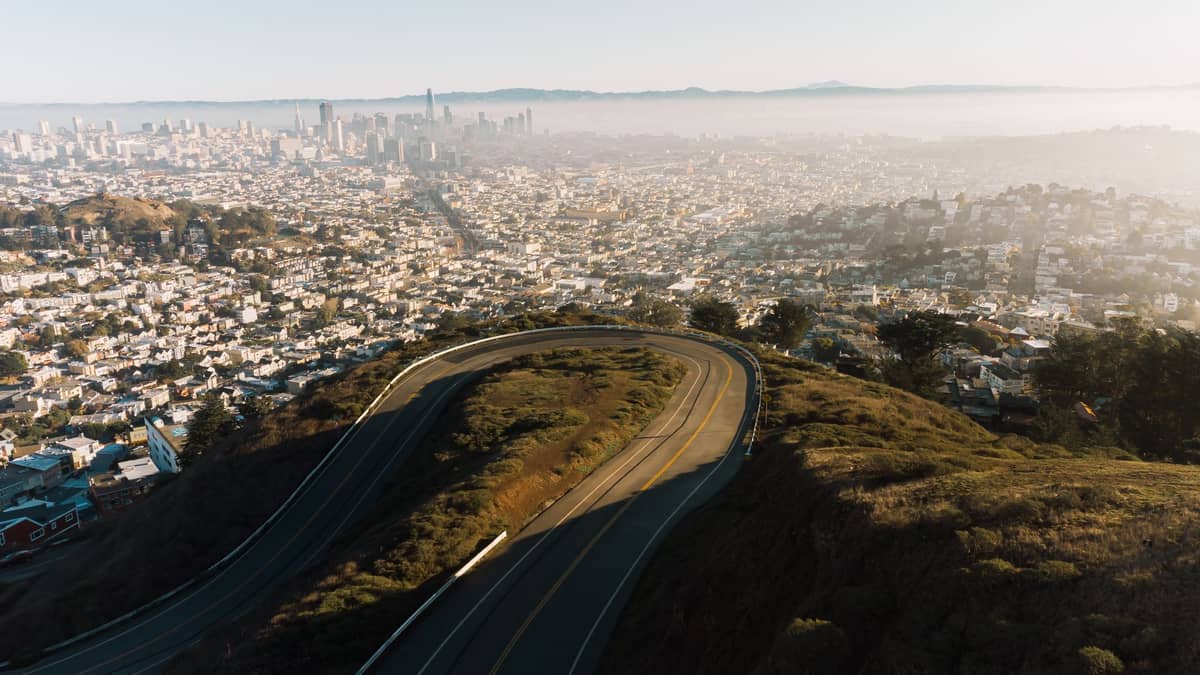
23. Walk to Twin Peaks for the City's Most Panoramic Views
The short trail from the parking area to the top of the north or south peak takes under 10 minutes and delivers unobstructed 360-degree views of the entire city, bay, and Marin hills. Go at sunset for the most dramatic light. Wind is almost always present so bring a jacket regardless of the forecast.
Explore23. Walk to Twin Peaks for the City's Most Panoramic Views
The short trail from the parking area to the top of the north or south peak takes under 10 minutes and delivers unobstructed 360-degree views of the entire city, bay, and Marin hills. Go at sunset for the most dramatic light. Wind is almost always present so bring a jacket regardless of the forecast.
Explore✨ Pro tip
San Francisco City Guides offers 80 free walking tours led by volunteer docents covering most of these neighborhoods in more depth. Check sfcityguides.org for current schedules if you want a guided companion to any of these self-guided routes.
FAQ
How long does a self-guided walking tour of San Francisco typically take?
It depends entirely on the route. The North Beach and Chinatown loop can be done in 2-3 hours. The full waterfront walk from the Ferry Building to Fort Point takes 3-5 hours. The Mission mural walk runs about 2 hours without food stops. Most visitors plan individual walks as half-day outings.
Are San Francisco's self-guided walking tours free?
Most of the routes and attractions listed here are free to access. Exceptions include Coit Tower's elevator to the observation deck (small fee), Mission Dolores (entry fee), and Fort Point (free admission with the National Park Service). San Francisco City Guides also offers 80 free docent-led walking tours at sfcityguides.org.
Is San Francisco safe to walk around as a tourist?
The neighborhoods covered in these routes, including North Beach, Chinatown, the Embarcadero, the Presidio, and the Mission, are generally safe during daylight hours. As in any major city, stay aware of your surroundings, keep valuables secure, and check current local advisories at sf.gov before visiting unfamiliar areas.
What should I wear for walking in San Francisco?
Layers are essential. Even on warm days, fog can roll in quickly and drop temperatures by 10-15 degrees Fahrenheit, particularly near the coast and in the afternoon. Comfortable walking shoes with grip are important given the steep hills and uneven sidewalks. A compact windproof layer fits easily in a day bag.
What is the best time of year to do self-guided walking tours in San Francisco?
September and October offer the warmest and clearest conditions, with less fog than summer and low rainfall. Spring (March-May) is also good, with blooms in Golden Gate Park. Summer mornings are often foggy, especially near the coast and the Golden Gate Bridge, though afternoons frequently clear. The rainy season runs November through March.