The Mission Burrito: San Francisco's Most Iconic Food
The Mission burrito is not just a meal. It is a San Francisco institution with a disputed origin, a precise construction method, and a handful of taquerias that have been perfecting it for decades. This guide covers the history, the key ingredients, where to find the best version, and what separates the real thing from a pale imitation.
Plan and book this trip
Tools from our partner Travelpayouts help you compare flights and hotels. If you book through them, we may earn a commission at no extra cost to you.
Flights
Hotels map
TL;DR
- The Mission burrito originated in San Francisco's Mission District in the 1960s, with competing origin claims from Taqueria La Cumbre and El Faro.
- Its defining traits are a large flour tortilla, foil wrapping, and rice as a core filling ingredient — not just a side detail.
- The best taquerias are concentrated along 24th Street and Mission Street in the Mission District, reachable by BART (24th Street Mission station).
- Expect to pay roughly $10–$15 for a fully loaded burrito. A 'super' means guacamole and sour cream are included.
- This style is distinct from Tex-Mex and chain burritos. If you order one at Chipotle and think you've had a Mission burrito, you haven't.
What Exactly Is a Mission Burrito?
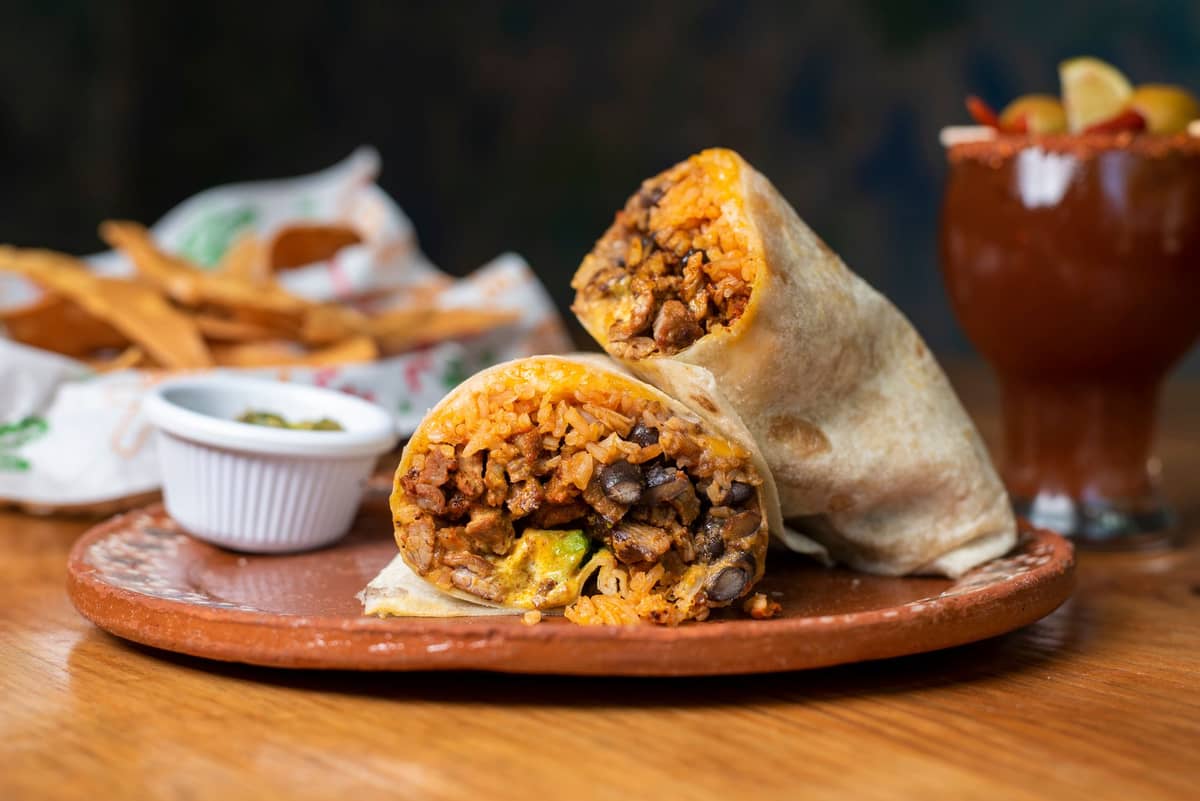
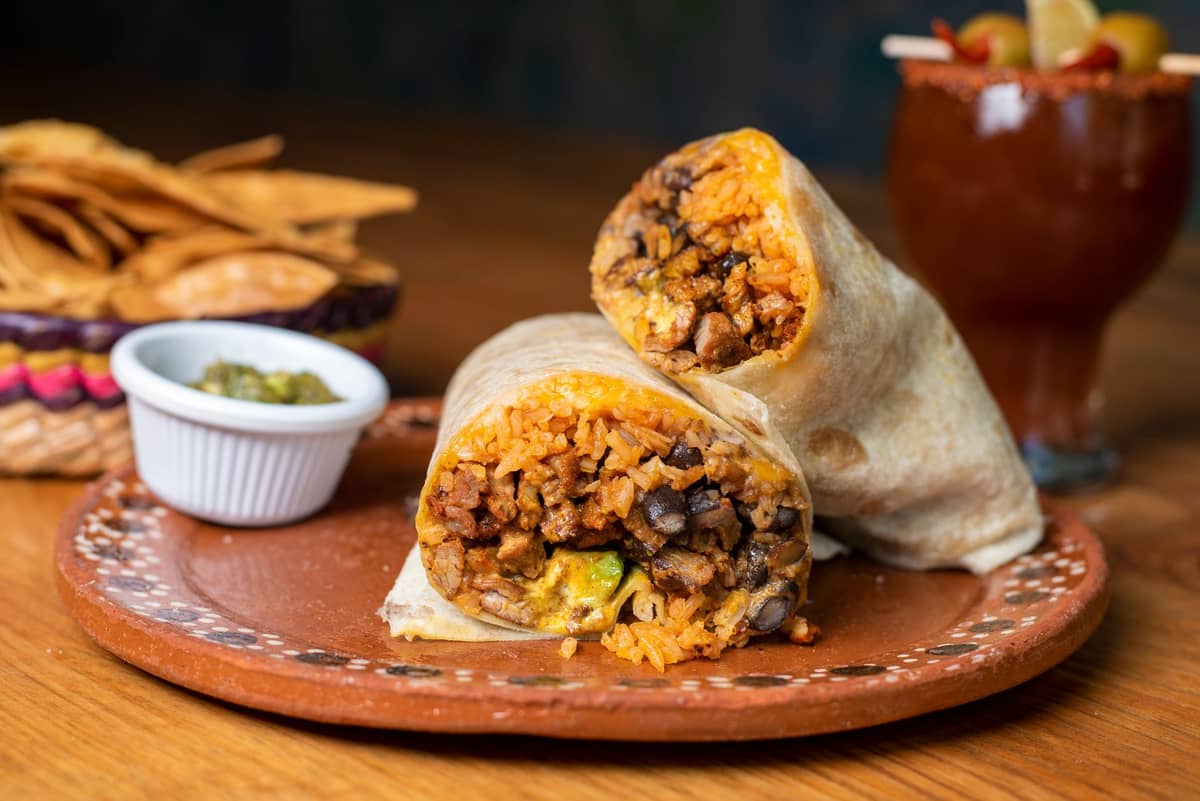
The Mission burrito is a specific format, not a catchall term for any large burrito. It is defined by a few non-negotiable traits: a large flour tortilla (typically steamed to make it pliable), a substantial amount of steamed white rice, beans, a protein of your choice, salsa, and usually cheese. The whole thing is tightly rolled, then wrapped in aluminum foil. That foil wrap is part of the experience — it holds the structure together, keeps the heat in, and turns eating one into a slightly unwieldy but deeply satisfying experience.
The rice inclusion is the element that most distinguishes it from other burrito traditions. In many Mexican-American burrito styles, rice is optional or absent. In the Mission style, it is structural. The rice absorbs moisture, adds bulk, and contributes to the characteristic heft of the thing. A proper Mission burrito weighs close to a pound. You will not need to eat again for several hours.
Ordering a 'super' burrito means you get guacamole and sour cream added to the standard build. This is the version most regulars default to. Some taquerias also offer wet burritos (smothered in sauce) or burritos griddled on a flat-top for a crisped exterior, but the foil-wrapped, steamed version is the canonical form.
ℹ️ Good to know
Mission burritos are typically made to order, so expect a short wait during peak lunch and dinner hours. Taquerias along 24th Street can have lines out the door on weekday lunch hours — this is a sign of quality, not disorganization.
The Disputed Origin Story
The Mission burrito emerged in the 1960s in San Francisco's Mission District, a neighborhood with deep roots in the city's Latino community. Two taquerias are most commonly cited as the originators: Taqueria La Cumbre, which opened on Valencia Street in 1969, and El Faro, which claims the style dates back even earlier. Both establishments are still operating, and both have loyal defenders who will argue the point with some conviction.
The short answer is that the origin is still disputed. Food historians and journalists have examined the question repeatedly without settling it definitively. What is clear is that the Mission District's demographic composition — primarily working-class Latino families, many with roots in Mexican states like Jalisco and Michoacán — created the context in which a large, filling, affordable meal wrapped in foil made practical and cultural sense. The format evolved to feed people who needed a substantial lunch quickly.
What happened next is well documented. The format spread beyond the Mission, then beyond San Francisco. Chains like Chipotle, founded in Denver in 1993, explicitly modeled their format on Mission-style burritos. This is worth knowing because it means tens of millions of people have eaten something approximating a Mission burrito without ever visiting the Mission District. The original taquerias and their imitators are worth comparing directly.
Where to Eat a Mission Burrito in San Francisco
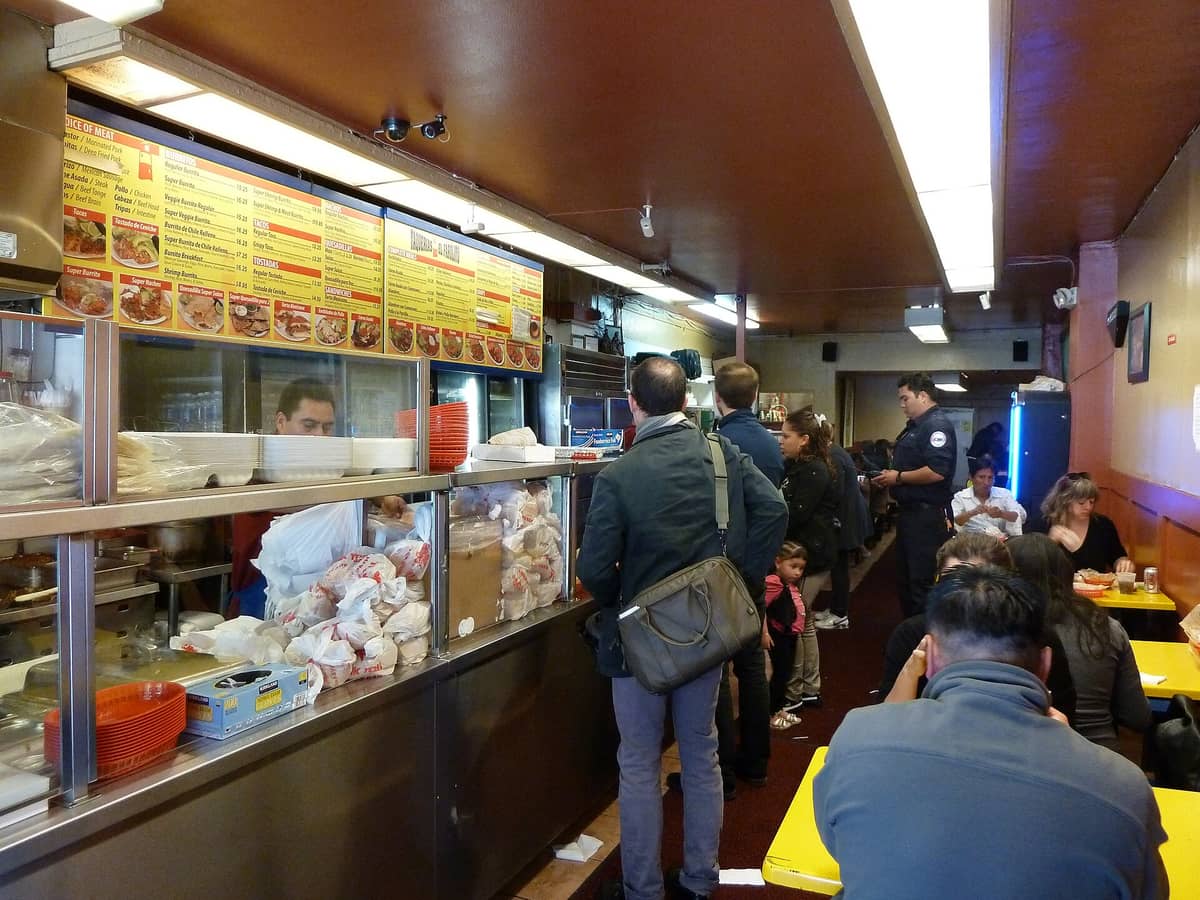
The concentration of quality taquerias in the Mission District is genuinely impressive. Within a few blocks of the 24th Street BART station, you have multiple institutions that have been operating for decades. This is not nostalgia tourism — these places are actively good and regularly packed with locals.
- Taqueria La Cumbre (Valencia St near 16th) One of the two original claimants to the Mission burrito. The carne asada is the standard order. The space is no-frills and cash-friendly. Considered essential by anyone tracing the burrito's history.
- El Faro (Folsom St) The other original claimant. Less talked about in food media, which makes it slightly less crowded. The burritos are large, classically built, and consistent.
- Taqueria Cancun (Mission St at 19th) A strong local favorite with fast service and reliably good al pastor. Often listed alongside La Cumbre as one of the district's best everyday options.
- Taqueria El Farolito (24th St at Mission) Consistently rated among the top taquerias in the city. Open late, which makes it a practical choice after an evening in the Mission. The super burrito here is generously built.
- Taqueria Vallarta (multiple Mission locations) A reliable, affordable option with quick service. Good for a first visit if lines elsewhere are long.
💡 Local tip
The 24th Street Mission BART station drops you directly into the heart of taqueria country. Exit onto 24th Street and walk east toward Mission Street. Most of the best taquerias are within a three-block radius. The area is also worth exploring for its murals and produce markets.
How to Order Like You Know What You're Doing
Mission burrito ordering follows a consistent pattern. You choose your protein first: carne asada (grilled beef), al pastor (spit-roasted pork with pineapple), pollo (grilled chicken), carnitas (slow-cooked pork), or vegetarian. Carne asada and al pastor are the most ordered options by a significant margin.
Next, you specify black or pinto beans, and whether you want them whole or refried. Then: rice (standard), cheese, salsa, and whether you want it as a regular or super burrito. A super adds sour cream and guacamole. Say yes to super. The price difference is small and the result is substantially better.
- Ask for 'super' to get guacamole and sour cream included — usually $1–3 more than the base price.
- Salsa roja is milder; salsa verde and habanero options are sharper. Ask about heat levels if you're unsure.
- Some taquerias will griddle your burrito on request for a crisped exterior. Worth asking for.
- Cash is often preferred or exclusively accepted at older taquerias. Bring small bills.
- Prices typically run $10–$15 for a fully loaded super burrito. Anything significantly higher is not the Mission experience.
⚠️ What to skip
Tourist-adjacent areas like Fisherman's Wharf and Union Square have restaurants marketing 'Mission-style burritos.' These are rarely comparable. If you're committed to the real thing, make the trip to the Mission District. It takes about 15 minutes by BART from the downtown stations.
The Mission District Context: More Than Just Food
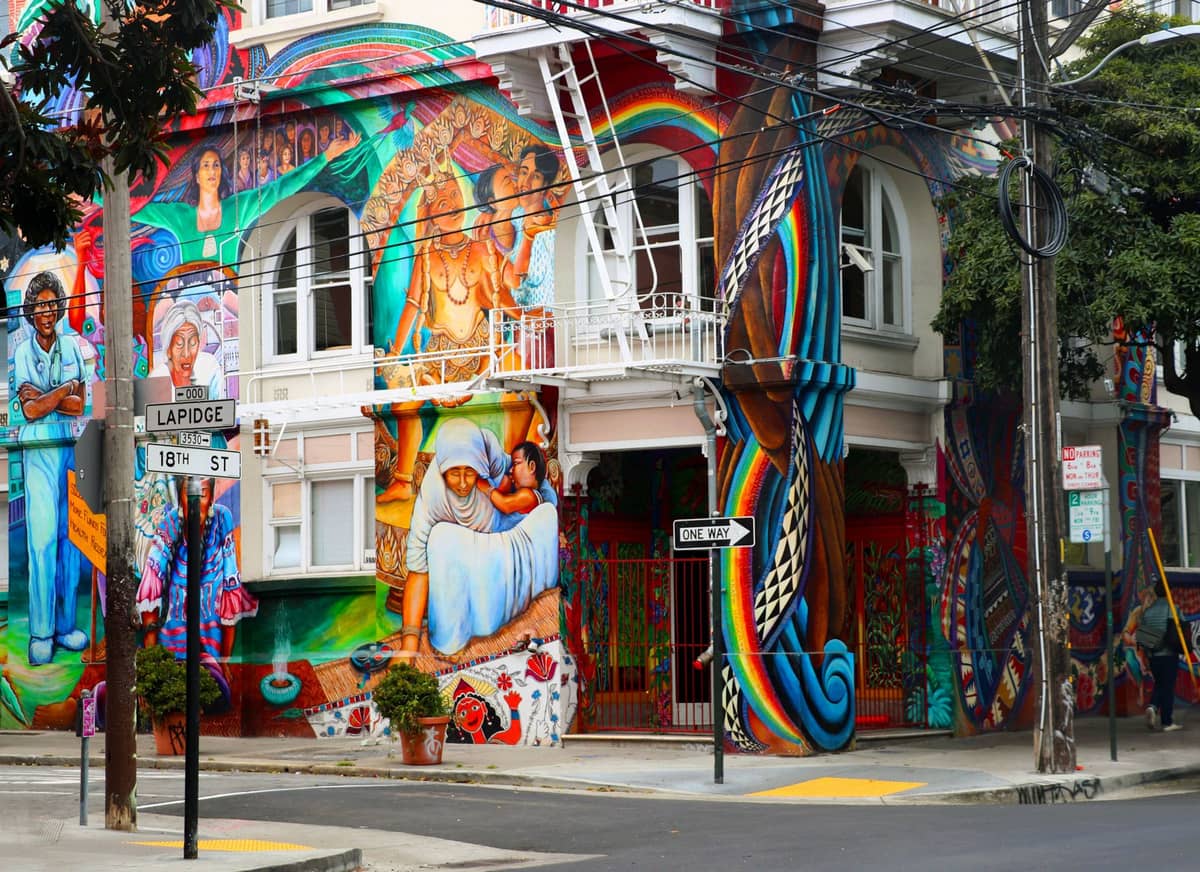
Eating a burrito in the Mission District is inseparable from the neighborhood itself. The area stretches roughly between 14th and Cesar Chavez streets, and between Dolores Street and Potrero Avenue. It has one of San Francisco's most consistent climates — sheltered from the city's coastal fog by the hills to the west — which means you can eat outside comfortably on days when other neighborhoods are socked in. Combine a taqueria visit with a walk along Balmy Alley to see the Mission's famous political murals, or stop by Dolores Park to eat on the grass with a direct view of the downtown skyline.
The Mission District has gentrified significantly since the first dot-com boom, and that tension is visible on the street. Long-established taquerias operate next to high-end cocktail bars and artisan coffee shops. For visitors, this means the neighborhood is more accessible and polished than it once was, but the core food culture — including the burrito tradition — has remained intact. For a broader sense of the Mission District's character, it's worth spending at least a half-day there rather than treating a taqueria visit as a quick errand.
If you want to understand how the Mission fits into San Francisco's broader food culture, the San Francisco food guide covers everything from dim sum in Chinatown to sourdough at the Ferry Building. The city's eating is diverse enough that a single neighborhood visit only scratches the surface.
Practical Information for Visiting
Most taquerias in the Mission District open around 10 or 11 AM and stay open until 10 PM or later, with some running past midnight on weekends. Hours vary by location and can change without much notice, so checking a current listing before making a dedicated trip is sensible. El Farolito in particular is known for late-night hours and draws a significant crowd after bars close.
Getting there by public transit is straightforward. BART serves the Mission District at two stations: 16th Street Mission and 24th Street Mission. Both connect directly to downtown San Francisco and to the other BART lines crossing the Bay. If you're coming from the northern or western parts of the city, Muni buses also run along Mission Street. For a full breakdown of transit options across the city, the getting around San Francisco guide is a practical reference.
The Mission District is generally safe during daytime hours and into the evening along the main commercial corridors. As with any urban neighborhood, staying on well-lit, populated streets at night is sensible practice. The San Francisco safety guide covers this topic in detail for first-time visitors.
- BART: Take any appropriate train to 16th St Mission or 24th St Mission stations; both are served by multiple transbay lines.
- By car: Parking in the Mission is possible but competitive during peak hours. Street parking on side streets is easier than on Mission Street itself.
- Budget: $10–$15 per burrito including a drink. Taquerias are cash-friendly; some only accept cash.
- Best times to visit: Weekday mornings (before noon) and mid-afternoons avoid peak lines. Saturday lunch is the busiest time of the week.
- Tipping: Standard US restaurant tipping customs apply. For counter service, tipping is appreciated but at your discretion.
FAQ
What makes a Mission burrito different from a regular burrito?
Three things: size, rice, and foil. A Mission burrito is significantly larger than most burrito styles, uses steamed white rice as a core filling ingredient, and is wrapped in aluminum foil. The foil wrap is functional — it holds the large, tightly rolled burrito together and retains heat. Most other American burrito styles either omit the rice or treat it as a minor ingredient. The Mission version is also typically made with a steamed flour tortilla, which makes it more pliable and less likely to tear.
Who invented the Mission burrito?
The exact origin is disputed. Two Mission District taquerias are most commonly credited: Taqueria La Cumbre, which opened on Valencia Street in 1969, and El Faro, which claims to predate it. Both establishments are still operating and both maintain their claims. Most food historians conclude the style evolved organically from the neighborhood's Latino community in the 1960s rather than from a single inventor.
What is a 'super' burrito?
Ordering a 'super' burrito means your burrito includes guacamole and sour cream in addition to the standard build of protein, rice, beans, cheese, and salsa. It's the version most regulars order and costs a few dollars more than the basic version. The price difference is consistently worth it.
Is the Mission District safe to visit for eating?
Yes. The main commercial corridors along 24th Street and Mission Street are active and well-trafficked during daytime and evening hours. The neighborhood has gentrified considerably over the past two decades. Standard urban awareness applies at night, but visiting specifically to eat at taquerias along the main streets is a normal, everyday activity for San Francisco residents.
Can I find good Mission burritos outside the Mission District?
Some taquerias in other neighborhoods produce comparable burritos, and the style has spread throughout the Bay Area. However, the original taquerias and the highest concentration of quality options are still in the Mission District, within a short walk of the BART stations. Going elsewhere to find a 'Mission burrito' is a bit like seeking out Chicago deep dish pizza in a suburb — possible, but not the real experience.