San Francisco with Kids: The Complete Family Travel Guide
San Francisco is one of the most family-friendly cities in the United States, with world-class science museums, free outdoor spaces, bay cruises, and a compact layout that keeps logistics manageable. This guide covers the best attractions for children, how to save on tickets, when to visit, and how to get around without a car.
Plan and book this trip
Tools from our partner Travelpayouts help you compare flights and hotels. If you book through them, we may earn a commission at no extra cost to you.
Flights
Hotels map
TL;DR
- San Francisco with kids works best in September and October, when fog lifts and temperatures hit their annual peak around 70–71°F.
- The California Academy of Sciences and Exploratorium at Pier 15 are the two non-negotiable stops for families with children of almost any age.
- The SF CityPASS (around $90 adults / $70 ages 4–11) bundles admission to four major attractions over nine days — worth it if you plan to hit several paid attractions. See our San Francisco budget guide for more savings strategies.
- Kids 18 and under ride most Muni buses and light rail for free; cable cars are the exception, with fares for children 5 and older.
- July and August are foggy and often cold — do not assume summer means sunshine. Plan layers regardless of season.
Why San Francisco Works for Families
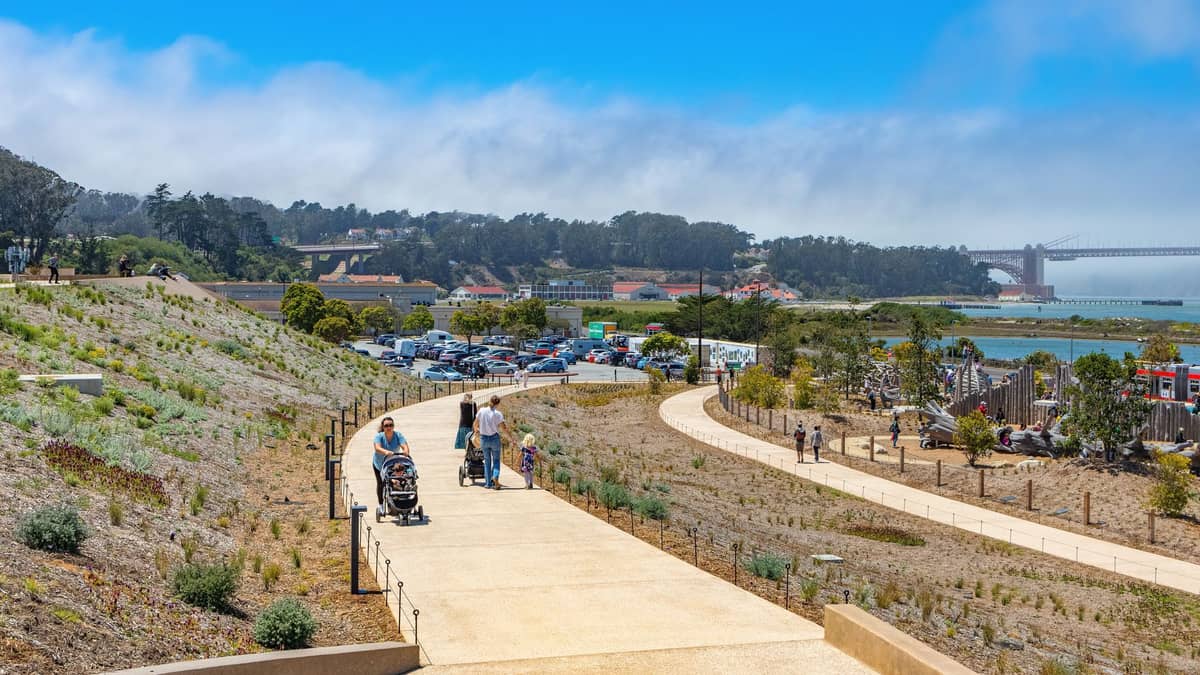
San Francisco is the City and County of San Francisco, covering about 46.87 square miles of land on a peninsula between the Pacific Ocean and San Francisco Bay. That compact footprint matters for families: most of the major kid-friendly attractions cluster in a corridor stretching from Fisherman's Wharf and the Embarcadero through the northern edge of Golden Gate Park. You can cover a lot of ground in a day without long drives between stops.
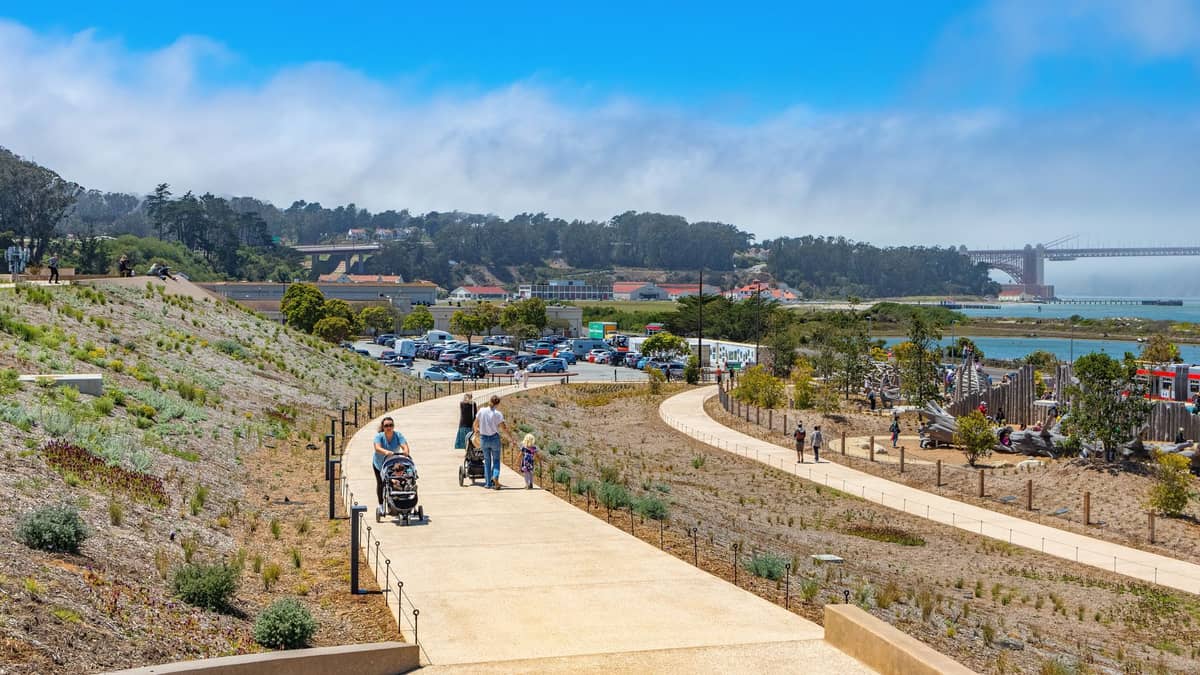
The city has an unusually high density of world-class science and nature institutions relative to its size. You can visit a planetarium, a live coral reef, a hands-on physics museum, an aquarium, and one of the top natural history museums in the country. For families who want outdoor time, Crissy Field, Ocean Beach, and Golden Gate Park's meadows offer wide open space at zero cost. The hills are real and can tire out small legs quickly, but strategic use of cable cars and Muni fills the gaps.
⚠️ What to skip
San Francisco's hills are steeper than they look on maps. Strollers with swivel wheels struggle on grades like those around Nob Hill or the northern approach to Coit Tower. A lightweight umbrella stroller or a carrier for toddlers works better on hilly walking routes. For flatter terrain, stick to the Embarcadero waterfront, Golden Gate Park's interior paths, or the Marina Green.
Top Kid-Friendly Attractions by Age Group
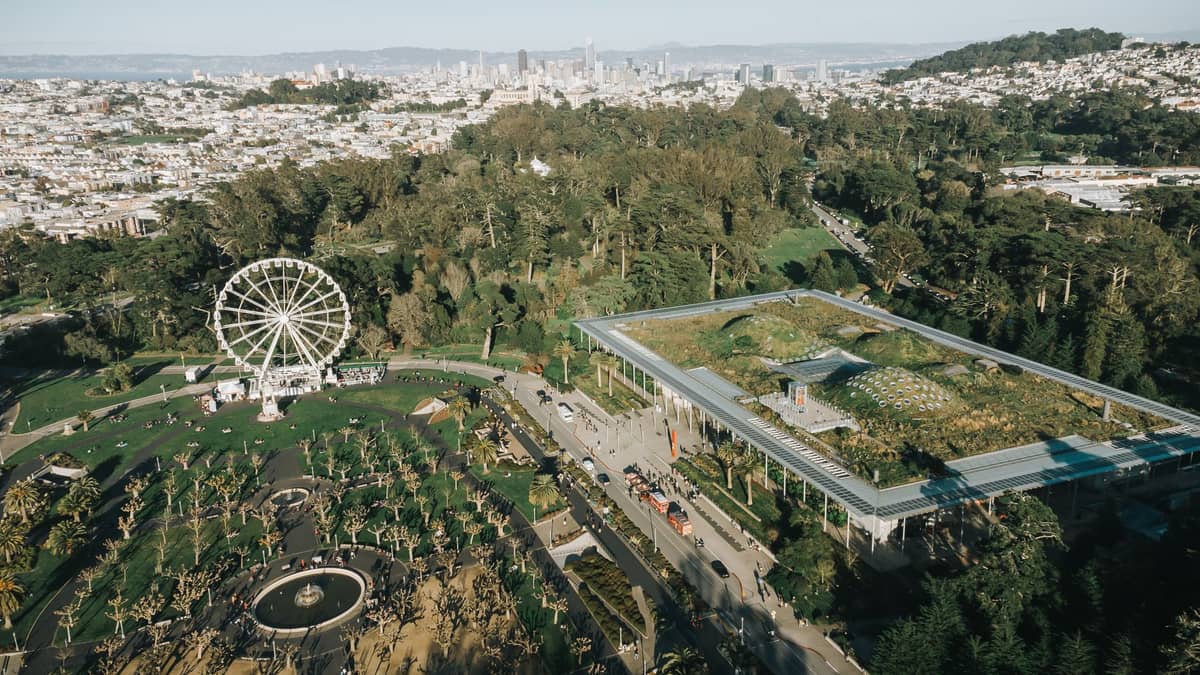
The California Academy of Sciences in Golden Gate Park is the city's strongest all-ages institution. Under one living roof you get a four-story rainforest dome, a planetarium, an aquarium with a 100,000-gallon Philippine Coral Reef tank, and a natural history museum. General admission runs around $49–$55 for adults with discounted youth pricing; ages 2 and under enter free. Hours are Monday through Saturday 9:30am to 5pm and Sunday 11am to 5pm, though these are subject to change so check calacademy.org before your visit. Book tickets in advance during school holidays — weekend morning slots sell out.
The Exploratorium at Pier 15 on the Embarcadero is the better choice for older children and teenagers who want to actively engage rather than observe. Around 600 hands-on exhibits covering physics, perception, and human behavior fill a converted pier building. Pricing is approximately $39.95 for adults and $29.95 for youth ages 4–17, with ages 3 and under free. Standard hours are 10am to 5pm Tuesday through Sunday; Thursday evenings extend to 10pm for an adult-oriented After Dark program. The waterfront location also means you walk out to views of the Bay Bridge — a good reward for kids who need a break from exhibits.
- Toddlers (under 5) Aquarium of the Bay at Pier 39 (under-3s free), the carousel at Yerba Buena Gardens, stroller-friendly paths through Golden Gate Park, and the sea lions at Pier 39 — all low-pressure, low-cost options.
- Ages 5–10 California Academy of Sciences planetarium shows, bay cruises with Red & White or Blue & Gold Fleet (kids under 5 free on many departures), Pier 39, and riding a cable car for the experience rather than transportation.
- Tweens and teens Exploratorium after-hours on Thursdays, Alcatraz Island for the history and audio tour, the de Young Museum with family programs, and Fort Point under the Golden Gate Bridge for dramatic views and Civil War-era architecture.
- Free for all ages Golden Gate Bridge pedestrian crossing (no fee), Crissy Field, Ocean Beach, the Ferry Building Marketplace, and Chinatown streets — all legitimately interesting without spending a dollar.
Passes, Tickets, and How to Save Money
The San Francisco CityPASS costs around $90 for adults and $70 for children ages 4–11 and bundles admission to four major attractions over nine consecutive days (Muni is no longer included). If your family plans to visit the California Academy of Sciences, Exploratorium, and take a bay cruise, the math usually works in your favor. Younger children are already free or heavily discounted at many venues, so run the numbers for your group before buying.
On standard Muni buses, light rail (Metro lines J, K, L, M, N, T), and the historic F-line streetcars, children 18 and under ride free — no Clipper card or ticket required. Cable cars operate differently: children 4 and under ride free, but children 5 and older pay the same fare as adults (currently around $9 per ride; verify current fares at sfmta.com). For a family of four with two school-age kids, a single cable car round trip adds up quickly. Treat cable cars as an experience, not daily transport. For practical movement across the city, the F-line streetcar from the Ferry Building to Fisherman's Wharf is free for kids and far less crowded than the Powell-Hyde cable car. See the full breakdown in our guide to getting around San Francisco.
💡 Local tip
The San Francisco Public Libraries offer free passes to several city museums through the Museum Access Program. If you have a California library card or can sign up for an SF library card, it's worth checking availability before buying tickets. Slots are limited but the savings can be significant for larger families.
When to Visit San Francisco with Kids
The single most important thing to understand about San Francisco's weather is that July and August are not the warmest months. The city sits in a warm-summer Mediterranean climate (Köppen Csb) heavily influenced by marine fog rolling in from the Pacific. Average summer highs sit around 66–68°F, but the marine layer often drops temperatures further and makes waterfront areas feel significantly colder. Children in shorts and sandals at Fisherman's Wharf in July are a common sight — and a common source of misery.
September and October are genuinely the best months for families. Average highs climb to 70–71°F, fog is less persistent, and the outdoor spaces that make San Francisco excellent for kids — Golden Gate Park, Crissy Field, Baker Beach — are actually comfortable to use. Spring (March through May) offers mild temperatures in the low-to-mid 60s with occasional rain. Winter (November through March) is the rainy season, but indoor attractions are fully operational and crowds are lighter, which matters enormously at places like the California Academy of Sciences.
- Bring layers regardless of season — even warm October days can turn cold near the water by 4pm.
- Summer school vacation coincides with the city's foggiest period; if you have schedule flexibility, September is the clear choice.
- Avoid major convention weeks at Moscone Center when hotels price up significantly and the city feels more crowded.
- Fleet Week in October is a spectacular free event for kids who love aircraft and ships — the Blue Angels fly low over the bay.
- Chinese New Year in late January or February turns Chinatown into an extraordinary spectacle, but streets are very crowded and parking is impossible.
✨ Pro tip
Pack a light windproof layer for every family member, even if the forecast shows sun. The temperature drop between Golden Gate Park's interior and the Ocean Beach side can be 10–15 degrees Fahrenheit within a 10-minute walk. Disposable ponchos sold at Fisherman's Wharf are overpriced — bring your own.
Neighborhoods and Day Logistics for Families
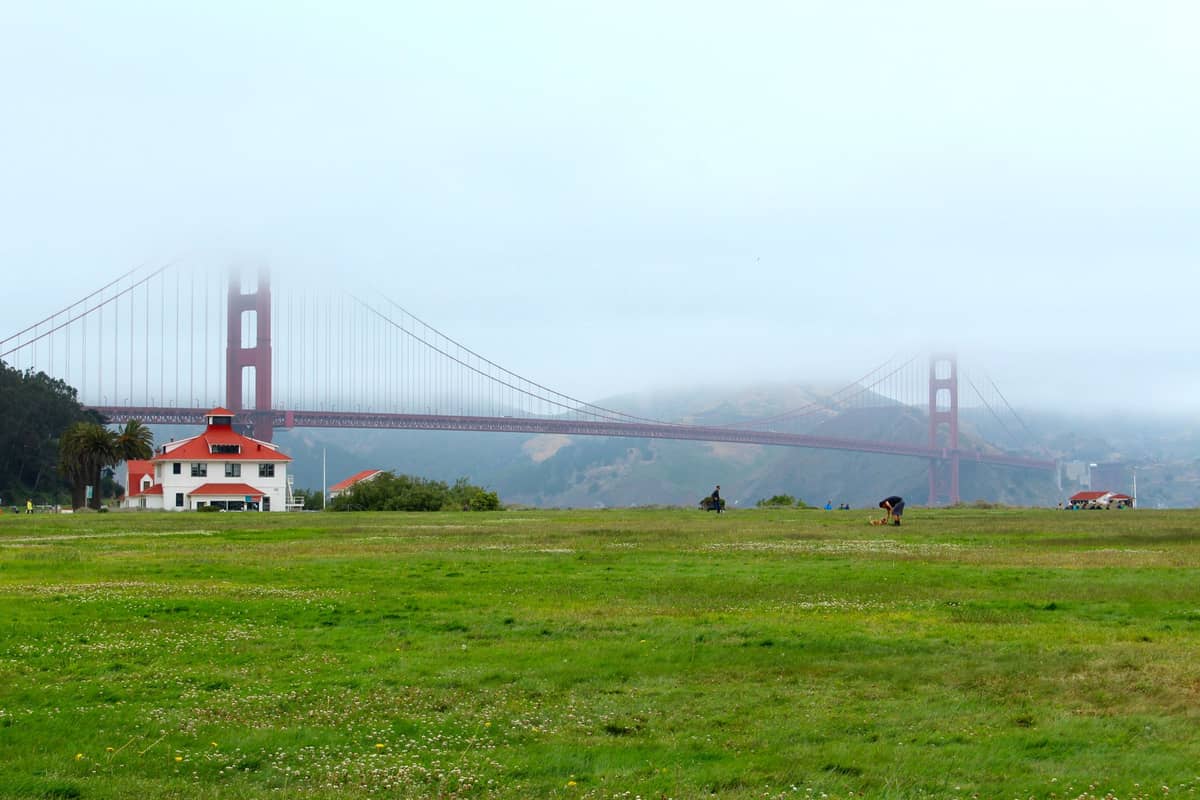
Families staying near Fisherman's Wharf or the Marina District have the most walkable access to the northern waterfront attractions: Pier 39, the Exploratorium, Crissy Field, and the Palace of Fine Arts. The Marina neighborhood also has flat streets, which makes stroller logistics simpler than in hillier areas like Nob Hill or Russian Hill. The trade-off is that accommodation in this area tends to be pricier, and you'll need transit to reach Golden Gate Park or Mission District attractions.
A logical two-zone approach works well for families over 3–4 days: spend the first half focused on the northern waterfront and Embarcadero corridor (Exploratorium, Pier 39, bay cruise, cable car ride, Chinatown), then shift west to the Golden Gate Park cluster (California Academy of Sciences, Japanese Tea Garden, de Young Museum, Stow Lake paddleboats). This avoids backtracking and keeps daily walking distances manageable. For a structured plan, our 3-day San Francisco itinerary maps this out in detail.
Alcatraz deserves a separate mention. The island tour is genuinely compelling for children aged 8 and up, and the audio tour narrated by former inmates keeps attention in a way most museum exhibits don't. Book tickets through the official Alcatraz Cruises site well in advance, especially for summer and fall visits — departures sell out weeks ahead. The ferry departs from Pier 33, about a 15-minute walk from Pier 39. Plan around 3–4 hours total including transit. Younger children can do it, but the uneven terrain and length of the tour tend to exhaust kids under 6. See our full Alcatraz Island guide for booking tips and what to expect.
Practical Tips for Traveling with Kids in San Francisco
San Francisco's tap water comes primarily from the Hetch Hetchy system and is treated to federal and state drinking water standards — it's safe and drinkable straight from the tap. Bring reusable water bottles and refill them throughout the day rather than buying bottled water at tourist-area markup. Most parks, museums, and public buildings have water fountains.
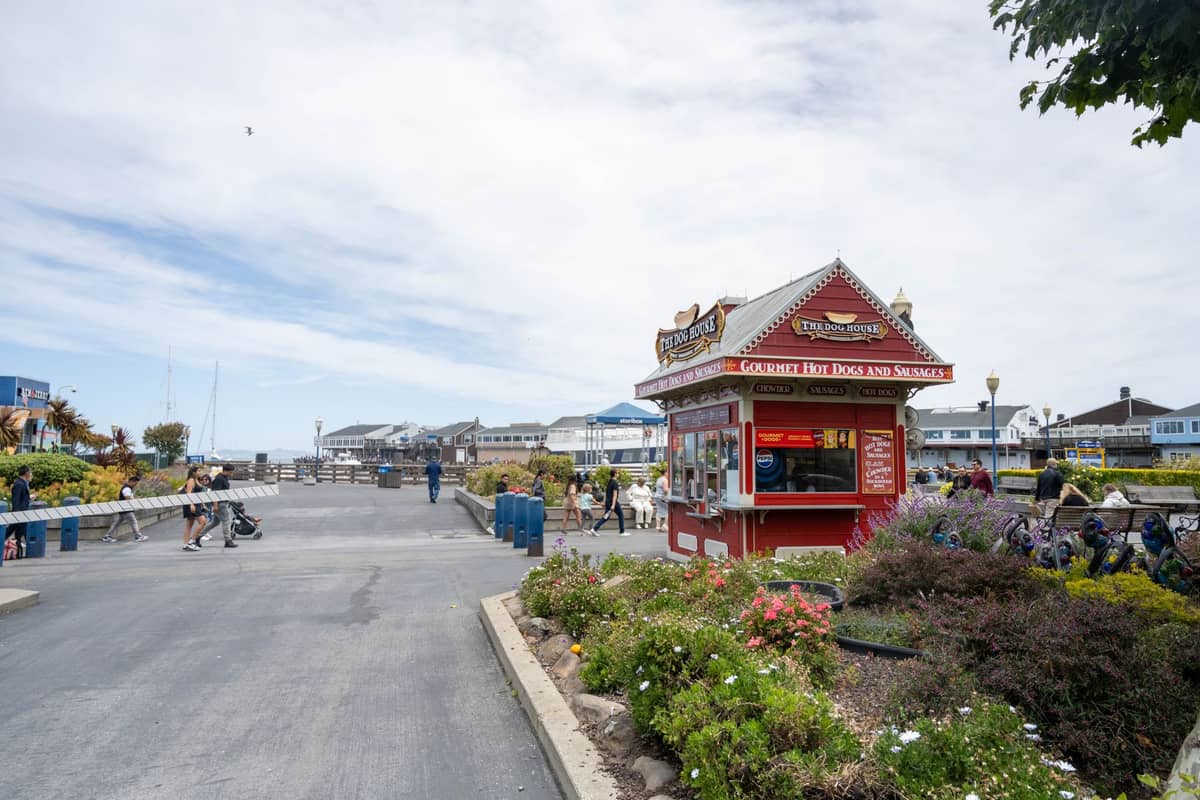
Food near major tourist corridors (Pier 39, Fisherman's Wharf) is expensive and generally mediocre. The clam chowder in a sourdough bread bowl is a genuine San Francisco tradition and reasonable value for the experience, but most other Pier 39 restaurants are overpriced for what they deliver. For better food at lower prices, walk 10 minutes inland to North Beach for Italian bakeries and pizza, or take the Muni to the Mission District for burritos and taquerias that represent one of the city's real culinary identities.
- Emergency services: dial 911 for police, fire, or medical emergencies. Non-emergency city services and information: 311.
- BART from SFO to downtown takes about 30 minutes and is the most reliable airport transfer — no traffic delays.
- Ride-hailing (Uber, Lyft) works well for inter-neighborhood hops with young children, especially after a long day when the Muni feels like too much effort.
- Most major attractions have family restrooms; Golden Gate Park's main facilities near the Panhandle and Music Concourse are clean and stroller-accessible.
- Electricity is 120V/60Hz with Type A and B plugs (standard US) — no adapter needed for US visitors, and standard for most North American devices.
FAQ
What is the best age to take kids to San Francisco?
San Francisco has strong options for every age, but the city really delivers for children aged 5–12. The Exploratorium and California Academy of Sciences are genuinely engaging at that age. Toddlers do well at Pier 39, Crissy Field, and Golden Gate Park, but the hills and long walking distances can be tiring for children under 3. Teenagers tend to love Alcatraz, the Exploratorium's Thursday evening hours, and the energy of neighborhoods like the Mission and North Beach.
Do kids need tickets for cable cars in San Francisco?
Children 4 and under ride cable cars free. Children aged 5 and older pay the full adult fare, which is currently around $9 per ride (verify current pricing at sfmta.com). For most Muni buses, Metro light rail lines, and the historic F-line streetcar, children 18 and under ride free without needing a ticket or Clipper card. CityPASS does not include Muni or cable cars; for unlimited cable car rides, buy a separate Muni Visitor Passport.
Is San Francisco safe for families with children?
The main tourist corridors — Fisherman's Wharf, the Embarcadero, Union Square, Chinatown, North Beach, and Golden Gate Park — are generally safe for families during daytime hours. As in any major city, situational awareness matters, particularly around Civic Center and parts of SoMa. For general safety guidance specific to the city, see our San Francisco safety tips guide.
What is the best time of year to visit San Francisco with kids?
September and October are the best months for families. These are statistically the warmest months in San Francisco — average highs reach 70–71°F with significantly less fog than summer. School-age children who are back in class by September create lighter crowds at major attractions compared to July and August. Spring (April and May) is a good second choice, with mild temperatures and blooming Golden Gate Park. Avoid the July-August peak if possible — fog and cool winds are frequent and can undermine outdoor plans.
Do you need a car to visit San Francisco with kids?
No, and for most families a car is more hassle than help in the city itself. Parking is expensive (typically $30–50+ per day in garages near tourist areas), and San Francisco's Muni system covers all major family attractions. Kids 18 and under ride most Muni routes free. A car is useful for day trips — Muir Woods, Point Reyes, or the Marin Headlands are all difficult to reach by public transit with young children. For within-city travel, Uber and Lyft fill gaps when transit is impractical with tired kids or heavy bags.