San Francisco to Los Angeles: Best Ways to Travel in 2026
The San Francisco to Los Angeles corridor is one of the most-traveled routes in the United States, with options ranging from a 90-minute flight to a two-day Pacific Coast Highway road trip. This guide breaks down every realistic method by cost, time, and comfort so you can choose the right one for your trip.
Plan and book this trip
Tools from our partner Travelpayouts help you compare flights and hotels. If you book through them, we may earn a commission at no extra cost to you.
Flights
Hotels map
TL;DR
- The San Francisco to Los Angeles corridor is roughly 380 miles (about 610 km) by road, with four main travel options: fly, drive, bus, or take the Amtrak train plus thruway bus.
- Flying is the fastest door-to-door option at around 1h15-1h30 in the air, with fares sometimes as low as $33-50 one-way if you book early.
- Driving via I-5 takes 6-7 hours in light traffic; the Pacific Coast Highway route takes 9-12+ hours but is one of the great American road trips.
- Bus services (FlixBus, Greyhound) can run as fast as 7 hours on express routes; the Amtrak Coast Starlight plus thruway bus takes 10-12 hours but offers scenery and comfort. See our San Francisco airport guide before you fly.
- There is no direct high-speed train between the two cities. The California High-Speed Rail project is ongoing but not yet operational on this corridor.
Route Overview: What You're Actually Dealing With
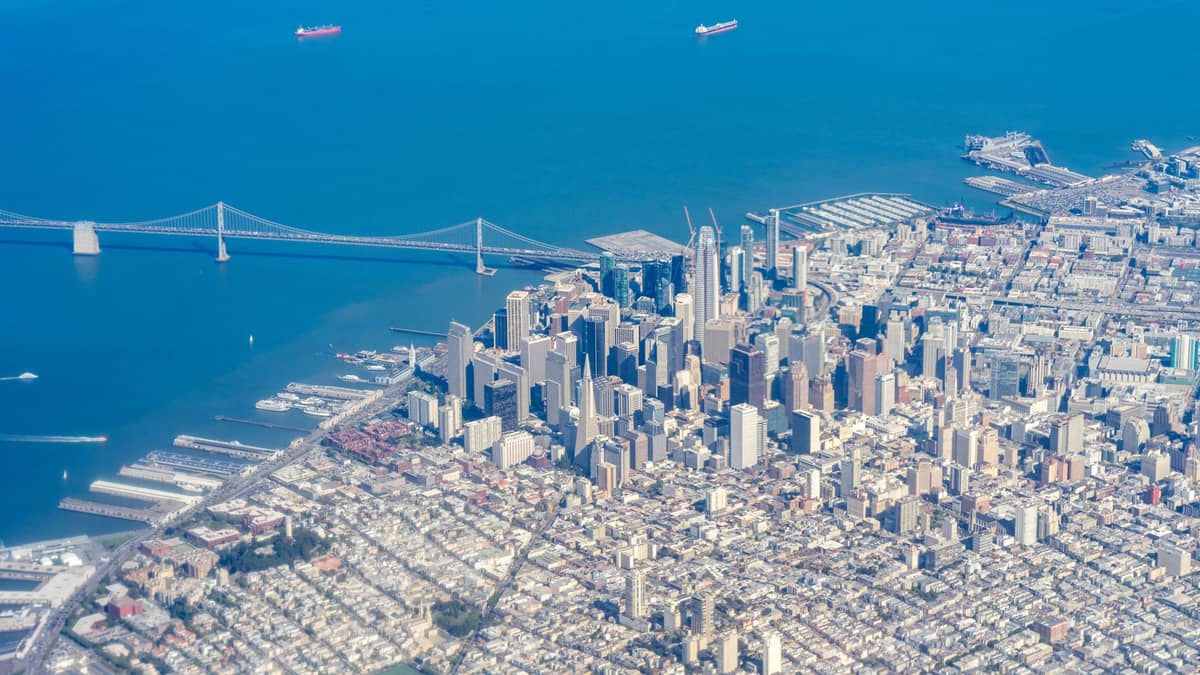
San Francisco to Los Angeles is approximately 347-350 miles (about 560-565 km) as the crow flies, but road distance via Interstate 5 runs closer to 380 miles of actual driving. It is one of the busiest intercity corridors in the United States, served by dozens of daily flights, multiple bus operators, and Amtrak's Coast Starlight train service. The sheer volume of options is part of what makes the decision genuinely complicated: the cheapest option on any given day depends heavily on when you book, whether you prioritize comfort or flexibility, and where in each city you're starting and ending.
San Francisco departures originate from San Francisco International Airport (SFO), located about 13 miles (21 km) south of downtown, or from the city's Caltrain/bus terminals. Los Angeles arrivals spread across multiple airports and bus/train stations throughout the metro area. That geographic spread matters: a cheap flight into Ontario International Airport (ONT) may save $30 but cost you 90 minutes of driving to central LA. Always account for the full door-to-door time when comparing options. For more on navigating SFO specifically, check the SFO airport guide.
Flying: Fastest, But Not Always the Simplest
A direct flight from SFO to LAX takes about 1 hour 15 minutes to 1 hour 30 minutes gate-to-gate. Add in airport arrival time (most carriers suggest arriving 90 minutes before a domestic flight), security, boarding, and then ground transport on the LA end, and your real door-to-door time is closer to 4-5 hours from San Francisco city center to a central LA location. That is still faster than driving, but not by the dramatic margin most people assume.
SFO to LAX is one of the most competitive domestic routes in the US. United, Alaska, Southwest, Delta, and American all fly it frequently, with roughly 190+ weekly flights from SFO to the greater Los Angeles area. One-way fares can drop as low as $33-50 during off-peak periods if you book several weeks in advance, though last-minute fares regularly exceed $150. The sweet spot is booking 3-6 weeks out for travel on weekdays (Tuesday and Wednesday departures tend to be cheaper than Friday and Sunday).
✨ Pro tip
Check flights into Burbank (BUR) or Long Beach (LGB) alongside LAX. Burbank is significantly easier to get in and out of than LAX, often has lower fares, and is closer to Hollywood, the San Fernando Valley, and Pasadena. The added convenience frequently outweighs a slightly longer flight or modest fare difference.
- SFO to LAX Most frequent route, most competition, best fare flexibility. ~223 weekly flights. Ground transport from LAX can be slow; the FlyAway bus to Union Station is a reliable, affordable option.
- SFO to BUR (Burbank) Smaller airport, faster exit. Ideal if your LA destination is north of downtown. Far less stressful than LAX for first-time visitors.
- OAK to LAX Oakland International is easier to reach from the East Bay; Southwest flies this route frequently with competitive fares. Worth comparing if you're not in central SF.
- SJC to LAX San Jose International is furthest from SF city center but can make sense if you're starting in the South Bay.
⚠️ What to skip
LAX ground transport is notoriously slow during peak hours. Rideshares must pick up at the LAX-it lot (a short shuttle ride from terminals), and waits of 30-45 minutes are common on Friday evenings and Sunday afternoons. Factor this into your total travel time calculation.
Driving: Two Very Different Roads
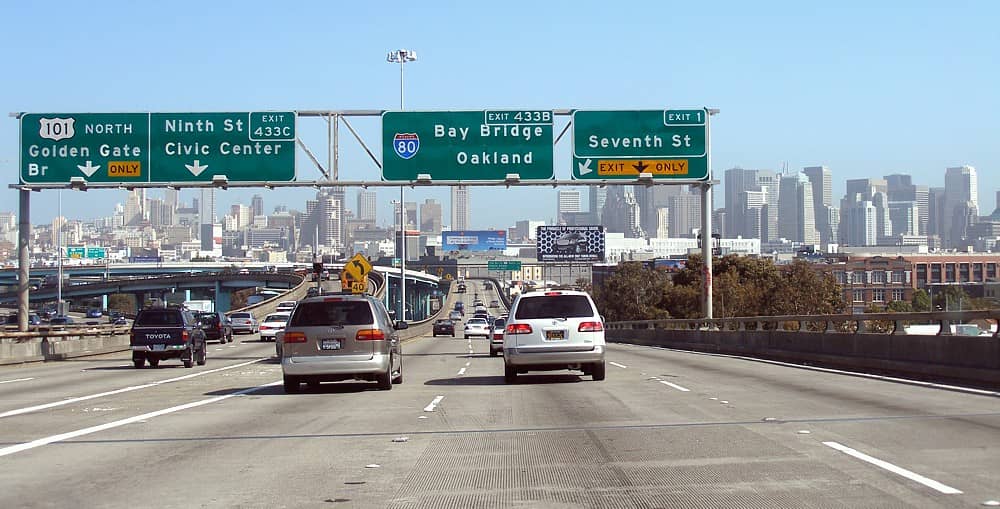
Driving from San Francisco to Los Angeles gives you two genuinely distinct experiences. Interstate 5 through the Central Valley is the practical choice: mostly flat, straightforward, and about 380 miles with a realistic drive time of 6-7 hours in light traffic. Highway 99 through the valley towns is a slower alternative with more stops, but I-5 is the default for anyone who simply wants to get there. The stretch through the Tejon Pass (the Grapevine) can see snow closures in winter, usually January through March, which occasionally adds significant delays or forces detours.
Highway 1 along the Pacific Coast is a fundamentally different proposition. The route is spectacular through Big Sur, passing through Carmel, San Simeon, Morro Bay, and Santa Barbara, but it typically takes 9-12 hours without extended stops and significantly longer if you actually stop to explore, which is the whole point. Sections of Highway 1 through Big Sur have suffered storm damage and landslide closures in recent years, particularly after heavy winter rainfall, so check Caltrans road conditions before departing. The PCH is better treated as a two-day road trip with an overnight stop than as a through-journey.
💡 Local tip
If you're renting a car, one-way rentals between SF and LA are common and competitively priced since operators need to rebalance fleets. Compare one-way drop fees across agencies; they vary significantly and sometimes the drop fee is waived entirely during periods of high demand in the destination city.
Bus: The Budget Option That Has Improved Considerably
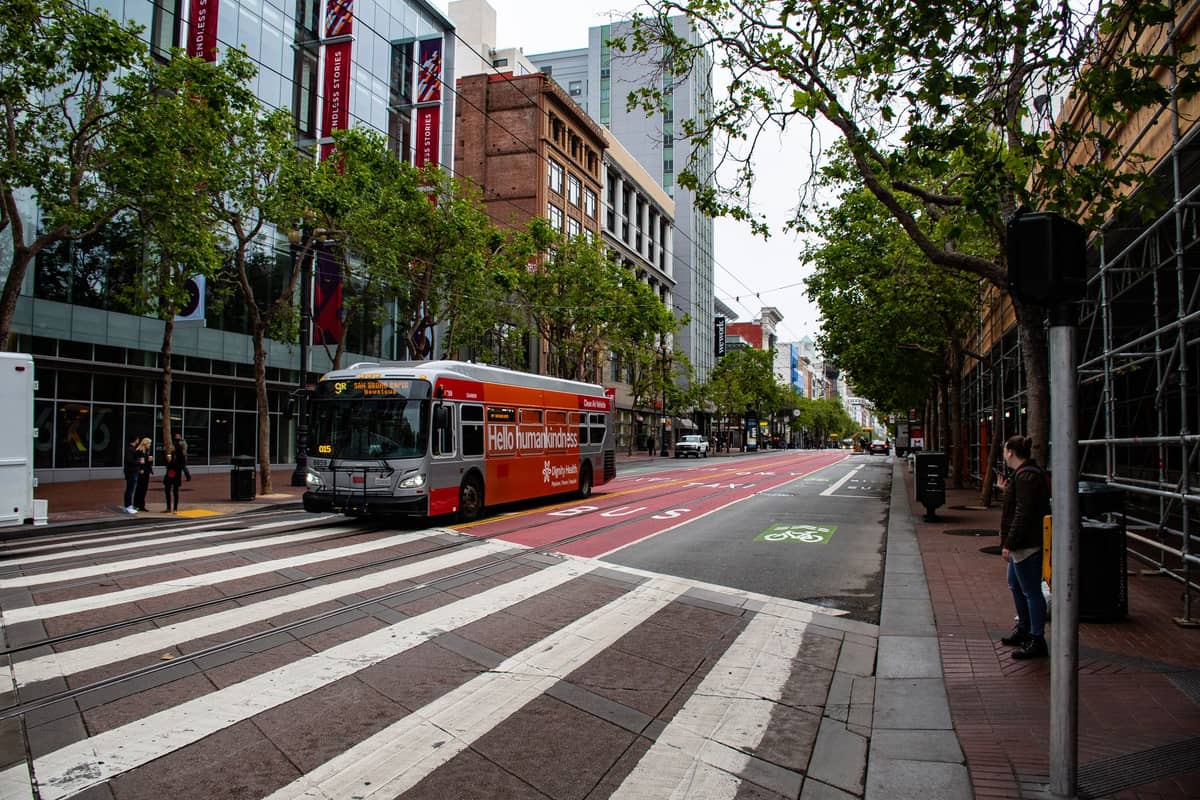
The intercity bus market on this corridor has genuinely improved over the past decade. FlixBus and Greyhound operate multiple daily departures, with FlixBus advertising some express services at around 7 hours 35 minutes on their fastest runs. Most services take longer, typically 8-11 hours, depending on the number of stops and traffic through the LA basin. Several buses per day operate on this route, with first departures around 06:00 and last departures later in the evening.
Fares average around $60-80 one-way depending on the operator and booking window, with occasional promotional fares lower than that. The bus is not glamorous, but modern FlixBus coaches have power outlets, free Wi-Fi, and reasonable legroom. For solo travelers on a tight budget who have flexibility on timing and don't mind sitting for several hours, the bus makes economic sense. It becomes less competitive as a group option once you factor in that a rental car split four ways often undercuts the bus fare per person.
Most SF departures leave from locations near the Caltrain station at 4th and King Street or the Transbay Transit Center on Howard Street, both in SoMa. For more on navigating San Francisco's transport network, the getting around San Francisco guide covers BART, Muni, and intercity connections in detail.
Train: Scenic, Slow, and Worth It for the Right Traveler
Amtrak's Coast Starlight is the primary train option between San Francisco and Los Angeles, though the situation involves a small complication: there is no train station in San Francisco itself on this route. Amtrak uses Emeryville station (across the bay in the East Bay) as its main Bay Area stop, with a free thruway bus connecting from the Caltrain station at 4th and King or the Ferry Building area in SF. The train itself runs to Los Angeles Union Station.
Total journey time including the thruway bus connection typically runs 10-12 hours. Tickets start around $46 one-way for coach class, though fares vary considerably based on how far in advance you book and which class you choose. Amtrak also offers business class and private roomettes on the Coast Starlight, the latter being a genuinely comfortable overnight option if you book a sleeping car. The scenery through the Salinas Valley and along the coast through Santa Barbara is legitimately impressive. This is not the fastest option by a considerable margin, but for travelers who enjoy the journey itself and want to arrive without dealing with airports or traffic, it has real appeal.
ℹ️ Good to know
There is no direct high-speed rail service between San Francisco and Los Angeles. California's High-Speed Rail project is under construction but is not expected to offer full SF-LA service for many years. Do not believe any itinerary that suggests a quick train option currently exists between the two cities.
How to Choose: A Practical Comparison
The right option depends on four factors: how much time you have, how much you want to spend, whether you need a car in LA, and whether the journey itself is part of the experience. For most travelers on a tight schedule, flying wins on time if fares are reasonable. For road trip enthusiasts or those who need a car in LA anyway, driving makes sense. The bus is the right call for budget-conscious solo travelers. The train suits those who genuinely enjoy rail travel or want a relaxed, car-free journey and don't mind the time.
- Best for speed Flying, specifically SFO to LAX or SFO to BUR on a direct flight booked 3-6 weeks out. Total door-to-door time: roughly 4-5 hours.
- Best for budget (solo) Bus via FlixBus or Greyhound. Fares from $45; express services under 8 hours. Book in advance for best prices.
- Best road trip Driving Highway 1 (PCH) with an overnight stop in Carmel or Santa Barbara. Allow 2 days minimum to do it properly.
- Best for car-free comfort Amtrak Coast Starlight with a roomette if your budget allows. Arrive at LA Union Station without the stress of driving or airports.
- Best for groups of 3-4 Driving via I-5 in a rental car. Split costs make it competitive with flying once you add baggage fees and airport transport.
If you have a few extra days and want to make the journey part of your California itinerary, consider combining the route with stops like Half Moon Bay heading south from SF, or building in a day trip to the Monterey Peninsula. San Francisco itself rewards extra time before departure: the San Francisco one-day itinerary is a good starting point if you have limited time in the city.
Travelers new to San Francisco often underestimate how much is worth seeing before heading south. The first-time visitor guide covers the essentials, and for those on a tight budget, free things to do in San Francisco can help you make the most of your time without extra expense before you depart.
FAQ
How long does it take to get from San Francisco to Los Angeles?
It depends on the method. Flying takes about 1h15-1h30 in the air, but door-to-door from city center to city center is closer to 4-5 hours. Driving via I-5 takes 6-7 hours in light traffic, and more with stops or congestion. Bus services range from about 7 to 11 hours. Amtrak plus the thruway bus connection typically takes 10-12 hours total.
What is the cheapest way to get from San Francisco to Los Angeles?
Budget bus operators like FlixBus and Greyhound frequently offer one-way fares in the $60-80 range, and promotional fares can be lower. Flights occasionally drop to $33-50 one-way when booked well in advance, which can actually undercut the bus if you travel light and avoid checked baggage fees. Amtrak coach class starts around $46-60 but takes significantly longer.
Is there a direct train from San Francisco to Los Angeles?
There is no direct high-speed train. Amtrak's Coast Starlight runs between the Bay Area (Emeryville station, with a thruway bus connection from SF) and Los Angeles Union Station, taking roughly 10-12 hours total. California's High-Speed Rail project is under construction but is not yet operational on this corridor.
Is it worth driving the Pacific Coast Highway from SF to LA?
Yes, if you treat it as a road trip rather than a simple transfer. The PCH through Big Sur and along the Santa Barbara coast is one of the most scenic drives in the US. Plan for at least 2 days, with an overnight stop in Carmel or Santa Barbara. Note that sections of Highway 1 through Big Sur are occasionally closed due to storm damage or landslides, particularly in winter and spring, so check Caltrans road conditions before you go.
Which airport should I fly into in Los Angeles?
LAX is the most connected and typically offers the most flight options and competitive fares, but it is also the most congested to exit. Burbank (BUR) is considerably easier to navigate and closer to Hollywood and the Valley. Long Beach (LGB) suits travelers heading to the South Bay or Orange County. If you're booking primarily on price, compare all LA-area airports before committing.