Luxury San Francisco: The Complete Guide to High-End Hotels, Dining & Experiences
San Francisco offers a deep luxury travel scene for a city of its size. This guide covers where to stay, what to eat, which experiences justify the price, and how to time your visit to get the best value on high-end accommodations.
Plan and book this trip
Tools from our partner Travelpayouts help you compare flights and hotels. If you book through them, we may earn a commission at no extra cost to you.
Flights
Hotels map
TL;DR
- Average luxury hotel rates run $283–$287 per night, but April peaks near $724/night and December dips to some of the year's lowest rates.
- Nob Hill, Union Square, SoMa, and the Financial District are the four main luxury hotel corridors, each with a distinct character.
- September and October are the warmest, clearest months in SF — ideal for combining luxury stays with outdoor experiences like the Golden Gate Bridge and Presidio.
- Friday is typically the cheapest night to book luxury hotels; Tuesday is usually the most expensive.
- Fine dining in SF ranges from casual Michelin-starred taquerias to multi-course tasting menus topping $400 per person — know what you're booking before you commit.
Understanding Luxury in San Francisco
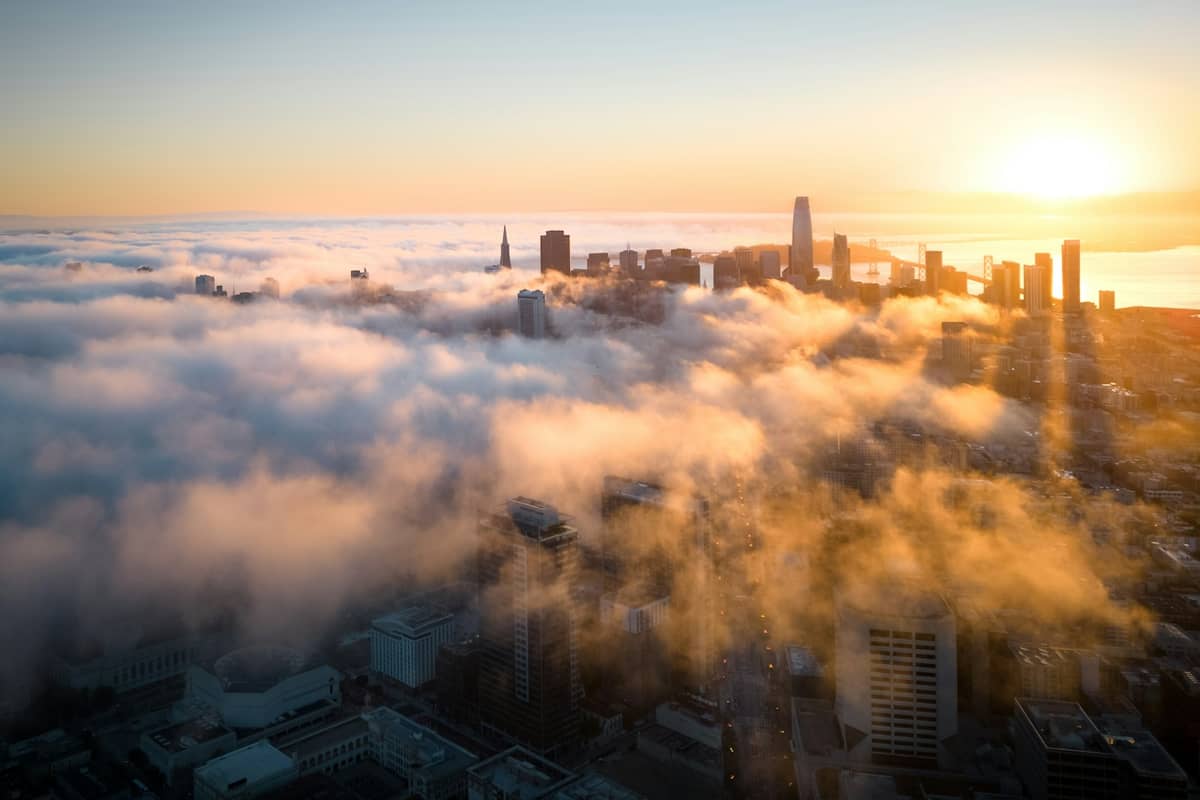
San Francisco occupies just 46.87 square miles of land, which means luxury hotels, top restaurants, and high-end experiences are geographically compressed in a way that makes the city unusually efficient for upscale travel. You rarely need more than 15 minutes to get between a flagship hotel and a Michelin-starred restaurant. That density is a genuine advantage, not just a talking point.
The city's luxury market is also surprisingly seasonal in ways that defy expectations. Unlike most American cities where summer is peak season for prices, San Francisco's famous fog keeps June and July cooler than autumn. The warmest, clearest conditions arrive in September and October, which align with some of the year's higher hotel rates. For the full picture on when to go, the best time to visit San Francisco guide breaks down each month by weather, crowds, and cost.
ℹ️ Good to know
San Francisco operates on Pacific Time (PT), which is UTC-8 in winter and UTC-7 during daylight saving. All hotel check-in times, restaurant reservations, and experience bookings operate on this timezone. If you're arriving from the East Coast or internationally, factor in the time difference when confirming bookings.
Luxury Hotel Neighborhoods: Where to Base Yourself
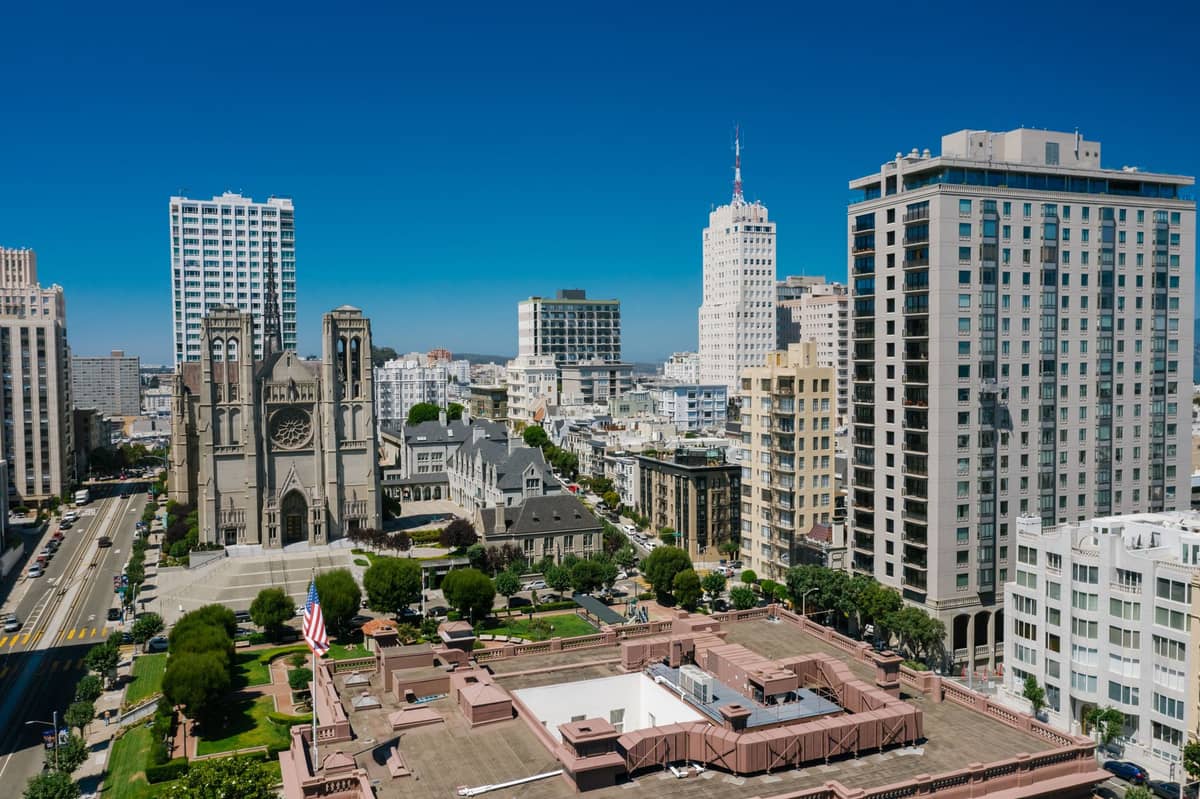
Choosing the right neighborhood matters as much as choosing the right hotel. Each luxury corridor in San Francisco has a distinct atmosphere, and the wrong fit can undermine an otherwise excellent stay.
- Nob Hill The most classically 'grand hotel' neighborhood in the city. Perched high above downtown with cable car access on both the Powell-Hyde and California Street lines, it offers a sense of remove from street-level activity. Properties here tend toward formal elegance. Not ideal if walkability to restaurants and nightlife is your priority.
- Union Square / Downtown The commercial core of San Francisco, with the densest concentration of luxury hotels and direct access to major retail. Convenient, but loud and heavily touristed. Best for travelers who want maximum logistics efficiency. The Palace Hotel, a Luxury Collection Hotel, anchors the southern edge of this district.
- SoMa (South of Market) Home to SFMOMA, the Moscone Convention Center, and a cluster of design-forward hotels. Rates here can be competitive with Nob Hill properties while offering proximity to the city's best contemporary art and dining scenes. A strong choice for design-conscious travelers.
- Financial District / Embarcadero Quieter on weekends, but walking distance to the Ferry Building, waterfront, and some of the city's best restaurant groups. This is where business travelers dominate Monday through Thursday, which explains why Tuesday rates spike citywide.
From any of these neighborhoods, San Francisco International Airport (SFO) is roughly 13 miles south. BART connects SFO directly to downtown stations like Powell Street and Montgomery Street in about 30 minutes. A rideshare in light traffic takes around 25 minutes, though peak-hour traffic on US-101 can stretch that to 45-60 minutes. For a full breakdown of transit and transfer options, see the San Francisco airport guide.
Pricing Patterns: When to Book and What to Expect
Luxury hotel rates in San Francisco average around $283–$287 per night, but that average conceals extreme variation. The entry point for legitimate luxury (not just upscale) starts around $191–$245 per night during low season. Mid-tier luxury properties in peak months run $400–$600 per night, and premium suites at flagship properties exceed $700 per night routinely.
April is the most expensive month for luxury hotels in the city, with average nightly rates approaching $724. December, counterintuitively, is one of the cheapest months for luxury stays despite the holiday period — expect rates closer to the $283 average or below. January is similarly soft.
✨ Pro tip
Book luxury stays for a Friday or Saturday arrival. Friday is typically the cheapest night of the week for San Francisco luxury hotels — the business travel demand that inflates Tuesday and Wednesday rates drops off sharply. A Friday check-in can save $80–$150 per night at the same property compared to a Tuesday arrival.
- Cheapest months overall: February, November, December
- Most expensive months: April, August, September, October
- Cheapest day to arrive: Friday (for luxury hotels)
- Most expensive day to arrive: Tuesday (for luxury hotels)
- Low-season luxury entry point: around $191–$245 per night
- Peak luxury average: around $724 per night in April (based on booking data)
- Standard luxury average across the year: $283–$287 per night
⚠️ What to skip
All prices listed here are based on aggregated booking data and represent estimates. Rates shift daily based on availability, demand, and platform. Always verify current pricing directly with the hotel or through major booking platforms. Prices above are for 1-night stays for 2 adults and do not include taxes, resort fees, or parking charges — all of which add materially to the final bill in San Francisco.
Notable Luxury Hotels Worth Knowing
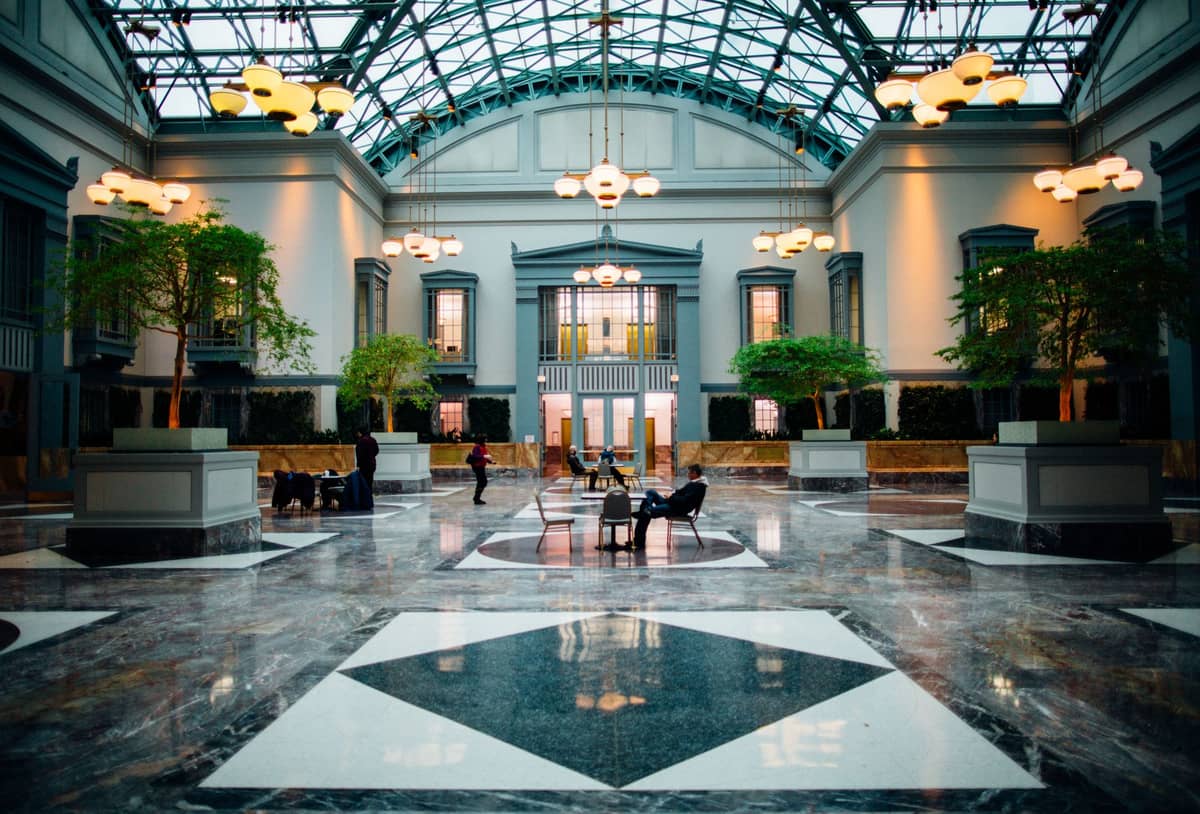
A few properties stand out not just for star ratings but for what they actually deliver. The Palace Hotel, a Luxury Collection Hotel, is the most historically significant luxury address in the city. Originally opened in 1875, it has hosted presidents and foreign dignitaries, and its Garden Court atrium remains one of the most architecturally impressive interior spaces in San Francisco. Standard room rates typically range from the mid-$200s to $500+ per night depending on season, with check-in at 4:00 pm and check-out at noon.
The Four Seasons Hotel San Francisco and Taj Campton Place regularly appear at the top of Forbes Travel Guide ratings for the city. The Four Seasons at Embarcadero Center occupies upper floors of a high-rise, offering bay views that are genuinely worth the premium. Taj Campton Place on Union Square is smaller and more intimate, which some guests strongly prefer over large-footprint luxury properties. Sample rates at both properties run approximately $400–$700 per night for standard rooms.
One common misconception: luxury accommodations are not limited to Union Square. Nob Hill has its own cluster of grand properties accessed easily via the cable car lines covered in the San Francisco cable car guide. The broader Bay Area also has high-end options in Silicon Valley for travelers combining leisure with business in Menlo Park or Sunnyvale, though those require a car or Caltrain to reach.
Fine Dining: What San Francisco's Restaurant Scene Actually Offers
San Francisco has more Michelin-starred restaurants per capita than almost any American city. The range is genuinely wide: Californian tasting menus, Japanese omakase counters, a handful of French-influenced dining rooms, and famously, some of the most refined Mexican food in the country. The price range is equally wide. A Michelin-starred tasting menu at a top property runs $200–$400 per person before wine pairings; a Michelin Bib Gourmand taco spot might cost $15–$25.
For travelers who want to understand what to eat and where the local obsessions lie, the what to eat in San Francisco guide covers the full spectrum from sourdough to omakase. For the specific Mission District burrito culture that SF is internationally known for, the San Francisco Mission burrito guide is worth reading even if you're primarily focused on fine dining — it provides crucial context for why SF's food culture is what it is.
Reservations are essential at any restaurant that matters here. For the most in-demand dining rooms, expect to book 4–6 weeks in advance minimum, and some flagship tasting menu restaurants operate waitlists months out. Many luxury hotels have concierge services that maintain relationships with key restaurants, which is one genuine advantage of booking a high-end property with strong local connections. A good hotel concierge in San Francisco can often secure a table that's technically 'unavailable' online.
High-End Experiences Beyond Hotels and Restaurants
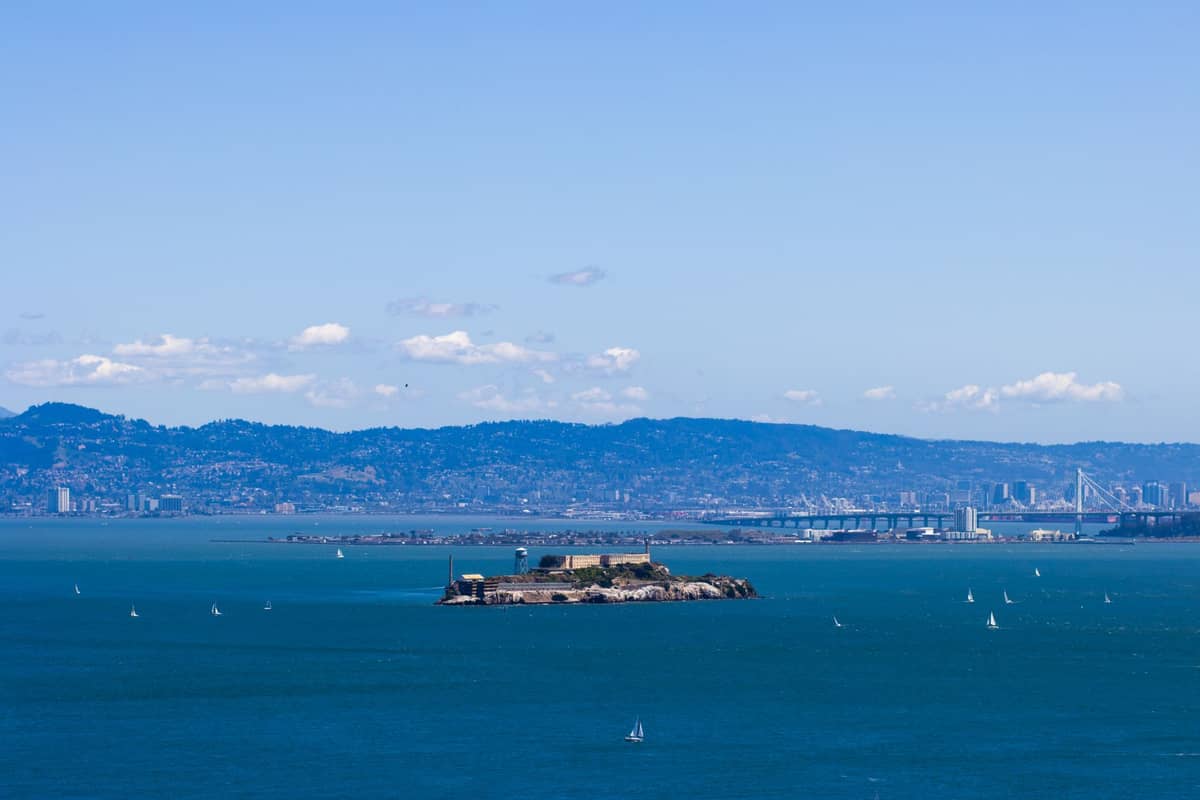
Luxury in San Francisco isn't limited to indoor venues. Some of the best high-end experiences in the city are rooted in its geography. Private guided visits to Alcatraz Island — including the after-dark 'Night Tour' — are significantly more expensive than standard day tickets but offer a fundamentally different experience. Charter boat tours of San Francisco Bay, including passage under the Golden Gate Bridge, start at a few hundred dollars for small group charters and scale up considerably for private vessels.
The de Young Museum in Golden Gate Park hosts ticketed member events and private after-hours tours that rarely appear on standard travel itineraries. For a city overview with serious art credentials, the Legion of Honor in Lincoln Park offers one of the most dramatic settings of any art museum in the western United States, with views across the bay to the Marin Headlands. Neither museum has the tourist density of comparable institutions in New York or Los Angeles, which is part of what makes them worth prioritizing. For a broader look at the city's gallery and museum landscape, the best museums in San Francisco guide covers the full range.
Day trips from the city are also worth considering for luxury travelers. Private wine tours to Napa Valley, roughly 60 miles north of San Francisco, are a natural extension of a high-end city stay. Full-day private tour operators charge about $300–$800 per person and include transportation, winery access, and often a private tasting or hosted lunch. This is a materially better experience than self-driving, particularly if the goal is serious wine engagement rather than Instagram content.
FAQ
What is the average cost of a luxury hotel in San Francisco per night?
Luxury hotel rates in San Francisco average around $283–$287 per night across the year. However, the range is significant: entry-level luxury runs roughly $191–$245 per night in low season (December, January, February), while peak months like April see averages near $724 per night. Premium suites at flagship properties routinely exceed $700 per night year-round.
What is the best neighborhood to stay in for a luxury visit to San Francisco?
It depends on priorities. Nob Hill offers classic grand-hotel atmosphere and cable car access. Union Square has the most hotel options and retail convenience but is heavily touristed. SoMa suits design-focused travelers who want proximity to contemporary arts and dining. The Embarcadero/Financial District is best for waterfront access and quieter weekends. None of these is objectively 'best' — match the neighborhood character to your travel style.
Is summer the most expensive time for luxury hotels in San Francisco?
Not necessarily. April is typically the most expensive month, driven by conference season and spring demand. August through October is also expensive due to the city's warmest weather. June and July are peak tourist season but can have more moderate hotel rates compared to April or September, partly because the fog keeps temperatures cooler than visitors expect.
How do I get from SFO to a luxury hotel in downtown San Francisco?
BART is the most reliable option: trains from SFO's International Terminal connect to downtown stations (Powell Street, Montgomery, Civic Center) in about 30 minutes. Fares are distance-based — check BART's current fare tables before traveling. A rideshare or taxi takes 25–30 minutes in light traffic but can stretch to 45–60 minutes during peak commute hours.
Do San Francisco luxury hotels charge resort fees?
Some do, particularly larger chain properties. Resort and destination fees are not universally applied in San Francisco the way they are in Las Vegas or Miami, but they are increasingly common. Always check the full pricing breakdown including taxes and fees before confirming a booking. A room advertised at $300 per night can arrive at checkout closer to $380–$420 after taxes, the 14% hotel occupancy tax, a destination marketing assessment, and any applicable resort or destination fee.