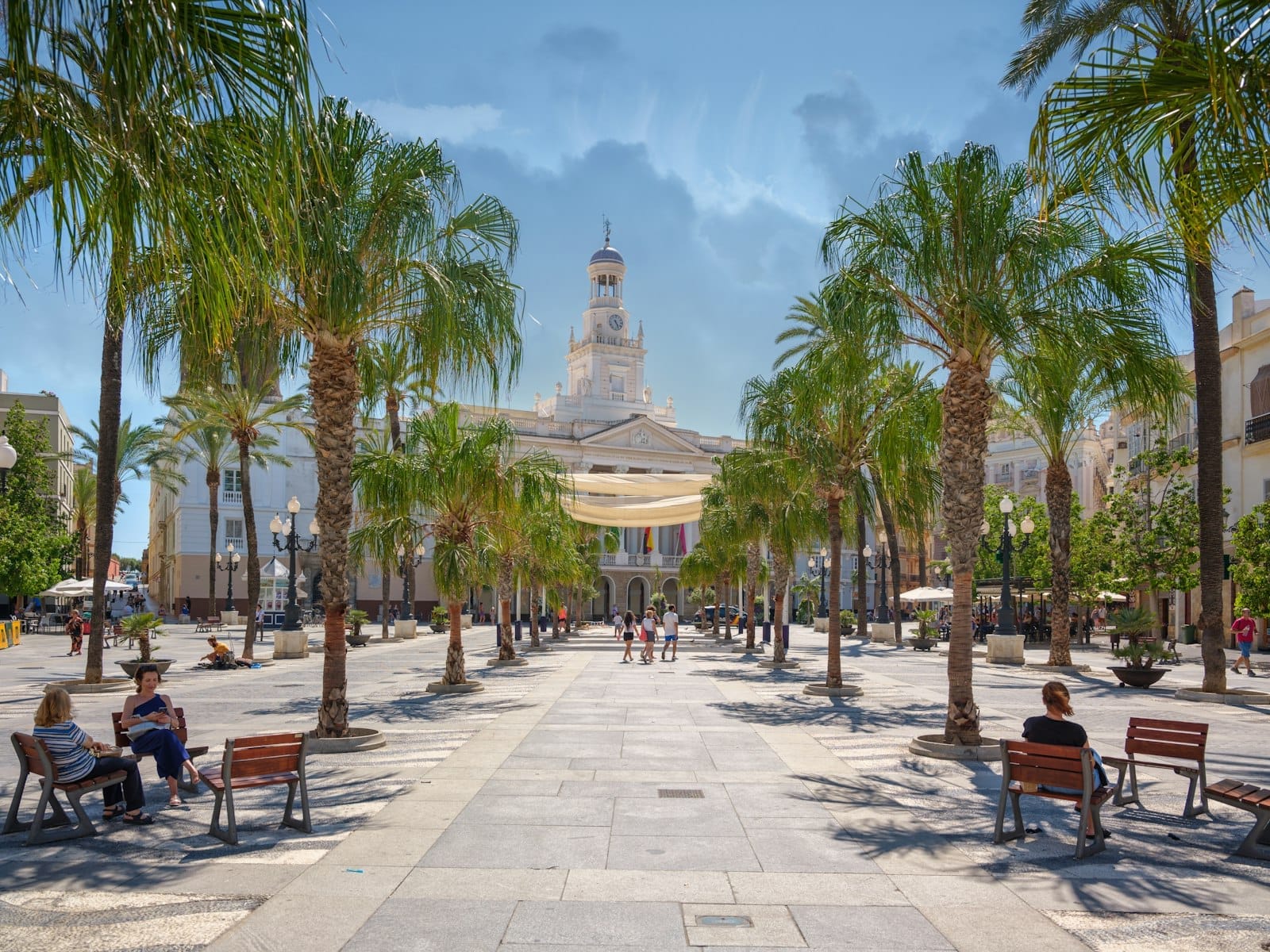
The Centro Histórico is the ancient walled core of Cádiz, a compact peninsula neighborhood where Baroque cathedrals, Roman ruins, flower markets, and Atlantic sea walls exist within a few minutes' walk of each other. It is where the city's history, daily life, and festive identity all converge, and it remains the natural starting point for any visit to Cádiz.
The Centro Histórico of Cádiz is the densely layered old city at the tip of the peninsula, almost entirely encircled by the Atlantic and packed into a grid of narrow streets that have been walked for centuries. It holds the Cathedral, the Roman theatre, the central market, the city's best viewpoints, and the main stages for the famous February Carnival, all within a neighborhood compact enough to cross on foot in under twenty minutes.
Orientation
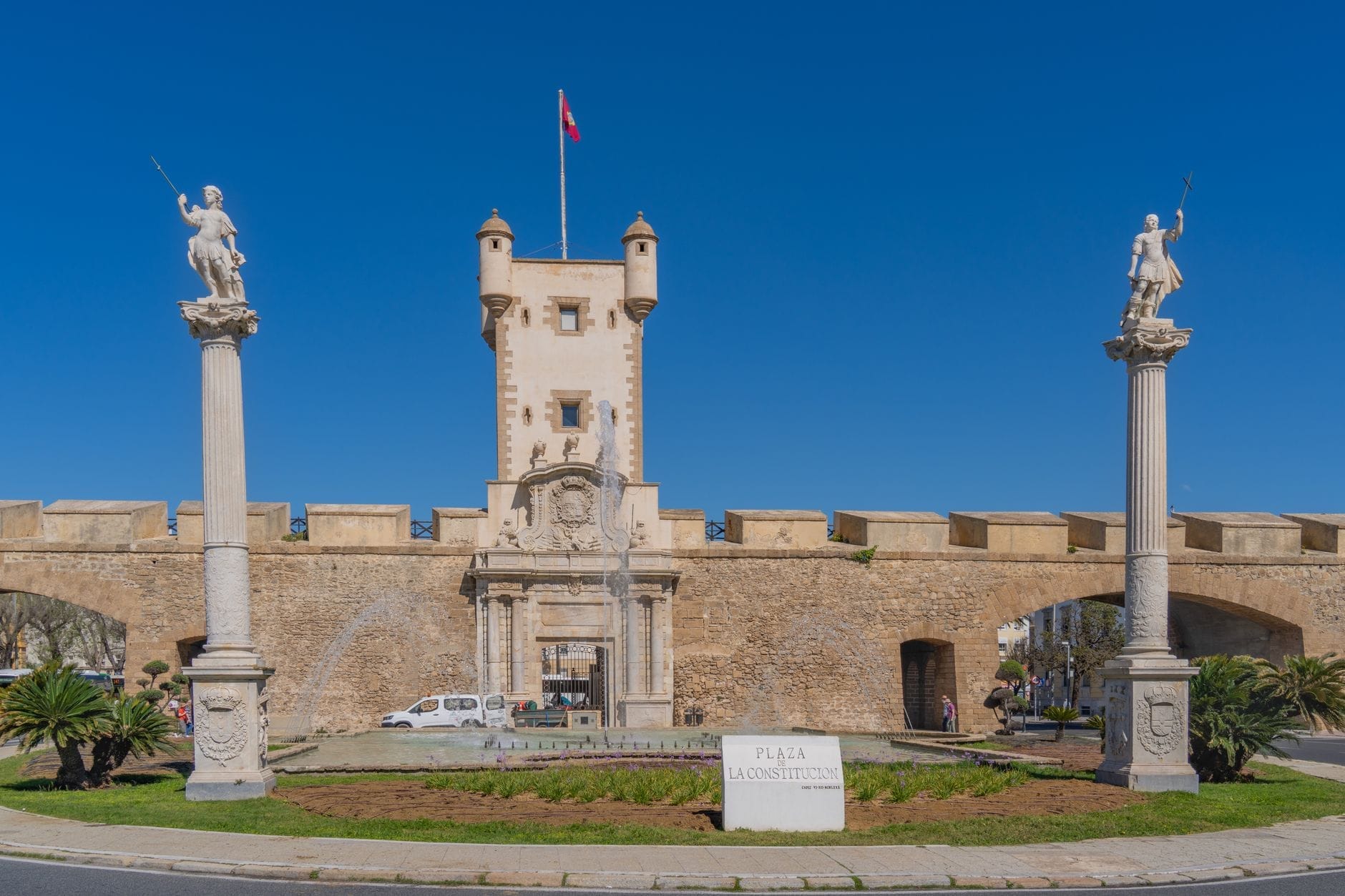
Cádiz sits at the end of a narrow peninsula jutting into the Atlantic on the southwestern coast of Andalusia. The Centro Histórico occupies the northwestern tip of that peninsula, the oldest and densest part of the city, separated from the newer residential districts to the southeast by the Puertas de Tierra, the historic land gates that once marked the boundary of the walled city.
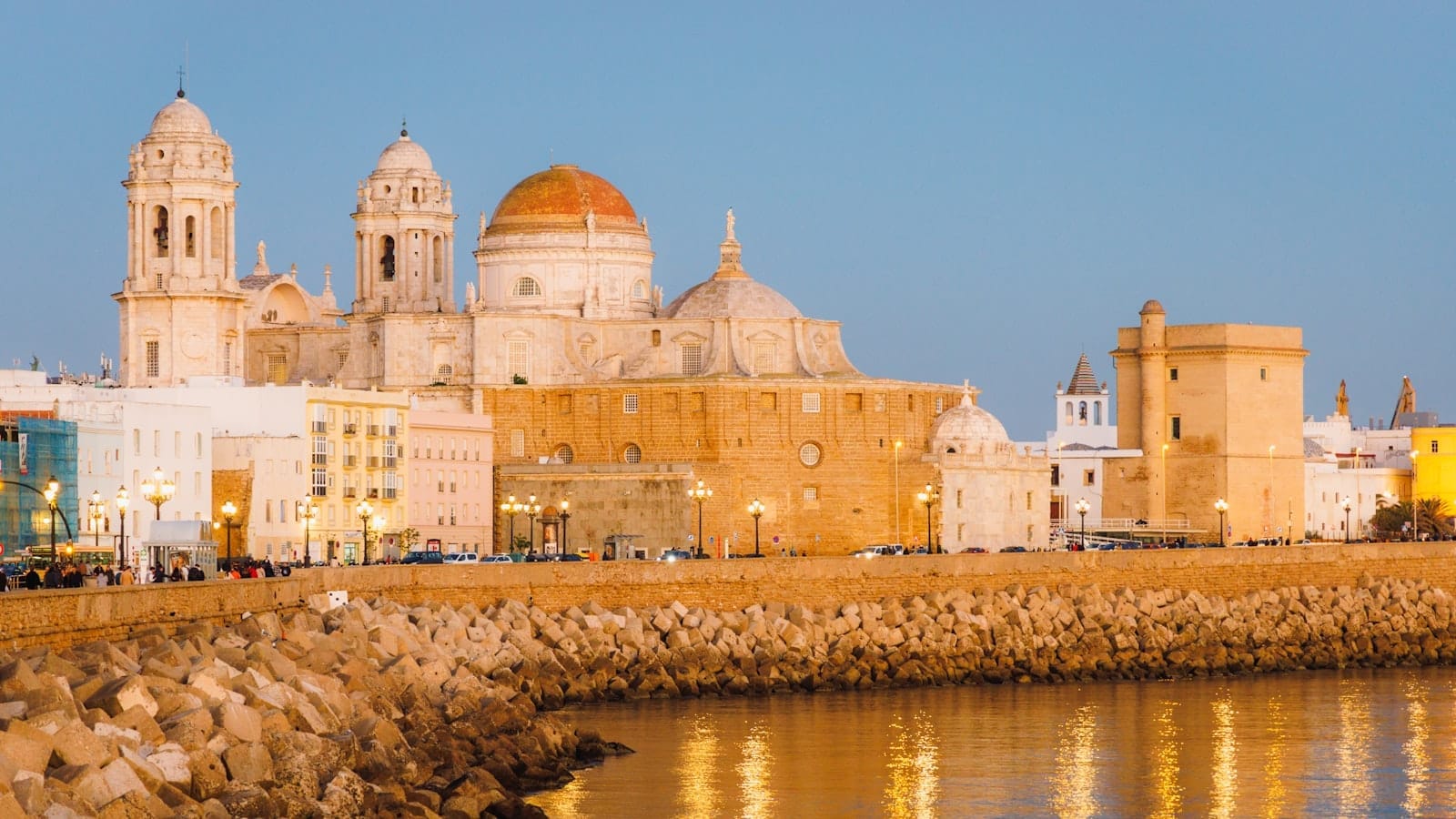
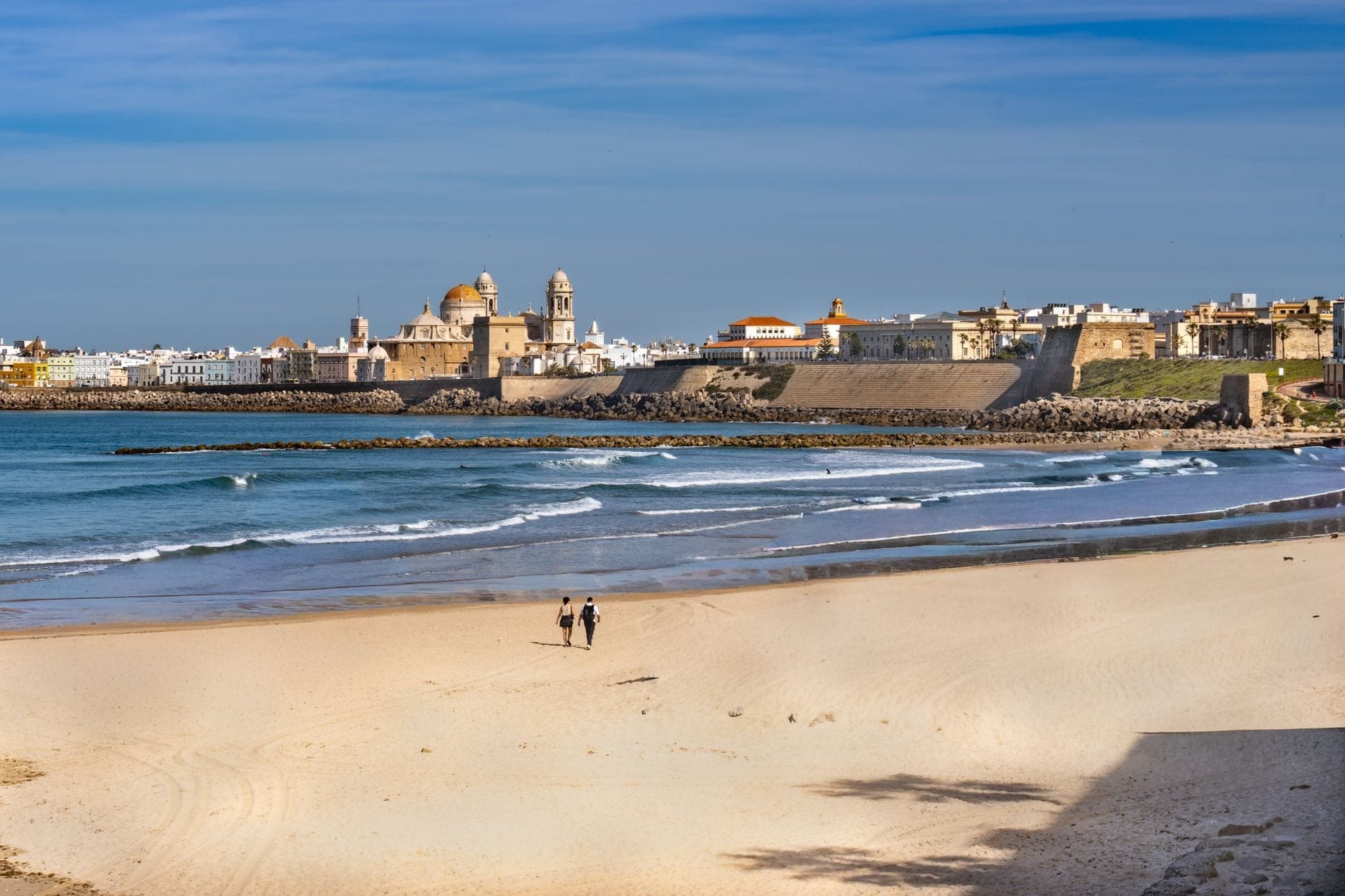
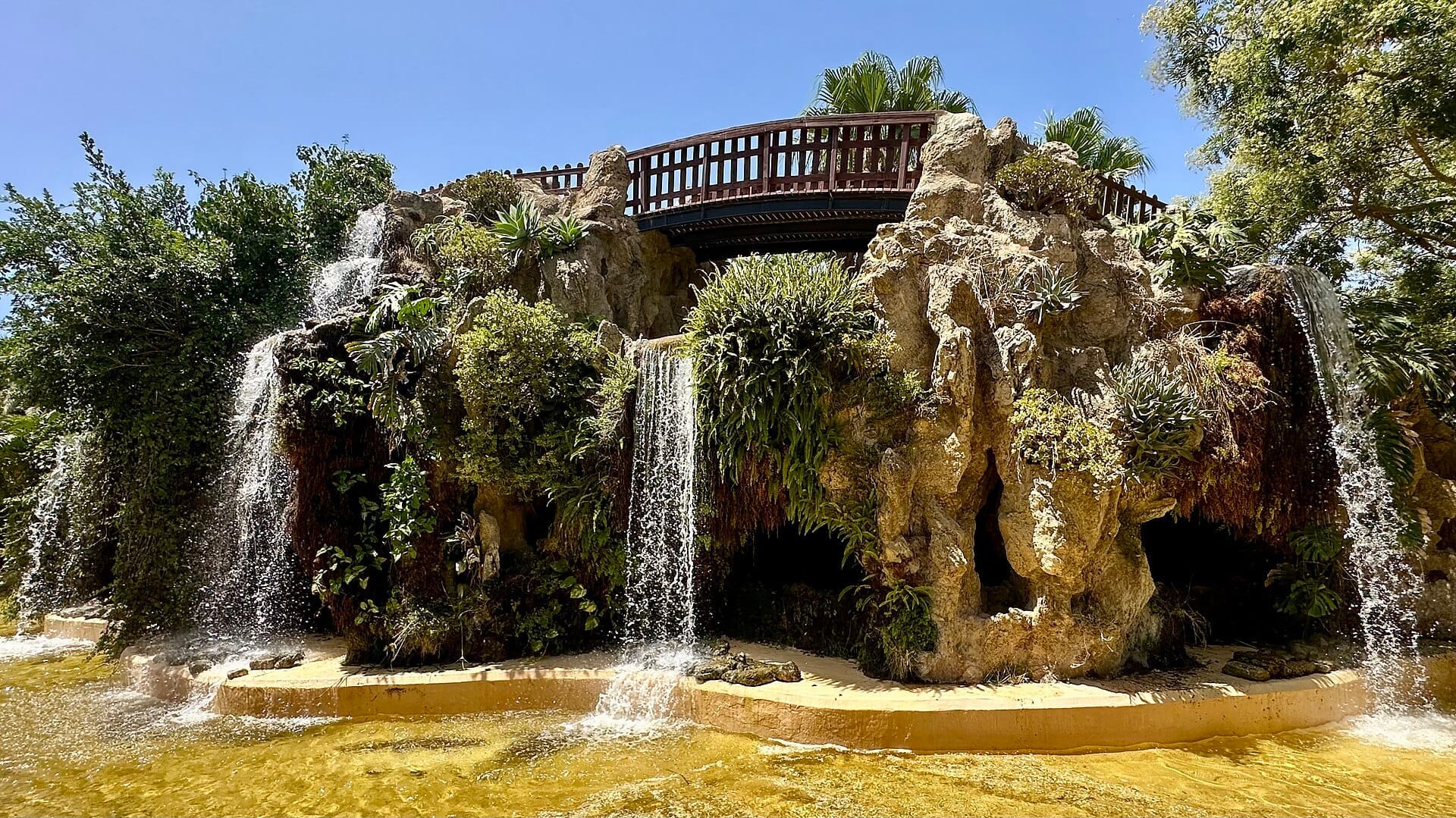
Think of the old town as a rough triangle with the sea on three sides. The eastern shore faces the Bay of Cádiz (Bahía de Cádiz), while the western and northern shores face the open Atlantic. The Campo del Sur promenade runs along the bay-facing edge, offering the iconic view of the Cathedral dome rising above the old sea walls. The Alameda Apodaca and Parque Genovés anchor the northwestern tip, where the walls are most dramatic and the horizon is unobstructed ocean.
Within the old town, several distinct sub-neighborhoods are worth understanding separately. El Pópulo is the oldest surviving medieval quarter, clustered around the Roman theatre and the Cathedral's rear facade. La Viña is the working-class district along the western Atlantic shore, most closely associated with Carnival culture and local fishermen's traditions. Santa María, between La Viña and El Pópulo, is the neighborhood most identified with Cádiz's flamenco heritage. Understanding how these quarters sit relative to one another helps you read the old town as it reveals itself street by street.
The main train and bus stations sit at the southeastern edge of the isthmus, outside the Centro Histórico proper, near the Puertas de Tierra. From there, it is roughly a 10-15 minute walk northwest along Calle San José or Calle Columela to reach the Cathedral and the heart of the old town. Everything within the historic core is navigable on foot; the area is small enough that the Cathedral is typically within a short walk from most points inside the walls.
Character & Atmosphere
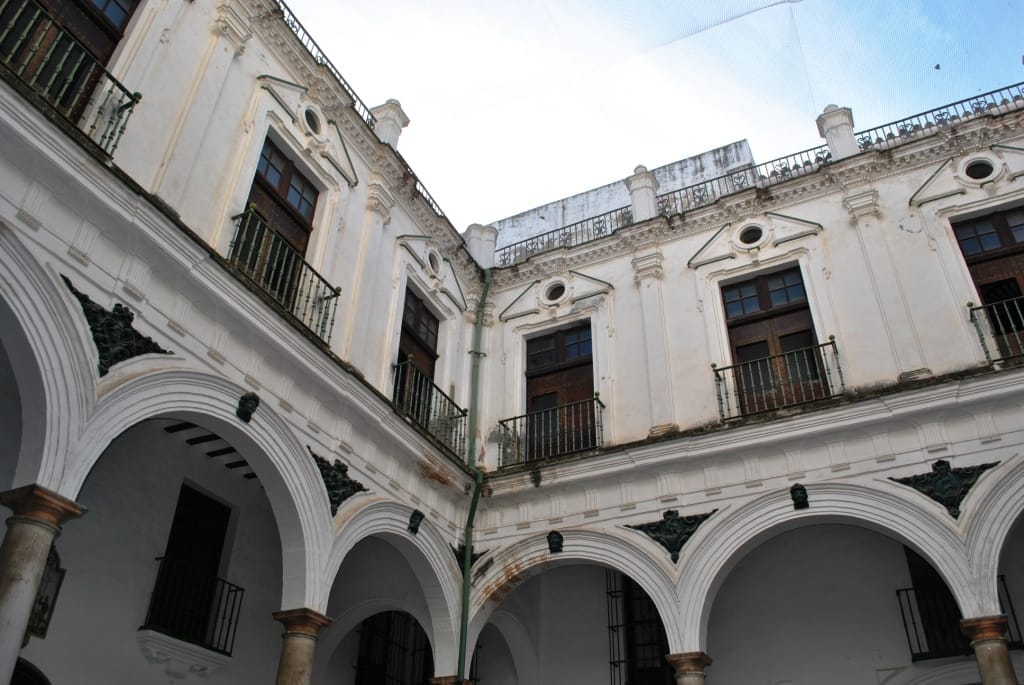
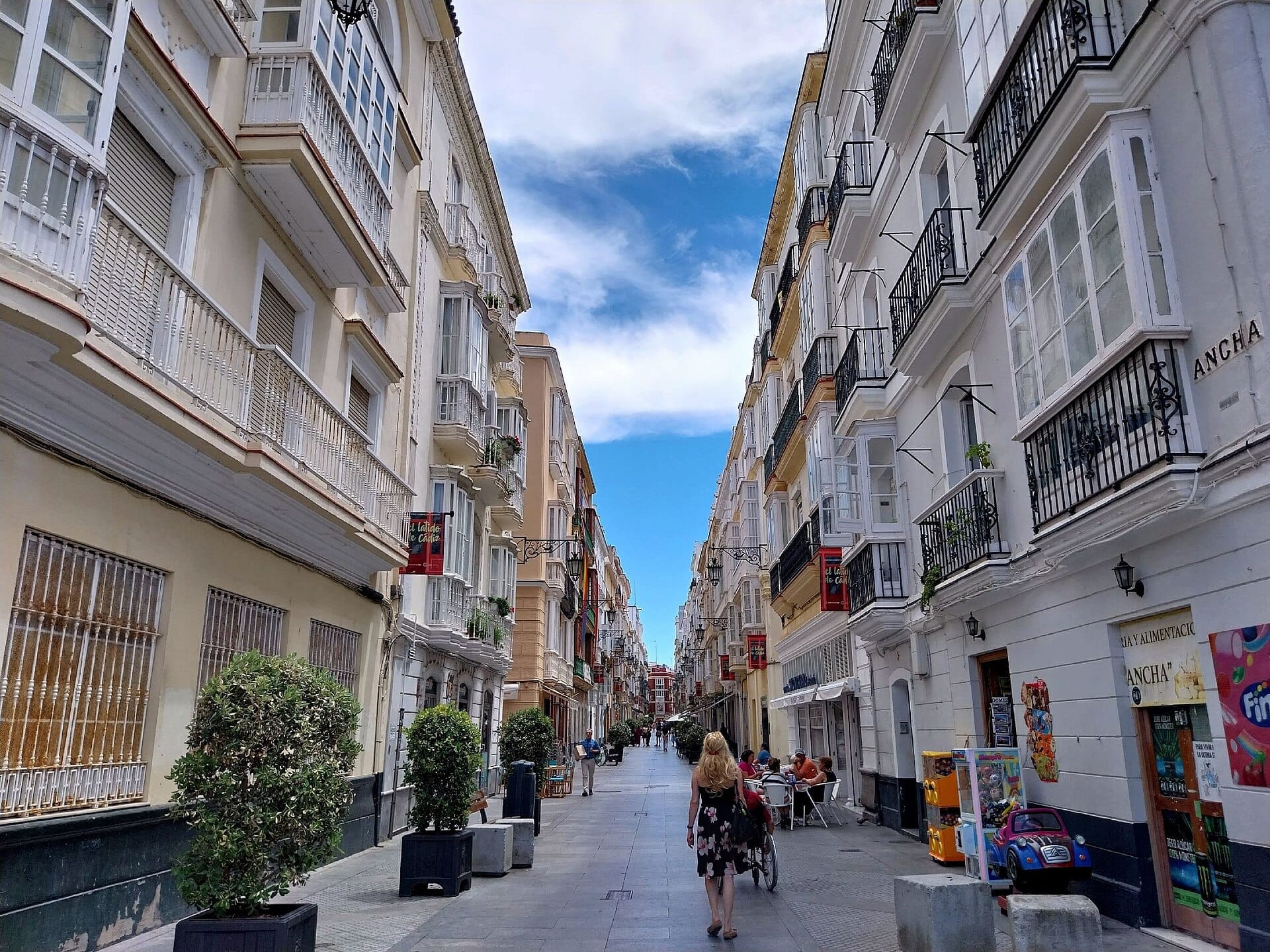
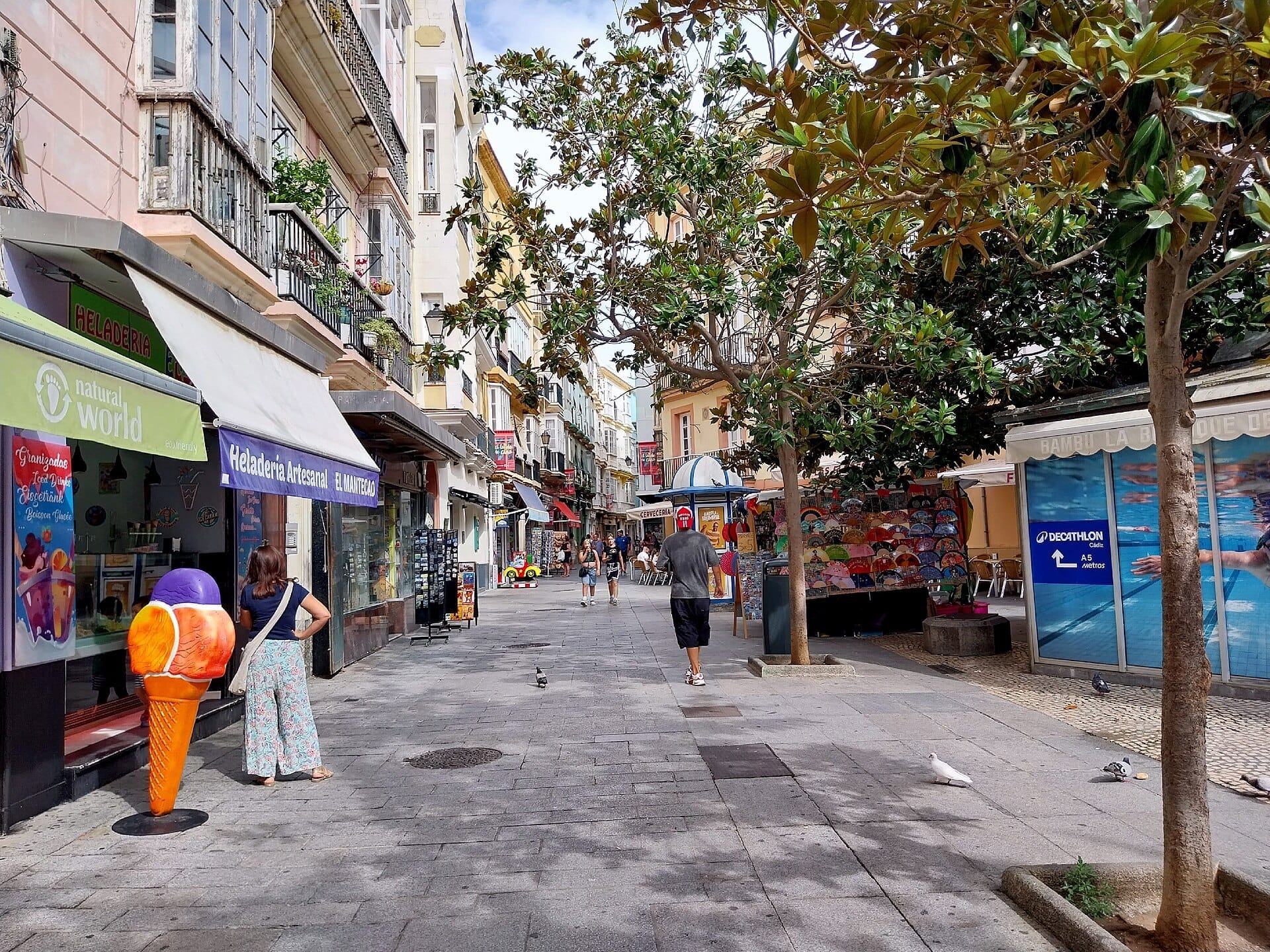
The first thing most visitors notice about the Centro Histórico is the scale. The streets are genuinely narrow, not in the theatrical way of tourist-facing reconstructions, but in the practical way of a city that grew on a tiny peninsula where land was always scarce. In some alleys you can nearly touch both walls with outstretched arms. The buildings rise three and four storeys, their wrought-iron balconies draped with laundry or potted geraniums, and the light that reaches street level is filtered and cool even in summer.
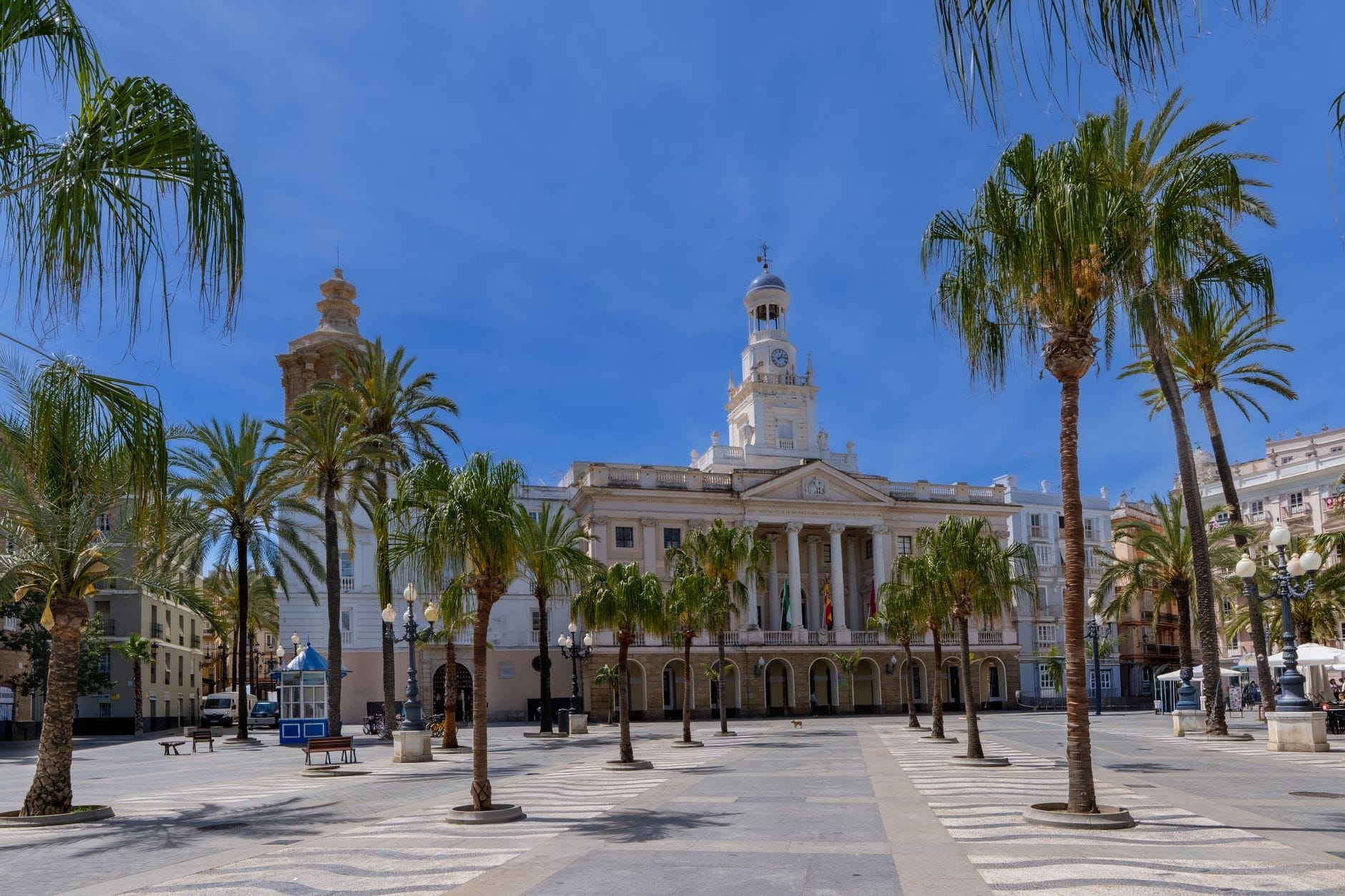
Mornings in the Centro Histórico have a distinct rhythm. Before nine o'clock, the streets around the Mercado Central fill with the sound of traders setting up, trolleys rattling over stone, and the low conversation of gaditanos going about their daily shopping. The flower stalls around Plaza de las Flores give that square its name in the most literal way: the smell of cut flowers mixes with coffee from the surrounding cafés. By mid-morning the tourist circulation picks up, but the market remains primarily a place for locals buying fish, vegetables, and cheese.
Afternoons are quieter and more introspective. Between two and five o'clock, the streets empty as significantly as any Andalusian city honors the midday pause. The light in the old town at this hour is particular: the low Atlantic sun cuts sideways through the narrow streets, throwing hard shadows across pale ochre and white facades, and the Cathedral dome catches it in a way that photographs struggle to convey. This is actually one of the best times to walk without crowds and study the city's architecture closely.
Evenings shift the old town's personality again. The terrace bars and tapas spots along Calle Plocia, around Plaza de la Mina, and near the Cathedral fill steadily from eight o'clock onward. The streets carry music from bar doors left open, and on warm nights the lanes around La Viña and Santa María can feel genuinely festive. The old town is not a loud or threatening place after dark, but it is lively in the way a city that has always lived outdoors tends to be.
💡 Local tip
If you want the Centro Histórico largely to yourself, arrive at the Cathedral, Torre Tavira, or the Roman theatre before ten in the morning. The organized day-tripper groups from Seville and the Costa de la Luz tend to arrive mid-morning and peak between eleven and two.
What to See & Do
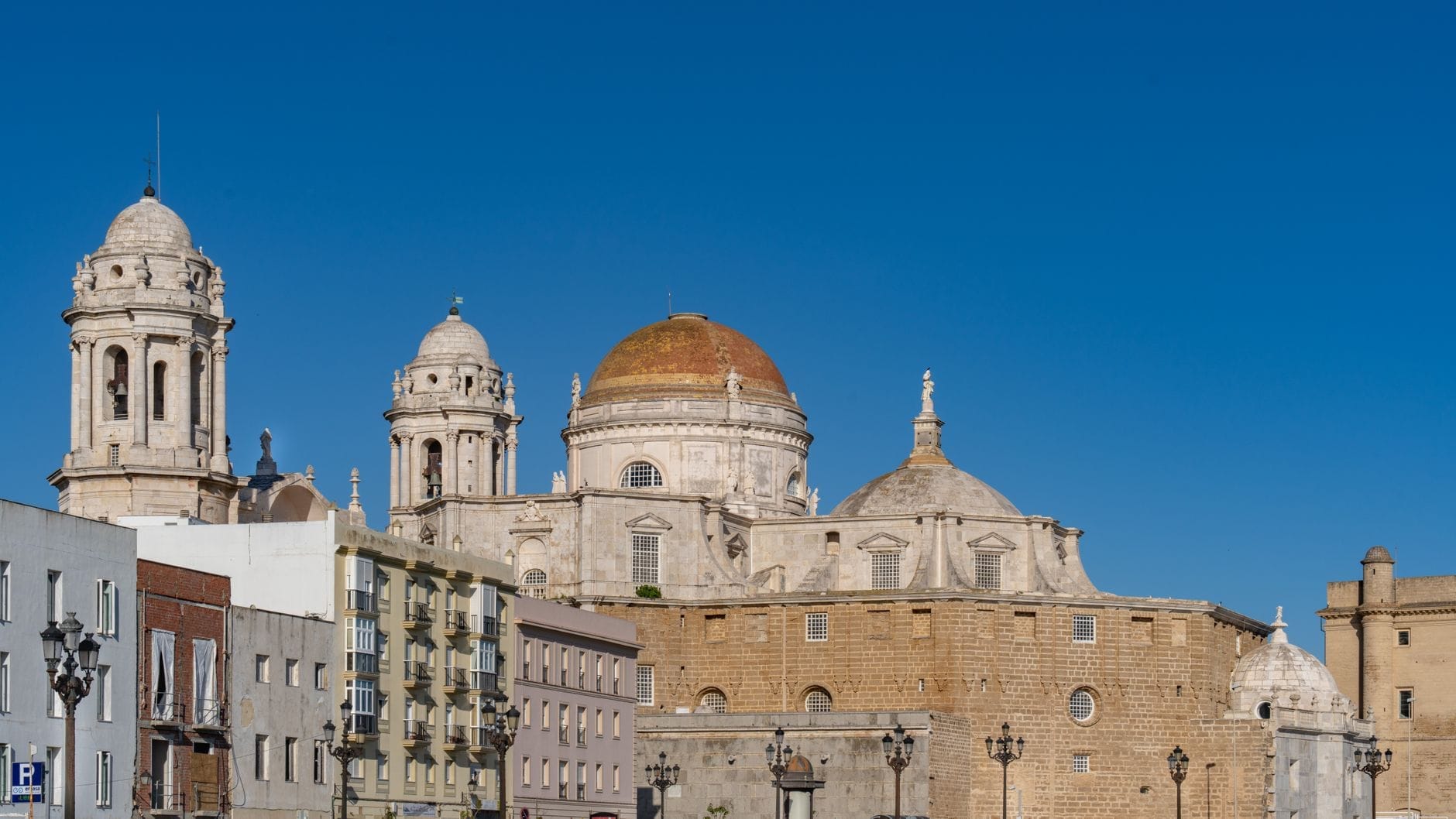
The Catedral de Cádiz is the obvious starting point and genuinely worth the time. The building is a hybrid of Baroque and Neoclassical styles, begun in 1722 and not completed until 1838, and the yellow dome is one of the most recognizable silhouettes in southern Spain. Admission to the cathedral includes access to the tower, from which the panorama over the old town rooftops and the bay is exceptional.
A short walk northeast from the Cathedral, within the El Pópulo quarter, the Teatro Romano de Cádiz is one of the most significant Roman sites in Spain. Dating to the first century BCE, it was only rediscovered in the 1980s during construction work, and much of it remains embedded under later buildings. The visible excavation gives a clear sense of how the city has layered itself over millennia.
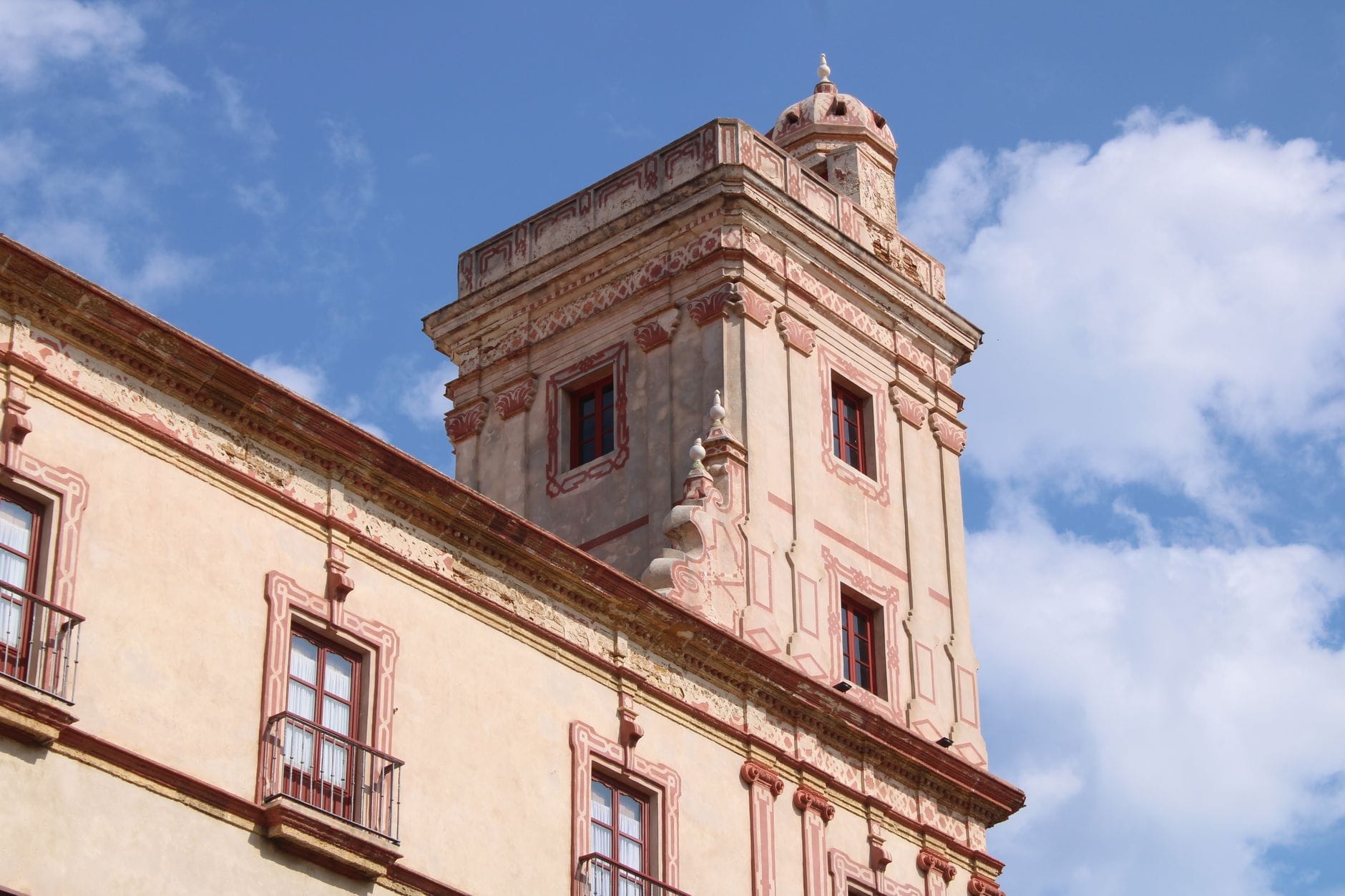
For views, Torre Tavira is the best vantage point in the old town. At 45 metres it is the tallest of the old city's historic watchtowers, and its camera obscura, which projects a live moving image of the city below onto a circular table, is genuinely impressive as both technology and spectacle. From the rooftop terrace you can pick out the Cathedral dome, the Atlantic to the west, and the bay to the east in a single turn.
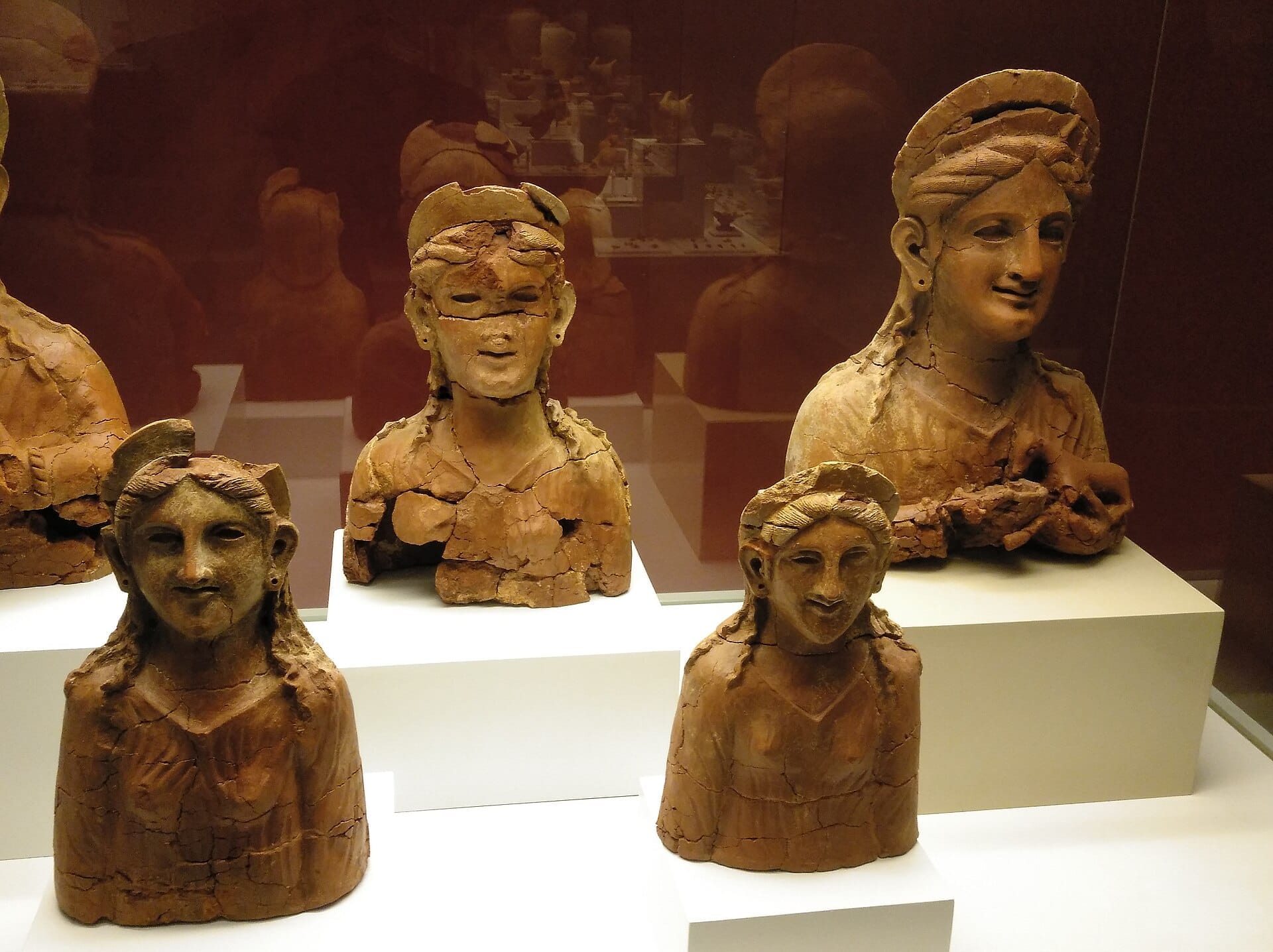
Museo de Cádiz on Plaza de Mina: the city's main museum, with an important Phoenician archaeology collection and a fine arts section including works by Zurbarán
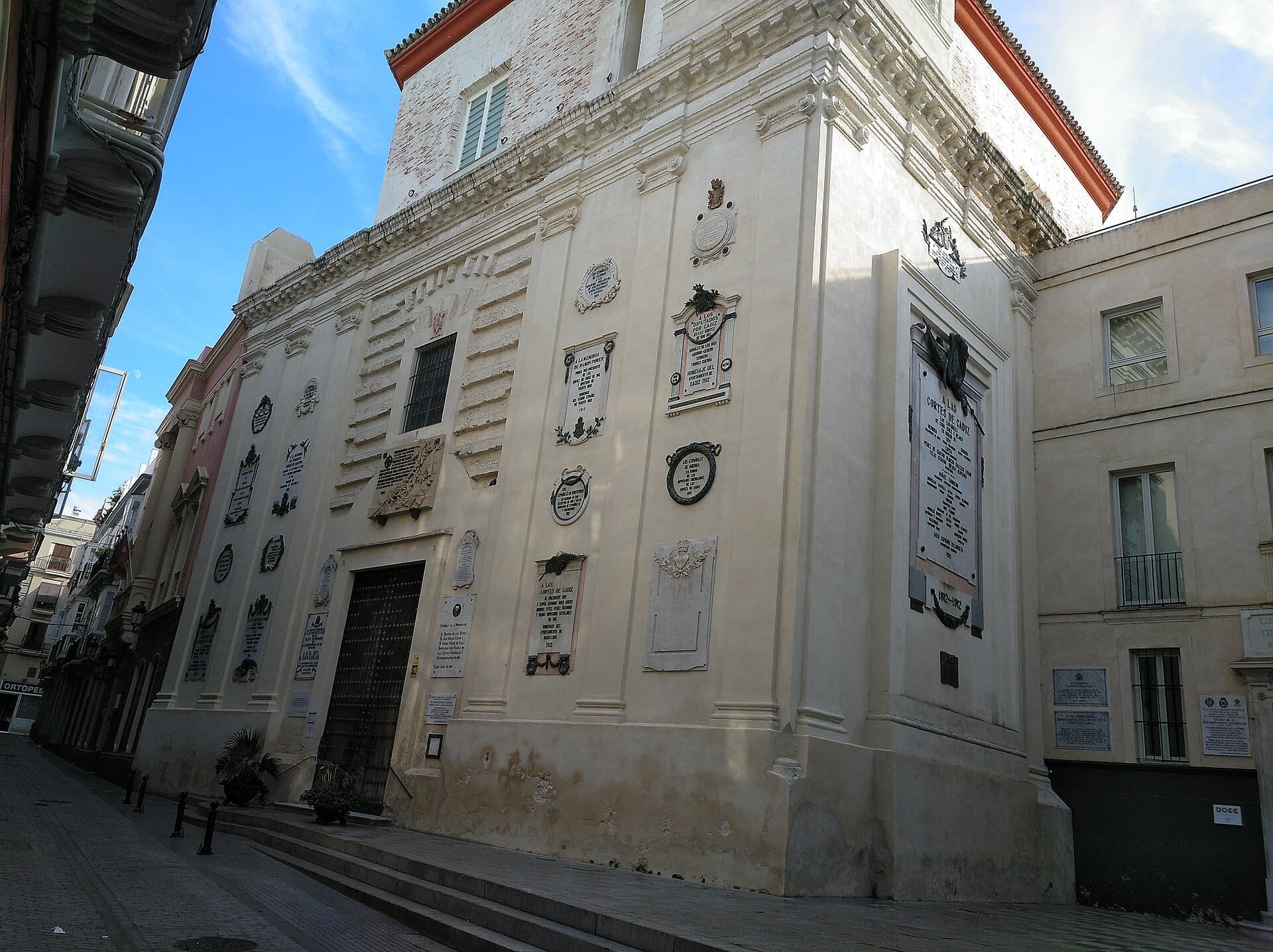
Oratorio de San Felipe Neri: the neoclassical church where Spain's first liberal constitution was proclaimed in 1812, a significant site in Spanish political history
Oratorio de la Santa Cueva: a smaller 18th-century chapel known for three Goya frescoes on its upper level
Mercado Central de Abastos: the covered market on Plaza de la Libertad, one of the best places in the city to understand the local food culture
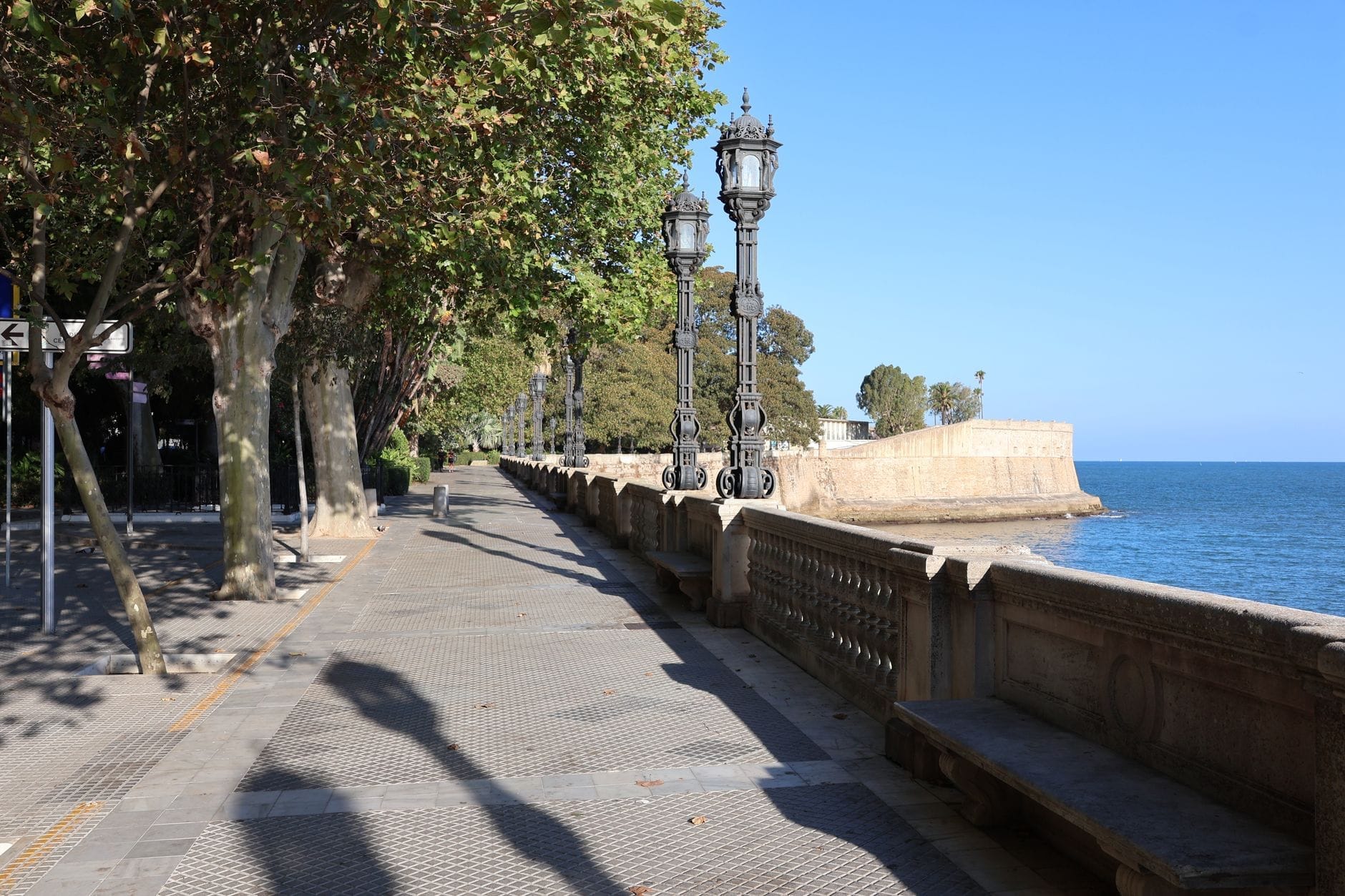
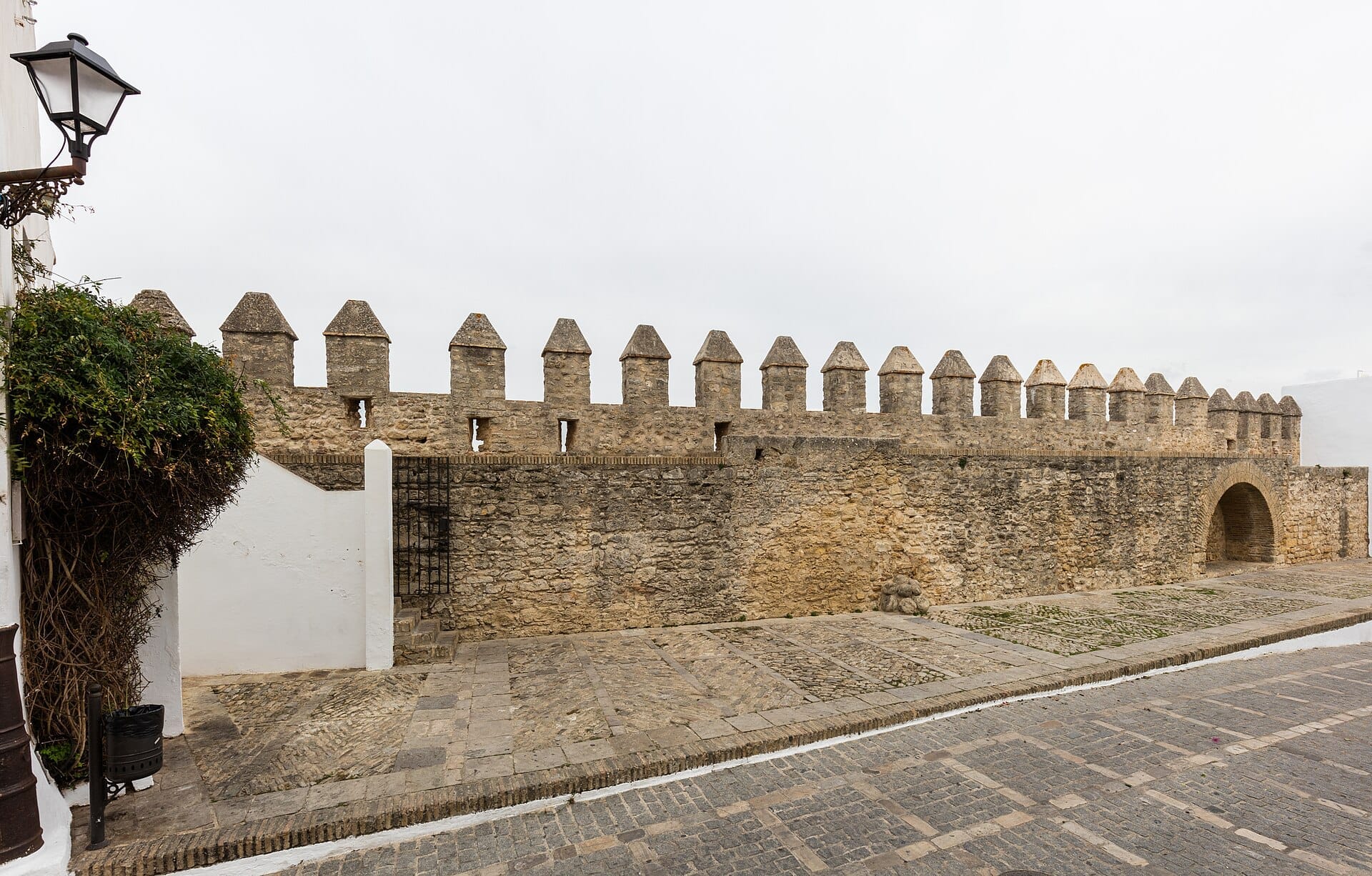
The sea walls and Campo del Sur promenade: the full circuit of the old town's Atlantic and bay-facing edges on foot takes roughly an hour and passes the castle fortifications
The medieval gateways within El Pópulo, the arcos medievales of El Pópulo, are easy to walk through without registering their age, but they are among the few surviving medieval urban fabric elements in Cádiz. Passing under the Arco de los Blancos or Arco de la Rosa gives a clear sense of the compressed scale of the medieval city within the already-compact old town.
ℹ️ Good to know
The Centro Histórico is the primary stage for Cádiz's famous February Carnival, considered one of the largest and most distinctive in Spain. If you plan to visit during Carnival, book accommodation months in advance and expect the old town streets to be completely transformed by processions, chirigotas (satirical choirs), and street parties.
Eating & Drinking
The food scene in the Centro Histórico is built around the Atlantic. Cádiz has one of the great fish and seafood traditions in Spain, and the Mercado Central de Abastos is the clearest evidence: the fish stalls are serious operations, with fresh catches from the Bay of Cádiz and the Atlantic displayed with professional precision. Visiting the market before ten in the morning, even if you have no kitchen, gives context for everything you will eat later.
The old town's signature street food is pescaíto frito, a mix of small fish and seafood fried in light batter, sold in paper cones from freidurías (specialist frying shops). This is not generic fried fish: the batters are finer, the oil quality matters, and the mix typically includes small anchovies, squid rings, cuttlefish, and whatever small fish came in that morning. The La Viña district, along the Atlantic shore, has several well-regarded freidurías used by locals.
For sit-down meals, the bars and small restaurants around Plaza de la Mina, Calle Plocia, and the side streets east of the Cathedral tend to offer better value and fewer tourist menus than the places on the Cathedral square itself. The old town has no shortage of options, but the restaurants directly on the main plazas facing major monuments tend to price for captive foot traffic rather than repeat local custom. A slight detour of one or two streets almost always yields better food at lower prices.
Sherry (Jerez) is the local wine culture's foundation: fino and manzanilla, the driest and most saline styles, are the standard accompaniment to seafood in this part of Andalusia and are served chilled by the glass in most bars. Cádiz sits within the Sherry Triangle, and many bars pour wines directly from the bodegas of Jerez and Sanlúcar de Barrameda, about 30 kilometres north. Ordering a copa of manzanilla alongside a plate of fried cuttlefish is about as locally appropriate as eating and drinking in Cádiz gets.
⚠️ What to skip
Restaurants and bars on and immediately around Plaza de San Juan de Dios and the Cathedral square are significantly overpriced relative to the rest of the old town. They are convenient, but a two-minute walk in any direction will find you better food for less money.
Getting There & Around
Cádiz is a terminus city at the end of the peninsula. The main Renfe train station and the intercity bus station are both located on the isthmus at the southeastern edge of the city, roughly 1.5 kilometres from the Cathedral. From the stations, most visitors walk northwest into the old town via the main commercial streets, passing through or near the Puertas de Tierra. The walk from the station to the Cathedral takes 15-20 minutes at a comfortable pace and passes through both the newer commercial district and the transition into the historic core.
The nearest airports are Jerez de la Frontera (XRY), approximately 35 kilometres northeast, and Seville (SVQ), roughly 120 kilometres away. From Jerez airport, taxis or buses connect to Jerez train station, from which direct Renfe trains run to Cádiz in around 45 minutes. From Seville, direct trains reach Cádiz in approximately 1 hour 45 minutes. There is no airport within the city of Cádiz itself.
Within the Centro Histórico, walking is the only practical option. The streets are too narrow for comfortable cycling in most sections, and car access is restricted in the core pedestrian zones. Local buses serve the city and connect the historic center with the Playa de la Victoria district to the southeast, but within the old town itself you will be on foot. Comfortable walking shoes matter: the street surfaces are stone and uneven in places, and the distances between major sites are short enough that any transit is unnecessary.
The Carranza Bridge (Puente de la Constitución de 1812) and the older causeway connect the Cádiz peninsula to the mainland at its southeastern end, near Puerto Real and San Fernando. If you are arriving by car, note that parking within the Centro Histórico is extremely limited; most visitors park in the paid car parks near the Puertas de Tierra and walk in. For a fuller picture of the logistics, see the 2-day Cádiz itinerary which covers movement between the old town and the beach districts.
Where to Stay
Staying inside the Centro Histórico puts you within walking distance of virtually every historic site in Cádiz, and the experience of the old town at night, after day visitors have left, is worth the trade-offs. For a full breakdown of accommodation options across the city, the Cádiz neighborhood accommodation guide covers the differences between the old town, La Viña, and the Playa de la Victoria area in detail.
The accommodation stock inside the old town is mostly small hotels, pensiones, and apartments in converted historic buildings. Room sizes tend to be modest by chain hotel standards, and some buildings have no elevator. The payoff is location: you can walk to the Mercado Central for breakfast, reach the Cathedral in five minutes, and be on the Campo del Sur sea wall promenade in ten. For travelers whose priority is immersion in the city's historic fabric, there is nowhere better to base.
The area around Plaza de la Mina and the streets between the Cathedral and Torre Tavira represents the most central concentration of mid-range accommodation. It is also one of the quieter parts of the old town at night, which matters if you are a light sleeper. The La Viña-facing streets along the Atlantic shore are charming but can be noisy on weekend evenings and are essentially unavoidable noise sources during Carnival week. If you are visiting during Carnival, staying anywhere in the Centro Histórico means accepting that the city will not sleep.
Practical Notes & Honest Assessment
The Centro Histórico of Cádiz is not a large neighborhood, and its compactness is both its greatest strength and its limitation. On a busy summer day, the Cathedral square and the streets leading to Torre Tavira can feel genuinely crowded. The combination of cruise ship arrivals, Seville day-trippers, and independent tourists is concentrated into a small space. This is not a neighborhood that hides its tourist infrastructure, and the souvenir shops and overpriced café terraces are a real presence around the main monuments.
That said, the old town's density works in a visitor's favor in one important respect: stepping one or two streets off the main circuits drops the crowd density immediately. The lanes of El Pópulo around the Roman theatre, the residential streets of Santa María, and the coastal promenade sections away from the castles carry a fraction of the foot traffic of the Cathedral-Mercado-Torre Tavira triangle, and they offer a clearer picture of the city as a living place rather than a monument parade.
Safety in the Centro Histórico is not a significant concern by any general measure. It is a dense, pedestrian-heavy area with consistent foot traffic from locals throughout the day and evening. The usual urban precautions apply, particularly awareness of belongings in crowded market areas and on busy festival nights. The sea wall sections near the Atlantic-facing fortifications such as Castillo de Santa Catalina and Castillo de San Sebastián deserve caution in rough Atlantic weather, when waves can reach exposed sections of the walkways.
The best time to visit, both for the city in general and the Centro Histórico specifically, is April through June or September through October, when temperatures sit in the moderate range of roughly 19-26°C and the summer crowd peak has not arrived or has passed. July and August bring heat, more visitors, and the full summer tourist infrastructure. For a fuller breakdown of seasonal considerations, the best time to visit Cádiz guide covers the trade-offs in detail.
TL;DR
The Centro Histórico is the historic walled core of Cádiz, compact enough to walk in full within a day, dense with monuments from Roman ruins to Baroque churches, and surrounded on three sides by the Atlantic.
Best suited to travelers who want to be close to everything: the Cathedral, the Roman theatre, Torre Tavira, the central market, and the Carnival stages are all within a 15-minute walk of each other.
The food scene runs on fresh Atlantic seafood, fried fish sold in paper cones, chilled manzanilla sherry, and a market culture that starts early and stops for nothing.
Main drawbacks: small rooms in older buildings, limited parking, real crowds around the major monuments in peak season, and significant noise during Carnival and weekend evenings in La Viña.
Skip if you want a beach-focused base or larger, quieter rooms; stay here if you want to experience Cádiz as a city rather than as a day trip.
Two days is exactly the right amount of time to experience Cádiz's ancient streets, golden beaches, and seafront fortresses. This itinerary organises the city's best sights into a logical, walkable weekend, from the cathedral and Roman theatre on Day 1 to La Caleta and the coastal walk on Day 2.
Cádiz enjoys one of Spain's most agreeable climates, with over 3,000 sunshine hours a year and Atlantic breezes that soften summer heat. But the best time to visit Cádiz depends entirely on what you're after: quiet sightseeing, beach days, Carnival madness, or winter-sun escape. This guide breaks it all down by season, event, and activity type.
Cádiz sits on a narrow peninsula almost entirely surrounded by the Atlantic, giving it one of the most varied coastlines in southern Spain. This guide covers the best beaches in Cádiz city and across the Costa de la Luz province, with honest assessments of crowd levels, water conditions, access logistics, and what each beach is actually good for.
Cádiz Carnival is the biggest event in the city's calendar and the most important mainland carnival in Spain. This guide covers dates, the COAC competition, pre-carnival food events, costume culture, booking logistics, and what to expect on the ground in February.
Cádiz is one of flamenco's true birthplaces, not a footnote to Seville or Granada. This guide covers the best tablaos, local peñas, seasonal festivals, honest price breakdowns, and practical booking advice for seeing genuine flamenco in Cádiz, Spain.
Cádiz, Spain has one of the most distinctive food cultures on the Iberian Peninsula. This guide covers the essential dishes to try, where to eat them, how much to pay, and when to go for the freshest seasonal ingredients straight from the Atlantic.
Cádiz carries more than three millennia of history within a compact peninsula on Spain's Atlantic coast. This guide traces the city's Phoenician roots, Roman grandeur, Age of Exploration wealth, and constitutional legacy — and tells you exactly where to see each layer of that history in person.
July and August bring relentless sun, warm Atlantic waters, and peak crowds to Cádiz, Spain. This guide breaks down the climate realities, the best beaches, how to handle the heat, and whether summer is actually the right time for your trip.
Jerez de la Frontera sits just 22 km from Cádiz by rail, making it one of the most rewarding day trips in Andalusia. This guide covers every transport option, the best things to do once you arrive, and honest advice on making the most of your time in Spain's sherry capital.
Cádiz Old Town packs Roman ruins, baroque cathedrals, medieval quarters, seafront promenades, and one of Andalusia's best markets into a peninsula you can cross on foot in under 20 minutes. This self-guided walking tour maps the essential route, tells you what each stop is actually worth, and gives you the practical details to do it without a guide.
Cádiz sits on a narrow Atlantic peninsula, which means extraordinary views are never far away. This guide covers the city's finest viewpoints, from paid rooftop towers to free coastal walks where the ocean frames everything.
Cádiz is one of Andalusia's most compelling coastal cities, packed with Atlantic beaches, Roman ruins, and a genuinely walkable old town. But is it right for your trip? Here's an honest, detailed look at what the city delivers and where it falls short.
Cádiz is one of Andalusia's most rewarding cities, and most of its best experiences are packed into a compact, walkable old town on a narrow Atlantic peninsula. This guide covers the top sights, beaches, food markets, and cultural stops — with honest advice on what's worth your time and what to skip.
Choosing where to stay in Cádiz Spain shapes your entire trip. This guide breaks down the city's main accommodation zones, names specific hotels with honest price context, and tells you exactly when to book and what to avoid.