2 Days in Cádiz: The Perfect Weekend Itinerary
Two days is exactly the right amount of time to experience Cádiz's ancient streets, golden beaches, and seafront fortresses. This itinerary organises the city's best sights into a logical, walkable weekend, from the cathedral and Roman theatre on Day 1 to La Caleta and the coastal walk on Day 2.
Plan and book this trip
Tools from our partner Travelpayouts help you compare flights and hotels. If you book through them, we may earn a commission at no extra cost to you.
Flights
Hotels map
Cádiz sits at the end of a narrow Atlantic peninsula, and its entire historic centre is easy to explore on foot over a weekend. The city rewards a structured approach: the old town's monuments cluster tightly around the cathedral and El Pópulo, while the coastal edge offers a separate rhythm of beaches, castles, and sea-facing promenades. This itinerary is built for two full days, starting with the city's major historical and cultural sights, then shifting to its extraordinary coastline. For context on what makes the city so distinctive, read why Cádiz is worth visiting. If you want to extend into a third day, a day trip to Jerez de la Frontera pairs perfectly with this itinerary.
💡 Local tip
Stay in or near the old town (Centro Histórico or La Viña) to walk everywhere. Almost every attraction in this guide is a short walk from the cathedral.
Day 1 Morning: The Historic Heart of the Old Town
Start your first morning in the civic and commercial core of the old town. The streets around the Centro Histórico hold Cádiz's most important monuments within a few hundred metres of each other, so mornings here can cover a remarkable amount of ground before the midday heat sets in. Follow the old town walking tour to link these stops efficiently.
1. Start Your Weekend at Cádiz's Main Civic Square
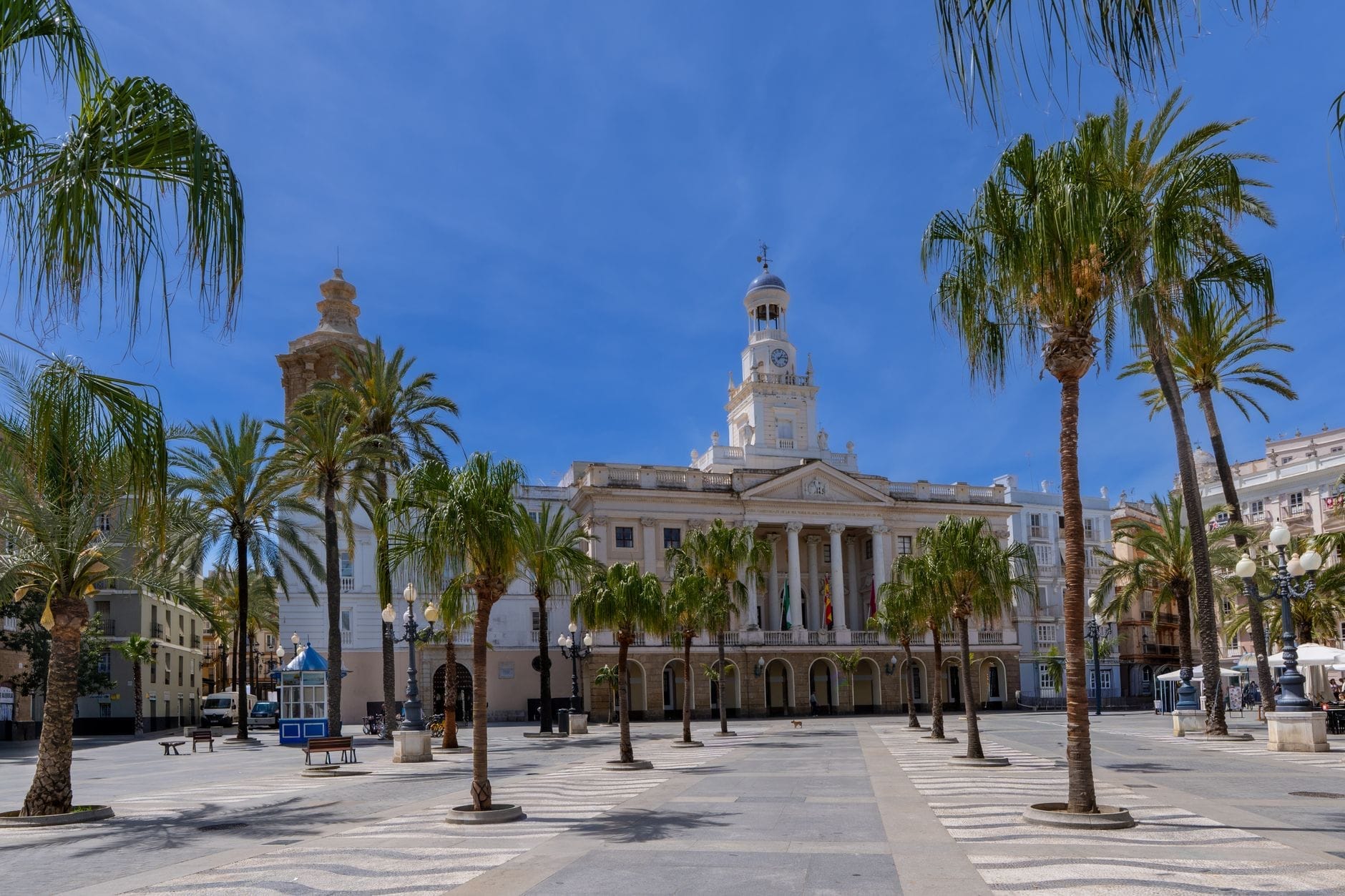
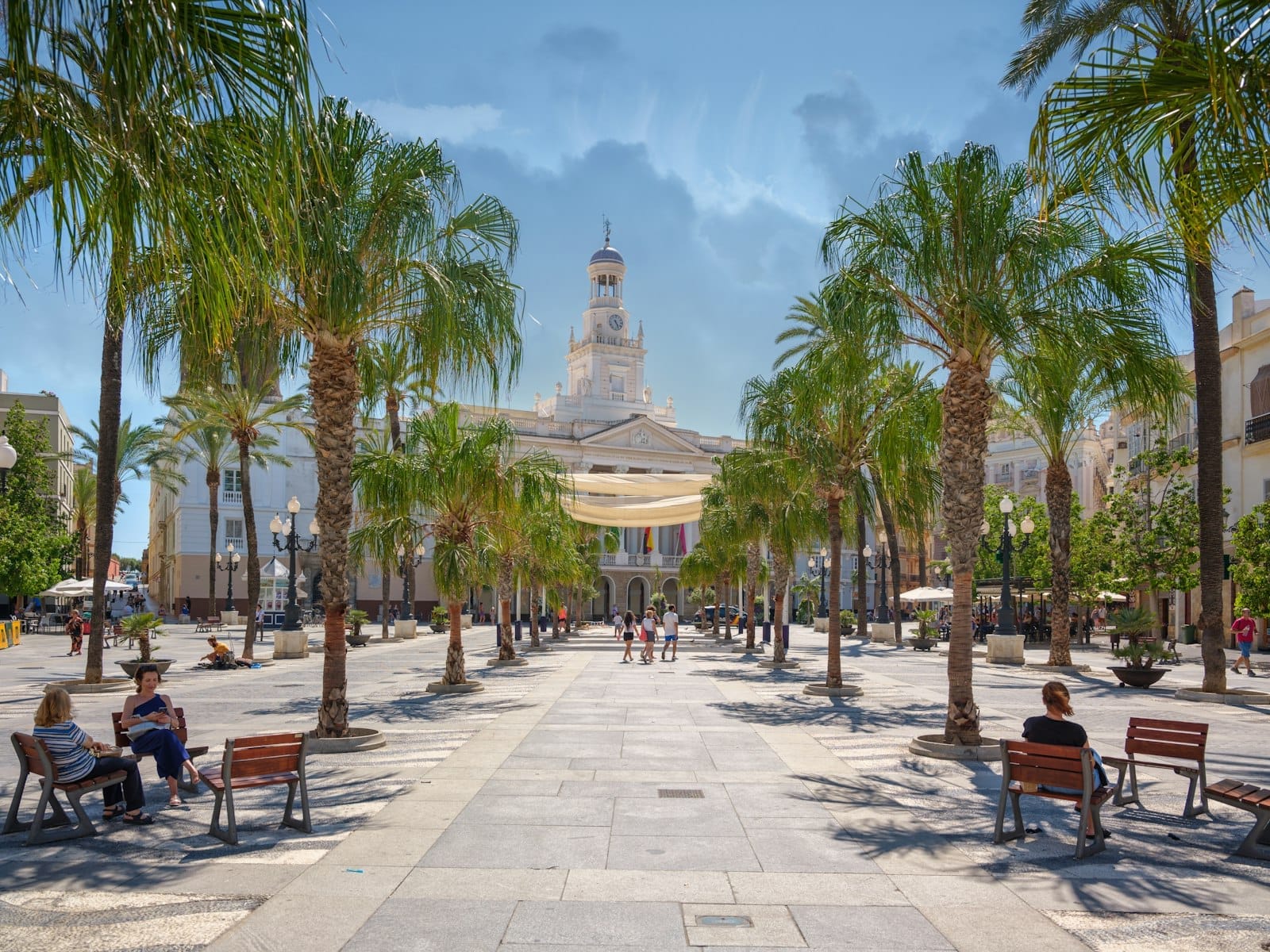
The natural orientation point for any visit, Plaza de San Juan de Dios is where the old town opens up. Grab a coffee at one of the café terraces, take in the neo-classical City Hall facade, and get your bearings before heading deeper into the historic centre.
Explore1. Start Your Weekend at Cádiz's Main Civic Square
The natural orientation point for any visit, Plaza de San Juan de Dios is where the old town opens up. Grab a coffee at one of the café terraces, take in the neo-classical City Hall facade, and get your bearings before heading deeper into the historic centre.
Explore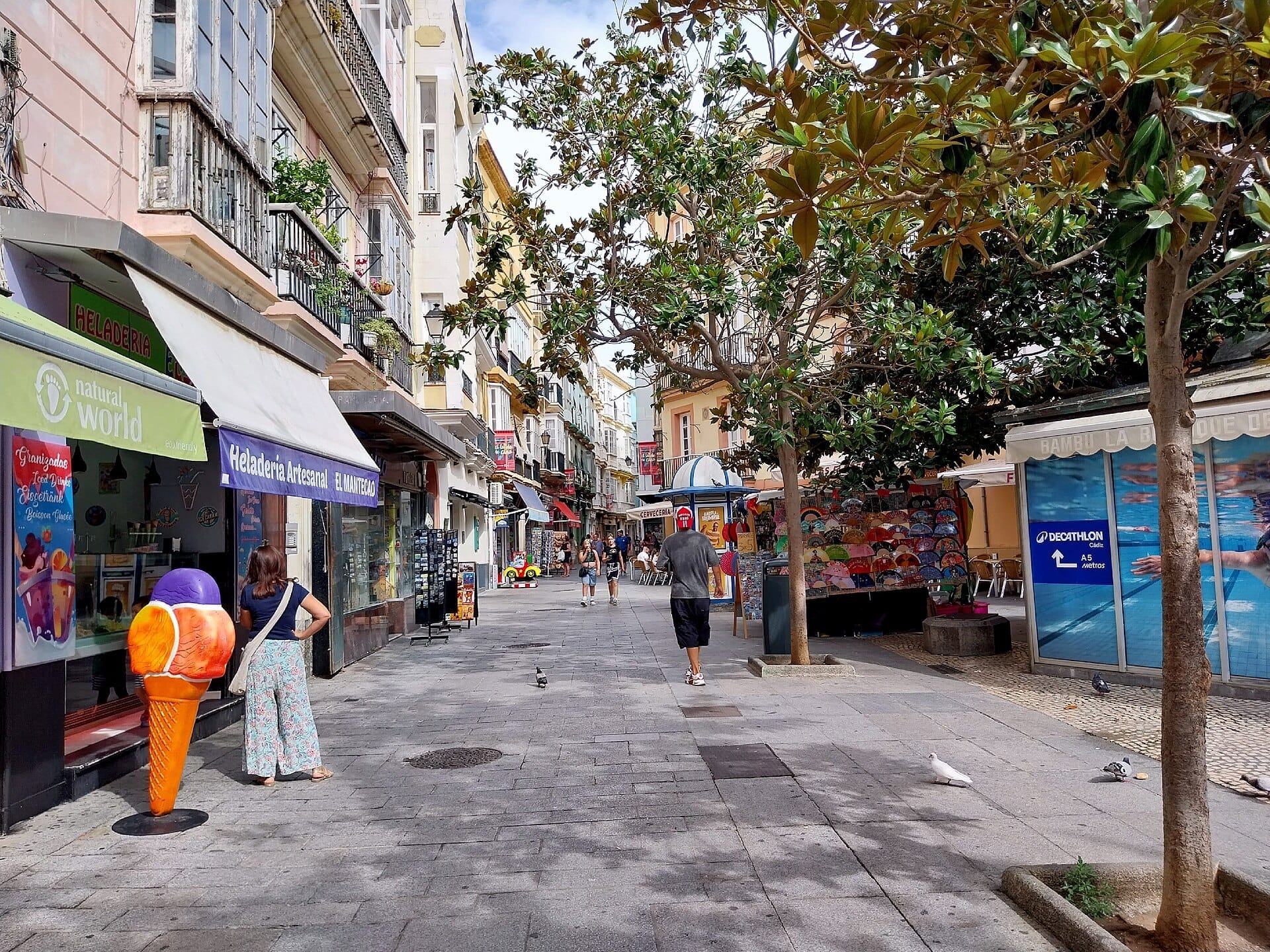
2. Pick Up Breakfast Beside the Flower Stalls
Just a short walk from San Juan de Dios, this square is permanently lined with flower vendors and small cafés. It sits at the entrance to the Central Market and is where gaditanos start their mornings. The atmosphere before 10am is particularly local and unhurried.
Explore2. Pick Up Breakfast Beside the Flower Stalls
Just a short walk from San Juan de Dios, this square is permanently lined with flower vendors and small cafés. It sits at the entrance to the Central Market and is where gaditanos start their mornings. The atmosphere before 10am is particularly local and unhurried.
Explore
3. Browse the Central Market for the Best Atlantic Seafood
The 19th-century covered market is a working showcase of what the Atlantic provides: fresh tuna, prawns, clams, and fish you won't find inland. Arrive before 11am for the full range of produce. The surrounding streets have several standing bars for a quick tapa with the locals.
Explore3. Browse the Central Market for the Best Atlantic Seafood
The 19th-century covered market is a working showcase of what the Atlantic provides: fresh tuna, prawns, clams, and fish you won't find inland. Arrive before 11am for the full range of produce. The surrounding streets have several standing bars for a quick tapa with the locals.
Explore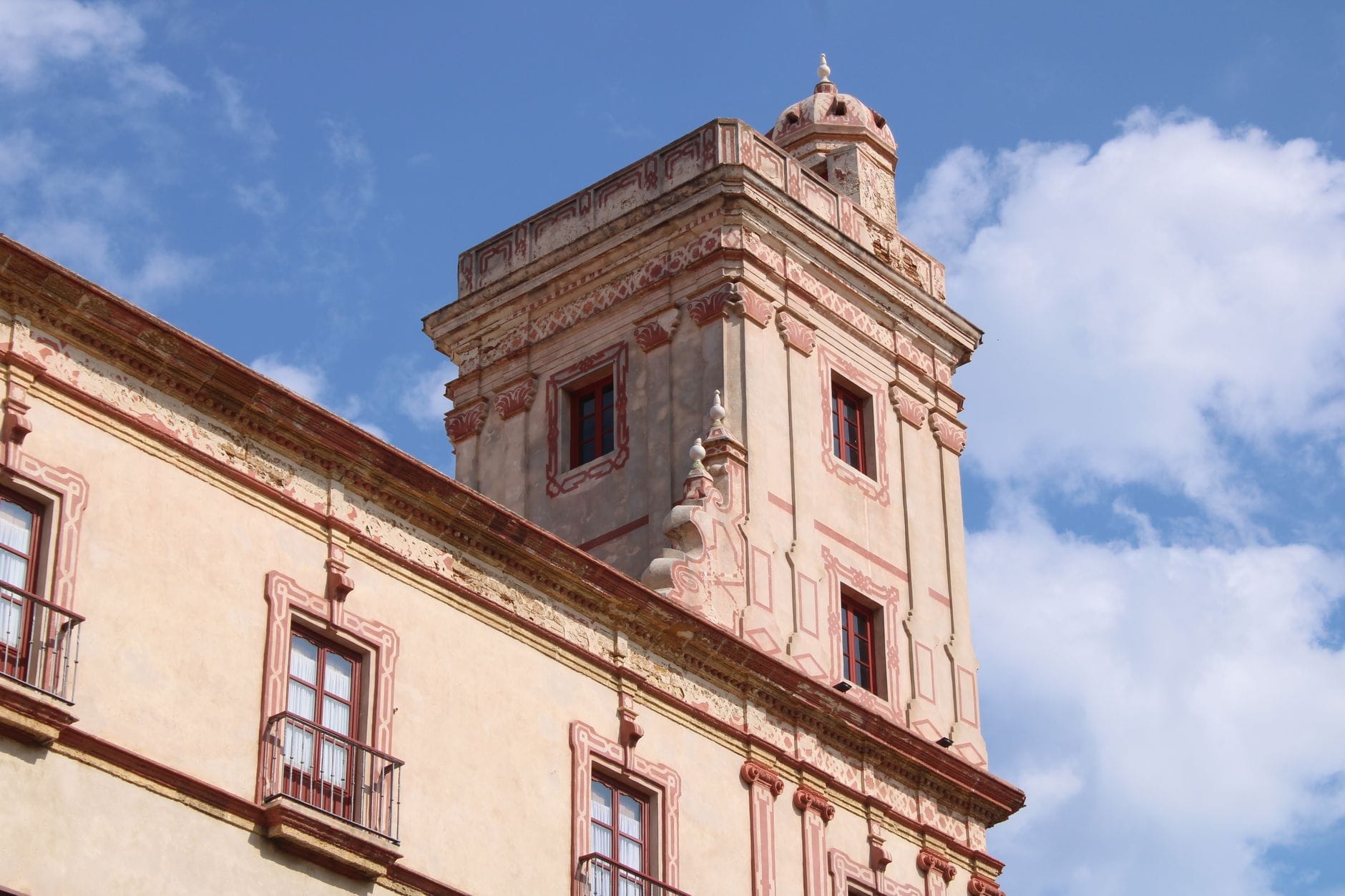
4. Climb Torre Tavira for the Best View Over the Old Town
The tallest of Cádiz's 160 historic watchtowers gives a 360-degree panorama over the city's white rooftops, domes, and the sea on both sides of the peninsula. The camera obscura inside is genuinely impressive, projecting live images of the city streets onto a curved screen in real time.
Explore4. Climb Torre Tavira for the Best View Over the Old Town
The tallest of Cádiz's 160 historic watchtowers gives a 360-degree panorama over the city's white rooftops, domes, and the sea on both sides of the peninsula. The camera obscura inside is genuinely impressive, projecting live images of the city streets onto a curved screen in real time.
Explore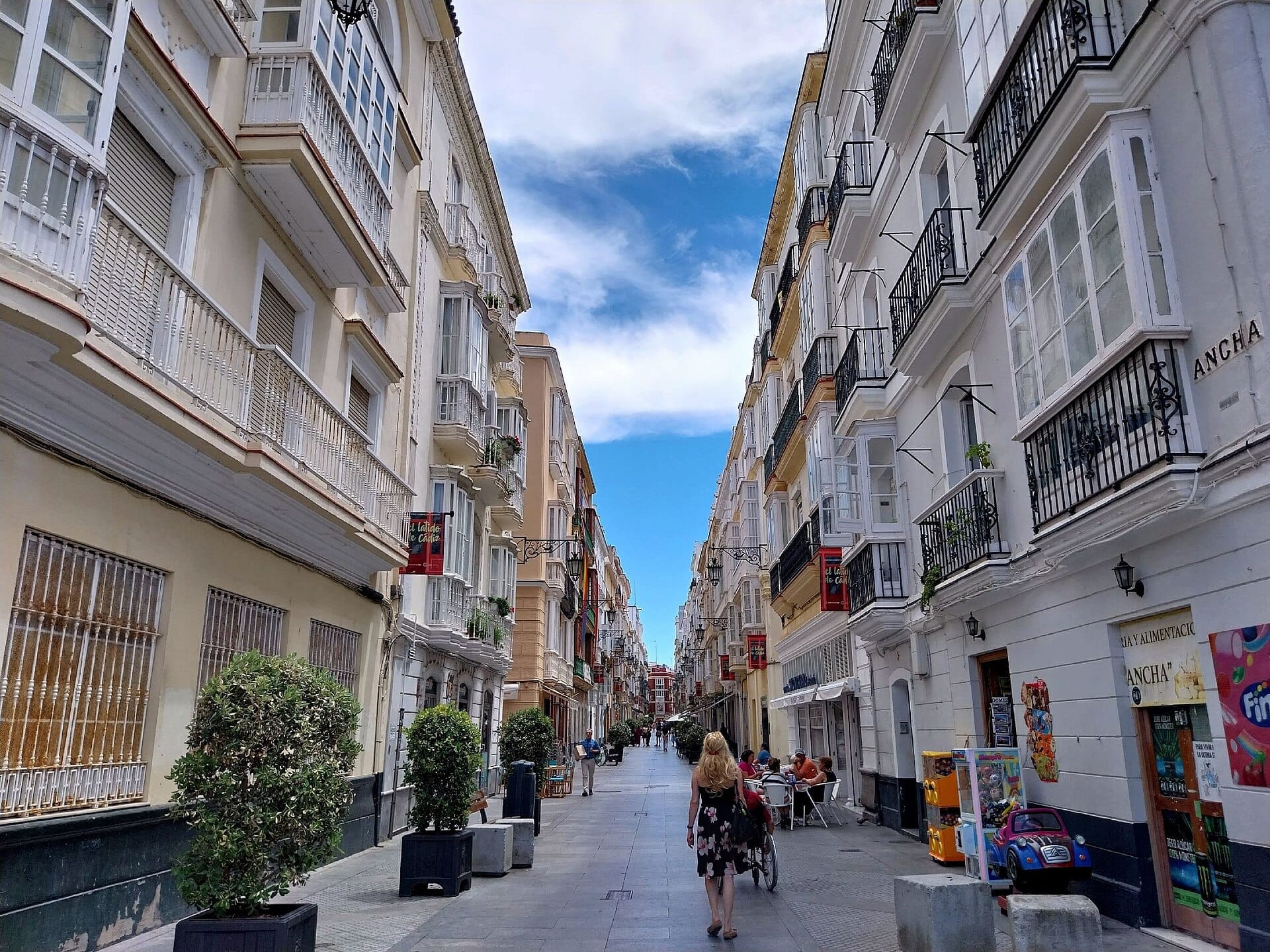
5. Walk the Old Town's Commercial Spine Between Sights
Calle Ancha connects the city's main squares and is the easiest route between Torre Tavira and the cathedral quarter. It is lined with small shops, bakeries, and historic facades. Use it as your main artery on Day 1 rather than navigating the tighter backstreets on your first morning.
Explore5. Walk the Old Town's Commercial Spine Between Sights
Calle Ancha connects the city's main squares and is the easiest route between Torre Tavira and the cathedral quarter. It is lined with small shops, bakeries, and historic facades. Use it as your main artery on Day 1 rather than navigating the tighter backstreets on your first morning.
ExploreDay 1 Afternoon: Monuments, Museums, and the Cathedral Quarter
The area around the cathedral and Barrio El Pópulo holds a remarkable concentration of historical layers in a very small area. Roman ruins sit beneath medieval arches a few steps from a Baroque cathedral. Allow three to four hours for this section, including time to climb the cathedral tower.
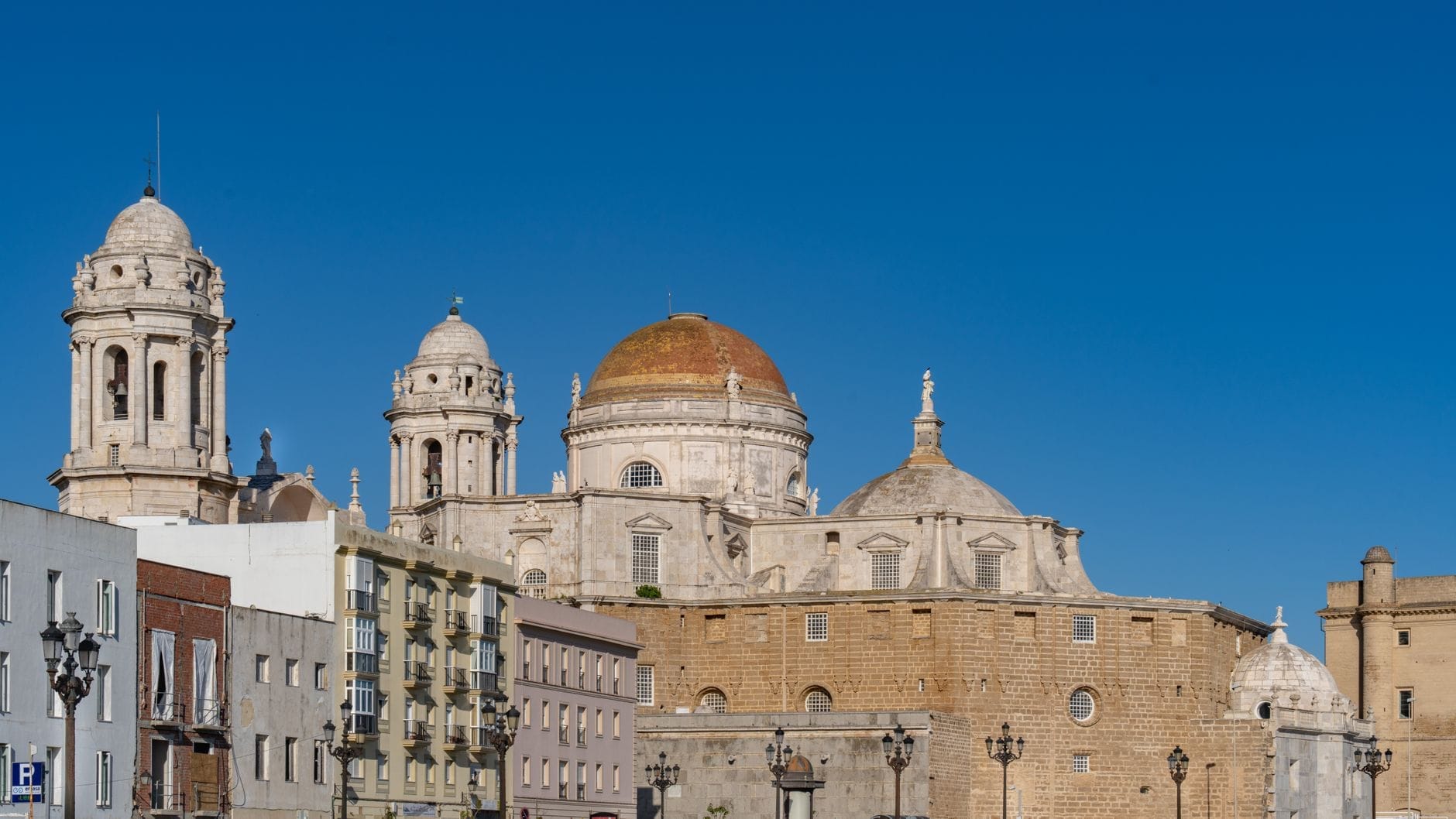
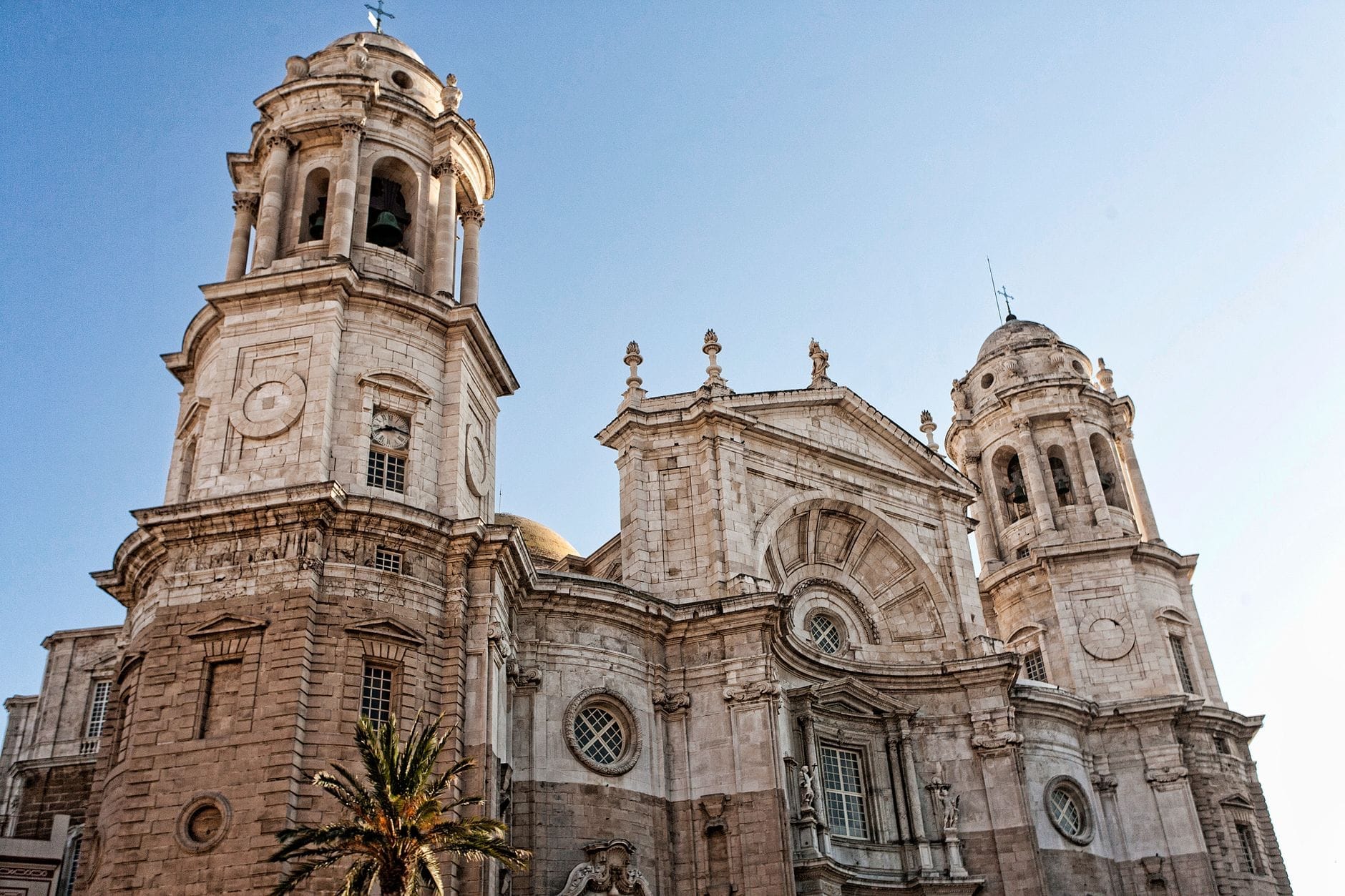
6. See the Golden Dome and Climb the Cathedral Tower
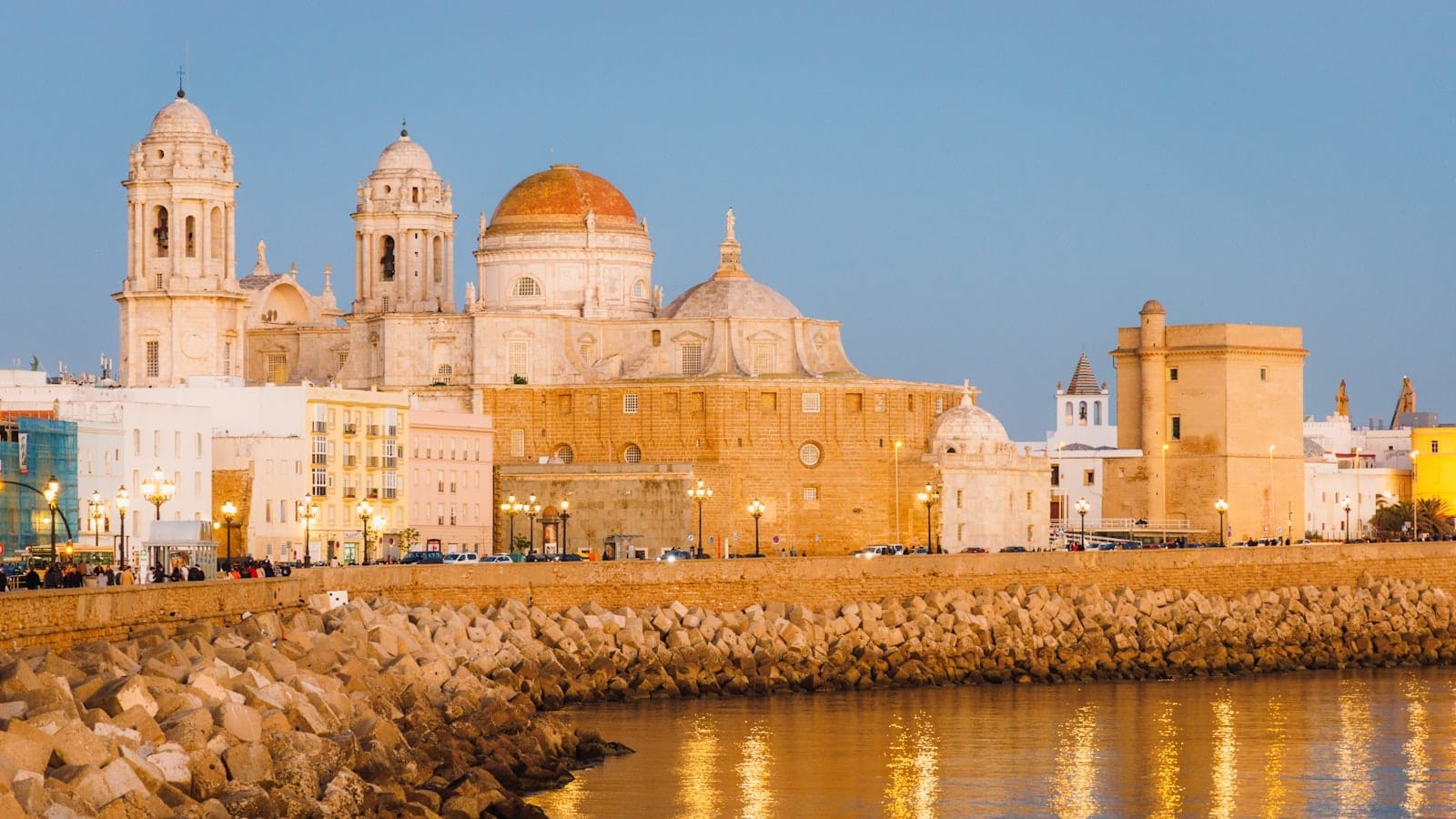
Cádiz's cathedral took over a century to build, and the result is a Baroque-Neoclassical hybrid unlike any other in Andalusia. The golden dome is the city's most iconic image from the outside. Inside, the crypt holds the tomb of composer Manuel de Falla. The tower climb rewards with sweeping Atlantic views.
Explore6. See the Golden Dome and Climb the Cathedral Tower
Cádiz's cathedral took over a century to build, and the result is a Baroque-Neoclassical hybrid unlike any other in Andalusia. The golden dome is the city's most iconic image from the outside. Inside, the crypt holds the tomb of composer Manuel de Falla. The tower climb rewards with sweeping Atlantic views.
Explore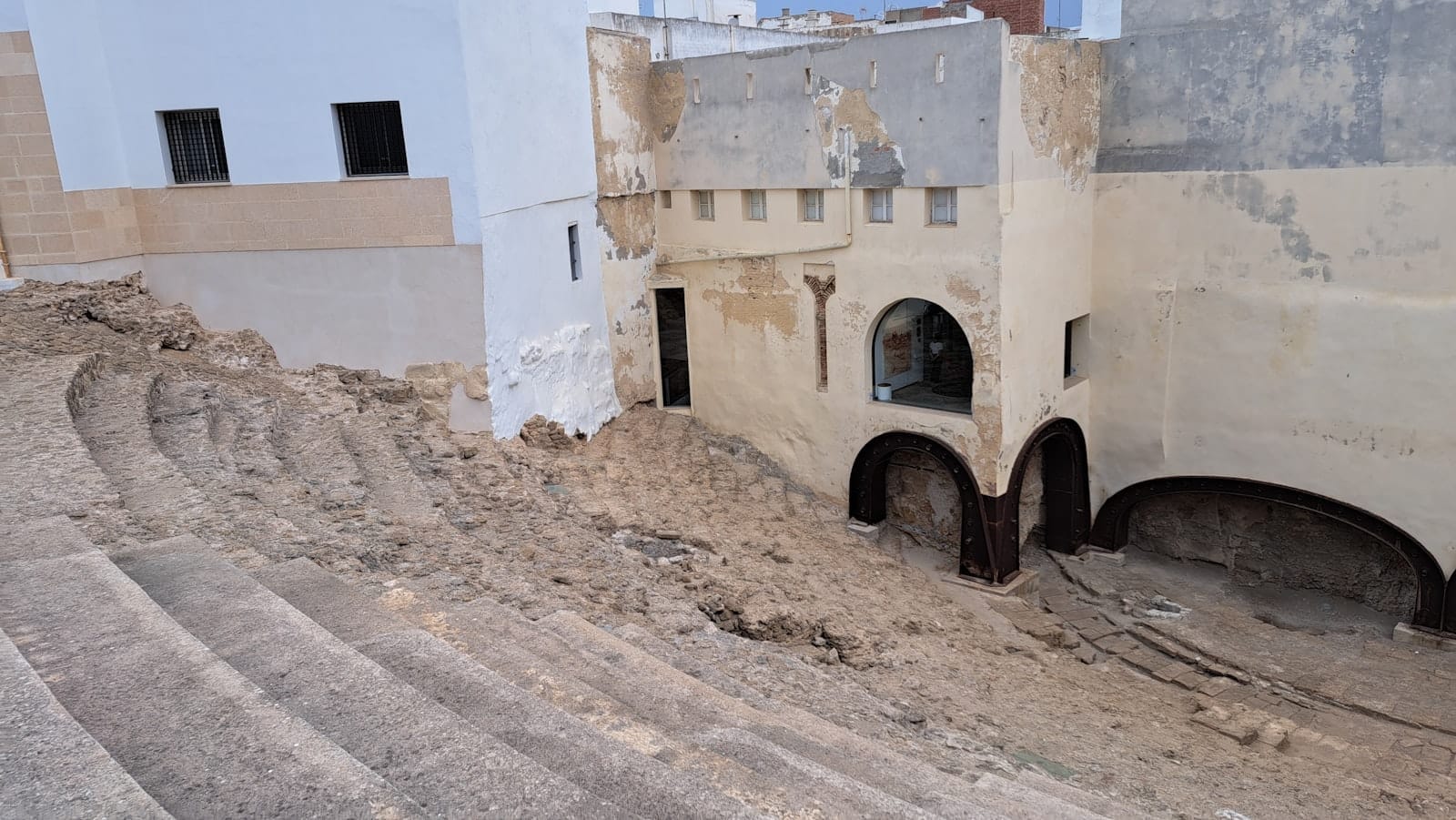
7. Walk Through One of the Ancient World's Largest Roman Theatres
Discovered beneath El Pópulo's streets in the 1980s and still being excavated, this 1st-century BC theatre once seated thousands. Entry is free, and the interpretive centre explains the ongoing archaeology clearly. It is one of the most surprising and underrated sites in the whole of Andalusia.
Explore7. Walk Through One of the Ancient World's Largest Roman Theatres
Discovered beneath El Pópulo's streets in the 1980s and still being excavated, this 1st-century BC theatre once seated thousands. Entry is free, and the interpretive centre explains the ongoing archaeology clearly. It is one of the most surprising and underrated sites in the whole of Andalusia.
Explore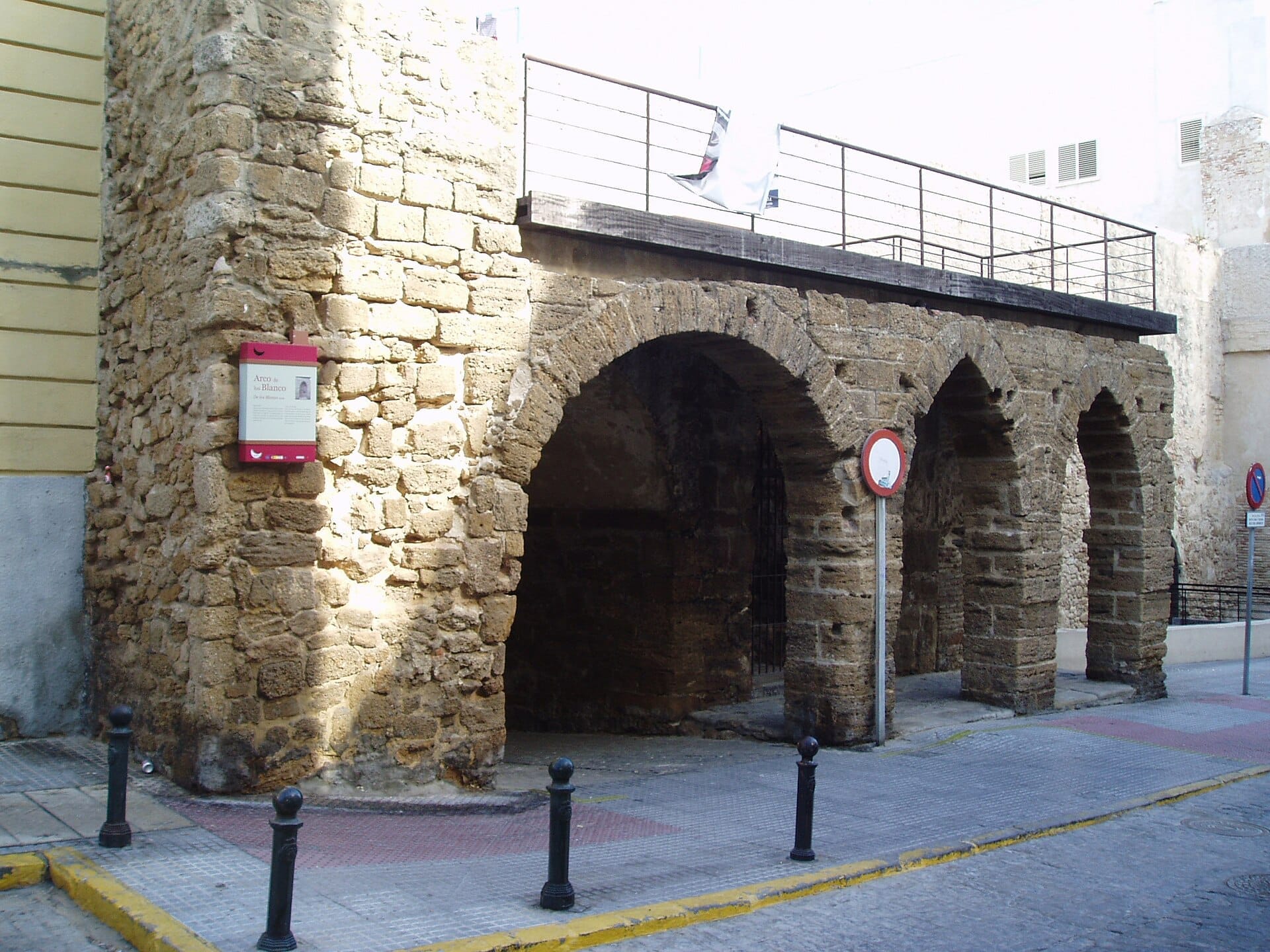
8. Pass Through the Medieval Arches of El Pópulo
Three surviving medieval gateways mark the boundaries of Cádiz's oldest intact neighbourhood. The Arco del Pópulo, Arco de los Blancos, and Arco de la Rosa are close together and best appreciated as a short walking loop. They are among the most photogenic spots in the city, especially in the late afternoon light.
Explore8. Pass Through the Medieval Arches of El Pópulo
Three surviving medieval gateways mark the boundaries of Cádiz's oldest intact neighbourhood. The Arco del Pópulo, Arco de los Blancos, and Arco de la Rosa are close together and best appreciated as a short walking loop. They are among the most photogenic spots in the city, especially in the late afternoon light.
Explore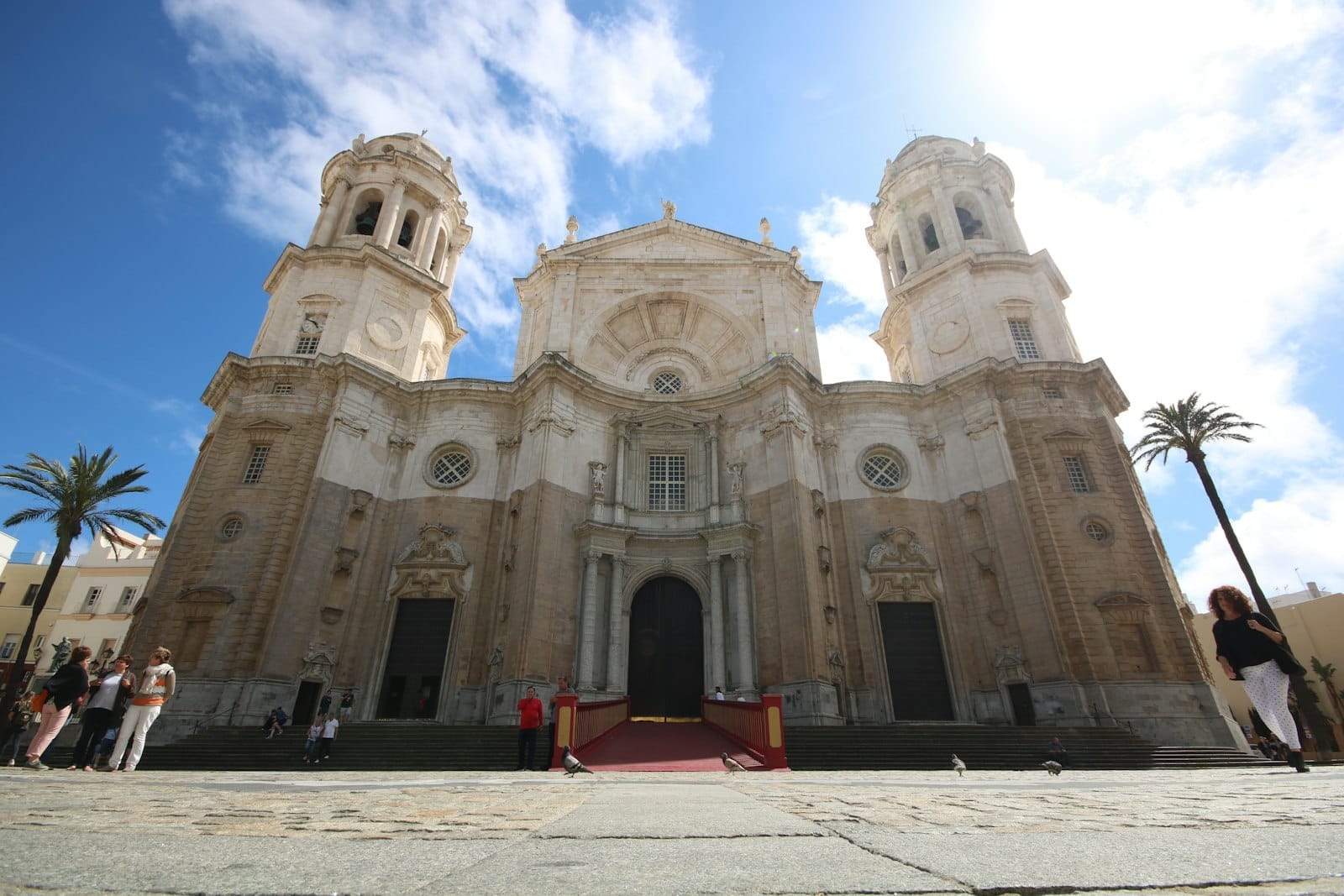
9. Visit the Old Cathedral Built on Roman and Moorish Foundations
Older than the famous golden-domed cathedral next door, the Iglesia de Santa Cruz layers Gothic, Renaissance, and Baroque architecture on foundations that go back to a Moorish mosque. It is quieter and less visited than the main cathedral but arguably more atmospheric and historically layered.
Explore9. Visit the Old Cathedral Built on Roman and Moorish Foundations
Older than the famous golden-domed cathedral next door, the Iglesia de Santa Cruz layers Gothic, Renaissance, and Baroque architecture on foundations that go back to a Moorish mosque. It is quieter and less visited than the main cathedral but arguably more atmospheric and historically layered.
Explore
10. See Three Original Goya Paintings in a Baroque Oratory
This two-level 18th-century oratory contains three paintings Goya completed specifically for its upper chapel, making it a rare chance to see major works by the artist in their original setting. The building is small and uncrowded, which makes the encounter with the paintings unusually direct and unhurried.
Explore10. See Three Original Goya Paintings in a Baroque Oratory
This two-level 18th-century oratory contains three paintings Goya completed specifically for its upper chapel, making it a rare chance to see major works by the artist in their original setting. The building is small and uncrowded, which makes the encounter with the paintings unusually direct and unhurried.
Explore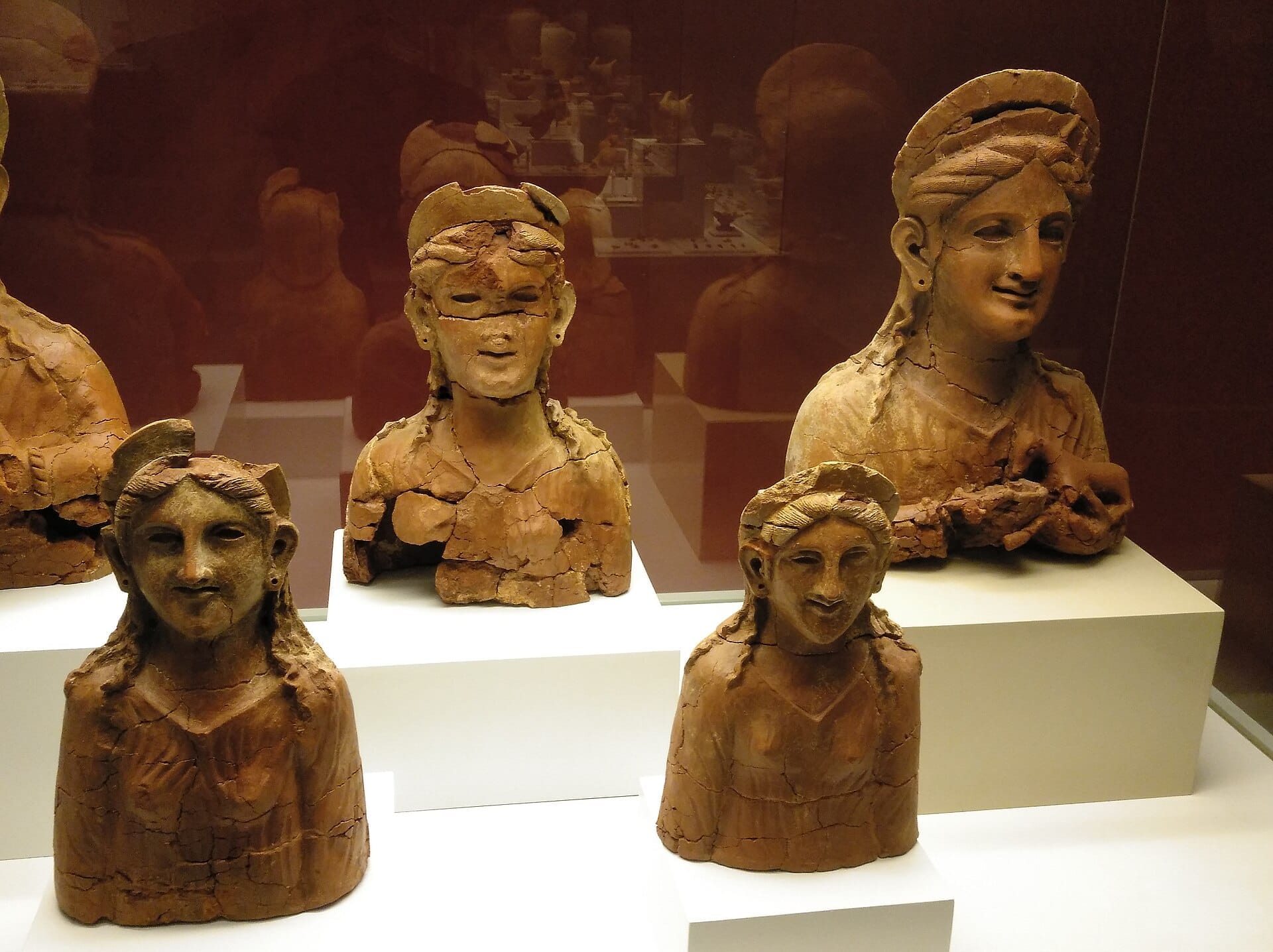
11. Explore Phoenician Sarcophagi and Zurbarán Paintings in One Museum
The city's principal museum covers both archaeology and fine arts across two floors. The star pieces are the Phoenician human-figured sarcophagi, unique in Western Europe, alongside Roman sculptures from ancient Gadir. The upper gallery holds works by Zurbarán and Murillo. Allow 90 minutes minimum.
Explore11. Explore Phoenician Sarcophagi and Zurbarán Paintings in One Museum
The city's principal museum covers both archaeology and fine arts across two floors. The star pieces are the Phoenician human-figured sarcophagi, unique in Western Europe, alongside Roman sculptures from ancient Gadir. The upper gallery holds works by Zurbarán and Murillo. Allow 90 minutes minimum.
ExploreDay 1 Evening: Constitutional History and the City at Night
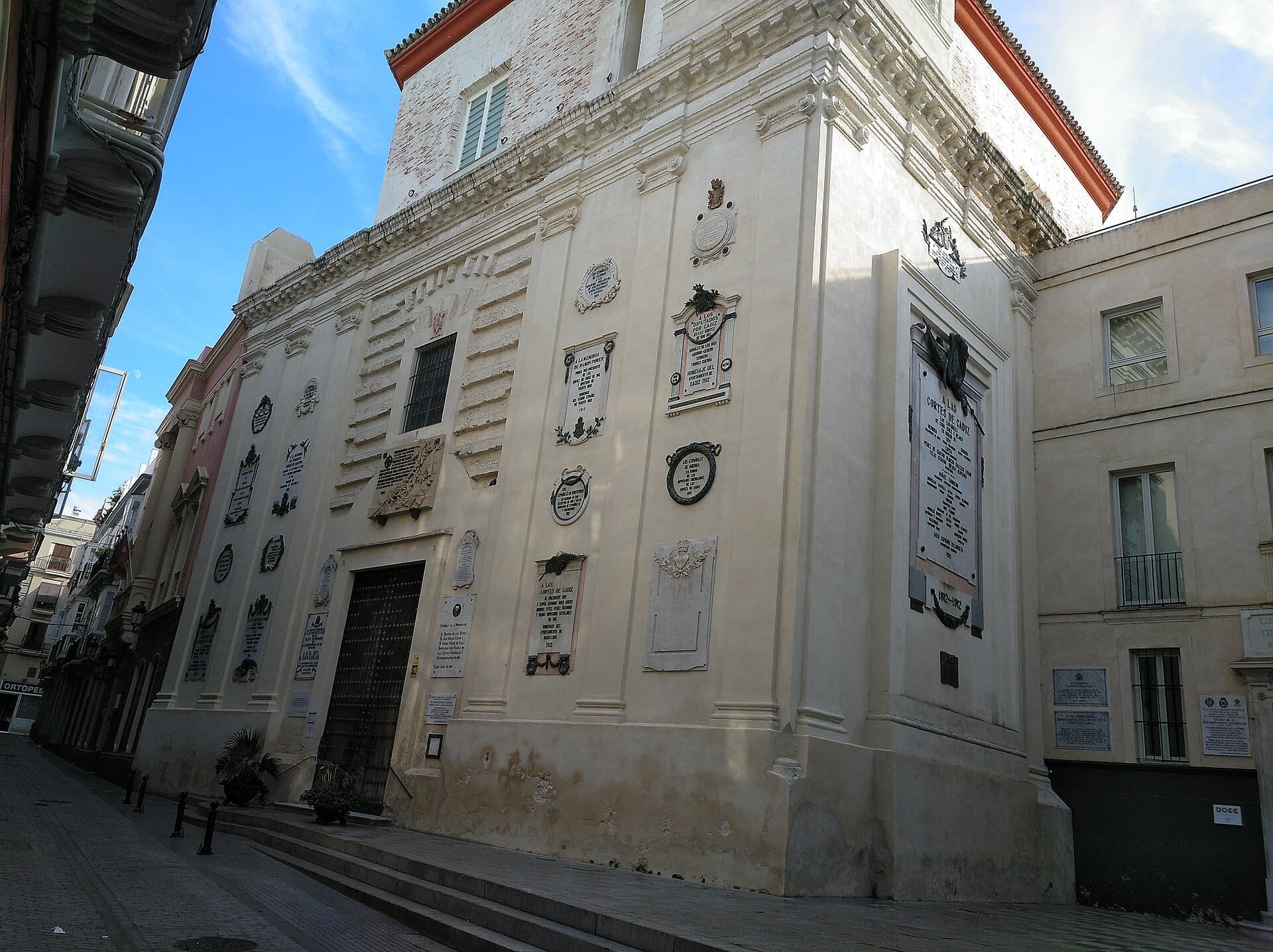
12. Stand in the Church Where Spain's First Liberal Constitution Was Signed
In 1812, this oval Baroque church hosted the proclamation of Spain's first liberal constitution, making it one of the most politically significant buildings in Spanish history. The interior is beautiful and quietly moving. It is open most afternoons and is rarely crowded despite its historical importance.
Explore12. Stand in the Church Where Spain's First Liberal Constitution Was Signed
In 1812, this oval Baroque church hosted the proclamation of Spain's first liberal constitution, making it one of the most politically significant buildings in Spanish history. The interior is beautiful and quietly moving. It is open most afternoons and is rarely crowded despite its historical importance.
Explore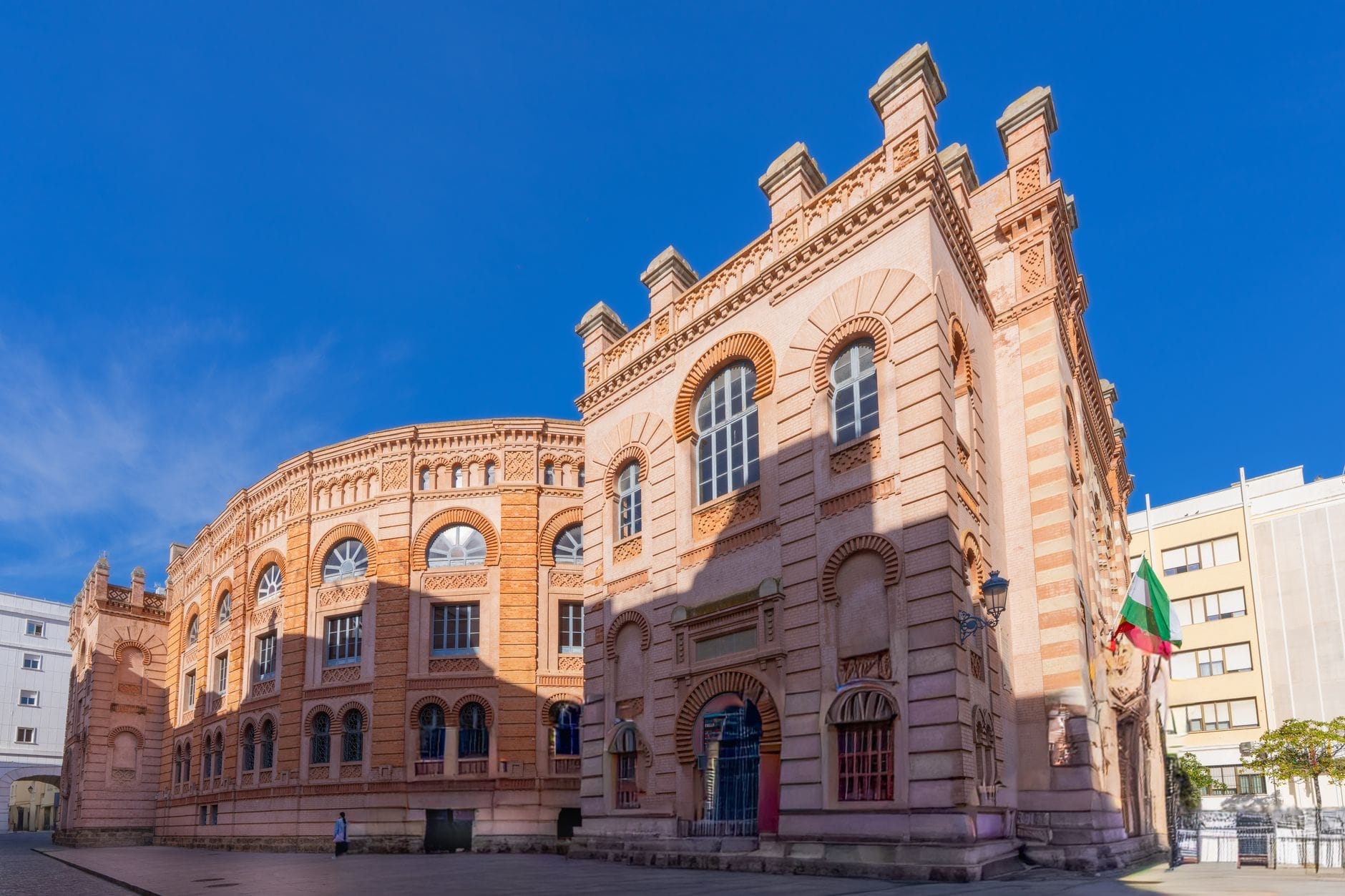
13. Admire the Neo-Mudéjar Theatre That Hosts the Carnival's Famous Contests
The red-brick facade of the Gran Teatro Falla is one of Cádiz's most distinctive buildings. Named after the city's most famous composer, it is the main stage for the Carnival's choral competitions each February. Even outside Carnival season, the exterior is worth a detour on an evening walk through the old town.
Explore13. Admire the Neo-Mudéjar Theatre That Hosts the Carnival's Famous Contests
The red-brick facade of the Gran Teatro Falla is one of Cádiz's most distinctive buildings. Named after the city's most famous composer, it is the main stage for the Carnival's choral competitions each February. Even outside Carnival season, the exterior is worth a detour on an evening walk through the old town.
Explore
14. End the Evening at the Monument to the 1812 Constitution
Cádiz's grandest square holds a large marble monument to the Spanish Constitution of 1812, a document that influenced liberal movements across Europe and Latin America. The square is spacious, uncrowded in the evenings, and a good place to decompress after a full day of sightseeing before dinner in the old town.
Explore14. End the Evening at the Monument to the 1812 Constitution
Cádiz's grandest square holds a large marble monument to the Spanish Constitution of 1812, a document that influenced liberal movements across Europe and Latin America. The square is spacious, uncrowded in the evenings, and a good place to decompress after a full day of sightseeing before dinner in the old town.
Explore✨ Pro tip
For dinner on Day 1, head to the streets around the Mercado Central or Barrio La Viña for traditional tapas bars serving fried fish (pescaíto frito), which is the local specialty.
Day 2 Morning: Coastal Walks, Castles, and La Caleta
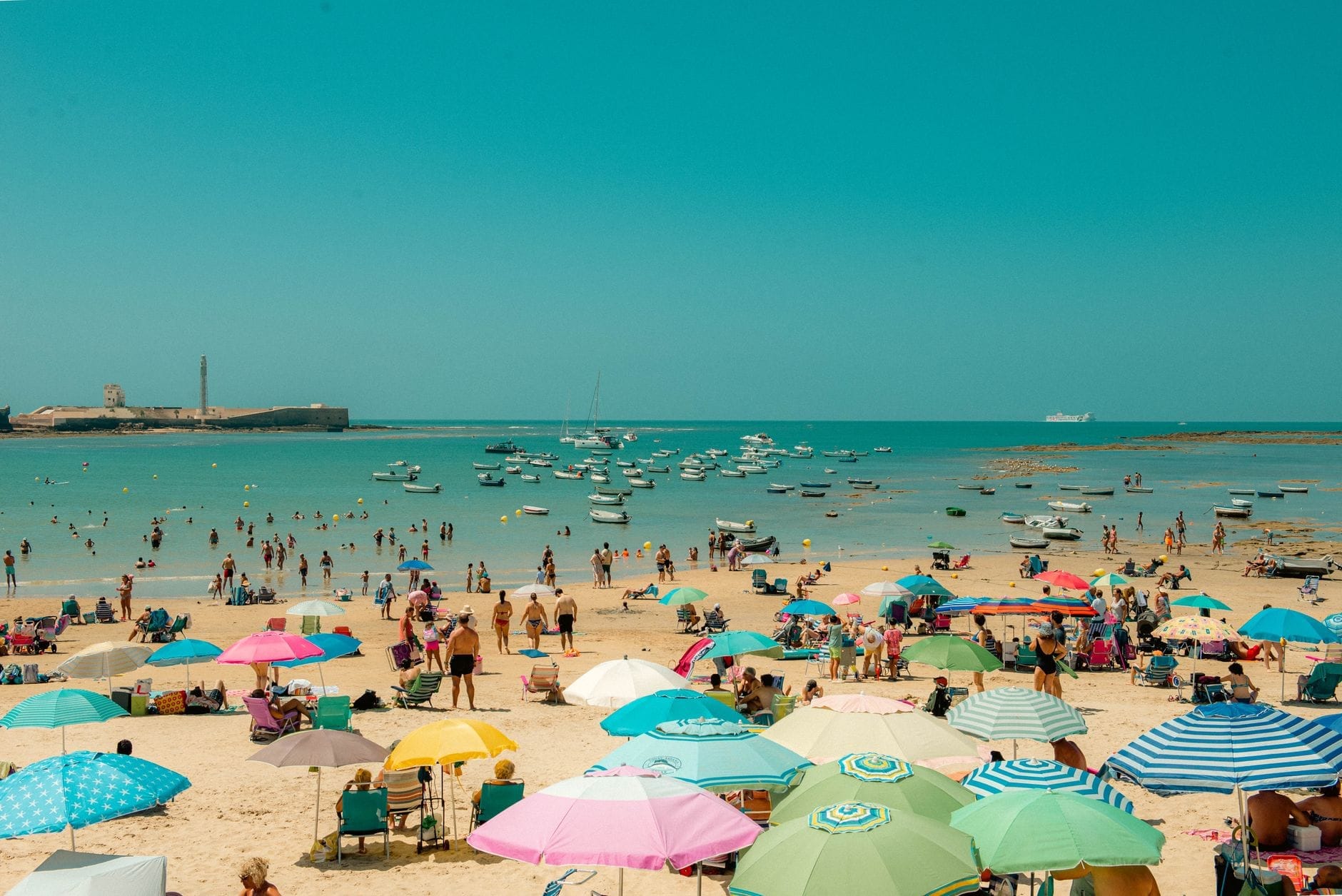
Day 2 shifts to the coast. Cádiz's greatest asset after its historic monuments is the way the ocean frames the entire city, and this morning route takes in the most dramatic section: the walk from the northern gardens around the peninsula's western tip to La Caleta beach and its two flanking castles. For a deeper look at the beaches, see the Cádiz beaches guide.
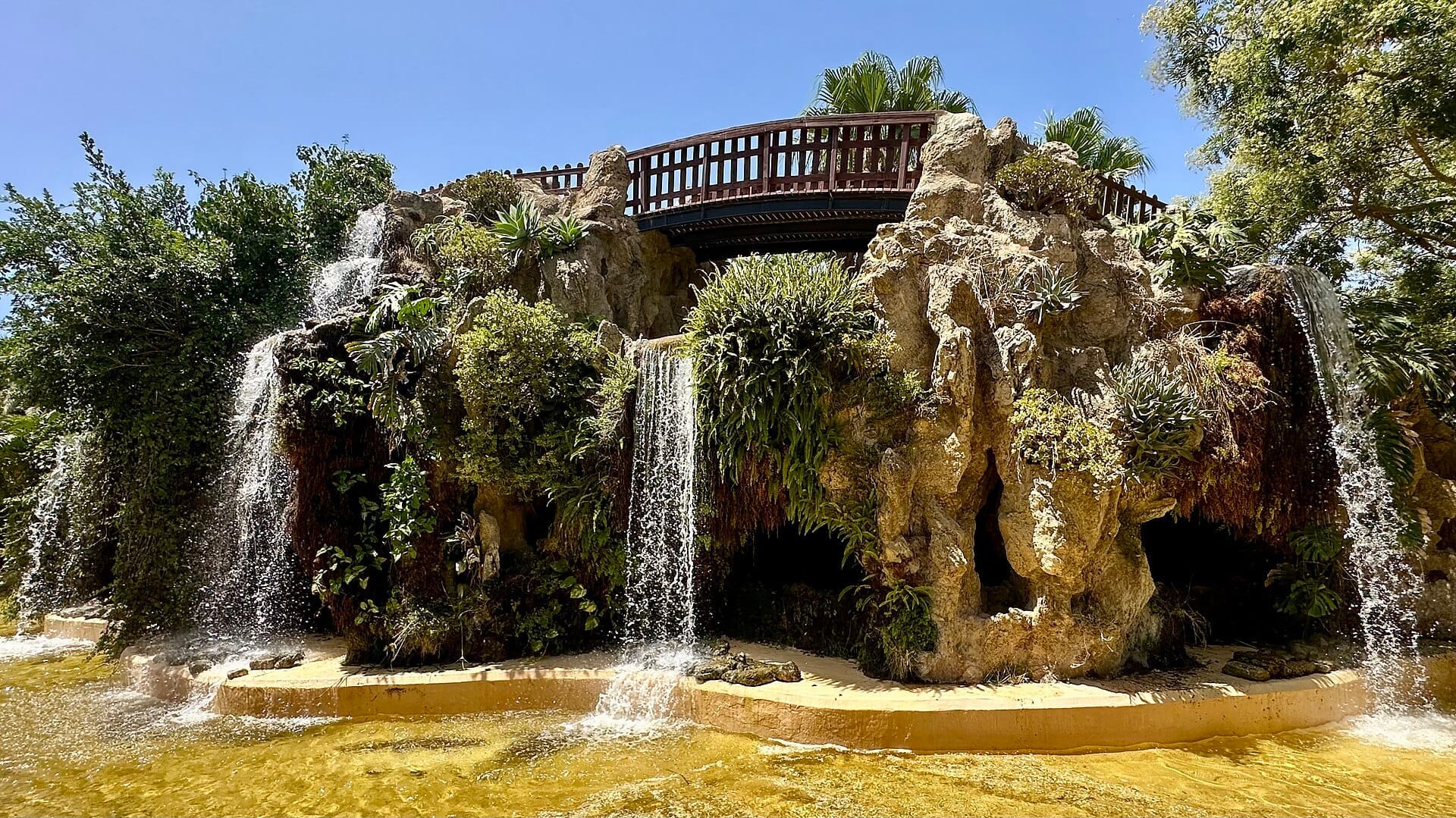
15. Start Day 2 in Cádiz's Most Beautiful Subtropical Garden
On the northwestern tip of the old town peninsula, Parque Genovés is a lush escape from the stone streets. Ancient dragon trees, ornamental ponds, and free-roaming peacocks make it unlike any other park in the city. Morning light through the canopy is worth arriving early. It connects directly to the seafront promenade.
Explore15. Start Day 2 in Cádiz's Most Beautiful Subtropical Garden
On the northwestern tip of the old town peninsula, Parque Genovés is a lush escape from the stone streets. Ancient dragon trees, ornamental ponds, and free-roaming peacocks make it unlike any other park in the city. Morning light through the canopy is worth arriving early. It connects directly to the seafront promenade.
Explore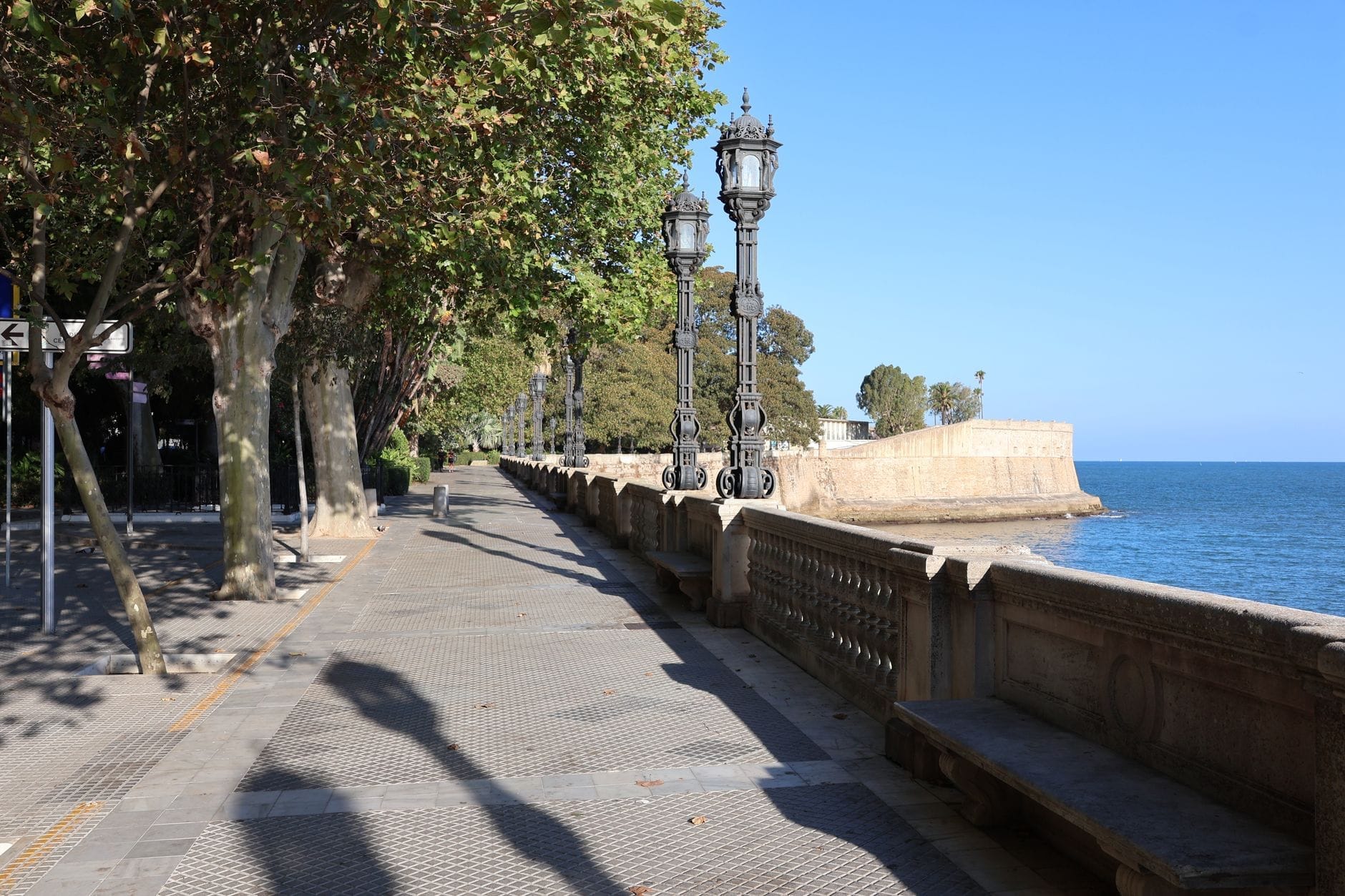
16. Walk the 19th-Century Seafront Promenade Along the Bay
Running along the northern edge of the old town, this shaded promenade offers benches, ornate lampposts, and clear views across the Bay of Cádiz toward the Sierra de Grazalema mountains. It connects Parque Genovés with the city centre and is best walked in the morning before the sun reaches its peak intensity.
Explore16. Walk the 19th-Century Seafront Promenade Along the Bay
Running along the northern edge of the old town, this shaded promenade offers benches, ornate lampposts, and clear views across the Bay of Cádiz toward the Sierra de Grazalema mountains. It connects Parque Genovés with the city centre and is best walked in the morning before the sun reaches its peak intensity.
Explore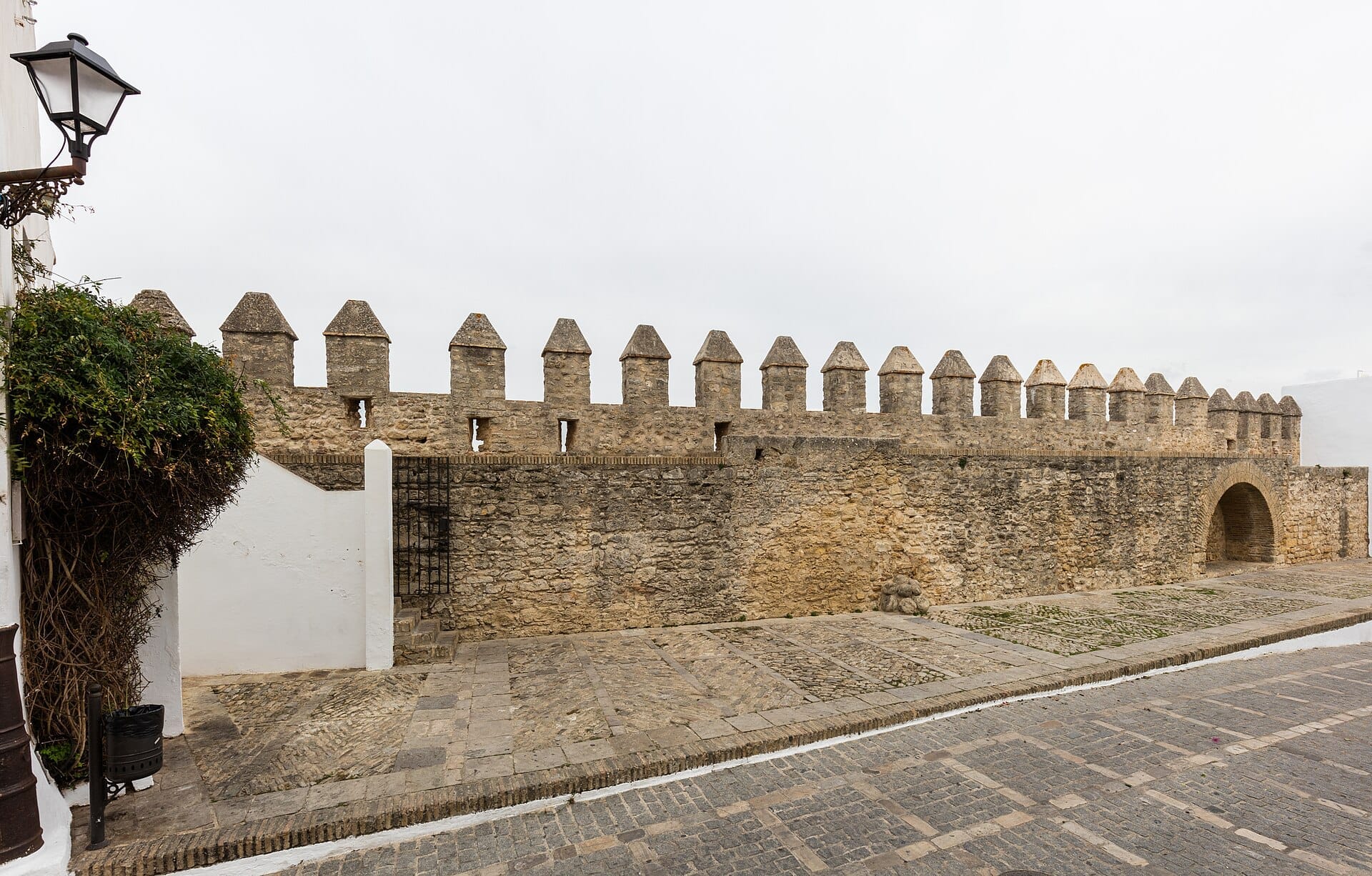
17. Follow the Sea Walls Around the Old Town's Atlantic Edge
Cádiz's historic sea walls and bastions offer one of the finest coastal walks in southern Spain. The route along the Campo del Sur connects the Atlantic-facing ramparts with the cathedral backdrop and the bay-facing Alameda Apodaca. The full circuit takes about 90 minutes at a gentle pace with frequent viewpoints.
Explore17. Follow the Sea Walls Around the Old Town's Atlantic Edge
Cádiz's historic sea walls and bastions offer one of the finest coastal walks in southern Spain. The route along the Campo del Sur connects the Atlantic-facing ramparts with the cathedral backdrop and the bay-facing Alameda Apodaca. The full circuit takes about 90 minutes at a gentle pace with frequent viewpoints.
Explore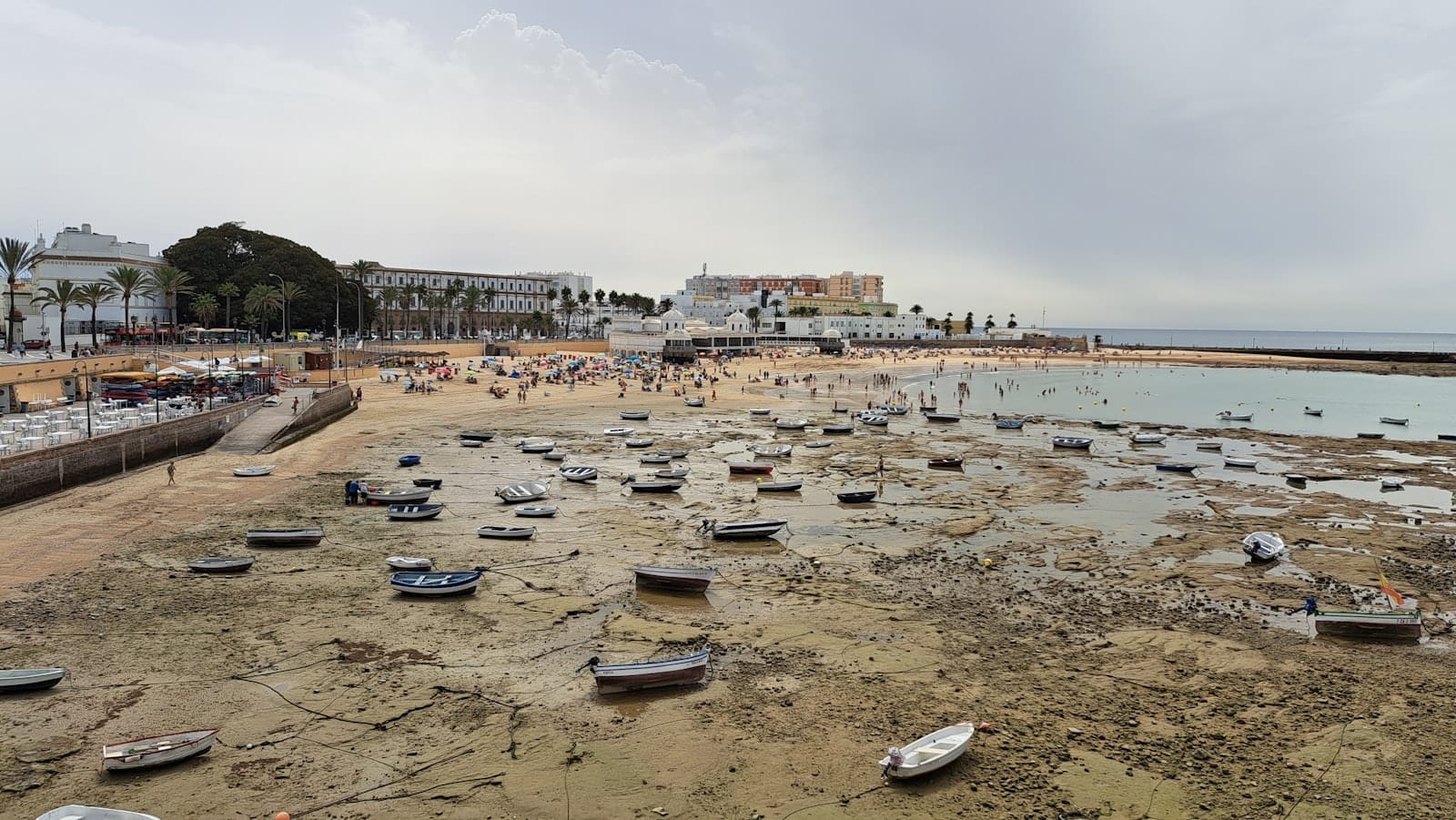
18. Spend the Morning at Cádiz's Most Atmospheric Urban Beach
Tucked between two historic castles in the heart of the old town, La Caleta is a compact crescent of golden sand with a backdrop you will not find anywhere else in Spain. It faces west, making it the best spot in the city for sunsets. In summer it fills early; arrive by 10am to claim a good spot.
Explore18. Spend the Morning at Cádiz's Most Atmospheric Urban Beach
Tucked between two historic castles in the heart of the old town, La Caleta is a compact crescent of golden sand with a backdrop you will not find anywhere else in Spain. It faces west, making it the best spot in the city for sunsets. In summer it fills early; arrive by 10am to claim a good spot.
Explore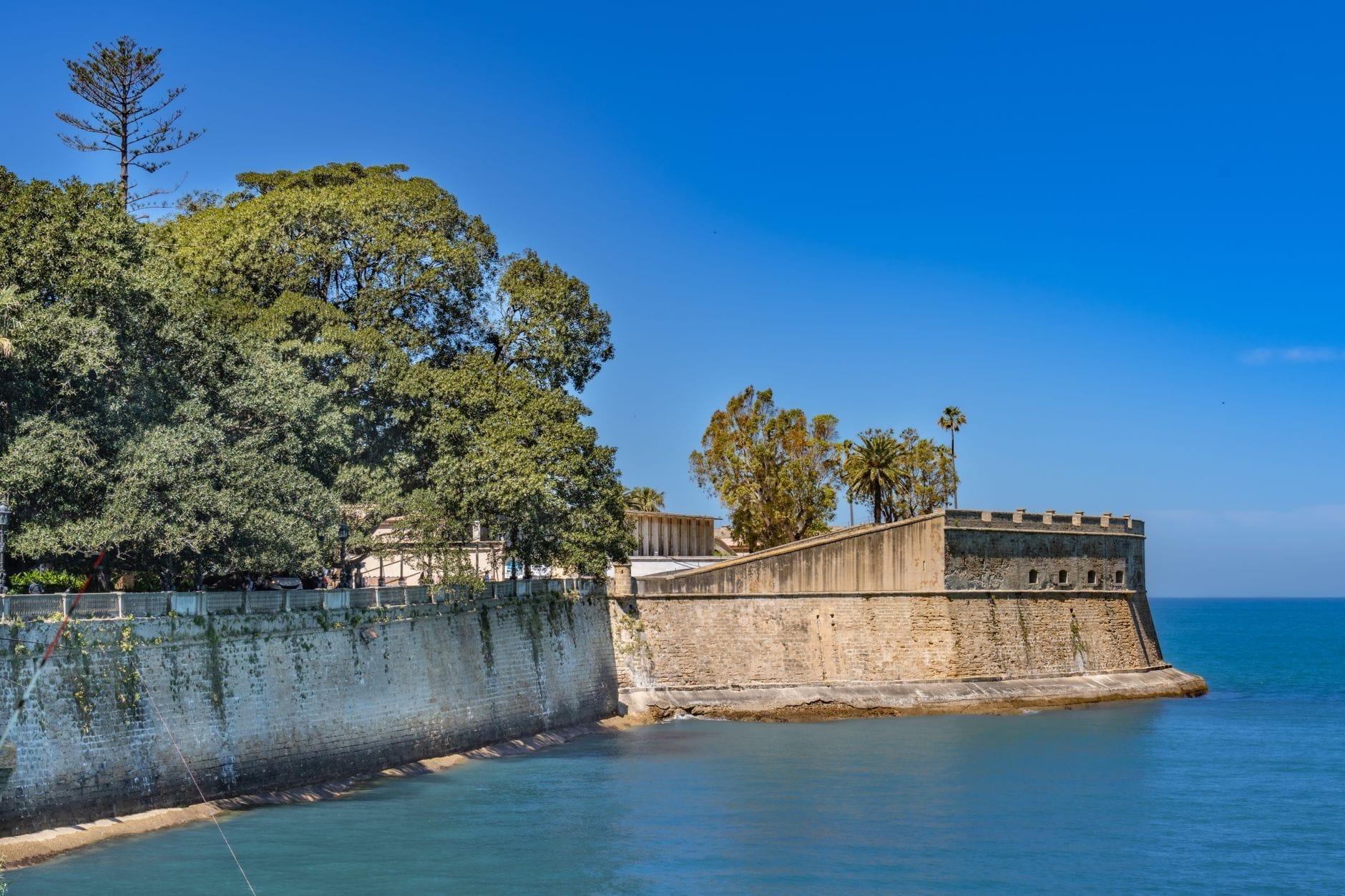
19. Explore the Star-Shaped Fortress at La Caleta's Northern End
This 17th-century star fort overlooks La Caleta beach and is used as a cultural centre hosting art exhibitions. Entry is free, and the ramparts provide excellent views across the bay toward Castillo de San Sebastián. Check opening hours locally before visiting, as they can vary by season and exhibition schedule.
Explore19. Explore the Star-Shaped Fortress at La Caleta's Northern End
This 17th-century star fort overlooks La Caleta beach and is used as a cultural centre hosting art exhibitions. Entry is free, and the ramparts provide excellent views across the bay toward Castillo de San Sebastián. Check opening hours locally before visiting, as they can vary by season and exhibition schedule.
Explore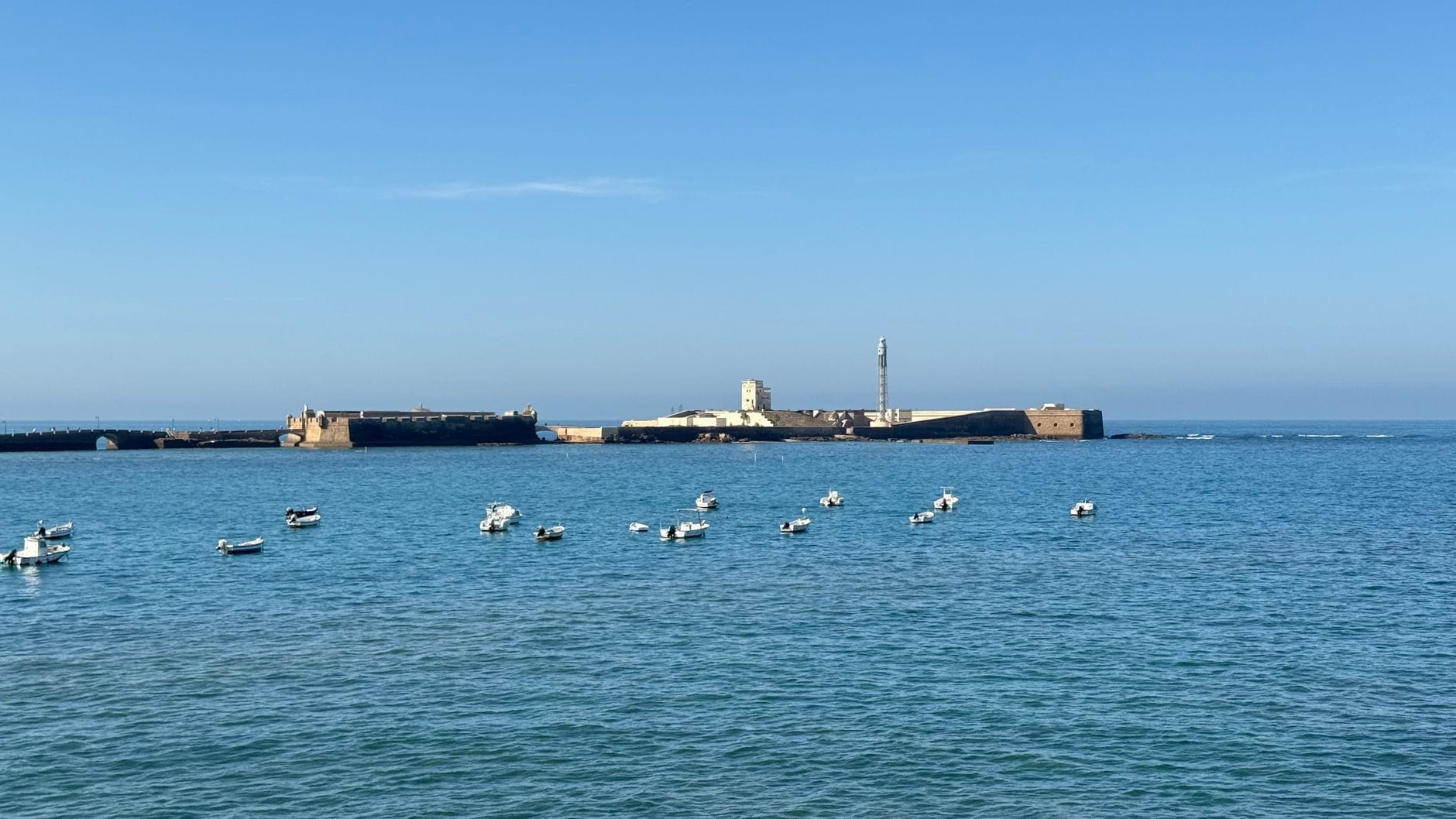
20. Walk the Atlantic Causeway to the Fortress on the Rocky Islet
The long causeway to Castillo de San Sebastián, with open Atlantic water on both sides, is one of the most dramatic short walks in the city. The walk itself is always accessible regardless of whether the castle is open. Go in the morning for calmer seas and cleaner light on the rocks and fortress walls.
Explore20. Walk the Atlantic Causeway to the Fortress on the Rocky Islet
The long causeway to Castillo de San Sebastián, with open Atlantic water on both sides, is one of the most dramatic short walks in the city. The walk itself is always accessible regardless of whether the castle is open. Go in the morning for calmer seas and cleaner light on the rocks and fortress walls.
Explore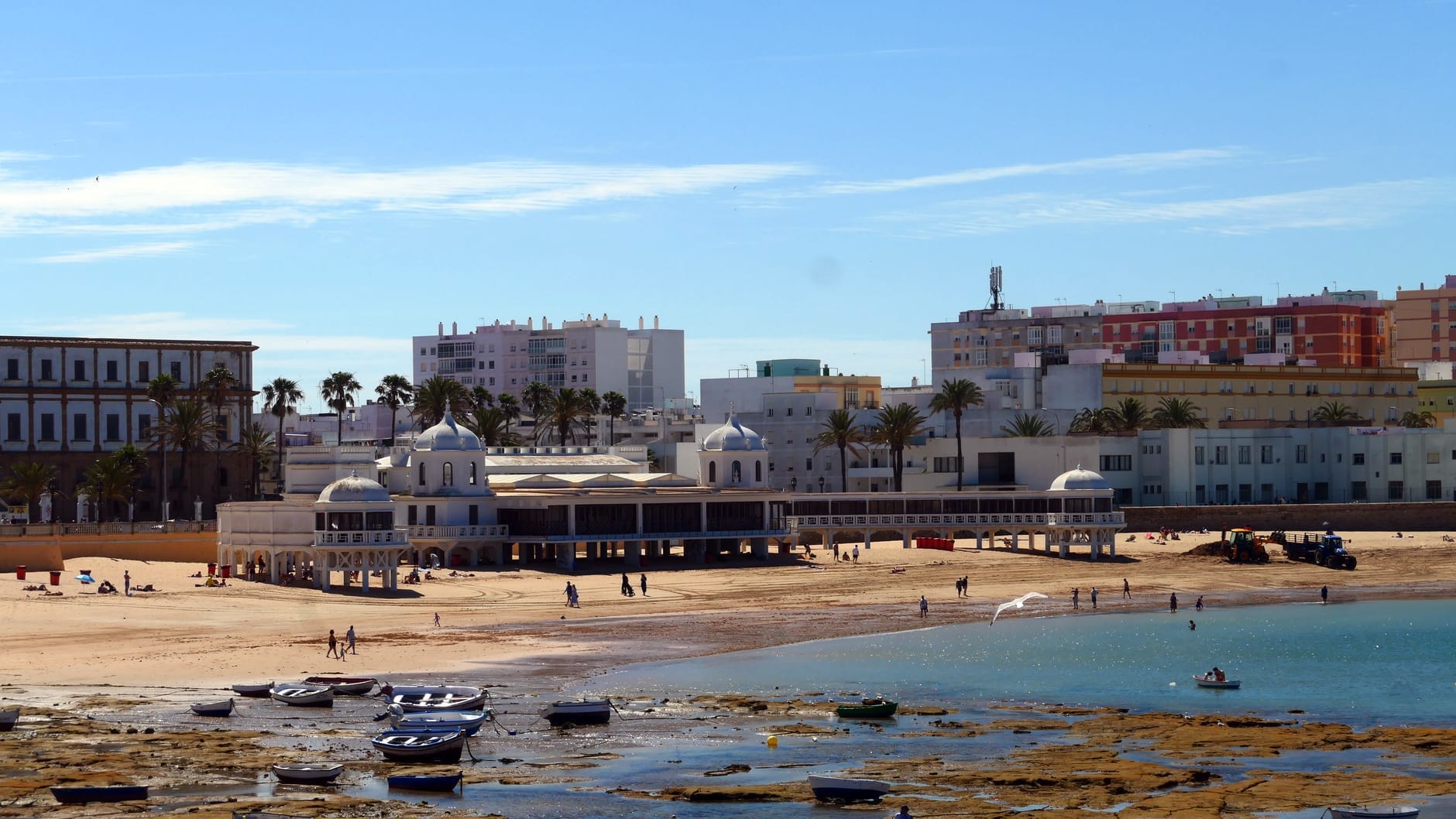
21. Photograph the Iconic Victorian Bathing Pavilion in the Bay
Standing on a jetty in La Caleta, this 19th-century bathing pavilion is one of Cádiz's most recognisable structures. Now a cultural centre, it is photographed from the beach and the sea walls above. The view from Campo del Sur with the pavilion, the castles, and the cathedral dome aligned is the classic Cádiz image.
Explore21. Photograph the Iconic Victorian Bathing Pavilion in the Bay
Standing on a jetty in La Caleta, this 19th-century bathing pavilion is one of Cádiz's most recognisable structures. Now a cultural centre, it is photographed from the beach and the sea walls above. The view from Campo del Sur with the pavilion, the castles, and the cathedral dome aligned is the classic Cádiz image.
ExploreDay 2 Afternoon: The Southern Coast and City Gates
After lunch in La Viña or near La Caleta, the afternoon follows the dramatic southern seafront before heading through the historic city gates. This section works well at a slower pace. If you have energy for more, the best viewpoints in Cádiz guide includes several spots along this route.
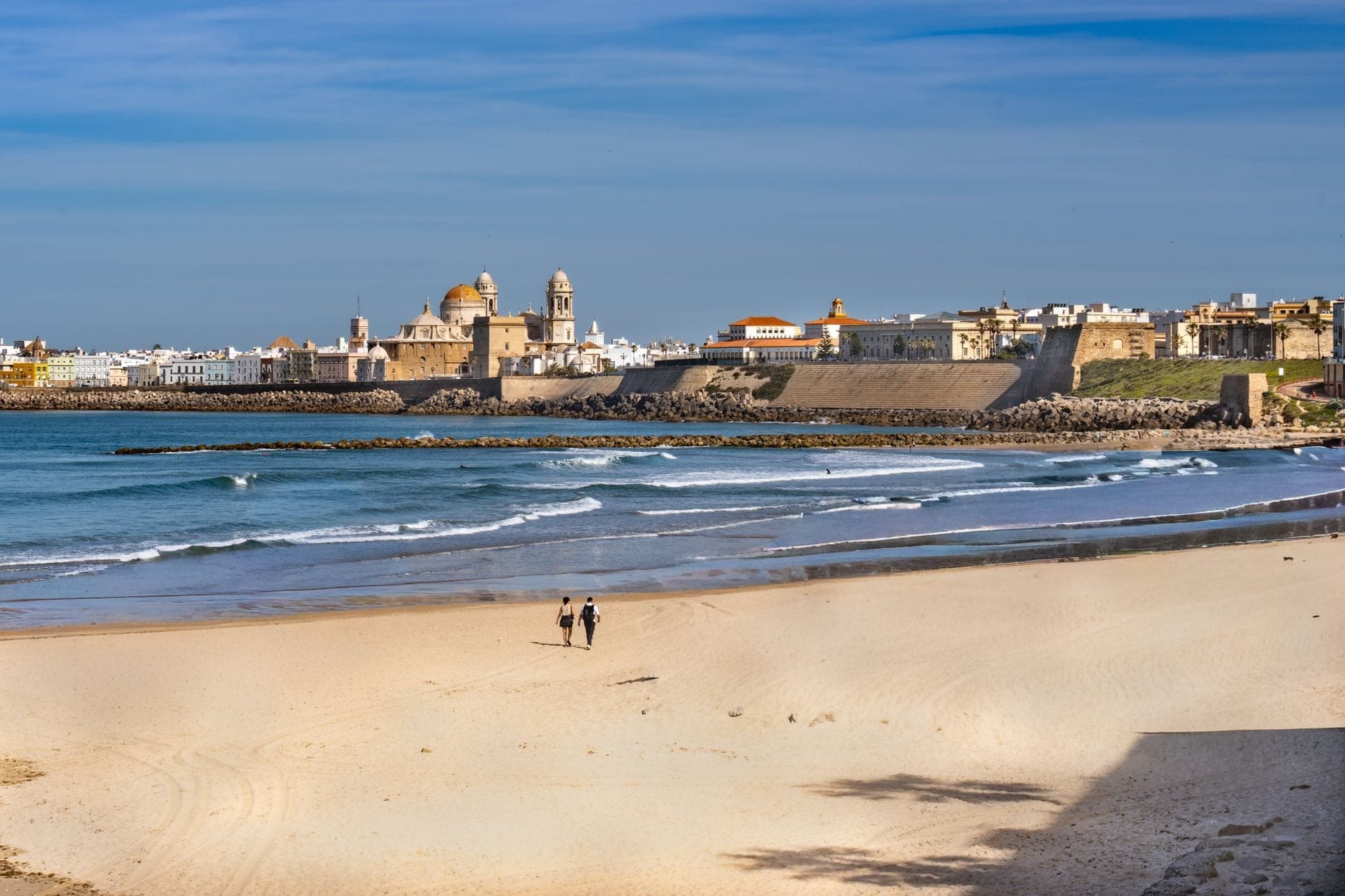
22. Walk the Dramatic Southern Seafront with the Cathedral Dome Rising Above
The seafront avenue along the old town's southern edge offers one of Cádiz's signature views: the cathedral's golden dome rising above Atlantic waves. It is a windswept, photogenic stretch that connects La Caleta with the cathedral quarter in under 20 minutes. Walk it heading east to keep the cathedral directly in front of you.
Explore22. Walk the Dramatic Southern Seafront with the Cathedral Dome Rising Above
The seafront avenue along the old town's southern edge offers one of Cádiz's signature views: the cathedral's golden dome rising above Atlantic waves. It is a windswept, photogenic stretch that connects La Caleta with the cathedral quarter in under 20 minutes. Walk it heading east to keep the cathedral directly in front of you.
Explore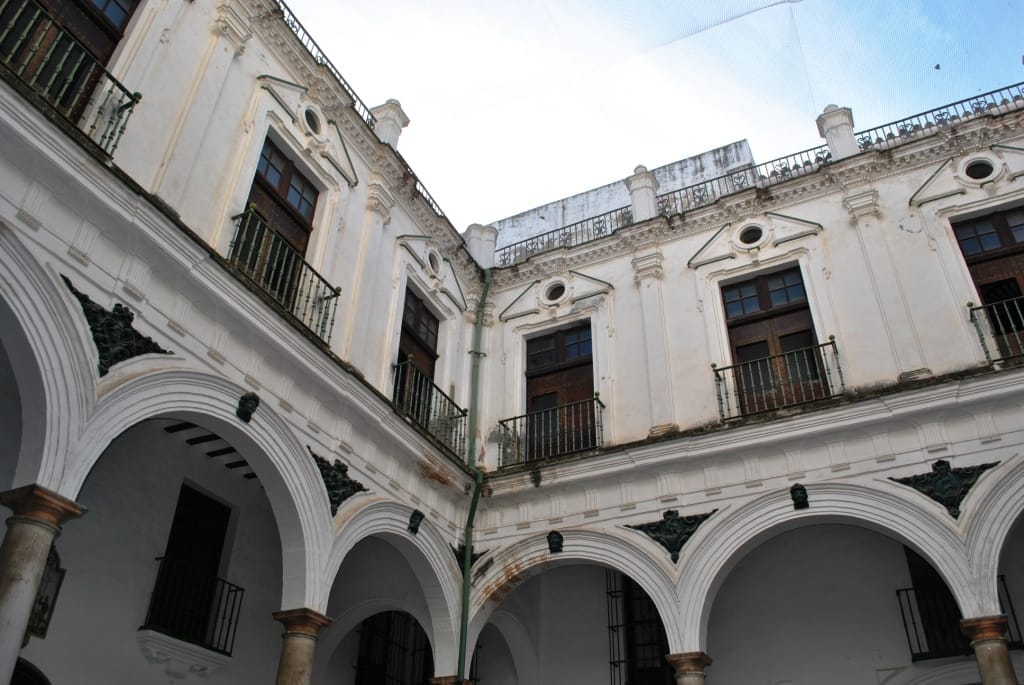
23. Step Inside the Baroque Hospital Courtyard Hiding an El Greco Masterpiece
This 18th-century Baroque complex is now a government building but remains open to visitors for its stunning arcaded courtyard and chapel. Inside the chapel hangs El Greco's 'Ecstasy of Saint Francis', one of the most important paintings in Cádiz. It is low-profile and uncrowded, which makes the visit feel like a discovery.
Explore23. Step Inside the Baroque Hospital Courtyard Hiding an El Greco Masterpiece
This 18th-century Baroque complex is now a government building but remains open to visitors for its stunning arcaded courtyard and chapel. Inside the chapel hangs El Greco's 'Ecstasy of Saint Francis', one of the most important paintings in Cádiz. It is low-profile and uncrowded, which makes the visit feel like a discovery.
Explore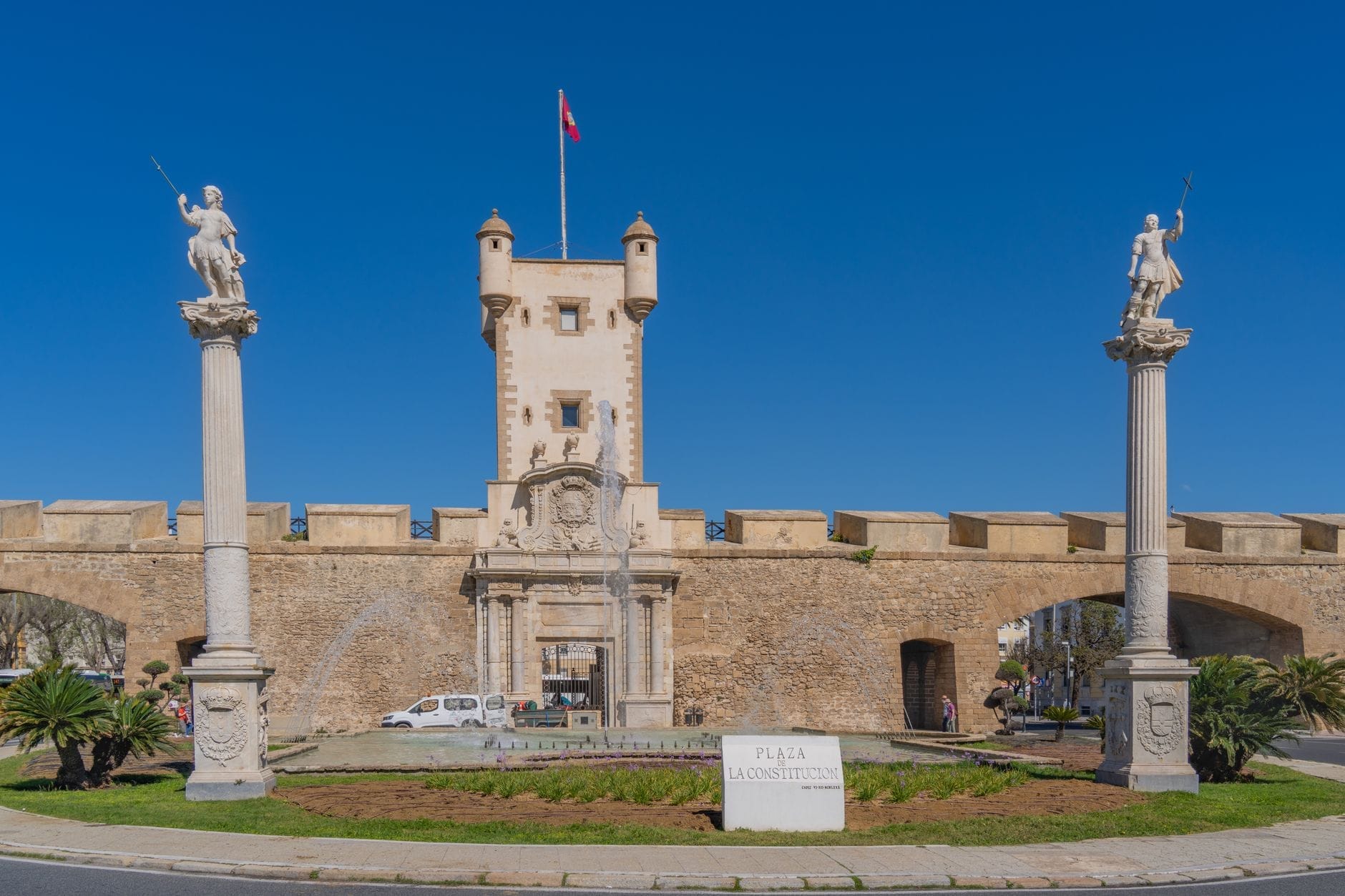
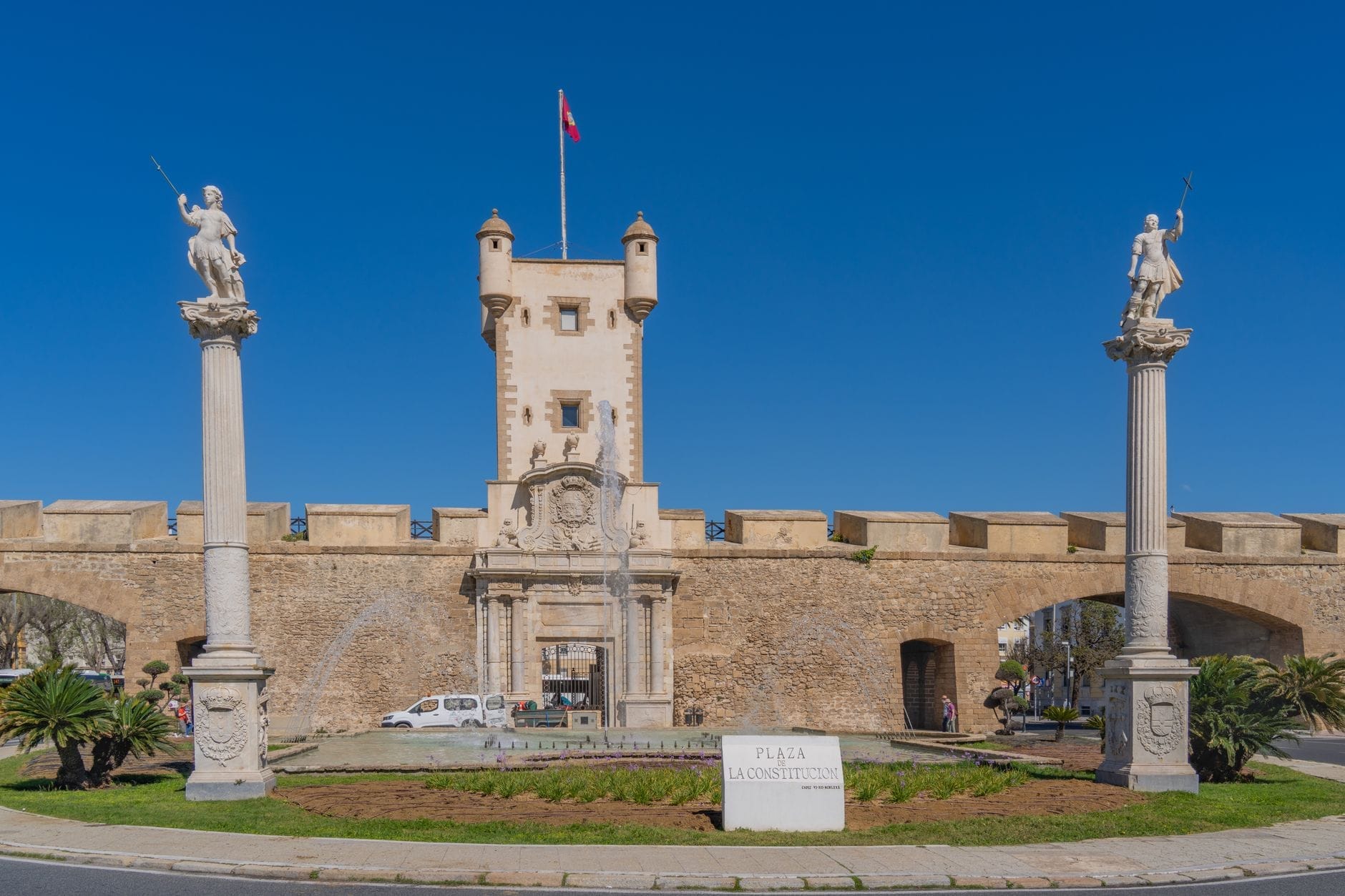
24. Pass Through the 18th-Century Land Gates That Once Sealed the City
The Puertas de Tierra are the monumental Baroque gateways that formed the only land entrance to the walled city of Cádiz. They stand at the boundary between the old and new town. Climb the ramparts for views across both sides of the narrow peninsula. They mark a natural turning point before heading to Playa de la Victoria.
Explore24. Pass Through the 18th-Century Land Gates That Once Sealed the City
The Puertas de Tierra are the monumental Baroque gateways that formed the only land entrance to the walled city of Cádiz. They stand at the boundary between the old and new town. Climb the ramparts for views across both sides of the narrow peninsula. They mark a natural turning point before heading to Playa de la Victoria.
Explore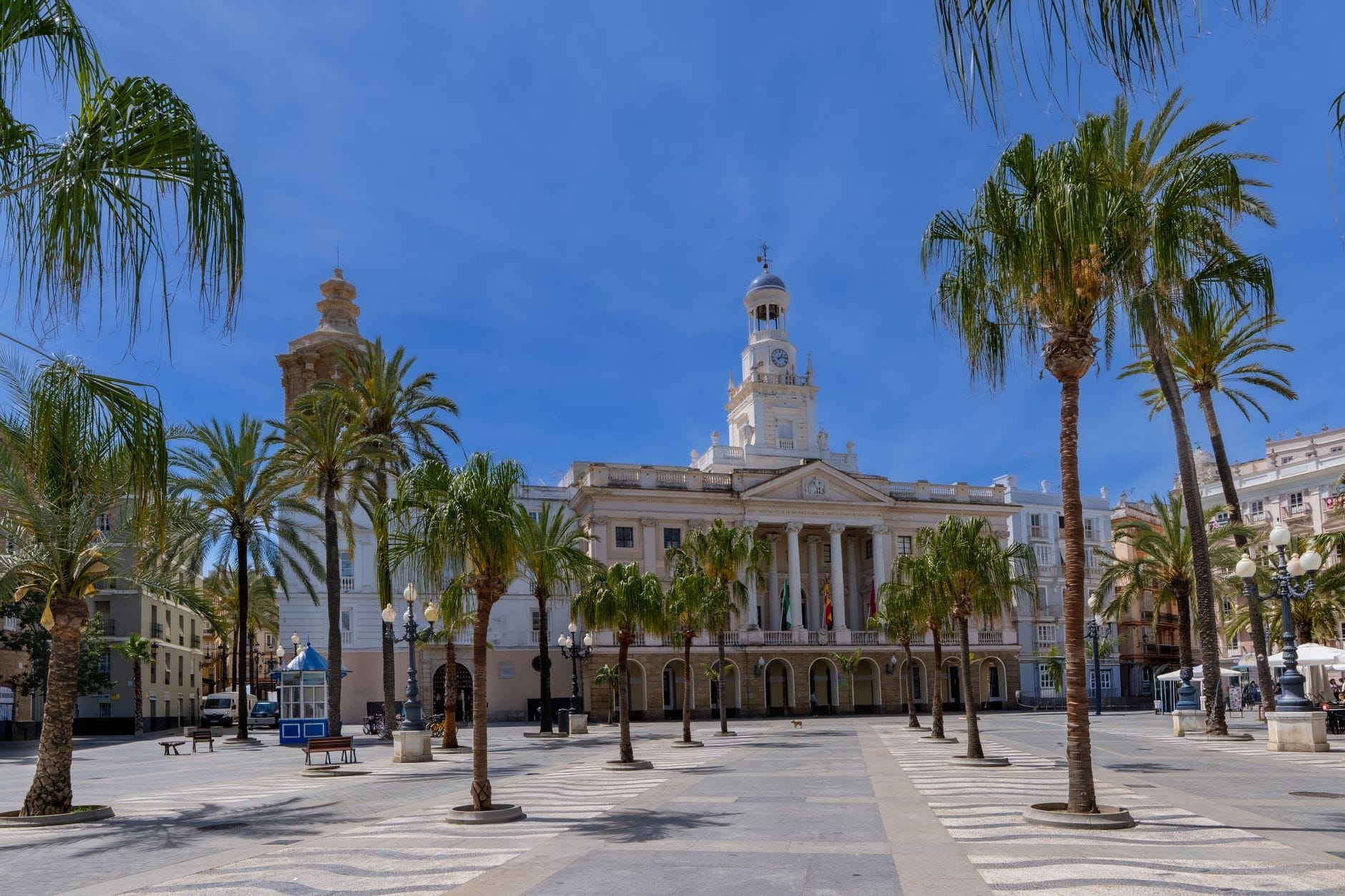
25. Admire the Neo-Classical City Hall Before Your Final Evening
The white neo-classical facade of Cádiz's 19th-century City Hall dominates Plaza de San Juan de Dios and is one of the finest examples of civic architecture in Andalusia. Pass through the square on your way back from the city gates for a final look at the building that anchors Cádiz's public life.
Explore25. Admire the Neo-Classical City Hall Before Your Final Evening
The white neo-classical facade of Cádiz's 19th-century City Hall dominates Plaza de San Juan de Dios and is one of the finest examples of civic architecture in Andalusia. Pass through the square on your way back from the city gates for a final look at the building that anchors Cádiz's public life.
Explore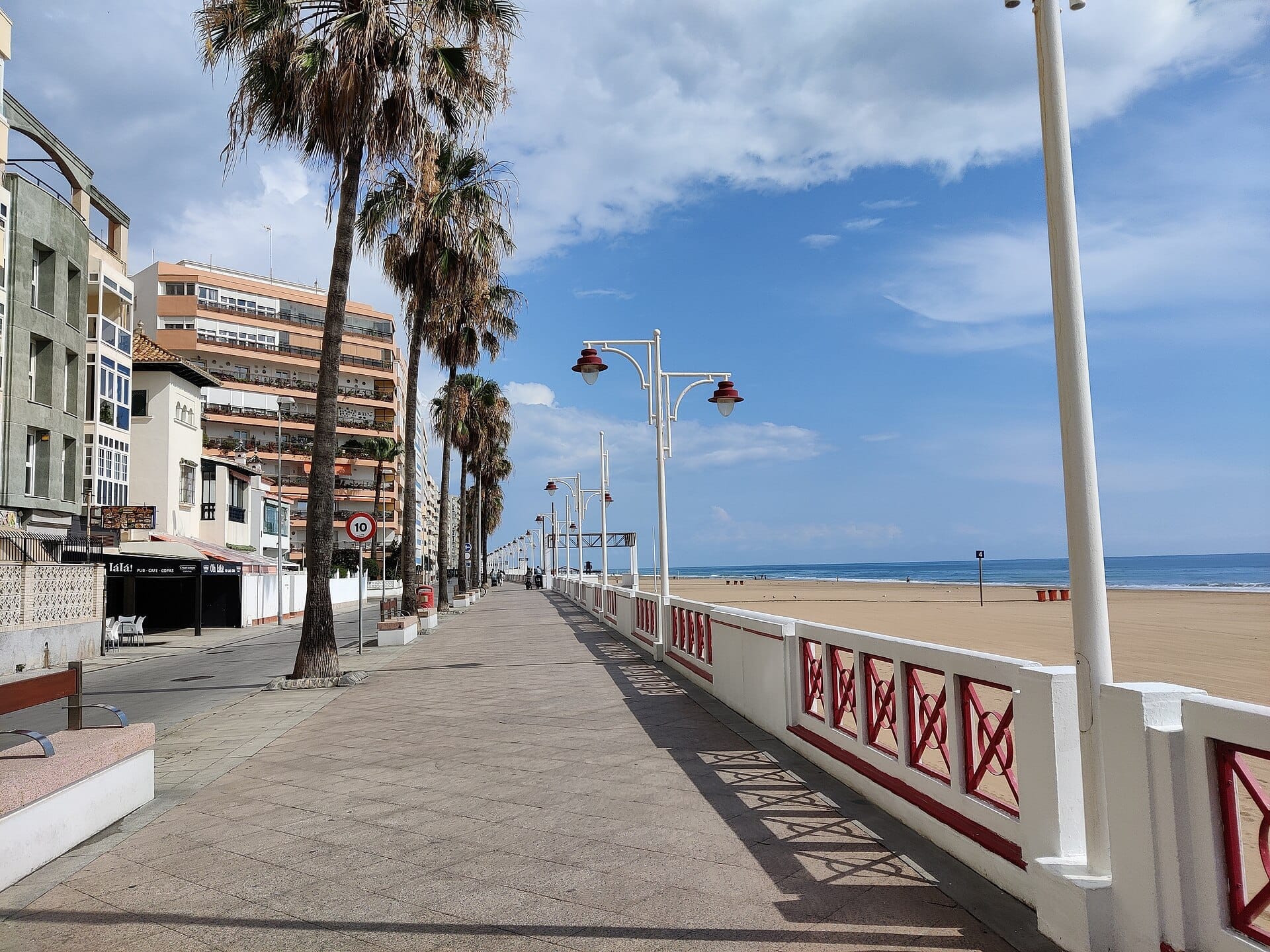
26. Finish the Weekend with a Sunset Walk Along Playa de la Victoria
The palm-lined promenade along Playa de la Victoria is where the city stretches and breathes. In summer it runs with cyclists, families, and diners at the beach bars. In spring and autumn it is quieter but equally pleasant. It is a 4km strip of open Atlantic coast and the perfect way to close a two-day visit.
Explore26. Finish the Weekend with a Sunset Walk Along Playa de la Victoria
The palm-lined promenade along Playa de la Victoria is where the city stretches and breathes. In summer it runs with cyclists, families, and diners at the beach bars. In spring and autumn it is quieter but equally pleasant. It is a 4km strip of open Atlantic coast and the perfect way to close a two-day visit.
ExploreFAQ
Is 2 days enough for Cádiz?
Yes, two full days is enough to cover the main sights in the old town and enjoy the beaches. The historic centre is compact and walkable. A third day allows for a day trip to Jerez or more time on the beach.
What is the best time of year for a weekend in Cádiz?
April to June and September to October offer the best conditions: temperatures are moderate, beaches are usable, and crowds are lighter than in summer. July and August are hot and busy. February during Carnival is spectacular but accommodation books up well in advance.
How do I get to Cádiz for a weekend trip?
The nearest airports are Jerez de la Frontera and Seville. From Jerez, trains connect to Cádiz city centre. From Seville, there are also trains and buses to Cádiz. The journey from Seville by train takes around 1 hour 40 minutes.
Can you walk between all the main sights in Cádiz's old town?
Yes. The old town peninsula is compact and most attractions are within a short walk of each other. You do not need public transport for any of the sights in this itinerary except Playa de la Victoria, which is a longer walk or short taxi ride from the old town.
What should I eat in Cádiz during a weekend visit?
Pescaíto frito (fried fish) is the local specialty and found in bars throughout La Viña and the old town. The Central Market is a good place to see and buy fresh Atlantic seafood. Tortillitas de camarones (shrimp fritters) are a Cádiz-specific tapa worth seeking out at traditional bars.