Cádiz to Jerez de la Frontera: The Complete Day Trip Guide
Jerez de la Frontera sits just 22 km from Cádiz by rail, making it one of the most rewarding day trips in Andalusia. This guide covers every transport option, the best things to do once you arrive, and honest advice on making the most of your time in Spain's sherry capital.

Plan and book this trip
Tools from our partner Travelpayouts help you compare flights and hotels. If you book through them, we may earn a commission at no extra cost to you.
Flights
Hotels map
TL;DR
- The train is the best way to go: Renfe Cercanías line C1 runs at least hourly, takes 32–41 minutes, and costs around €4–7 one way.
- Jerez rewards a full day: sherry bodegas, the Alcázar, the old cathedral, flamenco, and Andalusian horses all deserve at least two to three hours each.
- Cercanías tickets don't need advance booking — buy at station machines on the day, but check Renfe's official timetable before weekend or holiday travel.
- Spring and autumn are the best seasons for this trip; summer in Jerez is noticeably hotter than coastal Cádiz, so start early if visiting July–August.
- See the best time to visit Cádiz guide for how to coordinate this trip with Cádiz's own seasonal events.
Why Jerez Makes Sense as a Day Trip from Cádiz

Jerez de la Frontera is the kind of place that feels like a full destination but is close enough to treat as an extension of a Cádiz itinerary. The distance between the two cities is roughly 30–31 km by rail, the journey takes under 40 minutes, and trains run often enough that you don't need to plan around a rigid schedule. That combination is rare in Spain, where day trips often require long intercity journeys.
What makes Jerez worth the effort is the contrast with Cádiz. Where Cádiz is an Atlantic port city defined by seafood, beaches, and a compact old town surrounded by water, Jerez is an inland Andalusian city shaped by sherry wine, thoroughbred horses, and a deeper Moorish architectural heritage. The two cities complement each other well. If you're spending two days in Cádiz, Jerez is the obvious side trip on day two.
ℹ️ Good to know
Jerez de la Frontera is also where you'll find the nearest international airport to Cádiz (Jerez Airport, IATA code XRY), served by Ryanair and other carriers. If you're flying in or out, you can combine your Jerez day trip with airport logistics using the same Cercanías C1 line.
Getting from Cádiz to Jerez: All Transport Options
The train is, without question, the most convenient option. Renfe Cercanías line C1 connects Cádiz and Jerez de la Frontera directly, with services running roughly every 30 to 60 minutes depending on the time of day. Journey time on most departures is around 34–38 minutes. First C1 trains from Cádiz usually leave shortly after 06:00, with services running through the afternoon; exact times vary by day and season.
Ticket prices are straightforward: Cercanías fares run around €2–4 one way, depending on the zones travelled. Some Media Distancia trains on the same route can cost slightly more. For standard Cercanías travel, there's no need to book in advance — station machines and ticket validators handle it. Only if you're booking a medium-distance service via platforms like Trainline or Omio does advance booking make sense, and in that case fares from around €4 are available.
- Train (Cercanías C1) Best overall option. Departs Cádiz station, arrives Jerez in 32–41 minutes. Fares €3–7. Runs roughly hourly or better. Buy tickets at station machines — no advance booking needed.
- Bus Direct buses run around twice daily, taking approximately 45 minutes. Fares in the €3–6 range. Less flexible than the train due to limited frequency.
- Car or Taxi Road distance is about 31 km, driving time roughly 24 minutes under normal conditions. Useful if you want maximum flexibility in Jerez, but parking in the historic centre can be tight.
⚠️ What to skip
Some third-party booking aggregators show very few train options between Cádiz and Jerez because they only display long-distance Renfe services. In reality, direct Cercanías trains run regularly via line C1 during the day. Always check the official Renfe Cercanías timetable at renfe.com before assuming connections are scarce.
What to Do in Jerez: A Practical Day Plan
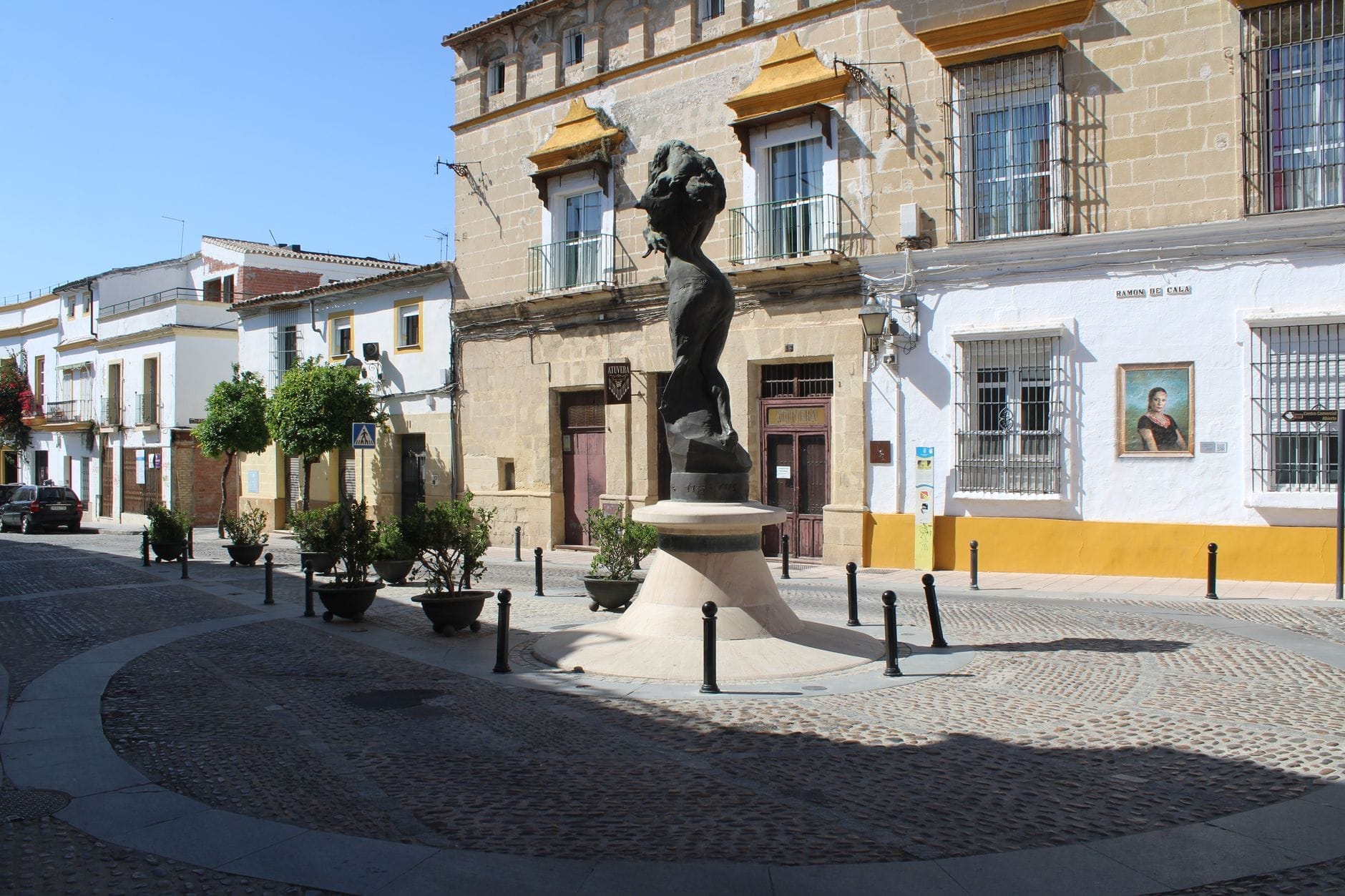
Jerez is compact enough to cover its main highlights on foot, but the city rewards a slow pace. Arriving by mid-morning gives you time to visit a bodega before lunch, explore the old town in the afternoon, and catch an early evening flamenco performance before heading back to Cádiz. Here's how to structure the day.
Start with the sherry bodegas. Jerez is the production heart of sherry (Jerez/Xérès/Sherry DO), and a guided bodega tour is the defining experience of any visit. Major houses like Tío Pepe (González Byass), Bodegas Lustau, and Williams & Humbert offer scheduled tours most mornings, typically lasting 90 minutes to two hours and including tastings. Prices generally range from around €15 to €30 per person depending on the tour level. Book in advance during spring (especially around the Feria del Caballo in May) and in September during harvest season, when demand spikes.
After the bodega, the Alcázar of Jerez is a 10-minute walk from the city centre. The fortification dates to the 12th-century Almohad period and contains a well-preserved mosque that was later converted into a chapel, a bathhouse, and gardens. Entry fees are modest, at just over €5, and the site is far less crowded than comparable Moorish monuments in Granada or Seville.
The Catedral de Jerez stands immediately adjacent to the Alcázar and is worth a short visit for its mix of Gothic, Baroque, and Neoclassical architecture. It houses a painting attributed to Zurbarán, which alone justifies the entrance fee. The adjacent Plaza del Arenal is Jerez's main public square and a good spot for a coffee before the afternoon.
✨ Pro tip
If you're interested in flamenco, Jerez has a legitimate claim as one of its spiritual homes, particularly for the soleá and bulerías styles. The Barrio de Santiago is the neighbourhood most associated with Jerez's flamenco identity. The Centro Andaluz de Flamenco, housed in the Palacio de Pemartín, offers free entry and is an excellent introduction to flamenco history, recordings, and documentation — far more substantive than most tourist-facing flamenco venues.
For flamenco performances in the evening, Jerez has several tablaos that run shows from around 20:00 onward. If flamenco is a priority during your Cádiz trip, it's worth cross-referencing with the Cádiz flamenco guide to understand how the two cities' traditions differ — Jerez's style is rawer and more rhythmically complex than what you'll typically find in tourist venues.
Where to Eat and Drink in Jerez
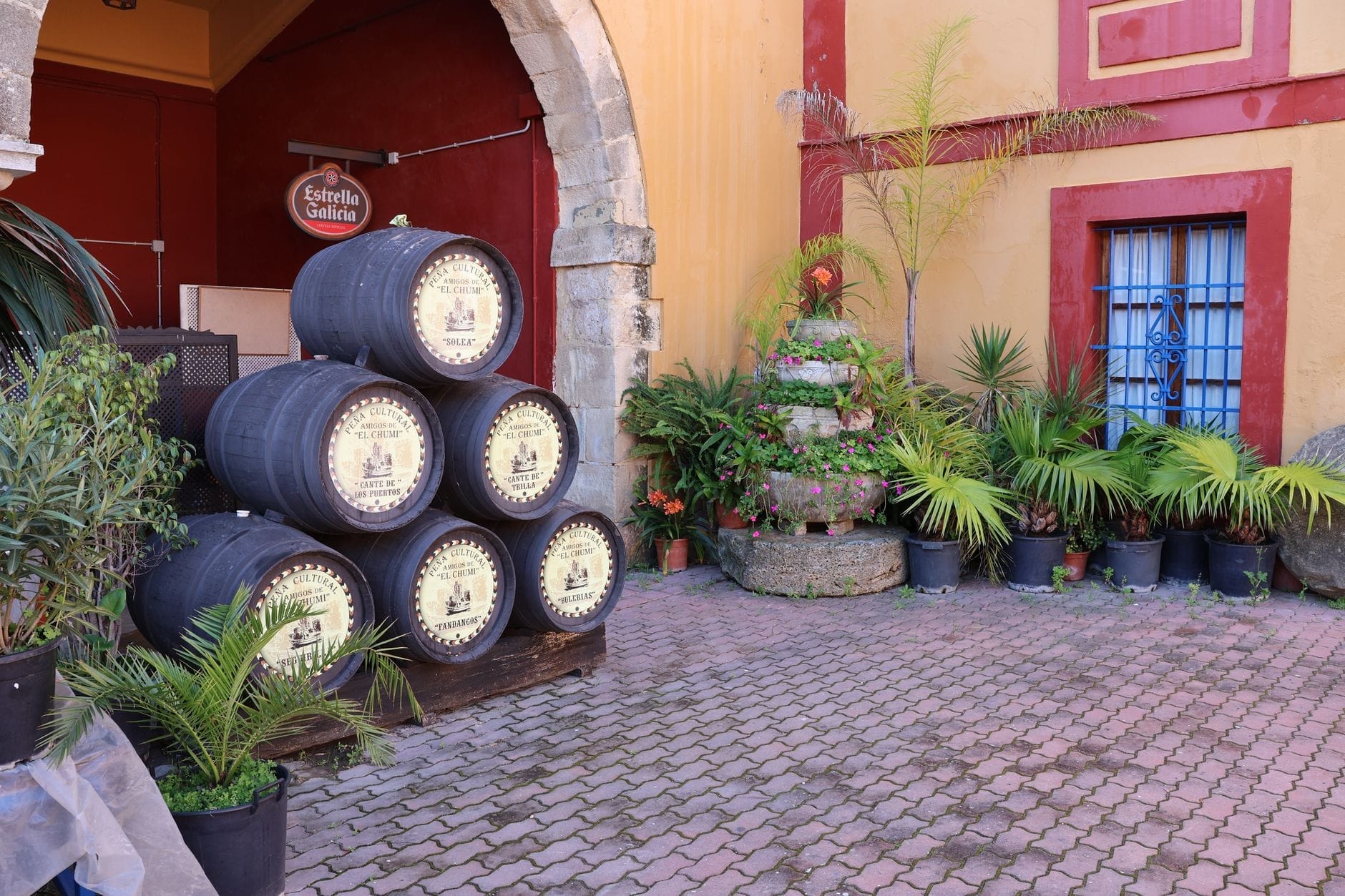
Lunch in Jerez should include tapas that reflect the sherry culture: jamón ibérico, manchego, papas aliñas, and of course a glass of fino or manzanilla served properly chilled. The streets around Plaza de las Flores and Calle Larga have a good concentration of traditional bars. Avoid the obvious tourist-facing restaurants near the Alcázar entrance — prices are higher and quality is inconsistent.
Jerez's food culture overlaps with Cádiz's in many ways, but the emphasis on wine pairing is much stronger. If you're new to Andalusian cuisine, the Cádiz food guide gives useful background on the regional dishes you'll encounter in both cities.
- Fino and manzanilla sherry are served as aperitifs with tapas — order by the glass (copa) rather than a full bottle at lunchtime.
- Rabo de toro (braised oxtail) and carrillada (braised pork cheeks) are Jerez specialities worth seeking out.
- Some traditional bars offer free tapas with drinks — confirm before ordering separately.
- The Mercado de Abastos in Jerez is worth a morning visit if you want to see local produce and grab breakfast at the counters inside.
Seasonal Timing and When to Go
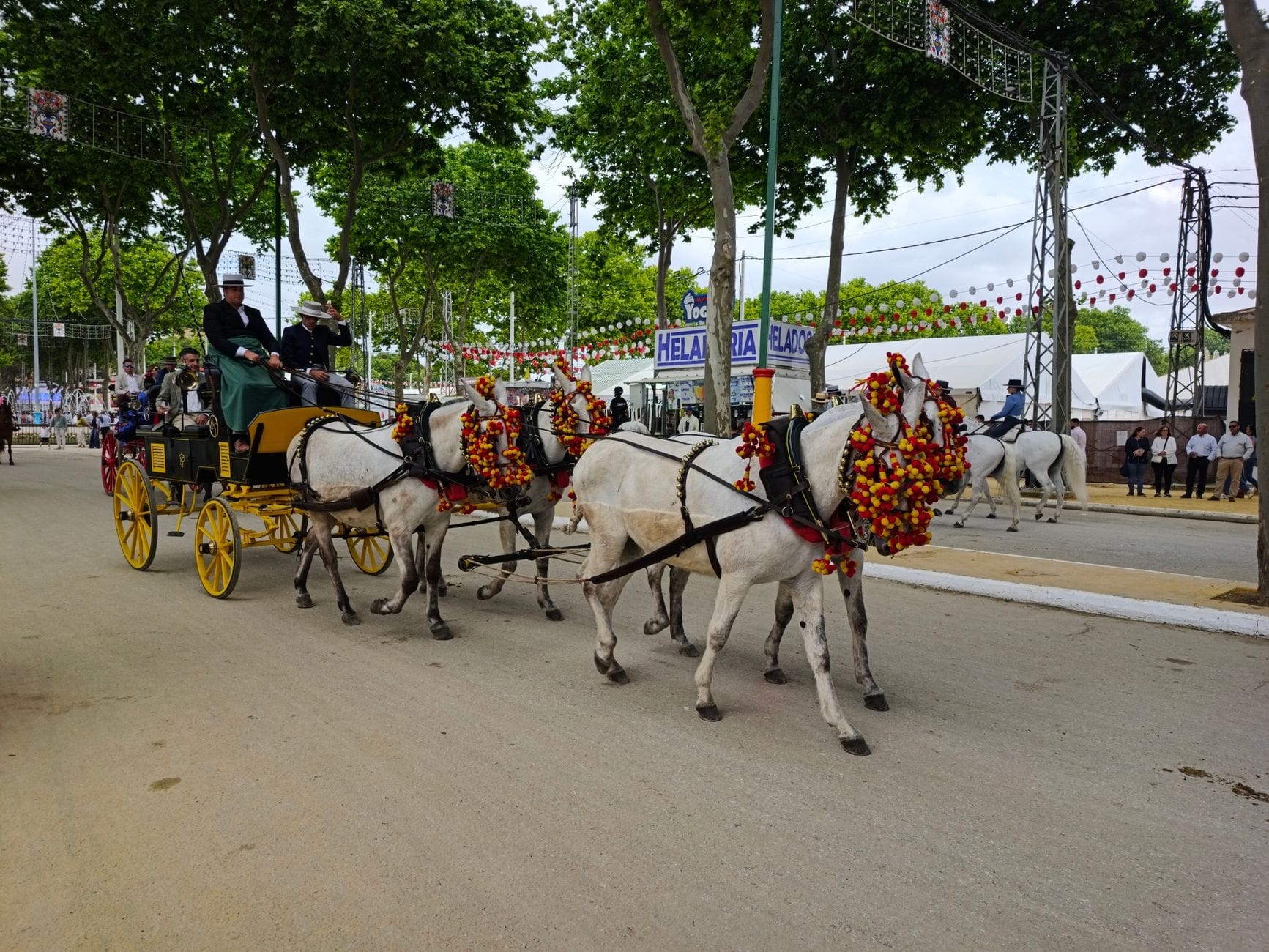
The trip from Cádiz to Jerez works year-round, but timing matters. Spring (April–June) is the peak for Jerez: the Feria del Caballo (horse fair) in early May is one of Andalusia's grandest festivals, showcasing Cartujano horses, flamenco dress, and sherry consumption on a scale that has to be seen to be believed. If you're visiting during the fair, trains will be fuller and bodegas may have reduced regular tour slots. Book everything in advance.
September brings the Fiesta de la Vendimia (harvest festival), when the grape harvest is celebrated across the sherry-producing region. Bodega tours during this period often include access to the harvest itself, which is a genuinely different experience from a standard tasting. Autumn is also when temperatures in Jerez drop from their August peak back into comfortable range.
Summer (July–August) is the honest answer for when not to go unless you have to. Jerez sits inland, away from the Atlantic breeze that makes Cádiz tolerable in August. Temperatures regularly exceed 35°C, and the city empties of locals in the afternoons. If you visit in summer, arrive on a morning train, complete bodega tours and monuments before 14:00, take a long lunch break, and return to Cádiz by early evening.
💡 Local tip
Winter visits to Jerez are underrated. Daytime temperatures stay mild (around 12–18°C), crowds are minimal, and bodega staff have more time for visitors. The sherry itself tastes better in cool weather. The main drawback is shorter daylight hours and the possibility of rain, particularly January–February.
Practical Logistics: Getting the Most from Your Day

The train from Cádiz departs from Cádiz main station (Estación de Cádiz), which sits at the eastern edge of the old town near Puertas de Tierra. It's walking distance from most accommodation in the historic centre. The journey terminates at Jerez de la Frontera station, which is about a 15-minute walk from the city centre, or a short taxi ride.
If you're combining this trip with a broader Cádiz itinerary, the things to do in Cádiz guide helps you plan which Cádiz sights to prioritise on the days you're in the city, so the Jerez day trip doesn't compete with major Cádiz attractions.
A day trip to Jerez realistically needs six to eight hours in the city to feel complete. That means leaving Cádiz no later than 09:30 to catch the morning bodega tour slots, and returning no earlier than 18:00. The last train from Jerez back to Cádiz runs late enough that there's no pressure to rush.
- Wear comfortable shoes: Jerez's old town has cobblestones throughout, and the main sights are spread across a 2–3 km walking area.
- Carry cash: smaller tapas bars and some bodega gift shops in Jerez don't reliably accept cards.
- Don't try to visit both Jerez and another town (Arcos de la Frontera, Sanlúcar de Barrameda) on the same day — Jerez alone fills a full day if you do it properly.
- The Cercanías C1 line continues beyond Jerez de la Frontera to serve Jerez Airport — useful if your return flight is on the same day as your city visit.
FAQ
How long does the train from Cádiz to Jerez de la Frontera take?
Most Renfe Cercanías and Media Distancia services take around 34–38 minutes. The fastest departures come in around 33–34 minutes. Trains run regularly through the day, generally every 30–60 minutes during core hours, so you don't need to plan far in advance.
Do I need to book train tickets in advance?
Not for Cercanías services. Cercanías tickets are bought at station machines or validators on the day of travel and are not available through third-party booking platforms. If you're taking a Media Distancia service, advance booking via Renfe's website or apps like Trainline can secure lower fares, but it's not required.
How much does a day trip from Cádiz to Jerez cost?
Train fares are roughly €2–4 each way. A bodega tour with tasting runs about €15–30 per person. Monument entry fees are typically around €5 each. A sit-down lunch with wine runs €15–25 per person at a mid-range bar. Budget around €55–85 total for a comfortable day including transport, food, and one bodega visit.
What is Jerez de la Frontera famous for?
Jerez is the production centre of sherry (Jerez DO), the origin of the Cartujano horse breed and home to the Royal Andalusian School of Equestrian Art, and one of flamenco's spiritual heartlands, particularly for the bulerías style. It's a city shaped by all three traditions simultaneously.
Can I visit Jerez as a day trip from Cádiz without a car?
Easily, yes. The train connection is one of the best short-haul rail links in Andalusia: frequent, cheap, and direct. Once in Jerez, the main sights are walkable from the train station or a short taxi ride away. A car adds no practical benefit for a standard day trip.