What to Eat in Cádiz: The Local Food & Cuisine Guide
Cádiz, Spain has one of the most distinctive food cultures on the Iberian Peninsula. This guide covers the essential dishes to try, where to eat them, how much to pay, and when to go for the freshest seasonal ingredients straight from the Atlantic.
Plan and book this trip
Tools from our partner Travelpayouts help you compare flights and hotels. If you book through them, we may earn a commission at no extra cost to you.
Flights
Hotels map
TL;DR
- Cádiz cuisine is built around Atlantic seafood: fried fish, shrimp fritters, baby squid, and bluefin tuna are the pillars.
- Freidurías (fried fish bars) and tapas bars are where locals eat, not food carts. The Mercado Central de Abastos is the best single stop for fresh produce and cheap market tapas.
- Tapas typically cost €3–5; a menú del día runs €8–12. Eating at the bar is almost always cheaper than sitting at a table.
- May and June are peak season for fresh almadraba bluefin tuna, one of the most prized ingredients in the region.
- Barrio El Pópulo and Barrio La Viña are the best neighborhoods for evening tapas-hopping.
The Essential Dishes: What Cádiz Actually Eats
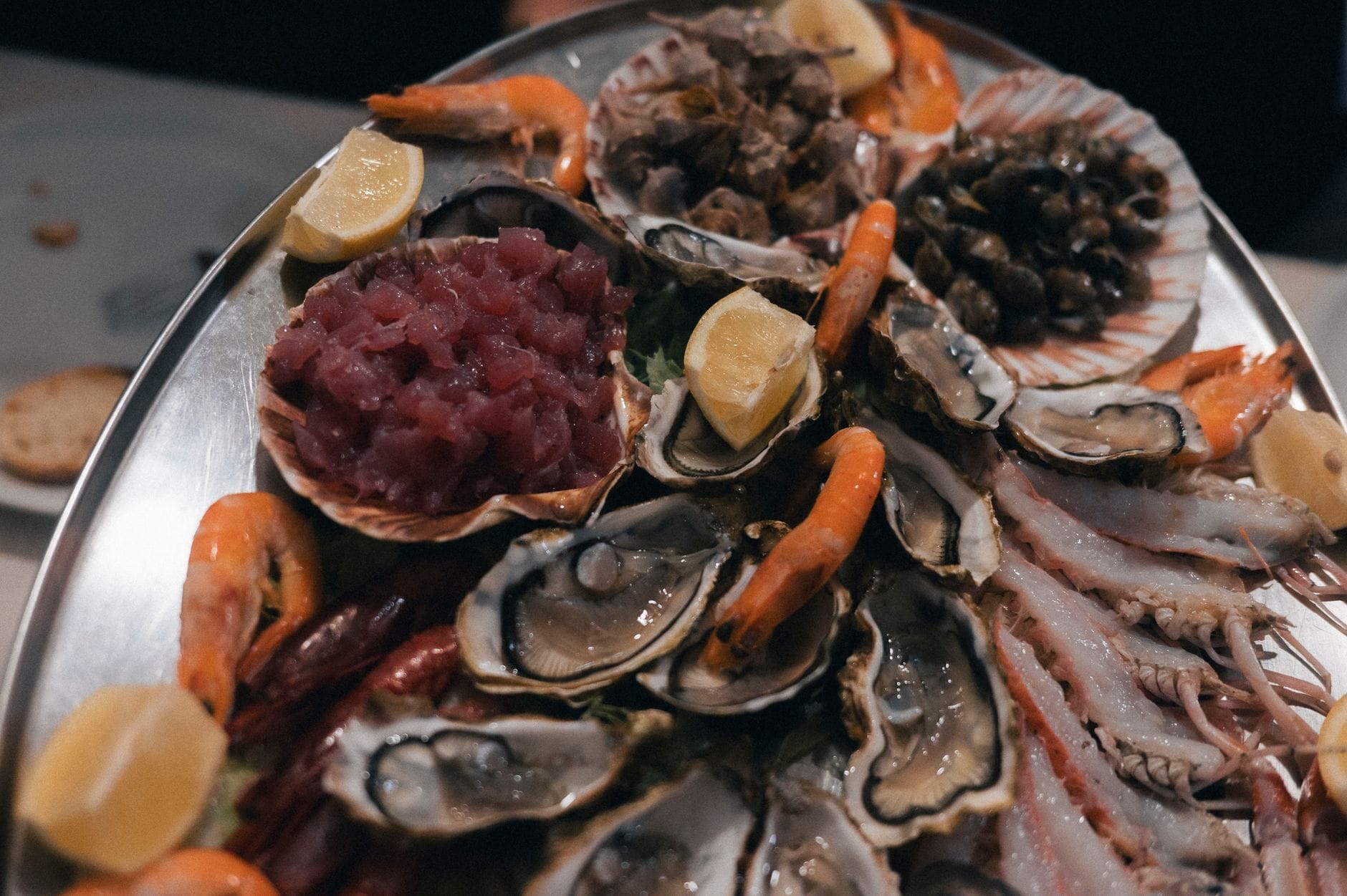
Cádiz sits on a narrow peninsula almost entirely surrounded by Atlantic water, and that geography defines what ends up on the plate. The food here is not about elaborate sauces or heavy land-based stews. It is about quality fish, minimal interference, and techniques refined over centuries by a fishing culture that predates most European cities as we know them.
- Pescaíto Frito The defining dish of Cádiz. A mixed fry of small fish, typically including boquerones (anchovies), acedías (small sole), and pijotas (whiting), coated lightly in chickpea or wheat flour and fried in olive oil at very high heat. The result is crisp, never greasy, and almost always eaten wrapped in paper. Judge a freiduría by this dish first.
- Tortillitas de Camarones Thin, lacy shrimp fritters made with tiny whole shrimp (camarones), chickpea flour, fresh parsley, and onion. When done correctly, they are almost translucent at the edges and crisp throughout. Restaurante El Faro is one of the most cited spots to try these, with a reported price around €3 per fritter.
- Cazón en Adobo Dogfish (cazón) marinated in a vinegar, garlic, and spice mixture before being fried. It is sharper in flavor than most fried fish, with a slight tang from the adobo. Common at freidurías and tapas bars across the city.
- Puntillitas Tiny whole squid, lightly floured and flash-fried. They disappear in two bites and are best eaten immediately, hot from the oil. A portion of puntillitas at the bar is one of the most satisfying €4 you can spend in Cádiz.
- Almadraba Bluefin Tuna Atún rojo caught using the ancient almadraba trap system in the waters between Cádiz and the Strait of Gibraltar. Served in multiple cuts: tarantelo, solomillo, descargamento. Fresh almadraba tuna is a seasonal product available mainly in May and June; year-round versions at most restaurants use frozen product, which is still good but notably different.
- Coquinas Small wedge-shell clams, sautéed quickly in olive oil, garlic, white wine, and parsley. They are delicate and sweet, and the broth left in the bowl is worth soaking up with bread.
ℹ️ Good to know
Cádiz is not a street-food city in the cart-and-vendor sense. The casual food culture here runs through freidurías (fried fish takeaways), tapas bars, and the central market. If you are expecting outdoor food stalls, you will be looking for something that does not really exist here.
Where to Eat: Freidurías, Markets, and Tapas Bars
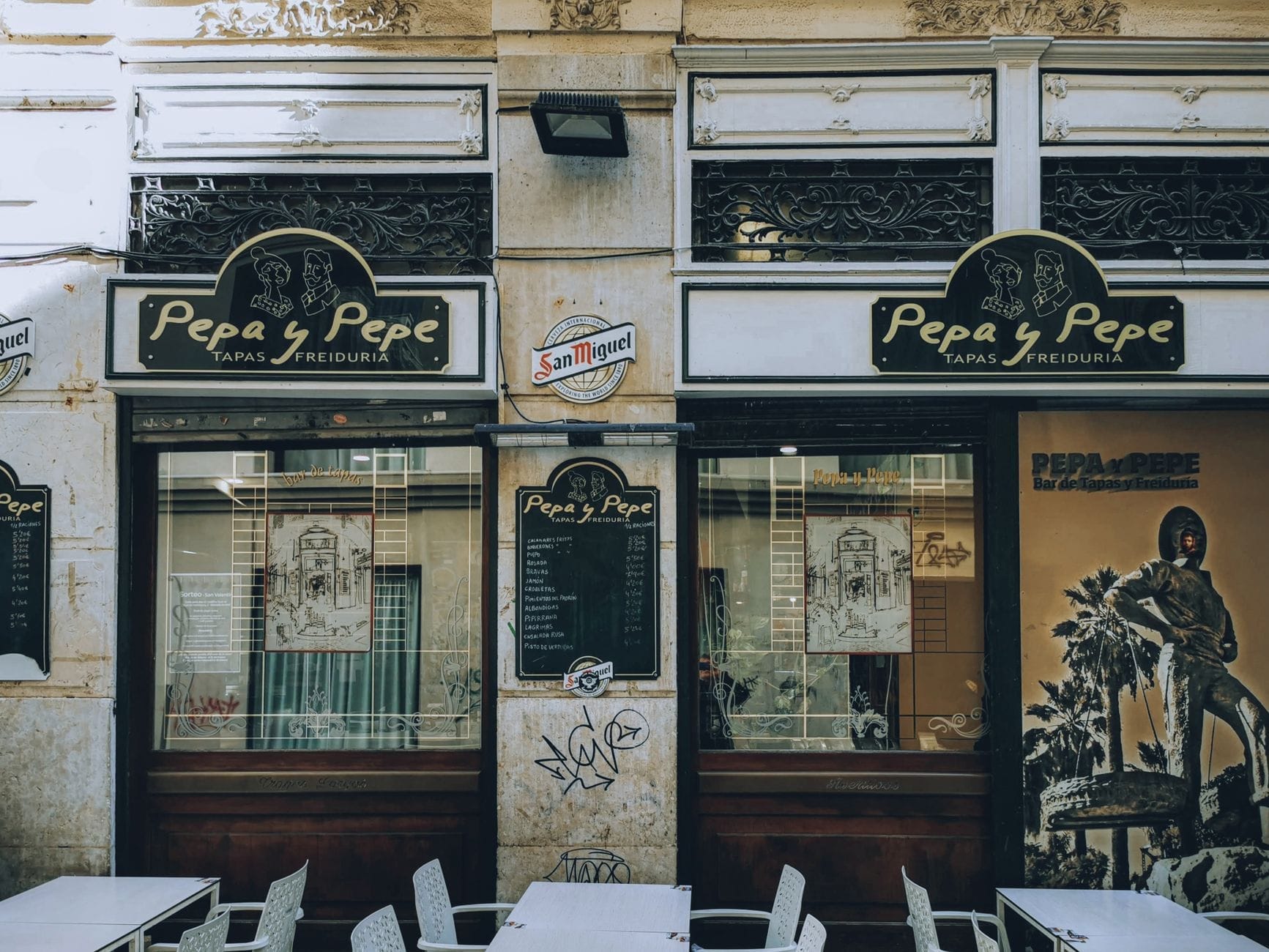
The freiduría is the institution most closely associated with Cádiz food culture. These are dedicated fried fish shops, often with no seating or very limited counter space, where fish is fried to order and served in a paper cone or on a paper plate. Locals pick up pescaíto frito the way people elsewhere pick up a sandwich. Look for freidurías in the old town and around the La Viña neighborhood.
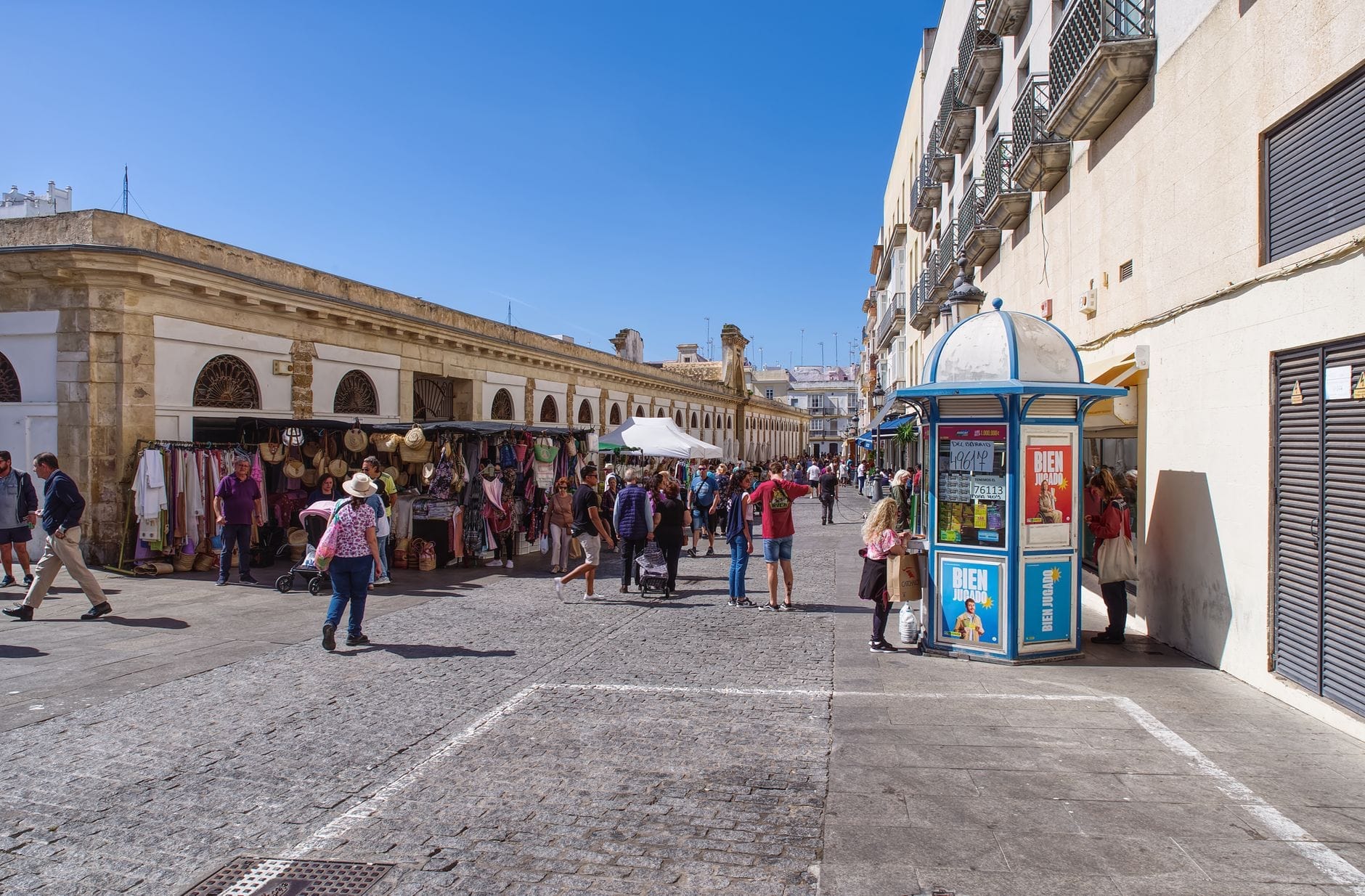
For market dining, the Mercado Central de Abastos is the practical choice. It operates Monday through Saturday, roughly 09:00 to 14:00, and the stalls at the back and periphery serve tapas alongside the fresh produce and fish on offer. Expect to pay market prices: €2–4 for a tapa, €5–8 for a more substantial plate. This is where you see what Cádiz actually eats, rather than what it serves to tourists.
For tapas-hopping in the evening, the streets around Barrio El Pópulo and Barrio La Viña are where most locals gravitate. El Pópulo has a slightly more mixed crowd and a good density of bars in a small area. La Viña is more traditional and strongly associated with Carnival culture; it tends to feel more local, especially on weekday evenings.
💡 Local tip
Always eat at the bar if you want the best price. In Cádiz, sitting at a table often adds a surcharge of 10–20% to the bill, and some bars post different bar and table prices explicitly. A tapas route standing at several bars will cost roughly €15–20 per person; the same food seated as raciones will run €40–50.
Prices and How to Eat Well Without Overspending
Cádiz has a reputation as one of the more affordable cities for eating out in Andalusia, which is already one of the better-value food regions in Spain. The menú del día, a two-course set lunch with bread and a drink, typically costs €8–12 at a neighborhood restaurant. This is the single best way to eat a proper meal for a low price, and it is how working locals eat most weekdays.
- Tapa at the bar: €2–5
- Ración (larger shared plate): €8–14
- Menú del día (set lunch, 2 courses + drink): €8–12
- Paper cone of pescaíto frito at a freiduría: €4–8 depending on size
- Sit-down dinner at a mid-range restaurant: €25–40 per person with wine
- Almadraba tuna dishes: €15–22 per plate at quality restaurants during season
The honest warning: some bars near the cathedral and the main tourist plazas charge noticeably more for the same food you will find two streets away. This is not unique to Cádiz, but it is worth being aware of. If the menu outside has photos and is printed in four languages, you are probably paying a location premium.
⚠️ What to skip
Avoid tapas bars directly on Plaza de San Juan de Dios if budget matters to you. The location is spectacular, but prices are inflated compared to bars in El Pópulo or the streets between the cathedral and the market. Walk two or three blocks inland and prices drop significantly.
Seasonal Eating: When to Go for the Best Ingredients
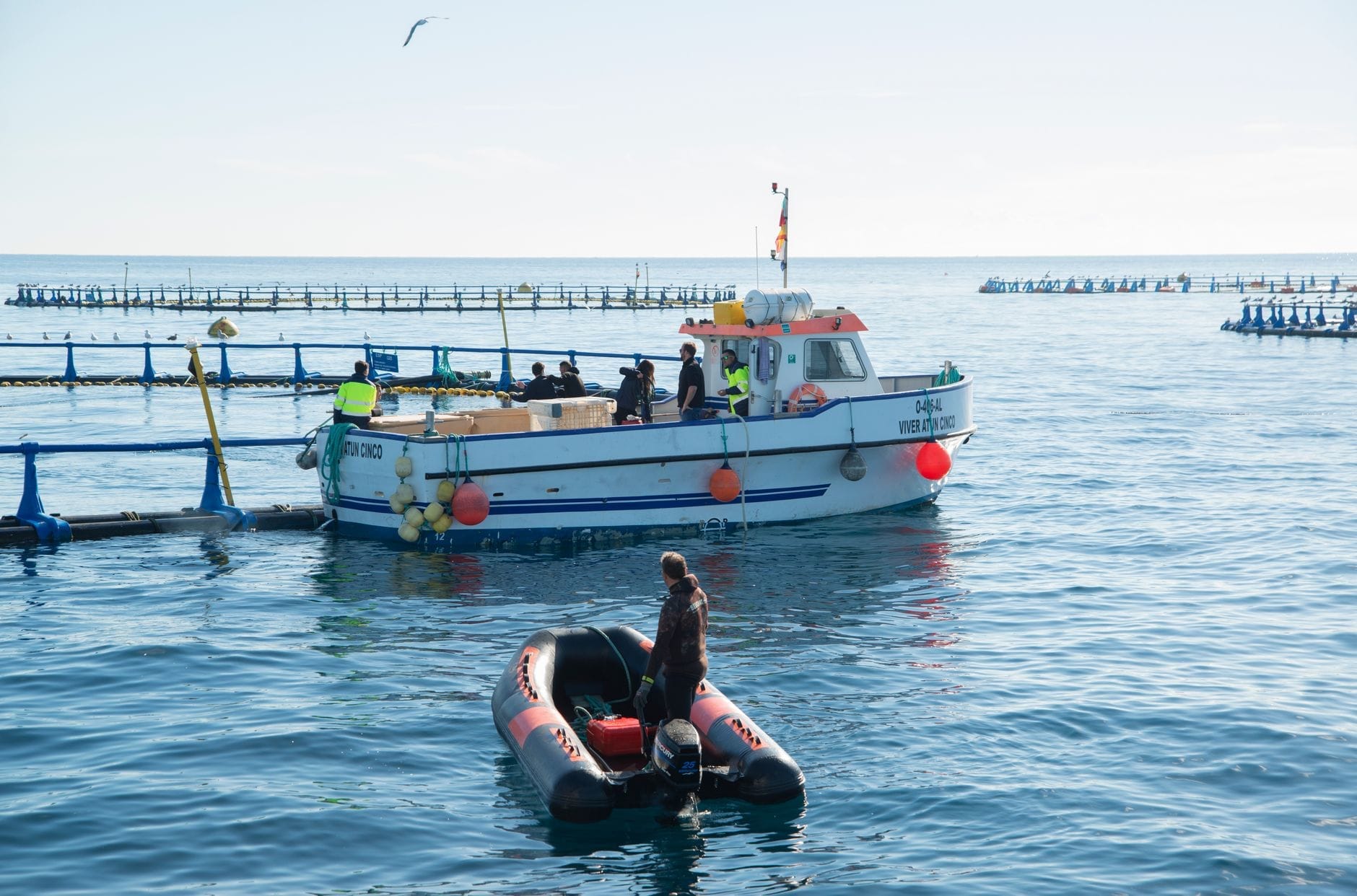
Seafood quality in Cádiz is tied to the Atlantic calendar in ways that most visitors do not account for when planning a trip. The most important seasonal event for food is the almadraba bluefin tuna season, which runs from roughly late April through June. The almadraba is an ancient net-trap system used in the waters between Conil de la Frontera and Tarifa, and the tuna caught this way is among the most prized in the world. During May and June, restaurants in Cádiz serve fresh almadraba tuna in multiple cuts, and the difference in flavor compared to frozen product is substantial.
Outside of tuna season, Cádiz seafood remains excellent year-round due to its Atlantic position. Spring and autumn bring the most moderate dining conditions: restaurant terraces are comfortable, queues at freidurías are shorter than in summer, and the overall atmosphere in the old town is calmer. If you are visiting primarily for food, April to June and September to October align well with both ingredient quality and comfortable temperatures. See the best time to visit Cádiz for a full seasonal breakdown.
Summer (July–August) brings the largest crowds and the longest queues at popular freidurías. The heat also makes heavy eating unappealing during the day, which is why the culture shifts toward lighter tapas, cold seafood, and drinking chilled fino or manzanilla sherry through the evening into the night. This is not a bad time to eat in Cádiz, it is just a different rhythm.
Drinks: Sherry, Local Wine, and What to Order
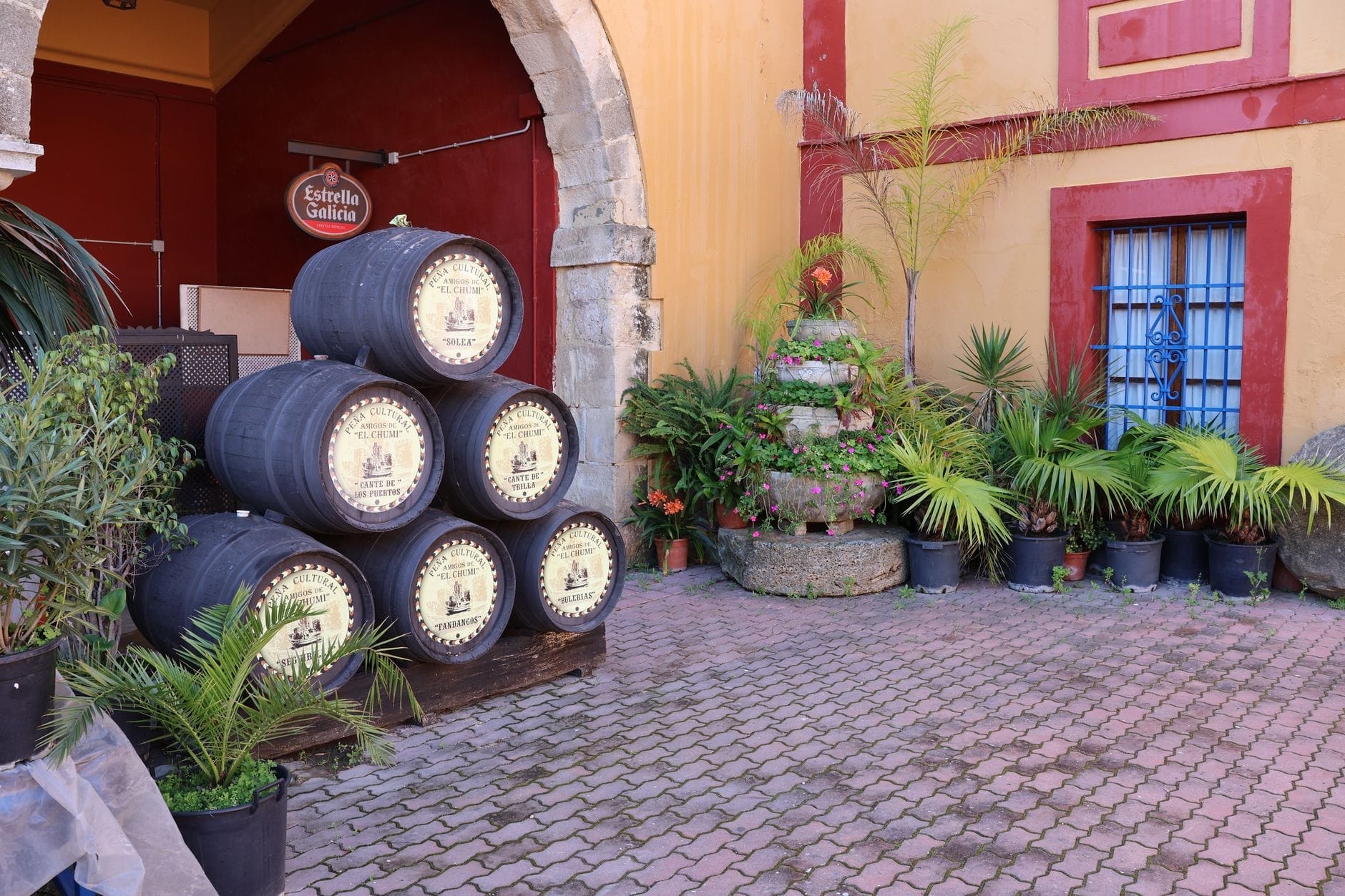
The Province of Cádiz is part of the Sherry Triangle, and the wines produced around Jerez de la Frontera, Sanlúcar de Barrameda, and El Puerto de Santa María are the natural accompaniment to the food here. Fino is the driest and most common: pale, crisp, and slightly saline, it is a natural match for fried fish and shellfish. Manzanilla is similar but produced in Sanlúcar and has a slightly more coastal, iodine-forward character that works especially well with coquinas and fresh shellfish.
A glass of fino or manzanilla at a traditional bar in Cádiz costs €2–3 and is often served with a small complimentary tapa. This is one of the better food-and-drink rituals in Andalusia. If you want to explore the sherry region further, a day trip from Cádiz to Jerez is straightforward and pairs well with an interest in wine culture.
✨ Pro tip
Order manzanilla pasada rather than standard manzanilla if you want a more complex, oxidative character that stands up better to richer seafood dishes like grilled tuna. It is not always listed separately but most good sherry-focused bars will have it.
Practical Notes for Eating in Cádiz
Meal timing in Cádiz follows the Spanish pattern, pushed slightly later than northern Spain. Lunch is typically 14:00–16:00, and this is when the menú del día is served. Dinner at restaurants starts around 21:00, though tapas bars open earlier. If you arrive at a restaurant at 19:30 expecting dinner service, you will often find staff still setting up.
The old town is compact enough that food exploration is naturally done on foot. A walking tour of Cádiz's old town will pass through most of the key eating neighborhoods. The stretch from the Mercado Central toward El Pópulo and then south toward La Viña covers the densest concentration of good, affordable bars. Give yourself two to three hours minimum for a proper tapas circuit.
- Cash is still preferred at many market stalls and older freidurías; carry some euros.
- Most tapas bars close on Mondays or Sundays; check ahead for any specific restaurant.
- The Mercado Central operates mornings only, Monday through Saturday, roughly 09:00–15:00.
- Reservations are not usually needed for tapas bars, but mid-range sit-down restaurants in the old town fill up on Friday and Saturday evenings.
- Vegetarian and vegan options are limited at traditional seafood bars; look for newer restaurants in the centro histórico if this matters to you.
FAQ
What is the most famous food in Cádiz?
Pescaíto frito (fried fish) is the dish most closely associated with Cádiz. Tortillitas de camarones (shrimp fritters) are a close second and more unique to the city. Almadraba bluefin tuna is the most prized seasonal ingredient.
How much does food cost in Cádiz?
Tapas at the bar typically cost €2–5 each. A menú del día set lunch runs €8–12. A full sit-down dinner at a mid-range restaurant costs roughly €25–40 per person with wine. Eating at the bar and sticking to lunch is the most budget-friendly approach.
When is the best time to eat almadraba tuna in Cádiz?
Fresh almadraba bluefin tuna is available mainly in May and June, coinciding with the traditional trap fishing season in the waters near the Strait of Gibraltar. Outside this window, most restaurants serve frozen almadraba tuna, which is still good quality but noticeably different from fresh.
What is a freiduría and where can I find one in Cádiz?
A freiduría is a dedicated fried fish shop that sells pescaíto frito and other fried seafood, usually to take away in paper. They are common throughout the old town and especially concentrated in the La Viña neighborhood. They are not sit-down restaurants; the point is to eat standing up or walking.
What wine or drink should I order with seafood in Cádiz?
Fino or manzanilla sherry is the local choice and pairs exceptionally well with fried fish and shellfish. Both are served chilled, cost around €2–3 a glass, and are often accompanied by a small complimentary tapa at traditional bars.