Best Time to Visit Cádiz, Spain: A Season-by-Season Breakdown
Cádiz enjoys one of Spain's most agreeable climates, with over 3,000 sunshine hours a year and Atlantic breezes that soften summer heat. But the best time to visit Cádiz depends entirely on what you're after: quiet sightseeing, beach days, Carnival madness, or winter-sun escape. This guide breaks it all down by season, event, and activity type.

Plan and book this trip
Tools from our partner Travelpayouts help you compare flights and hotels. If you book through them, we may earn a commission at no extra cost to you.
Flights
Hotels map
TL;DR
- Spring (April to mid-June) and early autumn (September to October) offer the best balance of comfortable temperatures (19–26°C), manageable crowds, and lower prices.
- Summer (July–August) is peak season: expect busy beaches, higher hotel rates, and average coastal highs around 28–29°C, though heatwaves can push it further.
- February's Carnival is Cádiz's biggest event — book accommodation months in advance or expect to find nothing at any price.
- Winter daytime highs of 16–17°C make Cádiz a legitimate winter-sun destination, not a city that shuts down in the cold.
- Wind is a constant reality year-round. Even on sunny days, Atlantic gusts can be significant — factor this into beach and outdoor plans. See our Cádiz beaches guide for which spots offer the best shelter.
Cádiz Climate at a Glance
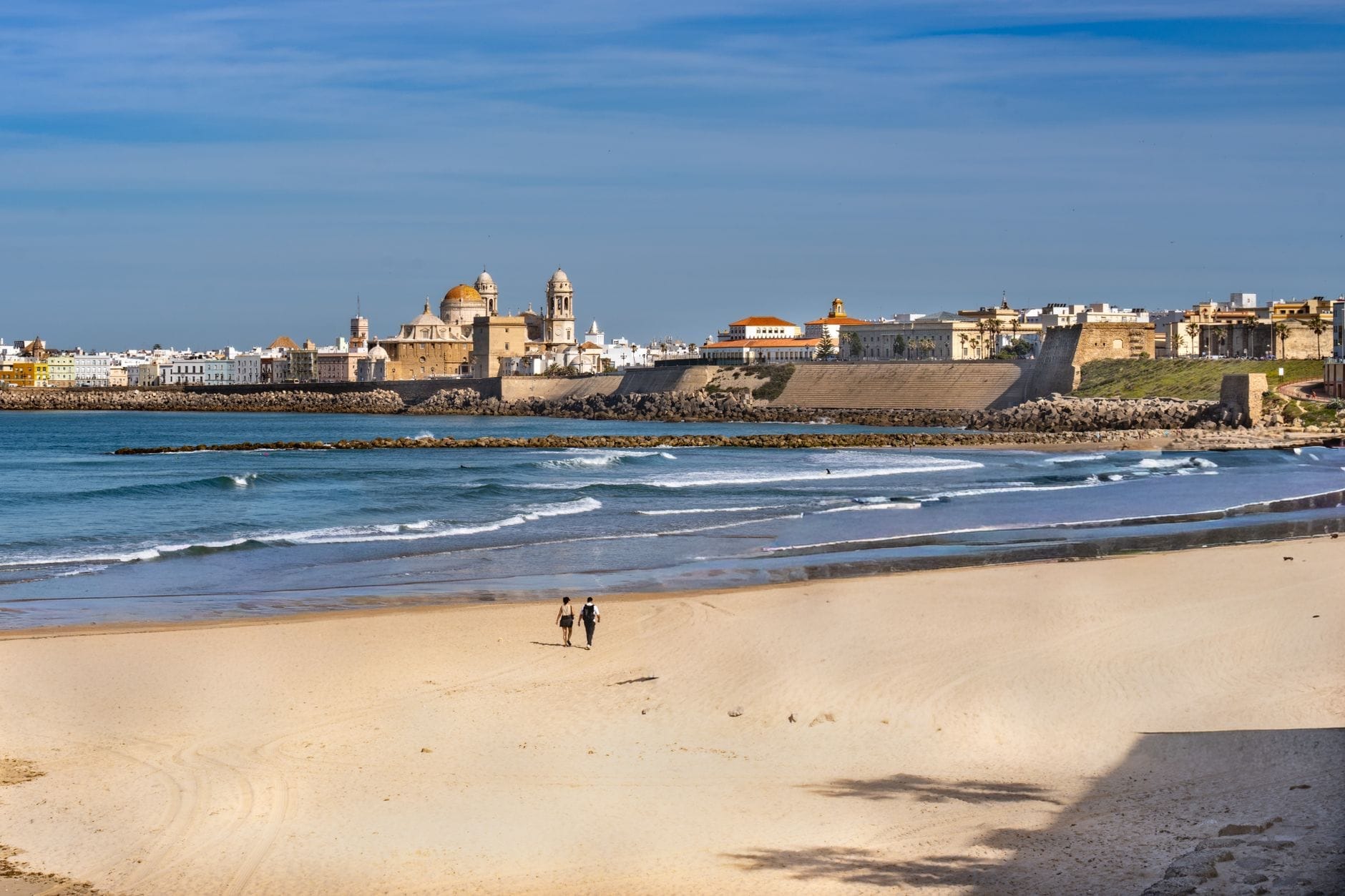
Cádiz sits on a narrow peninsula jutting into the Atlantic, and that geography shapes everything about its weather. The ocean moderates temperatures in both directions: summers stay cooler than inland Andalucía, and winters stay warmer than most of Spain. The city logs around 3,025 sunshine hours per year, annual rainfall sits at roughly 525 mm, and sea temperatures vary seasonally from cool in winter to warm in summer.
The wind deserves its own sentence. Cádiz is notoriously exposed to Atlantic winds, particularly the Levante (easterly) and Poniente (westerly). On a bright April morning, you might need a jacket. In August, a sea breeze that looks charming from a café terrace can make a beach umbrella practically airborne. This is not a drawback unique to any one season — it's a year-round feature that visitors consistently underestimate.
ℹ️ Good to know
Cádiz is in the CET timezone (UTC+01:00), switching to CEST (UTC+02:00) during summer daylight saving time. This affects sunset times significantly: in June and July, the sun sets very late, giving you genuinely long evenings for sightseeing and dining.
Spring (April to Mid-June): The Sweet Spot

If you have flexibility on timing, spring is where Cádiz delivers most consistently. Daytime temperatures typically sit between 19°C and 24°C, rain is minimal after April, and the city hasn't yet hit its summer saturation point. The old town is walkable without the midday heat penalty, and attractions like the Torre Tavira, the Catedral de Cádiz, and the Mercado Central de Abastos are accessible without long queues.
Semana Santa (Holy Week, typically late March or April depending on the calendar) is a major religious and cultural event across Andalucía. In Cádiz, processions move through the narrow streets of the historic centre with genuine solemnity — this is worth witnessing, but expect accommodation prices to spike and some streets to be intermittently blocked. Book at least six to eight weeks ahead if you plan to visit during Holy Week.
Late May and early June hit a particularly comfortable window: warm enough for Playa de la Caleta in the afternoon, cool enough for long walks along the Campo del Sur seafront promenade without breaking a sweat. Sea temperatures are still on the cool side (around 18–20°C) for swimming, so this window suits sightseers more than dedicated beach-goers.
- Best for City sightseeing, cultural visits, day trips to Jerez or Arcos de la Frontera, walking the old town walls
- Temperatures 19–24°C daytime highs; evenings can still be fresh, particularly in April
- Crowds Moderate, with spikes during Semana Santa and Spanish public holidays (May 1 Labour Day, regional holidays)
- Sea swimming Possible from late May but Atlantic temperatures remain cool; most locals wait until July
Summer (Mid-June to Mid-September): Peak Season Reality
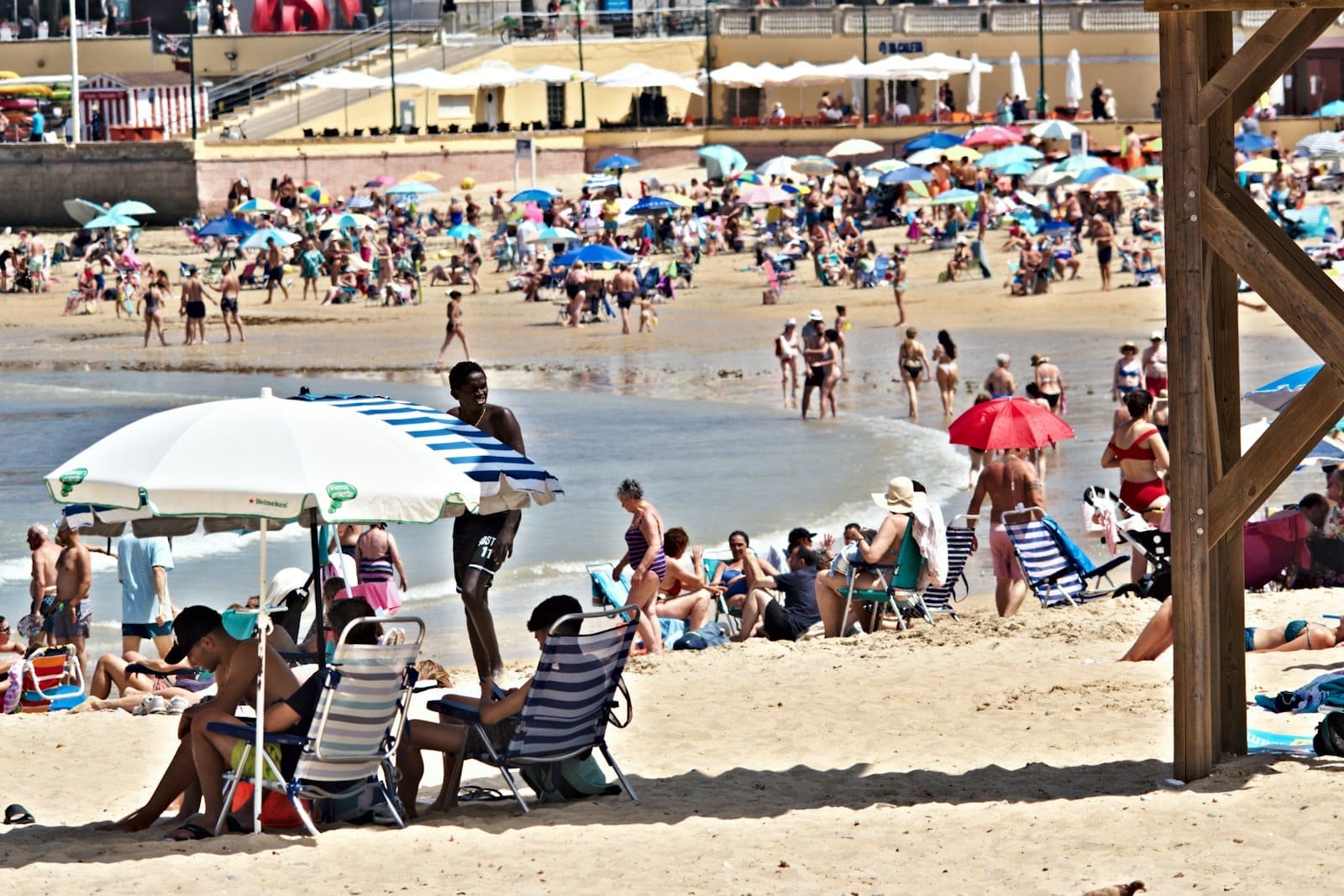
Summer is when Cádiz becomes a different city. Spanish families arrive in force, Playa de la Victoria fills from mid-morning, and the historic centre slows down in the early afternoon heat as most visitors retreat to the shade or the beach. Hotel rates are at their highest, and the best-reviewed apartments in the old town book out weeks or months in advance.
The coastal location keeps average highs around 28–29°C in July and August, which is genuinely more bearable than Seville or Córdoba (where 38–40°C days are common in summer). Atlantic breezes make outdoor dining feel pleasant even in the evenings. But heatwaves do reach Cádiz, and when they do, the old town's stone streets radiate heat. The Parque Genovés and the Alameda Apodaca gardens offer shade, but they're packed on hot afternoons.
⚠️ What to skip
If you're visiting in July or August primarily for the beach, be at Playa de la Victoria before 10 AM to secure a good spot. By midday on a clear weekend, the beach is packed from the water to the promenade. Playa de la Caleta, closer to the old town, is smaller and fills faster — realistic only for a swim rather than a full beach day in peak season.
Summer does have a genuine advantage for families and beach lovers: the sea reaches around 22–23°C, making it comfortable for extended swimming. Evening life extends late, with restaurants filling from 9 PM and terraces open past midnight. The city's social energy in summer is real — if you like that atmosphere and can handle the crowds and prices, summer works. If you're focused on museums, walking tours, and budget travel, it's the hardest season to enjoy.
Autumn (Mid-September to November): The Underrated Season
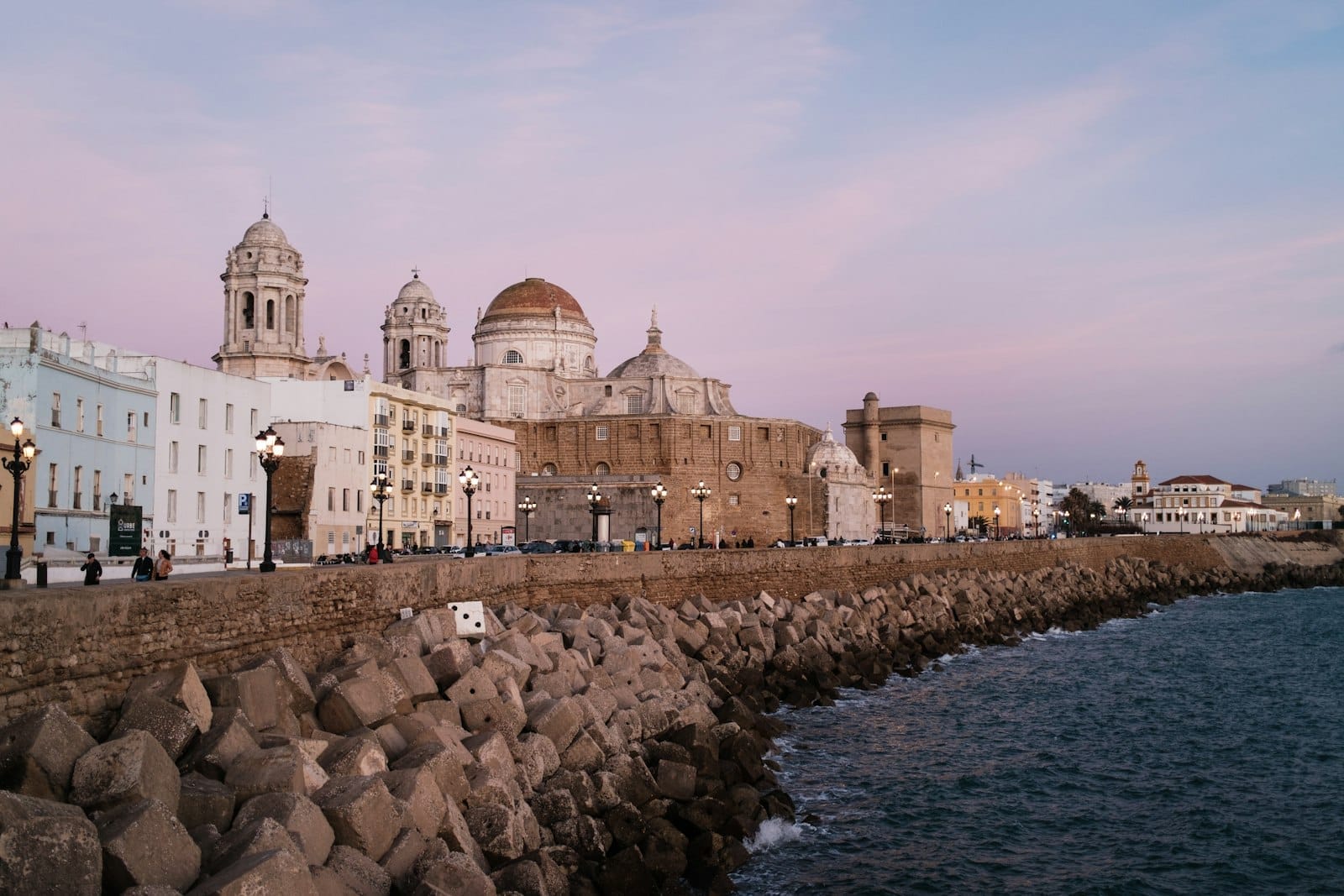
September is arguably the single best month in Cádiz if you can only pick one. Summer crowds have begun to thin, the sea is still warm from months of sun (around 21–22°C), temperatures sit in the low-to-mid 20s, and prices drop noticeably from their August peak. The city feels like it exhales. Locals return to their routines, the old town cafés are less chaotic, and you can actually get a table at the places worth eating at.
October remains pleasant, with temperatures typically between 18–22°C and only occasional rain. This is a strong window for combining beach time with serious cultural exploration: the Museo de Cádiz, the Catedral de Cádiz, and a walking tour of the old town are all more enjoyable without summer heat and crowds.
November is when the rain arrives in earnest. It's the wettest month of the year on average. You'll still get sunny stretches, but multi-day rain is possible and the beach season is over. Prices and crowds are low, which suits travellers who prioritise budget and quiet over guaranteed sunshine.
Winter (December to March): Off-Season or Winter Sun?
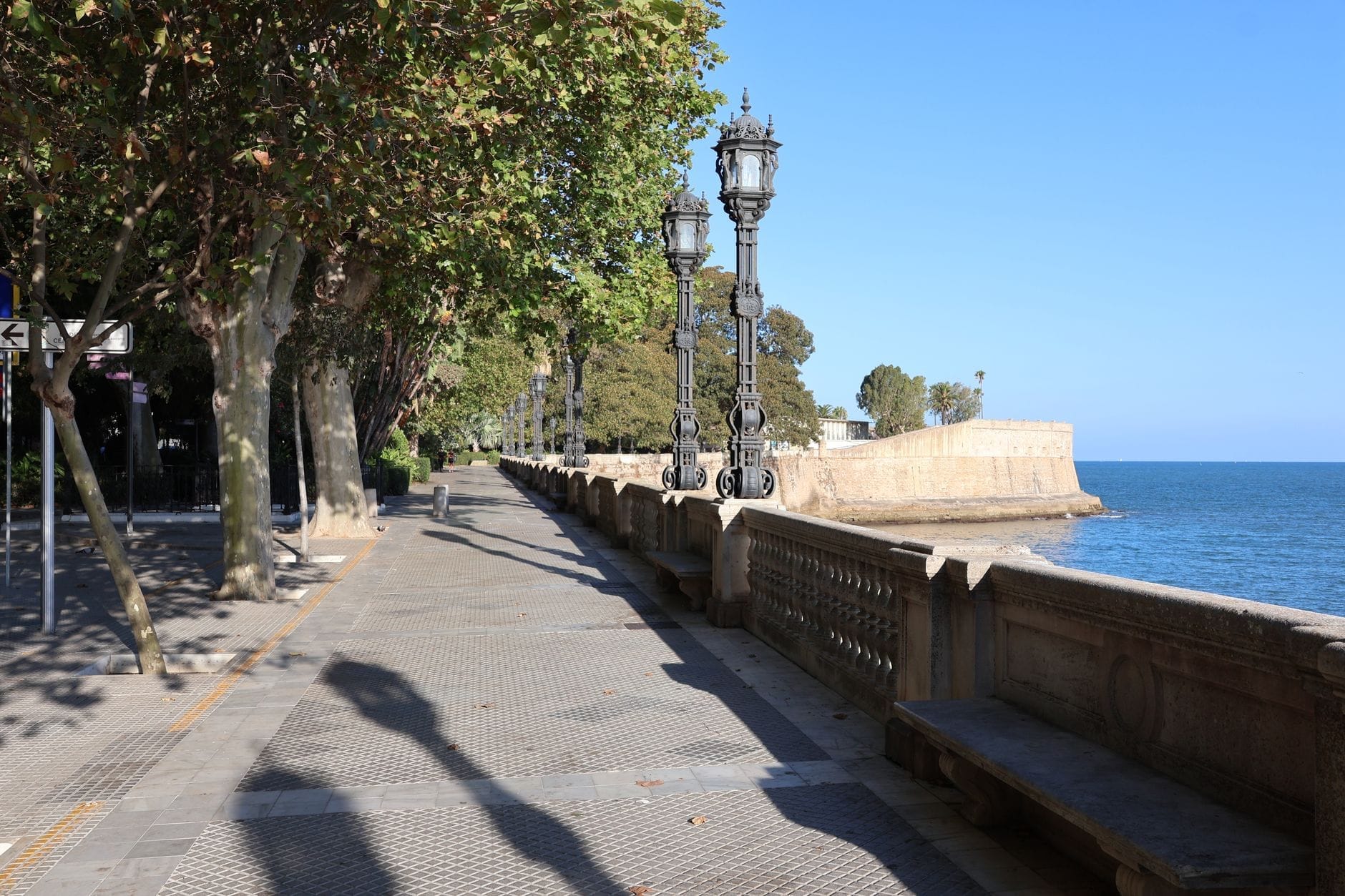
Winter in Cádiz is routinely misunderstood. Daytime highs in December through February typically reach 16–17°C, which is cold for beach trips but genuinely mild for city exploration. You'll find sunny days (the annual 3,000-plus sunshine hours don't vanish in winter) and a city that belongs more to residents than to tourists. Prices for accommodation drop significantly, and the old town's narrow streets are easy to walk without navigating crowds.
The major exception is February's Carnival (Carnaval de Cádiz). This is not a tourist-facing spectacle bolted onto the city's calendar — it's deeply woven into Cádiz's identity and draws visitors from across Spain and beyond. The Cádiz Carnival runs for roughly ten days, centred on the weekend before Ash Wednesday. Streets fill with costumed groups (comparsas and chirigotas) performing satirical songs. If you want to experience it, plan months ahead: accommodation within the city books out completely, and last-minute options often require staying in Jerez or Seville and commuting in by train.
✨ Pro tip
Carnival in Cádiz is genuinely one of Spain's most distinctive festivals, but it's not universally appealing. If you don't enjoy dense crowds, street noise late into the night, and limited restaurant availability, consider visiting in the week after Carnival ends — the city is quieter, decorations are still up, and you'll catch the tail of the festive atmosphere without the peak chaos.
December brings Spanish national holidays (Constitution Day on December 6, Immaculate Conception on December 8) that create mini long weekends and push domestic travel. Christmas and New Year periods see moderate price increases and busier restaurants. January is often one of the quietest and cheapest months to visit Cádiz — worth considering if your goal is to explore the city at its most relaxed. Andalusia Day on February 28 is a regional public holiday that can affect opening hours of public institutions.
- Book Carnival accommodation (mid-February) at least 3–4 months in advance — 6 months is safer
- Semana Santa (March or April) requires booking 6–8 weeks minimum ahead
- July–August: book popular old-town apartments at least 4–6 weeks out; top-rated places often book faster
- September and October: usually fine with 2–3 weeks notice outside public holiday weekends
- January: last-minute booking is often possible and rates are at their lowest
Choosing Your Timing by Activity

Cádiz rewards different types of travellers in different seasons. If your priority is exploring the Barrio El Pópulo and La Viña on foot, catching a flamenco performance, and sitting in Plaza San Juan de Dios without fighting for a table, spring and autumn are your seasons. If you're travelling with children who need beach days and warm sea swimming, July and August deliver that — with the trade-off of higher costs and busier conditions.
Day trips are worth factoring into your timing. A day trip from Cádiz to Jerez is comfortable in any season, but spring and autumn make the journey and exploration most pleasant. Summer day trips work but benefit from an early start to avoid the worst of inland heat.
💡 Local tip
If you're deciding between spring and autumn and can only choose one, lean toward September. You get the tail of beach season, the lowest post-summer prices, warm sea temperatures, and the city at a genuinely relaxed pace. April is better if events like Semana Santa or local festivals are part of your reason for visiting.
FAQ
What is the best month to visit Cádiz, Spain?
September is the strongest single month: warm sea temperatures around 21–22°C, reduced summer crowds, lower prices than July–August, and pleasant daytime highs in the low-to-mid 20s. For pure sightseeing comfort, May is a close second. Both outperform peak summer for most travellers.
Is Cádiz worth visiting in winter?
Yes, for the right traveller. Daytime temperatures typically reach 16–17°C in December–February, which is mild enough for walking the city comfortably. Prices are lower, crowds are minimal, and you'll experience Cádiz as locals live it. The main winter draw is February's Carnival — book well ahead. The main drawback is that late autumn and midwinter can bring rainy stretches.
How crowded does Cádiz get in summer?
July and August are genuinely busy, particularly at the beaches and in the old town. Playa de la Victoria fills by midday on clear days. The historic centre sees significant tourist traffic but doesn't feel as overwhelmed as Seville or Barcelona at the same time of year — Cádiz's scale limits how congested it gets.
When is Cádiz Carnival and how do I plan for it?
Cádiz Carnival runs for approximately ten days, centred on the weekend before Ash Wednesday — dates shift each year based on the Catholic calendar, typically falling in February. It's one of Spain's most distinctive festivals, drawing large crowds from across Spain. Book accommodation at least 3–4 months ahead (6 months is more reliable). Staying in Jerez or Seville and taking the train in is a viable fallback if the city is full.
Does Cádiz get very hot in summer?
Less than most of inland Andalucía. The Atlantic location keeps average highs in July–August around 28–29°C, moderated by sea breezes. Heatwaves do occur and can push temperatures higher, but Cádiz regularly feels 8–12°C cooler than Seville or Córdoba on the same day. Wind is a year-round factor that further moderates the heat — and occasionally makes a beach umbrella a liability.